Kangal Dog: Size, Temperament, Bite Force Claims, and Care
By Dr. Zubair Khalid, DVM, MS, PhD ·
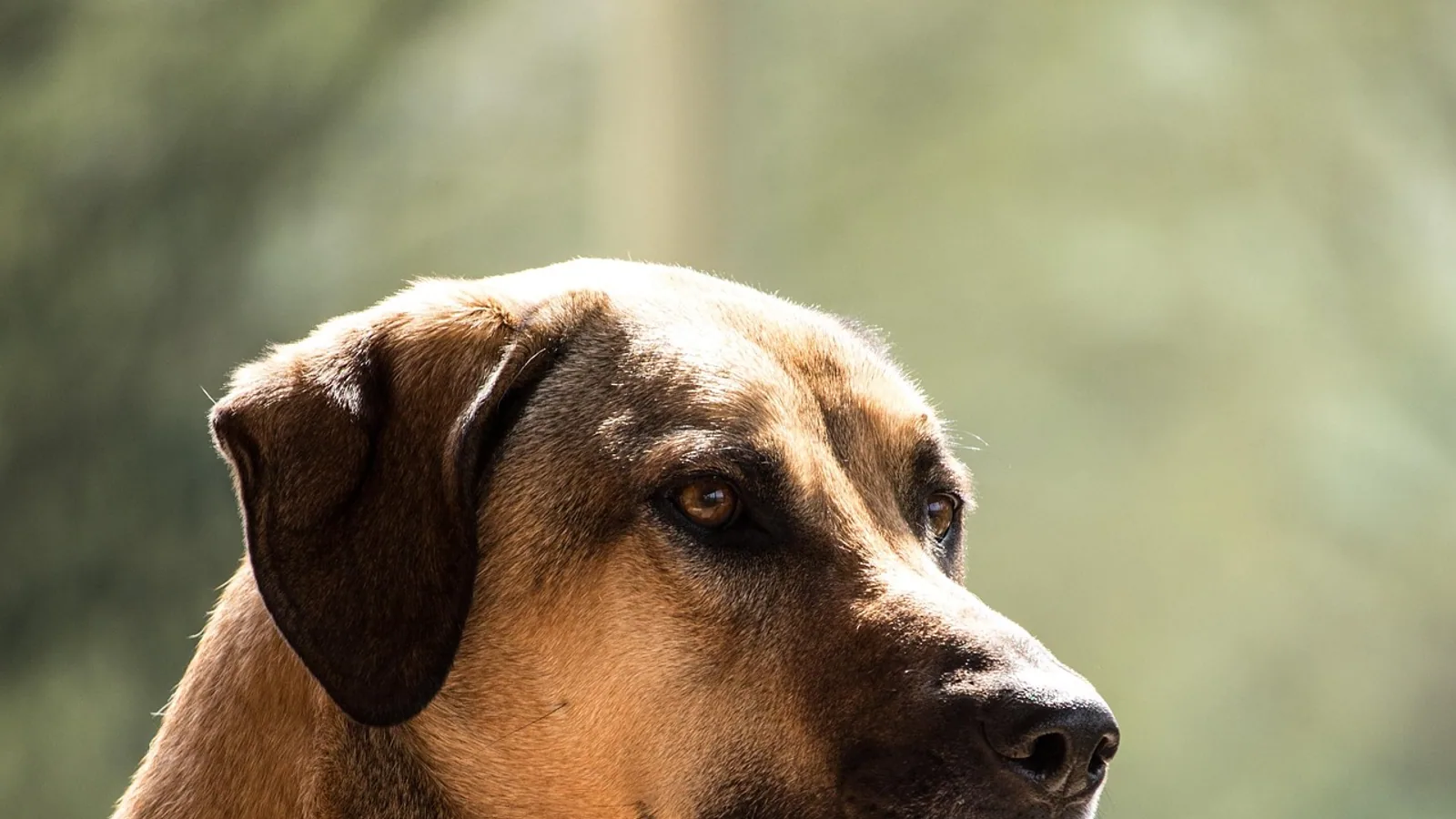
The Kangal dog is a Turkish livestock guardian breed: a large, powerful, heavily boned dog developed to live with sheep and goats and to drive off predators without human direction. Adult males commonly stand well over 30 inches at the shoulder and weigh more than 100 pounds, and the breed's working temperament is calm, independent, and territorial rather than playful or eager to please. Kangal shepherd dogs are not suited to apartments, casual dog-park life, or first-time owners who want an affectionate house pet. They are suited to experienced owners with secure land, a clear job for the dog, and patience for a breed that thinks for itself.
This article covers the Kangal's history, true size, temperament, the viral bite force numbers that circulate online, the Kangal versus Anatolian Shepherd registry question, health screening, and the practical realities of keeping a giant guardian breed. It is written for US owners and follows the clinical framing used by the American Veterinary Medical Association and AAHA wellness guidance, which recommend breed-aware preventive care, early screening for inherited disease, and regular veterinary assessment throughout life.
This article is educational and is not a substitute for veterinary diagnosis or treatment.
At a Glance
| Trait | Kangal Dog |
|---|---|
| Origin | Türkiye (Anatolia), developed as a livestock guardian |
| Group | Livestock guardian dog (LGD) |
| Height | Giant breed, males substantially larger than most common pet breeds |
| Weight | Giant breed, commonly over 100 lb in adult males |
| Coat | Short to medium, dense, double coat with a thick undercoat |
| Color | Typically fawn or tan with a dark mask and dark ears |
| Lifespan | Long-lived for a giant breed, often into the double digits |
| Energy level | Moderate, with long periods of quiet vigilance |
| Grooming | Moderate, seasonal shedding is heavy |
| Trainability | Independent, not obedience-focused, requires experienced handling |
| Good with children | Requires supervision, size alone creates risk |
| Good with other pets | Variable, predatory drive toward small animals is common |
| Skull type | Dolichocephalic (long and narrow) despite a mastiff-like appearance [1] |
History and Purpose
The Kangal is one of many livestock guardian dog breeds that developed across the Balkans, Anatolia, and the Caucasus. These dogs were bred for a single function: living among flocks, bonding with livestock, and confronting predators. Genomic work on 304 livestock guardian dogs and more than 2,000 modern and ancient dogs shows that these breeds do not descend from one single ancestor [2]. Instead, modern LGDs show shared ancestry and extensive gene flow, which the authors attribute to historical livestock migrations. The same study found admixture between LGDs and free-ranging dogs, which argues against strict reproductive isolation as the mechanism that preserves guarding skill [2].
That finding matters for owners. The guarding behavior of the Kangal is not a fragile trait that collapses the moment a dog meets a non-guarding dog. It is a functional package shaped by centuries of selection, and it persists across the breed group.
Cranial research on Balkan and West Asian LGDs places these dogs in a distinct cluster. Most LGDs, including the Anatolian group, show a cranial morphology intermediate between mastiff breeds and large herding dogs [3]. The Kangal is often described as mastiff-like in appearance, but skull measurements of adult male Kangal dogs show a dolichocephalic (long-headed) type, not a brachycephalic one [1]. That distinction is clinically useful. Dolichocephalic dogs have different airway anatomy than flat-faced breeds, and the Kangal's long muzzle is part of what allows it to work in heat while breathing efficiently.
Appearance and Size
The Kangal is a giant breed with a massive head, heavy bone, and a deep chest. Craniometric study of adult male Kangal skulls produced a skull index of 50.29, a cranial index of 46.05, and a facial index of 99.62 [1]. Those numbers place the breed firmly in the dolichocephalic category. Owners sometimes assume a big-headed dog is brachycephalic, but the Kangal's head is long rather than short, and the breed does not carry the airway risks of flat-faced dogs.
Reference blood pressure data collected from 48 healthy Kangal dogs in Türkiye gives a sense of the breed's physical scale as a working giant. The study measured arterial blood pressure in dogs ranging from two to 96 months of age, with a mean age of 36 months [4]. The authors note that the Kangal is a giant breed predisposed to cardiovascular disease and that blood pressure values are highly breed and age dependent, so reference ranges from other breeds are not appropriate for Kangal dogs [4]. This is a practical point for any veterinarian seeing a Kangal for the first time: standard small-breed blood pressure norms do not transfer.
Coat color in the working Kangal is typically fawn or tan with a dark facial mask and dark ears. The coat is short to medium in length with a dense undercoat, which supports the breed's original climate range across the Anatolian plateau.
Temperament: The Guardian Mindset
Livestock guardian dogs are behaviorally distinct from herding breeds, retrievers, and terriers. A study comparing play behavior across breed types found that retrievers engaged in significantly higher levels of solitary play than LGDs, and LGDs showed low play drive overall [5]. This is not a defect. It reflects a breed group selected for long periods of quiet observation rather than active engagement with objects or people.
The Kangal temperament is best described as calm, watchful, and independent. These dogs bond strongly with their flock or family and treat unfamiliar people and animals with suspicion. They are not typically eager to please in the obedience sense. Behavioral genetics research notes that livestock guarding by maremmas is a breed-specific behavior with a genetic component, while also pointing out that the genes underlying most canine behaviors remain poorly mapped [6]. In plain terms, you can expect guarding behavior from a Kangal because it is bred in, but you cannot predict the exact expression in an individual dog from breed alone.
A 2017 study on maternal cannibalism in Kangal dogs found that some Kangal dams eat their own puppies within the first 24 hours after birth, and that serum adenosine deaminase activity was higher in affected dogs than in controls [7]. The authors suggest that postnatal measurement of ADA activity may be useful in assessing this behavior. This is a serious welfare issue for breeders, and it is one reason Kangal litters need close supervision at whelping. It is not a reflection of the breed's temperament toward humans.
The Kangal Bite Force Question
Search interest in "Kangal bite force" is driven by viral posts claiming figures in the range of 700 to 1,000 pounds per square inch, often presented as the strongest bite of any dog. No reliable measured data supports those numbers.
Bite force in dogs is difficult to measure directly. There is no standardized, peer-reviewed dataset of measured bite forces across dog breeds that would allow a specific pound-per-square-inch figure to be assigned to the Kangal. The numbers that circulate online are typically extrapolated from skull size, from captive big cat measurements, or from other breeds, and then repeated without a primary source. The Kangal's skull is large, and its jaw is powerful, but "powerful" is a qualitative description, not a measurement.
What the veterinary literature does support is that the Kangal has a large, dolichocephalic skull with substantial jaw musculature [1]. That anatomy is consistent with a dog capable of delivering a serious bite. It does not support any specific pound-per-square-inch claim.
The practical takeaway for owners is simple. Treat any Kangal bite as a medical emergency for the person or animal on the receiving end, and treat the dog as capable of inflicting severe trauma. The exact number is irrelevant to safety planning. Secure fencing, supervision around visitors, and muzzle training for veterinary visits matter far more than a viral statistic.
Kangal vs Anatolian Shepherd: The Registry Question
This is one of the most confusing topics in the breed, and the confusion is legitimate.
The Kangal is a specific Turkish landrace dog from the Sivas region of central Anatolia. The Anatolian Shepherd Dog, as recognized by US registries, is a broader category that historically encompassed multiple Turkish guardian types, including Kangal-type dogs, Akbash-type dogs, and others. For decades, the two names were used almost interchangeably in the United States, and many dogs registered as Anatolian Shepherds are Kangal-type dogs.
Genetic research supports treating these as related but distinguishable populations. The cranial morphology study found that Balkan and Anatolian LGDs form a distinct cluster, and that most LGDs show morphology intermediate between mastiffs and large herding dogs [3]. Population genetics work on Western Balkan LGD breeds found that even breeds with common geographic origins and relatively recent formal recognition as separate breeds show distinct population dynamics and can be considered genetically distinct based on differentiation values and assignment percentages [8]. That pattern, applied to the Kangal and the broader Anatolian Shepherd population, supports the view that the Kangal is a distinct breed rather than simply a color variant.
For owners, the registry question has practical consequences. A dog registered as an Anatolian Shepherd Dog in the US may be a Kangal-type dog, a different Turkish guardian type, or a mix. The two registries have different breed standards, different histories, and different breeding populations. If you are looking for a Kangal specifically, ask about the dog's lines, the breeder's foundation stock, and whether the breeder distinguishes Kangal-type dogs from other Turkish guardians. If you are looking for a working LGD and are not attached to a specific registry, the Anatolian Shepherd category may offer a wider gene pool.
Health screening recommendations are similar for both, because both are giant guardian breeds with overlapping risk profiles.
Exercise, Space, and Fencing Needs
The Kangal is not a high-energy breed in the way a Border Collie or a Belgian Malinois is. It is a breed with moderate exercise needs and a strong territorial drive. The dog needs space to patrol, a clear territory to guard, and a job. A Kangal confined to a small yard with nothing to watch will redirect its guarding instinct toward the fence line, passing dogs, delivery drivers, and neighbors.
Secure fencing is not optional. A Kangal that decides a stranger is a threat will attempt to reach that stranger. Fencing must be tall enough that the dog cannot see over it easily, buried or reinforced at the base to prevent digging, and rated for a dog that weighs over 100 pounds and can hit a gate at speed. Electronic fences are not appropriate for this breed. A guardian dog that is shocked for approaching a perceived threat learns nothing useful about threat assessment.
Exercise should be structured around patrol and controlled walks rather than dog-park play. Kangals are often dog-aggressive with unfamiliar dogs, particularly dogs of the same sex, and a 100-plus-pound guardian breed in a dog park is a serious liability. Leash walks in low-traffic areas, supervised time in a securely fenced yard, and work alongside livestock if the dog has a job are the realistic options.
Training a Kangal
Training a Kangal is different from training a retriever or a herding breed. These dogs are independent problem-solvers, and they do not respond well to repetitive obedience drills or harsh corrections. They respond to clear structure, consistent boundaries, and handlers they respect.
Basic manners and a reliable recall are achievable, but they require patience. A Kangal that has decided a situation is not worth responding to will simply not respond. This is not stubbornness in the human sense. It is the breed doing what it was selected to do: make its own decisions about threats.
Socialization from puppyhood matters, but it does not override genetics. A well-socialized Kangal may tolerate familiar visitors, but it will still treat unfamiliar people as potential threats. Owners should plan for management rather than expecting the dog to become friendly with everyone.
Muzzle training is worth doing early. A giant guardian breed that may need to be muzzled at the veterinary clinic, during travel, or in an emergency is far easier to handle if the muzzle is a familiar object rather than a novel restraint.
Grooming and Basic Care
The Kangal's double coat requires regular brushing, with heavy seasonal shedding in spring and fall. Bathing frequency should be based on the dog's activity and skin condition rather than a fixed schedule. Nail trimming, ear checks, and dental care follow standard giant-breed routines.
One anatomical detail worth knowing for veterinary visits: the arterial supply of the thoracic limb in Kangal dogs has been described in detail, including the branching pattern of the axillary and brachial arteries and the formation of the superficial and deep palmar arches [9]. This is not something owners need to memorize, but it is useful context for anyone performing surgery or placing catheters in the breed.
Feeding a Giant Breed
Giant breeds have specific nutritional needs during growth. Rapid growth in large-breed puppies is associated with developmental orthopedic disease, and feeding a diet formulated for large-breed growth is standard practice. The Kangal puppy should not be free-fed, and growth rate should be monitored at veterinary visits.
Adult Kangals are efficient eaters for their size. Obesity is a real risk in sedentary dogs, and body condition scoring at every veterinary visit is the simplest way to catch it early. A Kangal that is carrying extra weight puts additional stress on hips, elbows, and the cardiovascular system.
Bone turnover research in Kangal shepherd dogs shows that age affects bone metabolism markers. In a study of adult, senior, and geriatric Kangal shepherd dogs, bone alkaline phosphatase was highest in geriatric females, while osteocalcin, CTX, and ICTP were highest in geriatric males [10]. The authors note that these markers may have clinical application in veterinary practice. For owners, the takeaway is that senior Kangals benefit from periodic bloodwork that includes musculoskeletal and metabolic assessment, not just a general wellness panel.
Inherited and Common Health Problems
Hip Dysplasia and Orthopedic Disease
Hip dysplasia is a concern in any giant breed, and the Kangal is no exception. The breed's heavy build and rapid growth phase increase the load on the hip joints. Standard screening includes hip radiographs evaluated by a recognized registry such as the Orthopedic Foundation for Animals (OFA) or PennHIP. The AAHA and AVMA both emphasize breed-specific screening as part of responsible breeding, and any Kangal breeding pair should have hip evaluations on file.
Elbow dysplasia is also worth screening in giant breeds. Owners should ask breeders for both hip and elbow clearances before committing to a puppy.
Entropion and Eyelid Disorders
Entropion, in which the eyelid rolls inward and irritates the cornea, occurs in many heavy-faced and large breeds. The Kangal's facial structure and loose skin around the eyes create risk. Signs include squinting, excessive tearing, pawing at the eye, and corneal cloudiness. Entropion is a surgical condition when it causes persistent corneal irritation. Any Kangal puppy with eye discharge, squinting, or a visibly rolled eyelid should be examined by a veterinarian promptly.
Bloat (Gastric Dilatation-Volvulus)
Gastric dilatation-volvulus (GDV), commonly called bloat, is a life-threatening emergency in deep-chested giant breeds. The Kangal's deep chest and large body size place it in a high-risk category. Signs include a distended abdomen, unproductive retching, restlessness, drooling, and rapid deterioration. GDV requires immediate emergency veterinary care. Preventive measures that owners should discuss with their veterinarian include feeding multiple smaller meals rather than one large meal, avoiding vigorous exercise immediately after eating, and considering prophylactic gastropexy during another surgical procedure. The Merck Veterinary Manual describes GDV as a surgical emergency with a narrow window for intervention.
Anesthesia Sensitivity and Drug Metabolism
There are reports and owner discussions about anesthesia sensitivity in Kangal dogs, and the pharmacology literature offers a plausible mechanism. A study genotyping the canine CYP2C41 gene across 36 breeds found that the Kangal had one of the highest allele frequencies of the CYP2C41 gene, at 34 percent [11]. The CYP2C41 gene encodes a cytochrome P450 enzyme involved in drug metabolism. The authors note that CYP2C41 genotyping can be used in pharmacokinetic studies to identify genetically based poor or extensive drug metabolizers [11].
This finding does not prove that Kangals are sensitive to anesthesia. It does suggest that the breed may metabolize some drugs differently than breeds that lack the gene. The practical implication is that veterinarians anesthetizing a Kangal should use standard precautions for giant breeds, including pre-anesthetic bloodwork, careful drug dosing by weight, and appropriate monitoring. Owners should tell any veterinarian treating their Kangal that the breed has a high frequency of the CYP2C41 allele and ask whether that affects the anesthetic protocol.
Cardiovascular Monitoring
The Kangal is a giant breed with a known predisposition to cardiovascular disease, and breed-specific blood pressure reference values exist for the breed [4]. Routine veterinary visits for adult Kangals should include blood pressure measurement using breed-appropriate reference ranges, particularly as the dog ages. The study that generated these values found that blood pressure rises with age in immature dogs and that the relationship between age and blood pressure is not significant in mature dogs, which means age-specific interpretation is necessary [4].
Degenerative Myelopathy
A study of the SOD1:c.118G>A mutation associated with canine degenerative myelopathy in Turkish dog populations found the mutant allele in Kangal Shepherd dogs, with a mutant allele frequency of 0.057 in the breed [12]. Degenerative myelopathy is a progressive spinal cord disease that causes rear limb weakness and eventual paralysis. The finding does not mean every Kangal will develop the disease. It means the mutation is present in the breed, and breeders should consider genetic testing. Owners with a Kangal showing progressive rear limb weakness should have the dog evaluated by a veterinarian.
Infectious Disease Considerations
Kangal dogs in Türkiye have been studied for several infectious agents. A serological survey of canine adenovirus in Turkish dogs found that 100 percent of the Kangal dogs tested were seropositive for CAV antibodies, though none had been vaccinated against CAV types [13]. Canine adenovirus type 1 causes infectious canine hepatitis, and type 2 contributes to infectious laryngotracheitis. The high seroprevalence suggests widespread natural exposure in the breed's home region. In the United States, CAV is a core vaccine component, and Kangal puppies should receive the standard core vaccine series on the schedule recommended by their veterinarian.
A case report documented fatal systemic neosporosis in a 1.5-month-old Kangal puppy from a dairy cattle farm, with enteroepithelial stages of Neospora caninum identified in the intestinal tissue [14]. This was the first description of intestinal neosporosis in a naturally infected dog. Neospora caninum is a protozoan parasite associated with cattle and dogs. Puppies on farms with cattle exposure may be at risk, and any young Kangal puppy with severe diarrhea and neurologic signs should be evaluated urgently.
Other Reported Conditions
A case report described ankyloglossia (tongue-tie) in a 5-month-old Anatolian Shepherd dog, treated surgically with a frenuloplasty that restored full tongue function [15]. This is a rare congenital anomaly, but it is worth knowing about because it can interfere with nursing and eating in puppies. Breeders and owners who notice a puppy struggling to latch or eat should have the mouth examined.
Pharmacokinetic research has used Kangal dogs as a model for studying antibiotic delivery to immune cells, including liposome-encapsulated enrofloxacin [16][17]. This work is relevant to how veterinarians treat intracellular infections in the breed, but it does not change standard prescribing practice for routine infections.
Probiotic research has identified a Limosilactobacillus reuteri strain from the fecal microbiota of a healthy Kangal Shepherd dog with broad-spectrum antimicrobial activity and immunomodulatory effects in laboratory testing [18]. This is early-stage research and does not support specific probiotic recommendations for Kangal dogs at this time.
Lifespan and Senior Care
The Kangal is long-lived for a giant breed, and many dogs remain active into their senior years. Senior care should include more frequent veterinary visits, blood pressure monitoring with breed-appropriate reference values [4], assessment of bone metabolism markers if lameness or mobility changes appear [10], and screening for degenerative myelopathy if rear limb weakness develops [12].
Mobility support, weight management, and joint care become central as the dog ages. A geriatric Kangal that is carrying extra weight will struggle more with arthritis and may have more difficulty rising. Owners should work with their veterinarian on a senior wellness plan rather than waiting for a crisis.
Finding a Responsible Breeder or Rescue
Responsible Kangal breeders in the United States are relatively few, and the breed is not widely available. A responsible breeder will:
- Provide hip and elbow evaluations for both parents
- Discuss the dog's working lines and temperament
- Screen for entropion and other eye conditions
- Be transparent about the Kangal versus Anatolian Shepherd registry distinction
- Require a home visit or detailed conversation about fencing, land, and experience
- Provide health records, vaccination history, and deworming history
- Offer lifetime support and take the dog back if the owner cannot keep it
Rescue options exist for Anatolian Shepherd-type dogs and occasionally for Kangals. Breed-specific rescue organizations and livestock guardian dog rescues are the best starting points. A rescued guardian breed often comes with behavioral baggage, and adopters should be prepared for a long adjustment period.
Kangal puppies should never be purchased from a pet store or an online broker. The breed's size, temperament, and health risks make it a poor fit for impulse buying, and responsible breeders do not sell through those channels.
Who Should Not Get a Kangal
A Kangal is not a good fit for:
- Apartment dwellers or anyone without a securely fenced yard
- First-time dog owners
- Households with frequent unfamiliar visitors
- Homes with small children who cannot be taught to respect a giant dog's space
- Homes with small pets such as cats, rabbits, or poultry, unless the dog is raised with them and supervised
- Owners who want a dog that is friendly with everyone
- Owners who cannot afford giant-breed veterinary care, including emergency surgery for bloat
- Owners in jurisdictions with breed-specific legislation affecting the breed
The Kangal is a working dog. It needs a purpose, space, and an owner who understands that guarding behavior is not a training problem to be fixed.
Legal Restrictions in Some Countries
Some countries regulate or restrict the Kangal and other large guardian breeds under dangerous dog legislation. These rules vary widely and change over time. In the United States, breed-specific legislation exists at the state, county, and municipal level, and some jurisdictions restrict or require registration for large guardian breeds. Owners should check local ordinances before acquiring a Kangal and should verify rules for travel, including airline and border requirements. The AVMA maintains resources on breed-specific legislation and advises against policies that target breeds rather than individual dogs, but owners are still legally bound by local rules.
Limitations and When to Contact a Veterinarian
This article is educational and is not a substitute for veterinary diagnosis or treatment. Individual dogs vary, and a veterinarian who has examined your dog is the only person who can give you specific medical advice.
Contact a veterinarian promptly if your Kangal shows any of the following:
- A distended abdomen, unproductive retching, drooling, or restlessness (possible bloat, which is an emergency)
- Squinting, eye discharge, pawing at the eye, or a visibly rolled eyelid (possible entropion)
- Rear limb weakness, wobbling, or difficulty rising (possible degenerative myelopathy or orthopedic disease)
- Lameness, reluctance to exercise, or difficulty climbing stairs (possible hip or elbow dysplasia)
- Severe diarrhea, vomiting, or neurologic signs in a puppy (possible infectious disease)
- Lethargy, collapse, or exercise intolerance (possible cardiac or metabolic disease)
- Any bite or injury to a person or another animal
For a giant breed, small changes in appetite, activity, or mobility can signal serious problems. Early veterinary assessment is always better than waiting.
Frequently Asked Questions
How big does a Kangal dog get?
The Kangal is a giant breed. Adult males commonly exceed 100 pounds, and the breed is substantially larger than most common pet dogs. Reference blood pressure data from healthy Kangal dogs confirms the breed is a giant type with breed-specific physiologic values [4].
Is the Kangal bite force really 700 PSI or higher?
No reliable measured data supports any specific bite force figure for the Kangal. The numbers that circulate online are not backed by peer-reviewed measurement. The breed has a large dolichocephalic skull and powerful jaws, but owners should focus on secure containment and supervision rather than viral statistics [1].
Is a Kangal the same as an Anatolian Shepherd?
They are related but distinct. The Kangal is a specific Turkish landrace from the Sivas region, while the Anatolian Shepherd Dog is a broader US registry category that historically included multiple Turkish guardian types. Genetic research supports treating LGD populations as distinguishable [3][8].
Are Kangal dogs good with children?
Kangals can live with children in the right household, but their size alone creates risk. Supervision is mandatory, and children must be taught to respect the dog's space. The breed's guardian instincts mean unfamiliar children and visitors may be treated as threats.
Do Kangal dogs need a lot of exercise?
They need moderate exercise and a lot of space. The breed is not high-energy in the sporting sense, but it needs room to patrol and a job to do. Bored Kangals redirect their guarding drive into problem behaviors.
What health problems are common in Kangal dogs?
Hip dysplasia, entropion, bloat, and degenerative myelopathy are the main concerns. The breed also has a high frequency of the CYP2C41 drug-metabolism allele, which may affect how some drugs are processed [11][12].
Are Kangal dogs hard to train?
Yes, in the sense that they are independent and not eager to please. They respond to structure and consistency, not repetitive obedience drills. Experienced owners have the best results.
Are Kangal dogs legal everywhere?
No. Some countries and some US jurisdictions restrict large guardian breeds under dangerous dog laws. Check local ordinances before acquiring a Kangal.
Related Articles
- Bernese Mountain Dog Care, Health, Temperament, Size and Lifespan
- Maltese Dog: Complete Guide to Care, Grooming, and Temperament
- How To Choose Dog Collar Size
- How To Choose Dog Harness Size
- Newfoundland Dog: Gentle Giant Breed Guide, Temperament & Care
- Dog Scratches Ear Then Bites Foot
- Alabai (Central Asian Shepherd Dog): Size, Temperament, Care
- Teddy Bear Dogs: Breeds, Size, Temperament, and Health
- Wolf Dog Hybrids: Temperament, Health, and Legal Reality
Sources
- Skull typology of adult male Kangal dogs.
- Multiple ancestries and shared gene flow among modern livestock guarding dogs.
- Cranial morphology of Balkan and West Asian livestock guardian dogs.
- Determination of reference arterial blood pressure values by indirect methods for Kangal dogs.
- The influence of breed and environmental factors on social and solitary play in dogs (Canis lupus familiaris).
- Holding back the genes: limitations of research into canine behavioural genetics.
- Determination of serum adenosine deaminase and xanthine oxidase activity in Kangal dogs with maternal cannibalism.
- Population structure and genetic differentiation of livestock guard dog breeds from the Western Balkans.
- Macroanatomic investigations of the blood supply of thoracic limb of Kangal dogs.
- The influence of sex and age on bone turnover markers in the adult to geriatric Kangal shepherd dogs.
- Sequencing of the Canine Cytochrome P450 CYP2C41 Gene and Genotyping of Its Polymorphic Occurrence in 36 Dog Breeds.
- Breed Distribution of the Superoxide Dismutase 1 Gene Polymorphism Associated With Degenerative Myelopathy in a Canine Population From Different Geographical Regions of Türkiye.
- A retrospective investigation of canine adenovirus (CAV) infection in adult dogs in Turkey.
- Neospora caninum: the First Demonstration of the Enteroepithelial Stages in the Intestines of a Naturally Infected Dog.
- [[Ankyloglossia in an Anatolian Shepherd dog].](https://pubmed.ncbi.nlm.nih.gov/16933707/)
- Determination of intracellular concentrations of free and two types of liposome-encapsulated enrofloxacin in anatolian shepherd dog monocytes.
- The use of liposomal enrofloxacin for intracellular infections in Kangal dogs and visualization of phagocytosis of liposomes.
- Probiotic potential of lactic acid bacteria isolated from canine and feline microbiota: functional profiling and host-adapted benefits.