Alabai (Central Asian Shepherd Dog): Size, Temperament, Care
By Dr. Zubair Khalid, DVM, MS, PhD ·
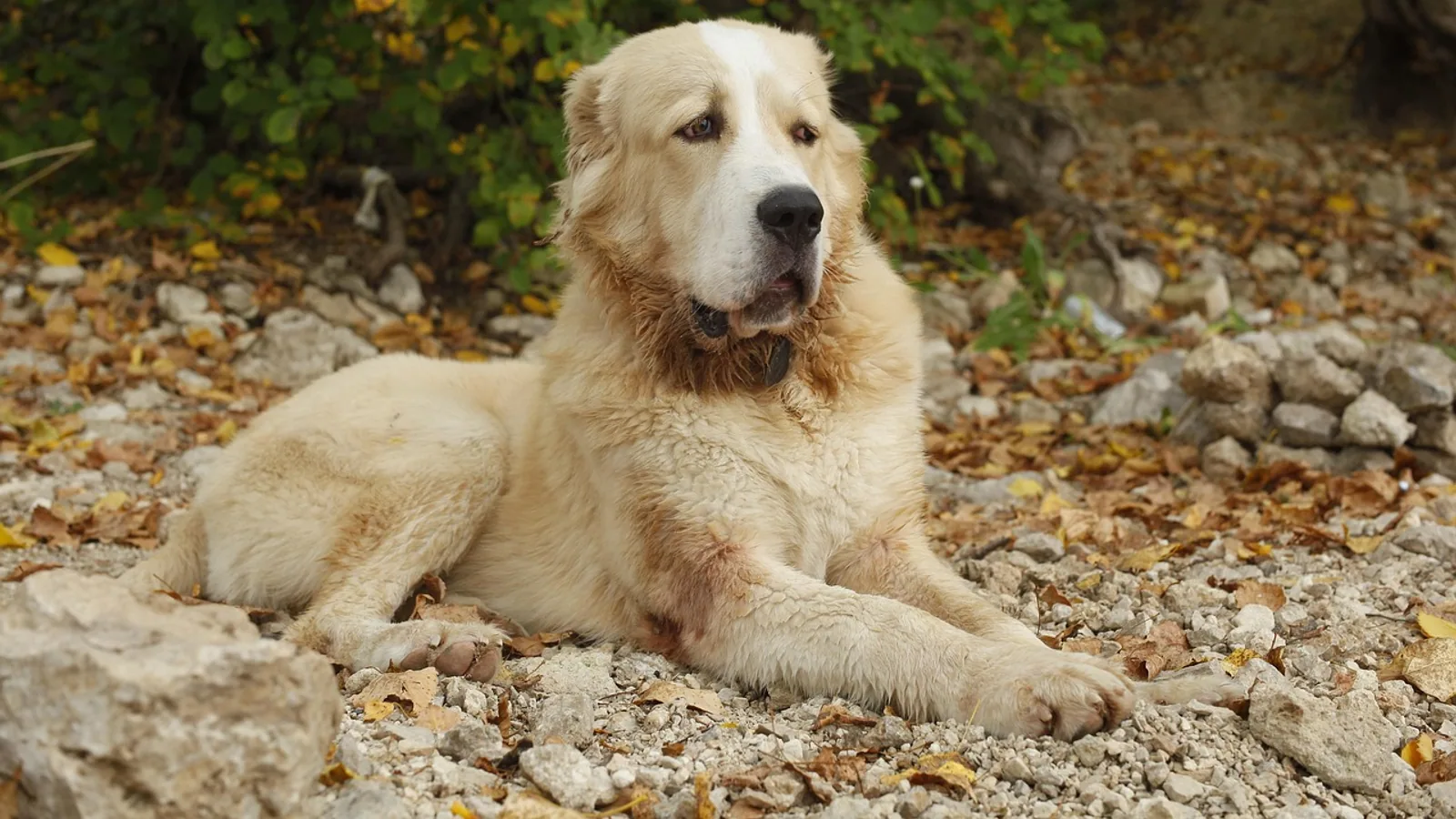
The Alabai is an ancient livestock guardian dog from the steppes, mountains, and deserts of Central Asia. It is a giant breed, with mature males commonly exceeding 45 kg, and it was shaped over millennia to live outdoors with flocks and make independent decisions without human commands [1][2]. The Central Asian Shepherd Dog is calm, territorial, and highly protective, and it is not a breed that suits most first-time owners or apartment life. It needs space, early and sustained socialization, a job or a defined territory, and an owner who understands large guardian breeds. This guide covers the Alabai's size, temperament, care, and the inherited health conditions that owners and breeders should screen for.
This article is educational and is not a substitute for veterinary diagnosis or treatment.
At a Glance
| Attribute | Detail |
|---|---|
| Breed name | Alabai, Central Asian Shepherd Dog, Central Asian Ovcharka |
| Origin | Central Asia (Kazakhstan, Turkmenistan, Uzbekistan, Tajikistan, and neighboring regions) |
| Primary purpose | Livestock guardian, property and flock protection |
| Size class | Giant breed, mature dogs exceed 45 kg [1] |
| Height | Large and substantial, with males taller and heavier than females |
| Coat | Dense, weather-resistant double coat in a range of colors |
| Lifespan | Long-lived for a giant breed, frequently into the double digits |
| Energy level | Moderate, with bursts of guarding activity |
| Grooming | Moderate, seasonal heavy shedding |
| Trainability | Independent, low biddability, requires experienced handling |
| Good with children | Only with supervision and only in a well-managed household |
| Good with other pets | Variable, high prey and territorial drive toward unfamiliar animals |
| Genetic screening available | Epidermolysis bullosa (COL7A1 variant) [3] |
History and Purpose of the Alabai
The Central Asian Shepherd Dog belongs to the functional group known as livestock guarding dogs, or LGDs. These dogs have protected livestock for millennia across Eurasia. Genomic research on 304 LGDs and more than 2,000 modern and ancient dogs found shared ancestry and extensive gene flow among modern LGD breeds, which the authors attribute to historical livestock migrations [4]. That study also identified two lineages within modern LGDs and multiple ancestries tracing back to distinct Eurasian ancient dogs, which is consistent with the absence of a single common ancestor for the group [4].
The Alabai sits within the Central Asian branch of this tradition. Genetic work on the Kazakh Tobet, a closely related Central Asian LGD, found a common genetic heritage between the Kazakh Tobet, the Central Asian Shepherd Dog, and the Turkish Akbash [5]. A later genomic study of the Kazakh Tobet confirmed considerable genetic diversity in that breed and found phylogenetic and PCA evidence of a common genetic origin with LGDs from Central and West Asia, complicated by gene flow from European LGDs [6]. That same work found signs of introgression from East Asian and Arctic non-LGDs, which may indicate historical or modern gene exchange affecting the lineage [6].
Two features of LGD genetics matter for Alabai owners. First, these breeds are not reproductively isolated in the way that many Western show breeds are. Research on Kazakh Tobets found that genetic clustering with free-ranging dogs supports the idea that open breeding systems do not compromise the functional integrity of LGD traits [6]. Second, gene flow with wolves has occurred historically. A study in Georgia (Caucasus) found that more than 13% of sampled wolves had detectable dog ancestry and more than 10% of sampled dogs had detectable wolf ancestry, with about 2 to 3% of sampled wolves and dogs identified as first-generation hybrids [7]. The authors concluded that wolf-dog hybridization was a common event in areas where large livestock guarding dogs are kept in traditional ways, and that this gene flow influenced the dog gene pool for millennia [7].
In practical terms, the Alabai was never bred to win ribbons. It was bred to stay with a flock, assess threats on its own, and act without waiting for a human. That history explains nearly every temperament trait described below.
Size and Appearance
How Big Does an Alabai Get?
The Alabai is a giant breed. In a study of sex differences in the show ring, giant breeds were defined as those exceeding 45 kg at maturity, and the Central Asian Shepherd Dog falls into that category [1]. Mature males are substantially larger and heavier than females, with broad heads, heavy bone, and a deep chest. Females are somewhat lighter and often more agile.
Because the breed has been selected for function across a vast geographic range, there is real variation in size. Working lines from different regions can differ noticeably in height, weight, and substance. Owners should expect a dog that is tall enough to look a person in the eye when standing, and heavy enough that leash handling requires real physical strength.
Coat and Color
The Alabai has a dense double coat built for extreme climates, from freezing steppe winters to hot, dry summers. The coat is weather-resistant and sheds heavily once or twice a year. Colors vary widely and include white, black, fawn, brindle, and piebald patterns, often with darker markings on the head and ears.
Ear Cropping and Tail Docking
Ear cropping and tail docking are cosmetic surgical procedures that remove part of the ear flap or tail. In the United States, these procedures are not federally prohibited, but they are increasingly restricted at the state and local level, and many veterinary organizations discourage them as cosmetic procedures without medical benefit. The Alabai has traditionally been cropped and docked in some regions, partly for working reasons such as reducing ear injuries during predator encounters. That traditional rationale does not apply to a companion dog living in a suburban home.
If you are considering an Alabai puppy, discuss the legal status of cropping and docking in your state and municipality with your veterinarian before committing to a breeder. Many veterinarians decline to perform cosmetic cropping and docking on welfare grounds. A responsible breeder will not pressure you either way, and a dog with natural ears and a natural tail is fully functional as a guardian and companion.
Alabai Temperament
The Guardian Mindset
The Alabai temperament is the temperament of a livestock guardian. A genetic study of Italian LGD breeds and functionally similar breeds, including the Central Asian Shepherd Dog, noted that these dogs were traditionally selected for working ability and fulfill their function with minimal interaction or command from their human owners [2]. That is the core of the breed. An Alabai is not waiting for instructions. It is evaluating its territory, its flock (which may be your family), and any approaching stranger or animal.
This produces a dog that is typically calm and confident at home, deeply bonded to its family, and reserved or suspicious with strangers. Territorial behavior is normal and expected. Aggression toward unfamiliar dogs and people is a known risk in the breed when management and socialization are inadequate.
Socialization and the Experienced-Owner Requirement
Socialization is not optional for an Alabai. A puppy that is not exposed, calmly and positively, to a wide range of people, animals, surfaces, sounds, and handling will grow into a 45-plus kg adult with strong guarding instincts and no framework for distinguishing a threat from a visitor. Because the breed is independent and low in biddability, correction-based training tends to produce conflict rather than compliance. Reward-based training, clear household rules, and consistent management work better.
The experienced-owner requirement is real. An owner who has previously raised a large, independent guardian breed, or who has worked with working dogs, will have a much easier time. A first-time owner who wants an affectionate, eager-to-please companion should look at a different breed.
Behavior and Play
Research on play behavior compared herding dogs, retrievers, and livestock guarding dogs. Retrievers engaged in significantly higher levels of solitary play than LGDs, and there was a trend toward the same difference compared with herding dogs [8]. In that study, environmental context significantly affected solitary play, with toys reliably producing the highest levels across all breed types, but neither environmental context nor breed significantly affected social play [8]. The practical takeaway is that Alabais are often less toy-driven and less persistently playful in solitude than sporting breeds. They may still enjoy social play, and neuter status of the dyad affected social play levels in that study [8], but owners should not expect retriever-style fetch obsession.
Alabai and Children
There is no breed-wide guarantee that an Alabai will be safe with children. A well-socialized adult raised with children can be tolerant and protective of them. A poorly socialized or poorly managed adult can be dangerous, particularly to visiting children who run, shout, or approach the dog's food or resting place. Supervision, physical management such as gates and crates, and teaching children to respect the dog's space are mandatory.
Alabai and Other Pets
The breed's livestock guardian heritage means it may be accepting of animals it is raised with and treats as part of its flock, and intolerant of unfamiliar animals. Same-sex aggression between adult dogs is a common problem in guardian breeds. Introductions to other dogs should be structured, gradual, and supervised, and many Alabais do best as the only dog in the household or with carefully matched companions of the opposite sex.
Exercise, Space, and Management
Space Requirements
The Alabai is not an apartment dog. It needs room to patrol and a defined territory. A securely fenced yard is essential, and the fence must be tall and sturdy enough to contain a large, powerful dog. Because the breed is territorial, an Alabai that can see and hear passersby through a low fence may spend much of the day barking and lunging at the barrier. Solid fencing or a setback from the street reduces this.
Exercise
Exercise needs are moderate for the breed's size. Adult Alabais benefit from daily walks, structured activity, and time in a secure yard. Puppies should not be pushed into long, forced runs or repetitive high-impact exercise during growth, because the growth plates of giant breeds remain open for many months. Free play, short walks, and controlled activity are more appropriate for a growing Alabai puppy.
Training
Training an Alabai is a management project, not a trick-learning project. Basic obedience (sit, down, stay, come, loose-leash walking) is achievable with patience and high-value rewards, but the dog may comply slowly and only when it sees the point. Owners should prioritize recall reliability, boundary training, and the ability to physically handle the dog for veterinary care. Muzzle training is worth doing proactively, because a large guardian breed may need a muzzle for safe veterinary examination and grooming.
Behavioral genetics research notes that some behaviors are breed-specific, such as livestock guarding, and that accurately defining and measuring behavioral phenotypes remains a major obstacle to identifying the genes involved [9]. That study calls for international standardized testing protocols and terminology in canine behavioral evaluations to support selection against behavioral disorders and to optimize breeding for working performance [9]. For Alabai owners, the practical implication is that the breed's guarding behavior is deeply rooted and not something that can be trained out.
Feeding and Giant-Breed Growth Nutrition
Growth Is a Critical Window
Alabai puppies grow fast and grow large. The single most important nutritional principle for a giant-breed puppy is controlled growth. Overfeeding energy and calcium during growth increases the risk of developmental orthopedic disease, including hip and elbow dysplasia and other growth-plate abnormalities. Feed a complete and balanced diet formulated for large-breed or giant-breed puppies, follow the feeding guide on the label as a starting point, and adjust based on body condition rather than on how fast the puppy is gaining weight.
Body Condition Scoring
Owners should learn to body condition score their puppy and adult dog. You should be able to feel the ribs under a thin layer of fat, see a waist from above, and feel the hip bones without them being prominent. A giant-breed puppy should look lean and athletic, not roly-poly. Extra weight on a growing giant-breed skeleton is a mechanical stress that no joint can afford.
Adult Feeding
Adult Alabais do well on a complete and balanced adult diet appropriate for their size and activity level. Because the breed is deep-chested, meal management matters. Feeding one large meal per day increases the risk of bloat compared with feeding two or more smaller meals. Avoid vigorous exercise immediately before and after meals. Discuss any diet change, supplement, or feeding schedule with your veterinarian.
Inherited and Common Health Problems
Hip and Elbow Dysplasia
Hip and elbow dysplasia are developmental orthopedic conditions in which the joint does not form properly. They are among the most important health concerns in any giant breed, including the Alabai. Signs include stiffness after rest, difficulty rising, reluctance to climb stairs or jump, exercise intolerance, and lameness that may be worse after activity. Diagnosis is made by veterinary orthopedic examination and radiography, and screening of breeding dogs is standard practice in responsible breeding programs.
Early diagnosis allows for management strategies including weight control, controlled exercise, physical rehabilitation, and in some cases surgery.
Gastric Dilatation and Volvulus (Bloat)
Bloat, or gastric dilatation and volvulus, is a life-threatening emergency in which the stomach fills with gas and can twist on its axis. Deep-chested giant breeds are at elevated risk. Signs include a distended abdomen, unproductive retching, restlessness, drooling, and rapid deterioration. Bloat is a surgical emergency. Any Alabai showing these signs should be taken to a veterinary emergency hospital immediately.
Risk reduction strategies include feeding multiple smaller meals rather than one large meal, avoiding strenuous exercise around mealtimes, and discussing preventive gastropexy with your veterinarian, particularly if the dog has a first-degree relative that has bloated or if the dog is undergoing another abdominal procedure.
Epidermolysis Bullosa
A specific inherited disease has been identified in the Central Asian Shepherd Dog. Researchers described a novel variant of epidermolysis bullosa in two newborn littermates of Central Asian Shepherd dogs that had severe skin blistering and were euthanized due to poor prognosis [3]. Post-mortem examination showed findings in the skin and mucosal membranes characteristic of epidermolysis bullosa [3]. Whole-genome sequencing identified a homozygous case-specific nonsense variant in COL7A1 (c.4579C>T, p.R1527*), which results in a premature stop codon and likely absence of the functional protein in the basement membrane of the skin [3]. Immunohistochemistry with a COL7A1 antibody confirmed this [3].
Additional screening indicated full penetrance and breed specificity at approximately 28% carrier frequency [3]. The study provides a genetic test for eradication of the disease from the breed [3]. This is a recessive condition, meaning that carriers do not develop the disease but can pass it on. Responsible breeders should test breeding dogs for the COL7A1 variant and avoid breeding two carriers together.
Complex Microphthalmia and Congenital Ectopia Lentis
A case series described complex microphthalmia in three 2-month-old female Central Asian Shepherd puppies from two litters [10]. The puppies were alert, with normal vital signs and no other structural abnormalities, but the globe appeared bilaterally small and sunken in the orbit [10]. Ultrasound showed lens thickness greater than and axial length of the globe less than values measured in a healthy puppy of the same age and breed, and in all three puppies the lenses were located in the vitreous chamber and displaced perpendicular to their natural axis [10]. The diagnosis was bilateral complex microphthalmia and congenital ectopia lentis, two ocular malformations of unclear etiology [10]. The authors noted the possibility of an association with a high grade of inbreeding in kennels, as well as environmental and genetic factors, and stated that these conditions can be limited by breeding efforts and pre-breeding screening plans [10].
Vector-Borne and Infectious Disease Risks
Because Alabais often live outdoors and work with livestock, they face higher exposure to ticks, mosquitoes, and sand flies than many companion breeds.
A case report from North-Eastern Poland described a 4-year-old uncastrated male Central Asian Shepherd Dog with apathy and lack of appetite who was diagnosed with a triple vector-borne infection. Blood smear microscopy revealed Babesia spp., Anaplasma phagocytophilum, and microfilariae, and PCR confirmed A. phagocytophilum and Dirofilaria repens [11]. Clinical examination showed elevated core body temperature and thrombocytopenia, and the dog improved completely on the second day of treatment [11]. The authors noted that detecting three different pathogens on a blood smear is uncommon but can speed diagnosis and treatment, and that molecular confirmation is standard [11].
A separate study documented vertical transmission of Babesia canis in a litter of Central Asian Shepherd puppies. In autumn 2011, babesiosis was diagnosed in a litter of 6-week-old puppies, and blood samples were collected from all ten pups and the mother [12]. Babesia canis DNA was detected by PCR in three pups that were showing or about to show babesiosis symptoms, and in their asymptomatic mother [12]. All isolates from the pups and their mother were identical and showed 100% homology with B. canis group B, supporting the same source of infection, and ultrasound of the mother showed splenomegaly [12]. This is a reminder that puppies can be infected before birth and that a bitch's infection status matters.
A prospective clinical study of canine leishmaniasis in Morocco found that among 96 dogs tested, 32 (33.3%) were positive for Leishmania infantum. Most positive dogs came from urban areas, were male, were purebreds, were aged 3 to 7 years, and had outside activities including guarding and livestock guarding, and all lived exclusively outdoors or had free outdoor access [13]. The most frequent clinical signs were lymphadenomegaly, dermatological disorders (mostly exfoliative dermatitis), weight loss, exercise intolerance, anorexia, hyporexia, and ocular lesions, with anemia and hyperproteinemia due to hyperglobulinemia in a majority of cases [13]. Alabai owners in or traveling to Mediterranean or other endemic regions should discuss leishmaniasis prevention with their veterinarian.
The Companion Animal Parasite Council (CAPC) guidelines provide region-specific recommendations for tick, flea, heartworm, and intestinal parasite prevention in the United States. Alabai owners should follow year-round prevention appropriate to their region and discuss travel to endemic areas with their veterinarian.
Tumors
A pathomorphological study of 360 spontaneous tumors in dogs in Kyrgyzstan found that mammary tumors were the most common neoplasm, accounting for 43% of cases. Mammary gland tumors were most common in mongrel dogs (25%), followed by German Shepherds (17.3%), then Poodles, Dachshunds, and Central Asian Shepherds (6.7% each), and Rottweilers (5.7%). The highest frequency appeared at 8 years of age, and most originated from the ductal epithelium, representing 46.4% of malignant cases [14]. This is a single-country dataset and should not be read as a breed-specific risk estimate, but it does support routine veterinary screening of middle-aged and older Alabais, including examination of the mammary chain in intact females.
Vaginal Prolapse and Rectal Prolapse
A case report described a 2-year-old intact non-pregnant Central Asian Shepherd dog with true vaginal prolapse and rectal prolapse, confirmed by physical examination and ultrasonography, with herniation of the urinary bladder within the vaginal prolapse [15]. The necrotic vaginal wall was resected, the bladder was reduced and fixed to the right abdominal wall, and rectal resection and anastomosis was required. The dog recovered completely with no recurrence [15]. The authors considered extreme tenesmus from constipation the likely predisposing factor [15]. This is a rare condition, but it illustrates why persistent straining, constipation, or a visible mass at the vulva in a female Alabai warrants immediate veterinary attention.
Genetic Diversity and Breeding Practices
A genealogical survey of 32 registered dog breeds in Australia included the Central Asian Shepherd Dog, which had the smallest registry at 120 dogs. The Australian breed mean inbreeding coefficient ranged from 0% in the Central Asian Shepherd Dog to 10.1% in the Bichon Frise, and the vast majority of sampled kennels did not regularly use close breeding or popular sire practices [16]. The authors noted that it is possible that deleterious allele fixation might be driven by founder effects, genetic drift, or adverse selection practices, which were not assessed, and that European popular sire definitions should be revisited for rare breeds [16].
The practical message for Alabai buyers is that a small registry is not automatically a high-inbreeding registry, but small populations are vulnerable to genetic drift. Ask breeders about genetic testing, pedigree breadth, and how they select breeding pairs.
Recommended Screening Tests
For a breed with an identified recessive disease and a known risk of developmental orthopedic disease, pre-breeding screening should include:
- COL7A1 variant testing for epidermolysis bullosa, given the described full penetrance and approximately 28% carrier frequency [3].
- Hip and elbow radiographs evaluated by a recognized orthopedic registry, as part of standard giant-breed screening.
- Ophthalmologic examination by a veterinary ophthalmologist, given the reported complex microphthalmia and ectopia lentis in the breed [10].
- General breeding soundness examination including cardiac and reproductive evaluation.
Buyers should ask to see test results for both parents, not just the puppy. A breeder who cannot or will not provide them is a poor risk.
Lifespan and Senior Care
The Alabai is long-lived for a giant breed, and many individuals remain active into their senior years. Senior care for a giant breed focuses on joint comfort, weight management, dental health, and regular veterinary screening. Because mammary tumors were the most common neoplasm in one regional survey and appeared most frequently at around 8 years of age [14], middle-aged and older intact females should receive regular mammary examinations. Any new lump, lameness, change in appetite, or change in behavior in a senior Alabai should be evaluated by a veterinarian.
Finding a Responsible Breeder or Rescue
A responsible Alabai breeder will:
- Test breeding dogs for the COL7A1 variant and share results [3].
- Screen for hip and elbow dysplasia and provide registry documentation.
- Have breeding dogs examined by a veterinary ophthalmologist [10].
- Raise puppies in a home environment with structured socialization.
- Ask detailed questions about your experience, fencing, household, and plans for the dog.
- Be transparent about the breed's guarding instincts and the management required.
- Offer to take the dog back at any point in its life.
Rescue is a legitimate route for experienced owners. Many Alabais and Alabai mixes end up in rescue because owners underestimated the breed's size, strength, and independence. A rescue organization that fosters dogs in homes can give you an honest assessment of an individual dog's temperament, which matters more than breed label alone.
Who Should Not Get an Alabai
Do not get an Alabai if any of the following apply:
- You live in an apartment or a home without a securely fenced yard.
- You are a first-time dog owner without experience with large guardian breeds.
- You want a dog that is eager to please and easy to train off-leash.
- You expect the dog to be friendly with every stranger and every dog it meets.
- You cannot physically manage a dog that may exceed 45 kg [1].
- You are not prepared to commit to lifelong socialization, management, and veterinary care.
- You live in a jurisdiction with breed-specific legislation that restricts or bans the breed. Check your state and local ordinances before acquiring an Alabai.
Limitations and When to Contact a Veterinarian
This article provides general breed information. Individual dogs vary, and only a veterinarian who examines your dog can diagnose or treat a medical problem.
Contact a veterinarian promptly if your Alabai shows any of the following:
- A distended abdomen, unproductive retching, drooling, or restlessness, which may indicate bloat and requires emergency care.
- Lameness, stiffness after rest, difficulty rising, or reluctance to exercise, which may indicate joint disease.
- Persistent straining to defecate, constipation, or a mass protruding from the vulva or rectum [15].
- Lethargy, loss of appetite, fever, pale gums, or dark urine, which may indicate a tick-borne or vector-borne infection [12][11].
- Skin blistering or erosions in a puppy, which may indicate epidermolysis bullosa [3].
- Small, sunken eyes or vision abnormalities in a puppy [10].
- New lumps, especially along the mammary chain in an intact female [14].
- Any sudden change in behavior, appetite, or activity level.
Frequently Asked Questions
How big does an Alabai get?
An Alabai is a giant breed. Giant breeds are defined in the veterinary and show literature as those exceeding 45 kg at maturity, and the Central Asian Shepherd Dog falls into that category [1]. Males are typically larger and heavier than females. Exact height and weight vary with bloodline, sex, and condition.
What is the temperament of an Alabai?
The Alabai has a livestock guardian temperament. These dogs were traditionally selected for working ability and fulfill their function with minimal interaction or command from their human owners [2]. That means an Alabai is calm, territorial, independent, and protective rather than eager to please. Early socialization and experienced handling are essential.
Are Alabais good with children?
An Alabai can live safely with children when it is well socialized, well managed, and supervised, but there is no breed-wide guarantee. The breed's size and guarding instincts mean that any interaction between an Alabai and a child should be supervised, and children should be taught to respect the dog's space, food, and resting areas.
Do Alabais need a lot of exercise?
Alabai exercise needs are moderate for the breed's size. Adults benefit from daily walks and secure yard time. Puppies should avoid forced long runs and repetitive high-impact activity during growth, because giant-breed growth plates remain open for many months.
What health problems are Alabais prone to?
The Alabai is a giant breed, so hip and elbow dysplasia and bloat are important concerns. A specific recessive form of epidermolysis bullosa caused by a COL7A1 variant has been identified in the breed, with full penetrance and approximately 28% carrier frequency [3]. Complex microphthalmia and congenital ectopia lentis have also been reported in Central Asian Shepherd puppies [10]. Vector-borne infections are a risk for outdoor working dogs [12][11].
Is there a genetic test for Alabai health?
Yes. Research identified a COL7A1 variant causing recessive dystrophic epidermolysis bullosa in Central Asian Shepherd dogs and provided a genetic test for eradication of the disease from the breed [3]. Responsible breeders should test breeding dogs and avoid pairing two carriers.
Are Alabais banned in some countries?
Breed-specific legislation varies by country, state, and municipality. Some jurisdictions restrict or ban breeds that are classified as dangerous or as fighting breeds, and large guardian breeds can be caught up in those rules. Check your local ordinances before acquiring an Alabai.
Should Alabai ears be cropped and tails docked?
Ear cropping and tail docking are cosmetic procedures. They are not medically necessary, and many veterinarians decline to perform them on welfare grounds. Legality varies by state and locality in the United States. Traditional working justifications do not apply to a companion dog, and a natural-eared, natural-tailed Alabai is fully functional.
Related Articles
- Bernese Mountain Dog Care, Health, Temperament, Size and Lifespan
- Maltese Dog: Complete Guide to Care, Grooming, and Temperament
- How To Choose Dog Collar Size
- How To Choose Dog Harness Size
- Newfoundland Dog: Gentle Giant Breed Guide, Temperament & Care
- Pitbull Dog Breed Guide: Temperament, Care, and Common Myths Debunked
- Teddy Bear Dogs: Breeds, Size, Temperament, and Health
- Kangal Dog: Size, Temperament, Bite Force Claims, and Care
- Wolf Dog Hybrids: Temperament, Health, and Legal Reality
Sources
- Battle of the Sexes in Best of Breed: Sex Influences Dogs' Success in the Show Ring.
- Investigating the population structure and genetic differentiation of livestock guard dog breeds.
- Nonsense variant in COL7A1 causes recessive dystrophic epidermolysis bullosa in Central Asian Shepherd dogs.
- Multiple ancestries and shared gene flow among modern livestock guarding dogs.
- Genetic diversity and origin of Kazakh Tobet Dogs.
- Kazakh Tobet dogs in the genomic landscape: refining the history of livestock guardian breeds.
- Gene flow between wolf and shepherd dog populations in Georgia (Caucasus).
- The influence of breed and environmental factors on social and solitary play in dogs (Canis lupus familiaris).
- Holding back the genes: limitations of research into canine behavioural genetics.
- Complex Microphthalmia in Three Central Asian Shepherd Dogs.
- Case report of a triple vector-borne infection in a dog: co-infection with Anaplasma phagocytophilum, Babesia spp., and Dirofilaria repens in North-Eastern Poland.
- The first evidence for vertical transmission of Babesia canis in a litter of Central Asian Shepherd dogs.
- Canine Leishmaniasis in Morocco: A Descriptive Prospective Clinical Study.
- Spontaneous tumours in dogs: A clinical and pathomorphological study in Kyrgyzstan.
- Vaginal prolapse with urinary bladder incarceration and consecutive irreducible rectal prolapse in a dog.
- A genealogical survey of Australian registered dog breeds.