Chow Chow Dog Breed Guide: Temperament, Grooming, and Care
By Dr. Zubair Khalid, DVM, MS, PhD ·
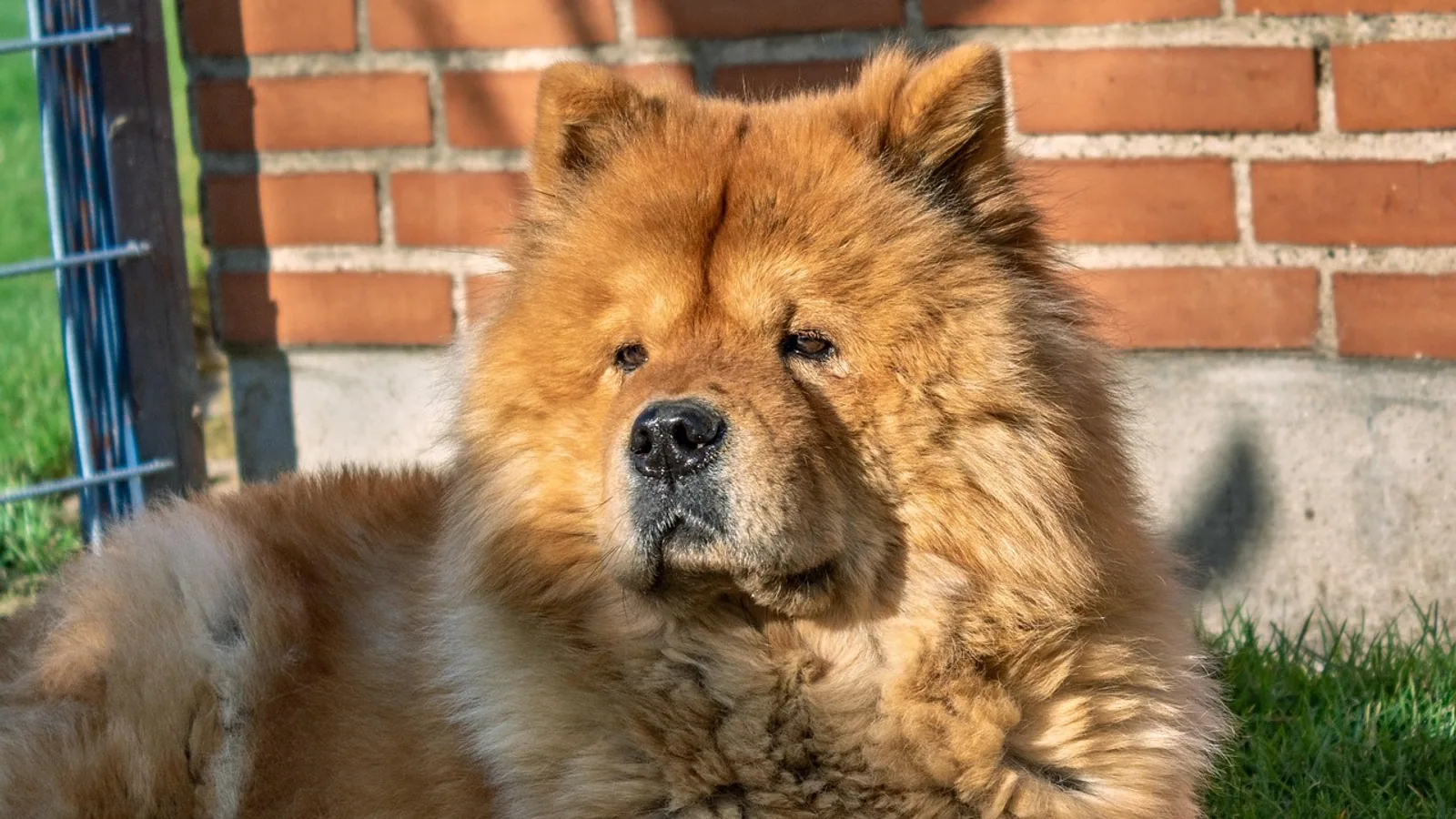
The Chow Chow is an ancient, powerfully built dog with a distinctive blue-black tongue, a dense double coat, and a famously independent, aloof nature. The breed is often described as cat-like, dignified, and deeply loyal to a small circle of people rather than gregarious with everyone it meets [1][2]. A Chow Chow dog typically stands around 17 to 20 inches at the shoulder and weighs between 45 and 70 pounds, with a broad head, small triangular ears, and a short, stilted gait [1][3]. The Chow Chow temperament is not a good match for every household. This is a one-person or one-family dog that needs early socialization, calm handling, and an owner who respects its boundaries. Its heavy double coat demands serious grooming, and its flat face and thick skin make it prone to heat intolerance and eye problems, including entropion [4][3]. This guide covers the breed's history, appearance, temperament, exercise needs, grooming routine, feeding considerations, inherited health problems, and how to find a responsible breeder or rescue. It also explains who should not get a Chow Chow.
This article is educational and is not a substitute for veterinary diagnosis or treatment.
At a Glance
| Attribute | Chow Chow Profile |
|---|---|
| Height | About 17 to 20 inches at the shoulder [1] |
| Weight | About 45 to 70 pounds [1] |
| Coat | Dense, straight, off-standing double coat in rough or smooth varieties [1][2] |
| Color | Red, black, blue, cinnamon, and cream [1] |
| Lifespan | Roughly 8 to 12 years, with many breed references citing about 8 to 12 years [1][3] |
| Energy level | Low to moderate, short walks and controlled activity [1] |
| Grooming | High. Daily to several-times-weekly brushing, plus professional grooming [2][3] |
| Trainability | Independent and stubborn. Best with short, consistent, reward-based sessions [1][5] |
| Good with children | Best with respectful older children and close supervision [5] |
| Good with other pets | Often poor with same-sex dogs and small pets, especially without early socialization [1][5] |
| Tongue | Blue-black, a hallmark of the breed [1] |
| Heat tolerance | Poor. Brachycephalic build and heavy coat increase heat risk [3] |
History and Purpose of the Chow Chow
The Chow Chow is one of the oldest recognizable dog breeds, with origins traced to ancient China [1]. The breed was used for multiple jobs, including hunting, herding, guarding, and pulling, and it was also kept as a source of meat and fur in some historical contexts [1]. This working history explains much of the breed's physical and behavioral character. A Chow dog is strong, sturdy, and self-reliant because it was developed to work and guard rather than to please a crowd.
The breed's name is often linked to the pidgin English term "chow chow," used in the 18th and 19th centuries for miscellaneous cargo from the Far East [1]. British and American fanciers refined the breed into the compact, heavily coated dog recognized today. The American Kennel Club recognized the Chow Chow in 1903, and the breed has remained a recognizable fixture in the show ring and in companion homes [1]. The Royal Kennel Club in the United Kingdom classifies the Chow Chow in the Utility Group, reflecting its role as a companion and working breed rather than a sporting or herding breed in the modern sense [2].
The breed's historical purpose matters for modern owners. A dog developed to guard property and make independent decisions will not behave like a retriever or a spaniel. The Chow Chow temperament reflects that working past. It is reserved with strangers, protective of its territory, and slow to warm to new people [1][5].
Appearance and the Blue-Black Tongue
The Chow Chow has a distinctive silhouette. It is a compact, muscular dog with a broad, flat skull, a short muzzle, and small ears that are carried erect and slightly rounded at the tips [1]. The eyes are small, dark, and deep-set, and the breed's heavy brow gives it a scowling, dignified expression [4][1]. The tail is set high and curls over the back [1].
The most famous physical trait is the Chow Chow blue tongue. The tongue, lips, and inside of the mouth are blue-black, a feature that is unique among common dog breeds and is used as a hallmark of the breed [1]. Puppies are sometimes born with a pinkish tongue that darkens over the first weeks of life. The blue-black pigmentation is normal for the breed and is not a sign of illness.
The coat comes in two varieties. The rough coat is long, dense, and straight, with a thick undercoat and a distinct mane around the head and neck [1][2]. The smooth coat is shorter and plush but still double. Accepted colors include red, black, blue, cinnamon, and cream [1]. The dense double coat is the reason Chow Chow grooming is a major commitment and the reason the breed struggles in hot weather [2][3].
Chow Chow Temperament and the One-Person Bond
The Chow Chow temperament is best described as aloof, independent, and intensely loyal to its chosen people. The breed is often compared to a cat in its reserved manner and its preference for affection on its own terms [1][5]. A Chow Chow dog is not usually a social butterfly. It may accept petting from a familiar family member and then walk away. It may ignore a stranger entirely or watch that stranger with suspicion.
This one-person or one-family bond is a core breed trait, not a training failure. The Chow Chow was developed as a guardian and a working dog, and it tends to bond deeply with the household it knows while remaining wary of everyone else [1][5]. Owners who expect a dog that greets every visitor with enthusiasm will be disappointed. Owners who want a quiet, dignified companion that is devoted to them and indifferent to the rest of the world often find the breed rewarding.
Are Chow Chows Aggressive?
Owners ask whether Chow Chows are aggressive. The honest answer is that the breed is capable of aggression and is often described as reserved, territorial, and potentially defensive rather than friendly with strangers [1][5]. The Chow Chow is not naturally aggressive toward its own family, but it can be reactive when it feels threatened, when it is handled roughly, or when it is not socialized. Same-sex aggression between Chow Chows, particularly males, is a recognized concern, and the breed is often listed as one that does best as the only dog in the home [1][5].
Aggression in any dog is influenced by genetics, early experience, socialization, training, and health. A Chow Chow that is well bred, well socialized, and managed with clear boundaries is far less likely to show problem behavior than one that is isolated, punished, or allowed to rehearse guarding behavior. The breed's strong will and physical strength mean that any aggression is serious and should be addressed with a veterinarian and a qualified behavior professional rather than ignored.
Early Socialization and Training
Early socialization is the single most important behavioral investment in a Chow Chow puppy. The breed is naturally suspicious, so positive exposure to new people, places, sounds, and gentle handling during the critical socialization window helps prevent fear-based behavior later [1][5]. Puppy classes, controlled visits, and calm introductions to a variety of people are useful. Forced interaction and flooding are counterproductive with this breed.
Training a Chow Chow requires patience. The breed is intelligent but independent, and it does not work for praise the way a retriever does [1][5]. Short, reward-based sessions with clear, consistent rules work best. Harsh corrections damage trust and can provoke defensiveness in a dog that is already reserved. Owners should focus on foundation behaviors such as sit, stay, come, loose-leash walking, and handling tolerance for grooming and veterinary exams.
Because the Chow Chow can be territorial and protective, management matters as much as training. A securely fenced yard, a leash at all times in public, and a plan for visitors help prevent incidents. The breed's strength and determination mean that a fence or gate that a smaller dog could not breach may not be enough.
Exercise and Activity Needs
The Chow Chow is not a high-energy breed. It needs daily activity but does not require intense or prolonged exercise [1]. Short walks, controlled play, and time in a secure yard are usually enough for an adult. The breed's build, with its flat face and heavy coat, makes vigorous exercise in heat dangerous [3].
Exercise should be scheduled for the cooler parts of the day, especially in summer. A Chow Chow that is panting heavily, lagging, or seeking shade needs to stop and cool down. The breed's brachycephalic (flat-faced) anatomy makes breathing less efficient, and the double coat traps heat [3]. Heat exhaustion and heatstroke are real risks, and any sign of distress in warm weather is a veterinary emergency.
Puppies need controlled exercise on soft surfaces while their joints develop. Older Chow Chows benefit from gentle, regular walks to maintain mobility and muscle. Owners should adjust activity to the individual dog and discuss any lameness, stiffness, or exercise intolerance with a veterinarian.
Chow Chow Grooming: The Real Commitment
Chow Chow grooming is the part of ownership that surprises new owners most. The breed has a dense double coat that sheds and mats, and it requires consistent brushing and periodic professional grooming [2][3]. The rough-coated variety has a long outer coat and a thick, woolly undercoat. The smooth variety has a shorter coat but still sheds heavily.
Brushing and Coat Care
A Chow Chow should be brushed several times a week, and daily during heavy shedding periods. The undercoat is where mats form, especially behind the ears, under the front legs, around the neck, and on the rear. A slicker brush, a metal comb, and an undercoat rake are the basic tools. Brushing only the topcoat leaves the undercoat to mat against the skin, which is painful and can hide skin infections.
Bathing should be done as needed, typically every four to eight weeks, with a dog-specific shampoo. Owners must dry the coat thoroughly. A damp undercoat close to the skin can lead to skin problems, especially in humid weather. Many owners use a professional groomer for bathing, blow-drying, and de-shedding because the coat is difficult to dry at home.
The breed's heavy coat should not be shaved to the skin in an attempt to manage heat. Shaving removes the coat's insulating properties and exposes pale skin to sunburn. Discuss coat management with a veterinarian or professional groomer rather than making a drastic change.
Ears, Eyes, Nails, and Skin Folds
The Chow Chow's small ears and thick coat mean ear canals stay warm and moist. Owners should check ears weekly and clean them with a veterinarian-approved ear cleaner. Signs of ear infection include head shaking, scratching, redness, and odor.
The eyes need daily attention in this breed. The heavy brow folds and thick facial skin can trap moisture and irritate the eye surface, and entropion is a known problem [4][3]. Owners should wipe away discharge with a damp cotton ball and report redness, squinting, cloudiness, or pawing at the face to a veterinarian.
Nails should be trimmed every three to four weeks. Long nails change the dog's gait and can contribute to foot problems. The breed's thick skin folds, particularly around the face and neck, should be checked for redness, moisture, and odor, which can signal a skin fold infection.
Feeding Considerations
Feeding a Chow Chow is not complicated, but the breed's low activity level and easy weight gain mean portion control matters. A Chow Chow that is fed free-choice or given frequent table scraps will become overweight, which worsens joint stress and breathing effort. Owners should feed a complete and balanced diet formulated for the dog's life stage and measure meals rather than guessing.
Puppies need a growth diet that supports controlled bone and joint development. Large-breed puppy formulas are commonly used for dogs of this size. Adults do well on a maintenance diet, and seniors may benefit from a formula or adjustment recommended by a veterinarian. Treats should be counted as part of daily calories.
The Chow Chow's flat face can make eating and drinking messy, and some dogs gulp air while eating. Slow feeders and elevated bowls sometimes help. Any sudden change in appetite, weight, thirst, or digestion should be discussed with a veterinarian. For a detailed feeding plan tailored to this breed, see our dedicated Chow Chow feeding guide.
Inherited and Common Health Problems
The Chow Chow is a breed with several well-documented inherited and structural health concerns. Responsible breeders screen breeding dogs, and owners should ask for health testing results before buying a puppy. The following sections summarize the most important issues.
Entropion and Eyelid Abnormalities
Entropion is a condition in which the eyelid rolls inward and the eyelashes or skin rub against the cornea. It causes pain, tearing, squinting, and corneal damage. The Chow Chow is predisposed to entropion because of its heavy brow, thick facial skin, and deep-set eyes [4][3].
A 2025 retrospective study of 27 dogs, including 15 Chow Chows and 12 Shar-Peis, examined surgical correction of upper eyelid trichiasis and entropion associated with heavy brows [4]. The dogs ranged in age from 0.5 to 6.5 years, with a mean age of about 1.9 years. Presenting complaints included recurrent ocular inflammation in 48.1 percent of dogs [4], blepharospasm in 37.0 percent [4], corneal ulcers in 29.6 percent [4], entropion in 22.2 percent [4], and impaired vision in 14.8 percent [4]. The study described a brow rhytidectomy procedure, with or without a Stades-like procedure, to remove excess brow skin and correct the eyelid position. In 22 of 27 dogs, a Stades-like procedure was also performed by removing a 2 to 4 mm strip of skin above the eyelid margin and allowing it to heal by secondary intention without sutures [4]. At the last recheck, with a mean follow-up of about 354 days, 19 of 27 dogs (70.4 percent) had an adequate outcome [4].
This study confirms that entropion in the Chow Chow is often an anatomical problem related to the breed's heavy brow and facial conformation, not a simple infection. Owners should treat any squinting, redness, or discharge as urgent. Delayed treatment can lead to corneal ulcers and vision loss.
Cataracts and Other Ocular Anomalies
The Chow Chow is also known to develop cataracts, sometimes in young dogs. A 1992 study described a closely inbred line of Chow Chows with congenital cataracts [6]. Sixteen dogs were examined, including one adult male, two adult females, and thirteen puppies. Twelve of the puppies came from six different litters, all sired by the same adult male [6]. The cataracts varied in appearance, from small nuclear or capsular lesions to advanced cortical opacities, with the lens nucleus most consistently affected [6]. Some eyes also had concurrent anomalies, including wandering nystagmus, entropion, microphthalmia, persistent pupillary membrane remnants, and multifocal retinal folds [6]. The high incidence of cataract in this family suggested an inherited defect, although the exact inheritance pattern was not determined [6].
This study is old, but it remains relevant because it documents a familial pattern of cataracts and other eye anomalies in the breed. Owners should ask breeders about eye health in the bloodline and should have puppies examined by a veterinarian. Any cloudiness in the eye, vision change, or persistent eye discharge warrants a veterinary ophthalmology evaluation.
Heat Intolerance and Brachycephalic Risk
The Chow Chow's flat face, narrow nostrils, and heavy coat make it poorly suited to heat and strenuous exercise [3]. The breed is brachycephalic, meaning it has a shortened skull and airway. This anatomy can cause noisy breathing, exercise intolerance, and increased risk under anesthesia. Heat intolerance is a direct consequence of this build combined with the double coat [3].
Owners should avoid hot-weather exercise, provide shade and cool water, and never leave a Chow Chow in a parked car. Signs of heatstroke include heavy panting, drooling, weakness, vomiting, and collapse. Heatstroke is a life-threatening emergency that requires immediate veterinary care.
Hip and Elbow Dysplasia
Like many large and medium breeds, the Chow Chow can develop hip and elbow dysplasia. These are developmental conditions in which the joint does not form properly, leading to pain, lameness, and arthritis. Responsible breeders screen breeding dogs with hip and elbow evaluations. Owners should ask for documentation of these screenings and should keep young dogs lean and avoid excessive high-impact exercise during growth.
Skin, Ear, and Fold Problems
The Chow Chow's thick coat and skin folds create an environment for skin infections, hot spots, and fold dermatitis. Ear infections are common because the ears are small and covered. Regular grooming, drying, and inspection help prevent these problems. Any persistent odor, redness, hair loss, or itching should be evaluated by a veterinarian.
Hypothyroidism and Other Endocrine Concerns
Hypothyroidism, a condition in which the thyroid gland does not produce enough hormone, is seen in the breed. Signs include weight gain, lethargy, coat changes, and cold intolerance. Diagnosis requires blood testing, and treatment is lifelong. Owners should mention any unexplained weight gain or coat change to their veterinarian.
Gastric Dilatation and Volvulus
Deep-chested breeds, including the Chow Chow, can develop gastric dilatation and volvulus (GDV), also called bloat. This is a life-threatening emergency in which the stomach fills with gas and twists. Signs include a distended abdomen, retching without vomiting, restlessness, and collapse. Owners should know the signs and seek emergency care immediately. Feeding multiple small meals rather than one large meal and avoiding vigorous exercise right after eating are common preventive practices.
For a deeper review of breed-specific conditions, screening tests, and treatment options, see our companion article on Chow Chow health problems.
Lifespan and Senior Care
The Chow Chow typically lives about 8 to 12 years [1][3]. Senior Chow Chows benefit from regular veterinary checkups, dental care, and monitoring for arthritis, eye disease, and endocrine problems. Owners should watch for changes in appetite, weight, mobility, vision, and behavior. Early detection of age-related disease improves quality of life.
Senior dogs may need softer bedding, shorter walks, and easier access to food and water. A veterinarian can recommend pain management, joint support, and diet changes as the dog ages.
Finding a Responsible Breeder or Rescue
A responsible Chow Chow breeder prioritizes health and temperament over appearance. Buyers should ask about health testing of the parents, including eye examinations, hip and elbow evaluations, and thyroid testing where applicable. Breeders should be willing to show documentation and to answer questions about the bloodline's health history.
Buyers should visit the breeder, meet the dam, and see where the puppies are raised. A good breeder socializes puppies, keeps them clean and healthy, and provides a contract that includes health guarantees and a return clause. Breeders who sell puppies online without allowing a visit, who cannot name the health tests performed, or who produce multiple litters without regard for health should be avoided.
Rescue is a strong option for this breed. Chow Chow rescue organizations place adults and puppies that need new homes. Adopting an adult dog gives the owner a clear picture of the dog's temperament and health. Rescue dogs may need patience and a structured introduction to a new home, especially if they have been neglected or poorly socialized.
Insurance and Breed Restrictions
Chow Chow owners should consider pet insurance before the dog develops chronic conditions. Entropion surgery, cataract treatment, skin disease, and orthopedic problems can be expensive. Insurers evaluate breed risk, and some companies charge higher premiums for breeds with known health predispositions. Owners should read policy terms carefully, including waiting periods, exclusions for pre-existing conditions, and coverage limits for hereditary conditions.
The Chow Chow is also subject to breed-specific legislation and restrictions in some jurisdictions and by some landlords and insurers. Some rental properties, homeowners associations, and municipalities restrict or ban certain breeds, and the Chow Chow appears on some of these lists. Prospective owners should check local ordinances and rental policies before acquiring a Chow Chow. Breed-specific rules vary widely, and owners are responsible for knowing the requirements in their area.
Who Should Not Get a Chow Chow
A Chow Chow is not the right dog for every home. The breed is a poor fit for owners who want an affectionate, outgoing dog that loves everyone. It is a poor fit for first-time owners who are not prepared to manage an independent, strong-willed, and potentially defensive dog. It is a poor fit for households with frequent visitors, young children who cannot respect a dog's space, or multiple dogs of the same sex.
The Chow Chow is also a poor fit for hot climates without air conditioning, for owners who cannot commit to regular grooming, and for people who cannot afford veterinary care for eye, skin, and joint problems. The breed's strength and guarding instinct mean that owners must provide secure containment and consistent management.
The right owner for a Chow Chow is patient, calm, and consistent. That owner respects the breed's independence, provides early socialization, keeps up with grooming and veterinary care, and does not expect the dog to be something it is not.
Limitations and When to Contact a Veterinarian
This article provides general breed information and does not replace an examination by a veterinarian. Individual Chow Chows vary in temperament, health, and care needs, and only a veterinarian who examines your dog can diagnose or treat a specific condition.
Contact a veterinarian promptly if your Chow Chow shows any of the following:
- Squinting, eye redness, discharge, cloudiness, or pawing at the face, which may indicate entropion, corneal ulcer, or another eye problem [4][6]
- Heavy panting, drooling, weakness, vomiting, or collapse in warm weather, which may indicate heatstroke [3]
- Noisy or labored breathing, especially during exercise or in heat [3]
- A distended abdomen, retching without vomiting, restlessness, or collapse, which may indicate bloat
- Persistent scratching, hair loss, redness, odor, or skin fold discharge
- Head shaking, ear odor, or ear discharge
- Lameness, stiffness, or difficulty rising
- Weight gain, lethargy, or coat changes that suggest a metabolic problem
- Any sudden change in appetite, thirst, urination, or behavior
Do not wait for these signs to resolve on their own. Early veterinary care improves outcomes for eye disease, heat illness, bloat, and infections.
Frequently Asked Questions
What is special about the Chow Chow's blue-black tongue?
The blue-black tongue is a hallmark of the Chow Chow and is unique among common dog breeds [1]. The tongue, lips, and mouth lining are pigmented blue-black. Puppies may be born with a pinkish tongue that darkens over the first weeks of life. The pigmentation is normal and is not a sign of illness.
Are Chow Chows aggressive?
Chow Chows can be aggressive, and the breed is described as reserved, territorial, and potentially defensive rather than friendly with strangers [1][5]. Aggression is influenced by genetics, socialization, training, and health. Early socialization, calm handling, and clear boundaries reduce the risk. Same-sex aggression, especially between males, is a recognized concern.
Do Chow Chows make good family dogs?
Chow Chows can live successfully with families that respect their independent nature, but they are not a good match for every household [5]. They often do best with older, respectful children and close supervision. They may be intolerant of rough handling and may not enjoy the constant attention that some family dogs tolerate.
How much grooming does a Chow Chow need?
Chow Chow grooming is a major commitment. The dense double coat should be brushed several times a week, and daily during shedding periods [2][3]. The undercoat mats easily, especially behind the ears and under the legs. Professional grooming is often needed for bathing, drying, and de-shedding.
Are Chow Chows good in hot weather?
No. The Chow Chow is brachycephalic and has a heavy double coat, which makes it poorly suited to heat and strenuous exercise [3]. Exercise should be limited to the cooler parts of the day, and owners should watch for signs of heatstroke. Never leave a Chow Chow in a parked car.
What health problems are common in Chow Chows?
Common concerns include entropion and other eyelid abnormalities, cataracts, heat intolerance, hip and elbow dysplasia, skin and ear infections, hypothyroidism, and bloat [4][6][3]. Responsible breeders screen for inherited conditions, and owners should schedule regular veterinary checkups.
How long do Chow Chows live?
Chow Chows typically live about 8 to 12 years [1][3]. Lifespan depends on genetics, body condition, dental care, and management of chronic conditions. Keeping the dog lean and up to date on veterinary care supports a longer, healthier life.
Should I shave my Chow Chow in summer?
No. Shaving a Chow Chow to the skin removes the coat's insulating properties and exposes pale skin to sunburn. The double coat helps regulate temperature when it is clean and well maintained. Discuss coat management with a veterinarian or professional groomer instead of shaving.
Related Articles
- Poodle Dog Breed: Varieties, History, Temperament, Health Records, Grooming, and Home Fit
- Maltese Dog: Complete Guide to Care, Grooming, and Temperament
- Newfoundland Dog: Gentle Giant Breed Guide, Temperament & Care
- Pitbull Dog Breed Guide: Temperament, Care, and Common Myths Debunked
- Bernese Mountain Dog: Complete Breed Guide, Temperament, and Care Tips
- Boxer Dog Breed: History, Temperament, Health Records, Care, and Home Fit
- Whippet Dog Breed Guide: Temperament, Exercise, and Daily Care
- Teddy Bear Dogs: Breeds, Size, Temperament, and Health
- Wolf Dog Hybrids: Temperament, Health, and Legal Reality
Sources
- Chow Chow Dog Breed Information (akc.org)
- Chow Chow - Breeds A to Z (thekennelclub.org.uk)
- Chow Chow (vcahospitals.com)
- Brow rhytidectomy with or without Stades-like procedure for correction of pseudoptosis and trichiasis-entropion of the upper eyelid in Chow Chow and Shar-Pei dogs: A retrospective study of 27 dogs (2019-2022).
- Is the Chow Chow a Good Fit for You? (akc.org)
- Familial cataracts and concurrent ocular anomalies in chow chows.