American Shepherd Dog: Miniature American Shepherd Guide
By Dr. Zubair Khalid, DVM, MS, PhD ·
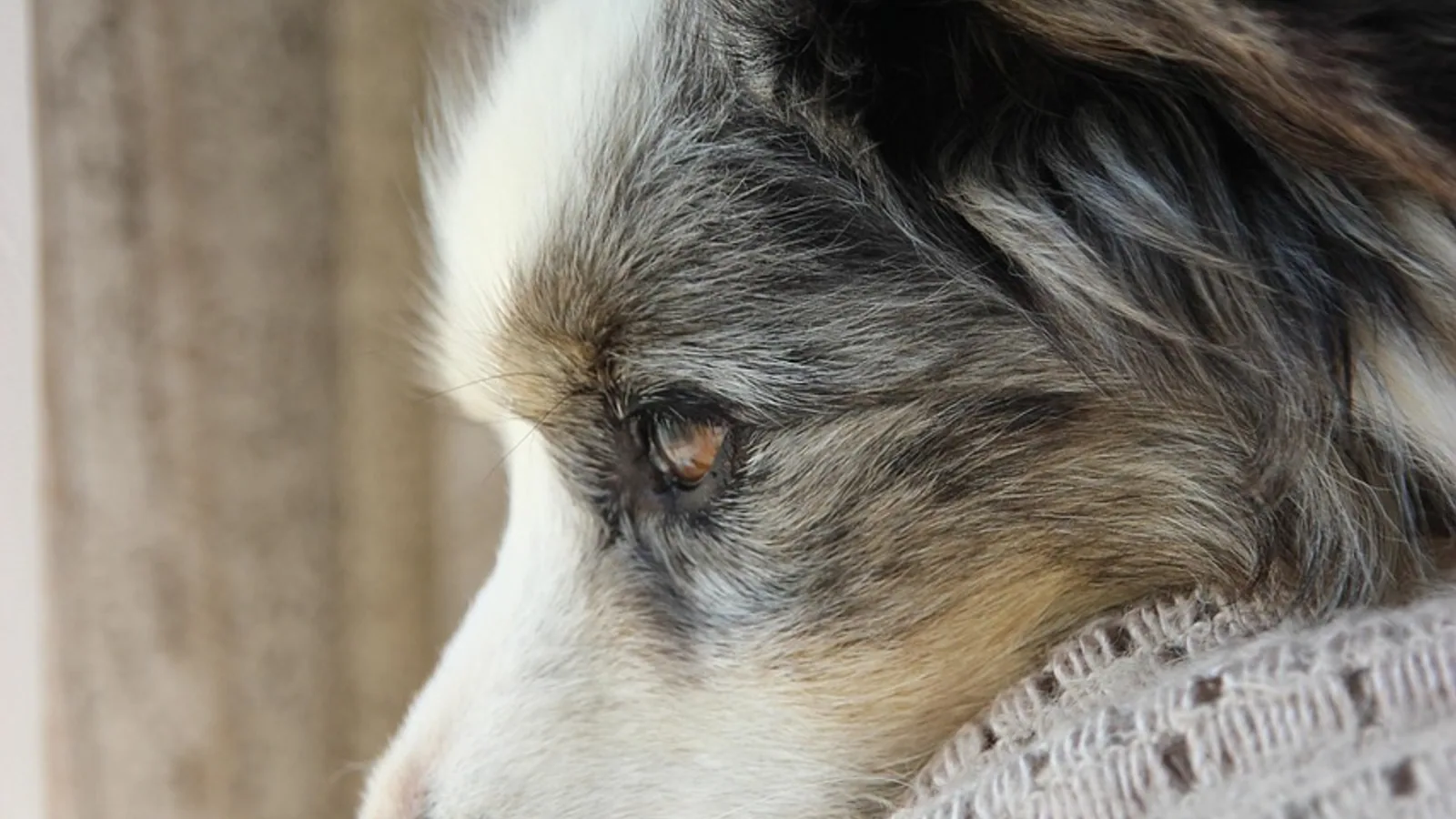
The American Shepherd Dog, registered as the Miniature American Shepherd, is a small herding breed developed in the United States from small Australian Shepherds. It stands roughly 13 to 18 inches at the shoulder and weighs about 20 to 40 pounds, with a strong work ethic, high trainability, and a dense double coat. The breed suits active owners who can provide daily physical exercise plus structured mental work. It is not a low-maintenance lap dog, and it is not simply a shrunken Australian Shepherd in most registries. The Miniature American Shepherd is recognized as its own breed, with its own gene pool, its own health screening priorities, and its own breed club health programs.
This guide covers what the Miniature American Shepherd is, how it differs from the Australian Shepherd, what inherited conditions have been documented in the parent breed and in related lines, which screening tests matter, and how to build a care plan around a dog that thinks for a living.
This article is educational and is not a substitute for veterinary diagnosis or treatment.
At a Glance
| Trait | Typical Range |
|---|---|
| Adult height | About 13 to 18 inches at the withers |
| Adult weight | About 20 to 40 pounds |
| Coat | Medium-length double coat, straight to wavy, with a dense undercoat |
| Color | Black, blue merle, red, red merle, often with white and tan trim |
| Energy level | High, needs daily structured activity |
| Exercise | Roughly 60 to 90 minutes per day, split between physical and mental work |
| Grooming | Brush two to three times weekly, daily during seasonal shedding |
| Trainability | Very high, responds well to positive reinforcement and clear rules |
| Good with children | Often yes with supervision and appropriate play rules |
| Good with other pets | Variable, strong herding drive can be a problem with cats and small animals |
| Lifespan | Commonly reported into the early to mid teens, though verified breed-wide data are limited |
Height and weight ranges above reflect the breed standard ranges used by US registries and breed clubs. Individual dogs can fall outside these ranges, and a veterinarian should assess body condition rather than rely on weight alone.
What Is an American Shepherd Dog?
The American Shepherd Dog is the formal name used by some registries for the breed most owners know as the Miniature American Shepherd, or the "American mini shepherd dog." It is a herding breed with a compact, athletic build, a moderately feathered coat, and a strong desire to work alongside a person. The breed was developed from small Australian Shepherds, and the two breeds share ancestry, appearance, and working style. They are not the same breed.
Most major kennel registries treat the Miniature American Shepherd as a separate breed with its own studbook, its own standard, and its own health testing recommendations. That distinction matters for owners because health risks, gene frequencies, and screening priorities can differ between the two populations. A study of hereditary cataract in Italian Australian Shepherds and Miniature American Shepherds found a mutant allele frequency of 6.01 percent in the Australian Shepherd sample, while a small subset of 13 Miniature American Shepherds tested were all homozygous wild type, meaning none carried the causative allele in that small sample [1]. Small samples cannot prove a breed is free of a mutation, but the finding supports treating the two breeds as separate populations for genetic screening purposes.
The breed is registered under several names depending on the organization. Owners searching for an "american shepherd" will encounter the Miniature American Shepherd, the Miniature Australian Shepherd, and the North American Miniature Australian Shepherd. These names reflect the breed's history rather than distinct breeds.
History and Purpose
The Miniature American Shepherd descends from small Australian Shepherds bred in the United States. Breeders selected smaller individuals for working ability, compact size, and the same biddable, high-drive temperament found in the larger parent breed. The result is a dog that can move stock, compete in dog sports, and live comfortably in a smaller home than a full-sized herding breed would require.
Because the breed came from Australian Shepherds, its inherited disease profile overlaps heavily with the Australian Shepherd. Genetic studies in Australian Shepherds have identified mutations linked to hereditary cataract, hereditary ataxia, neuronal ceroid lipofuscinosis, primary ciliary dyskinesia, junctional epidermolysis bullosa, and a granulocyte abnormality called Pelger-Huët anomaly [1][2][3][4][5][6][7]. These findings are relevant to Miniature American Shepherd owners because the two breeds share ancestry and, in some lines, recent common ancestors.
The breed's working heritage shapes its behavior. Miniature American Shepherds were not developed to sit on a couch. They were developed to move, think, and respond to a handler. Owners who understand that history tend to have an easier time meeting the breed's needs.
Appearance
The Miniature American Shepherd is a small, muscular herding dog with a slightly longer than tall body, moderate bone, and a proud, alert carriage. The head is clean and proportional, the ears are triangular and set high, and the eyes are almond-shaped and expressive. The coat is medium in length, straight to wavy, with feathering on the backs of the legs, the chest, and the tail area. A dense undercoat supports the breed's ability to work in varied weather.
Accepted colors include black, blue merle, red, and red merle, usually with white markings on the chest, muzzle, and legs, and tan trim on the face and legs. Merle-to-merle breeding is discouraged because it increases the risk of deafness and eye defects in merle puppies. That risk is a general principle in merle genetics, and it applies to this breed as it does to Australian Shepherds and other merle breeds.
The breed's size is its defining feature relative to the Australian Shepherd. A Miniature American Shepherd is roughly half the weight of a typical Australian Shepherd and stands several inches shorter. The coat, color pattern, and overall silhouette are similar enough that casual observers often confuse the two.
Temperament and Behavior
Miniature American Shepherds are intelligent, alert, and highly responsive to their owners. They bond closely with their people and often follow them from room to room. They are watchful and may alert to strangers, though most are friendly once introduced. They are not typically aggressive, but they are reserved with unfamiliar people until they warm up.
The herding drive is real. Many Miniature American Shepherds will attempt to herd children, cats, other dogs, bicycles, and even vacuum cleaners. This behavior is normal for the breed, but it can become a problem if it is not managed. Herding children by nipping at heels is a common complaint, and it requires early training to redirect. Owners should teach a strong "leave it" and "come" cue before the behavior becomes habitual.
The breed is not a good match for sedentary households. A Miniature American Shepherd that does not get enough exercise and mental stimulation will find its own entertainment, and that entertainment usually involves chewing, barking, digging, or pacing. Destructive behavior in this breed is often a symptom of boredom rather than a temperament defect.
Separation anxiety is a recognized concern in highly bonded herding breeds. Owners who work long hours away from home should plan for midday enrichment, a dog walker, or dog daycare. A tired Miniature American Shepherd is a well-behaved Miniature American Shepherd, and the reverse is also true.
Exercise and Mental Work
Adult Miniature American Shepherds generally need about 60 to 90 minutes of purposeful activity per day, split between physical exercise and mental work. Physical exercise alone is not enough for this breed. A long walk or a game of fetch satisfies the body, but the mind still needs a job.
Mental work can include:
- Obedience or rally training sessions of 10 to 15 minutes, two to three times per day
- Nose work or scent games that ask the dog to find hidden treats
- Puzzle toys and food-dispensing toys at mealtimes
- Trick training that teaches new behaviors in short, reward-based sessions
- Structured dog sports such as agility, rally, obedience, or disc, introduced under a qualified instructor
Puppies need less structured exercise than adults. A common guideline is roughly five minutes of formal exercise per month of age, twice per day, until the growth plates close. Free play in a safe yard is different from forced running or long hikes, and owners should let a puppy set the pace. A veterinarian can advise on an appropriate exercise plan for a specific puppy.
Adults with a working or sport home may need more than 90 minutes on training days. The breed's energy level is high, and owners should expect to build activity into the daily routine rather than treat it as an occasional event.
Grooming
The Miniature American Shepherd has a double coat that sheds. Weekly brushing two to three times per week removes loose hair and distributes skin oils. During seasonal shedding, daily brushing is often necessary. A slicker brush, an undercoat rake, and a metal comb cover most grooming needs.
Bathing frequency depends on the dog's lifestyle. Most pet Miniature American Shepherds do well with a bath every four to eight weeks, or more often if they get dirty. Over-bathing can dry the skin and coat, so owners should use a dog-specific shampoo and avoid human products.
Nails should be trimmed every three to four weeks. Ears should be checked weekly and cleaned when debris or moisture is present. Teeth should be brushed several times per week. These routines are standard for most breeds and are consistent with general wellness guidance from the American Animal Hospital Association (AAHA) and the American Veterinary Medical Association (AVMA).
The breed's coat should not be shaved. Shaving a double-coated dog can interfere with temperature regulation and can cause the coat to grow back unevenly. Owners who want a shorter coat for summer should ask a groomer for a trim rather than a shave.
Feeding Considerations
Miniature American Shepherds are active, muscular dogs with moderate calorie needs. Most adults do well on a complete and balanced diet formulated for their life stage. Puppies should be fed a growth diet that meets the nutritional standards set by the Association of American Feed Control Officials (AAFCO), and adults should be fed an adult maintenance diet that meets the same standards.
Portion size depends on the individual dog's weight, activity level, and metabolism. Owners should feed to body condition rather than to a fixed cup measure. A dog at a healthy weight has a visible waist when viewed from above and a slight tuck-up when viewed from the side. Ribs should be easy to feel but not prominent.
Treats should make up no more than about 10 percent of daily calories. High-value treats are useful for training, and owners who train frequently should reduce meal portions to compensate. Fresh water should be available at all times.
Owners should transition to a new food gradually over seven to ten days to avoid digestive upset. Any sudden change in appetite, weight, or digestion warrants a veterinary visit.
Inherited Health Problems
The Miniature American Shepherd inherits a health profile that overlaps with the Australian Shepherd. The conditions below are documented in the parent breed, and several are directly relevant to Miniature American Shepherd owners because of shared ancestry. Not every dog will develop these conditions, and not every condition has a commercially available DNA test. Screening and responsible breeding reduce risk, but they do not eliminate it.
MDR1 Gene Mutation
The MDR1 gene mutation, also called the ABCB1 mutation, causes a defect in the blood-brain barrier that allows certain drugs to accumulate in the brain at toxic levels. Affected dogs can have severe reactions to ivermectin at doses used for parasite prevention, to some chemotherapy drugs, to certain opioids, and to other medications. The mutation is well documented in herding breeds, including Australian Shepherds and related lines.
Owners should ask their veterinarian to test for the MDR1 mutation before any medication is prescribed, and they should tell every veterinarian and groomer that the dog is a herding breed. Dogs that carry one copy of the mutation can still react to some drugs, and dogs with two copies are at highest risk. A DNA test is available, and results should be shared with the breeder and with any veterinarian who treats the dog.
The MDR1 mutation is not covered in the studies cited for this guide, but it is a recognized and clinically important risk in herding breeds. Owners should treat it as a standard screening item and discuss testing with their veterinarian.
Hereditary Cataracts
Hereditary cataract is one of the most studied eye conditions in the Australian Shepherd and Miniature American Shepherd. A mutation in the HSF4 gene is significantly associated with cataracts in Australian Shepherds, and a dog carrying the mutation is approximately 17 times more likely to develop binocular cataracts than a dog that is clear of the mutation [8]. A separate study identified a second locus on canine chromosome 13 associated with cataracts in Australian Shepherds that were clear of the HSF4 mutation, which indicates that more than one genetic pathway contributes to the disease [9]. The HSF4 mutation was first identified in Australian Shepherds along with Staffordshire Bull Terriers and Boston Terriers, and the inheritance pattern in Australian Shepherds appears to be dominant [10].
A 2025 study of Italian Australian Shepherds found a mutant allele frequency of 6.01 percent, and a small subset of 13 Miniature American Shepherds were all homozygous wild type [1]. A 2023 European study of Australian Shepherds reported a hereditary cataract allele frequency of 11.64 percent over a ten-year sampling period [11]. These numbers describe the parent breed and do not directly predict the frequency in the Miniature American Shepherd population, but they show that the mutation is present in the ancestry and worth testing for.
Cataracts cause cloudiness in the lens and can progress to vision loss. Owners may notice a gray or white haze in the eye, reluctance to move in dim light, or bumping into objects. A veterinary ophthalmologist can examine the eye and grade the cataract. DNA testing for the HSF4 mutation is available, and breeders should test before breeding.
Progressive Retinal Atrophy
Progressive retinal atrophy, or PRA, is a group of inherited conditions in which the retina degenerates over time. The most common form in many breeds is progressive rod-cone degeneration, or prcd-PRA. A European study of Australian Shepherds reported a prcd-PRA allele frequency of 1.58 percent [11]. The disease typically causes night blindness first, followed by loss of peripheral vision and eventually total blindness.
A DNA test for prcd-PRA is available. Owners should ask breeders whether both parents have been tested. Dogs that are clear of the mutation are not at risk of passing it on, and carriers can be bred to clear dogs to avoid producing affected puppies.
Hip Dysplasia
Hip dysplasia is a developmental condition in which the hip joint does not form properly. It can cause pain, lameness, and arthritis. The condition has a genetic component and is influenced by growth rate, body condition, and exercise during puppyhood. Large and medium breeds, including herding breeds, are commonly affected.
Screening is done by radiograph. The Orthopedic Foundation for Animals (OFA) evaluates hip radiographs and assigns a grade, and PennHIP is an alternative method that measures joint laxity. Breeders should screen breeding dogs and should provide documentation of results. Owners can reduce risk by keeping puppies lean, avoiding forced running on hard surfaces during growth, and providing appropriate exercise.
Epilepsy
Epilepsy, or recurrent seizures, is reported in herding breeds including Australian Shepherds and their relatives. Seizures can have many causes, including metabolic disease, toxins, brain tumors, and inherited epilepsy. A veterinarian will typically run blood work and may recommend advanced imaging to rule out other causes before diagnosing inherited epilepsy.
A dog with a first seizure should be seen by a veterinarian promptly. Owners should record the date, time, duration, and description of the event, including whether the dog lost consciousness, urinated, defecated, or paddled. This information helps the veterinarian decide whether treatment is needed. Some dogs with infrequent seizures do not require medication, while others need daily anti-seizure drugs. Treatment decisions should be made with a veterinarian.
Hereditary Ataxia
A PNPLA8 frameshift variant has been identified in young-adult Australian Shepherds with hereditary ataxia, a condition characterized by uncoordinated movements and spasticity that worsens progressively and can lead to an inability to walk [2]. The variant is inherited in an autosomal recessive pattern, and a carrier frequency of 4.7 percent was found in a cohort of 85 control Australian Shepherds sampled in France [2]. A genetic test is available to detect the allele and avoid at-risk matings [2].
This condition is documented in the Australian Shepherd, and Miniature American Shepherd owners should ask breeders whether the parent breed's ataxia test has been performed. Affected dogs typically show signs in young adulthood, and there is no cure. Management focuses on supportive care and quality of life.
Neuronal Ceroid Lipofuscinosis
Neuronal ceroid lipofuscinosis, or NCL, is a group of inherited neurodegenerative diseases that cause seizures, cognitive decline, motor impairment, and vision loss. Two mutations have been identified in Australian Shepherds: a CLN8 nonsense mutation in a mixed breed dog with Australian Shepherd ancestry [3], and a CLN6 missense mutation in an Australian Shepherd with NCL [5]. The CLN8 mutation appears to be rare in the breed [3]. Affected dogs typically show signs early in life and decline progressively.
NCL is rare, but owners should be aware of it because it is inherited and because the parent breed carries documented mutations. Genetic testing is available for some forms.
Other Documented Conditions in the Parent Breed
Several additional conditions have been documented in Australian Shepherds. Primary ciliary dyskinesia, a condition affecting cilia function and causing recurrent respiratory infections, has been linked to an STK36 splice site variant in an Australian Shepherd [4]. Junctional epidermolysis bullosa, a severe skin blistering disease, has been linked to a LAMB3 missense variant in an Australian Shepherd litter [7]. A granulocyte abnormality called Pelger-Huët anomaly has been linked to an LMBR1L variant in Australian Shepherds [6]. Canine multifocal retinopathy, an eye condition, has been reported in an Australian Shepherd with a BEST1 mutation [12]. Collie eye anomaly and degenerative myelopathy have also been reported in the breed at low frequencies [11].
These conditions are uncommon, but they illustrate why breed-specific genetic testing panels exist. Owners should ask breeders which tests have been performed and should discuss any results with a veterinarian.
Health Screening Table
The table below lists the main conditions relevant to the Miniature American Shepherd, the recommended screening test, and the typical age at which screening is performed. Ages are general guidelines and may vary by veterinarian and by the specific test.
| Condition | Screening Test | Typical Age at Screening |
|---|---|---|
| MDR1 gene mutation | DNA test (cheek swab or blood) | Any age, ideally before breeding or before first drug exposure |
| Hereditary cataract (HSF4) | DNA test plus veterinary ophthalmologist eye exam | DNA at any age, eye exam at 1 year and annually |
| Progressive retinal atrophy (prcd-PRA) | DNA test | Any age, ideally before breeding |
| Hip dysplasia | OFA or PennHIP radiograph | 2 years for OFA, 4 to 6 months for PennHIP |
| Epilepsy | Veterinary evaluation, blood work, possible imaging | At first seizure, typically 1 to 5 years |
| Hereditary ataxia (PNPLA8) | DNA test | Any age, ideally before breeding |
| Neuronal ceroid lipofuscinosis | DNA test where available | Any age, ideally before breeding |
| Thyroid function | Blood test | 2 years and older, if clinically indicated |
| General wellness | Physical exam, vaccines, parasite screening | Puppy series, then annually |
Owners should keep copies of all test results and share them with their veterinarian. Breeders should be able to provide documentation for both parents.
Lifespan and Aging
Miniature American Shepherds are generally long-lived for their size, with many dogs remaining active into their teens. Verified breed-wide longevity data are limited, and owners should treat individual lifespan as variable. The breed's working heritage means many dogs stay mentally sharp and physically capable well into old age, but they still need regular veterinary care.
Senior dogs should be examined at least twice yearly. Common age-related concerns include arthritis, dental disease, vision changes, and cognitive decline. Owners should watch for changes in appetite, water intake, urination, mobility, and behavior. Early detection of these changes often allows for better management.
Finding a Responsible Breeder or Rescue
A responsible breeder prioritizes health, temperament, and breed type over appearance. Buyers should expect a breeder to:
- Provide documentation of health testing for both parents, including eye, hip, and DNA tests relevant to the breed
- Allow buyers to meet the dam and, when possible, the sire
- Raise puppies in a home environment with early socialization
- Ask detailed questions about the buyer's lifestyle, activity level, and experience with herding breeds
- Provide a written contract that covers health guarantees and return policies
- Be willing to answer questions after the sale
Buyers should be cautious of breeders who cannot provide health testing documentation, who sell puppies before eight weeks of age, who offer multiple litters at once without a clear breeding program, or who refuse to let buyers visit the premises. These are common red flags.
Rescue is a strong option for this breed. Miniature American Shepherd rescues and herding breed rescues often have adults available, and adult dogs can be an excellent match for owners who want to skip the puppy stage. Rescue organizations typically assess temperament and health before placing dogs, and they can provide detailed information about the individual dog's needs.
Who Should Not Get This Breed
The Miniature American Shepherd is not a good fit for every household. Owners should reconsider this breed if any of the following apply:
- The household cannot provide 60 to 90 minutes of daily exercise and mental work
- The owner works long hours away from home and cannot arrange midday enrichment
- The household includes young children who cannot follow rules about rough play and herding behavior
- The owner wants a calm, low-energy companion dog
- The owner is not prepared to manage shedding, grooming, and seasonal coat blowouts
- The owner cannot commit to ongoing training and socialization
- The owner is not willing to test for MDR1 and other breed-relevant genetic conditions
Owners who want a herding breed but cannot meet the exercise requirement may do better with a lower-drive breed. Owners who want a small dog with less mental stimulation needs may prefer a companion breed. The Miniature American Shepherd is a working breed, and it does best with owners who treat it that way.
Limitations and When to Contact a Veterinarian
This article is educational and is not a substitute for veterinary diagnosis or treatment. Individual dogs vary, and a veterinarian who has examined your dog is the best source of advice.
Contact a veterinarian promptly if your Miniature American Shepherd shows any of the following:
- A seizure, collapse, or episode of unresponsiveness
- Sudden vision loss, cloudiness in the eye, or bumping into objects
- Difficulty rising, lameness, or reluctance to climb stairs
- Persistent vomiting, diarrhea, or loss of appetite
- Increased thirst or urination
- Coughing, difficulty breathing, or exercise intolerance
- Unexplained weight loss or weight gain
- Behavioral changes such as aggression, confusion, or pacing
- Any reaction after a new medication, especially in a dog that has not been tested for the MDR1 mutation
Owners should also contact a veterinarian before giving any new medication, supplement, or parasite preventive to a herding breed dog. The MDR1 mutation can turn a routine dose into a serious toxicity.
Frequently Asked Questions
Is the Miniature American Shepherd the same breed as the Australian Shepherd?
No. The Miniature American Shepherd was developed from small Australian Shepherds, but most registries recognize it as a separate breed with its own studbook and standard. The two breeds share ancestry and health risks, but they are managed as distinct populations.
How much exercise does a Miniature American Shepherd need?
Most adults need about 60 to 90 minutes of purposeful activity per day, split between physical exercise and mental work. Mental work is essential. A dog that only gets physical exercise may still be bored and destructive.
What health problems are Miniature American Shepherds prone to?
The breed shares the Australian Shepherd's risk profile, which includes hereditary cataracts, progressive retinal atrophy, hip dysplasia, epilepsy, hereditary ataxia, and the MDR1 gene mutation. Screening and responsible breeding reduce risk.
What is the MDR1 mutation?
The MDR1 mutation affects the blood-brain barrier and can cause severe reactions to certain drugs, including some parasite preventives and opioids. Owners should test for it and tell every veterinarian that the dog is a herding breed.
How big does a Miniature American Shepherd get?
Most adults stand about 13 to 18 inches at the shoulder and weigh about 20 to 40 pounds. Individual dogs can fall outside these ranges.
Do Miniature American Shepherds shed a lot?
Yes. The breed has a double coat and sheds year-round, with heavier seasonal shedding. Weekly brushing two to three times per week and daily brushing during coat blowouts keeps the coat manageable.
Are Miniature American Shepherds good with children?
Many are good with children when they are socialized and when children are taught to play appropriately. The herding drive can lead to nipping at heels, so supervision and training are important.
Should I get a Miniature American Shepherd if I work full time?
It depends on what you can arrange during the day. This breed needs daily exercise and mental work, and a full-time work schedule usually requires a dog walker, daycare, or midday enrichment. Without that support, the breed is likely to develop behavior problems.
Related Articles
- Understanding Mini Pig Behavior: Affection, Aggression, and Heat Cycles
- Miniature Horse Care Guide
- American Foulbrood Recognition and Response
- Symptoms Of Pancreatitis In Mini Schnauzers
- How to Set Mini-Deadlines for Your Thesis: A Step-by-Step Guide
- NAVLE Study Guide: How to Pass the North American Veterinary Licensing Exam on
- Malinois German Shepherd Mix Breed Guide
Sources
- Genotypic and Allelic Frequencies of Hereditary Cataract in the Italian Population of Australian Shepherd and Miniature American Shepherd Dogs.
- A PNPLA8 frameshift variant in Australian shepherd dogs with hereditary ataxia.
- A CLN8 nonsense mutation in the whole genome sequence of a mixed breed dog with neuronal ceroid lipofuscinosis and Australian Shepherd ancestry.
- STK36 splice site variant in an Australian Shepherd dog with primary ciliary dyskinesia.
- A missense mutation in canine CLN6 in an Australian shepherd with neuronal ceroid lipofuscinosis.
- Autosomal recessive hyposegmentation of granulocytes in Australian Shepherd Dogs indicates a role for LMBR1L in myeloid leukocytes.
- LAMB3 Missense Variant in Australian Shepherd Dogs with Junctional Epidermolysis Bullosa.
- Mutation in HSF4 is associated with hereditary cataract in the Australian Shepherd.
- A novel locus on canine chromosome 13 is associated with cataract in the Australian Shepherd breed of domestic dog.
- Identification of mutations in HSF4 in dogs of three different breeds with hereditary cataracts.
- The incidence of genetic disease alleles in Australian Shepherd dog breed in European countries.
- Canine multifocal retinopathy in the Australian Shepherd: a case report.