When Do Dogs Come Out of Adolescence?
By Dr. Zubair Khalid, DVM, MS, PhD ·
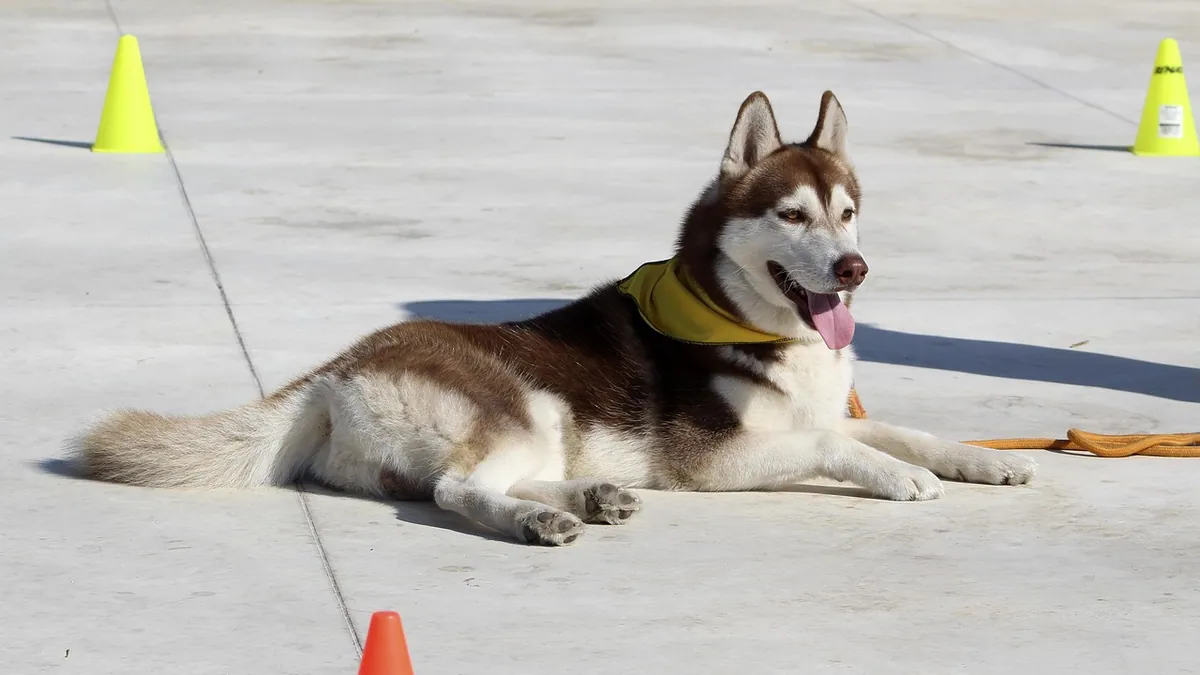
Most dogs come out of adolescence somewhere between 18 and 24 months of age, with smaller breeds finishing earlier and giant breeds taking longer. The phase starts around 6 months, when puberty begins, and it can feel like your well-trained puppy has been replaced by a stranger. Knowing when do dogs come out of adolescence helps you plan training and keep your expectations realistic.
This article is educational and is not a substitute for veterinary diagnosis or treatment.
Quick Answer
- Adolescence in dogs typically begins around 6 months of age, when puberty starts, and ends between 18 and 24 months for most dogs.
- Small breeds often settle by 12 to 18 months, while large and giant breeds may not mature until 2 to 3 years.
- Behavior often regresses during this window because your dog is more aware of the world, more responsive to other dogs, and less automatically focused on you.
- Training should continue daily, with short sessions, high-value rewards, and consistency from everyone in the household.
- If new behavior problems appear or existing ones get worse, a veterinary visit is the right first step to rule out pain or illness.
Why Adolescent Dog Behavior Changes
Puberty in dogs is a real developmental event, not a training failure. It is driven by hormonal changes that establish reproductive capability, and the timing varies with breed, body weight, metabolic status, and environment [1]. In male dogs, rising testosterone and testicular maturation mark this transition, and permanent canine tooth eruption is a useful marker of pubertal status alongside age [2].
Behavior is controlled by the endocrine and nervous systems, and animals with more complex nervous systems have a greater capacity to learn new responses and adjust their behavior [3]. Your adolescent dog is learning fast, but not always learning what you want. The brain is still developing, and the same dog that once came when called may now pause, sniff, and weigh whether you are worth listening to.
Dogs are highly social animals and read human gestures and body language well, but domestication and breeding have created wide variation in how different dogs signal and respond [4]. That variation matters during adolescence. A dog who was easy to read as a puppy may now send mixed signals, and other dogs may react to him differently.
When Do Dogs Become Teenagers?
Most owners notice the shift between 6 and 9 months. Sexual maturity arrives first, and social maturity follows much later. This gap is why your dog can look fully grown and still act like a puppy.
When Does Adolescence End in Dogs?
There is no single switch. Most dogs show clear improvement in impulse control and focus between 18 and 24 months. Large and giant breeds commonly need closer to 2 to 3 years. If you are also tracking your dog's heat cycles, our guide on How Long Does A Dog Period Last explains what is normal.
Medical Causes to Rule Out First
Before you assume a behavior is adolescent, rule out medical problems. Pain, dental disease, ear infections, skin allergies, and orthopedic issues can all look like stubbornness or irritability. A dog who suddenly snaps when touched, stops sleeping through the night, or refuses to walk may be hurting, not testing you.
Hormonal and reproductive changes can also affect behavior. Research on neutering timing and behavior in female dogs has produced contradictory findings, and the evidence base is still limited [5]. If you are deciding when to spay or neuter, talk with your veterinarian about the health tradeoffs, since neutering timing relative to puberty has been studied for outcomes including atopy, developmental orthopedic disease, neoplasia, obesity, and urogenital disease [6].
Any sudden change in behavior in an adult dog deserves a veterinary exam. Sudden aggression, house soiling in a previously reliable dog, or a sharp drop in activity are not normal parts of growing up.
When Adolescent Behavior Becomes a Problem
Adolescence is normal. Problem behavior is when it affects safety, health, or your ability to live with your dog.
Watch for these patterns:
- Growling, snapping, or biting toward people or other animals.
- Destruction that continues when you are home, not only when alone.
- House soiling that starts after months of success.
- Inability to settle even after plenty of exercise.
- Fear that is getting worse instead of better.
If your dog's behavior problems are escalating, our article on Adolescent Dog Behavior Problems covers common triggers and next steps. If your dog panics when left alone, read Does Dog Separation Anxiety Get Better With Age to understand what to expect over time.
How to Manage Training During This Window
Keep Training Sessions Short and Frequent
Two to three short sessions a day beat one long session. Reward what you want within a second or two. Use food your dog actually values. Practice in easy places first, then add distractions slowly.
Go Back to Basics Without Shame
If your dog's recall has fallen apart, put him on a long line and reteach it. If loose leash walking has vanished, start again in your driveway. This is normal maintenance, not failure.
Proof Behaviors in Real Life
A sit in your kitchen is not a sit on a busy sidewalk. Practice in the front yard, on quiet streets, and near other dogs at a distance. Build distance and difficulty in small steps.
Use Enrichment to Burn Mental Energy
Physical exercise alone does not tire most adolescents. Add food puzzles, sniff walks, chew items, and simple training games. A tired brain is often calmer than a tired body.
Manage the Environment
Use baby gates, crates, tethers, and closed doors to prevent rehearsal of bad habits. Every time your dog practices jumping on guests or counter surfing, the habit gets stronger. Management buys you time to train.
Be Consistent Across the Household
Everyone needs the same rules. If one person allows jumping and another does not, your dog learns that behavior works sometimes, which makes it harder to extinguish.
Track Progress by Month, Not by Day
Adolescence is not linear. You will have good weeks and bad weeks. Look at the trend over a month. Most owners see real improvement after the second birthday.
What Not to Do
Do Not Use Punishment-Based Training
Yelling, leash jerks, alpha rolls, and shock collars can increase fear and aggression. They also damage the relationship you need for reliable behavior. Dogs learn best through clear consequences and rewards.
Do Not Assume Your Dog Is Being Dominant
Dominance is not the explanation for most adolescent behavior. Your dog is not plotting against you. He is a juvenile animal with a developing brain and a lot of energy.
Do Not Wait It Out Without Training
Some owners are told the behavior will disappear on its own. It usually does not. Untrained adolescent habits often become adult habits. Use this window to build skills.
Do Not Skip Socialization
Early and frequent socialization with many different dogs helps a dog interact well with other dogs and people [4]. Adolescence is not too late to continue careful, positive exposure.
Do Not Ignore Fear or Anxiety
A dog who is scared needs support and a plan, not exposure that overwhelms him. Forcing a frightened dog into situations can make the fear worse.
When to Involve a Veterinarian or Behavior Professional
Call your veterinarian if:
- Your dog shows sudden aggression or a personality change.
- Your dog is limping, yelping, or reluctant to move.
- Your dog stops eating or drinking normally.
- Your dog has new house soiling after being reliable.
- Your dog's anxiety is interfering with sleep, eating, or daily life.
Ask for a referral to a veterinary behaviorist or a certified behavior consultant if:
- Your dog has bitten a person or another animal.
- You have tried training for 6 to 8 weeks with no improvement.
- Your dog injures himself trying to escape.
- You feel unsafe or overwhelmed.
A veterinarian can check for medical causes and discuss whether medication might help alongside training. Never give human medication to your dog without veterinary guidance. Your veterinarian calculates any dose from your dog's weight and health status.
Limitations and When to Contact a Veterinarian
This article gives general information. Individual cases need a veterinarian who can examine your dog and review his history.
Contact your veterinarian the same day if your dog:
- Has a sudden change in behavior or personality.
- Is vomiting, has diarrhea, or refuses food for more than 24 hours.
- Is straining to urinate or has not urinated in 12 hours.
- Is limping or shows pain when touched.
Go to an emergency clinic now if your dog:
- Has a seizure, collapses, or has trouble breathing.
- Has a swollen, painful abdomen.
- Is bleeding heavily or has a deep wound.
- Has eaten something toxic or unknown.
Call your veterinarian for a routine visit if:
- Your dog's behavior has changed slowly over weeks.
- You are planning to spay or neuter and want to discuss timing.
- Your dog's training has stalled and you want a behavior plan.
Frequently Asked Questions
Do all dogs go through adolescence?
Yes. Every dog goes through a developmental period between puppyhood and social maturity. The intensity varies a lot by breed, individual temperament, and early training. Some dogs breeze through it, and others test every rule you set.
Does neutering stop adolescent behavior?
Neutering does not erase adolescence. It removes the reproductive drive, but the brain still needs to mature. The evidence on neutering timing and behavior is mixed, and researchers describe the findings as contradictory [5]. Talk with your veterinarian about what is right for your dog.
Will my dog grow out of it without training?
Most dogs improve with age, but training shapes what they improve into. A dog who is never taught polite behavior often becomes an adult with the same habits. Use this window to build skills instead of waiting.
How much exercise does an adolescent dog need?
There is no single number that fits every dog. It depends on breed, size, age, and health. Ask your veterinarian for guidance based on your dog's body condition and joint health. Mental work often calms an adolescent more than extra miles.
Can adolescence cause aggression?
Adolescence can bring out fear and reactivity that were not obvious before. It does not cause true aggression on its own. Sudden aggression always needs a veterinary exam to rule out pain, illness, or a hormonal problem. If your dog has bitten someone, seek professional help right away.
Related Articles
- Adolescent Dog Behavior Problems
- How Long Does A Dog Period Last
- How Long Do Dog Periods Last
- Does Dog Separation Anxiety Get Better With Age
- Does Dog Separation Anxiety Get Worse With Age
- How Long Do Dogs Live
- When Do Dogs Calm Down? Age and Training Factors
- When Do Dogs Become Adults? Growth Stage Timeline
- When Do Dogs Mature? Growth, Sexual, and Mental Stages
References
- Canine Puberty. The Veterinary clinics of North America. Small animal practice, 2025.
- Linking Canine Teeth Eruption, Testicular Histology and Testosterone Levels as Indicators of Pubertal Maturation in Male Dogs. Anatomia, histologia, embryologia, 2026.
- Introduction to Behavior of Dogs - Dog Owners. Merck Veterinary Manual.
- Normal Social Behavior in Dogs - Dog Owners. Merck Veterinary Manual.
- Effect of neutering timing in relation to puberty on female dog behaviour-A scoping review. The Veterinary record, 2023.
- Effect of neutering timing in relation to puberty on health in the female dog-a scoping review. PloS one, 2024.