When Do Cats Calm Down? Age and Behavior Changes
By Dr. Zubair Khalid, DVM, MS, PhD ·
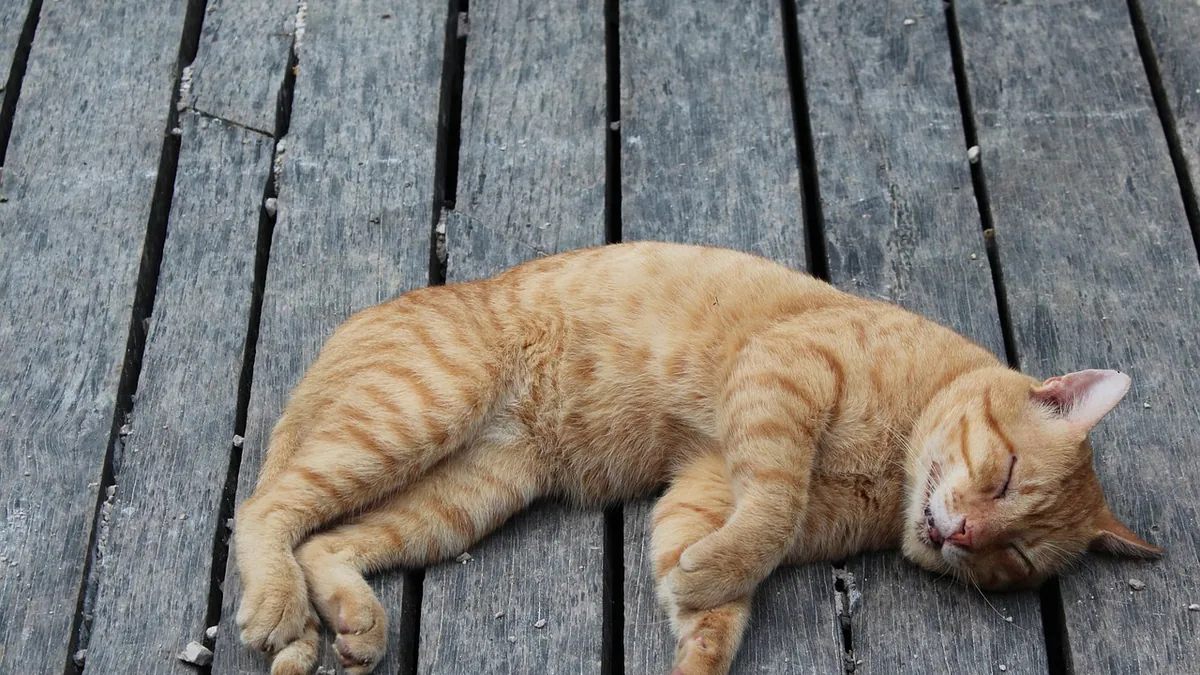
Most cats begin to calm down somewhere between 1 and 3 years of age, though the exact timeline varies with breed, personality, and home environment. If you are wondering when do cats calm down, the short answer is that kitten energy peaks in the first year and gradually settles as your cat reaches social and physical maturity. Some cats stay playful and busy well into adulthood, and that can be completely normal.
This article is educational and is not a substitute for veterinary diagnosis or treatment.
Quick Answer
- Kitten energy is highest from about 4 weeks to 9 months of age, a window when early experiences shape behavior for life [1].
- Most cats show clear mellowing between 1 and 2 years, with full social maturity often closer to 2 to 3 years.
- Breed matters. Some breeds develop faster and react differently to new situations than others [2].
- Nighttime activity is normal cat behavior, not spite. Cats are naturally more active at dawn and dusk.
- Sudden behavior changes in an adult cat are a medical question first, not a training problem.
Why Your Cat Acts This Way
Normal kitten energy
Kittens are built to explore, pounce, climb, and test everything in reach. This is not misbehavior. It is development. The period from roughly 2 to 9 weeks is the sensitive window for socialization, when handling and exposure to new sights, sounds, and objects have the biggest effect on how a cat behaves later [1]. Foster caretakers who raise kittens during this window report using handling, toys, and exploratory items as core parts of their daily routine [1].
Owners recognize this too. In a large survey of US cat owners, most had not heard of formal kitten socialization programs, but about half said they would be interested in enrolling in one [3]. That interest makes sense. What happens early tends to stick.
Breed and individual differences
Not all kittens follow the same curve. In one study comparing Oriental, Siamese, and Abyssinian kittens with Norwegian Forest kittens from 4 to 10 weeks of age, the two groups developed differently. The Oriental group opened their eyes earlier and showed more locomotion, which may point to earlier neurological development. The Norwegian Forest kittens developed thermoregulation earlier and stayed more actively engaged when faced with a new test situation [2].
What does this mean for you? A cat who seems "behind" or "ahead" may simply be following their own breed and individual pattern. Personality varies widely from cat to cat, even within the same litter.
Why nights get busy
Cats are crepuscular, which means their natural activity peaks around dawn and dusk. A cat who sleeps all day while you are at work often has a full tank of energy right when you want to sleep. This is one of the most common reasons owners search for when do cats calm down at night. The behavior usually improves as the cat ages, but you can also shape it with routine.
Medical Causes to Rule Out Before Blaming Behavior
Before you assume your cat is just high energy, rule out pain and illness. Cats hide discomfort well, and restlessness, pacing, yowling, or sudden clinginess can all be physical symptoms.
- Pain. Dental disease, arthritis, and urinary problems can make a cat restless, especially at night.
- Hyperthyroidism. Older cats with this condition often become more active, vocal, and hungry.
- Cognitive changes. Senior cats can develop confusion and nighttime vocalization.
- Skin and grooming issues. Grooming takes up about 4% of a cat's daily activity budget, and it changes with itching and some psychological conditions [4]. Excessive grooming is not just a habit. It can signal a medical problem.
If your adult cat's energy level changed suddenly, that is a veterinary conversation. A cat who hides more than usual or seems unusually tired needs a closer look. See Cat Hiding: When to Worry and When It's Normal Cat Behavior and Cat Lethargy: When to Worry and What to Do for guidance on what to watch.
When High Energy Becomes a Problem
High energy is not automatically a behavior problem. It becomes one when it affects the cat's health or your household.
Signs it may be time to act:
- Your cat injures themselves or breaks things during play.
- Nighttime activity disrupts your sleep most nights.
- Your cat vocalizes loudly for long stretches.
- Your cat over-grooms to the point of hair loss or skin sores [4].
- Your cat seems stressed, tense, or on edge much of the day.
Stress and high arousal often go together. A cat who is wound up may also be anxious. Learn the signs in Cat Stress Signs: How to Recognize and Reduce Stress in Your Cat.
When Do Cats Calm Down? A Practical Timeline
There is no single switch. Think of it as a gradual slope.
- 0 to 4 months. Peak chaos. Everything is a toy. Socialization is at its most influential [1].
- 4 to 9 months. Still very active. Play biting and climbing often peak here.
- 9 to 18 months. Many cats start to slow a little. Naps get longer.
- 1 to 2 years. Most owners notice real mellowing in this window.
- 2 to 3 years. Social maturity. Many cats are noticeably calmer and more predictable.
- Senior years. Activity drops again. Watch for pain or cognitive changes instead of assuming it is just age. For context on life stages, see How Long Do Cats Live? Indoor, Outdoor and Senior Cat Lifespan Guide.
Do kittens ever calm down? Yes, almost all do, though the pace varies. A cat who is still bouncing off walls at 3 years old may simply need more structured play and enrichment, or a vet check.
What to Do: Step by Step
1. Build a daily play routine
Two solid play sessions a day, morning and evening, can drain energy before it becomes a problem. Use wand toys and let your cat stalk, chase, and catch. End with a small treat or meal so the hunt has a payoff.
2. Feed before bed
A meal right before your bedtime can trigger the natural rest-and-digest phase. Many cats sleep longer after eating.
3. Reset the night schedule
If your cat wakes you at 3 a.m., do not feed, play, or talk to them. Any reaction rewards the behavior. Keep the room dark and quiet. It may take a week or two of consistency.
4. Add vertical space
Cats use height to feel safe and to burn energy. Cat trees, shelves, and window perches give your cat a place to climb and watch. In a study of cats in a cat café, elevated structures were important to the cats, especially when the space was busy, and cats often chose vertical levels or cat-only rooms [5]. Your home works the same way. Give your cat a high spot and a quiet retreat.
5. Respect alone time
That same study found cat-cat interactions were infrequent and mostly friendly, and cats avoided conflict instead of confronting it [5]. Cats are not pack animals. They need space. If you have multiple cats, provide separate resources: food bowls, litter boxes, beds, and perches.
6. Keep the environment predictable
Feed, play, and clean the litter box at similar times each day. Predictable routines lower arousal. Changes like a new baby, a move, or a new pet can spike activity and stress.
7. Use food puzzles
Puzzle feeders and scatter feeding make your cat work for food. This mimics natural foraging and fills time that would otherwise go to mischief.
What Not to Do
- Do not punish. Yelling, spraying water, or swatting creates fear and can make behavior worse. Cats do not connect punishment to the earlier behavior.
- Do not use flooding. Flooding means forcing a scared cat to face a trigger all at once. Some foster caretakers reported using this non-recommended technique for fearful kittens, and it is not the right approach [1]. Slow, gradual exposure works better.
- Do not lock your cat in a small room all night as a first solution. This removes enrichment and can increase stress.
- Do not assume it is "just a phase" if your adult cat's behavior changed suddenly. That is a medical flag.
- Do not skip socialization because your cat is older. You can still build trust and confidence with gentle, positive handling at any age.
When to Involve a Veterinarian or Behavior Professional
Call your veterinarian if:
- Your cat stops eating or drinking. A cat who is not eating but acting normal can still decline quickly. See Cat Not Eating But Acting Normal: How Long Can You Wait?.
- Your cat's energy or sleep pattern changes suddenly.
- You see over-grooming, hair loss, or skin damage [4].
- Your cat vocalizes at night in a way that is new for them.
- Your cat shows aggression that could hurt people or other pets.
A veterinarian can check for pain, thyroid disease, dental problems, and other medical causes. If health is clear, ask for a referral to a certified behavior professional. Behavior plans work best when medical causes are ruled out first.
Limitations and When to Contact a Veterinarian
This article gives general guidance. Every cat is an individual, and individual cases need a veterinarian who can examine your cat and review their history.
Contact a veterinarian the same day if:
- Your cat has not eaten for 24 hours.
- Your cat is straining to urinate, especially a male cat.
- Your cat is vomiting repeatedly or has diarrhea with lethargy.
- Your cat is hiding and will not come out for food.
Go to an emergency clinic now if:
- Your cat is having trouble breathing.
- Your cat is collapsed, unresponsive, or having a seizure.
- Your cat has swallowed something toxic or a foreign object.
- Your cat is bleeding heavily or has a suspected broken bone.
Schedule a routine visit if:
- Nighttime activity is new and ongoing.
- Your cat is over-grooming.
- Your cat seems restless, anxious, or easily startled.
- Your cat is a senior and their behavior has shifted.
Frequently Asked Questions
Do kittens eventually calm down?
Yes, nearly all kittens calm down as they mature, usually with clear improvement by 1 to 2 years of age. The pace depends on breed, personality, and how much play and enrichment they get each day. If a kitten is still extremely busy past 2 years, a vet visit and a behavior plan are reasonable next steps.
When do cats calm down at night?
Most cats settle into a more predictable night routine between 1 and 2 years of age, and often sooner with a consistent schedule. Feed a meal before bed, play in the evening, and ignore nighttime demands. Avoid feeding or playing when your cat wakes you, since that teaches them the night routine works.
Is it normal for an adult cat to suddenly get more active?
No, a sudden jump in activity in an adult cat is not typical and should be checked by a veterinarian. Hyperthyroidism, pain, and cognitive changes can all cause restlessness, pacing, or nighttime vocalization. A physical exam and lab work usually sort out the cause.
Can I train my cat to be calmer?
You cannot train away normal cat energy, but you can shape it with routine, play, and environment. Two daily play sessions, puzzle feeders, vertical space, and a predictable schedule reduce most problem activity. Punishment does not work and often makes cats more stressed.
Does breed affect how quickly a cat calms down?
Yes, breed can affect development and coping style. One study found Oriental, Siamese, and Abyssinian kittens showed earlier eye opening and more locomotion, while Norwegian Forest kittens developed thermoregulation earlier and stayed more actively engaged in a new situation [2]. Your cat's individual personality matters just as much as breed.
Related Articles
- Cat Hiding: When to Worry and When It's Normal Cat Behavior
- Cat Lethargy: When to Worry and What to Do
- Cat Stress Signs: How to Recognize and Reduce Stress in Your Cat
- How Long Do Cats Live? Indoor, Outdoor and Senior Cat Lifespan Guide
- Cat Not Eating But Acting Normal: How Long Can You Wait?
- How Often Should My Senior Cat See the Vet? A Schedule for Healthy Aging
- When Do Cats Mellow Out? Kitten to Adult Energy
- When Do Cats Become Adults? Age and Care Transitions
- When Do Cats Fully Mature? Physical and Mental Growth
References
- Understanding kitten fostering and socialisation practices using mixed methods. Animal welfare (South Mimms, England), 2024.
- Breed differences in behavioural development in kittens. Physiology & behavior, 2009.
- Socialising kitties: A quantitative survey of US cat owner attitudes towards kitten and adult cat socialisation programmes. Animal welfare (South Mimms, England), 2025.
- Exploring Normal to Abnormal Variations of Grooming Behaviours in Cats. Veterinary dermatology, 2026.
- Cats in a Cat Café: Individual Cat Behavior and Interactions with Humans. Animals : an open access journal from MDPI, 2025.