When Do Dogs Calm Down After Spay or Neutering?
By Dr. Zubair Khalid, DVM, MS, PhD ·
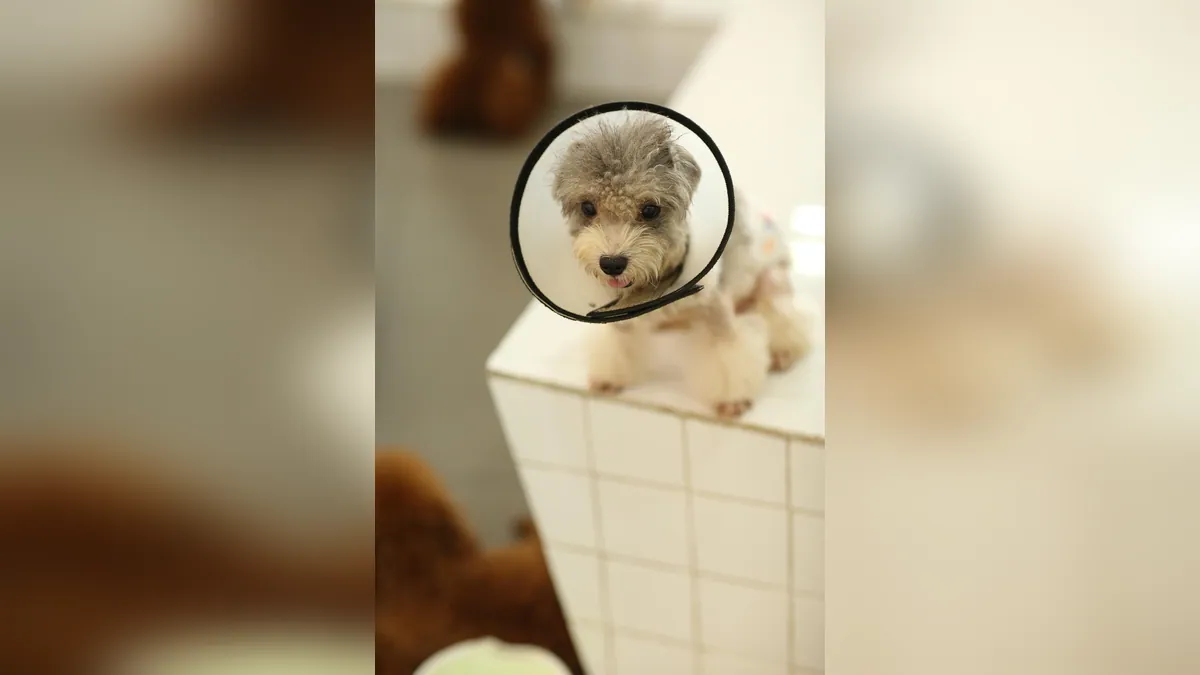
When do dogs calm down after neutering? Most owners notice the biggest shift in the first four to eight weeks, and some dogs keep settling for several months. The surgery removes the main source of testosterone, so hormone-driven behaviors like mounting and urine marking often fade, but it does not erase habits your dog has already practiced. This article is educational and is not a substitute for veterinary diagnosis or treatment.
Quick Answer
- Expect the clearest behavior changes in the first four to eight weeks after surgery, with some dogs continuing to settle for a few months.
- Neutering prevents testicular cancer and some prostate problems, and it often reduces marking, mounting, and some aggression problems [1].
- Spaying removes the ovaries and the estrus cycle, so heat-related restlessness and mood shifts stop after recovery.
- Surgery does not train your dog. Behaviors that were rewarded in the past, like barking at the fence or jumping on guests, usually need their own training plan.
- If behavior gets worse instead of better, or if your dog seems painful, lethargic, or off their food, call your veterinarian.
Why Behavior Changes Happen After Spay or Neuter
The hormone shift is real but gradual
In male dogs, neutering removes the testicles, which are the main source of testosterone. In female dogs, spaying removes the ovaries and uterus, which ends the heat cycle and the hormone swings that come with it. Testosterone and estrogen influence marking, mounting, roaming, and some forms of reactivity. When those hormones drop, the drive behind those behaviors often drops too.
The change is not instant. Hormone levels fall over days to weeks, and your dog's habits take longer to adjust than their blood levels do. That is why the answer to "when do dogs calm down after neutering" is a range, not a single date. Many owners see the first differences within two to four weeks and the full picture by two to three months.
Some behaviors were never hormonal
A dog who jumps on people at the door, pulls on leash, or barks at the mail carrier is usually doing it because the behavior works. Those patterns are learned. Removing hormones does not remove the reward history. If your dog has practiced a behavior for two years, expect to spend real training time on it after surgery.
Spay behavior changes follow a similar pattern
Owners often ask when do dogs calm down after spay. The hormonal piece is different because there is no testosterone surge to remove, but the end of the heat cycle matters a lot. Intact females can become restless, vocal, and irritable during estrus, and they may attract male dogs from blocks away. Once your dog is spayed and healed, those heat-related behaviors stop. Any general training issues still need training.
Medical Causes to Rule Out
If your dog seems more anxious, reactive, or restless after surgery, do not assume it is purely behavioral. Pain is a common and underrecognized cause. Incision discomfort, swelling, or a reaction to sutures can make a normally calm dog snappy or withdrawn.
Other medical issues can look like behavior problems at any age. Thyroid disease, orthopedic pain, dental pain, and skin allergies can all change how a dog behaves. A dog who suddenly starts pacing at night or avoids being touched may have a physical problem, not a training problem.
There is also a documented set of health and behavior conditions linked to the loss of gonadal hormones in neutered dogs, sometimes called spay-neuter syndrome [2]. This does not mean surgery was a mistake. It means that if your dog's behavior changes in a way that concerns you, a veterinary workup is the right first step, not a training program alone.
When Behavior Becomes a Problem
Normal post-surgical behavior looks like this. Your dog is a little quieter for a few days, sleeps more, and slowly returns to normal energy over one to two weeks. Appetite comes back within a day or two. Interest in walks and play returns as the incision heals.
Call your veterinarian if you see any of these instead.
- Your dog is more aggressive than before surgery, especially toward family members.
- Mounting, marking, or humping continues at the same intensity past eight weeks.
- Your dog seems painful, guards the incision, or cries when picked up.
- Anxiety, pacing, or destructiveness gets worse, not better.
- Your dog stops eating, vomits, or has diarrhea for more than a day.
Behavior problems that were present before surgery rarely disappear on their own. If your dog was already reactive to other dogs, neutering may lower the intensity a little, but it will not fix the underlying emotion. That work belongs to training and, in some cases, to a veterinary behaviorist.
What to Do Step by Step
Step 1: Follow the recovery instructions exactly
Restrict activity for the period your veterinarian recommends. Most spay incisions need about 10 to 14 days of limited activity to heal, and neuter incisions are similar. If you are unsure how long your dog needs, our guide to dog spay recovery time walks through the timeline. Too much running and jumping early on can cause swelling or open the incision, which sets behavior progress back too.
Step 2: Keep training going through recovery
You can train a healing dog. Use the recovery window for calm, low-movement work.
- Settle on a mat while you watch TV.
- Name recognition and eye contact.
- Gentle handling around the incision area, paired with treats.
- Chew toys and food puzzles to burn mental energy.
Mental work tires a dog out more than most owners expect. A fifteen-minute puzzle session can do more for a restless dog than a long walk they are not cleared for yet.
Step 3: Manage the environment
If your dog marks indoors, clean soiled spots with an enzymatic cleaner so the scent does not invite repeat marking. If your dog mounts guests, keep a leash on during greetings for a few weeks and reward four paws on the floor. If your dog barks at the fence, bring them inside before the barking starts, not after.
Management buys you time. It is not a permanent fix, but it prevents rehearsal of the behavior you are trying to reduce.
Step 4: Train the replacement behavior
Decide what you want instead of the problem behavior, then reward that.
- Instead of jumping, reward sitting.
- Instead of barking at the window, reward coming to you when called.
- Instead of mounting a specific dog, reward a down-stay nearby.
Short sessions, several times a day, work better than one long session. If your dog's potty habits changed after surgery, our article on dog potty training regression after neuter covers the common causes and fixes.
Step 5: Give it time and track it
Keep a simple log. Note the behavior, the trigger, and how intense it was, once a week. Owners often feel like nothing is changing until they look back at week one. Most hormonal behaviors show clear improvement by eight weeks. Learned behaviors improve at the speed of your training, not the speed of hormone clearance.
What Not to Do
Do not punish the behavior
Yelling, leash jerks, or scruffing a dog who is mounting or marking adds fear and can make aggression worse. Punishment also does not teach your dog what to do instead. If your dog is anxious, punishment confirms that the world is scary.
Do not expect surgery to replace training
Neutering lowers the odds of some problem behaviors, but it is not a behavior treatment [1]. A dog who has practiced reactivity for years will still be reactive after surgery unless you change the pattern with training.
Do not believe the weight gain myth
Spaying or neutering does not cause obesity. Lack of exercise and overfeeding cause weight gain, and your dog stays fit if you keep exercising them and watch portions [1]. This matters for behavior because heavy dogs are more prone to joint pain, and pain makes many behavior problems worse.
Do not assume it is too late or too early
Age at surgery affects health risks, and the picture varies by breed, sex, and condition [3]. Talk with your veterinarian about the right timing for your dog instead of relying on a general rule. Our guide to when to spay or neuter a puppy explains how that decision gets made.
Do not skip the follow-up
If your dog's behavior changed after surgery and it worries you, a recheck is cheap insurance. Your veterinarian can check the incision, assess pain, and rule out medical causes before you invest months in a training plan. If problems persist, our article on dog behavior problems after neutering covers what to look at next.
When to Involve a Veterinarian or Behavior Professional
Bring in your veterinarian first for any sudden behavior change, any sign of pain, and any aggression that is new or escalating. They can run bloodwork, check for pain, and discuss whether medication might help. Some dogs need pharmaceutical support to make training possible, and that is a legitimate medical decision, not a failure [4].
Ask for a referral to a veterinary behaviorist or a certified applied animal behaviorist if:
- Your dog has bitten a person or another animal.
- Aggression is directed at family members.
- Anxiety is severe enough to cause injury, destruction, or self-harm.
- Training has not produced meaningful change after six to eight weeks of consistent work.
A trainer who uses aversive tools is not the right fit for an anxious or aggressive dog. Look for someone who uses reward-based methods and has credentials you can verify.
Limitations and When to Contact a Veterinarian
This article cannot tell you what is happening with your specific dog. Individual cases need a veterinarian who can examine your dog, review the history, and make a plan.
Contact your veterinarian the same day if you notice:
- Swelling, redness, discharge, or a bad smell at the incision.
- Your dog is licking or chewing at the incision constantly.
- Vomiting, diarrhea, or refusal to eat for more than 24 hours.
- Trouble urinating or defecating.
- Sudden lethargy or reluctance to move.
Go to an emergency clinic now if you see:
- Bleeding that does not stop.
- The incision opening or internal tissue visible.
- Trouble breathing, pale gums, or collapse.
- A seizure.
- Severe pain that does not respond to prescribed medication.
For routine concerns, like a behavior that is slowly improving but not fast enough, book a regular appointment. Bring notes about what you have tried and when the behavior happens. That history helps your veterinarian sort out medical from behavioral causes quickly.
Frequently Asked Questions
How long does it take for a dog to calm down after neutering?
Most owners see the clearest change in the first four to eight weeks, with some dogs continuing to settle for two to three months. Hormone levels drop quickly, but your dog's habits take longer to change. If nothing has improved by three months, talk with your veterinarian.
Does neutering calm a dog down?
It often reduces hormone-driven behaviors like marking, mounting, and roaming, and it may lower the odds of some aggression problems [1]. It does not change energy level or fix learned behaviors. A high-energy dog will still be a high-energy dog after surgery.
Will my dog's personality change after spaying?
The core personality stays the same. What changes is the heat cycle, which can make intact females restless, vocal, and irritable. Once your dog is spayed and healed, those cycle-related mood shifts stop, and most owners describe their dog as more even-tempered, not different.
Can behavior get worse after spay or neuter?
Yes, in some dogs. Unwanted behavioral changes can occur after gonadectomy instead of the expected improvement [3]. Pain, anxiety, and the loss of gonadal hormones are all possible contributors [2]. If your dog seems worse, call your veterinarian instead of waiting it out.
Do I still need to train my dog after neutering?
Yes. Surgery changes the hormonal drive behind some behaviors, but it does not teach your dog what you want them to do instead. Plan on continuing training, enrichment, and exercise for the rest of your dog's life. That combination is what produces a calm, well-behaved dog.
Related Articles
- Dog Behavior Problems After Neutering
- When to Spay or Neuter a Puppy: Optimal Age and Health Considerations
- Dog Potty Training Regression After Neuter
- Dog Spay Recovery Time
- Dog Potty Training Regression After Spay
- Post-Spay and Post-Neuter Care for Dogs and Cats
- When Do Dogs Calm Down? Age and Training Factors
- How to Care for a Dog After Spay or Neuter: Recovery Guide
- Dog Spay Incision Care: Normal Healing vs Problems
References
- Spay/Neuter Your Pet. ASPCA Animal Poison Control Center.
- Safety and dosing of testosterone for hormone restoration in neutered dogs. BMC veterinary research, 2025.
- When - and whether - should we spay/neuter companion dogs. The Journal of small animal practice, 2025.
- Welfare Under Transient Pressure: Rethinking Behavioral Assessments and Stress Mitigation for Shelter Dogs. Animals : an open access journal from MDPI, 2026.