Why Your Cat Knocks Things Over and How to Stop It
By Dr. Zubair Khalid, DVM, MS, PhD ·
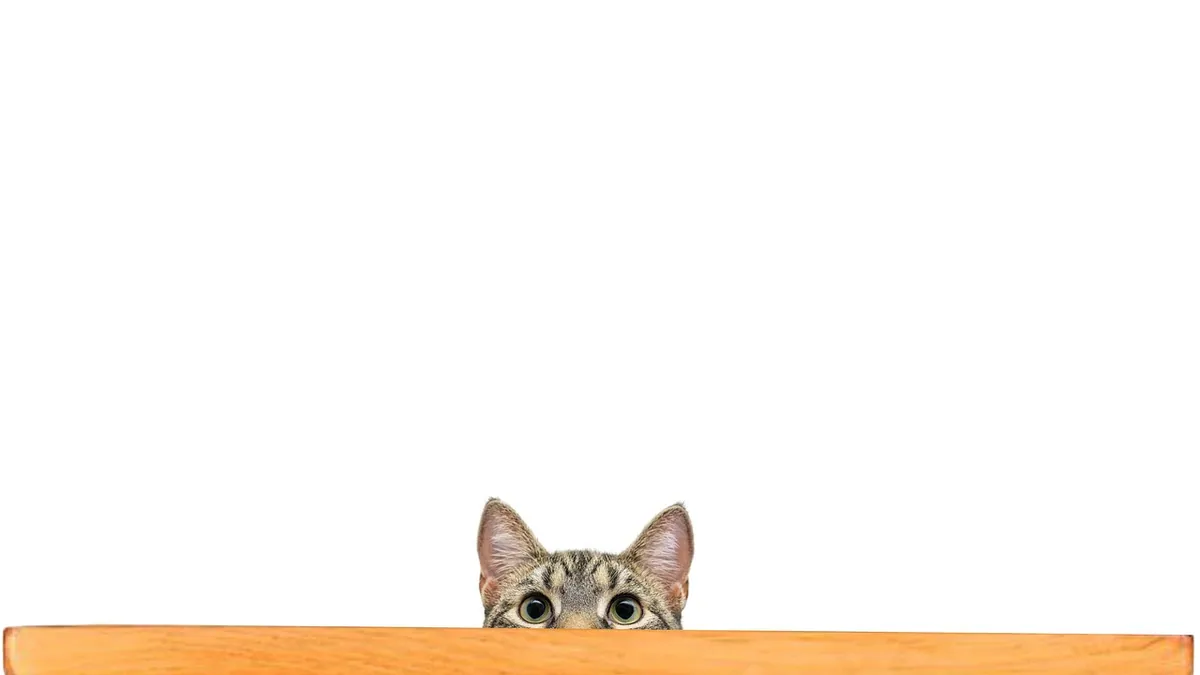
Cats knock objects over because pawing, batting, and testing how things move is normal exploratory play and a form of hunting practice. The good news is that you can redirect this behavior with enrichment, smart management, and a few changes around your home. This article is educational and is not a substitute for veterinary diagnosis or treatment.
Quick Answer
- Cats knock things over mainly for play, attention, and to explore how objects move, so the goal is redirection, not punishment.
- Give your cat 5 to 10 minutes of daily interactive object play, which has been shown to reduce hunting-style behavior toward other targets [1].
- Remove or secure tempting items (cups, breakables, small objects) and give your cat a stable, legal set of things to bat around instead.
- Rule out pain or illness first, especially if the behavior is new or comes with other changes.
- Never yell, spray, or punish. These approaches damage trust and do not teach your cat what to do instead.
Why Cats Knock Things Over
It is normal exploratory play
For a cat, a glass near the edge of a table is a puzzle. Pushing it tests weight, balance, sound, and movement. This is how cats learn about their world. Play behavior in cats shares a common basis with predation and social interaction, which is why batting and pouncing come so naturally [2].
It mimics hunting
Small, light objects that roll or slide trigger the same motor patterns a cat uses to catch prey. Your cat is not being spiteful. It is practicing a skill that is hardwired.
It gets your attention
If knocking a pen off the desk makes you look up, speak, or walk over, the behavior gets rewarded. Cats learn quickly which actions bring a reaction. Even scolding is a reaction, and for many cats that is enough to repeat the behavior.
It can relieve boredom
A cat with little to do will invent its own entertainment. Objects on shelves and counters become the most interesting thing in the room. Daily object play and puzzle feeding are ways to give that energy a better outlet [1].
It may be linked to hunger or feeding frustration
Motivation shapes cat behavior, and meowing and activity often increase around feeding times [2]. A cat who is hungry or on a strict schedule may become more active and more likely to bat at things while waiting.
Medical Causes to Rule Out Before You Train
Behavior that is new, sudden, or intense deserves a veterinary look. Pain and illness can change how a cat interacts with its environment.
Oral pain is a common and underrecognized issue. In cats with dental disease, specific pain-related behaviors can be identified on video before and after treatment [3]. A cat with a sore mouth may paw at objects, drop food, or act restless in ways that look like play.
Other medical possibilities include:
- Hyperthyroidism, which can cause restlessness and increased activity
- Vision changes, which make cats swipe at objects more cautiously or more often
- Arthritis or other pain, which can change activity patterns
- Cognitive changes in older cats, which can bring new night activity
If your cat is older, has lost weight, is eating differently, or has stopped grooming, book a veterinary visit. A physical exam and baseline blood work can sort out most of these causes.
When Knocking Things Over Becomes a Problem
The behavior is only a problem when it affects safety, sleep, or your cat's quality of life. Signs it has crossed that line include:
- Broken glass, spilled hot drinks, or knocked-over medications
- Nighttime activity that wakes the household most nights
- Your cat seems anxious, paces, or vocalizes constantly
- You are considering giving up the cat or having it declawed
Destructive behavior is actually an uncommon reason for surrender. In one shelter system, it accounted for 0.18% of surrendered cats [4]. That tells you most owners find ways to manage these behaviors, and you can too.
Declawing is not a solution. It is a major surgery that removes part of the toe, and it does not address the underlying motivation. If scratching furniture is part of the picture, see How Do I Stop A Cat From Clawing Furniture and How To Stop A Cat From Scratching A Sofa.
How to Stop My Cat From Knocking Things Over: Step by Step
Step 1: Set up the environment
Management is the fastest fix. You cannot train a cat to ignore a glass of water if you leave it on the edge of the table.
- Put breakables behind closed doors or in cabinets.
- Use lidded cups, travel mugs, or weighted cups for drinks.
- Secure shelves with museum putty or cabinet latches.
- Clear nightstands and counters before bed.
- Keep medications, cords, and small swallowable objects locked away.
This step alone solves most complaints about cups and small items.
Step 2: Add daily interactive play
Set aside 5 to 10 minutes a day for object play with a wand toy, ball, or toy that mimics prey. In a controlled trial, this simple change reduced the number of animals cats captured and brought home by 25% [1]. The same hunting drive is what sends your cat after your keys, so giving it a legal target helps.
Aim for two short sessions, morning and evening. End each session with a small treat or meal so the hunt has a finish.
Step 3: Use puzzle feeders wisely
Puzzle feeders can help with boredom, but one trial found that adding puzzle feeders increased the number of prey animals cats brought home by 33% [1]. That suggests puzzle feeders may raise arousal in some cats. If your cat gets more wound up after using one, switch to a different enrichment option.
Step 4: Redirect in the moment
When your cat starts eyeing a forbidden object, do not scold. Pick up a toy and toss it a short distance, or drag a wand toy across the floor. Reward the switch with praise or a treat. You are teaching one simple rule: this toy is fun, that glass is boring.
Step 5: Build a nighttime routine
For owners searching how to stop my cat from knocking things over at night, the fix is usually a routine change.
- Schedule a play session right before your bedtime.
- Feed a meal or a small snack after play.
- Leave a few quiet toys out, such as a soft ball or a crinkle toy.
- Keep the bedroom door closed if your cat targets items on your nightstand.
- Consider a timed feeder for early morning hunger.
Cats are crepuscular, meaning they are most active at dawn and dusk. Working with that rhythm beats fighting it.
Step 6: Address attention-seeking directly
If your cat knocks things over to get you to react, remove the payoff. When it happens, stay quiet and leave the room for a minute. Then return and offer play or a treat when your cat is calm. Over a few weeks, most cats shift toward the behavior that earns attention.
Step 7: Check scratching needs too
Knocking and scratching often travel together. If your cat is also working over your furniture, see Cat Won't Stop Scratching Furniture and What Can I Use To Stop My Cat From Scratching My Furniture. Providing sturdy scratching posts near the furniture your cat targets can reduce both behaviors.
What Not to Do
Do not punish
Yelling, clapping, spraying water, or shaking cans may stop the behavior for a second, but it does not teach your cat what to do instead. It also teaches your cat to avoid you or to do the behavior when you are not looking. Punishment raises stress, and stressed cats often develop new behavior problems.
Do not use declawing as a fix
Declawing does not stop knocking behavior because the motivation is play and exploration, not clawing. It is also a painful procedure. After a provincial ban on elective declawing, shelters did not see a rise in cats surrendered for destructive scratching [4]. That is strong evidence that owners can manage these behaviors without surgery.
Do not rely on deterrents alone
Sticky tape, motion sensors, and foil may help for a few days, but cats adapt. If the underlying need for play and stimulation is not met, the behavior returns or moves to a new object.
Do not free-feed and hope for the best
Free-feeding can leave a cat understimulated and overweight. Structured meals, play, and a predictable routine do more for behavior than an always-full bowl.
Do not let your cat roam outdoors as a solution
Letting a cat outside does not fix indoor behavior problems. Free-roaming cats cause environmental harm through predation and disease transmission, and owner attitudes about releasing cats outdoors are influenced by many factors, including how the cat was acquired [5]. Keeping your cat indoors with good enrichment is safer for the cat and for wildlife.
When to Involve a Veterinarian or Behavior Professional
Call your veterinarian if:
- The behavior started suddenly in an adult cat
- Your cat is also eating less, losing weight, or hiding
- You see drooling, dropping food, or pawing at the mouth, which can signal oral pain [3]
- Your cat is vocalizing more, especially around feeding times [2]
- Night activity is severe enough to disrupt your sleep most nights
- You feel frustrated or are considering rehoming
Your veterinarian can rule out medical causes and, if needed, refer you to a certified behavior professional. A board-certified veterinary behaviorist or a certified applied animal behaviorist can build a plan for complex cases.
Limitations and When to Contact a Veterinarian
This article covers common, everyday reasons cats knock things over. It cannot tell you what is happening with your individual cat, and individual cases need a veterinarian who can examine your cat and review its history.
Contact a veterinarian the same day if your cat:
- Swallows a piece of a broken object, string, or small toy
- Cuts a paw or mouth on broken glass
- Stops eating or drinking
- Vomits repeatedly or has diarrhea
Go to an emergency clinic now if your cat:
- Has trouble breathing
- Collapses or seems weak
- Has a swollen, painful abdomen
- Is straining to urinate, especially a male cat
- Has a suspected poisoning or swallowed medication
For poison emergencies in the United States, call the ASPCA Animal Poison Control Center at (888) 426-4435 or the Pet Poison Helpline at (855) 764-7661. Both may charge a consultation fee.
Schedule a routine visit if the behavior is new, if your cat is middle-aged or older, or if you have not had a checkup in the past year. A dental exam is especially worth requesting, since oral pain can show up as odd pawing and restlessness [3].
Frequently Asked Questions
Why does my cat knock things off the table when I am watching?
Your cat has likely learned that knocking things over gets a reaction from you. Even a startled look or a "no" counts as attention. The fix is to remove the payoff, stay calm, and offer play at a different time.
Is my cat mad at me when it pushes my cup off the desk?
No. Cats do not plan revenge. Pushing a cup is exploratory play and a way to test how an object moves. Your cat is not expressing anger, it is satisfying curiosity.
Will my cat grow out of this behavior?
Some cats settle as they age, but most keep the behavior if nothing changes in their environment. Adding daily play and removing tempting objects is what usually makes the difference.
Does getting a second cat help?
Sometimes, but it can also add stress. A new cat is not a substitute for play and enrichment with you. If you are considering a companion, introduce them slowly and expect an adjustment period.
Can I train my cat to leave certain items alone?
Yes, with consistency. Pair a firm but calm "leave it" with a toy toss, and reward your cat for choosing the toy. Keep sessions short, repeat daily, and manage the environment so your cat cannot practice the unwanted behavior in between.
Do food puzzles make knocking behavior worse?
They can in some cats. One trial found puzzle feeders increased the number of prey animals cats brought home by 33%, suggesting they may raise arousal [1]. If your cat seems more wound up after puzzles, try wand play or a food-dispensing ball instead.
Should I ever let my cat outside to burn off energy?
No. Outdoor access exposes your cat to cars, predators, and disease, and free-roaming cats harm wildlife [5]. Indoor play, cat trees, window perches, and climbing shelves meet the same needs more safely.
Related Articles
- How Do I Stop A Cat From Clawing Furniture
- Cat Overgrooming: Why It Happens and What to Do
- How To Stop A Cat From Scratching A Sofa
- Cat Won't Stop Scratching Furniture
- What Can I Use To Stop My Cat From Scratching My Furniture
- How to Stop a Cat from Scratching the Carpet: Effective Deterrents
- Why Is My Cat Knocking Over His Water Bowl? Solutions
- How to Stop Your Cat From Jumping on Counters and Desks
- How to Stop Your Cat From Chewing Cords and Wires
References
- Provision of High Meat Content Food and Object Play Reduce Predation of Wild Animals by Domestic Cats Felis catus. Current biology : CB, 2021.
- Vocal signals produced by the domestic cat (Felis silvestris catus) in highly motivating contexts. Journal of comparative psychology (Washington, D.C. : 1983), 2026.
- Pain behaviors before and after treatment of oral disease in cats using video assessment: a prospective, blinded, randomized clinical trial. BMC veterinary research, 2020.
- Effect of a provincial feline onychectomy ban on cat intake and euthanasia in a British Columbia animal shelter system. Journal of feline medicine and surgery, 2022.
- Children's attitudes to release outdoors and abandon pet cats. Scientific reports, 2026.