Why Does My Kitten Eat Its Own Poop? Coprophagia
By Dr. Zubair Khalid, DVM, MS, PhD ·
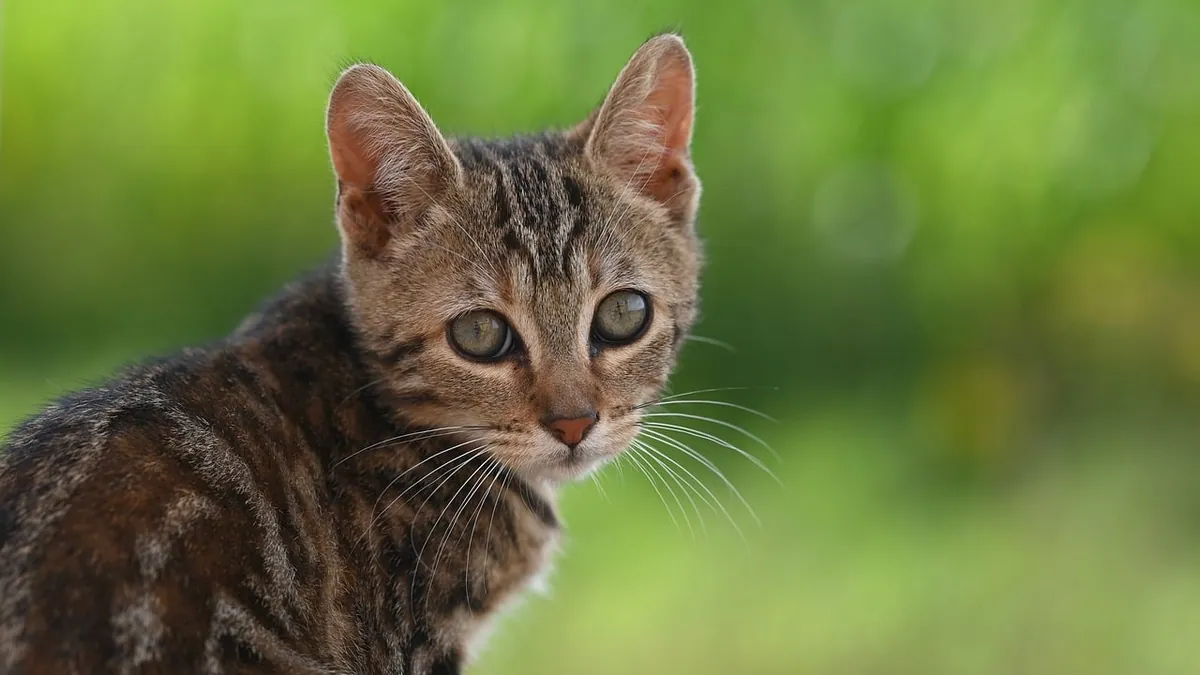
Is it normal for kittens to eat their own poop? Occasionally, yes. Many kittens mouth or swallow stool during litter box exploration, and most outgrow it as they mature. But when the habit is frequent, ongoing, or paired with poor growth or loose stool, it can point to a diet problem, parasites, or gut disease that needs veterinary care.
This article is educational and is not a substitute for veterinary diagnosis or treatment.
Quick Answer
- Occasional stool tasting in a curious kitten is common and often fades with age and supervision.
- Coprophagia (eating feces) in early life may help shape immune development in the gut, based on research in suckling rabbits [1].
- Frequent or persistent poop eating in kittens is not well established as "normal" and deserves a veterinary check for diet, parasites, and intestinal disease.
- Pica, the eating of non-food items, is reported in about 43% of cats at roughly 6 months of age in one owner survey, and it can overlap with stool eating [2].
- Never punish the kitten. Clean the box promptly, manage diet and enrichment, and let your veterinarian rule out medical causes first.
Why Do Kittens Eat Their Own Poop?
Normal exploration and early immune "training"
Kittens learn about their world with their mouths. Litter, toys, bedding, and yes, stool all get tested. In very young animals, eating feces may serve a biological purpose. In suckling rabbits, coprophagia in early life changed the expression of immune genes in the ileum (the last part of the small intestine), including genes for antimicrobial peptides, a mucin, cytokines, chemokines, pattern recognition receptors, proteins involved in immunoglobulin A secretion, and interferon signaling [1]. When researchers blocked that early access to feces, immune development between day 35 and day 49 was blunted [1]. This does not mean kittens should eat stool, but it does show that early coprophagia can be part of normal gut maturation in some species.
Mimicking the mother cat
Mother cats clean their kittens and the nest by eating waste. Kittens copy what they see. A kitten who watches mom consume stool may try it too. This is one reason the behavior often appears in the first weeks of life and fades as the kitten becomes more independent.
Diet, appetite, and digestion
A kitten on a poorly balanced diet, or one who is not absorbing nutrients well, may feel hungry and eat whatever is available, including stool. Undigested food in the feces can also make stool smell like food. If your kitten eats stool and also has loose stool, gas, or a dull coat, diet and digestion are the first things to discuss with your veterinarian.
Boredom, stress, and environment
Kittens in small spaces, alone for long hours, or without enough play and climbing outlets can develop repetitive mouthing behaviors. One study of UK pet cats found that pica toward one or more materials was reported in 42.9% of cats at about 6 months, 32.0% at about 12 months, and 30.9% at about 18 months [2]. The same study linked chronic pica to moving to a new house at 6 to 12 months, renting instead of owning a home, and living without a dog at 2 to 4 months of age [2]. These are associations, not proven causes, but they show that home environment and stress can shape this behavior.
Medical Causes to Rule Out
Parasites and intestinal infections
Intestinal parasites are common in kittens and can cause loose stool, gas, and a ravenous appetite. A kitten with worms may eat stool because of hunger or because the gut is irritated. Your veterinarian can check a stool sample and treat what is found. This is one of the most common and most fixable reasons a kitten keeps eating poop.
Chronic enteropathy and gut disease
Chronic enteropathy in cats includes food-responsive enteropathy, chronic inflammatory enteropathy (inflammatory bowel disease), and low-grade intestinal T-cell lymphoma [3]. A study of 56 cats with chronic enteropathy and 77 healthy cats found significantly higher fecal levels of nine fatty acids and animal-derived sterols in the sick cats, and significantly lower plant-derived sterols [3]. An increased percentage of primary bile acids was also seen [3]. These changes mean the gut environment and digestion differ in cats with chronic gut disease, which can affect stool odor, texture, and appeal.
Pica as a sign of gut disease
Pica is the eating of non-food items, and it can include stool. A 2025 review of 133 dogs and cats who had gastric foreign bodies removed found that 100% of the animals who were biopsied had histologic chronic enteritis, and 80% had chronic gastritis [4]. All of the biopsied animals and 66% of all animals with available data had chronic gastrointestinal signs [4]. This does not prove that pica causes gut disease or the reverse, but it does show that pica often travels with chronic gut inflammation. If your kitten eats stool plus other odd items, such as litter, fabric, or plastic, tell your veterinarian. You can read more about that pattern in Why Is My Cat eating litter? Pica Mineral Deficiency and Stress.
Behavioral and stress-related causes
Some cats develop pica or stool eating as a coping behavior. A case report described a 14-month-old cat with pica who chewed and swallowed wool and fabric, along with aggression toward people [5]. After the cat moved internationally, the behaviors worsened, and treatment with the selective serotonin reuptake inhibitor fluoxetine led to significant improvement in all behavioral signs after 6 weeks [5]. This is a single case, so it does not mean medication is right for every kitten. It does show that some repetitive ingestion behaviors have a strong behavioral component and can respond to veterinary behavior treatment.
When Does Poop Eating Become a Problem?
Occasional stool tasting in a healthy, growing kitten is usually not an emergency. It becomes a problem when any of these apply:
- The behavior happens daily or almost daily.
- The kitten eats stool from other animals, which raises the risk of parasites and infections.
- The kitten also eats litter, fabric, plastic, or other non-food items.
- There is diarrhea, vomiting, weight loss, a pot belly, or a dull coat.
- The kitten seems hungry all the time or fails to gain weight.
- The behavior continues past the first few months of life.
If your kitten is eating stool and also having trouble passing stool, read Cat Straining to Poop: Constipation or Something Worse?. If you see mucus with straining, see Cat Straining to Poop but Only Passing Mucus: Causes and Care. If your kitten stops passing stool altogether while still eating, see Cat Not Pooping but Eating Normally: Causes and When to Help.
How to Stop the Behavior Safely
Step 1: Get a veterinary exam first
Book a routine visit. Bring a fresh stool sample if you can. Your veterinarian will weigh your kitten, check growth, and decide whether to test for parasites, change the diet, or run blood work. Do not start supplements or dewormers on your own. The dose and product depend on your kitten's weight, age, and health, and your veterinarian sets them for your pet.
Step 2: Scoop the box right away
The single most effective home step is speed. Scoop the litter box as soon as your kitten goes, or at least twice a day. A clean box removes the temptation. If you have multiple cats, use enough boxes and scoop all of them. This also helps you notice changes in stool before they become a bigger problem.
Step 3: Review the diet
Feed a complete and balanced kitten food made for growth. If your veterinarian suspects a food-responsive problem, they may recommend a specific diet trial. Do not switch foods on your own during a suspected gut issue, because a proper trial needs the right food for the right length of time. Ask your veterinarian how much to feed and how often. Kittens need frequent meals, and hunger from underfeeding can drive stool eating.
Step 4: Add enrichment and play
Give your kitten outlets for mouthing and hunting. Offer wand toys, food puzzles, and short play sessions several times a day. Provide climbing spaces and a window perch. Rotate toys so they stay interesting. A tired, busy kitten is less likely to search the box for entertainment.
Step 5: Manage stress and change
Keep routines steady. Feed, play, and clean at the same times each day. If you are moving, renovating, or adding a pet, give your kitten a quiet room with familiar items. The UK cohort study linked chronic pica to moving house at 6 to 12 months and to renting instead of owning a home, so transitions and housing stability may matter for some cats [2]. Slow introductions and predictable schedules help.
Step 6: Use safe deterrents, not punishment
You can make stool less appealing by keeping the box clean and by feeding a diet your veterinarian approves. Some owners try food additives, but there is no well established over-the-counter product proven to stop stool eating in kittens, and some additives are unsafe. Ask your veterinarian before giving anything. Never use hot sauce, pepper, or other irritants on stool. These can burn your kitten's mouth and gut.
What Not to Do
- Do not punish, yell at, or spray your kitten. Punishment adds stress and can worsen repetitive behaviors.
- Do not rub your kitten's nose in stool. This is harmful and does not teach anything useful.
- Do not assume it is "just a phase" if the behavior is frequent or your kitten is not thriving.
- Do not use human medications. Fluoxetine was used in one reported cat case under veterinary care [5], but the dose and decision belong to your veterinarian. Never give your kitten a human drug on your own.
- Do not rely on myths. There is no evidence that stool eating means your kitten is missing a specific vitamin you can guess at home. A veterinarian can check for real deficiencies and diet gaps.
When to Involve a Veterinarian or Behavior Professional
Call your veterinarian if the behavior is frequent, if your kitten eats stool from other animals, or if you see any digestive signs. A certified behavior professional can help if medical causes are ruled out and the behavior continues. Veterinary behaviorists can assess stress, environment, and whether medication is appropriate. In the reported case, fluoxetine was started by veterinarians and the cat improved after 6 weeks [5]. That timeline comes from one cat, so your kitten's plan may differ.
Limitations and When to Contact a Veterinarian
This article cannot tell you what is causing your kitten's behavior. Every kitten needs an individual veterinary assessment.
Contact your veterinarian the same day if your kitten eats a large amount of stool and then vomits, retches, or seems uncomfortable. Go to an emergency clinic now if your kitten is straining to poop and cannot pass anything, has a swollen painful belly, is vomiting repeatedly, or is weak and not eating. These can signal a blockage or serious illness. If your kitten is eating stool but otherwise bright, playful, and growing, book a routine visit within the next few days.
Frequently Asked Questions
Is it normal for kittens to eat their own poop?
It can be normal in young kittens who are exploring or copying their mother, and most outgrow it. Frequent or ongoing stool eating is not well established as normal and should be checked by a veterinarian.
Do kittens eat their own poop because of worms?
Worms and other intestinal parasites are a common reason kittens eat stool, because the gut is irritated and the kitten may feel hungry. A stool sample lets your veterinarian find and treat the problem.
Can poop eating make my kitten sick?
Yes, if the stool carries parasites or bacteria, or if the kitten eats stool from other animals. Eating stool can also be a sign of an underlying gut problem that needs treatment.
Will my kitten outgrow eating poop?
Many kittens do outgrow it as they mature and as the litter box is kept clean. If the behavior continues past the first few months, or comes with diarrhea or poor growth, it needs a veterinary workup.
Should I punish my kitten for eating poop?
No. Punishment adds stress and can make repetitive behaviors worse. Clean the box right away, add play and enrichment, and let your veterinarian check for medical causes.
Related Articles
- Cat Not Pooping but Eating Normally: Causes and When to Help
- Cat Straining to Poop but Only Passing Mucus: Causes and Care
- Why Is My Cat eating litter? Pica Mineral Deficiency and Stress
- Why Is My Kitten Throwing Up White Foam And Not Eating
- Cat Straining to Poop: Constipation or Something Worse?
- Dog Not Pooping but Eating Normally: Causes and Solutions
- Why Is My Cat Eating Poop? Coprophagia Explained
- How Often Do Kittens Poop? What Is Normal
- Blood in Kitten Poop: Causes and When to Worry
References
- Coprophagia in early life tunes expression of immune genes after weaning in rabbit ileum. Scientific reports, 2024.
- Owner-Reported Pica in Domestic Cats Enrolled onto a Birth Cohort Study. Animals : an open access journal from MDPI, 2021.
- Fecal Concentrations of Long-Chain Fatty Acids, Sterols, and Unconjugated Bile Acids in Cats with Chronic Enteropathy. Animals : an open access journal from MDPI, 2023.
- Pica as a clinical sign of a chronic enteropathy in dogs and cats. Journal of the American Veterinary Medical Association, 2025.
- Human-directed aggression and pica in a 1-year-old cat, which worsened following international relocation. JFMS open reports, 2023.