How Long Do Dogs Mourn the Loss of Another Dog?
By Dr. Zubair Khalid, DVM, MS, PhD ·
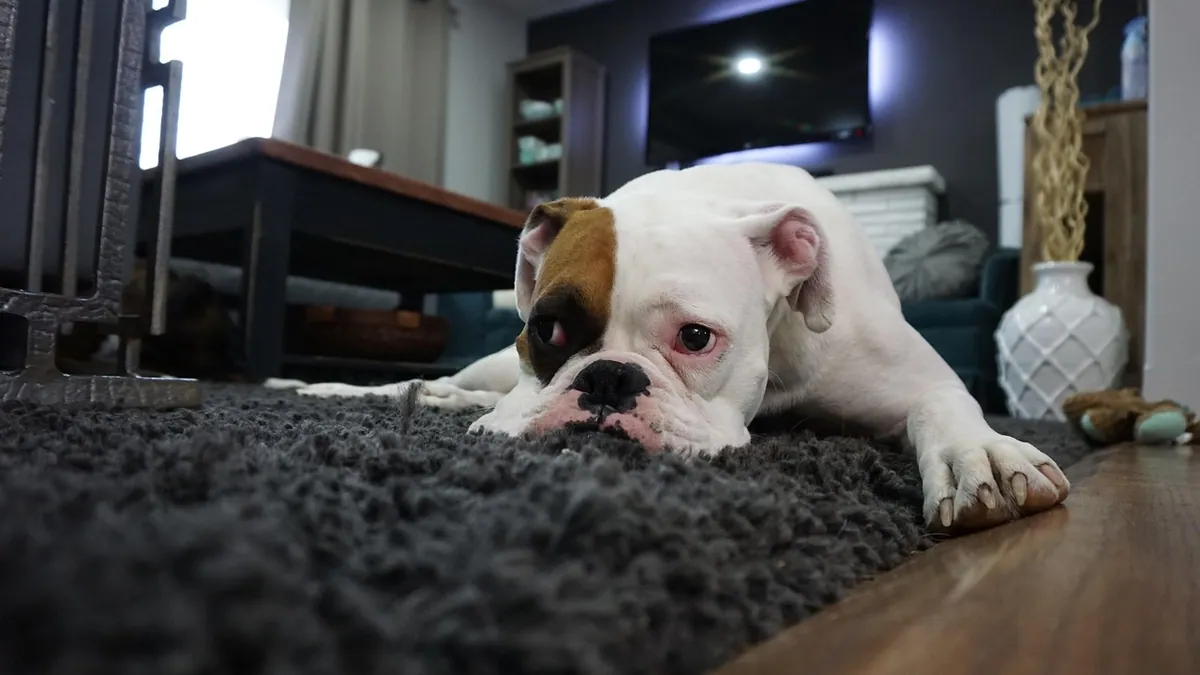
How long can a dog mourn the loss of another dog? Most dogs show obvious changes for about two to six weeks, then gradually return to normal routines. Some dogs take several months, and a smaller number seem permanently different in small ways. There is no single timeline, because grief depends on the dog's temperament, the bond it shared with the other dog, and how much the daily routine changed.
This article is educational and is not a substitute for veterinary diagnosis or treatment.
Quick Answer
- Expect the strongest signs (pacing, whining, searching, reduced appetite, clinginess) in the first two to four weeks after the loss.
- Most dogs improve noticeably by six to eight weeks, though some need longer.
- Grief-like behavior in animals is real and documented, but it overlaps with medical problems, so a vet check is reasonable if signs last past a few weeks.
- Keep routines, meals, walks, and sleep times as steady as possible. Predictability helps more than new distractions.
- Seek veterinary help if your dog stops eating, vomits, has diarrhea, loses weight, or seems painful or weak.
Do Dogs Mourn? What the Science Says
Owners often ask whether their dog is truly grieving or just reacting to a change in the house. The honest answer is that we cannot interview a dog, so we infer grief from behavior. Observational research across many species has documented grief-like responses such as withdrawal, vocalizations, and changes in social interaction after a loss [1]. Separation studies show that breaking an attachment bond produces depressive-like behavior and physiology, which supports the idea that early and strong bonds shape later emotional responses [1].
Questionnaire studies of pet owners also find both real cross-species continuity in grief behavior and some human bias in how we read it [1]. In other words, your dog may genuinely be distressed, and you may also be projecting some of your own sadness onto normal behavior. Both things can be true at once.
Grief after losing a pet is well documented in people, and it can be intense and socially dismissed [2][3]. Owners who lose a dog often describe profound grief, and memorial practices like writing obituaries help them make meaning of the loss [2]. Your surviving dog lives in the same house and feels the same absence, even without words for it.
Why Your Dog's Behavior Changed
Normal reasons for the change
Dogs are routine animals. When one dog disappears, several things change at once. The other dog's smell fades from bedding and floors. Feeding time, walk order, and who sleeps where may shift. Your own mood and schedule change too. Any of these can trigger restlessness, whining, or clinginess.
Attachment matters. In people, stronger attachment to a pet predicts stronger grief after loss [3]. A similar pattern likely applies to dogs that lived together closely. Dogs that slept touching, played constantly, or were littermates often show more obvious changes than dogs that merely coexisted.
Age and health play a role. An older surviving dog may slow down for reasons unrelated to grief. A young dog may become destructive out of boredom when a playmate is gone.
What grief looks like in dogs
Common signs include:
- Searching the house, staring at doors, or waiting by the other dog's favorite spot
- Whining, howling, or sighing more than usual
- Reduced appetite or picking at food
- Clinginess or following you room to room
- Sleeping more, or sleeping poorly
- Less interest in walks, toys, or greetings
- House-training accidents in a previously reliable dog
These signs overlap heavily with pain, nausea, dental disease, and other medical problems. That overlap is the main reason a veterinary exam is worth scheduling if signs persist.
Medical Causes to Rule Out First
Before you assume grief, rule out illness. Dogs cannot tell you they hurt, and many painful conditions look like sadness.
Ask your veterinarian to check for:
- Dental pain, which often causes drooling, dropping food, or eating less
- Arthritis or back pain, which can cause pacing, restlessness, or reluctance to walk
- Gastrointestinal disease, which causes vomiting, diarrhea, or appetite loss
- Kidney or liver disease, which can cause lethargy and weight loss
- Cancer, which can cause vague slowing and appetite changes
- Anxiety disorders, which can worsen after a household change
A dog that stops eating entirely is a different level of concern. If your dog refuses food for more than a day or two, read How Long Can A Dog Go Without Eating Before It Dies and call your vet. Appetite loss is one of the most common themes owners report near the end of a dog's life, and it deserves attention in a surviving dog too [4].
Age changes what is normal. If your surviving dog is a senior, some of the slowing you see may simply be aging. How Long Do Dogs Live For explains typical lifespans by size, which can help you set realistic expectations.
When Grieving Becomes a Problem
Grief is not a disease, but it can become a welfare problem when it lasts too long or interferes with basic needs.
Watch for these thresholds:
- No interest in food for more than 48 hours
- Weight loss you can see or feel
- Vomiting, diarrhea, or not drinking
- Crying or pacing that prevents sleep for several nights
- Self-injury, such as licking a spot raw
- Aggression toward people or other pets that is new
- Complete withdrawal from you and from activities the dog used to love
There is no official cutoff for how long a dog can mourn the loss of another dog. In practice, most owners report gradual improvement over weeks, not days. If your dog is still clearly distressed at eight weeks, or if things are getting worse instead of better, that is a signal to get professional help.
How to Help a Grieving Dog: Step by Step
Step 1: Keep the routine steady
Feed at the same times. Walk the same routes. Keep bedtime the same. Predictability lowers arousal in anxious dogs. If the other dog had a scheduled event, like a morning walk, keep that event happening for the surviving dog.
Step 2: Let your dog grieve without forcing cheer
Do not drag your dog to the dog park to "cheer it up" if it is hiding. Offer gentle options and let your dog choose. Sit together quietly. Short, low-key sniff walks often help more than high-energy outings.
Step 3: Manage the environment
- Leave a worn item with the other dog's scent available, then wash bedding gradually over weeks
- Keep the other dog's crate or bed in place for a while if your dog uses it
- Reduce household chaos, visitors, and loud noise during the first month
- Give your dog a quiet retreat space it can use freely
Step 4: Use enrichment to rebuild daily structure
Food puzzles, snuffle mats, scatter feeding, and short training sessions give a dog something to do. Training also rebuilds communication with you, which matters when a dog has lost its main social partner. Keep sessions short, two to five minutes, and reward generously.
Step 5: Consider a companion, but not as a replacement
Some dogs improve when another dog joins the household. Others become more stressed. There is no rule. If you consider adopting, think about temperament match and energy level, and give your surviving dog a slow, controlled introduction. Do not expect a new dog to fix grief in the first week.
Step 6: Talk to your veterinarian about support options
For persistent anxiety, veterinarians sometimes prescribe behavior medications or refer to a veterinary behaviorist. Doses are calculated by your veterinarian based on your dog's weight, health, and other medications. Never give a dog human medication or a medication prescribed for another pet.
What Not to Do
Do not punish grief behaviors. Scolding a whining or pacing dog adds fear to distress. It does not teach the dog to feel better.
Do not assume a dog "gets over it" in a few days. Some owners expect a week and then worry when week three looks the same. A slower timeline is common.
Do not assume a dog is fine because it eats. Appetite can stay normal while a dog is anxious, restless, or withdrawn.
Do not rush a new pet. Bringing home a high-energy puppy the week after a loss can overwhelm a grieving older dog.
Do not skip the vet because you are sure it is grief. Pain and nausea look like sadness. A physical exam and basic bloodwork are inexpensive compared with weeks of untreated illness.
Do not rely on myths. Dogs do not "need to see the body to understand." Some dogs do seem calmer after being allowed to sniff a deceased companion, and some do not. There is no evidence-based rule that applies to every dog, so do what feels safe and humane for your situation.
When to Involve a Veterinarian or Behavior Professional
Call your veterinarian if your dog has any of the red flags listed above, or if you are unsure whether the behavior is grief or illness. Your vet can do a physical exam, run bloodwork, and assess pain. If the exam is normal and the behavior persists, ask about a referral to a veterinary behaviorist or a certified applied animal behaviorist.
A behavior professional can help with:
- Separation-related distress that worsened after the loss
- Noise phobias or new fears
- Aggression toward people or other pets
- Compulsive behaviors like licking or pacing
- Household transitions, including adding a new pet
If your dog's signs are mild and improving week by week, you may not need a specialist. If they are flat or worsening, get help sooner.
Limitations and When to Contact a Veterinarian
This article cannot tell you what is happening in your specific dog. Grief and illness overlap, and only a veterinarian who examines your dog can sort that out.
Contact a veterinarian the same day if your dog:
- Refuses all food for more than 24 to 48 hours
- Vomits repeatedly or has diarrhea with blood
- Drinks much more or much less than usual
- Seems weak, wobbly, or unable to stand
- Breathes fast or labors to breathe
- Cries out when touched or moved
Go to an emergency clinic now if your dog:
- Collapses or cannot get up
- Has a swollen, painful abdomen
- Has a seizure
- Breathes with obvious effort or gums look pale, blue, or white
- Eats something toxic or unknown
Schedule a routine visit within a few days if your dog:
- Has been off food or losing weight for more than a few days
- Has new pacing, whining, or restlessness lasting more than two weeks
- Has new accidents in the house
- Seems painful when getting up, walking, or being handled
- Has behavior changes that worry you, even if you think it is grief
Frequently Asked Questions
Do dogs mourn the loss of another dog?
Yes, many dogs show grief-like behavior after a companion dies. Research across species documents withdrawal, vocalizations, and changes in social interaction after a loss [1]. The intensity varies widely between individual dogs.
How long can a dog mourn the loss of another dog?
Most dogs show the strongest signs for two to six weeks and improve gradually after that. Some take several months. There is no fixed number, and a dog that is still distressed at eight weeks should be evaluated.
Can a dog die from grief?
There is no evidence that grief alone kills dogs. However, a grieving dog that stops eating or drinking can become dangerously ill within days. Appetite loss near the end of life is a common owner-reported theme, and it should always be taken seriously [4].
Should I get another dog to help my grieving dog?
Not automatically. Some dogs improve with a new companion, and others become more stressed. Match temperament and energy level, introduce slowly, and do not expect a quick fix. Your surviving dog's needs come first.
Do dogs forget their companion?
There is no evidence that dogs forget a bonded companion in the way humans mean it. Many dogs adjust to the absence over time. Some owners notice lasting small changes, such as sleeping in a different spot or greeting other dogs differently.
Is it normal for my dog to sleep more after a loss?
Increased sleeping is common in the first few weeks. It becomes a concern if your dog also stops eating, seems weak, or cannot be roused for walks and meals. Those signs point to a medical check.
Can my own grief affect my dog?
Yes, your dog reads your routines, tone, and body language closely. If you are crying more, sleeping less, or changing schedules, your dog notices. Taking care of yourself is part of taking care of your dog.
Related Articles
- How Long Do Dogs Live For
- How Long Can A Dog Go Without Eating Before It Dies
- How Long Do Dogs Live
- How Long Does A Dogs Heat Last
- How Long Does A Dog Period Last
- How Long Can A Dog Go Without Eating With Cancer
- How Dogs Act When Another Dog Is Dying
- Do Dogs Understand Death? Grief and End-of-Life Behavior
- How Dogs React When Their Owner Dies
References
- On the nature of grief: uncovering the evolutionary roots of loss across the animal realm. Philosophical transactions of the Royal Society of London. Series B, Biological sciences, 2026.
- Honoring lives and legacies: Continuing bonds and meaning-making in dog obituaries across companion, therapy, and K9 contexts. Death studies, 2026.
- The Relationship Between Pet Attachment and Pet Loss Grief in Chinese Undergraduates: A Conditional Process Model. Behavioral sciences (Basel, Switzerland), 2025.
- Owner-reported experiences are similar for dogs experiencing euthanasia or unassisted death: evaluation of the Dog Aging Project's End of Life Survey free-text responses. Journal of the American Veterinary Medical Association, 2026.