Do Cats Inbreed? Feline Mating Habits Explained
By Dr. Zubair Khalid, DVM, MS, PhD ·
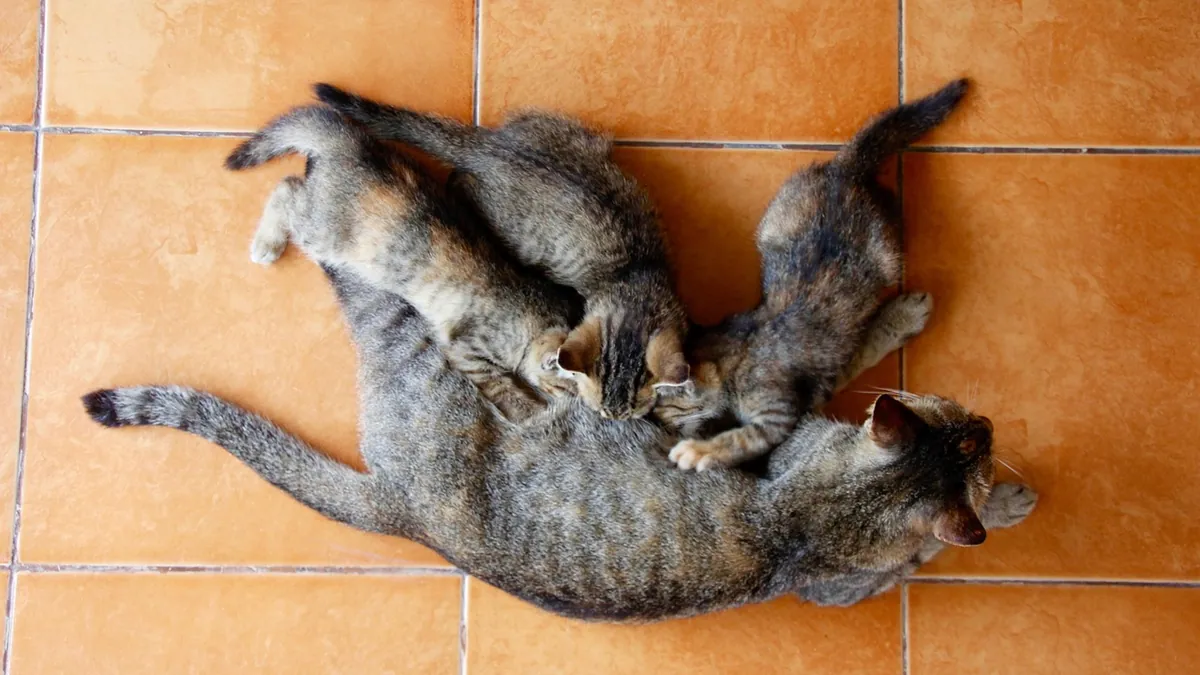
Yes, cats do inbreed, and they do it more often than most owners expect. Cats do not have a built-in rule against mating with a sibling, parent, or other close relative. When unneutered cats live together, inbreeding is common, and it carries real health risks for the kittens.
This article is educational and is not a substitute for veterinary diagnosis or treatment.
Quick Answer
- Cats have no natural taboo against mating with relatives. A brother and sister from the same litter will mate if both are unneutered and the female goes into heat.
- Inbreeding happens most often in homes with multiple unneutered cats, in hoarding situations, and in feral colonies where related cats stay together.
- Outdoor cats form stable groups built around a mother cat and her kittens, and kittens may stay with the group for 12 to 18 months, which raises the chance of mating with relatives [1].
- Inbreeding can lower fertility, reduce litter size, and increase newborn illness and death [2].
- Spaying and neutering is the simplest way to prevent inbreeding and its consequences.
Do Cats Inbreed Naturally?
Yes. Inbreeding is normal cat behavior in the sense that cats do not avoid it. They are not choosing to inbreed. They simply mate with whatever cat is nearby and receptive.
The basic feline social unit is a mother cat and her kittens [1]. In stable groups of outdoor cats, kittens often stay with their mother or her extended group for the first 12 to 18 months of life [1]. Male kittens tend to leave the group more often than females do [1]. That means outdoor colonies can contain multiple generations of related females, all living close together [1]. When unneutered males are also present, mating between relatives is common.
This is one reason feral cat populations grow so quickly. It also explains why trap-neuter-return programs matter. Removing the ability to breed is the only reliable way to stop the cycle.
Why Inbreeding Happens in a Home With Unneutered Cats
The most common scenario is simple. A litter of kittens is born, nobody is spayed or neutered, and within months the siblings are sexually mature. A female cat can go into heat as early as 4 to 6 months of age. If her brother is still intact, mating is likely.
Owners often assume that cats "know" their siblings and will not mate with them. That is a myth. Cats recognize familiar cats, but familiarity does not stop mating behavior. A female in heat will accept a related male, and an intact male will mount any receptive female.
Other situations that lead to inbreeding include:
- A father cat still living in the home when his daughters reach sexual maturity.
- A mother cat and her son both left intact.
- Multiple unneutered cats in a small apartment or house.
- Feral or stray cats that are related and share a feeding area.
If you have more than one unneutered cat, assume inbreeding can happen. The only way to prevent it is surgery.
Do Cats Mate With Siblings?
Yes, and this is the most common form of inbreeding owners see. Littermates that stay together and remain unneutered will mate. There is no biological barrier that stops them.
Some owners notice the behavior and assume it is play or dominance. It is not. A female in heat will call, roll, and hold her tail to the side. A male will bite her neck and mount her. If both cats are intact, pregnancy can follow.
If you adopted two kittens from the same litter and did not spay or neuter them, talk to your veterinarian about scheduling surgery as soon as possible. Many clinics spay or neuter around 4 to 6 months of age, and some pediatric spay-neuter programs operate earlier. Your veterinarian will set the timing based on your cat's weight and health.
Health Risks of Inbred Kittens
Inbreeding reduces genetic diversity. When two closely related cats mate, their kittens are more likely to inherit two copies of the same harmful gene. That is why inbred litters often have more problems.
A 2022 review in the Journal of Feline Medicine and Surgery found that when inbreeding reaches a certain threshold, it can lead to decreased fertility. That shows up as failure to conceive, smaller litter size, and increased neonatal illness and neonatal mortality [2].
Breeders who track their cats' inbreeding coefficients can see these patterns. A study of 70 cats found that 24 had moderate to high inbreeding values, ranging from 0.063 to 0.375 [3]. Tools that calculate the inbreeding coefficient let breeders simulate hypothetical pairings and check the risk before mating real cats [3].
Inbreeding also concentrates inherited defects. The Scottish Fold is a well-known example. The folded-ear look comes from a dominant variant of the TRPV4 gene, and producing homozygous individuals (cats with two copies) is discouraged because of severe osteochondrodysplasia, a painful joint and bone disease [4]. Even some heterozygous carriers have smaller pinnae and signs of cartilage problems [4]. This shows how breeding for a specific look can concentrate health problems.
For most pet owners, the practical takeaway is this. Inbred kittens are more likely to be sickly, to have smaller litters, and to pass on genetic problems. If you are considering breeding, read about Feline Breeding Management: Estrus Detection and Mating before you make any decisions.
Is It Normal for Cats to Inbreed?
It is normal in the sense that it happens often. It is not normal in the sense that it is healthy or desirable.
Cats do not have a social rule against it, so they will do it when the opportunity exists. That is why the behavior is so common in unneutered litters, in feral colonies, and in homes where nobody has been spayed or neutered.
The behavior itself is not a medical problem. The results can be. If you are not planning to breed, the fix is straightforward. Spay and neuter.
Medical Causes to Rule Out
Sometimes owners worry that a cat is mating with a relative because something is wrong. In most cases, nothing is wrong. The cats are simply intact and living together.
That said, a few medical issues can look like abnormal mating behavior or cause problems around it:
- A female cat who seems to be in heat constantly may have an ovarian problem. Your veterinarian can check.
- A male cat who mounts other cats, including males, may be showing dominance or sexual behavior. This is common in intact males and usually stops after neutering.
- A cat who is suddenly aggressive or restless may be in pain or ill. A veterinary exam can sort this out.
If your cat's behavior changes suddenly, or if you see discharge, straining, or lethargy, call your veterinarian. These are not normal signs of heat.
When Inbreeding Becomes a Problem
Inbreeding becomes a problem when it produces kittens. The risks include:
- Smaller litters and lower conception rates [2].
- More illness and death in newborn kittens [2].
- Higher chance of inherited defects, especially in breeds with known genetic problems [4].
- More cats than you can care for, which often leads to relinquishment or a growing colony.
There is also a welfare problem. A female cat can have multiple litters per year. Each pregnancy and birth carries risk. Repeated litters wear down her body. If you are not breeding on purpose, with health testing and a plan, you are putting your cat at risk for no reason.
What to Do: Step by Step
1. Spay and neuter
This is the single most effective step. Spaying a female cat removes the heat cycles and the risk of pregnancy. Neutering a male reduces mounting, roaming, and fighting. Your veterinarian will tell you the right age for your cat based on weight and health.
2. Separate intact cats
If you are delaying surgery for a medical reason, keep intact males and females apart. A female in heat can become pregnant within minutes of being with an intact male. Do not rely on supervision alone.
3. Provide enrichment
Boredom and stress can make behavior problems worse. Cats need outlets for scratching, climbing, playing, and resting [5]. Provide safe spaces, scratching posts, and daily play sessions with wand toys [5]. This helps all cats in the home, not just the ones you are trying to keep apart.
4. Socialize kittens properly
Kittens learn social skills early. Adopting kittens into a new home at about 8 to 14 weeks old and enrolling them in kitten socialization classes helps them develop normal behavior around other cats and people [5]. These classes also give owners a chance to learn about normal cat behavior [5]. If you have a kitten who was hand-reared alone, they may lack feline social skills and be hyperactive in play [5]. Rearing them with other cats and providing play sessions can help prevent these problems [5].
5. Talk to your veterinarian about breeding
If you are considering breeding, do it with guidance. Your veterinarian can review the degree of inbreeding in your cats and help you make informed choices [2]. Breeders should keep records on breeding outcomes, including number of kittens born, kitten vitality, daily weights, and health at weaning [2]. DNA panels can estimate the inbreeding coefficient and support better breeding choices [2].
What Not to Do
Do not punish your cats for mating behavior. Punishment does not stop hormones. It only makes cats fearful and stressed. A scared cat is harder to handle and more likely to hide illness.
Do not assume siblings will not mate. They will. Familiarity is not a contraceptive.
Do not wait until the female is pregnant to act. By then, you are managing a pregnancy and finding homes for kittens. Spay and neuter before that happens.
Do not breed cats to "let them have one litter" or to "keep the line pure." Inbreeding is not a health benefit. It concentrates genetic problems and reduces fertility [2].
Do not use home remedies or over-the-counter products to calm a cat in heat. There is no safe home fix. Talk to your veterinarian.
When to Involve a Veterinarian or Behavior Professional
Call your veterinarian if:
- You have an intact female who may be pregnant. Your veterinarian can confirm and discuss options.
- You see signs of illness in a pregnant or nursing cat, such as not eating, vomiting, or lethargy.
- You see problems in newborn kittens, such as failure to nurse, low weight, or weakness.
- Your cat's behavior changes suddenly, or you see aggression that is new.
- You are planning to breed and want guidance on genetic testing and inbreeding risk [2].
A certified behavior professional can help if you have multiple cats and there is fighting, spraying, or stress in the home. Behavior problems in multi-cat homes are common and often manageable with the right plan.
Limitations and When to Contact a Veterinarian
This article covers general information. Your cat's situation may be different. Individual cases need a veterinarian who can examine your cat and review the history.
Contact your veterinarian the same day if:
- A female cat in heat is bleeding heavily or seems painful.
- A male cat is straining to urinate or cannot urinate. This is an emergency.
- A pregnant cat has contractions for more than an hour without delivering a kitten.
- A nursing mother cat has a fever, foul-smelling discharge, or refuses to eat.
Go to an emergency clinic now if:
- A cat is having trouble breathing.
- A cat is collapsed, unresponsive, or having seizures.
- A cat is bleeding heavily.
- A kitten is limp, cold, or not nursing.
Schedule a routine visit if:
- You want to spay or neuter your cat.
- You have an intact cat and want to discuss breeding.
- You have multiple cats and want help with behavior or population control.
Frequently Asked Questions
Can a brother and sister cat have kittens?
Yes. Littermates that are both unneutered will mate, and the female can become pregnant. There is no natural barrier that stops siblings from breeding. Spaying and neutering prevents this.
Do cats know not to mate with their parents?
No. Cats do not avoid mating with a parent or offspring. They mate with any available, receptive cat. If a father cat lives with his unspayed daughter, pregnancy can happen.
Does inbreeding always cause health problems?
No, but it raises the risk. Inbreeding reduces genetic diversity and can lead to lower fertility, smaller litters, and more newborn illness and death [2]. Some inbred cats are healthy, but the odds are worse.
How old can a cat be to get pregnant?
A female cat can go into heat and become pregnant as early as 4 to 6 months of age. That is why veterinarians often recommend spaying before that window. Your veterinarian will set the exact timing for your cat.
Is it bad to breed cats from the same family?
Yes, it is risky. Breeding closely related cats increases the chance of inherited disease and reproductive problems [2]. If you want to breed, work with your veterinarian and use genetic testing to estimate inbreeding risk before mating [2][3].
Related Articles
- Feline Breeding Management: Estrus Detection and Mating
- Cat Breeds
- Why Are Cats So Cute? The Science Behind Feline Adorableness
- Calico Cat: Fascinating Facts and Genetics Explained
- How Often Do Cats Go Into Heat? Feline Estrous Cycle & Signs Guide
- Cat Breeds: How to Choose a Cat by Care Needs, Health, and History
- How Do Cats Mate? Feline Mating Behavior Explained
- Cat Mating Behavior: Sounds, Posture, and What's Normal
- How to Tell If Your Cat Just Mated: Signs to Look For
References
- Normal Social Behavior in Cats - Cat Owners. Merck Veterinary Manual.
- Feline Fertility: Consequences of inbreeding and implications for reproductive fitness. Journal of feline medicine and surgery, 2022.
- From pedigrees to practicality: an interactive tool for cat breeding. Frontiers in veterinary science, 2026.
- Straightened Small Pinnae in TRPV4 c.1024G>T Heterozygous Cats. Animal genetics, 2026.
- Social Behavior of Cats - Behavior. Merck Veterinary Manual.