Why Does My Cat Yawn When She Sees Me? Explained
By Dr. Zubair Khalid, DVM, MS, PhD ·
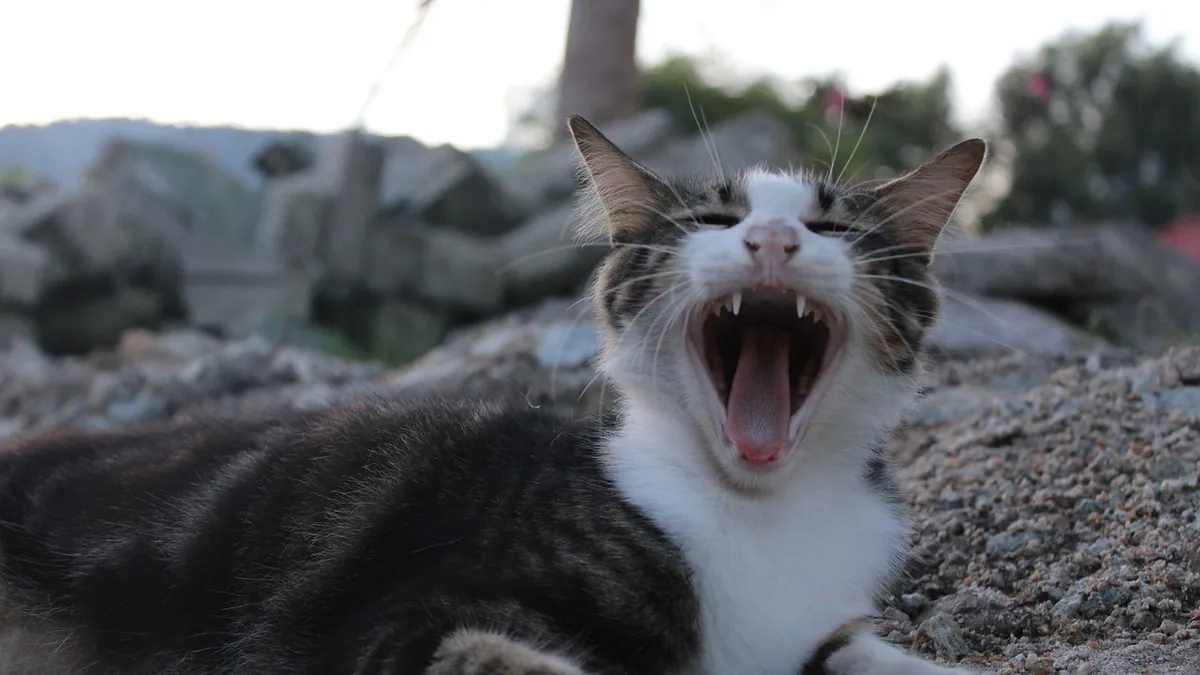
Why does my cat yawn when she sees me? Most of the time, it is a greeting or a calming signal, not sleepiness. Cats yawn to communicate, to release mild tension, and sometimes because they are tired or stressed. This article is educational and is not a substitute for veterinary diagnosis or treatment.
Quick Answer
- A yawn when your cat looks at you is often a friendly, low-pressure greeting or a way to defuse a slightly tense moment.
- Yawning can also mean your cat is tired, waking up, or shifting from one activity to another.
- Stress, pain, nausea, and dental or breathing problems can all cause extra yawning, so watch for other signs.
- Never punish a yawn or assume it means your cat is bored with you.
- If yawning comes with drooling, bad breath, appetite loss, or trouble breathing, call your veterinarian.
Why Does My Cat Yawn When She Sees Me?
Cats use their faces and bodies to send messages. A yawn is one of the quieter signals in that set. It can mean several things, and the meaning depends on the rest of your cat's body language at that moment.
Yawning as a Greeting or Calming Signal
When your cat makes eye contact and yawns, she may be saying "I am relaxed and I mean no harm." A slow, wide yawn paired with soft eyes and a loose body is usually a friendly signal. Some cats do this when you come home, when you sit down near them, or when they first notice you across the room.
This fits with what we know about cat facial communication. Domestic cats have a range of facial signals they use to manage social situations, and some of those signals appear to be flexible and tied to a goal [1]. A yawn aimed at you can be part of that quiet negotiation.
Yawning to Release Mild Tension
A yawn can also act as a pressure valve. If your cat is a little unsure, a yawn can help her settle. You may see this when you lean in too close, when a guest arrives, or when two cats are watching each other. The yawn says "I am not a threat" and helps your cat reset.
Yawning Because She Is Tired
Sometimes a yawn is just a yawn. Cats sleep a large part of the day, and they often yawn when they wake up or when they are winding down. If your cat yawns, stretches, and curls up, she is probably tired.
Yawning After You Yawn
You may notice your cat yawns after you do. Contagious yawning is well documented in humans, and researchers are still working out how it works and what it means for sleepiness [2]. Whether cats catch yawns from people is not well established in veterinary research. If your cat yawns after you, treat it as a curious moment, not proof of anything specific.
Yawning and Emotional State
Cats read each other's emotional cues, and they respond differently to positive and negative signals [3]. A cat who is comfortable with you may yawn in a loose, easy way. A cat who is uneasy may yawn more tightly, with ears back or a stiff body. The yawn itself is only part of the picture.
Medical Causes to Rule Out
Most yawning is normal. Still, a sudden increase in yawning can point to a health problem. Here are the main ones your veterinarian will consider.
Dental and Mouth Pain
Dental disease is common in cats. A cat with sore gums, a broken tooth, or an abscess may yawn more often. The yawn may be an attempt to stretch a painful jaw or to relieve pressure. Watch for drooling, dropping food, chewing on one side, or bad breath. If your cat's breath smells off, that is its own reason to get a checkup. You can read more about that in Why Does My Cat's Breath Smell?.
Nausea and Gastrointestinal Upset
Nausea can trigger yawning in cats. You may see it along with lip licking, swallowing, drooling, or vomiting. If your cat yawns a lot and seems off her food, nausea is a reasonable concern.
Respiratory and Nasal Problems
Cats with a stuffy nose or irritated airways may yawn to clear their passages. Sneezing, nasal discharge, or noisy breathing can go along with this. If sneezing is part of the picture, see Why Is My Cat Sneezing?.
Pain Anywhere in the Body
Pain can make a cat yawn more. Cats hide pain well, so a change in yawning may be one of the few visible clues. Look for hiding, less jumping, a changed appetite, or a new grumpy mood.
Neurologic and Other Conditions
Less common causes include neurologic problems, ear disease, and some metabolic conditions. Head shaking or ear pawing can point to an ear issue. If you see those signs, Why Is My Cat Shaking Her Head And Ears covers what to watch for.
Stress and Hormonal Changes
Stress affects cats at the hormone level. In one study, passive, low-pressure interactions with owners raised oxytocin and lowered cortisol, while forced interactions did the opposite [4]. A cat who feels pushed into contact may show stress signals, and yawning can be one of them. Secure cats handled human contact better than insecure cats in that same study [4].
When Yawning Becomes a Problem
A single yawn is not a problem. A pattern is worth a closer look. Yawning becomes a concern when it is frequent, when it comes with other symptoms, or when it shows up in situations that used to be easy for your cat.
Signs That Point to Stress
- Yawning plus flattened ears, a twitching tail, or a crouched body
- Yawning when you pick her up, hold her, or corner her
- Yawning followed by hiding, hissing, or swatting
- Yawning that started after a move, a new pet, or a schedule change
Stress yawning often shows up in the same spots. Note where it happens and who is nearby. That pattern tells you more than the yawn alone.
Signs That Point to a Medical Issue
- Yawning with drooling, bad breath, or trouble eating
- Yawning with vomiting, weight loss, or a drop in appetite
- Yawning with coughing, wheezing, or open-mouth breathing
- Yawning with head tilt, circling, or balance problems
- A sudden jump in yawning with no clear trigger
Open-mouth breathing in a cat is always urgent. Cats do not pant like dogs when they are healthy and calm.
Why Owners Often Miss the Clue
People are not great at reading cat stress from body language alone. In one large study, accuracy was better than chance but still low, and female participants and people who had owned cats did better than others [5]. Age also mattered, with accuracy dropping slightly across adulthood [5]. That is a good reason to look at the whole cat, not one signal.
What to Do Step by Step
You can do a lot at home to sort out a yawning habit. Start with the easy steps and build from there.
Step 1: Log the Yawns
For a week, write down when your cat yawns at you. Note the time, who is nearby, what you were doing, and her body posture. This log helps you spot a trigger and gives your veterinarian useful information.
Step 2: Check Her Mouth and Face
Look at her gums, teeth, and lips when she is calm. Do not force her mouth open. If you see redness, tartar, swelling, or a broken tooth, book a dental exam.
Step 3: Lower the Social Pressure
If the yawns show up when you get close, back off a little. Let your cat come to you. Sit on the floor and offer a hand at her level. Passive, gentle contact supports a calmer hormonal response than forced handling [4].
Step 4: Add Enrichment
Boredom and stress often travel together. Give your cat daily play with a wand toy, a window perch, scratching posts, and a few hiding spots. Puzzle feeders can add mental work. A cat with more to do often has less need to send stress signals.
Step 5: Protect Her Space
Make sure she has a quiet room or high shelf she can reach without being bothered. Keep food, water, and litter boxes away from loud appliances and busy walkways. In a multi-cat home, give each cat her own resources.
Step 6: Keep Routines Steady
Cats notice changes. Feed, play, and clean the litter box at about the same times each day. If a change is coming, like a move or a new baby, set up a safe room ahead of time.
Step 7: Watch for Other Symptoms
Track appetite, water intake, litter box use, and energy. If any of those shift, that moves the yawn from a quirk to a medical question. A cat who is suddenly clingy or needy may be stressed or unwell, and Why Is My Cat Suddenly Clingy? explains more. Night crying can also point to stress or pain, which Why Is My Cat Crying at Night? covers.
What Not to Do
Some common reactions make things worse.
Do Not Punish the Yawn
Never yell at, spray, or tap your cat for yawning. Punishment adds stress and can damage your bond. It also does nothing to change the behavior.
Do Not Force Contact
Do not hold your cat still for petting if she is yawning and pulling away. Forced interaction raises cortisol and lowers oxytocin, which is the opposite of what you want [4].
Do Not Assume It Is Only Tiredness
A tired cat yawns and then sleeps. A stressed or sick cat yawns and then does something else, like hiding, pacing, or licking her lips. Look at what comes next.
Do Not Rely on One Signal
People misread cat stress from visual cues fairly often [5]. A yawn on its own tells you little. Pair it with ears, tail, eyes, and posture before you decide what it means.
Do Not Skip the Vet Because the Behavior Seems Cute
A yawn can look sweet. If it is new, frequent, or paired with other changes, it deserves a professional look.
When to Call Your Veterinarian or a Behavior Professional
Call your veterinarian if the yawning is new, has lasted more than a few days, or comes with any physical sign like drooling, bad breath, vomiting, weight loss, or breathing changes. Call right away if your cat is open-mouth breathing, struggling to breathe, or has a swollen face or jaw.
If your veterinarian finds no medical cause, ask about a referral to a certified behavior professional. Look for someone with credentials in cat behavior. A behavior consultant can help you read your cat's signals and build a plan for stress-related yawning.
Limitations and When to Contact a Veterinarian
This article cannot tell you what your individual cat's yawn means. Only a veterinarian who examines your cat can do that. Individual cases need a veterinarian, and the advice here is general.
Contact your veterinarian the same day if your cat yawns constantly, drools, refuses food, or seems painful around the mouth. Go to an emergency clinic now if she is open-mouth breathing, gasping, collapsing, or has a swollen face or jaw. For a routine visit, book an exam if the yawning has changed in frequency or if it comes with any shift in appetite, energy, or litter box habits.
If you think your cat ate something toxic, call the ASPCA Animal Poison Control Center at (888) 426-4435 or the Pet Poison Helpline at (855) 764-7661. Keep the product or plant label handy.
Frequently Asked Questions
Does a cat yawn at you mean she loves you?
It can be a friendly signal, but it is not a direct declaration of love. A relaxed yawn with soft eyes and a loose body often means your cat is comfortable with you. A tight yawn with a stiff body means something else, usually mild stress.
Why does my cat keep yawning at me but not at other people?
You are probably the person she interacts with most, so you see more of her signals. She may yawn at you as a greeting or to ease a moment of tension. If the yawning is new and frequent, have your veterinarian check her for pain or dental disease.
Can yawning mean my cat is sick?
Yes, sometimes. Dental pain, nausea, and breathing problems can all cause extra yawning. A sick cat usually shows other signs too, like drooling, appetite loss, hiding, or a change in energy. Any of those signs means a vet visit.
Is my cat yawning because she is bored with me?
Probably not. Cats do not yawn to insult you. A yawn during petting may mean she wants a break, so pause and let her choose what happens next. If she walks away, she was done with the interaction.
Should I yawn back at my cat?
You can try it. A slow, soft yawn back is a gentle, non-threatening signal. There is no proof it changes your cat's behavior, and contagious yawning between species is not well established in cats. It is a harmless way to interact.
How do I know if the yawning is stress or a health problem?
Look at the pattern and the company it keeps. Stress yawning often happens in specific situations and comes with ears back, a twitching tail, or hiding. Health-related yawning tends to be new, frequent, and paired with physical signs. When in doubt, call your veterinarian.
Related Articles
- Why Is My Cat Crying at Night?
- Why Does My Cat's Breath Smell?
- Why Is My Cat Suddenly Clingy?
- Why Is My Cat Sneezing?
- Why Is My Cat Shaking Her Head And Ears
- Why Is My Cat Suddenly Afraid of Me?
- Why Do Cats Yawn? Normal Yawning vs. Too Much
- Why Does My Cat Stare at Me? What It Means
- Why Does My Cat Wink at Me? What a Slow Blink Means
References
- Evaluating indicators of intentionality, flexibility, and goal-association in domestic cat (Felis silvestris catus) facial signals. Behavioural processes, 2025.
- Catching a yawn: A multimodal experimental protocol for investigating sleepiness under visual and auditory yawning stimuli featuring human and digital characters. MethodsX, 2026.
- Purr-ceiving feelings: domestic cats respond to intraspecific cues of emotion. PeerJ, 2026.
- EXPRESS: The hormonal effects of owner-cat interactions on pet cats of different potential attachment styles. Journal of feline medicine and surgery, 2026.
- Human recognition of feline stress-related behavioral states from visual cues depends on observer characteristics. Scientific reports, 2026.