Why Is My Goldfish Eating Rocks? Risks and Fixes
By Dr. Zubair Khalid, DVM, MS, PhD ·
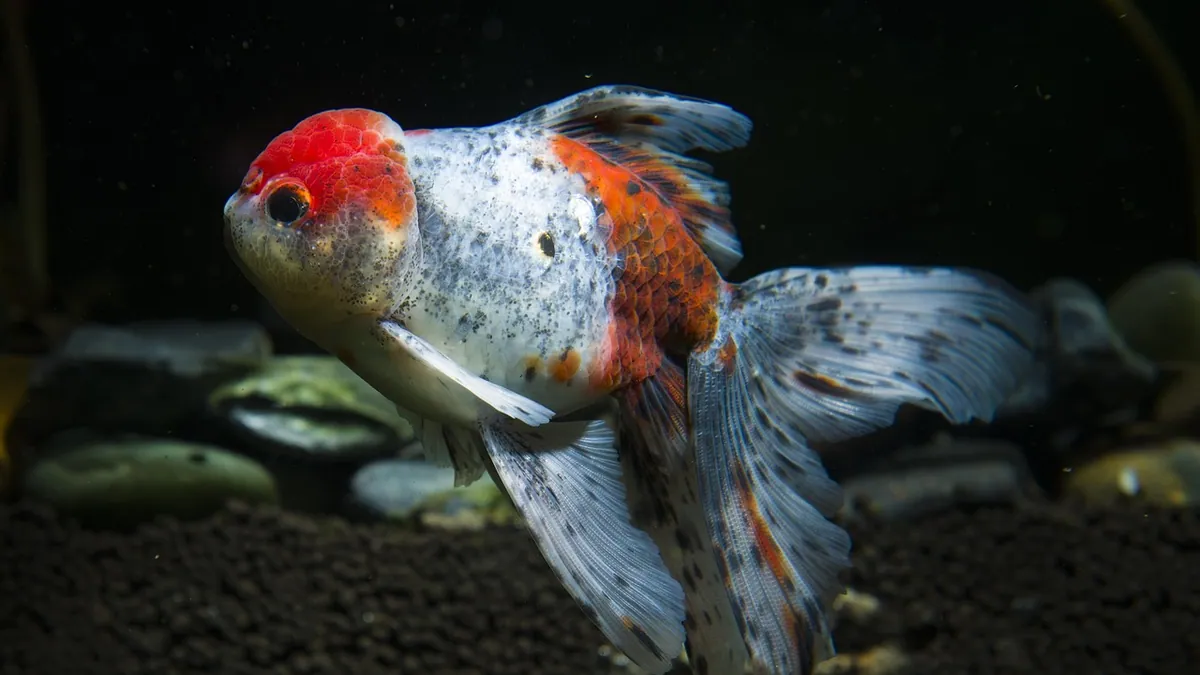
Goldfish often pick up gravel and spit it out as part of normal foraging, and that behavior alone is usually harmless. The problem starts when a stone is swallowed and gets stuck, because goldfish cannot vomit or easily pass a large, sharp object. If you are asking why is my goldfish eating rocks, the short answer is curiosity, food-seeking, and sometimes a substrate that is simply the wrong size for the fish.
This article is educational and is not a substitute for veterinary diagnosis or treatment.
Quick Answer
- Mouthing gravel and spitting it out is common foraging behavior and is not automatically a disease.
- Swallowing a stone becomes dangerous when it blocks the gut, scratches the lining, or cannot pass, which is called gravel impaction.
- Small, smooth gravel is far safer than large, jagged stones or sharp-edged glass beads.
- A goldfish that is bloated, listing, not eating, or passing no waste needs a veterinarian who treats fish right away.
- The safest long-term fix is usually bare-bottom, sand, or gravel too large for the fish to fit in its mouth.
What Gravel Mouthing Looks Like and What Is Normal
Goldfish are bottom-oriented feeders. They sift through substrate looking for food particles, algae, and tiny invertebrates. Picking up a piece of gravel, rolling it, and spitting it out is part of that sifting. You may see this many times a day and the fish stays active, eats well, and passes normal waste.
Normal behavior looks like this. The fish takes a stone in, works it around, and drops it within a second or two. It swims normally, holds its position in the water, and has a rounded but not stretched belly. It eats at feeding time and produces waste.
Abnormal behavior looks different. The fish holds a stone in its mouth for a long time, repeatedly tries to swallow, or keeps its mouth open. It may spit the stone and immediately grab another. It may hang near the bottom, stop eating, or develop a swollen belly. These are the moments when gravel mouthing turns into a concern.
Why Is My Goldfish Eating Rocks? The Main Causes
There are several reasons a goldfish takes in gravel. Most are behavioral, but some point to a health or husbandry problem.
Feeding and foraging drive
Goldfish are opportunistic eaters. Food sinks, and pellets or flakes that land on the substrate encourage the fish to suck up everything in that spot, including stones. If you feed sinking pellets, the fish learns to vacuum the bottom, and gravel comes along for the ride.
Curiosity and oral exploration
Fish explore with their mouths. A new substrate, a rearranged tank, or a new tankmate can trigger extra mouthing. This often settles within a few days.
Hunger or underfeeding
A goldfish that is not getting enough food, or is fed too infrequently, will graze the substrate harder. Check that you are feeding an appropriate amount for the fish's size and age.
Poor water quality and stress
Ammonia, nitrite, or low oxygen can make a fish restless and prone to odd behavior, including substrate picking. Test your water. A stressed fish is more likely to swallow something it should spit out.
Substrate that is the wrong size
This is the most common physical cause. Gravel pieces that are small enough to enter the mouth but too large to pass are the highest risk. Sharp or jagged pieces are worse because they can lodge or cut.
Underlying illness
A fish with gut pain, parasites, or a swim bladder problem may behave strangely around the bottom of the tank. If gravel eating comes with floating, sinking, or listing, read Goldfish Swim Bladder Problem and contact a veterinarian.
Table: Causes, Clues, and Urgency
| Cause | Typical clues | How urgent |
|---|---|---|
| Normal foraging | Picks up and spits out stones quickly, eats and swims normally | Not urgent, monitor |
| Wrong-size gravel | Repeated mouthing, stones near the size of the mouth | Fix substrate soon |
| Hunger or underfeeding | Grazes constantly, thin body condition | Adjust feeding, routine visit if thin |
| Poor water quality | Restlessness, gasping, abnormal test results | Test and correct water today |
| Stress or new environment | Recent tank change, hiding, pacing | Monitor, correct setup |
| Gut impaction | Bloated belly, no waste, not eating, listing | Emergency, see a vet now |
| Injury from sharp stone | Bloody or torn fins, red vent, straining | Emergency, see a vet now |
When Gravel Eating Becomes an Impaction Emergency
A swallowed stone can cause a blockage, also called gravel impaction. The stone may sit in the stomach or intestine and prevent food and waste from moving. It can also scratch the gut lining and allow bacteria to enter, which leads to infection.
The pattern is well documented in animals and people who swallow hard, pointed objects. Fish bones and other sharp foreign bodies can migrate through the gut wall and cause serious complications, including abscesses and perforation, and some cases require surgery [1][2]. In people, most swallowed foreign bodies pass without surgery, but a small percentage cause complications, and less than 1% need surgical intervention [1]. The same principle applies to your goldfish. Most stones pass, but the ones that do not can become a true emergency.
Signs that a stone is stuck include a belly that looks swollen or lopsided, a fish that sits on the bottom, and no visible waste for a day or more. The fish may stop eating, breathe fast at the surface, or tilt. In severe cases the fish may pass blood or a stringy discharge.
Do not wait to see if it passes on its own if the fish is clearly uncomfortable. A veterinarian who treats fish can assess the situation and decide whether the stone needs to be removed.
Red Flags That Mean Emergency Now
Contact an aquatic veterinarian or emergency clinic immediately if you see any of these.
- A swollen, hard, or lopsided belly that does not go down.
- No waste produced for more than 24 hours in a fish that was previously regular.
- The fish is not eating and has become lethargic.
- The fish is floating sideways, sinking, or unable to hold position.
- Blood or stringy material at the vent, or torn, red tissue near the belly.
- Rapid breathing at the surface or gasping.
- The fish has been straining to pass waste with no result.
These signs suggest a blockage or internal injury. Delay makes treatment harder.
Safe Things You Can Do at Home While You Wait
You cannot safely pull a swallowed stone out of a goldfish. Do not try. Do not squeeze the belly, do not use tweezers, and do not add any medication without veterinary guidance. Doses for fish are calculated by a veterinarian based on the fish's weight, species, water temperature, and health, so never guess a dose from the internet.
What you can do is reduce risk and keep the fish stable.
- Stop feeding for 24 hours if the fish is bloated or not passing waste. This reduces the load in the gut while you arrange care.
- Check water quality. Test ammonia, nitrite, nitrate, pH, and temperature. Correct any problem with a partial water change using dechlorinated water.
- Remove small gravel from the tank if you can do so without stressing the fish. A bare-bottom hospital tank is safer for a fish that may have a blockage.
- Keep the tank quiet and dim. Stress makes gut problems worse.
- Do not add salt, antibiotics, or any other treatment unless a veterinarian tells you to.
If the fish is stable and simply mouthing gravel, the main home action is prevention. Switch to a safer substrate.
What the Veterinarian Will Check and Test
A fish veterinarian will start with a physical exam. They will look at the fish's body shape, fins, gills, vent, and behavior. They will ask about tank size, water parameters, diet, substrate, and how long the behavior has been going on.
Imaging is often the next step. Radiographs (X-rays) can show a dense stone in the gut. Ultrasound may help assess the belly. In people, computed tomography is used to locate swallowed foreign bodies when they cannot be seen on physical exam, and it can find objects in the esophagus and beyond [3]. Fish medicine uses similar imaging principles, scaled to the patient.
Blood work may be limited in fish, but a veterinarian can assess overall condition and look for signs of infection. If the stone is in the stomach and the fish is stable, some cases are managed with supportive care and monitoring. If the stone is stuck or the gut is damaged, surgery may be needed. In people, a fish bone that penetrated the stomach wall was removed successfully with laparoscopic surgery, and the patient recovered well [2]. Fish surgery is more delicate, but it is possible in the right hands.
Treatment may include fluids, warmth, and a controlled diet. Any medication is chosen and dosed by the veterinarian based on your fish's specific weight and condition.
Prevention and Monitoring
The best prevention is the right substrate and good husbandry.
Choose safe substrate
- Bare-bottom tanks are the safest option for goldfish that mouth gravel.
- Fine sand is a good alternative. Goldfish can sift it and pass it more easily than stones.
- If you want gravel, choose pieces too large for the fish to fit in its mouth. For most goldfish, that means stones larger than a pea, and larger for big fish.
- Avoid sharp, jagged, or metallic pieces. Avoid glass beads and crushed shell with sharp edges.
Feed to reduce bottom vacuuming
Feed sinking pellets in a dish or a designated spot, and remove uneaten food. This reduces the amount of food that lands on the substrate and the amount of gravel your fish sucks up with it. Feed small amounts more often instead of one large meal.
Keep water clean
Good filtration, regular partial water changes, and testing keep stress low. A healthy fish is less likely to engage in odd behavior. For pond fish, see Goldfish Pond Care: Water Quality, Feeding, and Winter Management.
Match the tank to the fish
Goldfish grow large and produce a lot of waste. A tank that is too small causes stress and poor water quality. Review proper housing in Goldfish Care Guide: Tank Size, Diet, and Lifespan. If you are using a bowl, understand the risks in Is a Fish Bowl Bad for Fish? The Truth.
Monitor after any change
After you switch substrate, watch for a few days. Some fish will still mouth the new material. Sand is usually fine. Large stones are usually ignored. If your fish continues to swallow material, go bare-bottom.
Keep a simple log
Note when the fish eats, when it passes waste, and any change in belly shape. This helps your veterinarian decide how urgent the problem is.
Limitations and When to Contact a Veterinarian
This article cannot tell you whether your specific fish has a blockage. Only a veterinarian who examines the fish can do that. Individual cases need a veterinarian, and fish medicine has real limits. Not every clinic treats fish, and not every blockage is fixable.
Contact a veterinarian the same day if your goldfish is bloated, not eating, or not passing waste. Go to an emergency clinic now if the fish is gasping, bleeding, or unable to swim normally. Schedule a routine visit if the fish is stable but you want help choosing a safe substrate or reviewing tank setup.
If you are not sure whether your fish is in trouble, call an aquatic veterinarian and describe the signs. It is better to check early than to wait for a stone to cause permanent damage.
Frequently Asked Questions
Can goldfish eat rocks without getting sick?
Yes, many goldfish mouth and even swallow small stones and pass them without a problem. The risk depends on the size, shape, and number of stones, and on the fish's overall health. Smooth, small gravel is less dangerous than large or sharp pieces.
Is gravel impaction in goldfish always fatal?
No, but it can be. A stone that blocks the gut or cuts the lining can lead to infection, perforation, and death if untreated. Early veterinary care improves the odds. Some fish recover with supportive care, and some need surgery.
How long does it take for a swallowed stone to pass?
There is no fixed time. It depends on the stone and the fish. If your fish is eating, swimming, and passing waste normally, monitor closely. If it stops passing waste or becomes bloated, treat it as an emergency.
Should I remove all gravel from my goldfish tank?
Not always, but it is the safest choice for a fish that swallows stones. Bare-bottom tanks and fine sand are good options. If you keep gravel, use pieces too large for the fish to fit in its mouth.
Can I give my goldfish medicine to help pass a stone?
No. Do not give any medication without veterinary guidance. Fish doses depend on weight, species, water temperature, and health, and a veterinarian must calculate them. Giving the wrong treatment can make things worse.
Related Articles
- Goldfish Pond Care: Water Quality, Feeding, and Winter Management
- Goldfish Care Guide: Tank Size, Diet, and Lifespan
- Goldfish Swim Bladder Problem
- Is a Fish Bowl Bad for Fish? The Truth
- Goldfish Tank Size Care
- Why Won't My Goldfish Eat? Causes and What to Try
- Why Is My Goldfish Dying? Signs and What to Do
- Why Is My Fish Rubbing Against Rocks or Gravel?
References
- Development of an abdominal wall abscess caused by fish bone ingestion: a case report. Journal of medical case reports, 2019.
- Laparoscopic diagnosis and extraction of an ingested fish bone that penetrated the stomach: A case report. Medicine, 2019.
- Analysis of Clinical Feature and Management of Fish Bone Ingestion of Upper Gastrointestinal Tract. Clinical and experimental otorhinolaryngology, 2015.