Why Are My Betta or Goldfish Fins Shredded?
By Dr. Zubair Khalid, DVM, MS, PhD ·
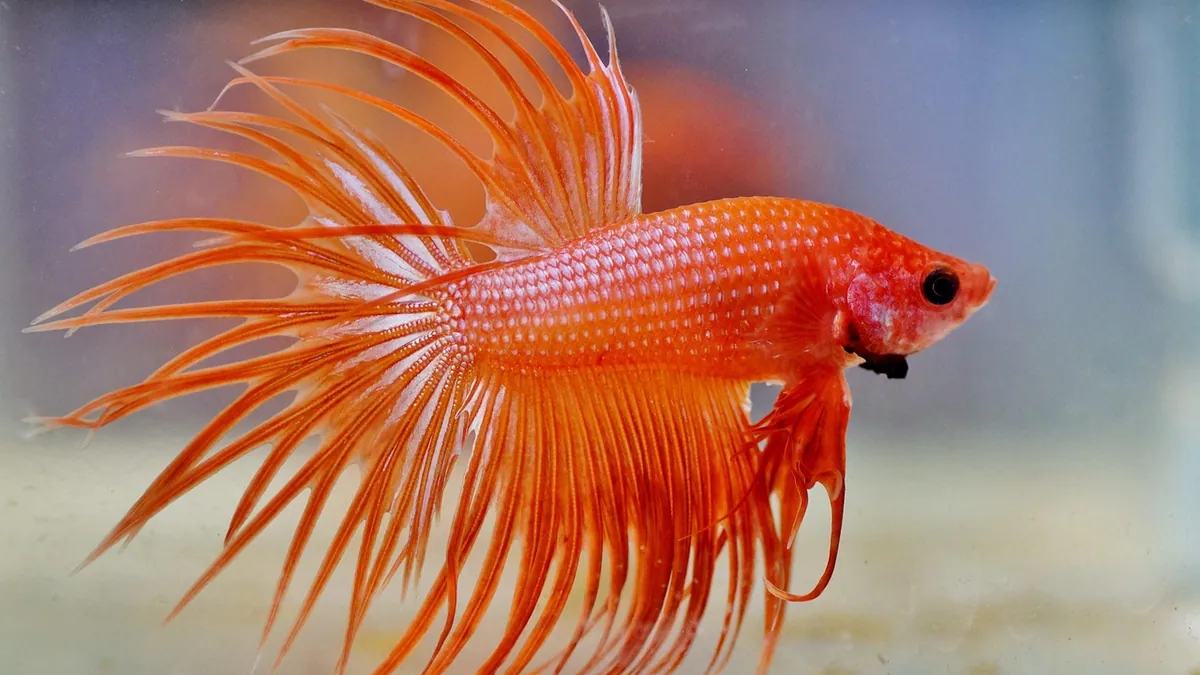
If your betta fish tail looks shredded, the most likely reasons are fin rot (a bacterial infection), fin nipping (often by tank mates or the fish itself), or physical damage from sharp decor, filter intakes, or rough handling. Each cause looks a little different and needs a different fix, so identifying the pattern matters more than rushing to a medication. This article is educational and is not a substitute for veterinary diagnosis or treatment.
Quick Answer
- Fin rot usually shows ragged edges with white, gray, or black discoloration, and the damage often spreads toward the body over days.
- Fin nipping produces clean, crescent-shaped bites or missing chunks, often with the tail or fins looking uneven instead of inflamed.
- Physical damage tends to be sudden, with splits or tears after a tank change, new decor, or a filter accident.
- Test your water first. Poor water quality is the most common trigger for fin rot and slows healing in every case.
- Do not add antibiotics to the tank blindly. Many fish medications are dosed by weight or water volume, and your veterinarian should guide that choice.
What Shredded Fins Look Like and What Is Normal
Healthy betta and goldfish fins are smooth at the edges, evenly colored, and held open when the fish is relaxed. A betta's tail may fold or clamp when the fish is resting or stressed, but it should open again within a short time. Goldfish fins should look translucent to solid, with no white fuzz, red streaks, or missing wedges.
Shredded fins are different. You may see frayed tips, split rays, chunks missing from the tail, or a tail that looks like it was cut with pinking shears. The fin may also look shorter than it did a week ago. In some cases the base of the fin turns red, white, or black, which points toward infection instead of simple injury.
Fin condition is a useful welfare indicator in fish, and damage is linked to stress and physiological changes in affected animals [1]. That means shredded fins are not only a cosmetic problem. They can signal that something in the tank or the fish's health is off.
Main Causes of Shredded Fins
Fin Rot (Bacterial Infection)
Fin rot is a bacterial infection that eats away at the fin tissue. It often starts at the edges and moves inward. The edges may look white, gray, brown, or black, and the fin can look like it is melting or dissolving. In serious cases the infection reaches the fin base and the body.
Several bacteria can cause this kind of damage. Aeromonas hydrophila and Aeromonas jandaei have both been linked to tail rot and skin ulcers in farmed fish, and both were confirmed as disease-causing when reintroduced to healthy fish [2]. Another marine bacterium, Tenacibaculum maritimum, causes fin necrosis and tail rot as part of a disease called tenacibaculosis [3]. These findings come from farmed and marine species, but the same general pattern applies to home aquariums: bacteria that are normally present can overgrow and damage fins when a fish is stressed or water quality is poor.
Fin rot is usually not an emergency on day one, but it becomes urgent if the fin base turns red or the body develops ulcers. It rarely heals on its own without water quality correction.
Fin Nipping
Fin nipping is physical removal of fin tissue by another fish, or sometimes by the fish itself. Betta fish are famous for nipping their own tails, especially in small tanks, under bright light, or when they can see their reflection. Goldfish may nip each other, particularly when kept in crowded tanks or with incompatible species.
Nipped fins usually have clean, rounded or crescent-shaped edges. You may see missing chunks instead of a gradual fraying. The damage often appears overnight or after a stressful event. The fin base usually looks normal, with no white fuzz or red streaks, unless the nip has become infected.
Physical Damage
Physical damage comes from the environment. Sharp plastic plants, rough driftwood, exposed filter intake tubes, and netting during tank maintenance can all tear fins. A fish that darts into the glass or gets trapped behind a filter can also split a tail.
Physical tears are often sudden and may look like clean splits between fin rays. They do not usually have discolored edges at first. If the tear becomes infected, it can start to look like fin rot within a few days.
Poor Water Quality and Stress
Ammonia, nitrite, and nitrate spikes damage fin tissue directly and make infections more likely. Temperature swings, overcrowding, and low oxygen also stress fish and slow healing. In one study, artificially reared trout had a higher incidence of fin damage than wild fish, which suggests that rearing conditions and stress play a real role in fin health [4]. Your tank parameters are the first thing to check when any fin problem appears.
Parasites
Parasites can also cause fin damage. In Atlantic salmon, infestation with the copepod parasite Caligus rogercresseyi was linked to significant fin damage and increased stress levels [1]. Freshwater parasites like ich, flukes, and anchor worms can cause similar irritation, leading to frayed fins and secondary infections. Parasites usually come with other signs like flashing, rubbing, white spots, or visible worms.
Cause Comparison Table
| Cause | Typical clues | How urgent |
|---|---|---|
| Fin rot | Ragged edges, white/gray/black discoloration, damage spreading toward body | Urgent if fin base is red or body ulcers appear |
| Fin nipping | Clean crescent bites, missing chunks, normal fin base | Routine unless bleeding or infected |
| Physical damage | Sudden splits or tears, no discoloration at first | Routine unless bleeding or infected |
| Poor water quality | Ammonia or nitrite above zero, cloudy water, other fish affected | Urgent, correct water immediately |
| Parasites | Flashing, rubbing, white spots, visible worms | Routine to urgent depending on severity |
Red Flags That Make It an Emergency
Some fin problems can wait for a scheduled appointment. Others need help right away. Contact a veterinarian the same day if you see any of these:
- The fin base is red, swollen, or bleeding.
- The body has ulcers, open sores, or white patches.
- The fish is gasping at the surface, lying on the bottom, or unable to swim normally.
- Multiple fish in the tank are affected at once.
- The damage is spreading fast, within hours instead of days.
- The fish has stopped eating or is losing weight.
If your fish is struggling to breathe or has lost most of its tail in a short time, treat it as an emergency. Call an aquatic veterinarian or an emergency exotics service. If you suspect a toxin in the water, contact poison control for guidance.
Safe Things You Can Do at Home While Waiting
You can take several safe steps before your appointment. These will not replace diagnosis, but they can stop the damage from getting worse.
Test and Correct Water Quality
Test ammonia, nitrite, nitrate, pH, and temperature. Ammonia and nitrite should be zero in a cycled tank. If either is elevated, do a partial water change with dechlorinated water at the same temperature. Repeat daily until levels are stable. Poor water quality is the single most common reason fins do not heal.
Improve Tank Conditions
Remove sharp decor, check filter intakes for exposed impellers, and make sure the tank is not overcrowded. For bettas, keep the tank covered and reduce bright light if the fish is flaring at its reflection. For goldfish, make sure the tank or pond is large enough for the number of fish.
Keep the Fish Calm
Reduce handling. Do not net the fish unless you must. Keep the room quiet and the temperature stable. Stress slows healing and makes infection more likely.
Do Not Guess at Medications
Many fish antibiotics and antiparasitics are dosed by water volume or by fish weight. Your veterinarian will calculate the dose based on your fish's size, species, and health status. Adding the wrong medication can harm your fish and disrupt the tank's beneficial bacteria. If you have a hospital tank, set it up now so you are ready if treatment is needed.
Consider a Hospital Tank
A small, bare-bottom hospital tank with a filter and heater lets you monitor the fish closely and treat without affecting tank mates. Keep the water warm and clean. Do not use carbon in the filter if you are treating with medication, because it can remove the drug.
If your betta is also bloated or not eating, those signs can point to a separate problem. See Betta Fish Bloated Belly and Betta Fish Not Eating for more on those symptoms.
What the Veterinarian Will Check and Test
An aquatic veterinarian will start with a full history: tank size, tank mates, water parameters, recent changes, and how long the fins have looked abnormal. Then they will examine the fish visually and, if needed, with a microscope.
Common steps include:
- A fin and skin scrape to look for parasites, bacteria, and fungal elements under a microscope.
- Water quality testing to confirm ammonia, nitrite, nitrate, pH, and hardness.
- A physical exam to check the fin base, body, gills, and behavior.
- Bacterial culture if the infection is severe or not responding to initial treatment.
The veterinarian will also look for underlying problems. Fin damage can be a sign of poor welfare, and it is often linked to stress and physiological changes in the fish [1]. Treating the fin without addressing the cause usually leads to relapse.
If the diagnosis is fin rot, treatment may include antibiotics, improved water quality, and sometimes topical care. The exact drug and dose depend on the fish's weight and condition, and your veterinarian will calculate that for you. For more detail on fin rot treatment, see Betta Fish Fin Rot Treatment and Aquarium Fish Fin Rot: Causes, Symptoms, and Treatment.
Prevention and Monitoring
Prevention is mostly about stable, clean water and a low-stress environment.
- Test water weekly and change 25 to 50 percent of the water on a regular schedule.
- Keep ammonia and nitrite at zero and nitrate below 20 ppm for most freshwater tanks.
- Avoid overcrowding and choose tank mates carefully.
- Inspect decor and filter parts for sharp edges.
- Quarantine new fish before adding them to the main tank.
- Watch your fish daily for changes in fin shape, color, or behavior.
Fin damage can reduce a fish's stability and consistency in movement, which may affect how well it competes for food and avoids danger [5]. Even if your fish seems to swim fine, shredded fins are worth correcting early.
If your goldfish is also having trouble swimming or floating, that can point to a swim bladder issue. See Goldfish Swim Bladder Problem for more information.
Limitations and When to Contact a Veterinarian
This article gives general guidance, but individual cases need a veterinarian. Fin problems can look similar across different causes, and the wrong treatment can make things worse.
Contact a veterinarian the same day if the fin base is red or swollen, if the body has ulcers, or if the fish is not eating. Treat it as an emergency if the fish is gasping, lying on its side, or has lost a large portion of its tail in a short time. Schedule a routine visit if the damage is mild but not improving after a week of good water quality and reduced stress.
Frequently Asked Questions
Can shredded fins grow back?
Yes, fins can regrow if the fin base is intact and the underlying cause is fixed. New tissue often looks pale or thin at first and may take weeks to fill in. If the fin base is damaged, regrowth may be limited or uneven.
Is fin rot contagious to other fish?
Fin rot itself is not usually passed directly from fish to fish, but the bacteria that cause it can spread in poor water conditions. If one fish is affected, check the whole tank and correct water quality. Other fish may develop similar damage if the environment stays the same.
Should I use aquarium salt for shredded fins?
Aquarium salt is sometimes used as a supportive measure, but it is not a cure for bacterial fin rot. It can stress some species, especially scaleless fish and certain catfish. Ask your veterinarian before adding salt, and never use table salt.
How long does it take for fins to heal?
Mild damage may improve within one to two weeks once water quality is stable. More severe damage can take a month or longer. If you see no improvement after a week of good care, or if the damage is spreading, contact a veterinarian.
Can I treat fin rot without a veterinarian?
You can improve water quality and reduce stress at home, which helps many mild cases. But if the fin base is discolored, the damage is spreading, or the fish is acting sick, you need a veterinarian. Guessing at antibiotics can harm your fish and delay real treatment.
Related Articles
- Betta Fish Bloated Belly
- Betta Fish Not Eating
- Betta Fish Fin Rot Treatment
- Aquarium Fish Fin Rot: Causes, Symptoms, and Treatment
- Goldfish Swim Bladder Problem
- Common Betta Fish Diseases and How to Treat Them
- Why Are My Betta Fish Fins Ragged or Torn?
- Do Betta and Goldfish Fins Grow Back?
- Why Is My Fish Rubbing Against Rocks or Gravel?
References
- Fin Erosion of Salmo salar (Linnaeus 1758) Infested with the Parasite Caligus rogercresseyi (Boxshall & Bravo 2000). Animals : an open access journal from MDPI, 2020.
- Isolation and characterization of two virulent Aeromonads associated with haemorrhagic septicaemia and tail-rot disease in farmed climbing perch Anabas testudineus. Scientific reports, 2021.
- Tenacibaculosis caused by Tenacibaculum maritimum: Updated knowledge of this marine bacterial fish pathogen. Frontiers in cellular and infection microbiology, 2022.
- Artificially Reared Salmo trutta Fry in a Natural Environment: Growth and Fitness Compared to Wild Specimens. Biology, 2026.
- Potential for Anthropogenic Fin Damage to Affect Individual Responses to Prey in Bluegill Sunfish (Lepomis macrochirus): A New Hypothesis for Kinematic Studies. Integrative organismal biology (Oxford, England), 2022.