Do Goldfish Feel Pain? What Science Says About Fish Welfare
By Dr. Zubair Khalid, DVM, MS, PhD ·
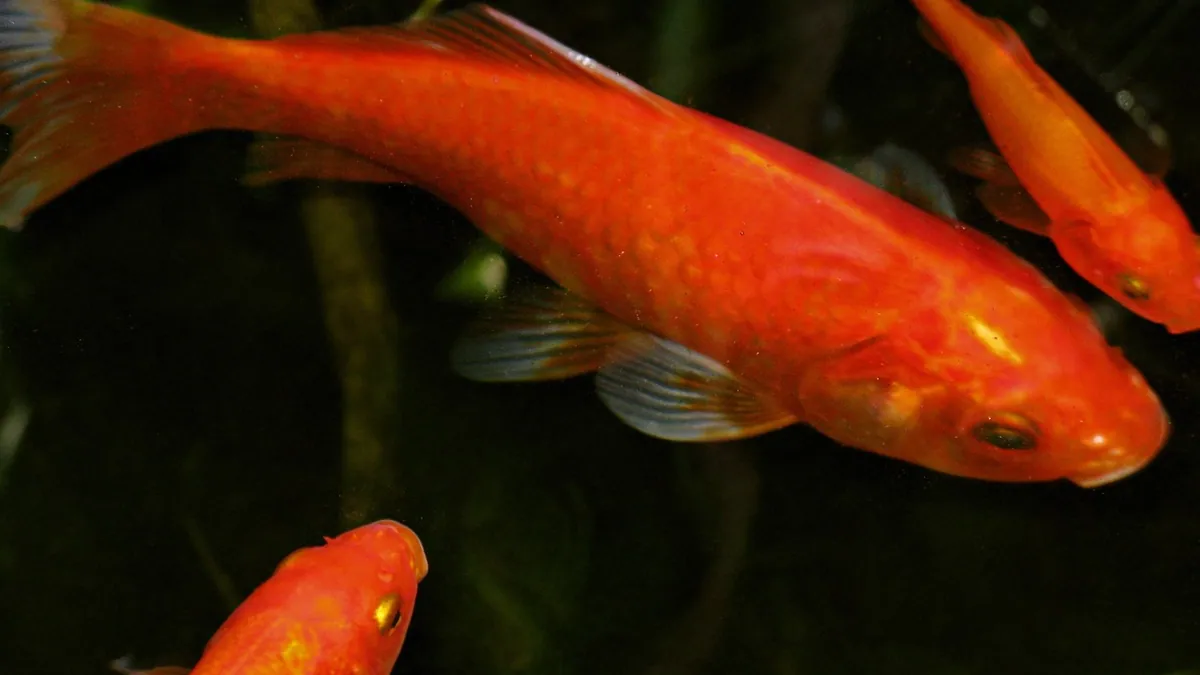
Yes, the evidence indicates that goldfish feel pain. Fish have specialized nerve cells called nociceptors that detect tissue damage, and their brains process those signals in ways comparable to mammals [1]. That means the way you handle your goldfish, the water they live in, and the care you give them all have a direct effect on their welfare.
This article is educational and is not a substitute for veterinary diagnosis or treatment.
Quick Answer
- Goldfish have nociceptors, the nerve cells that detect tissue damage, and these were first identified in rainbow trout in 2002 [1].
- Fish show behavioral changes after a painful event, including reduced activity, less space use, and shorter distance traveled [2].
- Pain-relieving drugs reduce those behavioral changes, which supports the idea that the responses are tied to pain and not just reflexes [2].
- Based on current knowledge, all vertebrates experience pain in response to actual or potential tissue damage [3].
- Good water quality, proper tank size, and gentle handling are the foundation of humane goldfish care.
What the Science Says About Fish Pain Perception
For a long time, people assumed fish could not feel pain because their nervous systems looked simpler than ours. That view has changed. Since nociceptors were first found in rainbow trout, researchers have gathered anatomical and electrical evidence showing that the peripheral and central nervous system responses in fish are comparable to those in mammals [1].
Behavior tells a similar story. Fish exposed to a painful treatment show unusual responses, and those responses improve when they receive pain-relieving drugs [1]. In zebrafish, a close relative of goldfish and a common research subject, several behavioral signs of pain have been documented, including reduced activity, reduced space use, and reduced distance traveled [2]. Drugs with pain-relieving properties prevent these responses [2].
A 2024 report from a working group on zebrafish concluded that the empirical evidence suggests fishes meet the criteria for experiencing pain beyond a reasonable doubt [2]. Pain itself is an unpleasant negative emotion, and its effects are complex to manage [4]. Researchers continue to refine methods for studying nociception and pain in fish, combining electrical recordings, molecular biology, and behavioral analysis [4].
This does not mean a goldfish experiences pain exactly the way a dog or a person does. It means the capacity is there, and it deserves to be taken seriously. If you want to understand how pain is assessed in animals more broadly, see Pain Assessment in Laboratory Animals: Behavioral and Physiological Indicators.
Do Goldfish Feel Pain in a Home Aquarium? Practical Steps for Humane Care
Pain in fish usually comes from tissue damage, poor water conditions, or chronic stress. You can reduce all three with consistent habits.
Step 1: Test your water before anything else
Ammonia and nitrite burns gills and skin. That is tissue damage, and tissue damage is what nociceptors detect [3]. Test ammonia, nitrite, nitrate, and pH regularly. In research settings, consistent water quality monitoring is treated as a core part of welfare, not an optional extra [5]. Your tank deserves the same standard.
Step 2: Match the tank to the fish
Goldfish grow large and produce a lot of waste. A tank that is too small concentrates waste products and stresses the fish. Stress and poor water quality go together, and both affect welfare. For a full breakdown of tank size, filtration, and diet, see Goldfish Care Guide: Tank Size, Diet, and Lifespan.
Step 3: Handle with wet hands or not at all
Never lift a goldfish out of water with dry hands or a net if you can avoid it. Dry surfaces strip the protective slime coat and damage the skin. If you must move a fish, use a container of tank water. Every handling event is a potential tissue injury.
Step 4: Quarantine new fish
New fish can carry parasites and infections that cause tissue damage in your existing fish. A separate quarantine tank for a few weeks protects everyone.
Step 5: Treat illness early
Fin rot, ulcers, and parasitic infections are painful. They are also treatable when caught early. Waiting to see if things improve on their own lets tissue damage continue.
Step 6: Ask about pain relief when appropriate
Pain management in fish is an active area of research, and immersion-based analgesics are being studied [5]. If your fish has a significant injury or is undergoing a procedure, ask your veterinarian whether pain relief is appropriate. The dose depends on the species, the drug, and the fish's condition, so a veterinarian calculates it from your fish's weight and health. Never guess a dose on your own.
Goldfish Welfare Checklist
| Task | How Often | Why It Matters |
|---|---|---|
| Test ammonia, nitrite, nitrate, pH | Weekly, and after any tank change | Poor water quality causes gill and skin damage, which triggers nociception [3] |
| Partial water change | Weekly to every two weeks | Keeps waste products low and water stable |
| Observe swimming, appetite, and space use | Daily | Reduced activity and space use are documented pain indicators in fish [2] |
| Check for fin damage, ulcers, or spots | Daily | Early treatment limits tissue damage |
| Clean filter media in tank water | Monthly | Preserves beneficial bacteria that keep water safe |
| Quarantine new fish | Every new arrival | Prevents spread of infections that cause pain |
| Review tank size and stocking | Every few months | Goldfish outgrow small tanks quickly |
Signs That Something Is Wrong
Fish cannot tell you where it hurts, so you have to read behavior. The indicators below are drawn from documented pain and welfare research.
Behavioral signs
- Reduced activity, meaning your goldfish sits still more than usual [2]
- Reduced space use, meaning it stays in one corner or hides constantly [2]
- Reduced distance traveled, meaning it stops cruising the tank [2]
- Loss of appetite
- Bottom sitting or floating at the surface
- Clamped fins held tight against the body
- Flashing or rubbing against surfaces, which often points to parasites
- Gasping at the surface, which often points to low oxygen or high ammonia
Physical signs
- Red or inflamed gills
- White spots, fuzzy patches, or open sores
- Frayed or receding fins
- Bloated body or raised scales
- Cloudy eyes
Any of these can signal pain from tissue damage, infection, or poor water quality. For a deeper look at how stress shows up in aquarium fish, see Aquarium Fish Stress Syndrome: Causes, Signs, and Management.
Common Mistakes That Cause Pain and Stress
Using a net for every little thing
Nets scrape the slime coat and can tear fins. Use them only when necessary, and always with wet hands and a soft mesh.
Skipping water changes because the water looks clear
Clear water can still carry high ammonia and nitrite. Those compounds burn tissue even when you cannot see them. Test, do not guess.
Overcrowding the tank
More fish means more waste. Waste means tissue irritation. Goldfish are especially prone to this because they grow fast and produce a lot of ammonia.
Feeding too much
Uneaten food decays and spikes ammonia. Feed only what your fish eats in a few minutes.
Ignoring early signs
A fish that stops swimming normally is telling you something. Waiting a week to act allows damage to continue.
Assuming fish do not feel anything
This is the biggest mistake of all. The evidence points the other way. Fish meet the criteria for experiencing pain beyond a reasonable doubt [2].
Using medication without a diagnosis
The wrong medication wastes time and can harm your fish. Get a diagnosis first, then treat.
Setup Details That Protect Your Goldfish
The environment is the main tool you have for preventing pain. Get these right and most problems never start.
Tank size and filtration
Goldfish need more space than most people expect. A strong filter keeps ammonia and nitrite near zero. In research settings, water quality monitoring is considered essential to fish welfare [5].
Temperature and oxygen
Goldfish are hardy but still need stable temperature and good surface movement for oxygen. Sudden swings cause stress.
Substrate and decorations
Smooth gravel or bare-bottom tanks are easier to keep clean. Avoid sharp decorations that can cut fins and skin.
Water conditioner
Always treat tap water before it goes in the tank. Chlorine and chloramine damage gills.
Quarantine setup
A simple tank with a filter, heater if needed, and hiding spots is enough. Watch new fish for several weeks before adding them to the main tank.
Record keeping
Write down test results, water changes, and any treatments. Patterns show up fast when you track them.
Species differences
Not all fish are the same. Goldfish, zebrafish, and other species differ in size, behavior, and needs. Welfare assessment methods developed for one species do not always transfer directly to another, which is why species-specific care matters. See Welfare Assessment of Laboratory Fish: Beyond Zebrafish for how researchers approach this.
Limitations and When to Contact a Veterinarian
Fish pain research has advanced a great deal, but many aspects still need to be uncovered [1]. Pain management for fish is less developed than for mammals, and immersion-based analgesics are still being studied [5]. That means diagnosis and treatment rely heavily on your observations and on a veterinarian with fish experience.
Individual cases need a veterinarian. Contact one in these situations:
Same day: Your goldfish stops eating, sits on the bottom, gasps at the surface, or shows new fin damage or spots. These can worsen quickly in a closed system.
Emergency now: Your fish has a large open wound, is bleeding, is floating on its side and cannot right itself, or all fish in the tank are affected at once. A tank-wide problem often means a water quality crisis that needs immediate action.
Routine visit: New fish before adding them to a community tank, or any fish with a chronic issue that has not improved with basic care.
If you are unsure whether a behavior is pain-related, err on the side of checking. Fish hide problems well, and by the time signs are obvious, the issue has often been present for a while.
Frequently Asked Questions
Do goldfish feel pain when they are handled?
Handling can cause pain if it damages the slime coat, skin, or fins, because those tissues contain nociceptors [1]. Keep handling to a minimum and always use wet hands or a container of tank water. If a procedure is necessary, ask your veterinarian about pain relief.
Is it true that fish do not feel pain because they lack a cortex?
No, that claim does not hold up. Fish lack the same cortex structure as mammals, but they have nociceptors and brain responses comparable to mammals, and they show behavioral changes after painful events that improve with pain-relieving drugs [1][2]. The evidence supports pain perception in fish.
Can I give my goldfish pain medication from my medicine cabinet?
No. Never give human medications to a fish without veterinary guidance. Immersion analgesics are being studied, but effectiveness varies with the duration and severity of the stimulus, and more research is needed on adverse effects [5]. A veterinarian calculates any dose from your fish's weight and health.
Does good water quality really affect whether my goldfish feels pain?
Yes. Ammonia and nitrite damage gills and skin, which is tissue damage, and tissue damage is what triggers nociception [3]. Consistent water quality monitoring is treated as a core welfare practice in fish care [5]. Testing and water changes are pain prevention, not just maintenance.
How do I know if my goldfish is in pain?
Watch for reduced activity, reduced space use, and reduced distance traveled, which are documented behavioral indicators in fish [2]. Physical signs like fin damage, ulcers, and inflamed gills also point to tissue damage. Any sudden change in normal behavior deserves attention.
Related Articles
- Welfare Assessment of Laboratory Fish: Beyond Zebrafish
- Aquarium Fish Stress Syndrome: Causes, Signs, and Management
- Zebrafish Welfare in Research: Housing and Environmental Needs
- Pain Assessment in Laboratory Animals: Behavioral and Physiological Indicators
- Goldfish Care Guide: Tank Size, Diet, and Lifespan
- Goldfish Pond Care: Water Quality, Feeding, and Winter Management
- Do Goldfish Play? Behavior and Enrichment
- Do Goldfish Sleep? Rest and Activity Explained
- Refinement in Animal Welfare: Reducing Pain and Distress
References
- Pain in laboratory fishes: What we know and what we need to know. Laboratory animals, 2026.
- Pain management in zebrafish : Report from a FELASA Working Group. Laboratory animals, 2024.
- Pain Perception in Animals - Therapeutics. Merck Veterinary Manual.
- Current Methods to Investigate Nociception and Pain in Zebrafish. Frontiers in neuroscience, 2021.
- Advancing Zebrafish (Danio rerio) Welfare Using Immersion Analgesics. Veterinary sciences, 2025.