Do Goldfish Drink Water? Temperature and Water Needs
By Dr. Zubair Khalid, DVM, MS, PhD ·
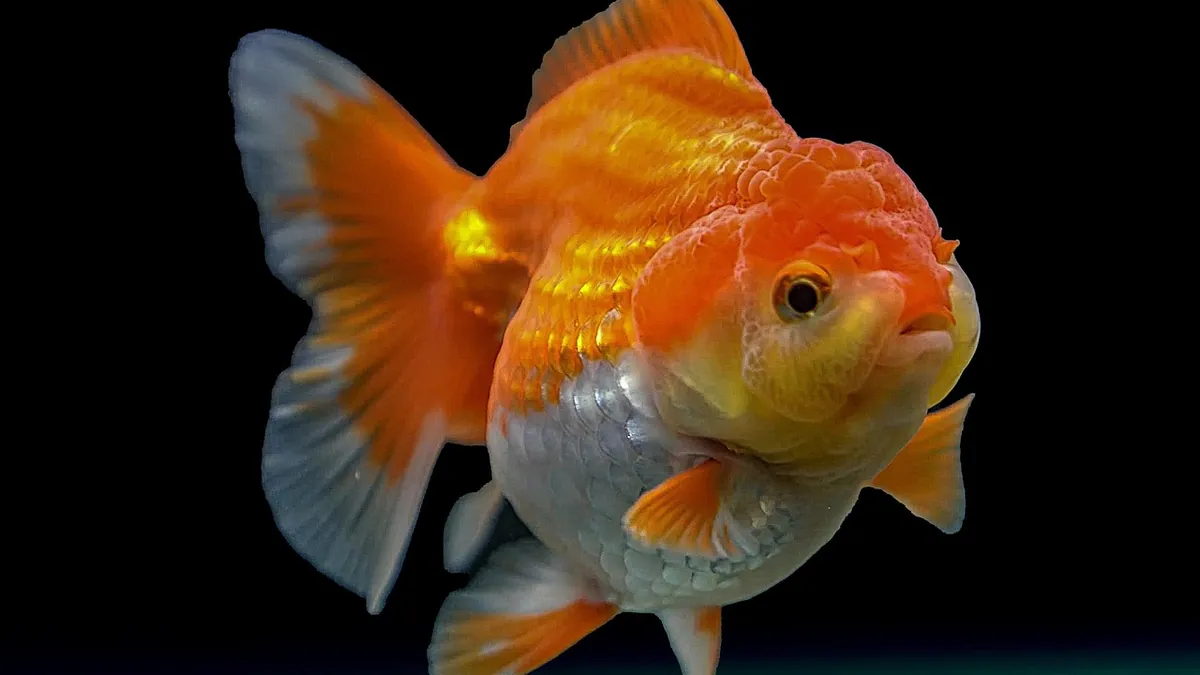
Yes, goldfish do drink water. They take in water constantly through their gills and mouth as part of normal osmoregulation, the process that balances water and salts inside their bodies. The more useful question for most owners is whether the water they live in is the right temperature, because temperature drives how well a goldfish handles that balance. This article is educational and is not a substitute for veterinary diagnosis or treatment.
Quick Answer
- Goldfish drink water continuously through the gills and gut, so you will never see them "drink" the way a dog laps from a bowl.
- The comfortable goldfish water temperature range for most fancy and common goldfish is roughly 65 to 75°F (18 to 24°C).
- Goldfish are cold-water fish and generally do better in cooler water than in warm water.
- Water above 80°F (about 27°C) stresses goldfish and can damage their gills over time [1].
- Sudden temperature swings cause more harm than a steady temperature at the cool end of the range.
Do Goldfish Drink Water? What Is Actually Happening
A goldfish in freshwater lives in a constant tug-of-war with its environment. Freshwater is less salty than the fish's body fluids, so water naturally moves into the fish through the gills and the lining of the mouth. The goldfish does not have to seek out water. It absorbs it passively, all day, every day.
That incoming water gets handled mainly by the gills and kidneys. The gills are a multitasking organ that manages gas exchange and osmoregulation, meaning they control the balance of water and ions in the body [1]. When the gills work well, the fish stays balanced. When the gills are injured, that balance falls apart.
This is why water quality and temperature are not background details. They are the machinery that keeps your fish alive. If you want the full picture of tank equipment and parameters, see Goldfish Tank Setup: Essential Equipment and Water Parameters for Healthy Goldfish.
Do Goldfish Drink Water Through Their Gills or Their Mouth?
Both. Water enters through the mouth as the fish breathes and also crosses the gill surfaces directly. The gut plays a role too, since fish intestines help with osmoregulation in freshwater and saltwater species alike [2]. So the answer to "do goldfish drink water" is yes, but it happens as an automatic body process, not a behavior you can watch.
Goldfish Water Temperature Range: What They Tolerate
Goldfish are often described as hardy, and they are, but hardy does not mean unlimited. They are ectothermic, which means their body temperature follows the water around them. Every degree you change in the tank changes their metabolism, their oxygen demand, and how hard their gills have to work.
A practical goldfish water temperature range for a home tank is 65 to 75°F (18 to 24°C). Pond goldfish in most U.S. climates do well in a similar band during the active season.
Do Goldfish Like Cold Water?
Yes, within reason. Goldfish are naturally a cool-water species and are more comfortable in the low to middle part of the safe range than at the top of it. Cooler water holds more dissolved oxygen, which suits a fish with a high oxygen demand. The trade-off is that very cold water slows digestion and immune function, so you do not want to push below the safe range for long periods.
Do Goldfish Like Warm Water?
Not really. Warm water is tolerated for short stretches but is not what goldfish prefer. As water warms, oxygen levels drop while the fish's oxygen demand rises, which is a bad combination. Warm water also encourages bacterial and fungal problems in a tank.
Do Goldfish Need Warm Water?
No. Goldfish do not need a heater the way tropical fish do. In a typical heated home, a goldfish tank often sits comfortably in the safe range without one. If your home runs cold in winter, a heater set low can prevent dangerous drops, but you are aiming for stability, not warmth.
What Happens at High Temperatures
Heat stress is real and measurable in goldfish. In one controlled study, juvenile goldfish were held at 22°C (control), 28°C (medium), and 32°C (high) for two weeks. The high-temperature group developed clear gill damage, including lamellar fusion, epithelial detachment, and edema, which points to tissue injury and reduced gill function [1].
The same study found that heat shock protein 70, a protective chaperone protein, rose significantly with heat exposure, while Na+/K+-ATPase, an enzyme central to ion regulation, dropped significantly in the gills of heat-stressed fish [1]. In plain terms, the fish were mounting a stress response while losing some of their ability to manage salts and water.
That matters directly to your original question. A goldfish that cannot regulate ions properly is a goldfish in trouble, no matter how much water it takes in.
Step-by-Step: Getting Temperature Right in Your Tank
- Measure before you change anything. Use a reliable aquarium thermometer, not a stick-on strip alone. Check the temperature at the same time each day for a week so you know your baseline.
- Set a target in the safe band. Aim for 65 to 75°F (18 to 24°C) for most goldfish setups.
- Decide whether you need a heater. If your room stays above about 65°F, you likely do not. If it drops lower in winter, a heater on a low setting prevents swings.
- Control the heat sources you already have. Tank lights, filters, and pumps add heat. A closed lid traps it. In summer, these can push a tank past the safe range without you noticing.
- Cool the tank safely if it runs hot. Move it away from windows and vents, reduce lighting hours, and improve surface agitation. Add cool water only in small amounts during a water change so you do not shock the fish.
- Change water gradually. Match the new water temperature to the tank within a degree or two. Large temperature jumps stress fish more than a steady slightly warm tank.
- Recheck after every change. Test temperature and water quality together, since warm water and poor water quality often show up as a pair.
Temperature and Water Quality Checklist
| Check | Target | Why It Matters |
|---|---|---|
| Temperature | 65 to 75°F (18 to 24°C) | Keeps metabolism and gill function steady |
| Daily swing | Under 2°F change | Sudden shifts stress fish |
| Ammonia and nitrite | 0 ppm | Toxic at any temperature |
| Nitrate | Low, managed with water changes | Rises faster in warm tanks |
| Dissolved oxygen | High, via surface movement | Warm water holds less oxygen |
| Water changes | Regular, temperature matched | Prevents buildup and shock |
If your goldfish live outdoors, temperature management looks different across the seasons. Pond owners should read Goldfish Pond Care: Water Quality, Feeding, and Winter Management for cold-weather and summer heat planning.
Signs Something Is Wrong
Goldfish hide illness well, so watch for changes in routine behavior.
- Gasping at the surface. Often the first sign that oxygen is low or gills are struggling, common in warm water.
- Lethargy or sitting on the bottom. A fish that stops swimming normally may be stressed or sick.
- Clamped fins. Fins held tight to the body suggest discomfort.
- Loss of appetite. A goldfish that ignores food is not a normal goldfish.
- Red or inflamed gills. This can point to gill irritation or infection.
- Excess mucus or a cloudy body surface. Gill and skin mucus changes are part of the stress response [1].
- Rapid breathing. Faster gill movement than usual can mean low oxygen or gill damage.
- Erratic swimming or loss of balance. This can reflect osmoregulation problems.
Gill damage is not only a heat issue. Short-term exposure to environmentally relevant pesticide mixtures caused structural changes in goldfish gills, along with increased oxidative stress markers and a substantial rise in apoptotic (dying) cells [3]. That is a reminder that anything entering your tank water, including runoff, aerosols, and household chemicals, can affect the same organ that handles drinking and salt balance.
If you keep other pets, note that increased drinking looks very different in mammals. See Why Is My Dog Drinking So Much Water? for that comparison.
Common Mistakes Owners Make
- Assuming goldfish need a heater. They usually do not. A heater set too high is a common cause of chronic heat stress.
- Keeping goldfish with tropical fish. The temperature that suits a tropical tank is often too warm for goldfish long term.
- Ignoring summer heat. A tank near a sunny window can climb well past the safe range in a single afternoon.
- Changing all the water at once. This causes temperature and chemistry swings that stress fish badly.
- Skipping water changes because the water looks clear. Clear water can still carry rising nitrate.
- Overstocking a small tank. More fish means more waste, more oxygen demand, and less margin for error. Tank volume matters for health, as covered in Goldfish Tank Size Care.
- Feeding heavily in warm water. Warm water plus heavy feeding is a fast route to poor water quality.
- Using untreated tap water. Chlorine and chloramine harm gills directly. Always use a proper water conditioner.
Setup Details That Actually Affect Health
The equipment choices that matter most for temperature and osmoregulation are simple.
Thermometer. Get a real one. You cannot manage a temperature you are not measuring.
Filtration. Goldfish produce a lot of waste. A filter rated above your tank volume gives you a margin, and biological filtration converts ammonia into less harmful compounds.
Surface agitation. An air stone or a filter outlet that ripples the surface raises dissolved oxygen. This is your best defense in warm weather.
Tank placement. Keep the tank out of direct sun and away from heating vents, radiators, and space heaters.
Water conditioner. Always treat new water before it touches your fish.
Test kit. Liquid test kits for ammonia, nitrite, nitrate, and pH give you real numbers instead of guesses.
Quarantine container. New fish should be held separately before joining your main tank, since parasites and infections spread fast in warm water.
For a broader foundation on tank size, diet, and lifespan, see Goldfish Care Guide: Tank Size, Diet, and Lifespan.
Limitations and When to Contact a Veterinarian
This article covers general temperature and water guidance. It cannot tell you what is wrong with your specific fish. Individual cases need a veterinarian, ideally one who treats aquatic species.
Contact an aquatic veterinarian the same day if you see:
- Gasping at the surface that does not improve after you increase surface agitation and check temperature
- Red, swollen, or bleeding gills
- A fish that has stopped eating for more than a day or two
- New fish added recently, followed by illness in the tank
Treat as an emergency now if you see:
- A fish lying on its side or unable to right itself
- Sudden death of more than one fish in the tank
- A temperature spike you cannot correct quickly
- Signs of chemical exposure, such as a spill, aerosol drift, or pesticide runoff into a pond
Schedule a routine visit or consultation if you see:
- Chronic fin clamping or low activity
- Repeated rounds of illness in the same tank
- Water test results you cannot stabilize despite regular maintenance
If you suspect poisoning from a household or garden chemical, call the ASPCA Animal Poison Control Center at (888) 426-4435 or the Pet Poison Helpline at (855) 764-7661. Have the product name and your tank details ready.
Frequently Asked Questions
Do goldfish drink water on purpose?
No, they do not drink the way land animals do. Water moves into a freshwater goldfish automatically through the gills, mouth, and gut as part of normal salt and water balance. You will never catch a goldfish deliberately taking a drink.
Can goldfish live in warm water?
They can survive short periods of warmer water, but it is not good for them long term. Warm water lowers oxygen and raises metabolic demand, and extended heat exposure has been shown to injure goldfish gills. Keep your tank in the cool to middle part of the safe range whenever you can.
Is 80 degrees too hot for a goldfish tank?
Yes, that is too warm for a sustained period. Temperatures in that range push goldfish toward heat stress, and controlled exposure to high heat has produced measurable gill damage and disrupted ion regulation. If your tank reaches that level, cool it down gradually and find the heat source.
Do goldfish need a heater in winter?
Usually not, as long as your home stays reasonably warm. Goldfish tolerate cool water well and often do better without added heat. A heater set low can help if your room drops below the safe range, but the goal is a steady temperature, not a warm one.
How fast can I change my goldfish tank temperature?
Slowly, and only when you have a reason. A shift of more than a couple of degrees in a short time stresses fish, so adjust gradually over hours, not minutes. When you do water changes, match the new water closely to the tank temperature.
Why is my goldfish breathing fast?
Fast gill movement usually means low oxygen, gill irritation, or both. Check the temperature first, then increase surface agitation and test your water for ammonia and nitrite. If breathing stays rapid after those steps, contact an aquatic veterinarian.
Related Articles
- Goldfish Pond Care: Water Quality, Feeding, and Winter Management
- Goldfish Tank Setup: Essential Equipment and Water Parameters for Healthy Goldfish
- Goldfish Care Guide: Tank Size, Diet, and Lifespan
- Goldfish Tank Size Care
- Do Goldfish Need a Filter? Filtration Basics
- Do Betta Fish and Goldfish Need a Heater?
- Why Is My Goldfish Not Swimming? Causes and Help
- Pond Water Temperature Management and Heating Options
References
- Effects of heat stress on HSP70 and Na+/K+-ATPase expressions in the gills of juvenile goldfish: Focus on tissue architecture, mucus secretion and protein nitration. Comparative biochemistry and physiology. Part A, Molecular & integrative physiology, 2026.
- How changes in salinity modify patterns of gastrointestinal motility in the intestine of freshwater barramundi. Autonomic neuroscience : basic & clinical, 2026.
- Evaluation of histological architecture, cellular apoptosis, dinitrophenyl protein and superoxide dismutase expressions in the gills of goldfish exposed to environmentally relevant pesticide mixtures: Potential mechanisms to disrupt osmoregulation. Environmental toxicology and pharmacology, 2025.