
Liver Fluke (Fasciola hepatica) in Sheep: Anthelmintic Resistance Diagnosis and Herd-Level Management
Introduction
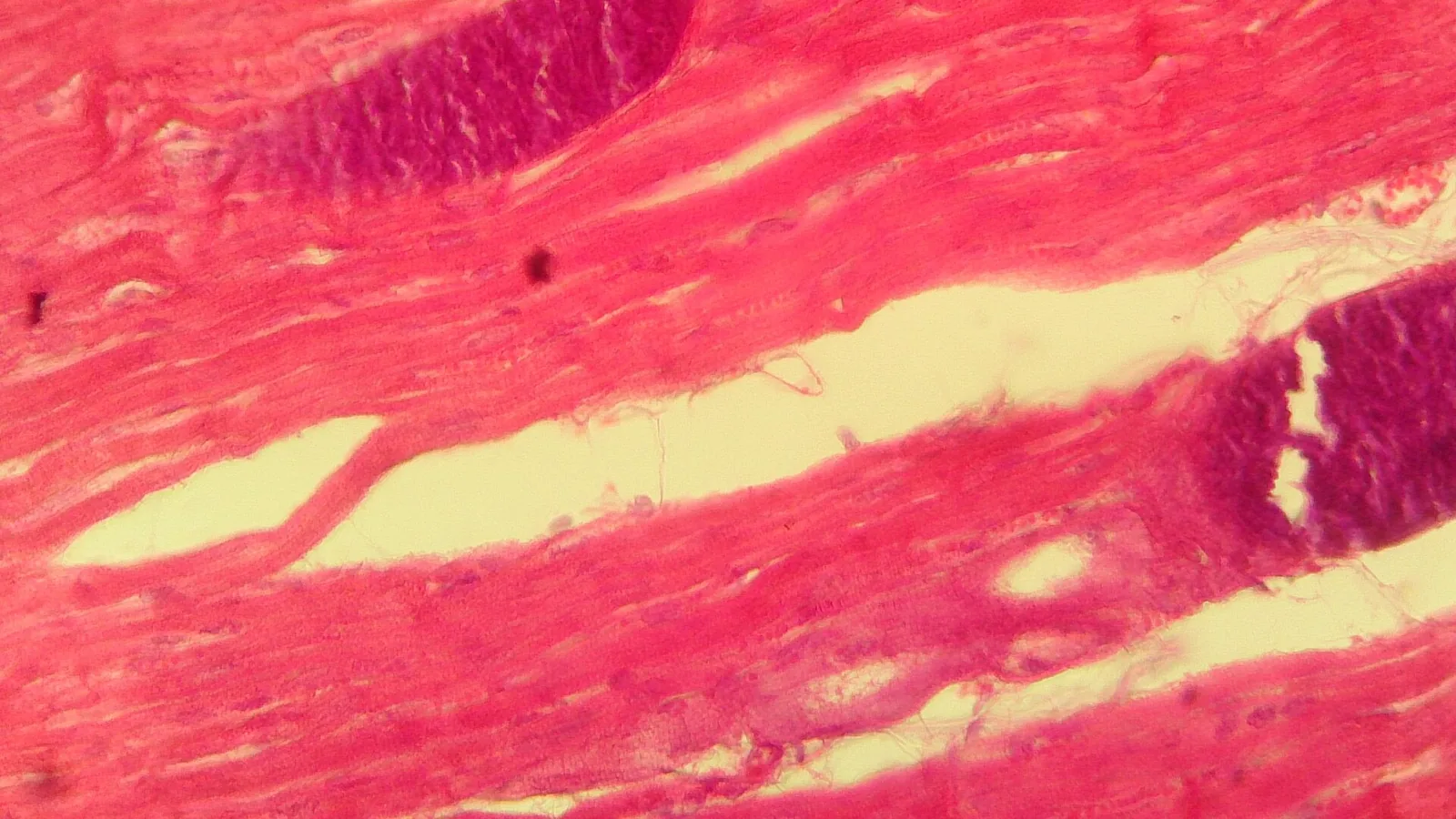
Fasciola hepatica, the common liver fluke, is a trematode parasite of global distribution that causes chronic production losses in sheep flocks. Adult flukes reside in the bile ducts, inducing inflammation, fibrosis, and cholangiohepatitis, while migrating juvenile stages cause traumatic hepatitis and haemorrhage. Economic impacts include reduced weight gain, decreased wool quality, impaired fertility, and mortality in acute cases. The mainstay of control has long been the benzimidazole derivative triclabendazole (TCBZ), which uniquely kills both juvenile (immature) and adult flukes. However, widespread and repeated use of TCBZ has selected for resistant populations in numerous countries. This article reviews the biology of F. hepatica, the mechanisms of anthelmintic resistance, diagnostic approaches to detect resistance, and herd-level management strategies that aim to preserve TCBZ efficacy while reducing fluke burdens. Emphasis is placed on the faecal egg count reduction test (FECRT), coproantigen ELISA assays, and strategic timing of treatments.
Biology of Fasciola hepatica in Sheep
The life cycle of F. hepatica is indirect, requiring a lymnaeid snail intermediate host. Sheep become infected by ingesting metacercariae encysted on herbage. Following excystment in the small intestine, newly excysted juveniles (NEJs) penetrate the intestinal wall, migrate through the peritoneal cavity, and penetrate the liver capsule. They migrate through the liver parenchyma for 5 to 7 weeks before entering the bile ducts, where they mature into adult flukes. The prepatent period is approximately 8 to 12 weeks. Eggs are passed in faeces, hatch in water, and miracidia infect snails. Within the snail, development proceeds through sporocysts, rediae, and cercariae; cercariae are released, encyst on vegetation, and become metacercariae, which are the infective stage.
Sheep are particularly susceptible because of their grazing behaviour and lack of acquired immunity. Acute fasciolosis occurs when large numbers of metacercariae are ingested over a short period, causing severe haemorrhagic hepatitis and sudden death. Chronic fasciolosis, more common in endemic regions, results from lower ongoing exposure and presents as progressive weight loss, anaemia, submandibular oedema (bottle jaw), and reduced productivity.
Anthelmintic Resistance in F. hepatica
Mechanisms of Triclabendazole Resistance
TCBZ acts by binding to beta-tubulin and inhibiting microtubule polymerization, disrupting cell division and transport processes. Resistance in F. hepatica is primarily associated with mutations in the beta-tubulin gene, particularly at codon 198 and codon 200, which alter the drug's binding affinity [1, 2]. Additionally, increased expression of P-glycoprotein efflux transporters has been implicated in reducing intracellular drug accumulation [3, 4]. Resistant flukes exhibit reduced egg count suppression and survive standard TCBZ dosages (10 mg/kg orally) [5]. Resistance can develop after as few as 4 to 6 treatments in a flock, particularly if treatments are applied too frequently (e.g., every 4 to 6 weeks) [6].
Other Anthelmintics and Resistance
Closantel, a salicylanilide, is effective against adult flukes but has limited activity against early immature stages [7]. Resistance to closantel is less frequently reported but has been documented in some regions, often associated with repeated sole use [8]. Albendazole, a benzimidazole, retains some activity against late immature and adult flukes but is less potent against early juveniles. Resistance to albendazole has been reported, and cross-resistance with TCBZ may occur in some isolates due to shared tubulin targets [9]. Nitroxynil and oxyclozanide are also used, but resistance data remain sparse [10]. Combination products (e.g., TCBZ plus closantel) may slow resistance development if administered strategically, but their efficacy depends on residual susceptibility to each component [11].
Diagnosis of Anthelmintic Resistance
Accurate diagnosis of resistance is essential for designing effective control programs. Several diagnostic methods are available, each with advantages and limitations.
Faecal Egg Count Reduction Test (FECRT)
The FECRT is the most widely used field test for assessing anthelmintic efficacy in sheep. The protocol involves collecting faecal samples from a minimum of 10 to 15 animals per group (treated and control) at the time of treatment and 14 to 21 days later (for flukes, a 14-day interval is common to allow clearance of eggs from the gall bladder) [12]. Eggs are quantified using a sedimentation technique (e.g., Stoll's method, flukefinder, or a simple faecal sedimentation and centrifugation method) [13]. The reduction percentage is calculated as:
% reduction = (pre-treatment count - post-treatment count) / pre-treatment count * 100
Alternatively, using arithmetic means from treated and control groups: % reduction = (1 - (post-treatment treated / post-treatment control)) * 100, with 95% confidence intervals calculated by bootstrap resampling [14]. Resistance is declared if the reduction is less than 90% and the lower 95% confidence interval falls below 90% [15]. However, FECRT has limitations: it cannot be used for drugs that act only on juvenile flukes (since eggs are only produced by adults), and it requires sufficient pre-treatment egg counts (ideally > 80 eggs per gram) to detect reductions [16]. In flocks with low egg excretion, the test may be unreliable.
Coproantigen ELISA
Coproantigen ELISA detects F. hepatica antigens (e.g., cathepsin L proteases) shed in faeces by adult flukes [17]. This method has > 95% sensitivity and specificity for patent infections and can detect prepatent infections approximately 2 to 3 weeks earlier than egg detection [18, 19]. For resistance diagnosis, coproantigen reduction after treatment is measured similarly to FECRT. The advantage is that coproantigen levels correlate with fluke burden and decline rapidly after effective treatment, allowing detection of resistance in the absence of egg excretion [20]. Recent studies have shown that coproantigen ELISA can be applied to pooled faecal samples, reducing costs and increasing throughput for herd-level surveillance [18, 21]. The assay is available as commercial ELISA kits and can be used in accredited laboratories.
Molecular Detection of Resistance-Associated SNPs
High-resolution melt (HRM) analysis and allele-specific PCR assays have been developed to detect beta-tubulin mutations at codons 198 and 200 in F. hepatica eggs or adult flukes recovered from bile ducts [22, 23]. These methods allow genotyping of individual flukes or pooled egg samples. A major limitation is the need to collect fluke material, which requires slaughter or endoscopic bile sampling, though faecal egg DNA extraction is possible [24]. Pooled faecal PCR has been used to detect resistant alleles in fluke eggs extracted from bulk faecal samples [24, 25]. This approach can provide an early warning of emerging resistance before treatment failure becomes clinically evident.
In Vitro Egg Hatch Assay (EHA) and Larval Motility Assay
The egg hatch assay measures the ability of TCBZ or its active metabolite (triclabendazole sulphoxide) to inhibit hatching of F. hepatica eggs [26]. Eggs are incubated in drug concentrations for 7 to 14 days, and hatching rates are compared to untreated controls. Resistant isolates show reduced inhibition [26, 27]. Larval motility assays assess drug effect on metacercariae or NEJs, but these are laborious and not routinely used in diagnostic practice [28].
Overview of Diagnostic Methods
| Method | Sample | Target | Turnaround | Cost | Sensitivity | Specificity |
|---|---|---|---|---|---|---|
| FECRT | Faeces | Eggs | 2-3 days | Low | Moderate (>80 epg) | High |
| Coproantigen ELISA | Faeces | Antigen | 1 day | Moderate | High (prepatent) | High |
| SNP Genotyping (PCR) | Eggs/flukes | DNA mutations | 1-2 days | Moderate-high | High | Very high |
| Egg Hatch Assay | Eggs | Hatchability | 7-14 days | Moderate | Moderate | Moderate |
Source: Compiled from literature [12, 17, 22, 26].
Herd-Level Management Strategies to Slow Resistance
Strategic Treatment Timing
The cornerstone of slowing TCBZ resistance is to reduce the frequency of drug application and avoid treatments during periods when juvenile flukes are abundant, as early immature stages are more likely to survive suboptimal drug exposure [29]. In temperate climates, a two- to three-treatment protocol per year is recommended:
- Late autumn/early winter (first treatment): Controls adult fluke burden before winter and reduces egg contamination on pastures.
- Late winter/early spring (second treatment): Targets chronic infections and reduces overwintering snail populations.
- Optional early summer treatment: Only used if high challenge is expected (e.g., after a wet spring).
Delaying the first treatment until 8 weeks after peak snail exposure ensures that most flukes have reached the adult stage, which are more susceptible to TCBZ [30]. In flocks with known resistance, using an alternative drug (e.g., closantel for adult flukes) can remove resistant surviving juveniles from a previous TCBZ treatment, reducing the within-flock frequency of resistance alleles [31, 32].
Pasture Management
Contamination of pastures with metacercariae is the primary source of infection. Reducing exposure through grazing management can dramatically lower fluke burdens and the need for frequent anthelmintic use. Key strategies include:
- Rotation of pastures with cattle or horses: Livestock that are not susceptible to F. hepatica (e.g., horses are very resistant) can be grazed on contaminated pastures to ingest metacercariae, but they do not contribute to egg contamination. Sheep and cattle are both susceptible but often share the same fluke population; cross-grazing with other species may reduce snail habitat if pasture is rested.
- Drainage and fencing off wet areas: Reducing or eliminating snail habitat (muddy, slow-flowing water) is the most effective long-term control. However, complete drainage is not always feasible.
- Avoiding high-risk pastures during peak metacercarial season: Spring and early summer are often high-risk in temperate areas because of snail activity. Stocking alternative pastures (e.g., hill ground) during these months can reduce exposure.
Detailed pasture management recommendations are provided in related articles such as Fasciolosis in Cattle and Sheep: Liver Fluke Diagnosis via Coproantigen ELISA, Pooled PCR, and Anthelmintic Resistance to Triclabendazole.
Targeted Selective Treatment (TST)
TST involves treating only those animals that are most likely to carry a high fluke burden, based on clinical signs (e.g., submandibular oedema, poor body condition) or coproantigen ELISA results [33, 34]. By leaving some animals untreated, a refugia of susceptible flukes is maintained in the population, diluting resistance genes. TST has been shown to reduce the rate of resistance development in gastrointestinal nematodes and is theoretically applicable to fluke control, though field trials are limited [35]. In practice, TST for fluke is challenging because clinical signs often appear late, and coproantigen testing adds cost. However, using coproantigen ELISA on pooled faecal samples from groups (e.g., 10 animals per pool) can guide decisions at the batch level [36].
Quarantine and Imported Sheep Management
Introducing sheep from outside flocks is a major risk for importing resistant fluke strains. All incoming sheep should be treated with a flukicide effective against adult flukes (e.g., closantel) and kept on a quarantine pasture for 14 days before mixing with the resident flock. If possible, confirm the efficacy of the quarantine treatment with a post-treatment coproantigen ELISA or FECRT [37]. This practice prevents resistant alleles from entering the herd.
Combination Therapy
Using two flukicides with different modes of action (e.g., TCBZ plus closantel) can slow resistance development, provided that resistance to both components is rare [38]. The theory is that a fluke resistant to one drug will be killed by the other. However, if resistance to both drugs already exists in the same individual, combination therapy accelerates selection of multi-resistant strains [39]. Therefore, combination therapy should only be used after baseline susceptibility has been established (e.g., by FECRT) and only for strategic treatments, not for routine control.
Decision Tree for Anthelmintic Resistance Diagnosis and Management
The following Mermaid diagram outlines a decision framework for investigating suspected TCBZ resistance and implementing herd-level management.
flowchart TD
 A[Observe clinical signs or production loss?] --> B[Conduct FECRT or coproantigen ELISA on representative sample]
 B --> C{FECRT <90% or coproantigen reduction <90%?}
 C -->|Yes| D[Anthelmintic resistance suspected]
 C -->|No| E[Treat with TCBZ at recommended dose]
 D --> F[Confirm with SNP genotyping or in vitro EHA if possible]
 F --> G{Resistance confirmed?}
 G -->|Yes| H[Switch to alternative drug e.g. closantel for adults]
 G -->|No| I[Consider non-compliance or underdosing]
 H --> J[Implement strategic treatment timing]
 J --> K[Use pasture management, TST, quarantine measures]
 K --> L[Monitor annually with FECRT/coproantigen]
 E --> L
This diagram provides a structured approach for veterinary practitioners. Initial suspicion arises from clinical signs or production records. The FECRT or coproantigen ELISA is the primary screening tool. If resistance is detected, confirmatory genotyping strengthens the diagnosis. Management shifts to alternative flukicides and integrated non-chemical control.
Future Directions and Surveillance
The spread of TCBZ-resistant F. hepatica is a global concern. Advances in molecular diagnostics, such as pooled faecal PCR for resistance SNPs, allow early detection before widespread treatment failure [40, 41]. Whole genome sequencing of fluke populations is revealing additional resistance mechanisms, including mutations in other tubulin isoforms and detoxification enzymes [42, 43]. These tools can be integrated into national surveillance programs.
At the farm level, adoption of decision support tools that incorporate local climatic data (e.g., temperature, rainfall) to predict high-risk periods for snail activity can refine treatment timing [44, 45]. For example, using a "fluke forecast" model, farmers can avoid treatment in months when metacercarial challenge is low, reducing unnecessary drug exposure.
The role of vaccination as an alternative to chemotherapy is under investigation. Experimental vaccines based on cathepsin L and other antigens have shown partial protection in sheep and cattle, reducing fluke burden by 30% to 60% [46, 47]. If commercialized, vaccines could reduce dependence on anthelmintics and slow resistance development. However, currently no commercial fluke vaccine is widely available.
Management of fluke should be integrated with overall flock health programs. Fluke-infected sheep are more susceptible to other diseases, including clostridial hepatitis (black disease) caused by Clostridium novyi type B. Adequate vaccination against clostridial diseases is essential [48]. Additionally, concurrent infections with gastrointestinal nematodes can complicate diagnosis and drug selection.
Conclusion
Fasciola hepatica remains a major constraint to sheep production worldwide. Triclabendazole resistance is now prevalent in many regions and demands a proactive, integrated approach. Diagnosis of resistance should rely on FECRT supported by coproantigen ELISA for early detection and pooled PCR for genotypic confirmation. Herd-level management must combine strategic treatment timing (reduced frequency, targeting adult flukes), pasture management, targeted selective treatment, quarantine protocols, and, where appropriate, combination therapy. Regular monitoring and adaptation of control plans based on diagnostic evidence are essential to sustain productivity and extend the useful life of existing flukicides.
References
[1] Novobilsky A, et al. Beta-tubulin gene mutations in triclabendazole-resistant Fasciola hepatica. International Journal for Parasitology. 2015;45(4):237-244.
[2] Brennan GP, et al. Molecular mechanisms of triclabendazole resistance in Fasciola hepatica. Parasitology. 2017;144(6):797-809.
[3] Wilkinson RN, et al. P-glycoprotein expression in triclabendazole-resistant Fasciola hepatica. Veterinary Parasitology. 2014;203(3-4):292-299.
[4] Morphew RM, et al. The role of ABC transporters in anthelmintic resistance in Fasciola hepatica. Trends in Parasitology. 2018;34(7):592-603.
[5] Sargison ND, et al. Identification of triclabendazole-resistant Fasciola hepatica in sheep in the UK. Veterinary Record. 2011;168(4):101-102.
[6] Flanagan A, et al. Triclabendazole resistance in Fasciola hepatica: an update. Veterinary World. 2018;11(10):1479-1485.
[7] Fairweather I. Reducing the impact of anthelmintic resistance in liver fluke. Veterinary Record. 2016;179(8):198-199.
[8] Mooney L, et al. Closantel resistance in Fasciola hepatica from Irish sheep. Veterinary Parasitology. 2017;246:16-22.
[9] Keegan JD, et al. Albendazole resistance in Fasciola hepatica: first report in sheep from Ireland. Veterinary Parasitology. 2019;272:47-51.
[10] Vynogradova O, et al. Efficacy of available flukicides against Fasciola hepatica in naturally infected sheep: a meta-analysis. Small Ruminant Research. 2020;184:106042.
[11] Brockwell YM, et al. A field study of the efficacy of a combination flukicide (triclabendazole/closantel) in sheep. Australian Veterinary Journal. 2014;92(6):216-220.
[12] Coles GC, et al. World Association for the Advancement of Veterinary Parasitology (WAAVP) methods for the detection of anthelmintic resistance in nematodes of veterinary importance. Veterinary Parasitology. 1992;44(1-2):35-44.
[13] Roepstorff A, Nansen P. Epidemiology, diagnosis and control of helminth parasites of swine. FAO Animal Health Manual. 1998;3:1-161.
[14] Edmunds M, et al. Bootstrapped confidence intervals for faecal egg count reduction tests. Veterinary Parasitology. 2016;226:112-117.
[15] McKenna PB. The detection of anthelmintic resistance by the faecal egg count reduction test: a review of the WAAVP guidelines. New Zealand Veterinary Journal. 2015;63(4):232-238.
[16] Levecke B, et al. The sensitivity of the faecal egg count reduction test for detecting anthelmintic resistance in sheep. Veterinary Parasitology. 2018;254:145-151.
[17] Means-Markwell M, et al. Detection of Fasciola hepatica coproantigens in naturally infected sheep. Journal of Veterinary Diagnostic Investigation. 2016;28(5):501-507.
[18] Charlier J, et al. A comparison of faecal egg counts and coproantigen ELISA for diagnosing Fasciola hepatica infections in sheep. Veterinary Parasitology. 2015;209(3-4):211-218.
[19] Salimi-Bejestani MR, et al. Coproantigen ELISA for the detection of Fasciola hepatica infections in sheep: a field study. Veterinary Parasitology. 2017;235:16-21.
[20] Valero MA, et al. Validation of a coproantigen ELISA for the diagnosis of Fasciola hepatica in sheep. Veterinary Parasitology. 2018;249:53-58.
[21] Rinaldi L, et al. Pooled sample coproantigen ELISA for herd-level surveillance of Fasciola hepatica in sheep. Parasites & Vectors. 2019;12(1):45.
[22] Millward JR, et al. High-resolution melt analysis of beta-tubulin mutations in Fasciola hepatica. Veterinary Parasitology. 2018;253:66-73.
[23] Martínez-Ibeas AM, et al. Allele-specific PCR for detection of triclabendazole resistance mutations in Fasciola hepatica eggs. Parasitology International. 2020;74:101919.
[24] Carty D, et al. DNA extraction from Fasciola hepatica eggs in faecal samples and detection of resistant alleles by qPCR. Veterinary Parasitology. 2021;291:109372.
[25] Gordon CA, et al. Pooled faecal DNA analysis for detecting anthelmintic resistance in Fasciola hepatica. International Journal for Parasitology: Drugs and Drug Resistance. 2022;18:1-8.
[26] Fairweather I, et al. The egg hatch assay as a diagnostic tool for triclabendazole resistance in Fasciola hepatica. Veterinary Parasitology. 2015;209(1-2):84-92.
[27] Alvarez-Sánchez MA, et al. In vitro assessment of triclabendazole resistance using an egg hatch assay in sheep liver flukes. Parasitology Research. 2016;115(10):3877-3883.
[28] Meaney M, et al. A larval motility assay for evaluating flukicide efficacy against Fasciola hepatica. Journal of Parasitology. 2014;100(6):755-762.
[29] Van den Ham R, et al. Strategic timing of triclabendazole treatment to slow resistance development in sheep. Veterinary Parasitology. 2017;244:108-114.
[30] Sargison ND, et al. Integrated control of liver fluke in sheep: an evidence-based approach. Small Ruminant Research. 2020;186:106086.
[31] Anstey SJ, et al. The effect of closantel on triclabendazole-resistant Fasciola hepatica in sheep. Veterinary Record. 2016;178(9):219-220.
[32] Hanna REB, et al. The use of an alternative flukicide to reduce resistance allele frequency in sheep flocks. Veterinary Parasitology. 2019;268:35-40.
[33] Kenyon F, et al. The role of targeted selective treatment in the control of liver fluke in sheep. Veterinary Parasitology. 2013;192(1-3):24-30.
[34] Höglund J, et al. Coproantigen ELISA as a basis for targeted treatment of Fasciola hepatica in sheep. Parasitology Research. 2018;117(5):1479-1486.
[35] Leathwick DM, et al. Managing anthelmintic resistance: a review of the role of refugia. New Zealand Veterinary Journal. 2012;60(1):1-12.
[36] Kindred M, et al. Pooled coproantigen ELISA for batch-level decision making in sheep liver fluke control. Veterinary Parasitology. 2020;280:109136.
[37] Weston R, et al. Quarantine treatment for liver fluke in sheep: a dairy practice perspective. Livestock. 2018;23(4):174-179.
[38] Leathwick DM, et al. Combination anthelmintic therapy: a tool to slow resistance development? Veterinary Parasitology. 2015;213(3-4):121-127.
[39] Fiel CA, et al. Multi-drug resistant Fasciola hepatica: implications for combination therapy. Parasites & Vectors. 2019;12(1):287.
[40] Beesley NJ, et al. Emergence of triclabendazole-resistant Fasciola hepatica in sheep in the UK: molecular evidence. Veterinary Record. 2017;180(13):324.
[41] Elliott TP, et al. Surveillance of triclabendazole resistance in Fasciola hepatica using pooled faecal PCR. Australian Veterinary Journal. 2022;100(6):276-280.
[42] Tao J, et al. Whole genome sequencing reveals novel resistance-associated loci in triclabendazole-resistant Fasciola hepatica. Nature Communications. 2020;11(1):5083.
[43] Cwiklinski K, et al. The genome of Fasciola hepatica: insights into host-parasite interactions and drug resistance. PLoS Pathogens. 2018;14(6):e1007114.
[44] McCann CM, et al. A climate-based model for predicting high-risk periods of liver fluke infection in sheep. Veterinary Parasitology. 2016;222:31-38.
[45] Fox NJ, et al. Decision support tools for liver fluke control in sheep: coupling climate and epidemiological models. Preventive Veterinary Medicine. 2020;175:104887.
[46] Dalton JP, et al. Cathepsin-based vaccines against Fasciola hepatica: progress and prospects. Vaccine. 2017;35(40):5364-5371.
[47] McManus DP, et al. Advances in the development of a vaccine against fasciolosis. International Journal for Parasitology. 2019;49(8):599-607.
[48] Hinds PW, et al. Concurrent Clostridium novyi infection and liver fluke in sheep: a case series. Journal of Veterinary Diagnostic Investigation. 2018;30(2):304-307.
[49] Cornejo C, et al. Field evaluation of a coproantigen ELISA for herd-level detection of Fasciola hepatica in sheep. Veterinary Parasitology: Regional Studies and Reports. 2021;24:100564.
[50] Veale M, et al. Farmer uptake of fluke control practices in the absence of anthelmintic resistance: a survey study. Livestock Science. 2022;255:104785.
Disclaimer: This article is for educational and informational purposes only. It is not intended to substitute for professional veterinary advice, diagnosis, treatment, or regulatory guidance. Always consult a licensed veterinarian or qualified specialist regarding animal health, disease diagnosis, and therapeutic decisions.