
Parasitic Infections in Chickens: A Clinical Guide to Diagnosis and Treatment
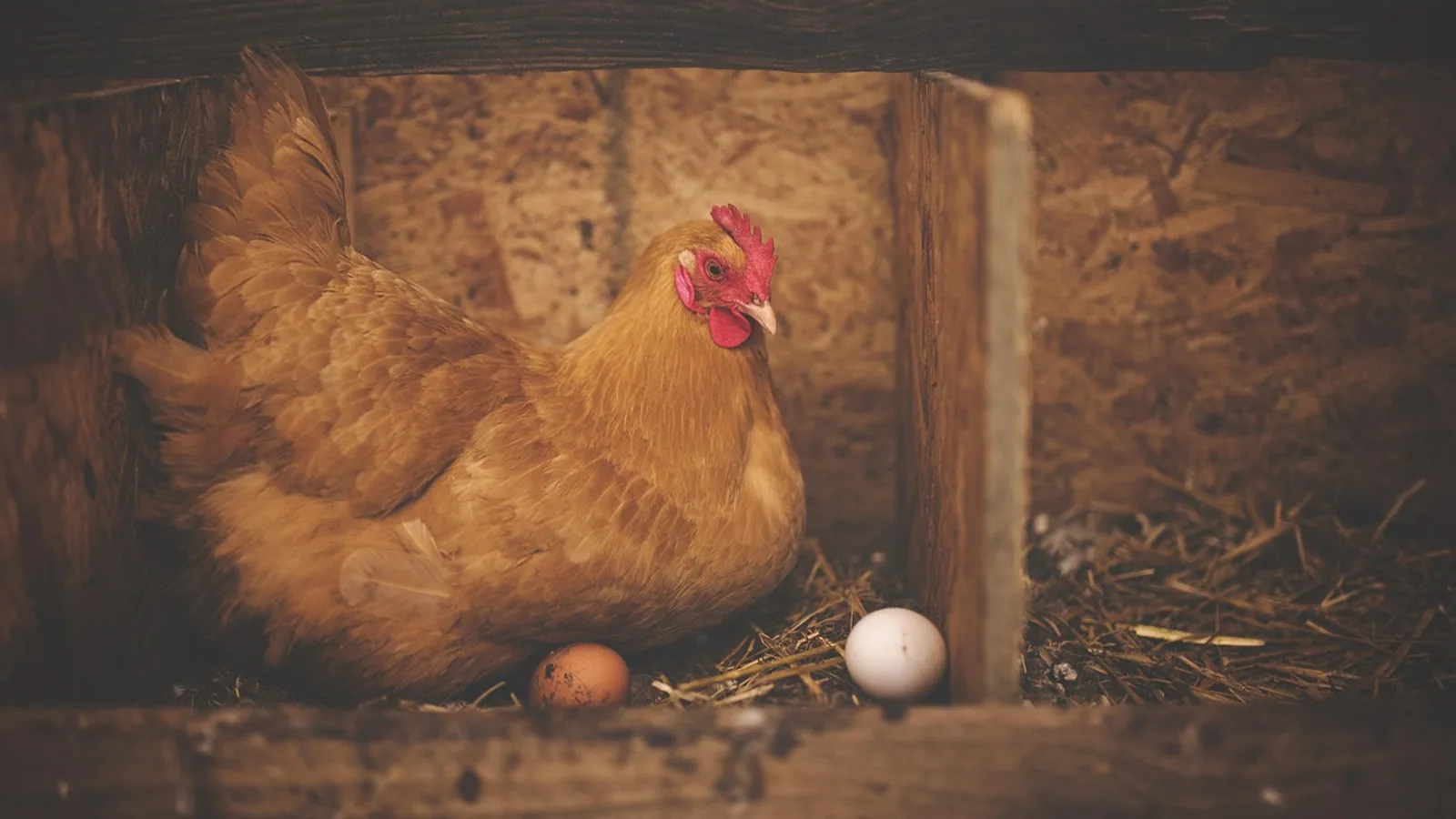
Parasitic infections in domestic chickens (Gallus gallus domesticus) represent a significant burden on global poultry production, causing substantial economic losses through reduced growth rates, decreased egg production, increased mortality, and heightened susceptibility to secondary bacterial and viral pathogens [1]. The clinical management of these infections requires a thorough understanding of parasite biology, host-pathogen interactions, and the diagnostic modalities available to the veterinary practitioner. This article provides a detailed clinical reference for the diagnosis and treatment of major parasitic infections in chickens, with an emphasis on molecular diagnostic platforms and evidence-based therapeutic strategies.
Classification of Major Parasitic Pathogens in Chickens
Parasitic infections in chickens can be broadly categorized into three taxonomic groups: protozoa, helminths (nematodes, cestodes, and trematodes), and arthropods (ectoparasites). Each group presents distinct clinical syndromes, diagnostic challenges, and treatment considerations.
Protozoan Infections
The most clinically significant protozoan parasites in chickens are members of the genus Eimeria, the causative agents of coccidiosis [1]. Coccidiosis is an enteric disease characterized by diarrhea, dehydration, weight loss, and in severe cases, hemorrhagic enteritis and death [1]. Seven species of Eimeria are recognized as pathogenic in chickens: E. acervulina, E. brunetti, E. maxima, E. mitis, E. necatrix, E. praecox, and E. tenella [1]. Each species exhibits a predilection for specific regions of the intestinal tract, which influences the clinical presentation and lesion distribution observed at necropsy [1].
Other protozoan parasites include Histomonas meleagridis, the etiologic agent of histomoniasis (blackhead disease), which primarily affects turkeys but can cause disease in chickens, particularly in free-range or backyard flocks. Leucocytozoon spp., transmitted by black flies (Simuliidae), cause leucocytozoonosis, a blood-borne protozoan infection that can result in anemia, lethargy, and mortality in young birds. Trichomonas gallinae and Tetratrichomonas gallinarum are flagellated protozoa that can infect the upper digestive tract and ceca, respectively, though their clinical significance in chickens is less pronounced than in pigeons and turkeys.
Helminth Infections
Helminth parasites of chickens include nematodes (roundworms), cestodes (tapeworms), and trematodes (flukes). Among nematodes, Ascaridia galli is the most prevalent large roundworm, inhabiting the small intestine and causing reduced nutrient absorption, weight loss, and intestinal obstruction in heavy burdens [2]. Heterakis gallinarum, the cecal worm, is of particular importance as it is a vector for Histomonas meleagridis [2]. Capillaria spp. (hairworms) infect the crop, esophagus, and intestine, leading to chronic inflammation and mucosal damage [2]. Syngamus trachea (gapeworm) resides in the trachea and causes respiratory distress, coughing, and gasping [2].
Cestode infections are common in chickens raised on pasture or in free-range systems where intermediate hosts (e.g., beetles, ants, snails, earthworms) are accessible. Important cestode genera include Raillietina, Davainea, Amoebotaenia, and Choanotaenia [2]. Raillietina spp. are among the most prevalent cestodes in chickens, with R. cesticillus, R. tetragona, and R. echinobothrida being the most frequently reported species [2]. These tapeworms attach to the intestinal mucosa via their scolex and can cause enteritis, diarrhea, and impaired growth [2].
Trematode infections in chickens are less common but can be significant in regions with suitable intermediate hosts (snails). Members of the family Echinostomatidae, including Echinostoma spp., are intestinal flukes that can cause catarrhal enteritis and weight loss [2].
Arthropod Infections
Ectoparasites of chickens include mites, lice, fleas, and ticks. The poultry red mite (Dermanyssus gallinae) and the northern fowl mite (Ornithonyssus sylviarum) are hematophagous mites that cause anemia, irritation, reduced egg production, and can serve as vectors for viral and bacterial pathogens. Scaly leg mites (Knemidocoptes mutans) and depluming mites (Knemidocoptes gallinae) burrow into the skin of the legs and feather follicles, respectively, causing hyperkeratosis, crusting, and feather loss. Lice (Mallophaga) are chewing lice that feed on feather debris and skin scales, causing irritation and feather damage. The fowl tick (Argas persicus) is a soft tick that feeds on blood and can transmit Borrelia anserina, the agent of avian spirochetosis.
Clinical Presentation and Diagnostic Approaches
The clinical signs of parasitic infections in chickens are often nonspecific and can overlap with those of bacterial, viral, and nutritional disorders. A systematic diagnostic approach is essential for accurate identification and targeted treatment.
History and Flock-Level Observations
A thorough history should include information on flock size, age, housing system (confinement vs. free-range), biosecurity practices, feeding program, recent introductions, and previous disease episodes. Flock-level observations such as reduced feed consumption, decreased egg production, poor growth uniformity, increased mortality, and changes in fecal consistency are critical initial indicators [1].
Physical Examination and Necropsy
Individual bird examination should assess body condition, comb and wattle pallor (suggestive of anemia), feather condition, skin lesions, and the presence of external parasites. Fecal examination for parasite eggs, oocysts, and cysts is a cornerstone of antemortem diagnosis. Standard techniques include direct fecal smears, fecal flotation (using saturated salt or sugar solutions), and sedimentation methods [2].
Necropsy is invaluable for visualizing gross lesions and recovering adult parasites. In coccidiosis, the location and appearance of intestinal lesions can aid in species identification. E. tenella causes hemorrhagic cecal cores, E. necatrix produces white plaques and hemorrhagic spots in the mid-intestine, and E. acervulina causes white, transverse striations in the duodenum [1]. Adult Ascaridia galli are readily visible in the small intestine, while Heterakis gallinarum is found in the ceca [2]. Cestodes are identified by their segmented, ribbon-like appearance and the presence of a scolex attached to the intestinal mucosa [2].
Molecular Diagnostic Platforms
Recent advances in molecular diagnostics have revolutionized the detection and differentiation of parasitic infections in chickens. These platforms offer superior sensitivity, specificity, and the ability to detect mixed infections and subclinical burdens.
Multiplex RAA-CRISPR/Cas12a Platform
A field-deployable multiplex recombinase-aided amplification (RAA) combined with CRISPR/Cas12a technology has been developed for the simultaneous detection of seven Eimeria species in chickens [1]. This platform leverages the isothermal amplification of target DNA sequences by RAA, followed by CRISPR/Cas12a-mediated cleavage of a fluorescent reporter probe, generating a detectable signal [1]. The assay can distinguish all seven pathogenic Eimeria species in a single reaction, providing rapid, sensitive, and specific results without the need for thermal cycling equipment [1]. This technology is particularly suited for field-based surveillance and point-of-care diagnostics in resource-limited settings [1].
Duplex LAMP-Lateral Flow Dipstick Assay
A duplex loop-mediated isothermal amplification (LAMP) assay coupled with a lateral flow dipstick (LFD) has been developed for the simultaneous detection and discrimination of cestodes (genus Raillietina) and trematodes (family Echinostomatidae) in chickens [2]. This assay targets species-specific DNA sequences and uses labeled primers that allow for visual detection on a dipstick format [2]. The LAMP-LFD assay demonstrates high analytical sensitivity, detecting as few as 10 copies of target DNA, and can be completed in under one hour [2]. This platform is particularly useful for differentiating between cestode and trematode infections, which can present with similar clinical signs but require different treatment approaches [2].
Conventional and Quantitative PCR
Conventional PCR and quantitative real-time PCR (qPCR) remain gold-standard molecular methods for parasite detection and quantification. PCR-based assays targeting ribosomal DNA (rDNA) internal transcribed spacer (ITS) regions, mitochondrial cytochrome c oxidase subunit I (COI) genes, and other conserved loci are widely used for species identification and phylogenetic analysis. qPCR allows for the quantification of parasite burden, which can be correlated with clinical severity and treatment efficacy.
Serological and Immunological Assays
Serological assays, including enzyme-linked immunosorbent assays (ELISAs), are available for detecting antibodies against certain parasites, such as Eimeria spp. and Histomonas meleagridis. However, serology is more commonly used for flock-level surveillance and research purposes than for individual bird diagnosis, as antibody levels may not correlate directly with current infection status.
Treatment Strategies
Treatment of parasitic infections in chickens must be guided by accurate diagnosis, consideration of the parasite life cycle, and adherence to withdrawal periods for meat and eggs. Anthelmintic and anticoccidial resistance is an emerging concern, necessitating judicious use of chemotherapeutic agents and integration of non-chemical control measures.
Anticoccidial Agents
Coccidiosis is managed through the use of anticoccidial drugs, which are classified as either coccidiostats (inhibiting parasite growth) or coccidiocides (killing the parasite). Commonly used anticoccidials include ionophore antibiotics (e.g., monensin, salinomycin, lasalocid) and synthetic compounds (e.g., toltrazuril, diclazuril, amprolium). Ionophores disrupt ion gradients across the parasite cell membrane, while synthetic compounds interfere with various metabolic pathways. Rotation of anticoccidial classes and the use of live or attenuated vaccines are recommended to mitigate the development of resistance [1].
Anthelmintic Agents
Anthelmintic drugs used in chickens include benzimidazoles (e.g., fenbendazole, flubendazole), macrocyclic lactones (e.g., ivermectin, moxidectin), and tetrahydropyrimidines (e.g., pyrantel pamoate). The choice of anthelmintic depends on the target parasite species. Benzimidazoles are effective against a broad spectrum of nematodes and some cestodes, while macrocyclic lactones are primarily active against nematodes and ectoparasites. Praziquantel is the drug of choice for cestode and trematode infections [2]. Accurate diagnosis is critical, as treatment for nematodes may be ineffective against cestodes and vice versa [2].
Ectoparasiticide Agents
Ectoparasite control relies on the application of acaricides and insecticides, including pyrethroids (e.g., permethrin, cypermethrin), organophosphates (e.g., malathion), and macrocyclic lactones (e.g., ivermectin). Treatment must be applied to the birds and the environment, as many ectoparasites (e.g., Dermanyssus gallinae) spend a significant portion of their life cycle off the host. Integrated pest management strategies, including housing sanitation, exclusion, and biological control, are essential for long-term control.
Diagnostic and Treatment Decision Workflow
The following Mermaid diagram illustrates a clinical decision workflow for the diagnosis and treatment of parasitic infections in chickens.
flowchart TD
 A[Flock History and Clinical Signs] --> B{Physical Examination and Fecal Analysis}
 B --> C[Fecal Flotation and Direct Smear]
 C --> D{Parasite Elements Detected?}
 D -- No --> E[Consider Non-Parasitic Causes]
 D -- Yes --> F{Identify Parasite Type}
 F -- Protozoa --> G[Eimeria spp. Oocysts]
 G --> H[Multiplex RAA-CRISPR/Cas12a Assay]
 H --> I[Species Identification]
 I --> J[Select Anticoccidial Agent]
 F -- Nematodes --> K[Ascaridia, Heterakis, Capillaria Eggs]
 K --> L[Quantitative PCR or Microscopy]
 L --> M[Select Benzimidazole or Macrocyclic Lactone]
 F -- Cestodes --> N[Raillietina, Davainea Proglottids]
 N --> O[Duplex LAMP-LFD Assay]
 O --> P[Confirm Cestode vs. Trematode]
 P --> Q[Select Praziquantel]
 F -- Trematodes --> R[Echinostomatidae Eggs]
 R --> O
 O --> S[Select Praziquantel]
 F -- Ectoparasites --> T[Mites, Lice, Ticks]
 T --> U[Visual Inspection and Microscopy]
 U --> V[Select Acaricide/Insecticide]
 J --> W[Monitor Treatment Response]
 M --> W
 Q --> W
 S --> W
 V --> W
 W --> X{Clinical Improvement?}
 X -- Yes --> Y[Continue Monitoring and Prevention]
 X -- No --> Z[Re-evaluate Diagnosis and Consider Resistance]
Integrated Control and Prevention
Effective control of parasitic infections in chickens requires a multifaceted approach that combines chemotherapy, biosecurity, environmental management, and vaccination where available.
Biosecurity and Management
Strict biosecurity measures, including all-in/all-out production, cleaning and disinfection of housing facilities, and control of fomites and vectors, are fundamental to preventing parasite introduction and spread. Litter management is critical for coccidiosis control, as oocysts sporulate and become infective under warm, moist conditions. Reducing litter moisture through proper ventilation and waterer management can significantly decrease oocyst survival [1].
Pasture and Range Management
For free-range and pasture-raised flocks, rotational grazing and pasture rest periods can reduce the buildup of infective larvae and oocysts. Avoiding wet, muddy areas and providing well-drained ranges can decrease exposure to helminth larvae and intermediate hosts [2].
Vaccination
Live, attenuated vaccines are available for coccidiosis and are widely used in broiler breeders and layers. These vaccines contain sporulated oocysts of multiple Eimeria species and are administered via drinking water, spray, or gel. Vaccination induces protective immunity without causing clinical disease. No commercial vaccines are currently available for helminth or ectoparasite infections in chickens.
Conclusion
Parasitic infections remain a major challenge in chicken production, requiring a comprehensive diagnostic and therapeutic approach. The advent of field-deployable molecular platforms, such as the multiplex RAA-CRISPR/Cas12a system for Eimeria species detection [1] and the duplex LAMP-LFD assay for cestode and trematode discrimination [2], has significantly enhanced the ability to rapidly and accurately diagnose these infections. These tools, combined with traditional diagnostic methods and evidence-based treatment protocols, enable veterinarians to implement targeted and effective control strategies. Continued research into parasite biology, host immunity, and resistance mechanisms will be essential for sustaining the efficacy of current and future interventions.
References
[1] Guo L, Cui K, Yang Y, et al. Field-deployable multiplex RAA-CRISPR/Cas12a platform rapidly and simultaneously detects seven Eimeria species in chickens. Poult Sci. 2026. URL: https://pubmed.ncbi.nlm.nih.gov/41762975/
[2] Panich W, Tejangkura T, Chontananarth T. Development of a duplex loop-mediated isothermal amplification together with lateral flow dipstick assay for the detection and discrimination of parasitic infections in chickens between cestodes belonging to genus Raillietina and trematodes in family Echinostomatidae. Res Vet Sci. 2025. URL: https://pubmed.ncbi.nlm.nih.gov/39799848/ *** Disclaimer: This article is for educational and informational purposes only. It is not intended to substitute for professional veterinary advice, diagnosis, treatment, or regulatory guidance. Always consult a licensed veterinarian or qualified specialist regarding animal health, disease diagnosis, and therapeutic decisions.