How Penicillin Works: Mechanism, Discovery and Resistance
By Dr. Zubair Khalid, DVM, MS, PhD ·
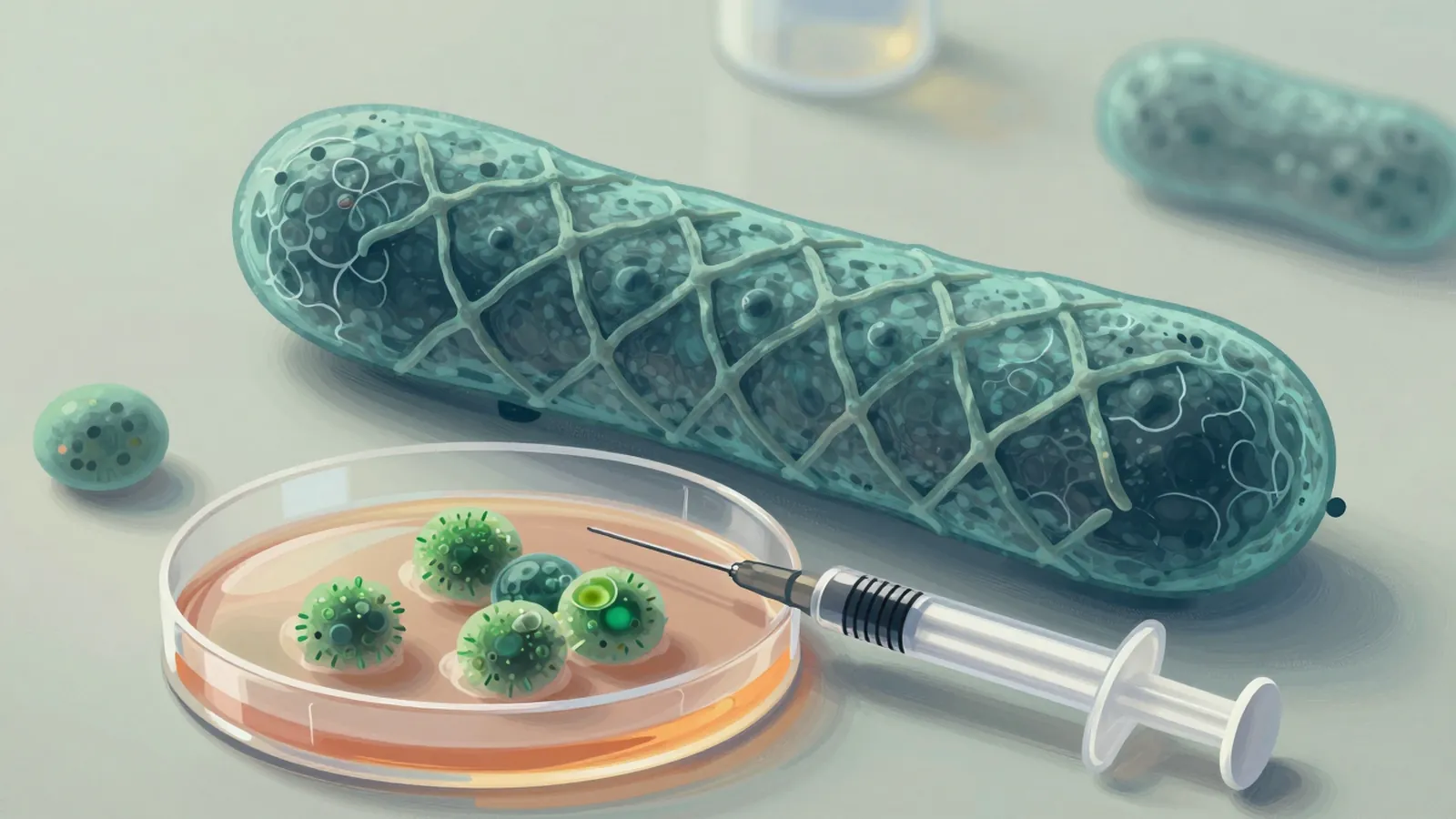
Penicillin works by blocking the cross-linking of peptidoglycan, the mesh-like polymer that gives a bacterial cell wall its strength (Penicillin - StatPearls - NCBI Bookshelf). Its target is the transpeptidase enzyme that catalyzes the final step of cell wall biosynthesis, so the bacterium keeps building wall material it cannot tie together (The mechanism of action of penicillin. ...).
The result is a weak, leaky wall. Internal pressure pushes against it, the cell ruptures, and the immune system clears what is left (Weird Science: Penicillin and the Cell Wall). Human cells have no peptidoglycan, which is why the drug hits bacteria and spares the patient's own tissues.
Key Points
- Penicillin belongs to the beta-lactam class of antibiotics; penicillin G, penicillin V, amoxicillin and ampicillin are all members of the group (Penicillin: Types, Uses & Side Effects).
- The drug inhibits transpeptidase, the enzyme that catalyzes the final cross-linking step in peptidoglycan assembly (The mechanism of action of penicillin. ...; Penicillin - StatPearls - NCBI Bookshelf).
- Blocking those cross-links leaves the wall fragile and leaky, so bacteria burst and become easier for the immune system to break down (Weird Science: Penicillin and the Cell Wall).
- Selectivity comes from composition: human cells lack peptidoglycan, and plant walls are built from cellulose while fungal walls are built from chitin, so penicillin does not act on them.
- Penicillin acts best on gram-positive bacteria, which carry the peptidoglycan layer on the outside of the cell wall; gram-negative bacteria hold peptidoglycan between membranes.
- Resistance has appeared repeatedly since penicillin entered clinical use, and beta-lactamase inhibitors are combined with some penicillins to stop bacterial enzymes from destroying the drug.
At a Glance
| Feature | Detail |
|---|---|
| Class | Beta-lactam antibiotic produced by Penicillium molds (Penicillin - StatPearls - NCBI Bookshelf) |
| Target | Transpeptidase enzymes that cross-link peptidoglycan (The mechanism of action of penicillin. ...) |
| Action | Irreversible enzyme acylation halts cell wall building |
| Result | Bacterial lysis and death, mainly in growing cells (Weird Science: Penicillin and the Cell Wall) |
| Spectrum | Strong against many gram-positive bacteria, weaker against gram-negative bacteria |
| Main resistance route | Beta-lactamase enzymes that destroy the beta-lactam ring |
Penicillin blocks the final cross-linking step in peptidoglycan construction, so susceptible bacteria lose wall strength and rupture (The mechanism of action of penicillin. ...; Weird Science: Penicillin and the Cell Wall). Human cells do not build peptidoglycan, which gives the drug a bacterial-specific target (Penicillin - StatPearls - NCBI Bookshelf; Weird Science: Penicillin and the Cell Wall).
What Penicillin Is and How It Was Found
Penicillin is a group of beta-lactam antibiotics produced by molds in the genus Penicillium (Penicillin - StatPearls - NCBI Bookshelf). Natural penicillin G and penicillin V are two members of the family, and semisynthetic penicillins are made by modifying the same core structure (Penicillin: Types, Uses & Side Effects). The penicillins are not one identical molecule. They share a reactive ring system, but side chains attached to that core change their spectrum, stability, and clinical use.
From a Contaminated Plate to a Medicine
In 1928, Alexander Fleming observed that a Penicillium mold growing on a culture plate had cleared the bacteria around it (Penicillin - StatPearls - NCBI Bookshelf). He named the antibacterial substance penicillin. The observation was the start, but it did not immediately produce a reliable drug. Howard Florey and Ernst Chain later developed purification and production methods that turned penicillin into a usable medicine.
Penicillin was first used to treat bacterial infections in 1942 (Weird Science: Penicillin and the Cell Wall). Wartime mass production then made it a standard medicine (Penicillin - StatPearls - NCBI Bookshelf). The sequence matters for understanding the drug: the mold, the antibacterial substance, the purification work, and the manufacturing scale each solved a different problem.
| Stage | Contribution |
|---|---|
| Fleming, 1928 | Noticed Penicillium mold clearing bacteria on a plate (Penicillin - StatPearls - NCBI Bookshelf) |
| Florey and Chain | Developed penicillin into a usable drug |
| Wartime production | Made penicillin a standard medicine |
| Clinical use, 1942 | First use to treat bacterial infections (Weird Science: Penicillin and the Cell Wall) |
The Beta-Lactam Core
All penicillins share a beta-lactam ring fused to a thiazolidine ring (Penicillin - StatPearls - NCBI Bookshelf). The beta-lactam ring is a four-membered cyclic amide. The fused thiazolidine ring is five-membered and contains sulfur and nitrogen. This fused ring system is the part that binds bacterial transpeptidases (The mechanism of action of penicillin. ...).
| Part | Role in the molecule |
|---|---|
| Beta-lactam ring | Four-membered cyclic amide; acylates the target enzyme (The mechanism of action of penicillin. ...) |
| Thiazolidine ring | Fused five-membered ring; part of the penicillin core (Penicillin - StatPearls - NCBI Bookshelf) |
| Side chain | Varies among penicillins; affects spectrum and stability (Penicillin: Types, Uses & Side Effects) |
The beta-lactam ring is strained and reactive. Its carbonyl carbon is the point attacked by the enzyme's active-site serine (The mechanism of action of penicillin. ...). That reactivity explains both the drug's antibacterial action and its vulnerability to beta-lactamase enzymes (Penicillin - StatPearls - NCBI Bookshelf).
The Bacterial Cell Wall That Penicillin Attacks
Bacteria surround themselves with a peptidoglycan mesh (Weird Science: Penicillin and the Cell Wall). This mesh is a polymer, not a simple shell. It gives the cell strength and prevents leakage of cytoplasm. It also resists the internal osmotic pressure that would otherwise drive water inward and burst the cell.
Peptidoglycan Building Blocks
Peptidoglycan is built from sugars and short peptides.
- Sugar backbone: alternating N-acetylglucosamine and N-acetylmuramic acid units form glycan rows (Weird Science: Penicillin and the Cell Wall).
- Peptide stems: short peptides are attached to N-acetylmuramic acid.
- Cross-links: peptide bridges join stems on neighboring glycan rows.
- Mesh: cross-linking converts separate rows into a continuous net.
The cross-links are the load-bearing joints. Without them, the glycan rows can still be made, but they cannot form a strong wall. The cell becomes fragile and leaky, and it can burst under its own osmotic pressure (Weird Science: Penicillin and the Cell Wall).
| Component | Function |
|---|---|
| N-acetylglucosamine and N-acetylmuramic acid | Form the sugar rows of the wall (Weird Science: Penicillin and the Cell Wall) |
| Peptide stems | Provide the connection points for cross-links |
| Peptide cross-links | Tie neighboring rows into a mesh |
| Whole peptidoglycan layer | Gives strength and limits leakage |
Two Wall Arrangements
Gram-positive bacteria have a peptidoglycan layer on the outside of the cell wall (Weird Science: Penicillin and the Cell Wall). Gram-negative bacteria have peptidoglycan between membranes. This difference helps explain why penicillin works best on gram-positive bacteria.
| Group | Peptidoglycan arrangement | Consequence for penicillin |
|---|---|---|
| Gram-positive | Thick peptidoglycan layer on the outside of the cell wall (Weird Science: Penicillin and the Cell Wall) | Penicillin works best on these bacteria |
| Gram-negative | Peptidoglycan layer between membranes | Penicillin is generally less active against these bacteria |
Why Human Cells Are Spared
Human cells do not contain peptidoglycan (Penicillin - StatPearls - NCBI Bookshelf; Weird Science: Penicillin and the Cell Wall). They do not build a peptidoglycan wall, so penicillin has no cell wall target in human tissues (Penicillin - StatPearls - NCBI Bookshelf). This difference is the basis for the drug's selective toxicity against bacteria (Penicillin - StatPearls - NCBI Bookshelf; Weird Science: Penicillin and the Cell Wall).
The wall is a dynamic structure. Bacteria add new peptidoglycan during growth and divide the wall during reproduction. Penicillin attacks the cross-linking step in that construction process, so its effect is tied to wall assembly (The mechanism of action of penicillin. ...).
The Molecular Target: Penicillin-Binding Proteins
Penicillin kills susceptible bacteria by inhibiting the transpeptidase that catalyzes the final step in cell wall biosynthesis (The mechanism of action of penicillin. ...). These transpeptidase enzymes are called penicillin-binding proteins because they bind penicillin. The name describes a laboratory property, not the normal job of the enzyme. Their normal job is to cross-link peptidoglycan.
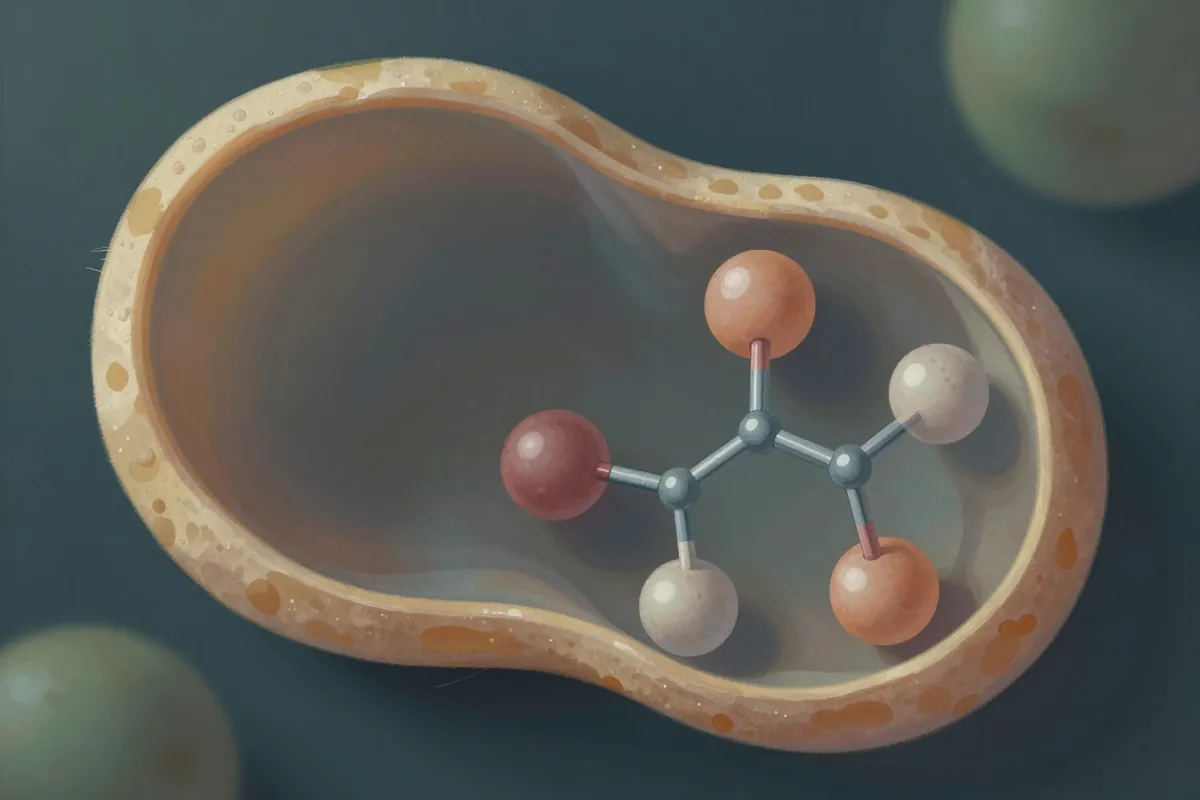
Penicillin Looks Like the Substrate
Transpeptidases recognize the D-alanyl-D-alanine end of the peptide stem (The mechanism of action of penicillin. ...). Penicillin has a similar arrangement of atoms, so the enzyme binds the drug at its active site. The beta-lactam ring places a reactive carbonyl in the same region that normally accepts the peptide stem.
A Covalent Bond That Does Not Turn Over
The active-site serine attacks the beta-lactam carbonyl. The ring opens, and a covalent acyl-enzyme forms (The mechanism of action of penicillin. ...). In normal catalysis, the acyl-enzyme is a short-lived intermediate. With penicillin, the acyl-enzyme is stable and breaks extremely slowly. The enzyme remains blocked.
| Step | Normal transpeptidation | With penicillin |
|---|---|---|
| Substrate recognition | D-Ala-D-Ala stem enters the active site (The mechanism of action of penicillin. ...) | Beta-lactam mimics the stem |
| Covalent intermediate | Acyl-enzyme forms and turns over | Acyl-enzyme forms and persists |
| Cross-link | Peptide stem joins a neighboring stem | New cross-link is not completed |
| Wall result | Mesh is strengthened | Mesh weakens at growth sites |
The Consequence for the Cell
Blocked penicillin-binding proteins cannot finish new cross-links (The mechanism of action of penicillin. ...). The bacterium continues to grow and remodel its wall. New peptidoglycan is inserted without enough cross-linking. The wall loses strength, the cell becomes leaky, and lysis follows (Weird Science: Penicillin and the Cell Wall; The mechanism of action of penicillin. ...).
The acylation reaction is fast, and the penicillin-enzyme bond is effectively irreversible on the time scale of bacterial growth (The mechanism of action of penicillin. ...). The enzyme is not destroyed by the drug. It is chemically modified and held inactive. Slow hydrolysis can release the enzyme, but not fast enough to rescue a growing, susceptible cell.
Bacteria carry several penicillin-binding proteins, and the lethal target can differ among species. That variation contributes to differences in penicillin spectrum and to the need for different penicillins in different infections (Penicillin: Types, Uses & Side Effects).
At a Glance
| Question | Short answer |
|---|---|
| What penicillin is | A group of beta-lactam antibiotics that destroy bacteria by attaching to and damaging the cell wall (Penicillin: Types, Uses & Side Effects) |
| Molecular target | The transpeptidase that catalyzes the final cross-linking step of cell wall biosynthesis (The mechanism of action of penicillin. ...) |
| Wall material involved | Peptidoglycan, the cross-linked polymer that gives the bacterial cell strength and holds back leakage (Weird Science: Penicillin and the Cell Wall) |
| Why human cells survive | Human cells have no peptidoglycan wall and no equivalent target enzyme (Penicillin - StatPearls - NCBI Bookshelf; Weird Science: Penicillin and the Cell Wall) |
| When killing is fastest | During active growth, while new wall material is being made (Penicillin - StatPearls - NCBI Bookshelf) |
| Main forms | Penicillin G by injection, penicillin V by mouth, amoxicillin, ampicillin, and beta-lactamase inhibitor combinations |
Penicillin works by blocking one enzyme step in bacterial cell wall construction, which leaves the wall weak and lets the cell burst under its own internal pressure (The mechanism of action of penicillin. ...; Weird Science: Penicillin and the Cell Wall). The same step does not exist in human cells, so the drug can be dosed to hit bacteria while leaving human tissue structurally intact (Penicillin - StatPearls - NCBI Bookshelf).
Step by Step: How Penicillin Kills a Bacterium
Penicillin kills by interrupting the last step of cell wall construction and then letting the bacterium's own growth and internal pressure finish the job. The drug has no independent toxic action on the cell. It removes an enzyme activity the bacterium needs to keep its wall sealed, and the consequences follow in a fixed order (The mechanism of action of penicillin. ...).
Step 1: The drug crosses outer layers and reaches the wall enzymes
Before it can act, penicillin has to physically reach the peptidoglycan. Wall architecture differs by Gram type, and so does access. Gram-positive bacteria carry their peptidoglycan on the outside of the cell wall, where the drug reaches it fairly directly. Gram-negative bacteria have peptidoglycan sandwiched between membranes, which slows penetration (Weird Science: Penicillin and the Cell Wall). This difference is part of why natural penicillin works best against gram-positive organisms.
Step 2: Binding shuts down cross-linking of peptide stems
Penicillin binds the transpeptidase that catalyzes the final step in cell wall biosynthesis (The mechanism of action of penicillin. ...). In normal assembly, this enzyme joins peptide stems on neighboring sugar chains into a continuous mesh. Those joins are what give peptidoglycan its strength. With the enzyme occupied, the cross-links are not formed, and peptidoglycan cross-linking stops (The mechanism of action of penicillin. ...; Penicillin - StatPearls - NCBI Bookshelf).
Step 3: Wall assembly continues while cross-linking stalls
The blocked reaction is the final one, and the earlier steps keep running. New peptidoglycan subunits continue to be inserted into the wall, but they arrive uncross-linked, so the structure gains material while losing strength (Weird Science: Penicillin and the Cell Wall). At the same time, autolysins, the enzymes that remodel wall during ordinary growth and division, keep cutting old peptidoglycan. Cutting continues, sealing does not, and the balance tips steadily toward a weakened wall (Penicillin - StatPearls - NCBI Bookshelf).
Step 4: Autolysins weaken the unfinished wall further
The combination of uncross-linked new material and ongoing autolysin activity leaves the wall full of gaps and thin spots. The peptidoglycan that remains cannot carry the load the way a fully cross-linked mesh does (Penicillin - StatPearls - NCBI Bookshelf).
Step 5: Water enters and the cell bursts by osmotic lysis
Peptidoglycan normally resists the osmotic pressure of the cytoplasm and prevents leakage (Weird Science: Penicillin and the Cell Wall). A weakened, leaky wall cannot hold that pressure, so water flows inward, the cell swells, and it ruptures.
| Stage | Molecular event | Consequence for the cell |
|---|---|---|
| Access | Drug crosses outer layers | Reaches peptidoglycan, easiest in gram-positive cells (Weird Science: Penicillin and the Cell Wall) |
| Binding | Transpeptidase occupied | Cross-linking of peptide stems stops (The mechanism of action of penicillin. ...) |
| Assembly | New subunits still inserted | Uncross-linked material added to wall |
| Remodeling | Autolysins keep cutting | Wall further weakened (Penicillin - StatPearls - NCBI Bookshelf) |
| Lysis | Water enters under osmotic pressure | Cell bursts and dies |
Killing is bactericidal and tied to active growth
Penicillin is bactericidal under normal conditions, and its action is tied to the bacterium being metabolically active enough to build wall (Penicillin - StatPearls - NCBI Bookshelf). A cell that has stopped growing presents less target and is harder to kill, which is why the kill rate depends on growth rate as well as drug concentration.
Why Penicillin Spares Human Cells
Selective toxicity is the property that makes an antibiotic usable: it harms the microbe at concentrations the host can tolerate. For penicillin, that selectivity rests on a single structural difference. The drug's target is a bacterial enzyme with no functional counterpart in human cells (Penicillin - StatPearls - NCBI Bookshelf).
The target is a structure human cells do not have
Penicillin acts on peptidoglycan, the cross-linked polymer that forms the bacterial cell wall (Weird Science: Penicillin and the Cell Wall). Peptidoglycan is a bacterial invention. Human cells do not synthesize it, do not export it, and do not maintain a mesh of it around themselves. A drug that blocks peptidoglycan cross-linking therefore has nothing to block in human tissue, no matter how high the plasma concentration climbs (Penicillin - StatPearls - NCBI Bookshelf).
Human cells are bounded by membranes, not walls
Animal cells are enclosed by a lipid bilayer membrane, supported internally by a cytoskeleton. They do not Build a rigid external wall of the kind bacteria rely on (Weird Science: Penicillin and the Cell Wall). Even the walls of plants, fungi, and algae are chemically unrelated: plants use cellulose, most fungi use chitin, and algal walls vary widely in composition. Penicillin does not act on any of these polymers, which is why the drug's reach is limited to bacteria.
Human cells do not make penicillin-binding proteins
The transpeptidase that penicillin binds belongs to the penicillin-binding protein family, the enzymes that cross-link peptidoglycan (The mechanism of action of penicillin. ...). Human cells carry no such enzyme because they carry no peptidoglycan substrate. The binding site does not exist, so the drug has no molecular handle in human cells (Penicillin - StatPearls - NCBI Bookshelf).
Side effects come from allergy or gut flora, not from wall attack
When penicillin causes trouble in a patient, the mechanism is usually immune or ecological, not a direct strike on human cells. Allergic reactions are immune responses to the drug molecule itself (Penicillin: Types, Uses & Side Effects). Digestive upset and similar complaints follow changes in the bacterial population of the gut, where susceptible organisms are killed and the balance shifts. Neither problem is the drug dissolving a human structure, because there is no such structure for it to dissolve (Penicillin - StatPearls - NCBI Bookshelf; Weird Science: Penicillin and the Cell Wall).
This distinction matters when reading a label or a warning sheet. A reaction described as an allergy is a host response to the compound. A reaction described as diarrhea is a shift in flora. Neither is evidence that penicillin damages human cells the way it damages bacteria.
Why Growing Bacteria Are Easier to Kill
Penicillin is a drug aimed at a construction site. It acts only where new wall material is being made, so a bacterium that has stopped building wall offers the drug little to work on (Penicillin - StatPearls - NCBI Bookshelf).
The drug acts only while new wall material is being made
The transpeptidase reaction that penicillin blocks is part of active wall assembly (The mechanism of action of penicillin. ...). A dividing or expanding bacterium runs that reaction constantly. A resting bacterium runs it rarely or not at all. Since the drug needs the enzyme to be engaged in its normal job, the opportunity for binding shrinks along with the growth rate (Penicillin - StatPearls - NCBI Bookshelf).
Slow-growing or dormant cells build little peptidoglycan
Cells in a stationary phase, inside a biofilm, or in a dormant state make very little new peptidoglycan (Penicillin - StatPearls - NCBI Bookshelf). Penicillin does not kill them efficiently because the process it interrupts is largely idle. This is one reason infections in poorly perfused tissue or in dormant reservoirs respond slowly, and why a drug of this class is a poor choice for organisms that are not actively dividing.
Killing depends on how long drug levels stay above the MIC
Because the target is only available while the cell grows, the amount of killing tracks the duration of exposure above the minimum inhibitory concentration, not the height of the peak (Penicillin - StatPearls - NCBI Bookshelf). A concentration that sits modestly above the MIC for many hours kills more than a large spike that falls below the MIC quickly. This is time-dependent killing, and it shapes how these drugs are scheduled.
| Exposure pattern | Time above MIC | Expected killing |
|---|---|---|
| High peak, rapid fall | Short | Limited, since the drug drops below the threshold early (Penicillin - StatPearls - NCBI Bookshelf) |
| Moderate level held steady | Long | Extensive, provided the level stays above the MIC |
| Frequent small doses | Cumulative and sustained | Approaches continuous exposure |
| One large dose late in therapy | Brief | Poor, because growth may resume once the level falls |
Dosing schedules keep the drug present through several generations
Bacterial generations are short during active infection, so a dosing interval that maintains the drug above the MIC covers several rounds of wall construction (Penicillin - StatPearls - NCBI Bookshelf). Each generation presents fresh transpeptidase and fresh opportunity for binding. A schedule that lets the level fall between doses leaves gaps in which surviving cells resume building wall without interference.
Why timing matters more than peak level
The practical consequence is that adherence to the prescribed interval carries much of the therapeutic weight (Penicillin - StatPearls - NCBI Bookshelf). A missed dose creates a window, and repeated windows allow regrowth. This is also why a clinician may choose a longer-acting formulation or a different dosing interval instead of simply raising the dose.
Types of Penicillin and What They Target
Penicillins are a subgroup of beta-lactam antibiotics, and the members differ in how they are made, how they are given, and which bacteria they reach (Penicillin: Types, Uses & Side Effects). Matching the right member to the right organism is a core clinical decision.
Natural penicillins
These are the original compounds. Penicillin G is given by injection, and penicillin V (penicillin V potassium) is taken by mouth (Penicillin: Types, Uses & Side Effects). Natural penicillins are used for a range of infections, including strep throat, syphilis, and Lyme disease. Over time, bacteria have developed resistance to natural penicillins, which has narrowed their reliable uses.
Penicillinase-resistant penicillins
Some bacteria produce enzymes that destroy the beta-lactam ring before the drug reaches its target. Penicillinase-resistant penicillins were developed to survive that attack and are used against staphylococci (Penicillin: Types, Uses & Side Effects). They retain the wall-building target but resist the bacterial enzyme that would otherwise inactivate them.
Aminopenicillins
Amoxicillin and ampicillin extend the spectrum beyond the natural penicillins (Penicillin: Types, Uses & Side Effects). The extension comes from improved penetration of the outer membrane of some gram-negative bacteria, so the drug reaches peptidoglycan that penicillin G would not reach in useful amounts. These agents remain among the most frequently prescribed oral antibiotics.
Extended-spectrum penicillins
Further modification broadens coverage of gram-negative bacteria, including organisms that the earlier members miss (Penicillin: Types, Uses & Side Effects). These agents are generally hospital drugs given by injection, reserved for infections where a broader reach is needed.
Beta-lactamase inhibitors
A separate strategy is to protect the drug instead of changing it. Beta-lactamase inhibitors are combined with penicillins to stop bacterial enzymes from destroying the antibiotic (Penicillin: Types, Uses & Side Effects). The inhibitor has little antibacterial action of its own; it shields the partner molecule so the partner can reach the wall enzymes.
| Class | Examples | Route | Main target group |
|---|---|---|---|
| Natural penicillin | Penicillin G, penicillin V | Injection (G), oral (V) (Penicillin: Types, Uses & Side Effects) | Streptococci and other susceptible gram-positive organisms |
| Penicillinase-resistant | Agents built to survive staphylococcal enzymes | Oral or injection | Staphylococci |
| Aminopenicillin | Amoxicillin, ampicillin | Oral or injection | Broader gram-positive and some gram-negative coverage |
| Extended-spectrum | Broader gram-negative agents | Usually injection | Additional gram-negative bacteria |
| Combination | Penicillin plus beta-lactamase inhibitor | Oral or injection | Enzyme-producing bacteria that would destroy the partner drug |
The unifying feature is that every member still kills by blocking peptidoglycan cross-linking (Penicillin - StatPearls - NCBI Bookshelf). What changes between classes is stability against bacterial enzymes and the ability to cross membrane barriers, and those two properties determine which organisms a given member can actually reach.
How Bacteria Resist Penicillin
Penicillin kills susceptible bacteria by binding penicillin-binding proteins (PBPs) and blocking peptidoglycan cross-linking (Penicillin - StatPearls - NCBI Bookshelf; The mechanism of action of penicillin. ...). Resistance is a set of separate routes that reduce that block. A strain may use one route or several. The result is the same: less active drug at the target, or a target that no longer binds the drug well (Penicillin - StatPearls - NCBI Bookshelf).
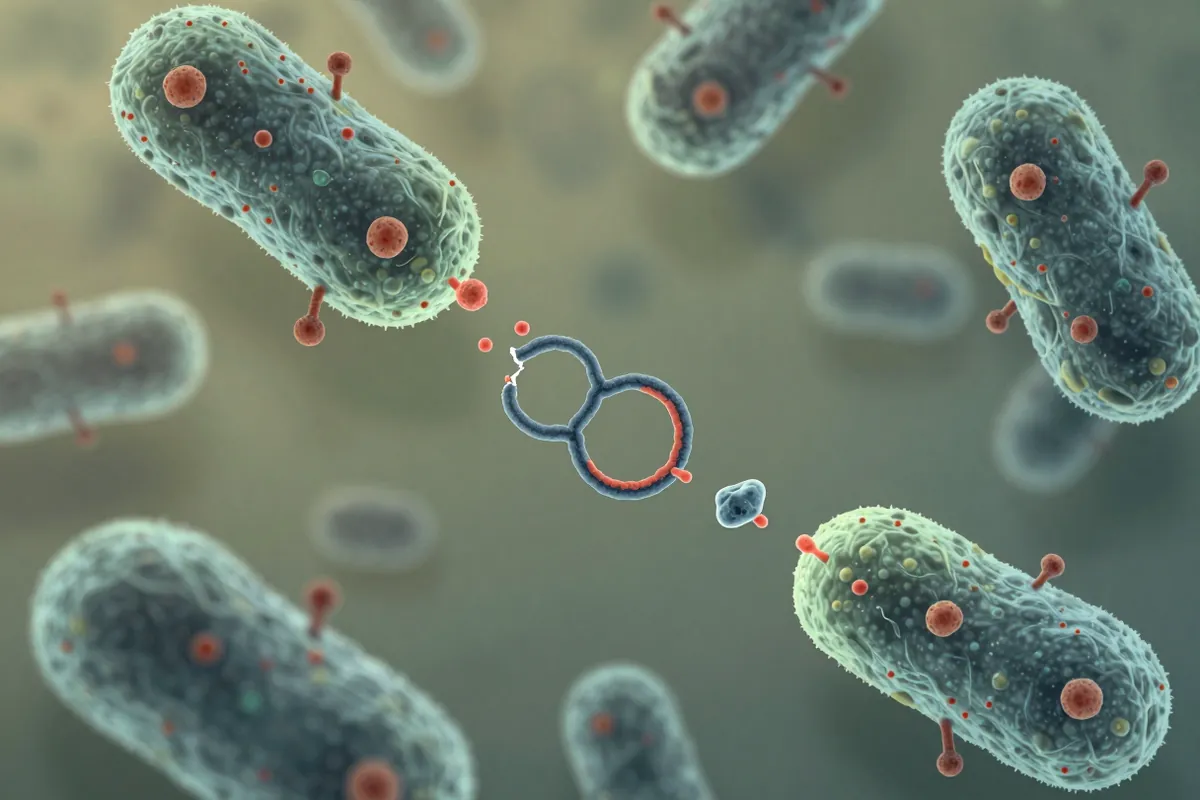
Enzymes That Break the Drug
Beta-lactamase enzymes hydrolyze the beta-lactam ring (Penicillin - StatPearls - NCBI Bookshelf). The ring is the reactive part of penicillin, so cleavage removes activity before the drug reaches its target. Some enzymes act against many penicillins; others are more restricted. Clinicians can combine certain penicillins with beta-lactamase inhibitors, which protect the antibiotic from these enzymes (Penicillin: Types, Uses & Side Effects). This is why a beta-lactamase test can change drug choice.
Altered Targets and Reduced Entry
Altered penicillin-binding proteins bind the drug poorly (Penicillin - StatPearls - NCBI Bookshelf). The bacterium still builds peptidoglycan, but penicillin cannot occupy the enzyme site effectively. Porin changes and thicker capsules limit drug entry. In gram-negative bacteria, porins are outer membrane channels; if they are lost or changed, penicillin reaches the periplasm more slowly. A thicker capsule adds another diffusion barrier. Efflux pumps move the drug back out of the cell. Entry, efflux, and target change can combine, so the drug never reaches a useful concentration at the PBPs.
| Resistance route | What happens | Effect on penicillin activity |
|---|---|---|
| Beta-lactamase | Enzyme hydrolyzes the beta-lactam ring (Penicillin - StatPearls - NCBI Bookshelf) | Drug is inactivated before it reaches the target |
| Altered PBP | Target binds the drug poorly | Peptidoglycan cross-linking continues |
| Porin change or capsule | Entry is limited | Lower drug concentration at the target |
| Efflux pump | Drug is exported | Lower drug concentration at the target |
How Resistance Genes Spread
Resistance genes travel between bacteria on plasmids (Penicillin - StatPearls - NCBI Bookshelf). Plasmids are extrachromosomal DNA circles that can be transferred between cells. That transfer can move beta-lactamase genes or other resistance determinants through a bacterial population. Selection then favors strains that survive penicillin exposure. This is one reason susceptibility testing matters: it detects resistance in the isolate causing the infection. Penicillin use also drives selection, so the drug should be reserved for infections in which it is active.
What This Means for Treatment
A laboratory report may show a beta-lactamase-positive strain, a high minimum inhibitory concentration, or no disk diffusion zone. Each result points to a different resistance mechanism, and treatment should match the mechanism and the site of infection. Penicillin is not interchangeable with every other beta-lactam; some drugs resist hydrolysis better, and some combinations include an inhibitor (Penicillin: Types, Uses & Side Effects). The practical rule is to identify the organism, test susceptibility, and avoid empiric penicillin when local resistance is likely (Penicillin - StatPearls - NCBI Bookshelf).
Common Misconceptions About Penicillin
Penicillin is a group of antibiotics that treat bacterial infections such as strep throat, ear infections, and urinary tract infections (Penicillin: Types, Uses & Side Effects). Misunderstandings about its scope, source, and safety lead to wrong use. The points below separate common claims from what the drug actually does.
Colds, Flu, and Other Viral Infections
Penicillin does not treat colds, flu, or other viral infections (Penicillin: Types, Uses & Side Effects). Viruses do not have peptidoglycan cell walls or bacterial ribosomes, and they do not replicate their own DNA (Weird Science: Penicillin and the Cell Wall). Penicillin blocks peptidoglycan cross-linking, so a virus has no target for the drug (Penicillin - StatPearls - NCBI Bookshelf; Weird Science: Penicillin and the Cell Wall). A viral illness may cause fever, cough, or sore throat, but those symptoms do not make the infection bacterial. Using penicillin for a viral illness gives no benefit and exposes the person to unnecessary side effects and selection pressure.
Mold on Bread as a Source
Mold on bread is not a usable source of the drug (Penicillin - StatPearls - NCBI Bookshelf). Penicillin was derived from the fungus Penicillium sp. (Weird Science: Penicillin and the Cell Wall), but a moldy slice contains many molds, bacteria, and variable metabolites. It does not provide a measured dose, a pure drug, or a safe preparation. The drug used in medicine is produced under controlled conditions and purified. Eating moldy bread cannot treat an infection and may cause illness from contaminants. The discovery story is important, but it is not a home recipe.
Allergy Versus Side Effects
Allergy is a specific immune reaction, not a general side effect (Penicillin: Types, Uses & Side Effects). Penicillin allergy can range from rash to anaphylaxis; common side effects such as nausea or diarrhea are different events. A person who feels unwell after a dose does not automatically have an allergy. Conversely, a true immediate reaction requires attention and alternative antibiotics. Clinical evaluation matters because a label of penicillin allergy can remove useful drugs from consideration.
Stopping a Course Early
Stopping early can let surviving bacteria regrow (Penicillin: Types, Uses & Side Effects). Antibiotics reduce the population, but a course is timed to clear the infection and limit the chance that tolerant or resistant survivors expand. Symptoms can improve before the bacteria are gone. The exact duration depends on the infection and the drug; the prescriber sets it. A person should not save leftover penicillin or use it for a later illness.
One Penicillin Is Not Every Penicillin
Penicillin is not interchangeable with every other antibiotic (Penicillin: Types, Uses & Side Effects). Natural penicillins include penicillin G and penicillin V; amoxicillin and ampicillin are other penicillins with different spectra. Some penicillins are combined with beta-lactamase inhibitors to protect them from bacterial enzymes. A drug that works for one infection may fail for another because of the organism, the site, or resistance. The name "penicillin" covers a class, not a single universal treatment.
Penicillin in the Lab and Clinic Today
Penicillin remains a laboratory and clinical drug because its target is well defined and its activity can be measured. The lab does not report "penicillin works" as a general statement. It tests the isolate from the patient and reports whether the drug is likely to help (Penicillin - StatPearls - NCBI Bookshelf).
Susceptibility Testing and the MIC
Susceptibility testing reports a minimum inhibitory concentration for each isolate (Penicillin - StatPearls - NCBI Bookshelf). The MIC is the lowest drug concentration that inhibits visible growth under defined conditions. A low MIC relative to achievable drug levels suggests susceptibility; a high MIC suggests resistance. The report may also use breakpoints to assign categories such as susceptible, intermediate, or resistant. The exact breakpoint depends on the organism and test method. For penicillin, the result matters because beta-lactamase production and altered penicillin-binding proteins can raise the MIC.
Disk Diffusion and Beta-Lactamase Tests
Disk diffusion shows clear zones where bacterial growth is blocked (Penicillin - StatPearls - NCBI Bookshelf). A paper disk containing penicillin is placed on an inoculated agar plate. After incubation, the diameter of the no-growth zone is measured. A larger zone generally indicates greater susceptibility, but the zone must be interpreted with a standard chart for the organism. Beta-lactamase tests flag enzyme-producing strains before treatment. In a common test, a chromogenic substrate changes color when a beta-lactamase cleaves it. A positive result predicts failure of penicillins that are vulnerable to that enzyme and supports use of a different drug or an inhibitor combination (Penicillin: Types, Uses & Side Effects).
Clinical Use
Natural penicillins include penicillin G, given intravenously, and penicillin V, taken by mouth (Penicillin: Types, Uses & Side Effects). They treat infections such as strep throat, syphilis, and Lyme disease. Amoxicillin and ampicillin are penicillins with broader activity. Some penicillins are paired with beta-lactamase inhibitors to protect them from destruction. Narrow spectrum and low cost keep penicillin in wide use. At the same time, resistance has increased, so penicillin should be reserved for infections in which it is active (Penicillin - StatPearls - NCBI Bookshelf).
| Lab or clinical step | What it shows | Why it matters |
|---|---|---|
| MIC testing | Lowest concentration inhibiting growth (Penicillin - StatPearls - NCBI Bookshelf) | Guides drug choice and dose |
| Disk diffusion | Zone of growth inhibition | Rapid susceptibility screen |
| Beta-lactamase test | Enzyme production | Flags inactivation risk |
| Culture and identification | Organism identity | Shows whether penicillin is relevant |
Stewardship in Practice
Penicillin is not a universal antibiotic. The drug should be selected after the organism and susceptibility are known when possible, or from local resistance data when treatment is urgent. A narrow spectrum drug limits collateral selection compared with broad agents, and low cost supports access (Penicillin: Types, Uses & Side Effects). In the clinic, the allergy history, the site of infection, and the ability to take oral medication all affect the choice. In the lab, quality control and standardized methods keep MIC and disk results comparable over time (Penicillin - StatPearls - NCBI Bookshelf). The combination of a defined target, a measurable test, and a known resistance profile keeps penicillin useful.
Related Guides
- Pseudomonas aeruginosa: Mechanisms of Multidrug Resistance and Biofilm Formation: Example pathogen with multidrug resistance and biofilm strategies
- Pseudomonas aeruginosa Resistance Mechanisms: Detailed Pseudomonas resistance mechanisms complement this article's resistance overview
- Whole-Genome Sequencing vs. Targeted PCR for Resistance Mechanism Detection: Methods for detecting resistance mechanisms in bacterial isolates
- Biofilm-Specific Antimicrobial Resistance Mechanisms: Explains how biofilms add another layer of antimicrobial resistance
- How Horizontal Gene Transfer Works in Bacteria: Shows how bacteria share resistance genes across species
- How to Use Susceptibility Comments to Educate Clinicians: Practical guide to interpreting susceptibility comments for clinicians
Frequently Asked Questions
How does penicillin actually kill bacteria?
Penicillin blocks the enzyme that cross-links peptidoglycan, the mesh that gives the bacterial cell wall its strength (Penicillin - StatPearls - NCBI Bookshelf; The mechanism of action of penicillin. ...). That enzyme, a transpeptidase, carries out the final step in cell wall construction (The mechanism of action of penicillin. ...). With cross-linking blocked, the wall loses integrity, the cell becomes leaky and fragile, and it bursts under its own internal pressure (Weird Science: Penicillin and the Cell Wall). Human cells contain no peptidoglycan, so the drug acts on bacteria specifically. The broken cell fragments are also easier for the immune system to clear.
Why doesn't penicillin work on viruses?
Viruses have no peptidoglycan cell wall, no ribosomes and no independent DNA replication, so the structure penicillin attacks does not exist in them (Weird Science: Penicillin and the Cell Wall). Antibiotics are specific to particular bacterial functions, which is why they are unhelpful against non-bacterial illnesses. Giving penicillin for a viral cold or flu exposes the patient to the drug's risks with no chance of benefit, and it applies selection pressure to any bacteria present. Viral infections call for antiviral drugs or supportive care instead.
Why does penicillin only work when bacteria are growing?
Penicillin inhibits the transpeptidase that catalyzes the final cross-linking step of cell wall biosynthesis (The mechanism of action of penicillin. ...). That step happens while a bacterium is growing and laying down new wall material; a cell that is not dividing gives the drug little to interrupt. Penicillin is therefore most effective against actively multiplying bacteria. Organisms growing slowly inside biofilms, abscesses or damaged tissue can survive a course that would kill the same species in a rapidly dividing population, which is one reason drainage and source control matter alongside the antibiotic.
What is the difference between penicillin G and penicillin V?
Both are natural penicillins, used for infections such as strep throat, syphilis and Lyme disease (Penicillin: Types, Uses & Side Effects). The practical difference is the route. Penicillin G is given intravenously, while penicillin V, also called penicillin V potassium, is taken by mouth. Penicillin G is acid-labile, so it cannot be swallowed and expected to reach reliable blood levels, whereas penicillin V survives the stomach well enough for oral dosing. Penicillin V suits milder infections managed at home; penicillin G is kept for serious infections that need dependable tissue concentrations.
How do bacteria become resistant to penicillin?
Two main routes. Some bacteria make enzymes called beta-lactamases that destroy the antibiotic before it reaches its target, and pairing penicillin with a beta-lactamase inhibitor protects it (Penicillin: Types, Uses & Side Effects). Others change the cell wall target so the drug can no longer attach and damage the cell. Resistance then spreads by selection: penicillin kills susceptible cells, and any resistant survivors multiply and pass the trait on (Weird Science: Penicillin and the Cell Wall). Natural penicillins have lost ground to many organisms this way, so penicillin is now reserved for specific indications (Penicillin - StatPearls - NCBI Bookshelf; Penicillin: Types, Uses & Side Effects).
Can someone with a penicillin allergy take amoxicillin?
Amoxicillin belongs to the penicillin class, so it carries the same concern for anyone with a confirmed penicillin allergy (Penicillin: Types, Uses & Side Effects). A reaction to one penicillin raises suspicion for the whole group, because the shared beta-lactam structure is what the immune system recognizes. Amoxicillin should not be taken after a serious reaction such as hives, facial swelling or breathing difficulty without specialist assessment. Some people labeled allergic in childhood turn out not to be, so the history should be reviewed by a clinician before any substitute is chosen.
References and Further Reading
- Penicillin - StatPearls - NCBI Bookshelf, ncbi.nlm.nih.gov
- The mechanism of action of penicillin. ..., pubmed.ncbi.nlm.nih.gov
- Weird Science: Penicillin and the Cell Wall, manoa.hawaii.edu
- Penicillin: Types, Uses & Side Effects, my.clevelandclinic.org