CAR T-Cell Therapy: How It Works, Uses and Side Effects
By Dr. Zubair Khalid, DVM, MS, PhD ·

CAR T-cell therapy is a cancer treatment that takes a patient's own T cells, genetically modifies them so they can find and kill cancer cells, and returns them to the body (CAR-T cell therapy; CAR T-Cell Therapy). It is a form of immunotherapy used mainly for certain blood cancers, including acute lymphoblastic leukemia, non-Hodgkin lymphoma, and multiple myeloma (CAR T Cells: Engineering Immune Cells to Treat Cancer).
Making the treatment starts with collecting blood from the patient and separating out the T cells. Those cells go to a manufacturer's laboratory, where they are engineered to produce chimeric antigen receptors (CARs) on their surface, then grown in large numbers before being given back (CAR T Cells: Engineering Immune Cells to Treat Cancer). The FDA approved the first CAR T-cell therapy in 2017 for children with acute lymphoblastic leukemia. It is usually offered when other treatments have not worked or the cancer has come back, and in some patients it can cure the disease or help them live longer (CAR T-Cell Therapy).
Key Points
- CAR T-cell therapy is made from a patient's own T cells, which are collected from blood and separated out before engineering (CAR T Cells: Engineering Immune Cells to Treat Cancer).
- In the laboratory, a lab-made gene is added so the T cells display chimeric antigen receptors (CARs) on their surface (CAR T Cells: Engineering Immune Cells to Treat Cancer; CAR T-Cell Therapy).
- CARs latch onto specific proteins called antigens on cancer cells and enhance the T cells' ability to kill those cells.
- The first FDA approval came in 2017, for children with acute lymphoblastic leukemia.
- Later approvals cover adults with blood cancers such as non-Hodgkin lymphoma and multiple myeloma.
- The therapy has improved progression-free survival in multiple myeloma and improved overall survival (CAR T Cells and T-Cell Therapies for Cancer).
At a Glance
| Item | Summary |
|---|---|
| What it is | T cells engineered to carry a chimeric antigen receptor |
| Main use | Blood cancers, mainly lymphomas, leukemias and multiple myeloma |
| Cell source | The patient's own T cells |
| How it is given | A single infusion after lymphodepleting chemotherapy |
| Main serious risk | Cytokine release syndrome and neurologic effects |
| Approved for | Several lymphomas, leukemias and multiple myeloma |
CAR T-cell therapy turns a patient's own T cells into a treatment that multiplies inside the body. It is offered most often when other treatments have stopped working or the cancer has come back (CAR T-Cell Therapy).
What Is CAR T-Cell Therapy?
CAR T-cell therapy is a form of immunotherapy in which a patient's T cells are genetically changed so they can find and kill cancer cells (CAR T-Cell Therapy). The name comes from the chimeric antigen receptor, a lab-made protein added to the T cell surface that directs the cell toward a chosen target (CAR T Cells: Engineering Immune Cells to Treat Cancer). The treatment is used for certain blood cancers, usually when other therapies have failed or the disease has returned.
T Cells Are the Starting Point
T cells are white blood cells that act as a surveillance system. They scan other cells for abnormal proteins called antigens and become active when a receptor recognizes one (CAR T-Cell Therapy). CAR T-cell therapy uses T cells collected from the patient, which is what makes the treatment personal: the cells that are returned are the patient's own, reprogrammed (CAR T Cells: Engineering Immune Cells to Treat Cancer).
What the Receptor Adds
A normal T cell receptor reads antigen fragments displayed on MHC molecules. The chimeric antigen receptor reads intact proteins on the cell surface instead. One part of the receptor binds the antigen; another part delivers an activation signal inside the T cell (CAR T Cells: Engineering Immune Cells to Treat Cancer). Because the receptor is fixed during manufacturing, the therapy targets one antigen. Common examples include CD19 on B-cell leukemias and lymphomas and BCMA on multiple myeloma cells. Healthy cells carrying the same antigen are also affected, which is why many patients need immunoglobulin replacement after treatment.
| Feature | Normal T-cell receptor | Chimeric antigen receptor |
|---|---|---|
| What it reads | Antigen fragments on MHC | Intact surface proteins |
| Origin | Built by the immune system | Designed in the laboratory |
| MHC required | Yes | No |
| Target range | Broad | One chosen antigen |
A Living Drug
The infused cells are alive. They multiply in the body, and a single dose can expand, contract and persist over time (CAR T Cells: Engineering Immune Cells to Treat Cancer). The FDA approved the first CAR T-cell therapy in 2017 for children with acute lymphoblastic leukemia. Approvals for adults with non-Hodgkin lymphoma and multiple myeloma followed. Response varies. In some patients with very advanced cancer the treatment clears the disease for long periods; in others the benefit is smaller.
What It Is Not
CAR T-cell therapy is not a conventional drug that the body clears within hours, and it does not work for every cancer. It is a one-time cellular infusion that requires a specialized center, close monitoring and active management of serious side effects.
How CAR T Cells Are Made (Step by Step)
Manufacturing happens partly at the bedside and partly in a specialized laboratory. The full process, from collection to infusion, usually takes a few weeks.

Step 1: Collecting T Cells
Blood is run through a machine that separates white blood cells and returns the rest of the blood to the patient. This procedure is called leukapheresis (CAR T Cells: Engineering Immune Cells to Treat Cancer). The collected product contains T cells along with other white blood cells, and it is shipped to the manufacturer's laboratory.
Step 2: Inserting the CAR Gene
In the laboratory, T cells are activated and a gene for the chimeric antigen receptor is introduced. Delivery is usually done with a viral vector, most often a lentivirus or a retrovirus, which carries the gene into the cell. Gene editing approaches that insert the receptor at a chosen site are also under study (CAR T Cells and T-Cell Therapies for Cancer). The gene gives the cell instructions to build the receptor and display it on its surface.
Step 3: Expanding the Cells
The engineered cells are grown in culture over a period of weeks until enough have been produced for a treatment dose (CAR-T cell therapy). Growth medium and signaling molecules encourage the cells to divide.
Step 4: Testing and Release
Before release, each batch is tested. Typical checks include:
- Identity: are the cells the expected T cells carrying the CAR?
- Purity: how much of the product is made up of the intended cells?
- Potency: do the cells kill target cells in a laboratory assay?
- Sterility: is the product free of bacteria, fungi and mycoplasma?
- Vector safety: is there any replication-competent virus?
Step 5: Freezing, Shipping and Infusion
The finished product is frozen and shipped back to the treatment center. Before the infusion, the patient receives lymphodepleting chemotherapy, which lowers the number of existing lymphocytes and makes room for the engineered cells to expand. The CAR T cells are then thawed and given as a single infusion.
| Step | Where it happens | What happens |
|---|---|---|
| Collection | Apheresis unit | T cells removed from blood (CAR T Cells: Engineering Immune Cells to Treat Cancer) |
| Engineering | Manufacturer laboratory | CAR gene inserted (CAR T Cells and T-Cell Therapies for Cancer) |
| Expansion | Manufacturer laboratory | Cells multiply to dose size (CAR-T cell therapy) |
| Testing | Manufacturer laboratory | Identity, purity, potency, sterility |
| Infusion | Treatment center | Single infusion after chemotherapy |
How CAR T Cells Recognize and Kill Cancer
Binding to the Target Antigen
The outer domain of the receptor is built from an antibody fragment that recognizes one specific antigen. When the CAR T cell contacts a tumor cell carrying that antigen, the receptor binds it. No MHC presentation is required, which sets this recognition apart from normal T cell behavior. Many tumors reduce MHC expression to hide from the immune system; CAR T cells can still see them.
Activation and Killing
Binding clusters the receptors and triggers signaling inside the T cell. The cell forms a tight junction with its target and releases the contents of cytotoxic granules. Perforin punches holes in the target cell membrane, and granzymes pass through those pores and trigger programmed cell death. The CAR T cell can detach and repeat the process on another target cell.
Cytokines and Immune Recruitment
Activated CAR T cells release cytokines such as interferon-gamma and interleukin-2. These molecules recruit other immune cells, including macrophages and natural killer cells, to the tumor site. The same cytokines circulate in the blood and drive cytokine release syndrome, the most common serious side effect of the treatment.
Persistence and Memory
Some infused cells differentiate into memory T cells. These cells can survive in the body for years and provide ongoing surveillance, which may help explain the durable responses reported in clinical studies (CAR T Cells and T-Cell Therapies for Cancer).
Limits of the Model
Two problems limit this killing mechanism. Tumor cells can lose the target antigen and escape, and the antigen may also be present on healthy tissue. CD19, for example, sits on normal B cells, so B-cell aplasia is an expected consequence of CD19-directed therapy. Solid tumors add further obstacles: the antigen is often mixed with normal tissue, and the tumor environment suppresses T cell function.
Which Cancers and Conditions Are Treated
CAR T-cell therapy is approved for a defined group of blood cancers, and it is generally offered when other treatments have stopped working or when the disease has come back (CAR T-Cell Therapy). The FDA approved the first product in 2017 for children with acute lymphoblastic leukemia, and later approvals covered adults with blood cancers such as non-Hodgkin lymphoma and multiple myeloma (CAR T Cells: Engineering Immune Cells to Treat Cancer). All products approved so far target one of two antigens: CD19 on B cells or BCMA on plasma cells.
| Cancer or condition | Target | Usual setting |
|---|---|---|
| Diffuse large B-cell lymphoma | CD19 | Relapsed or refractory disease |
| Acute lymphoblastic leukemia (children and young adults) | CD19 | Relapsed or refractory disease |
| Follicular lymphoma | CD19 | Relapsed or refractory disease |
| Mantle cell lymphoma | CD19 | Relapsed or refractory disease |
| Multiple myeloma | BCMA | After prior therapies |
| Solid tumors | Various | Clinical trials only |
| Autoimmune disease | CD19 or BCMA | Clinical trials only |
Diffuse Large B-Cell Lymphoma
Diffuse large B-cell lymphoma is an aggressive cancer of B lymphocytes, the immune cells that normally make antibodies. Many patients respond to first-line chemotherapy, but some relapse or never enter remission. For those patients, a CD19-directed CAR T-cell product can produce durable remissions when salvage chemotherapy and stem cell transplant are unlikely to succeed. Treatment is given at a center experienced with cellular therapy, because reactions can develop quickly.
Acute Lymphoblastic Leukemia in Children and Young Adults
Acute lymphoblastic leukemia is a cancer of immature lymphocytes and is the disease for which CAR T-cell therapy was first approved (CAR T Cells: Engineering Immune Cells to Treat Cancer). The initial approval covered children and young adults with B-cell ALL that had relapsed or did not respond to prior therapy. In this group, CAR T cells can clear the bone marrow of detectable disease and serve as a bridge to stem cell transplant, or as a stand-alone treatment.
Follicular Lymphoma and Mantle Cell Lymphoma
Both are B-cell cancers that carry CD19 on their surface. Follicular lymphoma usually grows slowly and may be managed for years with other therapies, so CAR T cells are reserved for later relapses. Mantle cell lymphoma behaves more aggressively and often returns after chemotherapy, which makes cellular therapy another option.
Multiple Myeloma with BCMA-Directed Products
Multiple myeloma is a cancer of plasma cells, the cells that produce antibodies. BCMA is a protein on the surface of these cells, which makes it a suitable target. CAR T-cell therapy has improved progression-free survival in multiple myeloma and has improved overall survival in treated patients (CAR T Cells and T-Cell Therapies for Cancer). These products are used after several prior lines of therapy.
Research Beyond Blood Cancers
Solid tumors present harder problems. Their cells vary in antigen expression, so a single target may miss part of the tumor, and the tumor microenvironment can suppress T cells. Trials in brain, pancreatic, and other solid tumors are ongoing. Researchers are also testing CAR T cells in autoimmune diseases such as lupus, where the goal is to remove the self-reactive B cells that drive inflammation.
What Happens During Treatment: Timeline
CAR T-cell therapy is a multistep process that spans weeks to months. The sequence matters, because each step affects the next.
| Phase | What happens | Typical duration |
|---|---|---|
| Evaluation | Organ function, disease status, and eligibility are checked | Days to weeks |
| Collection | Blood is drawn and T cells are separated by leukapheresis | One or a few sessions |
| Manufacturing | Cells are engineered to carry a CAR and expanded in a lab | Several weeks |
| Bridging therapy | Other treatment controls the disease while cells are made | Until the product is ready |
| Lymphodepletion | Chemotherapy makes room for the infused cells | Several days |
| Infusion | A single dose of CAR T cells is given | One day |
| Monitoring | Inpatient observation for reactions | One to two weeks |
| Follow-up | Visits track response and late effects | Months to years |
Evaluation and Eligibility
Before collection, the care team confirms the cancer type, checks organ function, and reviews prior treatments. Active infection, poor heart or lung function, and some neurologic conditions can make the treatment unsafe. Eligible patients are usually referred to a center that performs cellular therapy.
Collection and Manufacturing
Blood is drawn and passed through a machine that separates T cells from the rest of the blood; the remaining components are returned to the patient (CAR T Cells: Engineering Immune Cells to Treat Cancer). The collected T cells go to a laboratory, where a gene for a chimeric antigen receptor is added and the cells are grown to a therapeutic number. The modified cells are then frozen and shipped back to the treatment center.
Bridging Therapy
While the product is being made, the cancer may grow. Bridging therapy, which can include chemotherapy, radiation, or steroids, keeps the disease under control until the cells are ready. The choice depends on the cancer type and how quickly it is growing.
Lymphodepleting Chemotherapy
A short course of chemotherapy is given before infusion, usually for several days. It lowers the number of existing lymphocytes so the infused CAR T cells can expand and persist. Regimens often combine fludarabine and cyclophosphamide.
Infusion and Inpatient Monitoring
The infusion itself takes a short time and resembles a blood transfusion. Patients then stay in or near the hospital for one to two weeks so that fever, low blood pressure, or neurologic changes can be caught and treated early.
Follow-Up
After discharge, patients return for regular visits. Blood counts, disease status, and immunoglobulin levels are checked. Follow-up continues for months to years, since some effects appear late.
Side Effects and Safety: Cytokine Release Syndrome and Others
Most side effects come from the same immune activation that kills cancer cells. They range from mild to life threatening, and the care team watches for them closely.
Cytokine Release Syndrome
When CAR T cells engage their target, they release cytokines such as interferon and interleukin-6. This can produce fever, low blood pressure, and hypoxia (CAR T Cells: Engineering Immune Cells to Treat Cancer). CRS usually begins within days of infusion and can progress quickly. Severity is graded from mild to severe, and treatment depends on the grade. Fever alone may need only monitoring and fluids; low blood pressure or low oxygen requires immediate intervention.
Neurologic Toxicity
Neurologic side effects, sometimes called ICANS, include confusion, seizures, and changes in speech (CAR-T cell therapy). They may appear with CRS or after it has resolved. Patients may be drowsy, disoriented, or unable to name objects. Severe cases require intensive monitoring and, in rare instances, mechanical ventilation. Symptoms are usually reversible, but they can be frightening for families.
Low Blood Counts and Infection Risk
Lymphodepleting chemotherapy and the CAR T cells themselves lower white cells, red cells, and platelets. Low neutrophil counts raise the risk of bacterial and fungal infection. Patients may receive growth factors, transfusions, and preventive antibiotics. Fever during this period is treated as an emergency until infection is ruled out.
B-Cell Aplasia and Low Immunoglobulins
CD19-directed therapies destroy normal B cells along with malignant ones. This condition, called B-cell aplasia, can persist for months or years. Without B cells, antibody levels fall, and respiratory and sinus infections become more likely. Immunoglobulin replacement therapy is often used until B cells recover. Vaccination is planned around this window.
Treating Severe Reactions
Tocilizumab, an antibody that blocks the interleukin-6 receptor, and corticosteroids are the main treatments for severe CRS and neurologic toxicity (CAR T Cells: Engineering Immune Cells to Treat Cancer). Both act quickly. Patients who receive these drugs can still respond to the CAR T cells, so treating a reaction does not necessarily cancel the benefit of therapy.
Long-Term Monitoring
Survivors need long-term follow-up. Blood counts may take months to normalize, and immunoglobulin levels are tracked. Because CAR T-cell therapy can, in rare cases, be followed by a second cancer, patients are monitored for new cancers over time (CAR T-Cell Therapy). New symptoms should be reported to the care team, even years after treatment.
Results, Response Rates and Durability
Results vary widely by disease, prior treatment, and patient factors. The general pattern is that CAR T-cell therapy can produce deep remissions in blood cancers that have resisted other treatments.
Remission in Relapsed Blood Cancers
In relapsed and refractory B-cell cancers, many patients enter remission after a single infusion (CAR T Cells: Engineering Immune Cells to Treat Cancer). In some people with very advanced cancer, the disease is completely eradicated, often for long periods. For multiple myeloma, CAR T-cell therapy has improved progression-free survival and overall survival in treated patients (CAR T Cells and T-Cell Therapies for Cancer). These outcomes matter because the treated population has usually failed several prior regimens.
Durability of Response
Some patients remain in remission for years after treatment (CAR T Cells: Engineering Immune Cells to Treat Cancer). Others relapse within months. Durability depends on how long the CAR T cells persist and continue to function. Persistence is influenced by the product, the disease, and the patient's immune system. When the cells persist, they can keep abnormal B cells suppressed without further treatment.
Why Response Varies
Several factors shape the outcome:
- Cancer type: CD19-directed therapy works better in some B-cell cancers than in others.
- Tumor burden: a large amount of disease before infusion can reduce the chance of a deep response.
- Prior therapy: patients who have received many prior treatments may have less robust T cells.
- Antigen expression: tumors that display the target antigen strongly are more likely to respond.
- Product design: different products use different receptor structures and costimulatory domains.
Relapse and Antigen Loss
Relapse can occur through two main routes. In some cases, the CAR T cells lose function or disappear, and the same cancer returns. In others, the cancer changes so that it no longer displays the target antigen, a process called antigen loss. CD19-negative relapse after CD19-directed therapy is well documented in B-cell leukemia and lymphoma. When this happens, options include a product directed at a different antigen, chemotherapy, or a clinical trial.
Eligibility
Not every patient can receive CAR T-cell therapy. Eligibility depends on the disease type and stage, organ function, prior treatments, and the ability to tolerate the side effects. Patients with significant heart, lung, kidney, or neurologic problems may not be candidates. Age alone does not disqualify a patient, but performance status and other health conditions are weighed carefully. Because the treatment requires specialized monitoring, access to a certified center is part of the decision.
Common Misconceptions About CAR T-Cell Therapy
CAR T-cell therapy sits between three familiar categories: drugs, transplants, and cell donations. That position creates confusion for patients and families. The points below address the questions that come up most often.
It Is a Living Cell Therapy, Not a Drug
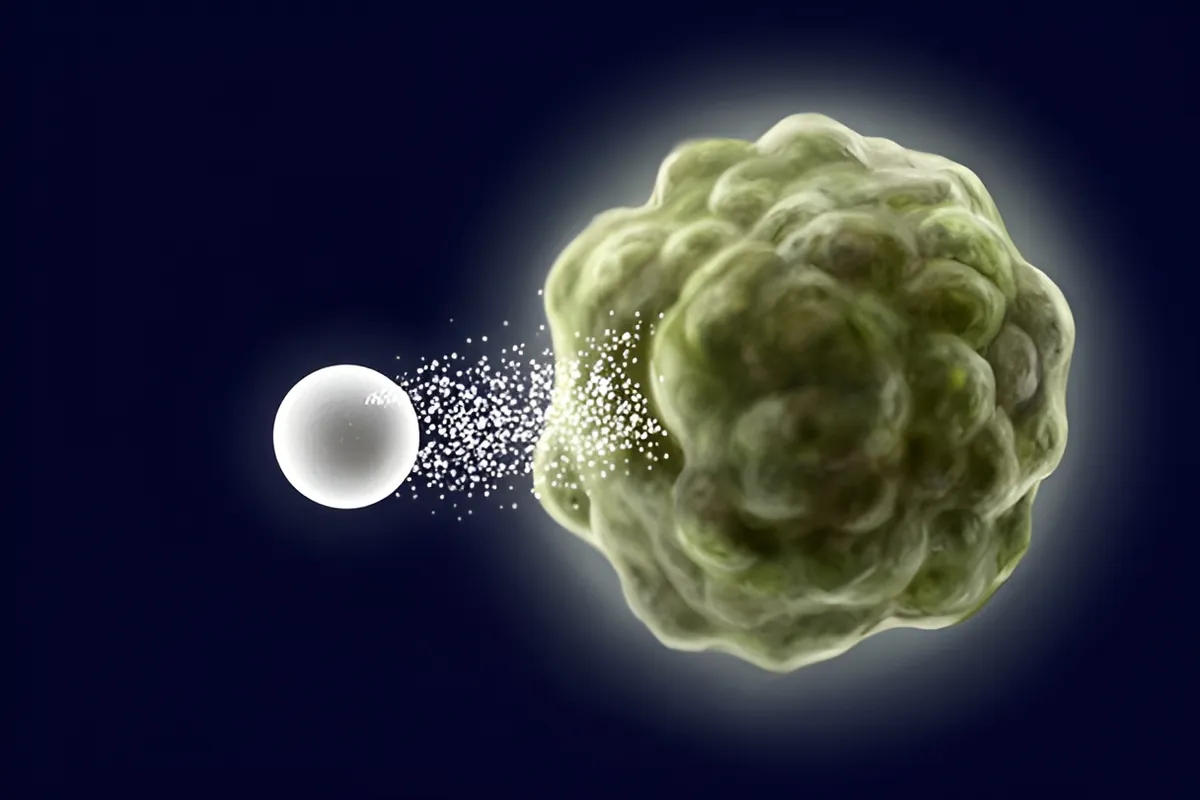
Pills and antibody infusions are made in batches, tested, and given at a fixed dose per kilogram or per square meter of body surface. CAR T cells are collected from one patient, engineered in a laboratory, and returned to that same person (CAR T Cells: Engineering Immune Cells to Treat Cancer). The product is a population of living cells, and clinicians describe the infusion as giving a patient a living drug.
Living cells behave differently from a chemical. They can expand inside the body, travel to tumor sites, persist for months or years, and be measured in blood. Two patients who receive the same product may end up with very different numbers of circulating CAR T cells. Follow-up therefore includes immune monitoring, and dose is only one factor that shapes the outcome.
It Does Not Work for Every Cancer Type
Approved products target blood cancers. The first FDA approval, in 2017, covered children with acute lymphoblastic leukemia; later approvals covered adults with non-Hodgkin lymphoma and multiple myeloma (CAR T Cells: Engineering Immune Cells to Treat Cancer). Common solid tumors such as breast, colon, and lung cancer are not treated with approved CAR T products.
Even inside the approved diseases, results vary. A tumor must carry the antigen the receptor recognizes. If the antigen is absent, or if tumor cells lose it after treatment, the therapy has nothing to bind. Some patients achieve deep, lasting remissions; others have partial responses or relapse. Eligibility depends on the disease, prior treatments, and overall health.
It Is Not the Same as a Stem Cell Transplant
A stem cell transplant replaces the blood-forming system. High-dose chemotherapy, sometimes with radiation, clears the marrow, and donor or stored stem cells rebuild it. Matching between donor and recipient matters, and recovery takes weeks to months.
CAR T-cell therapy does not replace the marrow. It modifies the patient's own T cells and returns them. No donor match is needed, and the conditioning chemotherapy given before infusion is usually lighter. The two treatments can be combined or sequenced, but they are separate procedures with separate risks. Graft-versus-host disease, a central risk of allogeneic transplant, is not a routine concern with autologous CAR T cells.
Side Effects Are Serious but Manageable at Experienced Centers
Cytokine release syndrome and neurologic effects can be life-threatening, and they are the reason treatment takes place in hospitals or closely monitored outpatient settings. Teams trained in cellular therapy recognize these reactions early and treat them with supportive care, anticytokine drugs, and corticosteroids. Most patients recover. The risk is real, and it is the main reason treatment is restricted to accredited centers with intensive care backup.
It Does Not Always Require Lifelong Treatment
CAR T-cell therapy is usually given as a single infusion, not as a repeating cycle. Many patients need no further cancer-directed treatment afterward and are monitored with periodic blood tests and scans. Others relapse and move on to other therapies, including a second cell therapy or a transplant. Long-term follow-up continues for years to track how long the cells persist and to catch late effects, but ongoing infusions are not part of the standard plan.
Cost, Access and Approved Products
Cost and access decide who actually receives CAR T-cell therapy. The science can be sound and the patient eligible, yet the treatment may still be out of reach because of price, insurance rules, manufacturing capacity, or distance from a certified center.
List Prices and Hospital Costs
In the United States, the list price of an approved CAR T-cell product runs into the hundreds of thousands of dollars for a single infusion. That figure covers manufacturing of the cells. The full treatment episode adds leukapheresis, bridging therapy given while cells are being made, conditioning chemotherapy, hospital days, intensive care if complications occur, and months of follow-up. Total billed charges can exceed the list price by a wide margin.
Prices and funding arrangements differ by country. Some health systems negotiate lower prices or cover treatment through national programs. Others reimburse only for selected indications, and some have no routine funding path at all.
Insurance Coverage Varies by Country and Plan
Coverage depends on the country, the insurer, and the specific plan. In the United States, Medicare and many commercial plans cover FDA-approved products for their labeled indications, usually with prior authorization and documentation that earlier treatments have failed. Off-label use, clinical trial participation, and treatment abroad follow different rules.
Patients are often advised to confirm coverage in writing before apheresis. Once cells are collected, a manufacturing slot is reserved, and the financial commitment begins.
Approved Products
Several products are approved by the FDA and the EMA (CAR T Cells: Engineering Immune Cells to Treat Cancer). All are autologous, meaning each dose is made from the patient's own cells.
| Product (generic name) | Target antigen | Main approved disease groups |
|---|---|---|
| Kymriah (tisagenlecleucel) | CD19 | Pediatric and young adult ALL; some lymphomas |
| Yescarta (axicabtagene ciloleucel) | CD19 | Large B-cell lymphoma; follicular lymphoma |
| Tecartus (brexucabtagene autoleucel) | CD19 | Mantle cell lymphoma; adult ALL |
| Breyanzi (lisocabtagene maraleucel) | CD19 | Large B-cell lymphoma; CLL and SLL; follicular lymphoma |
| Abecma (idecabtagene vicleucel) | BCMA | Multiple myeloma |
| Carvykti (ciltacabtagene autoleucel) | BCMA | Multiple myeloma |
Indications expand as trials report results, so current labeling should be checked before assuming a product fits a given case.
Manufacturing Slots and Center Accreditation Limit Access
Each dose is made for one patient, so production capacity is finite. Manufacturers run a limited number of slots per week, and demand can create waiting lists. Centers must be certified to prescribe and administer these products, which requires trained staff, apheresis capability, cryopreservation, and intensive care support. Not every hospital qualifies, and not every country has certified sites.
Travel to a Certified Treatment Center Is Often Needed
Patients frequently travel to a certified center for apheresis, return home, then come back for the infusion several weeks later and stay nearby during monitoring. That means lodging, time away from work, and a caregiver who can remain present. Some programs help with logistics; many do not. Planning these details early belongs in the treatment decision itself.
Future Directions: Solid Tumors and Next-Generation CARs
Blood cancers remain the proven territory for CAR T cells. The next phase of research pushes into solid tumors, reduces dependence on each patient's own cells, and applies the same cell engineering to diseases that are not cancer at all.
Solid Tumors Pose Barriers for CAR T Cells
Blood cancers circulate, so infused T cells meet their targets easily. Solid tumors build walls. Dense stroma, abnormal blood vessels, and low oxygen limit T cell entry. Tumor cells are also heterogeneous: not every cell carries the same antigen, so a single-target CAR can leave antigen-negative cells behind to regrow the tumor. The microenvironment adds further brakes, with regulatory T cells, myeloid suppressor cells, and checkpoint molecules that exhaust arriving T cells.
Research Targets New Antigens and Armored CARs
Investigators are testing targets beyond CD19 and BCMA, including antigens found on glioblastoma, pancreatic, and other solid tumors. Because many of these antigens also appear on normal tissue, designs use logic gates: a cell must see two antigens, or must see one and miss another, before it activates. Armored CARs carry extra payloads, such as cytokines or checkpoint-blocking molecules, that help them survive in a hostile tumor.
Allogeneic Off-the-Shelf CAR T Cells in Trials
Autologous manufacturing takes weeks and depends on the patient's own cells, which may be damaged by prior chemotherapy. Allogeneic CAR T cells come from healthy donors and are produced in batches that can be stored and shipped (CAR T Cells and T-Cell Therapies for Cancer). Gene editing removes the donor T cell receptor to lower the risk of graft-versus-host disease and removes HLA molecules to reduce rejection. Trials are ongoing, and how long these cells persist remains the main open question.
CAR T Cells Explored in Autoimmune Diseases
CD19-directed CAR T cells are being studied in autoimmune conditions such as systemic lupus erythematosus, systemic sclerosis, and idiopathic inflammatory myositis (CAR T Cells and T-Cell Therapies for Cancer). The goal differs from cancer treatment: deplete the B cells that produce autoantibodies, then allow a rebuilt B cell pool to restore tolerance. Early reports describe drug-free remissions in small numbers of patients, and larger trials are underway.
Gene Editing Aims to Reduce Exhaustion and Improve Persistence
Exhaustion limits how long CAR T cells keep working. CRISPR and related tools are used to delete genes such as PD-1, CISH, and the TGF-beta receptor that put brakes on T cells. Other work engineers memory-like phenotypes, adjusts the costimulatory domain inside the receptor, and adds safety switches that let clinicians turn cells off if toxicity appears. The aim is a cell population that expands well, persists longer, and can be controlled when problems arise.
Related Guides
- Stem Cell Therapy: A Decision Framework for Patients and Clinicians: Decision framework for stem cell therapy in clinical practice
- Kyverna Halts Development of Next-Generation CAR-T Therapy for Autoimmune Disease: Update on next-generation CAR-T development for autoimmune disease
- CRISPR in T Cells: Methods, Applications, and Pitfalls
- Neoantigen Prediction Algorithms in Cancer Immunotherapy
- Antibody Structure
- Monoclonal Antibody Production: Process and Methods
Frequently Asked Questions
What is CAR T-cell therapy and how does it work?
CAR T-cell therapy is a type of immunotherapy used for some blood cancers (CAR T-Cell Therapy). It starts with collecting a patient's blood and separating out T cells, the immune cells that kill infected and diseased cells. Those T cells are sent to a laboratory and genetically engineered to carry chimeric antigen receptors, or CARs, on their surface. The CARs let the cells latch onto specific proteins, called antigens, on cancer cells and sharpen their killing ability (CAR T Cells: Engineering Immune Cells to Treat Cancer). The modified cells are then grown in large numbers and infused back into the patient.
Who is eligible for CAR T-cell therapy?
Eligibility depends on the cancer type and on which treatments have already been tried. The FDA approved the first CAR T-cell therapy in 2017 for children with acute lymphoblastic leukemia, and later approvals cover adults with blood cancers such as non-Hodgkin lymphoma and multiple myeloma (CAR T Cells: Engineering Immune Cells to Treat Cancer). Providers generally offer it when other treatments have not worked or when the cancer has come back (CAR T-Cell Therapy). It is not for everyone, since CAR T-cell therapies do not work for everybody, and current approvals are limited to certain blood cancers.
How long does CAR T-cell therapy take from collection to infusion?
The process has several stages, and each one takes time. Blood is collected from the patient and the T cells are separated out. The cells then travel to a manufacturer's laboratory, where they are genetically engineered to express CARs and grown into a large population. The finished cells are returned to the treatment center and infused into the patient (CAR T Cells: Engineering Immune Cells to Treat Cancer). The total interval from collection to infusion varies with the product, the manufacturer's schedule, and the patient's condition, so the care team provides the specific timeline for each case.
What are the most common side effects of CAR T-cell therapy?
Because CAR T cells are living cells that multiply inside the body, reactions after infusion need close monitoring. The best known are cytokine release syndrome, a systemic inflammatory response that can cause fever and low blood pressure, and neurologic effects such as confusion or difficulty speaking. Both can be serious and are managed at certified treatment centers with drugs such as tocilizumab and corticosteroids plus supportive care. Other common effects include low blood counts, infections, and low antibody levels from loss of B cells.
References and Further Reading
- CAR-T cell therapy, mayoclinic.org
- CAR T-Cell Therapy, my.clevelandclinic.org
- CAR T Cells: Engineering Immune Cells to Treat Cancer, cancer.gov
- CAR T Cells and T-Cell Therapies for Cancer - PubMed, pubmed.ncbi.nlm.nih.gov