Varicella Zoster Virus: Chickenpox, Shingles and Latency
By Dr. Zubair Khalid, DVM, MS, PhD ·
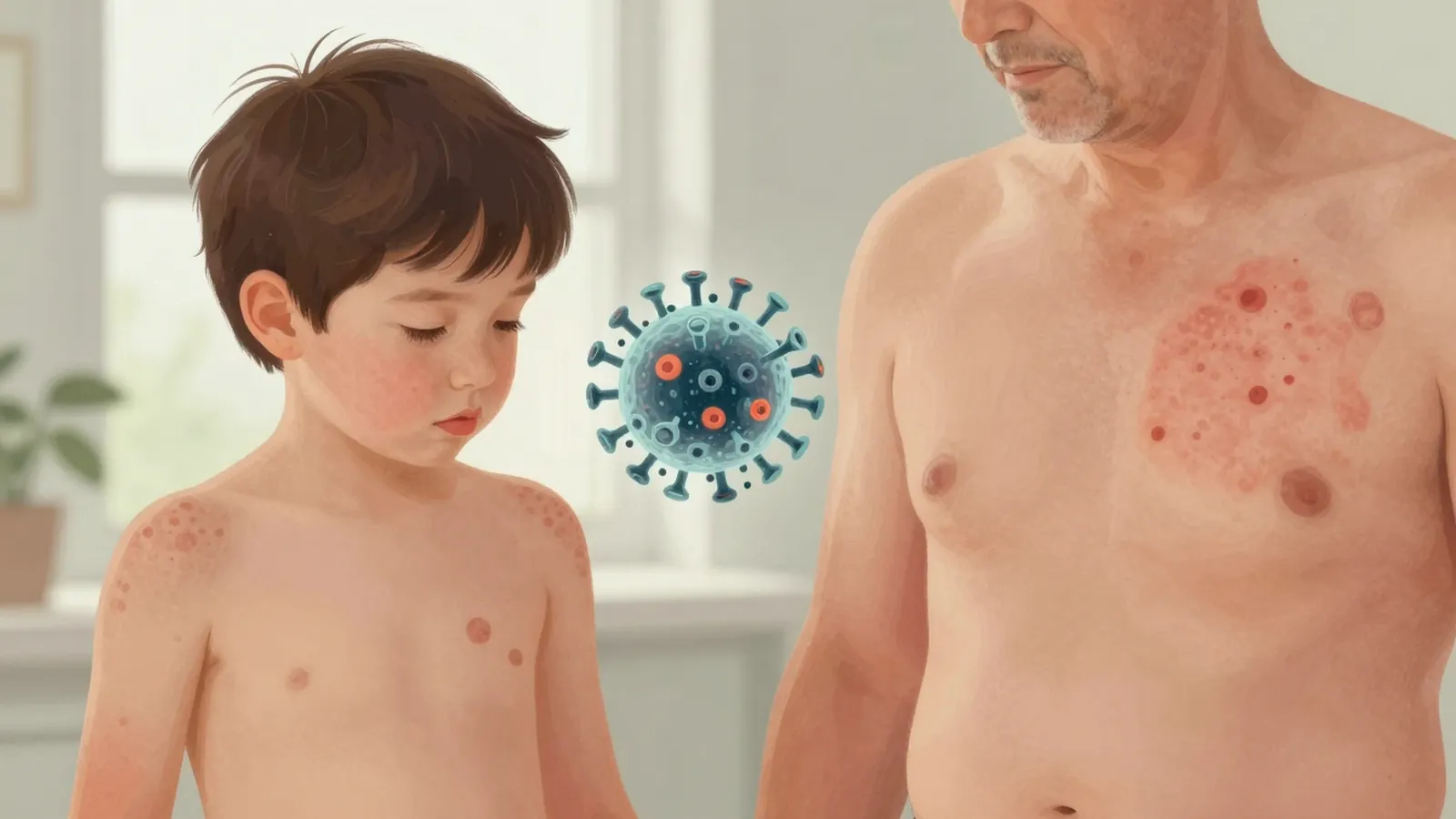
Varicella-zoster virus (VZV) is an exclusively human alphaherpesvirus that causes chickenpox during primary infection and shingles when it reactivates later in life (Varicella Zoster Virus (VZV); Varicella zoster virus infection). After chickenpox, VZV remains latent in nerve ganglia and can reactivate years or decades later, producing a painful dermatomal rash (Varicella Zoster Virus (VZV): Infection & Diseases; Varicella Zoster Virus (VZV)).
VZV spreads mainly by respiratory droplets and direct contact with skin lesion fluid, and the incubation period is 10 to 21 days (Varicella zoster virus; Varicella Zoster Virus (VZV)). Chickenpox is generally mild in healthy children but can be severe in adults and immunocompromised people (Varicella Zoster Virus (VZV); Varicella Zoster Virus (VZV)).
Key Points
- VZV is also called human herpesvirus 3 (HHV-3) and is one of nine known herpes viruses that infect humans (Varicella zoster virus).
- Primary VZV infection causes chickenpox, with fever and a vesicular, itchy rash; transmission occurs through respiratory secretions or contact with lesion fluid (Varicella Zoster Virus (VZV); Varicella Zoster Virus (VZV)).
- The incubation period is 10 to 21 days, with an average of 14 days, and infected people are most contagious 1 to 2 days before lesions appear.
- After chickenpox, VZV establishes lifelong latency in cranial nerve ganglia and dorsal root ganglia (Varicella Zoster Virus (VZV)).
- Reactivation causes herpes zoster (shingles), usually a painful vesicular rash in a dermatomal distribution, and can lead to postherpetic neuralgia (Varicella Zoster Virus (VZV); Varicella zoster virus infection).
- Lifetime shingles risk is about 20% to 30%, or 1 in 4 people, rising to 1 in 2 among adults aged 85 and older.
At a Glance
| Feature | Key facts |
|---|---|
| Pathogen | Varicella zoster virus (VZV), also known as human herpesvirus 3, is a human alphaherpesvirus (Varicella zoster virus) |
| Family and genome | VZV has a double-stranded DNA genome and a lipid envelope, and it belongs to Alphaherpesvirinae, the same subfamily as herpes simplex viruses |
| Host range | VZV infections are species-specific to humans; people are the only known natural host and source of transmission |
| Primary infection | Primary infection causes varicella, commonly called chickenpox, and usually affects children and young adults (Clinical Overview of Chickenpox (Varicella)) |
| Latency site | After chickenpox resolves, VZV remains dormant in sensory ganglia, including dorsal root and cranial nerve ganglia (Varicella Zoster Virus (VZV): Infection & Diseases) |
| Reactivation | Latent virus can reactivate as herpes zoster, or shingles, with a painful dermatomal vesicular rash |
| Spread | Transmission occurs by airborne respiratory droplets and by direct contact with fluid from chickenpox or shingles lesions |
| Incubation | The incubation period is usually 10 to 21 days, with an average of about 14 days |
| Contagious period | A person with chickenpox is most contagious 1 to 2 days before lesions appear, and can spread VZV before the rash (Varicella zoster virus; Clinical Overview of Chickenpox (Varicella)) |
| Lifetime shingles risk | Lifetime shingles risk is about 20% to 30%, or 1 in 4 people, and rises to about 1 in 2 by age 85 |
| Prevention | Prevention includes live attenuated varicella vaccine for chickenpox and recombinant zoster vaccine for shingles (Varicella zoster virus infection) |
| High-risk groups | Infants, pregnant women, immunocompromised people, and adults with chickenpox face higher risk of severe disease |
| Treatment | Antivirals include oral valacyclovir, famciclovir, and acyclovir; severe or disseminated disease may need intravenous acyclovir |
VZV is highly infectious and establishes lifelong latency after primary infection (Varicella Zoster Virus (VZV)). Vaccination and antiviral treatment reduce the burden of chickenpox and shingles, but severe disease still occurs in high-risk groups (Varicella zoster virus infection).
What Is Varicella Zoster Virus?
Varicella zoster virus (VZV), also called human herpesvirus 3, is a human alphaherpesvirus that causes two distinct clinical illnesses: varicella, or chickenpox, and herpes zoster, or shingles (Varicella zoster virus). The virus is closely related to herpes simplex viruses, and it shares their ability to remain latent in nerve tissue after primary infection.
A Herpesvirus with a DNA Genome
VZV has a double-stranded DNA genome and a lipid envelope (Varicella zoster virus). It belongs to the Alphaherpesvirinae subfamily. The envelope helps the virus enter cells, and VZV can survive in external environments for a few hours. VZV infections are species-specific to humans, and humans are the only known natural host. The virus can infect and grow in several cell types, including blood, skin, and nerve cells (Varicella Zoster Virus (VZV)).
Primary Infection: Chickenpox
Primary VZV infection begins in the respiratory tract. The virus grows at the site of entry in the nasopharynx, moves to regional lymph nodes, enters the bloodstream, and spreads to organs such as the liver and spleen before reaching the skin (Varicella Zoster Virus (VZV)). This sequence helps explain the lag between exposure and rash. VZV also multiplies in the tonsils (Varicella zoster virus). The resulting illness, varicella, is a widespread vesicular rash with fever and constitutional symptoms (Varicella Zoster Virus (VZV)).
After primary infection, VZV does not disappear. It travels along sensory nerves and establishes lifelong latency in ganglionic neurons along the neuroaxis (Varicella zoster virus infection). Latency sites include the dorsal root ganglia, cranial nerve ganglia, and autonomic ganglia (Varicella zoster virus). The trigeminal ganglion is a common site (Varicella Zoster Virus (VZV): Infection & Diseases).
Reactivation: Shingles
Reactivation produces herpes zoster, usually a painful vesicular rash in a dermatomal distribution (Varicella Zoster Virus (VZV)). The rash follows the territory of a sensory nerve, most often on the trunk or face (Varicella Zoster Virus (VZV)). Reactivation is linked to age-associated immune dysfunction and immunosuppressive conditions (Varicella zoster virus infection). It can happen more than once in a lifetime (Varicella Zoster Virus (VZV): Infection & Diseases). Postherpetic neuralgia, chronic neuropathic pain at the site of the rash, is a secondary complication.
Rarely, VZV reactivation causes multisystem disease, including vasculopathy, cranial neuropathies, myelopathy, and cardiovascular or gastrointestinal complications; these can occur without rash or at a time separate from rash (Varicella zoster virus infection).
Two Diseases, One Virus
| Feature | Varicella (chickenpox) | Herpes zoster (shingles) |
|---|---|---|
| Timing | Primary infection, usually in childhood (Clinical Overview of Chickenpox (Varicella)) | Reactivation years to decades after primary infection (Varicella Zoster Virus (VZV): Infection & Diseases) |
| Virus state | Active replication and spread through the body (Varicella Zoster Virus (VZV)) | Latent virus reactivates in a sensory ganglion |
| Rash pattern | Widespread lesions that appear in crops | Usually dermatomal and limited to one side (Varicella Zoster Virus (VZV)) |
| Contagion | Spreads by airborne droplets and lesion contact | Lesion contact can cause chickenpox in susceptible people |
Example: A child develops chickenpox after respiratory exposure, recovers, and later has no symptoms. Decades later, immune control weakens, VZV in a dorsal root ganglion reactivates, and a painful band of blisters appears on one side of the trunk (Varicella Zoster Virus (VZV): Infection & Diseases; Varicella zoster virus infection).
How VZV Spreads and Who Is at Risk
VZV is highly infectious (Varicella Zoster Virus (VZV)). Primary infection usually follows exposure through direct contact with a skin lesion or through airborne spread from respiratory droplets. Understanding the routes and timing of transmission helps families, schools, and clinics reduce exposure.
Respiratory and Contact Transmission
Chickenpox spreads by airborne droplets from coughs and sneezes (Clinical Overview of Chickenpox (Varicella)). Direct contact with blister fluid can also transmit VZV. Transmission may occur by aspirating airborne droplets or by direct contact with, or inhalation of, aerosols from skin lesion fluids (Varicella Zoster Virus (VZV)). VZV can survive in external environments for a few hours (Varicella zoster virus).
The primary infection begins in the respiratory tract, where the virus grows at the site of entry in the nasopharynx (Varicella Zoster Virus (VZV)). From there, it moves into regional lymph nodes, into the bloodstream, and then to organs such as the liver and spleen, to nerves, and finally to the skin.
| Route | How exposure occurs | Key point |
|---|---|---|
| Airborne droplets | Coughs and sneezes from a person with chickenpox (Clinical Overview of Chickenpox (Varicella)) | Can spread before the rash is visible |
| Direct lesion contact | Touching fluid from chickenpox or shingles blisters | Shingles lesions can transmit VZV to susceptible contacts (Varicella Zoster Virus (VZV): Infection & Diseases) |
| Aerosolized lesion fluid | Inhalation of aerosols from skin lesion fluids (Varicella Zoster Virus (VZV)) | Less common than respiratory spread but plausible in close contact |
When a Person Is Contagious
A person with chickenpox is contagious before the rash appears (Clinical Overview of Chickenpox (Varicella)). Infected individuals are most contagious 1 to 2 days before the lesions appear (Varicella zoster virus). This timing matters because isolation that starts only after the rash is noticed may miss the most infectious period.
Shingles rash can transmit VZV and cause chickenpox in susceptible contacts (Varicella Zoster Virus (VZV): Infection & Diseases). The contact develops chickenpox, not shingles, because the exposure is a primary infection. People with shingles should keep the rash covered and avoid contact with people who have never had chickenpox or varicella vaccine.
Who Is at Risk
Immunocompromised people, infants, and pregnant women face higher risk (Clinical Overview of Chickenpox (Varicella)). Adults with chickenpox often have more severe illness than children. The disease in healthy adults is generally more severe and prolonged than in healthy children (Varicella Zoster Virus (VZV)). Children or adults with cancers or AIDS may develop a very severe form of the disease characterized by high fever, extensive vesicular rash, high complication rates, and very prolonged illness.
| Group | Why risk is higher | What to watch |
|---|---|---|
| Infants | Immune systems are immature, and chickenpox can be severe (Clinical Overview of Chickenpox (Varicella)) | Fever, poor feeding, widespread rash |
| Pregnant women | VZV can affect the mother and carry risk to the pregnancy | Rash, fever, respiratory symptoms |
| Immunocompromised people | Immune control of VZV is weaker, so disease can be severe | Extensive rash, high fever, prolonged illness (Varicella Zoster Virus (VZV)) |
| Adults with chickenpox | Primary infection is often more severe than in children | Persistent fever, breathing trouble, worsening rash |
Worked Example: Household Exposure
An unvaccinated child with chickenpox coughs in a household. A pregnant aunt who never had chickenpox and an infant sibling are exposed. The child is contagious before the rash appears, so exposure may occur before anyone knows chickenpox is present (Clinical Overview of Chickenpox (Varicella)). The aunt and infant are high-risk contacts and should be assessed promptly by a clinician.
Chickenpox: Signs and Symptoms
Chickenpox is the primary infection caused by VZV (Clinical Overview of Chickenpox (Varicella)). The incubation period is usually 10 to 21 days. VZV has an incubation period of 10 to 21 days, with an average of 14 days (Varicella zoster virus). The illness usually begins with systemic symptoms, followed by a characteristic rash.
Incubation and Early Symptoms
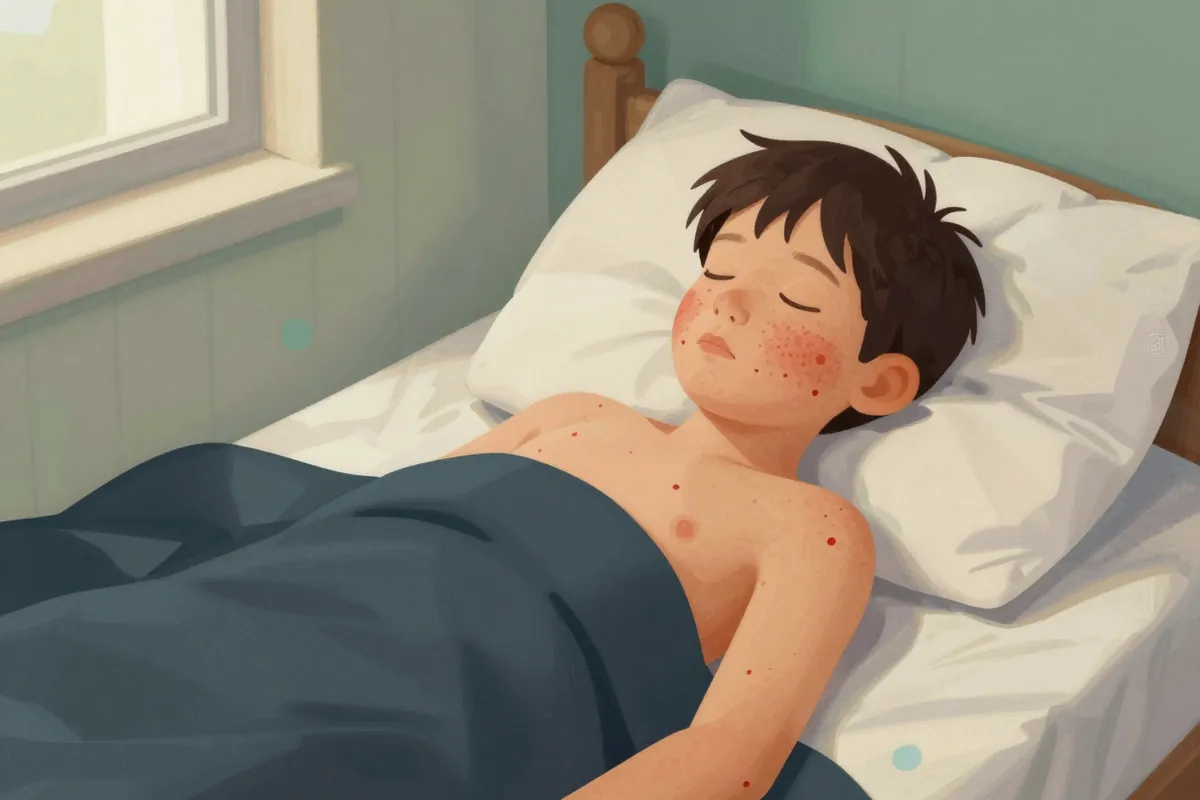
Early symptoms include fever, fatigue, headache, and appetite loss (Clinical Overview of Chickenpox (Varicella)). In healthy children, the disease is generally mild, with fever up to about 102 F for 2 to 3 days, fatigue, and varying levels of rash, itching, and irritation (Varicella Zoster Virus (VZV)). Most symptoms resolve in a few weeks.
The disease in healthy adults is generally more severe and prolonged (Varicella Zoster Virus (VZV)). Children or adults with cancers or AIDS may develop a very severe form with high fever, extensive vesicular rash, high complication rates, and very prolonged illness.
Rash Progression
The rash begins as small red bumps and progresses to fluid-filled blisters (Clinical Overview of Chickenpox (Varicella)). Lesions appear in crops and crust over within about a week. Vesicles can fill with pus, rupture, and scab before healing (Varicella zoster virus). Lesions most commonly occur on the face, throat, the lower back, the chest, and the shoulders. The rash is widely disseminated and primarily involves the trunk and face (Varicella Zoster Virus (VZV)).
Itching is common, and scratching can lead to bacterial skin infection (Clinical Overview of Chickenpox (Varicella)). The symptoms usually resolve within 7 to 10 days, but in rare cases primary varicella leads to more severe disease and visceral invasion (Varicella Zoster Virus (VZV)).
| Phase | Skin findings | Common symptoms |
|---|---|---|
| Early | Small red bumps appear in crops (Clinical Overview of Chickenpox (Varicella)) | Fever, fatigue, headache, appetite loss |
| Blister | Bumps become fluid-filled vesicles | Itching and irritation (Varicella Zoster Virus (VZV)) |
| Crusting | Lesions crust over within about a week | Itching continues; scratching can cause bacterial infection |
| Healing | Scabs form and skin heals (Varicella zoster virus) | Most symptoms resolve in 7 to 10 days (Varicella Zoster Virus (VZV)) |
Itching and Skin Care
Itching is common in chickenpox (Clinical Overview of Chickenpox (Varicella)). Scratching can break the skin and lead to bacterial infection. Keep fingernails short, use gentle skin care, and encourage children not to scratch. A clinician can advise on antipruritic measures and on warning signs of skin infection.
When to Seek Care
Most children recover from chickenpox (Clinical Overview of Chickenpox (Varicella)). Complications can occur, and some groups need prompt clinical advice. Infants, pregnant women, immunocompromised people, and adults with chickenpox face higher risk of severe disease. People with cancers or AIDS may develop very severe disease (Varicella Zoster Virus (VZV)).
Example: A 5-year-old develops fever and appetite loss, then crops of small red bumps that become blisters on the trunk and face. The lesions crust over within about a week, and itching is intense. The child recovers, but scratching causes a small bacterial skin infection that needs medical review (Clinical Overview of Chickenpox (Varicella)).
At a Glance
| Topic | Key point |
|---|---|
| Cause | VZV is a human herpesvirus; primary infection causes chickenpox, then the virus remains latent in nerve ganglia (Varicella Zoster Virus (VZV): Infection & Diseases) |
| Reactivation | Declining immunity can let VZV travel along a sensory nerve and produce shingles |
| Typical rash | Painful, band-like vesicular rash on one side of the body, usually within one dermatome |
| Spread | Shingles is not contagious, but fluid from its rash can transmit VZV to susceptible people |
| High-risk groups | Older adults, immunocompromised people, pregnant women, and newborns need prompt advice (Clinical Overview of Chickenpox (Varicella)) |
| Testing | Diagnosis is often clinical; PCR of lesion fluid helps in atypical or severe cases |
| Prevention | Vaccination lowers the risk of chickenpox and shingles |
VZV causes chickenpox at first infection and stays in nerve cells, with shingles appearing when immunity falls (Varicella Zoster Virus (VZV): Infection & Diseases). Eye symptoms, pregnancy, newborn exposure, or weakened immunity warrant urgent medical advice (Varicella Zoster Virus (VZV): Infection & Diseases; Clinical Overview of Chickenpox (Varicella)).
Shingles: How Latent VZV Reactivates
From Chickenpox to Latency
After chickenpox heals, VZV does not leave the body. It travels into nerve cells and remains inactive in dorsal root ganglia or cranial nerve ganglia (Varicella Zoster Virus (VZV): Infection & Diseases). This dormant state is called latency. The virus can stay silent for years or decades.
Reactivation occurs when immunity to VZV declines (Varicella Zoster Virus (VZV): Infection & Diseases). Age, illness, and medicines that suppress the immune system can weaken the control that keeps VZV dormant. The virus then moves down the sensory nerve toward the skin. Not everyone who had chickenpox develops shingles. Reactivation can happen more than once, although repeat episodes are uncommon.
Warning Signs Before the Rash
A painful tingling or burning sensation may precede the rash (Varicella Zoster Virus (VZV): Infection & Diseases). This prodrome can be mistaken for muscle strain, a pinched nerve, or another skin problem. The discomfort usually follows the nerve path that will later show the rash. Some people notice sensitivity to touch or a deep ache.
The Rash and Its Pattern
The rash usually appears in a band on one side of the body (Varicella Zoster Virus (VZV): Infection & Diseases). Vesicles cluster in a dermatome and crust over. A dermatome is the skin area supplied by one sensory nerve root. Because VZV travels along that nerve, the rash stays on one side and rarely crosses the midline. The trunk is a common site, but the face and eye area can be involved. New vesicles can appear for a few days, then dry and form crusts.
For example, a 65-year-old notices burning on the left side of the chest for two days, then sees grouped vesicles along a band. The pattern points to shingles in a thoracic dermatome (Varicella Zoster Virus (VZV): Infection & Diseases).
Contagion and Pain
Shingles is not contagious, but its rash can spread VZV (Varicella Zoster Virus (VZV): Infection & Diseases). A person with shingles cannot give shingles to someone else. However, fluid from the vesicles can transmit VZV to a person who has never had chickenpox and is not vaccinated. That contact may develop chickenpox. Covering the rash and hand hygiene reduce spread while vesicles are present.
Postherpetic neuralgia is pain that persists after the rash heals (Varicella Zoster Virus (VZV): Infection & Diseases). It is the most common shingles complication and can last for weeks or longer. Antiviral treatment works best when started early, so prompt assessment matters.
| Stage | Typical features |
|---|---|
| Latency | Virus inactive in nerve ganglia (Varicella Zoster Virus (VZV): Infection & Diseases) |
| Prodrome | Tingling, burning, or pain before rash |
| Active rash | Vesicles in a dermatome, one side, crust over |
| Healing | Rash resolves; pain may persist as postherpetic neuralgia |
Complications and High-Risk Groups
Chickenpox Complications
Most healthy children recover from chickenpox without severe problems. Bacterial skin infections are a common chickenpox complication (Clinical Overview of Chickenpox (Varicella)). Scratching can break vesicles and let skin bacteria enter. Pneumonia and encephalitis are rare but serious complications. These problems can occur in healthy people, but the risk is higher in adults, newborns, and people with weakened immunity. Breathing trouble, confusion, or a rapidly worsening illness needs urgent assessment.
Most complications are uncommon, but they are the reason clinicians take VZV seriously. A person who cannot fight the virus well may develop progressive disease. Bacterial infection can look like increasing redness, warmth, swelling, or pus around lesions. These signs need medical review (Clinical Overview of Chickenpox (Varicella)).
Shingles Complications
Postherpetic neuralgia is the most common shingles complication (Varicella Zoster Virus (VZV): Infection & Diseases). It is chronic nerve pain at the site of the rash, and it can disrupt sleep, work, and daily activity. Eye involvement from shingles can threaten vision. Shingles near the eye or on the nose needs urgent medical advice. Rare neurologic problems can occur, including facial weakness, eye swelling, and ear pain.
Pain that lasts months can lead to sleep loss and reduced activity, so treatment should be discussed early. Postherpetic neuralgia is more likely in older adults, but it can occur at any age (Varicella Zoster Virus (VZV): Infection & Diseases).
Groups Who Need Faster Advice
Newborns, pregnant women, and immunocompromised people need urgent advice (Clinical Overview of Chickenpox (Varicella)). This group includes people receiving chemotherapy, transplant recipients,
Treatment and Symptom Relief
Most chickenpox cases in healthy children resolve without antiviral therapy, and care centers on comfort, fever control and prevention of skin infection (Clinical Overview of Chickenpox (Varicella)). Treatment looks different for three groups: healthy children, high-risk patients, and people with shingles.
Supportive care for chickenpox
For a healthy child, the priorities are rest, fluids, and relief of fever and itching (Clinical Overview of Chickenpox (Varicella)). Acetaminophen is used for fever and discomfort. Aspirin is avoided in children because of Reye syndrome risk.
When lesions inside the mouth make drinking painful, small amounts of fluid offered often are easier than large drinks. Soft, bland foods are gentler on mouth sores.
Reducing itch and scratching
Antihistamines and oatmeal baths may ease itching (Clinical Overview of Chickenpox (Varicella)). Keep fingernails short to reduce scratching and skin infection. Scratching tears blisters open, and bacteria that normally live on the skin can then enter the broken skin and cause a secondary bacterial infection.
Loose cotton clothing and cool compresses also help. A child who scratches during sleep may benefit from cotton mittens or socks over the hands.
Antiviral drugs for high-risk patients
Antiviral drugs can reduce severity for high-risk patients (Varicella Zoster Virus (VZV): Infection & Diseases). This group includes adolescents and adults, pregnant women, newborns, and people with weakened immunity. Adults and very young children are more likely to develop complications from primary infection (Varicella Zoster Virus (VZV)), which is why early medical review matters.
Drug options include oral valacyclovir, famciclovir or acyclovir, with intravenous acyclovir for severe or disseminated disease (Varicella zoster virus infection). Antiviral treatment works best when started early in the illness, so a high-risk patient with a suspicious rash should be assessed promptly.
Managing shingles pain
Shingles pain may need specific pain management (Varicella Zoster Virus (VZV): Infection & Diseases). Antiviral drugs treat the underlying VZV infection (Varicella zoster virus infection), but the nerve pain can outlast the rash. Postherpetic neuralgia is chronic neuropathic pain at the site of shingles (Varicella Zoster Virus (VZV)), and it may need its own plan, separate from skin care.
Care measures at a glance
| Problem | Measure | Key point |
|---|---|---|
| Fever and discomfort | Acetaminophen | Aspirin avoided in children due to Reye syndrome risk (Clinical Overview of Chickenpox (Varicella)) |
| Itching | Antihistamines, oatmeal baths | May ease itching |
| Scratching | Short fingernails, mittens, loose clothing | Reduces skin infection risk |
| Severe or high-risk chickenpox | Antiviral drugs | Reduce severity (Varicella Zoster Virus (VZV): Infection & Diseases) |
| Shingles nerve pain | Dedicated pain management | May need specific treatment |
When to seek medical care
Medical review is needed for a child who is dehydrated, breathing fast, drowsy, or has lesions that look infected, and for any adult with chickenpox. These signs suggest complicated rather than uncomplicated disease.
Vaccination and Prevention
Two vaccines address VZV disease: the varicella vaccine against chickenpox and the zoster vaccine against shingles (Varicella zoster virus infection). Practical steps to limit spread matter as well, especially around people who are not immune.
Varicella vaccine
The varicella vaccine is recommended for children and susceptible adults (Clinical Overview of Chickenpox (Varicella)). Two doses provide high protection against chickenpox. Adults without a reliable history of chickenpox or documented vaccination should ask about their status, since adult disease is more severe.
Routine childhood varicella vaccination has been followed by sharp drops in hospitalization and mortality from the disease (Varicella Zoster Virus (VZV)). That is the main public health argument for high coverage.
Shingles vaccine
The shingles vaccine is recommended for older adults (Varicella Zoster Virus (VZV): Infection & Diseases). A recombinant zoster vaccine is one of the standard prevention strategies for herpes zoster (Varicella zoster virus infection). Because shingles comes from virus already dormant in the nerves, the vaccine targets reactivation of virus already present, not a new infection.
Vaccination and weakened immunity
People with weakened immunity need medical advice before vaccination (Clinical Overview of Chickenpox (Varicella)). The varicella vaccine is a live attenuated vaccine (Varicella zoster virus infection), and live vaccines are generally avoided in significant immune suppression, so the decision requires clinical input. Household members of an immunocompromised person should also discuss vaccination, because protecting the contacts protects the patient.
Vaccines and disease severity
Vaccines reduce severe disease and complications (Clinical Overview of Chickenpox (Varicella)). Protection is strongest against the worst outcomes; milder breakthrough illness can still occur in vaccinated people, and those cases are usually less severe than unvaccinated ones.
Limiting spread during illness
Isolation and lesion covering help limit VZV spread (Clinical Overview of Chickenpox (Varicella)). A person with chickenpox or shingles should cover rash lesions, wash hands often, and avoid close contact with pregnant women, newborns, and people with weakened immunity until lesions have crusted. VZV is most contagious 1 to 2 days before lesions appear (Varicella zoster virus), so spread often happens before anyone knows the illness is chickenpox.
| Vaccine | Protects against | Typical recipients |
|---|---|---|
| Varicella vaccine | Chickenpox | Children and susceptible adults (Clinical Overview of Chickenpox (Varicella)) |
| Zoster vaccine | Shingles and related complications | Older adults (Varicella Zoster Virus (VZV): Infection & Diseases) |
Special settings
In households, schools, and health care facilities, a single case can seed several more. Coverage of eligible people, plus prompt isolation when rash appears, gives the best protection for those who cannot be vaccinated.
Common Misconceptions
VZV is one of the most familiar viruses in medicine, and also one of the most misunderstood. Several beliefs about chickenpox and shingles are common and lead to wrong decisions about care and contact.
Misconception: shingles is a new infection
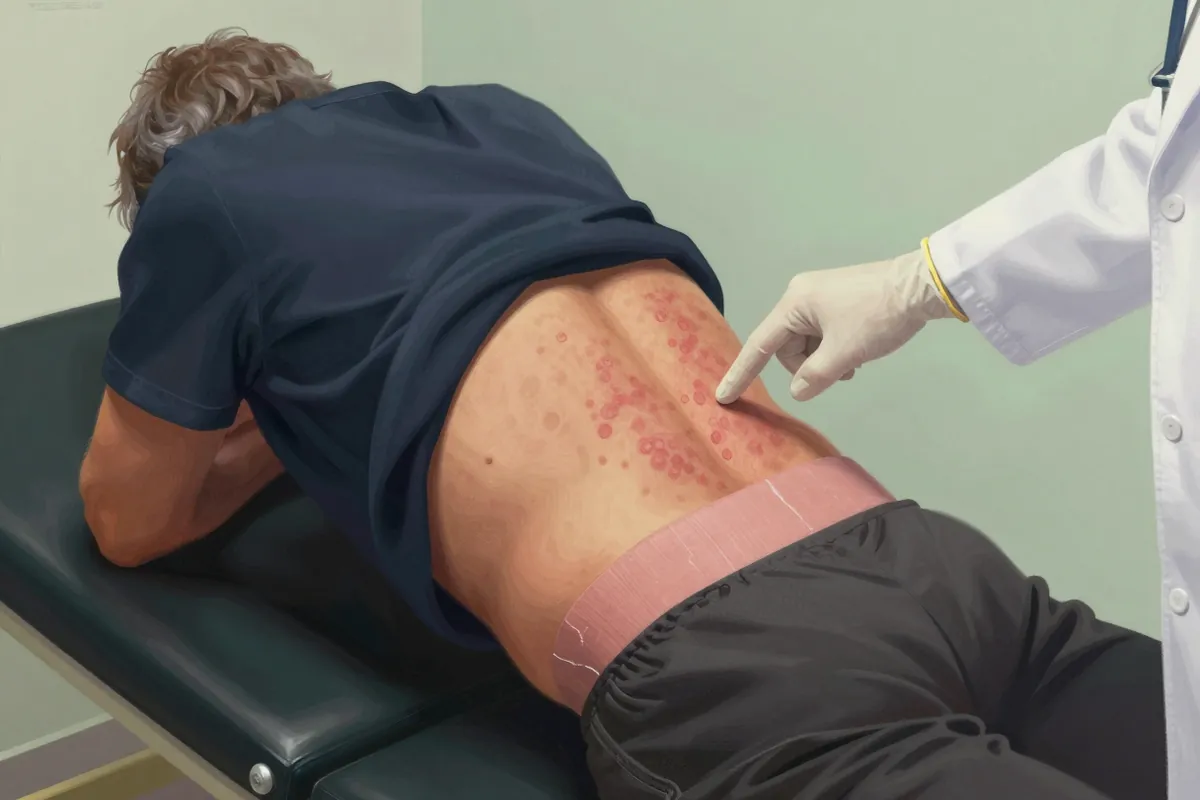
Shingles is not caused by a new infection; it is reactivation of VZV that has stayed in the body since chickenpox (Varicella Zoster Virus (VZV): Infection & Diseases). After recovery from chickenpox, the virus settles into nerve cells, including the dorsal root ganglia, and remains inactive there. Years or decades later it can travel down the nerve and produce a painful rash in the area that nerve supplies (Varicella Zoster Virus (VZV)).
Misconception: you can catch shingles from someone with shingles
You cannot catch shingles from someone with shingles (Varicella Zoster Virus (VZV): Infection & Diseases). The illness is not passed on as shingles. However, a shingles rash can transmit VZV to people who lack immunity. Those contacts, if infected, develop chickenpox, not shingles. This is why covering the rash and avoiding contact with pregnant women, newborns, and immunocompromised people matters.
Misconception: chickenpox is always mild
Chickenpox is not always mild in adults or high-risk groups (Clinical Overview of Chickenpox (Varicella)). Disease in healthy adults is generally more severe and prolonged than in children (Varicella Zoster Virus (VZV)), and adults and very young children are more likely to develop complications (Varicella Zoster Virus (VZV)). Complications include pneumonia, hepatitis, and encephalitis, which are uncommon but can be life threatening.
Misconception: vaccinated people cannot get chickenpox
Vaccinated people can still get chickenpox, but cases are usually milder (Clinical Overview of Chickenpox (Varicella)). Vaccination reduces severe disease and complications, and that remains true even when infection occurs.
Misconception: scratching a blister is harmless
Scratching chickenpox blisters can lead to bacterial infection (Clinical Overview of Chickenpox (Varicella)). Bacterial superinfection is a recognized complication of VZV disease and adds to illness and scarring risk (Varicella Zoster Virus (VZV)).
Misconception: the virus leaves once the rash clears
VZV stays in nerve cells for life after chickenpox (Varicella Zoster Virus (VZV): Infection & Diseases). Latency is the reason a person who had chickenpox as a child can develop shingles as an adult.
| Belief | What actually happens |
|---|---|
| Shingles is a new infection | Reactivation of latent VZV (Varicella Zoster Virus (VZV): Infection & Diseases) |
| Shingles spreads as shingles | Rash can transmit VZV, causing chickenpox in non-immune contacts |
| Chickenpox is always mild | Severe in adults and high-risk groups (Clinical Overview of Chickenpox (Varicella)) |
| Vaccine gives total protection | Breakthrough cases occur, usually milder |
| Scratching is harmless | Can cause bacterial skin infection |
Correcting these beliefs early helps families seek care at the right time and take sensible precautions around vulnerable contacts.
Related Guides
- Virus Neutralization Assays: Choosing a Format and Interpreting Readouts: Explains neutralization assays for interpreting antiviral immunity and antibody readouts
- Serology vs PCR for Animal Virus Diagnosis: Compares serology and PCR for viral diagnosis
- PCR vs Virus Isolation in Veterinary Virology: A Comparative Analysis of Molecular and Classical Diagnostic Approaches: Contrasts PCR with virus isolation in diagnostic virology
- Dog Diarrhea Virus Going Around: Contagious Causes Explained
- Development of a Multiplex RT-qPCR Assay for Differentiation of Wild-Type and Vaccine Strains of Canine Distemper Virus
Frequently Asked Questions
What is the difference between chickenpox and shingles?
Chickenpox (varicella) is the illness that follows first infection with varicella zoster virus, usually in childhood, and it brings fever with a widespread, itchy, blistering rash (Varicella Zoster Virus (VZV)). After recovery the virus does not leave the body. It settles into cranial nerve and dorsal root ganglia and stays there for life. Shingles (herpes zoster) is reactivation of that dormant virus years or decades later, producing a painful blistering rash limited to the strip of skin supplied by one sensory nerve (Varicella Zoster Virus (VZV); Varicella Zoster Virus (VZV)). Chickenpox is a primary infection; shingles is a reactivation from a nerve root.
How long is chickenpox contagious?
Chickenpox is highly contagious (Varicella Zoster Virus (VZV)). Infected people are most infectious 1 to 2 days before the rash appears, so virus can spread before anyone knows the child is sick (Varicella zoster virus). The period of illness lasts about 3 to 4 days, and the lesions fill with pus, rupture, and scab before healing. Virus leaves the body in respiratory tract secretions and in fluid from skin blisters, moving through direct contact, airborne droplets, and aerosols (Varicella Zoster Virus (VZV)). VZV survives in the external environment for only a few hours.
Is shingles contagious?
Shingles itself is not passed from person to person. What spreads is the virus. VZV travels in respiratory secretions and in fluid from skin lesions, by direct contact, droplets, and aerosols (Varicella Zoster Virus (VZV)). A person with shingles who is still forming fluid-filled blisters can therefore expose someone who has never had chickenpox and was never vaccinated, and that contact would develop chickenpox, not shingles. Once the lesions scab over, shedding falls. Covering the rash, washing hands, and keeping distance from pregnant women, premature
References and Further Reading
- Varicella Zoster Virus (VZV) - PMC, pmc.ncbi.nlm.nih.gov
- Varicella zoster virus infection, nature.com
- Varicella Zoster Virus (VZV): Infection & Diseases, my.clevelandclinic.org
- Varicella zoster virus, en.wikipedia.org
- Varicella Zoster Virus (VZV), tnbrc.tulane.edu
- Clinical Overview of Chickenpox (Varicella), cdc.gov