Leprosy and Mycobacterium leprae: Causes, Spread and Treatment
By Dr. Zubair Khalid, DVM, MS, PhD ·
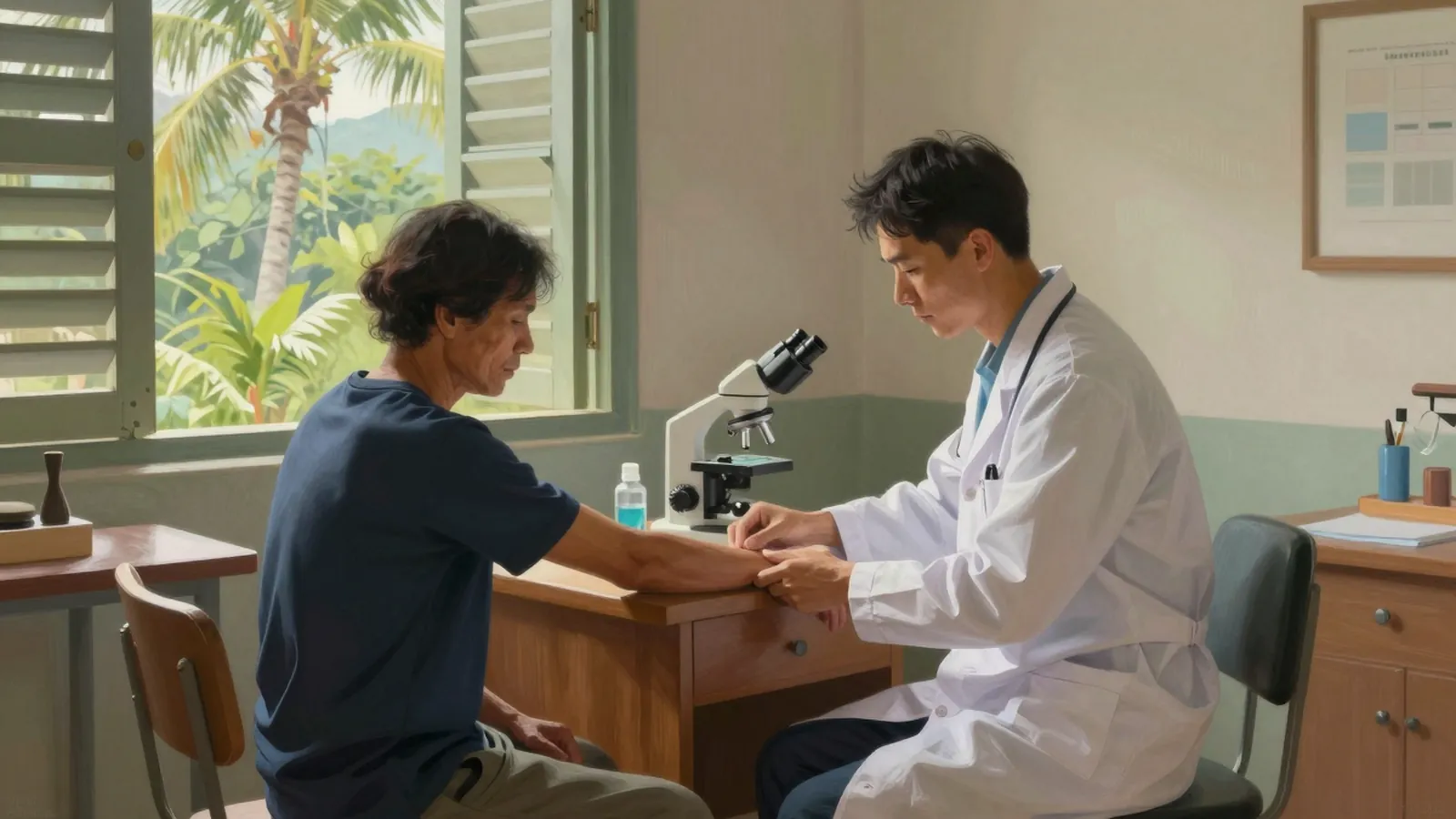
Leprosy, also called Hansen disease, is a chronic infectious disease caused mainly by Mycobacterium leprae, and Mycobacterium lepromatosis is also recognized as a cause (Leprosy; About Leprosy (Hansen's Disease)). It spreads through droplets from the nose and mouth of an untreated case during prolonged, close contact, and it is curable with multidrug therapy (Leprosy; Mycobacterium leprae).
M. leprae is a slow-growing, acid-fast, Gram-positive rod that cannot be grown in cell-free laboratory media (Mycobacterium leprae). The disease mainly affects the skin, peripheral nerves, upper respiratory mucosa, and eyes, and it does not spread through casual contact such as shaking hands, hugging, sharing meals, or sitting next to someone (Leprosy).
Key Points
- M. leprae is an obligate intracellular parasite that infects mainly macrophages and Schwann cells and is typically found in clusters (Mycobacterium leprae).
- Apart from humans, the only known natural hosts are nine-banded armadillos and red squirrels.
- Transmission requires prolonged, close contact with an untreated case; patients stop transmitting the disease once treatment begins (Leprosy).
- Diagnosis is clinical and requires at least one cardinal sign: loss of sensation in a pale or reddish skin patch, a thickened peripheral nerve with sensory or motor loss, or bacilli in a slit-skin smear.
- WHO recommends multidrug therapy with dapsone, rifampicin, and clofazimine, and early treatment can prevent disability.
- About 200,000 new cases are reported each year in more than 120 countries, and Brazil, India, and Indonesia each continue to report more than 10,000 new cases.
At a Glance
| Feature | Key point |
|---|---|
| Cause | Mycobacterium leprae, a slow-growing acid-fast rod (Mycobacterium leprae) |
| Spread | Prolonged household contact with untreated cases via nasal droplets (About Leprosy (Hansen's Disease)) |
| Incubation | Average 2 to 5 years, sometimes up to 20 (Leprosy) |
| Signs | Pale or reddish skin patches with lost sensation (Leprosy: Causes, Symptoms, Treatment & Prevention) |
| Cure | Free multidrug therapy for 6 to 12 months |
| Outcome | Curable, and early treatment prevents disability |
Leprosy is a chronic bacterial infection that mainly affects the skin, peripheral nerves, upper airways, and eyes (Leprosy). Early diagnosis and multidrug therapy cure the infection and prevent nerve damage and disability.
What Is Leprosy (Hansen's Disease)?
Leprosy is a chronic infectious disease caused mainly by Mycobacterium leprae (Leprosy). A second species, Mycobacterium lepromatosis, can also cause the disease (About Leprosy (Hansen's Disease)). The infection develops slowly, and symptoms may appear years after exposure (Leprosy: Causes, Symptoms, Treatment & Prevention). Leprosy is not a disease of the past: about 200,000 new cases are reported worldwide each year, and it still occurs in more than 120 countries.
A Disease of Skin, Nerves, and Eyes
Leprosy affects the skin, peripheral nerves, mucosa of the upper respiratory tract, and eyes (Leprosy). The disease commonly appears as skin lesions and peripheral nerve involvement. Nerve damage can cause loss of sensation, muscle weakness, and permanent disability if treatment is delayed (Leprosy; Leprosy: Causes, Symptoms, Treatment & Prevention). Damage to the hands, feet, and face can lead to paralysis, blindness, and deformity (Leprosy: Causes, Symptoms, Treatment & Prevention).
The peripheral nerves are central to the disease. A thickened or enlarged nerve with sensory loss or muscle weakness is one of the cardinal signs of leprosy (Leprosy). Skin patches may be pale or reddish, and the loss of sensation in those patches is a key diagnostic finding (Leprosy; Leprosy: Causes, Symptoms, Treatment & Prevention).
Why It Is Called Hansen's Disease
The Norwegian physician Gerhard Armauer Hansen discovered the leprosy bacillus in 1873 (Mycobacterium leprae). M. leprae was the first bacterium identified as a cause of disease in humans. The name Hansen's disease honors that discovery and is preferred by some patients and organizations because the word "leprosy" carries a long history of stigma (Mycobacterium leprae: A historical study on the origins of ...; Leprosy: Causes, Symptoms, Treatment & Prevention).
A Curable Infection With Preventable Disability
Leprosy is curable, and treatment in the early stages can prevent disability (Leprosy). Multidrug therapy is provided free of charge in many settings, and patients stop transmitting the infection soon after starting treatment. The main obstacle is delay: stigma and discrimination can keep people from seeking care until nerve damage has already occurred.
Leprosy is rare in the United States and more common in tropical and subtropical regions (Leprosy: Causes, Symptoms, Treatment & Prevention). Brazil, India, and Indonesia continue to report more than 10,000 new cases each year, while several other countries report between 1,000 and 10,000 new cases (Leprosy). Many countries now report fewer than 1,000 new cases annually.
What Leprosy Is Not
Leprosy is not highly contagious. It does not spread through casual contact such as shaking hands, hugging, sharing meals, or sitting next to someone (Leprosy). Most people who are exposed never develop the disease because their immune systems fight off the infection (Leprosy: Causes, Symptoms, Treatment & Prevention). The fear and isolation that surround leprosy are often more damaging than the infection itself, and they are avoidable when the public understands how the disease actually spreads (Leprosy; Mycobacterium leprae: A historical study on the origins of ...).
The Bacterium: Mycobacterium leprae
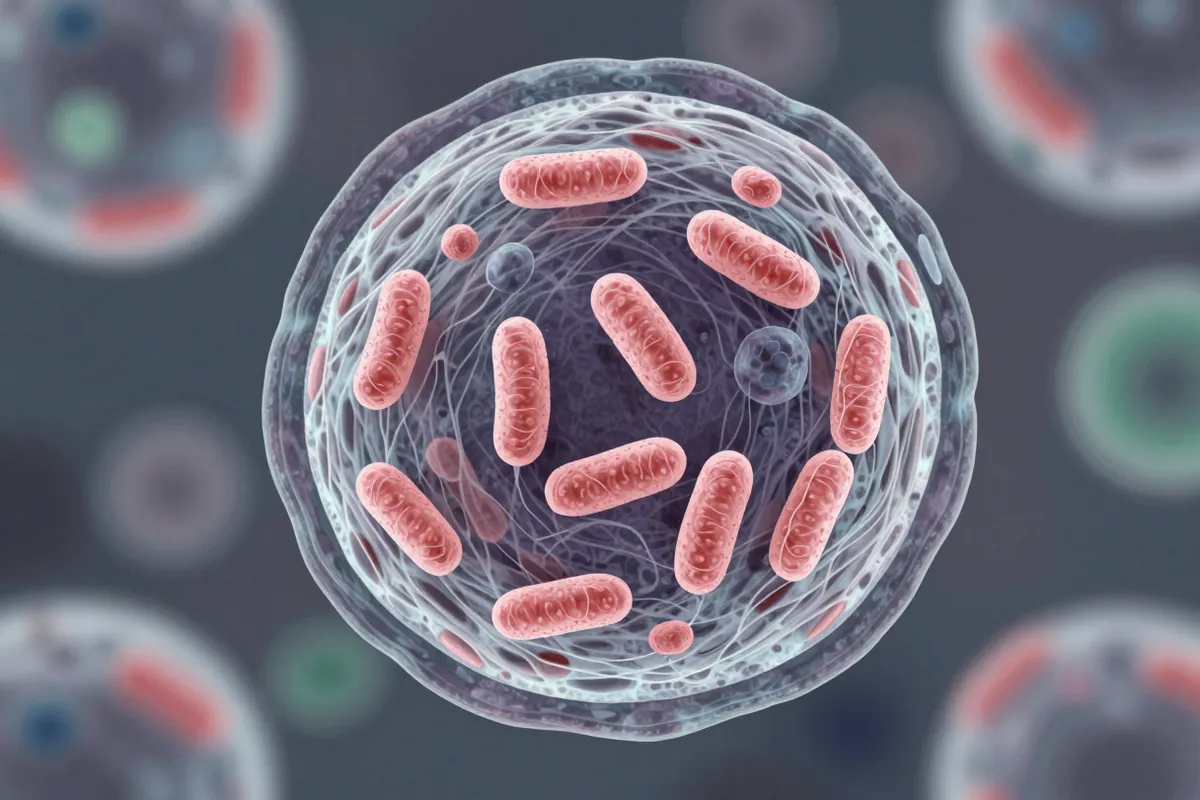
Mycobacterium leprae is a slender, rod-shaped, Gram-positive bacterium (Mycobacterium leprae). It is acid-fast, and it was traditionally stained with carbol fuchsin in the Ziehl-Neelsen method. Because the bacillus is less acid-fast than Mycobacterium tuberculosis, the Fite-Faraco stain, which uses a lower acid concentration, is often used now. The cells are surrounded by the waxy mycolic acid coating characteristic of mycobacteria. In size and shape, M. leprae closely resembles M. tuberculosis.
Shape, Staining, and Cell Wall
The bacterium is a non-sporing, non-motile, aerobic rod with parallel sides and rounded ends (Mycobacterium leprae). The waxy cell wall is rich in mycolic acids and helps the organism survive inside host cells. On microscopy, the bacilli may appear in clusters, and they are especially numerous in the nodules of lepromatous leprosy. Acid-fast staining remains a useful laboratory tool, though it detects bacilli only when the bacterial load is high enough.
An Obligate Intracellular Parasite
M. leprae is an obligate intracellular parasite (Mycobacterium leprae). It cannot grow in cell-free laboratory media, unlike its relative M. tuberculosis. The bacterium infects mainly macrophages and Schwann cells. Schwann cells wrap peripheral nerve fibers, and infection of these cells places the bacterium at the site of the nerve damage that causes numbness and weakness.
| Feature | M. leprae |
|---|---|
| Shape | Slender, rod-shaped bacillus (Mycobacterium leprae) |
| Staining | Acid-fast, Gram-positive |
| Growth | Doubling time about 14 days |
| Culture | Does not grow in routine cell-free media |
| Host cells | Macrophages and Schwann cells |
| Preferred sites | Cooler areas: skin, nerves, nose, earlobes |
Very Slow Growth
M. leprae grows very slowly, with a doubling time of about 14 days (Mycobacterium leprae). This slow growth helps explain why leprosy develops gradually and why treatment lasts for months. The bacterium prefers cooler body sites, including the skin, peripheral nerves, nose, and earlobes. This preference for cooler tissue matches the distribution of many skin lesions and the frequent involvement of the nasal mucosa.
A Reduced Genome and Dependence on the Host
The genome of M. leprae has undergone reductive evolution, with gene deletion and decay leaving many pseudogenes (Mycobacterium leprae). As a result, the bacterium depends heavily on its host for nutrients and metabolic intermediates. This dependence is one reason the organism is so difficult to study in the laboratory.
Laboratory Study and Host Range
M. leprae does not grow in routine culture, so laboratories study it in animal models, especially the nine-banded armadillo and the mouse footpad (Mycobacterium leprae). The natural host range is narrow: humans, nine-banded armadillos, and red squirrels are the only known natural hosts. Armadillos are important because they can carry the bacterium and, in rare cases, transmit it to people.
How Leprosy Spreads
Leprosy spreads mainly through droplets from the nose and mouth of an untreated patient (Leprosy; About Leprosy (Hansen's Disease)). The infection requires prolonged, close contact with an untreated case (Leprosy). Casual contact does not transmit leprosy. Shaking hands, hugging, sharing meals, or sitting next to someone with leprosy does not spread the disease.

The Main Route: Nasal Droplets
The bacteria are shed in respiratory droplets from the nose and mouth (Leprosy). Transmission is believed to occur when a susceptible person inhales those droplets during many months of close contact with an untreated patient. Experts do not fully understand every detail of transmission, but the droplet route is the best-supported explanation (Leprosy: Causes, Symptoms, Treatment & Prevention).
Untreated multibacillary cases carry the largest bacterial loads (Mycobacterium leprae). In lepromatous leprosy, bacteria are often present in large numbers within skin lesions and nodules. These patients are the most important source of transmission, which is why early diagnosis and treatment reduce spread (Leprosy; Mycobacterium leprae).
Why Casual Contact Is Safe
Leprosy is contagious, but it is not easy to catch (Leprosy: Causes, Symptoms, Treatment & Prevention). Most people who are exposed never develop the disease because their immune systems fight it off. The infection requires repeated, prolonged exposure, usually within a household (Leprosy). This is why casual contact in schools, workplaces, and public transport does not spread leprosy.
| Contact type | Risk of transmission |
|---|---|
| Living for months or years with an untreated multibacillary case | Higher, because exposure is prolonged and close (Leprosy) |
| Shaking hands or hugging | No spread by casual contact |
| Sharing meals or utensils | No spread by casual contact |
| Sitting next to someone | No spread by casual contact |
| Handling a nine-banded armadillo | Rare zoonotic transmission has been reported (Mycobacterium leprae) |
Treatment Stops Transmission
A patient stops transmitting the disease soon after starting multidrug therapy (Leprosy). This is one of the strongest arguments for early diagnosis: treatment protects the patient from nerve damage and protects the household from further exposure. Contacts of a patient do not need isolation, and the patient can continue normal daily activities once treatment has begun.
Animal Reservoirs
Nine-banded armadillos carry M. leprae, and rare zoonotic cases occur in people who have close contact with them (Mycobacterium leprae). Red squirrels are another natural host. These animal sources are important for understanding the bacterium's ecology, but they account for a small fraction of human cases worldwide.
A Worked Example
Consider a household with an untreated adult who has widespread skin lesions and nasal involvement. The spouse and children have repeated, prolonged exposure over many months, so they are the group at highest risk (Leprosy). A coworker who sits in the same office for an hour each day does not have that kind of exposure, and casual workplace contact does not spread leprosy. Once the adult starts multidrug therapy, the risk to the household falls sharply because the patient becomes non-infectious.
Incubation Period and Clinical Forms
Leprosy develops slowly. The delay between infection and the first visible signs is long, and the clinical form depends on the person's immune response to Mycobacterium leprae (Leprosy; Mycobacterium leprae: Pathogenesis, diagnosis, and ...).
Incubation Period
The incubation period averages 2 to 5 years and can extend to 20 years (Leprosy). This long interval means a diagnosis may come years after exposure. The bacteria multiply in skin and peripheral nerves, and signs appear as the infection involves those tissues. A person can have early nerve damage before a skin patch is obvious. The slow timeline makes clinical awareness important for early case finding.
The Ridley-Jopling Spectrum
The Ridley-Jopling scale places cases along a spectrum from tuberculoid to lepromatous disease (Mycobacterium leprae: Pathogenesis, diagnosis, and ...). At the tuberculoid pole, cell-mediated immunity is strong, skin lesions are few, and bacterial load is low. At the lepromatous pole, immunity is weak, lesions are many, and bacterial load is high. Borderline forms lie between the poles and can shift over time. The form affects the number and appearance of lesions and the likelihood of bacilli on a slit-skin smear.
| Feature | Tuberculoid pole | Borderline forms | Lepromatous pole |
|---|---|---|---|
| Immune response | Strong | Intermediate | Weak |
| Skin lesions | Few | Variable | Many |
| Bacterial load | Low | Variable | High |
| Clinical position | Near one end | Between the poles | Near the other end |
The features in this table follow the Ridley-Jopling description (Mycobacterium leprae: Pathogenesis, diagnosis, and ...).
WHO Classification for Treatment
WHO groups cases as paucibacillary or multibacillary to guide therapy (Leprosy). A paucibacillary case has 1 to 5 skin lesions and no demonstrated bacilli. Multibacillary disease has a higher bacterial load. The group sets treatment duration: 6 months for paucibacillary disease and 12 months for multibacillary disease. A patient with a single numb patch and no bacilli on smear fits the paucibacillary group. A patient with many lesions and bacilli on smear fits the multibacillary group. Borderline disease can shift toward either pole, so the classification reflects the findings at the time of assessment (Mycobacterium leprae: Pathogenesis, diagnosis, and ...).
Nerve involvement can occur in both polar forms and in borderline disease (About Leprosy (Hansen's Disease); Mycobacterium leprae: Pathogenesis, diagnosis, and ...). Paucibacillary disease is less likely to show bacilli on routine smears (Leprosy). The distinction matters because treatment duration differs.
Symptoms and Signs
Leprosy affects the skin, peripheral nerves, mucosa of the upper respiratory tract, and eyes (Leprosy). Signs usually develop slowly, and early changes can be subtle (Leprosy: Causes, Symptoms, Treatment & Prevention).
Skin Lesions and Sensory Loss
The most visible sign is a pale (hypopigmented) or reddish skin patch (Leprosy: Causes, Symptoms, Treatment & Prevention). The patch shows reduced or lost sensation. A person may report numbness or may fail to feel light touch, pinprick, or temperature change in the area. Patches can be single or numerous depending on the clinical form (Mycobacterium leprae: Pathogenesis, diagnosis, and ...). Sensory loss is a cardinal finding that separates a leprosy patch from many common rashes (Leprosy). Testing each patch is part of the clinical exam.
Nerve Damage and Limb Problems
M. leprae infects peripheral nerves (Leprosy). Affected nerves can become thickened or enlarged (About Leprosy (Hansen's Disease)). Nerve damage causes numbness and muscle weakness in the area supplied by the nerve (Leprosy; About Leprosy (Hansen's Disease)). Numbness in the hands and feet is common. Lost protective sensation leads to painless injuries, burns, and ulcers (Leprosy: Causes, Symptoms, Treatment & Prevention). A patient may not notice a cut, blister, or burn until the wound is deep. Repeated injury can damage hands and feet.
Nose and Eye Involvement
The mucosa of the upper respiratory tract is affected (Leprosy). Nasal stuffiness and nosebleeds can occur. In advanced lepromatous disease, the nasal bridge can collapse. Eye involvement includes redness and uveitis. Uveitis can threaten vision, and blindness is
Leprosy Reactions and Complications
Leprosy can be treated effectively, but the disease can still cause serious problems when the immune system reacts to M. leprae antigens. These episodes are called leprosy reactions. They may occur before treatment, during multidrug therapy, or after treatment ends. Reactions are a major cause of nerve damage and disability, so they need rapid recognition and management (Leprosy: Causes, Symptoms, Treatment & Prevention).
Type 1 reactions
Type 1 reactions involve inflammation of existing skin lesions and nerves. The lesions become swollen, red, and tender, and nearby peripheral nerves become painful and enlarged (Leprosy: Causes, Symptoms, Treatment & Prevention). Nerve function can deteriorate quickly. A person may notice new numbness, weakness, or loss of muscle control in the hand or foot. Because nerve damage can become permanent, a type 1 reaction is a medical priority.
Type 2 reactions
Type 2 reactions are systemic inflammatory episodes. They produce painful nodules under the skin, fever, and general illness (Leprosy: Causes, Symptoms, Treatment & Prevention). The person may feel quite unwell, and symptoms can recur. Type 2 reactions are distinct from type 1 reactions in their skin signs and systemic features. Both types need urgent assessment.
Nerve damage and disability
Peripheral nerve damage is the main route to permanent disability. It can cause clawed fingers, foot drop, and chronic ulcers (Leprosy: Causes, Symptoms, Treatment & Prevention). Loss of sensation allows repeated injury and infection, especially on the feet. Muscle weakness changes hand and foot posture and limits fine movements and walking. These problems can appear even when skin lesions are improving.
Managing reactions
Reactions need prompt corticosteroid treatment, and multidrug therapy continues during the reaction (Leprosy). Corticosteroids reduce inflammation and help protect nerve function. Treatment must be supervised, and follow-up is needed because reactions can return. Routine care includes checking nerve function, eyes, and feet.
Eye and nasal complications
The eyes and nose can be damaged by inflammation, nerve damage, and secondary infection (Leprosy). Eye damage can lead to blindness (Leprosy: Causes, Symptoms, Treatment & Prevention). The nose and upper respiratory tract can also be affected, and nasal deformity is a possible complication. These problems require specialist care in addition to leprosy treatment.
Long-term care
Rehabilitation begins early. Protective footwear, rehabilitation, and surgery can reduce long-term disability (Leprosy). Surgery may restore hand function or correct foot drop, but it cannot reverse nerve damage. Ulcer care, eye protection, and social support help people remain independent. Follow-up should continue after antibiotics stop because reactions and nerve damage can appear later (Leprosy: Causes, Symptoms, Treatment & Prevention).
Prevention and Public Health Control
Prevention of leprosy depends on finding cases early, treating them fully, and reducing the chance that untreated people pass the infection to close contacts. The main tools are clinical services, contact management, vaccination where available, and community education (Leprosy).
Early diagnosis and complete treatment
Early diagnosis and full multidrug therapy are the main prevention tools (Leprosy). A person stops transmitting the disease once treatment begins. This makes prompt diagnosis a public health priority as well as a clinical one. Delayed diagnosis allows continued transmission and increases the risk of nerve damage and disability.
Contact tracing
Health programs examine household members and other close contacts of each confirmed case (Leprosy). Contact tracing finds early cases that would otherwise be missed. Because leprosy develops slowly, contact follow-up is important (Leprosy: Causes, Symptoms, Treatment & Prevention). Programs also use surveillance to find cases in high-burden areas.
Post-exposure prophylaxis
Single-dose rifampicin is offered as post-exposure prophylaxis to contacts of people with leprosy (Leprosy). This approach aims to reduce the chance that exposed contacts will develop the disease. It is used with contact tracing and is not a substitute for full multidrug therapy in people who already have leprosy. Programs follow national guidelines when deciding who should receive it.
Vaccination
BCG vaccine gives partial and variable protection against leprosy (Mycobacterium leprae). It is not a reliable standalone prevention measure. BCG is used mainly for tuberculosis control, and its effect on leprosy differs between populations and settings. No vaccine currently replaces early diagnosis and treatment.
Community education and stigma reduction
Community education reduces stigma and shortens delays to care (Leprosy). People who fear discrimination may hide symptoms or avoid clinics. Clear messages about how leprosy spreads, that it is curable, and that treated people do not transmit infection help families seek help earlier. Education also supports treatment adherence and reintegration into work and school.
Global control
Global cases fell sharply after multidrug therapy was introduced, but transmission persists (Leprosy). Elimination as a public health problem was achieved globally in 2000, yet new cases continue in many countries. Around 200,000 new cases are reported each year, with the largest numbers in Brazil, India, and Indonesia. Control programs therefore combine case detection, treatment, disability prevention, and surveillance.
Common Misconceptions About Leprosy
Leprosy has carried fear and stigma for centuries. False beliefs still delay diagnosis and cause discrimination. The facts below correct common myths (Leprosy).
Myth: leprosy is highly contagious
Fact: leprosy is not highly contagious. It is believed to spread through droplets from the nose and mouth during prolonged, close contact with an untreated person (About Leprosy (Hansen's Disease)). Casual contact such as shaking hands, hugging, sharing meals, or sitting together does not spread the disease (Leprosy). Most people who are exposed do not develop leprosy, and the patient stops transmitting infection once treatment starts.
Myth: leprosy cannot be cured
Fact: leprosy is curable. Multidrug therapy cures most patients (Leprosy). Early treatment prevents disability and stops transmission. Treatment takes months, and completion matters. People who begin treatment can continue work and family life while taking antibiotics.
Myth: leprosy is a curse or punishment
Fact: leprosy is a bacterial infection caused mainly by Mycobacterium leprae (Leprosy). It is not a moral failing, curse, or punishment. The disease has been stigmatized for centuries, but the cause is bacterial. The name Hansen disease is preferred by some people because the word leprosy carries a heavy social burden.
Myth: patients must be isolated
Fact: isolation is not required. Treated people live normal lives and do not transmit the disease after treatment begins (Leprosy). Leprosy does not spread through casual contact, so family life, school, and work are safe. Isolation worsens stigma and can discourage people from seeking care.
Myth: leprosy is inherited
Fact: leprosy is not a genetic disease and is not inherited (About Leprosy (Hansen's Disease)). It is caused by bacteria, and the risk to household members comes from prolonged close contact, not from shared genes. Relatives of a patient should be examined as contacts, but they do not carry a hereditary trait for leprosy (Leprosy).
Myth: leprosy only affects the skin
Fact: leprosy affects the skin and peripheral nerves (Leprosy: Causes, Symptoms, Treatment & Prevention). Nerve damage can cause numbness, muscle weakness, clawed fingers, foot drop, and chronic ulcers. It can also affect the eyes, nose, and upper respiratory tract (Leprosy). This is why eye checks, foot care, and nerve examinations are part of routine care.
Why the myths persist
Stigma survives when communities lack accurate information. Education about transmission, cure, and contact management reduces fear (Leprosy). People with leprosy should be treated as patients with a curable infection. Early care protects nerves, prevents disability, and stops transmission.
Related Guides
- Mycobacterium bovis in Wildlife Reservoirs: Implications for Livestock and Public Health: Wildlife reservoirs of Mycobacterium bovis and public health implications
- Mycobacterium marinum Infections in Aquatic Animals: Zoonotic Risk and Diagnostic Challenges: Zoonotic Mycobacterium marinum infections and diagnostic challenges in aquatic animals
- Koi Fish Gill Disease: Causes, Symptoms, and Treatment
- Dog Ear Infection Spread To Brain Symptoms Treatment
- Stomach Ulcers in Dogs: Symptoms, Causes, and Treatment
Frequently Asked Questions
What causes leprosy?
Leprosy, also called Hansen disease, is a chronic infectious disease caused mainly by Mycobacterium leprae, with Mycobacterium lepromatosis also implicated (Leprosy; About Leprosy (Hansen's Disease)). The bacillus is a slow-growing, acid-fast, rod-shaped obligate intracellular parasite that cannot be grown on cell-free laboratory media (Mycobacterium leprae). It infects mainly macrophages and Schwann cells. The disease affects the skin, peripheral nerves, mucosa of the upper respiratory tract, and eyes (Leprosy). Gerhard Armauer Hansen identified the organism in 1873, making it the first bacterium shown to cause disease in humans.
How is leprosy transmitted from person to person?
Leprosy is believed to spread through droplets from the nose and mouth of an untreated person with leprosy, carrying the bacteria, after prolonged and close contact (Leprosy). Experts do not fully understand the route, but airborne droplets from coughing or sneezing are the leading explanation (Leprosy: Causes, Symptoms, Treatment & Prevention). Casual contact such as shaking hands, hugging, sharing meals, or sitting next to someone does not spread the disease. An untreated case is the source of infection, and that person stops transmitting the disease once treatment begins.
Is leprosy contagious?
Yes, leprosy is contagious, meaning it can pass from person to person, but it is not easy to catch (Leprosy: Causes, Symptoms, Treatment & Prevention). Transmission requires many months of close contact with an untreated case. Most people's immune systems fight off the infection. It does not spread through casual contact such as shaking hands, hugging, sharing meals, or sitting together (Leprosy). People with leprosy do not need to be isolated, and they stop being infectious once treatment starts (Leprosy; Leprosy: Causes, Symptoms, Treatment & Prevention).
Can leprosy be cured?
Leprosy is curable, and treatment in the early stages can prevent disability (Leprosy). The standard approach is multidrug therapy recommended by the World Health Organization, combining dapsone, rifampicin, and clofazimine (Mycobacterium leprae). Multidrug therapy replaced dapsone used alone after the bacterium developed resistance to that drug. Antibiotics clear the infection, but damage already done to nerves, hands, feet, or eyes can be permanent, so early diagnosis and early treatment matter (Leprosy; Leprosy: Causes, Symptoms, Treatment & Prevention).
What are the early signs of leprosy?
Leprosy develops slowly, often several years and sometimes decades after exposure (Leprosy: Causes, Symptoms, Treatment & Prevention). Early disease commonly shows as skin lesions and peripheral nerve involvement (Leprosy). Diagnosis rests on at least one cardinal sign: definite loss of sensation in a pale or reddish skin patch; a thickened or enlarged peripheral nerve with loss of sensation or muscle weakness in the area it supplies; or microscopic detection of bacilli in a slit-skin smear. Patches of pale or discolored skin and numbness are typical early complaints.
How long does leprosy treatment last?
Treatment is multidrug therapy with dapsone, rifampicin, and clofazimine, as recommended by the World Health Organization (Mycobacterium leprae). The regimen is chosen according to case classification: paucibacillary disease, with 1 to 5 skin lesions and no demonstrated bacilli, is handled differently from multibacillary disease (Leprosy). Duration therefore follows the case type and national program guidance, with no single fixed period for everyone. A person stops transmitting the disease once treatment begins, and completing the prescribed course is needed for cure.
References and Further Reading
- Leprosy, who.int
- About Leprosy (Hansen's Disease), cdc.gov
- Mycobacterium leprae, en.wikipedia.org
- Leprosy: Causes, Symptoms, Treatment & Prevention, my.clevelandclinic.org
- Mycobacterium leprae: A historical study on the origins of ..., pmc.ncbi.nlm.nih.gov
- Mycobacterium leprae: Pathogenesis, diagnosis, and ..., sciencedirect.com