Types of White Blood Cells and What Each One Does
By Dr. Zubair Khalid, DVM, MS, PhD ·
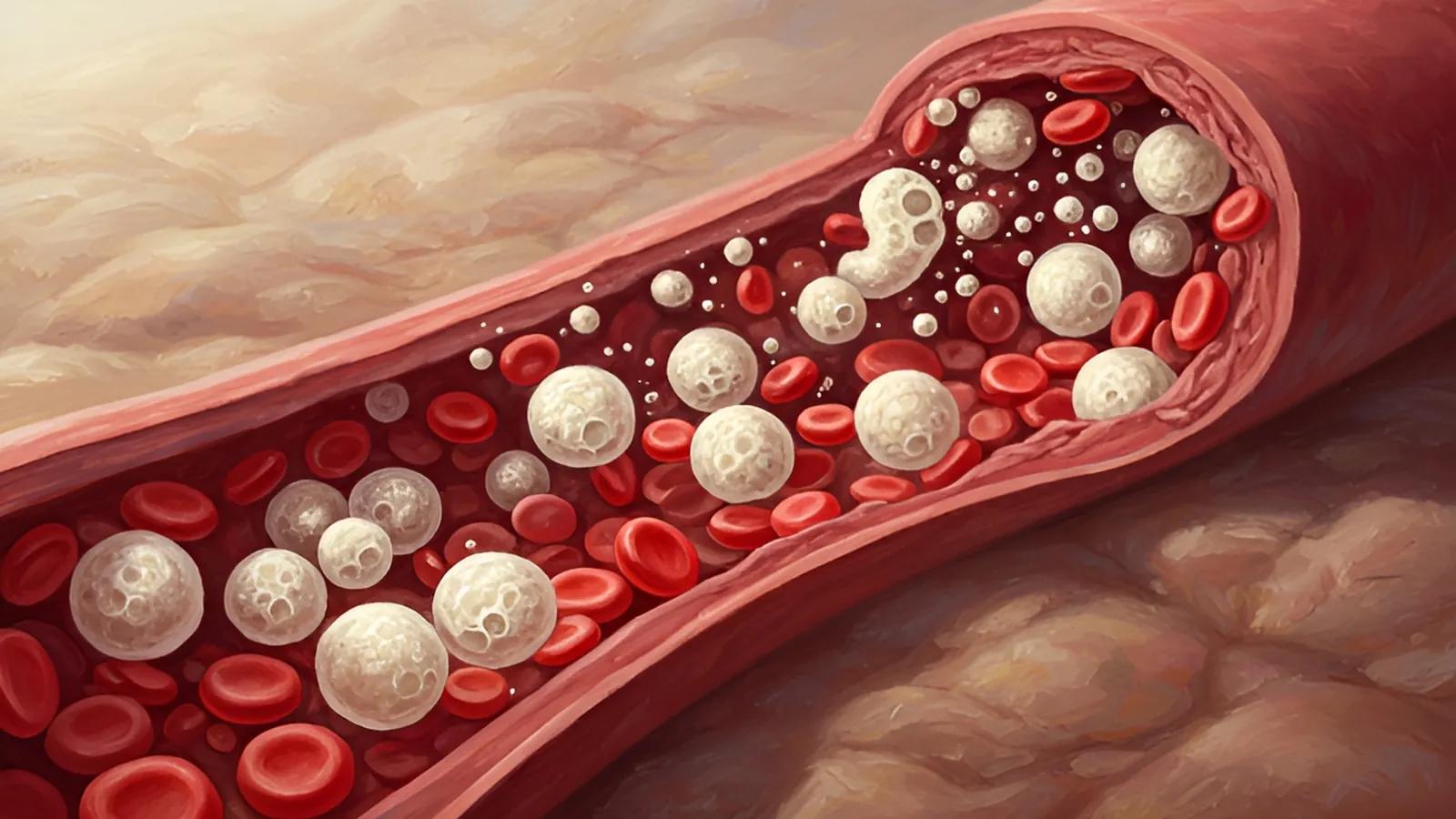
The five main types of white blood cells are neutrophils, eosinophils, basophils, monocytes, and lymphocytes, and each type performs a specific job in the immune response (Classification of White Blood Cells: A Comprehensive Study ...). White blood cells, also called leukocytes, protect the body from infection by traveling through the bloodstream and tissues to reach the site of an injury or illness and attack the organism causing it (White Blood Cells: Types, Function & Normal Ranges).
Neutrophils are the most common white blood cell and the first to respond when an infection starts, engulfing and destroying bacteria and fungi (White blood cells; What Are White Blood Cells?). Monocytes share that cleanup role and become macrophages once they move out of the blood into infected tissue, while lymphocytes make antibodies and coordinate the wider immune response (White blood cells). Eosinophils and basophils handle parasites and allergic reactions, and together these five types account for roughly 1% of blood (White blood cells; White Blood Cells: Types, Function & Normal Ranges).
Key Points
- White blood cells make up about 1% of blood, are produced in bone marrow, and are stored in blood and lymph tissue (White Blood Cells: Types, Function & Normal Ranges; What Are White Blood Cells?).
- Neutrophils are the most numerous type and the first line of defense when infection strikes; they kill and digest bacteria and fungi, and some live less than a day, so bone marrow keeps replacing them (What Are White Blood Cells?).
- Monocytes have a longer lifespan than many white blood cells, help break down bacteria, and are called macrophages after they leave the blood for infected tissue (What Are White Blood Cells?; White blood cells).
- Lymphocytes create antibodies against bacteria, viruses, and other harmful invaders; B cells make the antibodies that stick to germs, and T cells alert other white blood cells and destroy infected cells (What Are White Blood Cells?; White blood cells).
- Basophils are small cells that release chemicals such as histamine, a marker of allergic disease, to help control the body's immune response.
- Eosinophils attack and kill parasites and cancer cells and also contribute to allergic responses (What Are White Blood Cells?; White blood cells).
At a Glance
| Type | Cell line | Main job | Distinguishing feature |
|---|---|---|---|
| Neutrophils | Myeloid | First responders to bacterial infection | Most abundant type in adult blood (White Blood Cells: Types, Function & Normal Ranges) |
| Lymphocytes | Lymphoid | T cells, B cells, and natural killer cells | B cells make antibodies that stick to germs (White blood cells) |
| Monocytes | Myeloid | Circulate briefly, then become tissue macrophages | Longer lifespan than many white blood cells (What Are White Blood Cells?) |
| Eosinophils | Myeloid | Allergy responses and defense against parasites | Attack and kill parasites |
| Basophils | Myeloid | Release histamine during reactions | Rarest of the five types. Secrete histamine and other chemicals |
All five types develop from stem cells in bone marrow, splitting early into the myeloid and lymphoid lines (Classification of White Blood Cells: A Comprehensive Study ...). The sections below explain what each one does, how they are classified, and how their numbers are read on a lab report.
What White Blood Cells Are and Where They Come From
White blood cells, also called leukocytes, defend the body against infection and disease (What Are White Blood Cells?). They circulate through blood and tissues, locate the site of an injury or infection, and signal other white blood cells to gather there (White Blood Cells: Types, Function & Normal Ranges).
A Moving Defense Force
White blood cells make up only about 1% of blood, far fewer than red blood cells (White Blood Cells: Types, Function & Normal Ranges; What Are White Blood Cells?). Under a microscope they are colorless, though a stain makes them appear light purple to pink (White Blood Cells: Types, Function & Normal Ranges). Their work depends on movement. They cross blood vessel walls and travel through tissues to reach an infection. A white blood cell that stayed inside the bloodstream would be of little use at the site of a wound.
Where They Are Made
White blood cells form in bone marrow, the soft tissue inside bones (White Blood Cells: Types, Function & Normal Ranges). They are produced there and stored in blood and lymph tissues (What Are White Blood Cells?). The marrow does not stop once a set number is reached. Because some neutrophils live less than a day, the marrow is always making new ones.
Two Starting Lines
Every white blood cell begins as a stem cell in the marrow. Those stem cells branch into two lines, myeloid and lymphoid (Classification of White Blood Cells: A Comprehensive Study ...). The myeloid line produces neutrophils, eosinophils, basophils, and monocytes. The lymphoid line produces lymphocytes, which include T cells, B cells, and natural killer cells. The split happens early, and it explains why the five types look different and behave differently once they leave the marrow.
Lifespans Differ by Type
Some white blood cells live only hours, while others survive for years (White Blood Cells: Types, Function & Normal Ranges). Neutrophils are the shortest lived, with a lifespan under a day (What Are White Blood Cells?). Monocytes live longer than many other white blood cells. Some lymphocytes become memory cells that recognize a germ from a past infection and multiply quickly when it returns (White blood cells).
A Typical Count
A normal adult white blood cell count is often given as 4,000 to 11,000 cells per microliter of blood (White Blood Cells: Types, Function & Normal Ranges). That range is a guide, not a verdict. Laboratories set their own reference ranges, and a result is read against the range printed on the report. A number slightly outside the range can be normal for one person and meaningful for another, which is why the total count is interpreted alongside the differential, the person's symptoms, and the rest of the complete blood count.
How White Blood Cells Are Classified
White blood cells can be sorted in two ways: by what they look like under a microscope and by the cell line they came from. Both systems describe the same five types, and a lab report uses both.
Granulocytes and Agranulocytes
The first split depends on granules, the small packets of enzymes and chemicals visible inside the cell. Granulocytes contain visible granules. This group includes neutrophils, eosinophils, and basophils (Classification of White Blood Cells: A Comprehensive Study ...). Agranulocytes have few or no visible granules. This group includes lymphocytes and monocytes. The names describe appearance, not importance. A monocyte with no visible granules still carries powerful digestive enzymes; they are simply not packed into the same visible structures.
Myeloid and Lymphoid Lines
The second split follows development. Myeloid stem cells give rise to neutrophils, eosinophils, basophils, and monocytes. Lymphoid stem cells give rise to lymphocytes (Classification of White Blood Cells: A Comprehensive Study ...). Lymphocytes divide further into T cells, B cells, and natural killer cells. B cells make antibodies, special proteins that stick to germs and make them easier for other white blood cells to find and destroy (White blood cells). T cells alert other white blood cells to an infection and can destroy cells that are already infected with a germ.
What Each Type Contributes
- Neutrophils engulf and destroy bacteria and fungi (What Are White Blood Cells?).
- Lymphocytes produce antibodies and coordinate the wider immune response (White blood cells).
- Monocytes move from blood into infected tissue, where they are known as macrophages.
- Eosinophils attack parasites and take part in allergic responses.
- Basophils release chemicals such as histamine that help control the immune response.
How the Lab Reports It
A complete blood count measures the total number of white blood cells and includes a differential, which lists each type as a percentage of that total (White Blood Cells: Types, Function & Normal Ranges). Percentages alone can mislead. A neutrophil percentage of 70% sounds high, but if the total count is low, the absolute number of neutrophils may also be low. The absolute count is the percentage multiplied by the total.
Worked example: total white blood cell count 8,000 per microliter, neutrophils 60%.
$$0.60 \times 8{,}000 = 4{,}800 \text{ neutrophils per microliter}$$
The same arithmetic applies to lymphocytes, monocytes, eosinophils, and basophils. When a report gives only percentages, converting them to absolute counts makes the pattern easier to read.
Neutrophils: The First Responders
Neutrophils are the most abundant white blood cell in adult blood (White Blood Cells: Types, Function & Normal Ranges). They are also the first cell to respond when an infection starts, which is why they are described as the first line of defense (What Are White Blood Cells?).
What Neutrophils Do
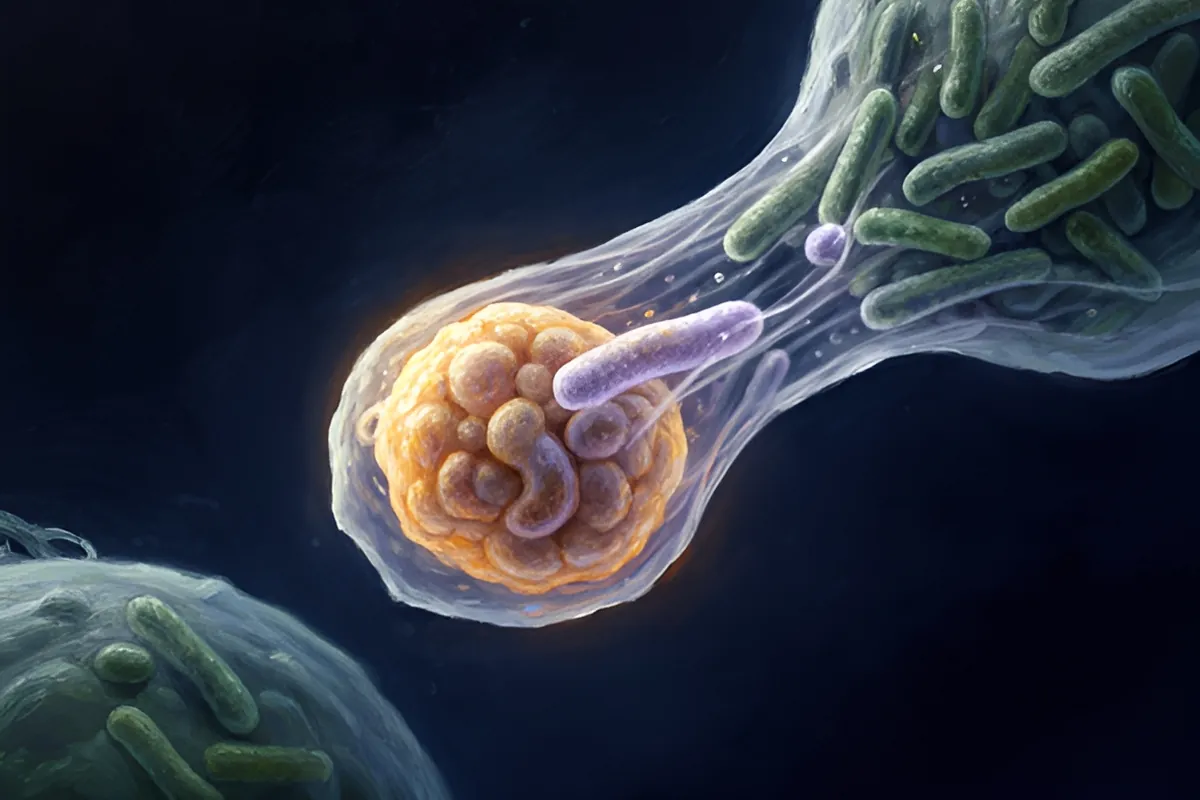
Neutrophils kill and digest bacteria and fungi (What Are White Blood Cells?). They move toward infected tissue, engulf the organisms, and break them down inside the cell through phagocytosis (Classification of White Blood Cells: A Comprehensive Study ...; White blood cells). A single neutrophil can take in several bacteria before it stops working. The cell is built for the task: its nucleus is divided into lobes, and its cytoplasm holds granules filled with enzymes and antimicrobial proteins that are released into the compartment where the bacteria are trapped.
A Short Life and Fast Turnover
Neutrophils are short lived. Many die after fighting, and the dead cells, along with fluid and debris, form pus (White Blood Cells: Types, Function & Normal Ranges). Their lifespan is less than a day, so the bone marrow must keep replacing them continuously (What Are White Blood Cells?). That constant production is one reason a marrow problem shows up quickly in the neutrophil count.
Reading a Neutrophil Count
A high neutrophil count often points toward a bacterial infection (White Blood Cells: Types, Function & Normal Ranges). A higher-than-normal white blood cell count usually means infection of some kind (What Are White Blood Cells?). The reverse matters too. When the white blood cell count is low, the risk of illness and infection rises. Too few healthy neutrophils is called neutropenia (White blood cells). A low count can mean the marrow is not making enough cells, or that cells are being destroyed faster than the body can replace them.
Numbers are read in context. A neutrophil count is interpreted with the total white blood cell count, the other cell types in the differential, and the person's symptoms. One value taken alone rarely tells the whole story.
Neutrophils Compared with Other Types
Neutrophils handle the early, fast response to bacteria. Lymphocytes take longer to act but provide targeted antibodies and long-term memory (White blood cells). Monocytes arrive after the neutrophils and stay longer, becoming macrophages that break down bacteria and clear debris (What Are White Blood Cells?; White blood cells). The order matters: the first hours belong to neutrophils, while the following days belong to monocytes and lymphocytes.
Lymphocytes: T Cells, B Cells, and Natural Killer Cells
Lymphocytes are the second most common type of white blood cell in circulating blood (White Blood Cells: Types, Function & Normal Ranges). They carry the parts of immunity that recognize specific threats, build a targeted response, and remember the encounter afterward. The group divides into three working sets: B cells, T cells, and natural killer cells.
B Cells: Antibody Production
B cells make antibodies that target specific pathogens (What Are White Blood Cells?). An antibody is a protein that sticks to a germ and marks it, which makes the germ easier for other white blood cells to find and destroy. Each B cell builds one antibody shape, so the fit between antibody and target is narrow. When a B cell meets the antigen that matches its receptor, it divides, and its descendants release large amounts of that same antibody.
Antibodies matter most against bacteria and viruses that travel in blood or in the fluid between cells. They can block a virus from entering a cell, clump bacteria together, or flag a microbe for destruction by other cells.
T Cells: Helpers and Killers
T cells help other immune cells and kill infected cells (What Are White Blood Cells?). Two broad jobs sit inside that description.
- Helper T cells read signals from antigen-presenting cells and release messengers that activate B cells, macrophages, and cytotoxic T cells. Without this coordination, antibody responses stay weak.
- Cytotoxic T cells inspect the surface of body cells. When a cell displays fragments of a virus it is producing, the cytotoxic T cell kills it before more virus is released.
Both types use receptors that recognize one antigen shape, so they work with the same precision as B cells. T cells mature in the thymus, which is where their name comes from.
Natural Killer Cells: Attack Without Prior Exposure
Natural killer cells attack virus-infected and tumor cells (Classification of White Blood Cells: A Comprehensive Study ...). They do not need antibodies or a previous meeting with the target. They check surface markers on a cell, and when the normal "self" markers are missing or altered, they kill the cell. This makes them useful early in a viral infection, before the slower B cell and T cell response has built up.
Memory Cells: Faster Second Responses
Some lymphocytes become memory cells that speed up future responses (What Are White Blood Cells?). After an infection clears, a small number of B cells and T cells remain in the body. If the same germ appears again, the memory cell that recognizes it multiplies and makes antibodies quickly, so the body deals with the infection faster. This is the principle behind vaccination: expose the immune system to a harmless form of a pathogen, and the memory pool is ready before the real infection arrives.
| Cell type | Main job |
|---|---|
| B cell | Makes antibodies that stick to specific pathogens (What Are White Blood Cells?) |
| Helper T cell | Coordinates other immune cells |
| Cytotoxic T cell | Kills infected body cells |
| Natural killer cell | Kills virus-infected and tumor cells without prior exposure (Classification of White Blood Cells: A Comprehensive Study ...) |
| Memory cell | Speeds up the response on repeat exposure |
Lymphocytes appear on a complete blood count as a percentage of total white blood cells and as an absolute number. A rise or fall in either value is a signal to look at the whole picture, including the other cell types and the patient's history.
Monocytes and Macrophages: Long-Term Defense and Cleanup
Monocytes are the largest white blood cell type in circulating blood (White Blood Cells: Types, Function & Normal Ranges). They spend only a short time in the bloodstream before moving into body tissues. Once there, most mature into macrophages, cells that engulf debris and microbes and help direct the wider immune response.
Monocytes in the Bloodstream
On a stained blood film, a monocyte is recognizable by its size and by a nucleus that is often folded or kidney-shaped. The cytoplasm is more abundant than in a lymphocyte, which gives the cell a fuller appearance under the microscope.
Monocytes circulate for a short period, then leave the blood in response to chemical signals from injured or infected tissue. Their job in the blood is mainly transport: they carry the machinery for cleanup to the place where it is needed.
From Monocyte to Macrophage
When a monocyte leaves the blood and enters tissue, it matures into a macrophage. Macrophages engulf debris and microbes (What Are White Blood Cells?). They also have a longer lifespan than many white blood cells and help break down bacteria. That lifespan matters. A neutrophil dies within hours to a day, while a macrophage can persist in a tissue for weeks or longer, sampling the environment and clearing what does not belong.
Antigen Presentation: Starting the Specific Response
Macrophages present antigens to lymphocytes to start immune responses (Classification of White Blood Cells: A Comprehensive Study ...). After engulfing a microbe, a macrophage breaks it into fragments and displays those fragments on its surface. A T cell that recognizes the fragment binds to it and becomes activated. This step connects the fast, broad attack with the slower, targeted response run by B cells and T cells.
Tissue-Resident Macrophages
Some macrophages settle permanently in the liver, lungs, and spleen (Classification of White Blood Cells: A Comprehensive Study ...). These resident populations have local jobs. In the liver they remove worn-out red blood cells and trap bacteria arriving from the gut. In the lungs they patrol the air spaces and clear inhaled particles. In the spleen they filter blood and remove old red blood cells and antibody-coated microbes. Resident macrophages in the skin and gut lining do similar work at the body's outer surfaces.
Monocytes on a Blood Count
The differential reports monocytes as a percentage and an absolute number. A high monocyte count can accompany chronic infections and inflammatory conditions, and it can also appear as a count recovers from a short-lived shortage of neutrophils. A low monocyte count is less common and is usually interpreted alongside the rest of the differential.
| Feature | Monocyte | Macrophage |
|---|---|---|
| Main location | Blood | Tissues |
| Time at that site | Brief | Weeks or longer |
| Main role | Carries cleanup machinery to tissue | Engulfs debris and microbes, presents antigen |
Eosinophils: Allergies and Parasites
Eosinophils make up a small share of the circulating white blood cell pool (White Blood Cells: Types, Function & Normal Ranges). They are named for eosin, the pink-orange dye that stains their granules, which makes them easy to identify on a blood film. Their numbers stay low in healthy blood, so a rise usually points to a specific process.
What Eosinophils Look Like
An eosinophil is slightly larger than a neutrophil and carries a nucleus with two lobes connected by a thin band. The cytoplasm is packed with coarse granules that stain bright orange-red. Those granules hold proteins that are toxic to parasites and to host tissue alike, which explains both the useful and the harmful sides of eosinophil activity.
Allergy and Asthma
Eosinophil numbers rise with allergic reactions and asthma (White Blood Cells: Types, Function & Normal Ranges). In allergic asthma, eosinophils collect in the airway lining and release granule proteins that damage the surface, increase mucus production, and narrow the airway. Because the count tracks the activity of the disease, it is used to
The White Blood Cell Differential: Reading the Numbers
A complete blood count reports a total white blood cell count and, in most cases, a differential. The differential lists each type of white blood cell as a percentage of the total (White Blood Cells: Types, Function & Normal Ranges). A standard report covers five types: neutrophils, lymphocytes, monocytes, eosinophils, and basophils. Neutrophils usually make up the largest share of the count.
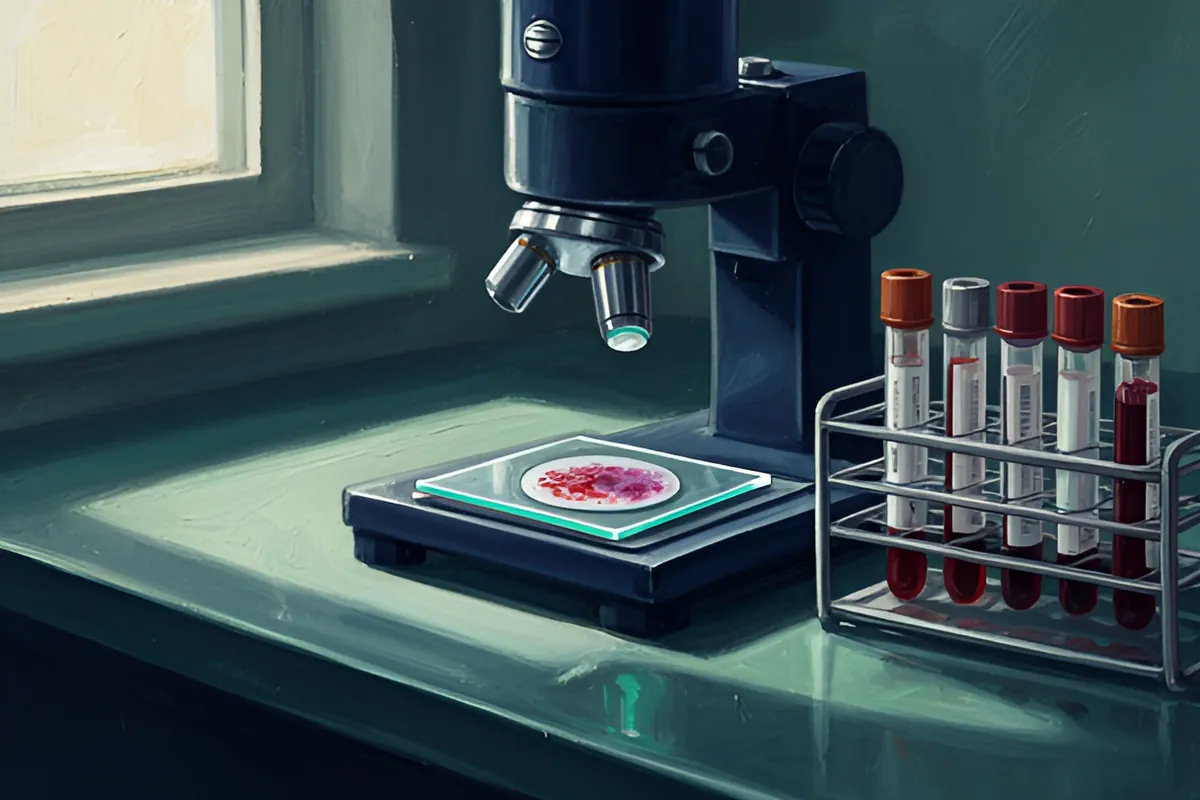
The differential is a breakdown of a mixed population. It shows the composition of the white cells present, not the strength of the immune response as a whole. A patient with a low total count can show normal percentages and still have very few of any one cell type in circulation.
What the percentages mean
Percentages describe the mix, not the number of cells. Sixty percent neutrophils on a normal total is a different picture from sixty percent neutrophils on a total at the bottom of the reference range. This is why many laboratories also print absolute counts for each cell type. The absolute count multiplies the percentage by the total, and it tells you how many cells of that type are actually circulating.
Leukocytosis and leukopenia
Two terms appear often on reports and in clinic notes:
- Leukocytosis is a total white blood cell count above the reference range (White Blood Cells: Types, Function & Normal Ranges).
- Leukopenia is a total count below the reference range.
Both are descriptions of a number, not diagnoses. A low neutrophil count in particular is called neutropenia (White blood cells). Each term only becomes meaningful when it is paired with the differential and with the patient's history.
The pattern matters more than one number
Clinicians read the shape of the differential, not a single figure. The table below shows the general direction each shift points toward. These are patterns, not verdicts.
| Finding on the differential | Common associations |
|---|---|
| Neutrophils up, total up | Bacterial infection, inflammation, physical stress (White Blood Cells: Types, Function & Normal Ranges) |
| Lymphocytes up | Viral illness, some chronic infections |
| Eosinophils up | Allergic reactions, parasite infections (White blood cells) |
| Basophils up | Allergic and inflammatory conditions |
| Monocytes up | Recovery from infection, chronic inflammation |
| Neutrophils down | Suppressed bone marrow, some drug effects |
Worked comparison. Two patients both have a total count above the reference range. Patient A shows a rise driven by neutrophils, with lymphocytes proportionally reduced. Patient B shows the opposite, a rise driven by lymphocytes. The totals are similar, but the two patterns suggest different categories of cause, which is why the differential is reported alongside the total (White Blood Cells: Types, Function & Normal Ranges).
A differential is also a snapshot. Counts move with the stage of an illness, the time of day, and treatment. A single abnormal value is a prompt for context and repeat testing, not a conclusion.
What Affects Your White Blood Cell Count
White blood cell counts move constantly. Bone marrow releases cells, tissues consume them, and the balance shifts with infection, stress, medicines, and age. A result slightly outside the reference range is common and often temporary. The sections below cover the factors that most often explain a change.
Infection and inflammation
Infection and inflammation raise white blood cell counts (White Blood Cells: Types, Function & Normal Ranges). The rise is often driven by neutrophils, which leave the bloodstream and enter infected tissue, and the marrow responds by releasing more. Physical stress does the same. Surgery, trauma, burns, and severe pain can push the count upward without any infection present.
Viral illness
Viral illness can lower lymphocyte counts (White Blood Cells: Types, Function & Normal Ranges). This is one of the reasons the differential matters: a count that falls or shifts during a viral infection looks different from a count that rises during a bacterial one.
Medicines and medical treatment
Chemotherapy and radiation therapy destroy dividing cells, including white blood cells, and leave the patient at risk of infection (White Blood Cells: Types, Function & Normal Ranges). Some drugs suppress the marrow directly. When the marrow stops making enough white cells, the count falls, and a low count carries a real risk of serious infection.
Lifestyle and life events
Several ordinary factors cause shifts:
- Pregnancy changes the count and the differential, with shifts that are expected rather than pathological (White Blood Cells: Types, Function & Normal Ranges).
- Smoking raises the white blood cell count.
- Heavy exercise causes transient shifts in circulating cells.
A count taken after a hard training session or during pregnancy should be read with that context in mind.
Age
Normal ranges change with age (White Blood Cells: Types, Function & Normal Ranges). The reference interval printed on a laboratory report is matched to the patient for this reason. A value that is high for a young adult may sit inside the range for a child, and the reverse applies at the other end of life.
Summary table
| Factor | Usual effect on the count |
|---|---|
| Bacterial infection, inflammation | Count rises, often neutrophil driven (White Blood Cells: Types, Function & Normal Ranges) |
| Physical stress, trauma, surgery | Count rises |
| Viral illness | Lymphocyte count can fall |
| Chemotherapy, radiation, some drugs | Count falls |
| Pregnancy | Count and differential shift |
| Smoking | Count rises |
| Heavy exercise | Transient shifts |
| Age | Reference range changes |
None of these factors confirms a diagnosis on its own. The count is read together with symptoms, the differential, and the trend across repeated tests.
Common Misconceptions About White Blood Cells
White blood cells attract more loose language than almost any other part of the blood count. Some of the confusion is harmless; some of it leads people to worry about numbers that mean very little, or to ignore numbers that matter. Five corrections cover most of what goes wrong.
Misconception: white blood cells are white
Despite the name, white blood cells are colorless. They can appear as a very light purple to pink color when examined under a microscope and treated with dye (White Blood Cells: Types, Function & Normal Ranges). The stain produces the color, not the cell.
Misconception: a higher count is always better
A high count means the body is producing or releasing more white cells. That can be a healthy response to infection, and it can also occur with inflammation, stress, and blood disorders (White Blood Cells: Types, Function & Normal Ranges). A low count is dangerous because it leaves the body open to infection, but a high count is not a sign of a stronger immune system. Both ends of the range need explanation.
Misconception: one high count confirms a disease
A single raised count does not confirm a specific disease (White Blood Cells: Types, Function & Normal Ranges). Counts shift with time of day, exercise, smoking, pregnancy, and the stage of an illness. Clinicians read the total, the differential, and the trend together before drawing conclusions, and often repeat the test.
Misconception: pus is the infection itself
Pus is a mixture of dead neutrophils, tissue fluid, and cell debris. The neutrophils arrive first, engulf the organisms, and die in the process (White Blood Cells: Types, Function & Normal Ranges). The visible pus is largely the remains of that fight, which is why draining an abscess helps the tissue heal even though the underlying cause still needs treatment.
Misconception: white cells are the main component of blood
White blood cells account for about 1 percent of blood (White Blood Cells: Types, Function & Normal Ranges). Red blood cells greatly outnumber them. The small share is deceptive: those cells circulate through the bloodstream and move into tissues to reach the site of an injury or infection.
Quick reference
| Claim | What is accurate |
|---|---|
| White cells are white | Colorless, and only appear pink to light purple after staining (White Blood Cells: Types, Function & Normal Ranges) |
| Higher is always better | High counts also occur with inflammation, stress, and disease |
| One high count means one disease | A single value does not confirm a diagnosis |
| Pus is the germ | Pus is mostly dead neutrophils and fluid |
| White cells are most of the blood | They are about 1 percent; red cells are far more numerous |
Correcting these points makes the numbers easier to read and easier to discuss with a clinician.
Related Guides
- Red Blood Cell Biology: Structure, Function, and Measurement Context
- Flow Cytometric Detection of Bovine Leukemia Virus (BLV) in Peripheral Blood Leukocytes: A Diagnostic Approach for Enzootic Bovine Leukosis
- Visualizing Blood Cells Under a Microscope: A Diagnostic Guide to Cell Identification
- Dog Not Making Red Blood Cells: Anemia Explained
- Immune System: Parts, Cells and How It Works
- Eosinophilic Granuloma Complex Cats: Comprehensive Veterinary Reference Guide
- Immune-Mediated Thrombocytopenia in Dogs: Signs and Treatment
- Antibody Structure
- Blood Transfusion in Dogs and Cats: Crossmatching and Compatibility
- Virus vs Bacteria: Key Differences and Treatment
Frequently Asked Questions
What are the five types of white blood cells?
Five types circulate in blood: neutrophils, eosinophils, basophils, monocytes, and lymphocytes. Each accounts for a different share of the total and performs a distinct job (Classification of White Blood Cells: A Comprehensive Study ...). Neutrophils kill and digest bacteria and fungi (What Are White Blood Cells?). Eosinophils attack parasites and cancer cells and take part in allergic responses. Basophils release chemicals such as histamine that help control the immune response. Monocytes break down bacteria and become macrophages once they leave the blood for infected tissue (What Are White Blood Cells?; White blood cells). Lymphocytes include B-cells, which make antibodies, and T-cells, which coordinate and carry out immune attacks (White blood cells).
Which white blood cell type is the most common?
Neutrophils are the most numerous white blood cell type and the first cell to respond when an infection starts (What Are White Blood Cells?; White blood cells). They move into infected tissue and engulf and destroy bacteria and fungi (What Are White Blood Cells?; White blood cells). Their lifespan is short, often less than a day, so the bone marrow must keep producing them continuously to maintain a steady supply in blood and lymph tissue (What Are White Blood Cells?). Because they arrive first and are so abundant, neutrophils make up the largest share of the white cells counted on a differential report (Classification of White Blood Cells: A Comprehensive Study ...).
What does a high white blood cell count mean?
A count above the reference range is called leukocytosis (White blood cells). It usually means the body is dealing with some type of infection, because white blood cells multiply and travel to the site of an attack (What Are White Blood Cells?). An abnormal count, high or low, can also point to an underlying problem that needs evaluation. A single number is not a diagnosis; the provider reads it alongside the differential,
References and Further Reading
- Classification of White Blood Cells: A Comprehensive Study ..., pmc.ncbi.nlm.nih.gov
- White Blood Cells: Types, Function & Normal Ranges, my.clevelandclinic.org
- White blood cells, healthdirect.gov.au
- What Are White Blood Cells?, urmc.rochester.edu