Passive Transport: Diffusion, Osmosis, and Types
By Dr. Zubair Khalid, DVM, MS, PhD ·
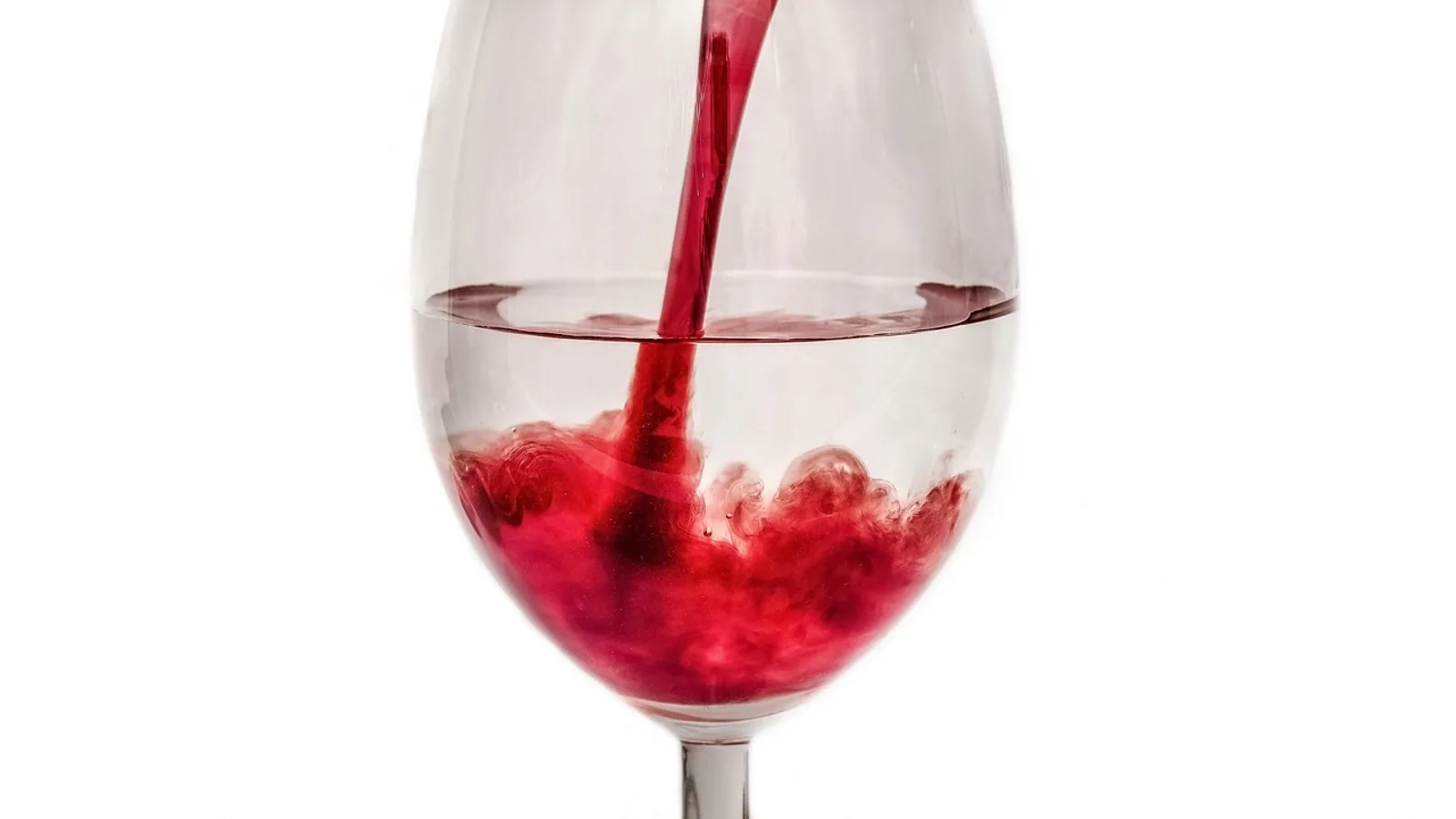
Passive transport is the movement of molecules across a membrane down their concentration gradient, from a region of higher concentration to a region of lower concentration, without any input of cellular energy. It does not use ATP, and it happens spontaneously because the random thermal motion of molecules produces a net drift from crowded regions to less crowded ones.
That single idea, that a cell can move substances without spending energy, explains a huge share of everyday biology. Oxygen reaches your tissues this way. Water crosses membranes this way. Glucose enters red blood cells this way through a dedicated carrier. When passive transport fails or is overwhelmed, cells swell, shrink, or starve, and the consequences show up in tissues as different as the kidney, the liver, and the spinal cord. Understanding passive transportation is the foundation for understanding every other transport process, because active transport only exists to fight the gradient that passive transport follows.
What Passive Transport Actually Means
A concentration gradient is a difference in the number of molecules per unit volume between two places. It is usually written in millimolar (mM) units, so a solution with 5 mM glucose next to a solution with 1 mM glucose has a 4 mM gradient. Molecules in the high-concentration region collide with each other more often and spread outward statistically. Over time, the gradient flattens unless something maintains it.
Passive transport uses that statistical spread. No protein pumps, no ATP hydrolysis, no conformational cycle driven by phosphate transfer. The cell membrane is a lipid bilayer roughly 5 nanometers thick, and small nonpolar molecules slip through it, while charged and large polar molecules need help from membrane proteins.
Three physical forces drive passive transport:
- Concentration gradients, which push molecules from high to low concentration.
- Electrical gradients, which push charged ions toward opposite charges.
- Hydrostatic pressure, which pushes fluid and dissolved solutes through a porous barrier.
The combined effect of concentration and electrical gradients is called the electrochemical gradient. When only the concentration part matters, physiologists describe it as a chemical gradient.
The Four Types of Passive Transport
Passive transport is an umbrella term. Under it sit four distinct mechanisms, and students lose points by treating them as synonyms.
Simple Diffusion
Simple diffusion is the direct movement of a solute through the lipid bilayer or through the aqueous phase, with no protein assistance. The molecule dissolves into the hydrophobic core of the membrane, crosses, and exits the other side. Only small, nonpolar, or very small polar molecules diffuse this way at meaningful rates. Oxygen, carbon dioxide, nitrogen, ethanol, and steroid hormones are classic examples.
Molecular dynamics simulations of drug permeation through a breast cancer cell membrane model show how a molecule's shape and polarity determine how easily it crosses. Cisplatin and its Pt(IV) derivatives differ in their passive diffusion behavior across that bilayer, and the simulation work was designed specifically to compare them [1]. That kind of study makes the point that simple diffusion is not a single uniform process. It depends on the specific chemistry of the permeating molecule and the specific lipid composition of the membrane.
The rate of simple diffusion follows Fick's law: flux is proportional to the surface area, the concentration gradient, and the permeability coefficient, and inversely proportional to membrane thickness. Doubling the gradient doubles the flux. Doubling the thickness halves it.
Facilitated Diffusion
Facilitated diffusion uses a membrane protein to move a solute down its gradient. The protein provides a polar pathway that a hydrophilic molecule could not otherwise cross. Two families of proteins do this work:
- Channel proteins form open pores. They are fast, often gated, and usually selective for ions or water.
- Carrier proteins bind the solute, change shape, and release it on the other side. They are slower and saturable.
Facilitated diffusion shows saturation kinetics. When every carrier is occupied, adding more solute does not increase the transport rate. This is the Michaelis-Menten behavior familiar from enzyme kinetics, and it is one of the clearest ways to distinguish carrier-mediated transport from simple diffusion in an experiment.
Sugar uptake into rat liver lysosomes is a well-documented example. Researchers used an osmotic-protection method to show that the lysosomal membrane takes up sugars by facilitated diffusion, establishing the criteria that define this mechanism: sugar specificity, stereospecificity, inhibition by phlorrhizin and cytochalasin B, competition between sugars, and a Q10 of about 2.8 [2]. That Q10 value, roughly a 2.8-fold rate increase per 10 degrees Celsius, is consistent with a protein-mediated process rather than pure lipid diffusion.
Adenosine uptake in human placental membrane vesicles follows the same pattern. The brush-border membrane showed a saturable component with an apparent Km of about 150 micromolar, and uptake was blocked by nitrobenzylthioinosine, dilazep, and dipyridamole [3]. The basal membrane showed less than 10 percent of that rate. The asymmetry is a reminder that facilitated diffusion is a property of specific membranes, not a generic feature of all cells.
Anion transport in erythrocytes was one of the earliest documented examples of facilitated diffusion, reported in Nature in 1967 [4]. The red blood cell chloride-bicarbonate exchanger is now a textbook case.
Osmosis
Osmosis is the movement of water across a semipermeable membrane from a region of low solute concentration to a region of high solute concentration. Water moves toward the side with more dissolved particles because that side has a lower water concentration. The membrane allows water through but blocks most solutes.
Osmotic pressure is the pressure required to stop that water movement. It is measured in milliosmoles per liter (mOsm/L), and for dilute solutions it depends on the total number of dissolved particles, not their identity. A 1 mM solution of NaCl contributes roughly 2 mOsm/L because it dissociates into two ions, while 1 mM glucose contributes about 1 mOsm/L.
Water crosses membranes through two routes: directly through the phospholipid bilayer, and through aquaporin channel proteins. Recent work using low-field, high-gradient diffusion exchange spectroscopy on viable neonatal mouse spinal cord tissue found that steady-state water exchange in neural tissue is primarily passive and that a faster transmembrane pathway is ion-independent, consistent with movement through the phospholipid bilayer rather than through channels or co-transporters [5]. That finding matters because it shows that in at least one real tissue, the lipid route dominates, not the protein route.
Aquaporins still matter enormously where they are expressed. Aquaporin-based biomimetic membranes used in forward osmosis water treatment show how selective these channels are, rejecting contaminants while passing water at high flux [6]. The engineering application mirrors the biology.
Filtration
Filtration moves water and small solutes through a porous barrier under hydrostatic pressure. It is passive because no ATP is consumed, but the driving force is pressure rather than a concentration gradient. The barrier is a physical sieve: molecules smaller than the pore pass, larger ones do not.
Filtration is the mechanism behind glomerular filtration in the kidney, where blood pressure forces plasma water and small solutes through the capillary wall while retaining proteins and cells. It also underlies the movement of fluid out of capillaries into interstitial spaces. The rate depends on the pressure difference and the permeability of the barrier.
Comparison Table
| Mechanism | Gradient direction | ATP required | Carrier involved | Example |
|---|---|---|---|---|
| Simple diffusion | High to low concentration | No | No | O2, CO2, ethanol, steroids |
| Facilitated diffusion (channel) | High to low concentration | No | Yes, channel protein | Water via aquaporins, ions via ion channels |
| Facilitated diffusion (carrier) | High to low concentration | No | Yes, carrier protein | Glucose via GLUT transporters |
| Osmosis | Water moves from low to high solute concentration | No | Optional (aquaporins) | Water across cell membranes |
| Filtration | Pressure-driven, high to low pressure | No | No | Fluid through the glomerulus |
Every row shares one property: no ATP. That is the defining feature of passive transport.
Concentration Gradients in Numbers
Concentration gradients in cells are usually in the millimolar range. Typical intracellular potassium is around 140 mM while extracellular potassium is around 5 mM, giving a roughly 28-fold gradient that pushes potassium out of the cell. Sodium runs the other way, about 145 mM outside and 12 mM inside.
Osmotic gradients are expressed in mOsm/L. Normal human plasma osmolality sits near 290 mOsm/L. A cell placed in a 200 mOsm/L solution is in a hypotonic environment and will swell as water enters. A cell in a 400 mOsm/L solution is hypertonic and will shrink. An isotonic solution matches the cell's internal osmolality and produces no net water movement.
These numbers are not trivia. They set the direction and magnitude of every passive flux in the body.
How Passive Transport Is Measured
Researchers use several standard approaches to distinguish passive mechanisms from active ones.
Osmotic protection assays test whether a solute can cross a membrane by measuring how long the membrane resists lysis. If a solute permeates, it enters the vesicle, water follows, and the vesicle swells and bursts faster. This method was used to establish facilitated diffusion of sugars in lysosomes [2].
Radiotracer flux assays track labeled molecules across a membrane. Auxin uptake studies in Chlorella and Chlamydomonas used radiotracers to show that these algae take up and release indole-3-acetic acid through a combination of passive diffusion and energy-dependent saturable processes [7]. The passive component is the fraction that persists when energy metabolism is blocked.
Diffusion exchange spectroscopy uses nuclear magnetic resonance to measure water exchange rates across membranes in intact tissue without labeling. The spinal cord study used this approach to separate a fast transmembrane pathway from a slower geometric exchange between intracellular compartments [5].
Molecular dynamics simulation models the movement of individual molecules through a lipid bilayer over nanoseconds to microseconds. Simulations of sorgoleone and its precursors in sorghum root exudate showed that interleaflet transfer is maximized for sorgoleone, suggesting the precursor molecules remain in the same leaflet where the biosynthetic enzymes can reach them [8]. Simulations of cisplatin permeation through a cancer cell membrane model serve a similar purpose for drug design [1].
Nanopore translocation experiments measure how proteins move through solid-state pores under combined diffusion, electrophoresis, and electroosmosis. When electrophoresis and electroosmosis cancel each other out, diffusion becomes the effective transport mechanism and facilitates protein transport at a significant rate [9]. This is a clean demonstration that diffusion alone can drive meaningful flux when other forces are neutralized.
Passive Transport in Context
Passive transport is not a minor background process. It is the default state of the cell membrane, and active transport exists to override it.
Consider a few examples across biology:
- Sterol distribution. Sterols are synthesized in the endoplasmic reticulum and actively transported to the plasma membrane by Osh proteins, while Lam proteins provide passive reverse transport back to the ER [10]. The two directions coexist, and the steady-state distribution depends on the balance.
- Drug delivery. Magnetic targeting of drug carriers across a tumor cell membrane couples passive diffusion with magnetophoretic drift. The extracellular transport is described by an advection-diffusion equation, and the membrane is modeled as a semipermeable interface with finite permeability [11]. Passive diffusion is the baseline; the magnetic field adds a directional bias.
- Protein mobility in membranes. Lateral diffusion of membrane proteins is governed by the hydrodynamics of the lipid bilayer. The Saffman-Delbrück model and its extensions predict how protein mobility depends on membrane viscosity and protein size, and this diffusion rate can regulate cell signaling when diffusion is the rate-limiting step [12].
- Ciliary assembly. The giant axonemes of Drosophila bifurca spermatocytes elongate without intraflagellar transport. The growth appears to rely on free diffusion of soluble tubulin from the cytoplasm, with progressive consumption at the apical tip creating a gradient sufficient to draw tubulin forward [13].
- Water harvesting. A passive water generation device using a hygroscopic hydrogel relies on cations diffusing down a concentration gradient to generate electricity, producing a short-circuit current of 250 microamps and an open-circuit voltage of 7.6 volts [14]. This is an engineering application of the same physics.
- Fuel cells. Passive direct methanol fuel cells use dual-gradient patterned wettability current collectors to manage water and CO2 transport without pumps, addressing mass transport limitations through passive mechanisms [15].
These examples span medicine, plant biology, materials science, and cell physiology. The underlying physics is identical.
Passive Versus Active Transport
The contrast is simple. Passive transport moves substances down their electrochemical gradient and requires no energy. Active transport moves substances against their gradient and requires ATP or another energy source.
A light-driven active transport system illustrates the difference clearly. Researchers built a system where positively charged azobenzene derivatives act as light-responsive carriers, and their photoisomerization is coupled to transport across a liquid membrane by a molecular ratchet mechanism [16]. The cargo moves against its concentration gradient, and the energy comes from light. No passive mechanism can do that.
The nuclear pore complex provides another contrast. Its flexible phenylalanine-glycine repeat proteins create an entropic barrier to passive diffusion, and that barrier is selectively lowered in facilitated diffusion by transient interactions with nuclear transport receptors. Selective transport is enhanced by coupling to the energy-dependent RanGTP concentration gradient [17]. Passive diffusion is the baseline that the cell must overcome to achieve selectivity.
One more example: chiral active particles connected to a passive particle can exhibit directed motion up a concentration gradient when the chiral torque is large enough [18]. The active particle supplies the energy. The passive particle just goes along.
Common Mistakes and Limitations
Confusing osmosis with diffusion. Osmosis is a specific case of diffusion that applies only to water crossing a semipermeable membrane. Not every diffusion of water is osmosis, and not every osmosis involves a protein channel.
Assuming facilitated diffusion uses ATP. It does not. The word "facilitated" refers to protein assistance, not energy assistance. This is the single most common error in exam answers.
Treating filtration as active transport. Filtration is passive because the pressure comes from the heart or from an external source, not from ATP hydrolysis in the filtering cell.
Forgetting that gradients are maintained. In a closed system, passive transport runs until the gradient disappears. Cells maintain gradients by continuously pumping ions and metabolizing solutes, which is why passive fluxes persist in living tissue.
Overlooking saturation. Simple diffusion does not saturate. Carrier-mediated facilitated diffusion does. If a transport curve flattens at high solute concentration, a carrier is involved.
Assuming all water crosses through aquaporins. In at least some neural tissue, the dominant steady-state pathway appears to be the phospholipid bilayer itself [5]. The relative contribution of channels versus bilayer depends on the tissue and the protein expression profile.
Ignoring the electrical component. For charged solutes, the electrochemical gradient, not just the concentration gradient, determines direction. A charged molecule can have a concentration gradient pushing it one way and an electrical gradient pushing it the other.
Individual cases in a clinical or research setting require professional judgment, and a veterinarian or physician should be consulted for any specific diagnostic question.
Quick Review
- Passive transport requires no ATP and moves solutes down their gradient.
- Simple diffusion crosses the lipid bilayer directly and does not saturate.
- Facilitated diffusion uses channels or carriers and does saturate.
- Osmosis is water moving from low to high solute concentration across a semipermeable membrane.
- Filtration is pressure-driven flow through a porous barrier.
- Concentration gradients are measured in mM, osmotic pressure in mOsm/L.
- Active transport is the opposite: it moves solutes against the gradient and consumes energy.
Frequently Asked Questions
What is the main difference between diffusion and osmosis?
Diffusion is the movement of any solute from high to low concentration, while osmosis is specifically the movement of water across a semipermeable membrane toward the side with higher solute concentration. Osmosis is a subtype of diffusion restricted to water and to membranes that block solutes.
Does facilitated diffusion require ATP?
No. Facilitated diffusion uses a protein to help a solute cross the membrane, but the solute still moves down its concentration gradient, so no energy input is needed. Only active transport consumes ATP.
Why does facilitated diffusion saturate but simple diffusion does not?
Facilitated diffusion depends on a limited number of carrier or channel proteins, so once they are all occupied, adding more solute cannot increase the rate. Simple diffusion has no such limit because it depends only on the gradient and the membrane's permeability.
What units are used for concentration gradients and osmotic pressure?
Concentration gradients are typically expressed in millimolar (mM), and osmotic pressure is expressed in milliosmoles per liter (mOsm/L). Normal plasma osmolality is around 290 mOsm/L.
Can water cross a membrane without aquaporins?
Yes. Water can diffuse directly through the phospholipid bilayer, and in some tissues this appears to be the dominant steady-state pathway. Aquaporins accelerate water movement where they are expressed but are not strictly required.
Is filtration considered passive transport?
Yes. Filtration is passive because it relies on hydrostatic pressure rather than ATP. The pressure gradient pushes water and small solutes through a porous barrier, and no cellular energy is consumed in the process.
Related Articles
- Transportation Systems for Live Fish: Tanks and Oxygenation
- diffusion biology
- Reverse Osmosis Water for Aquariums: Benefits, Risks, and Remineralization
- Avoiding Passive-Aggressive Rebuttals
- Pet Pig Carrier and Travel: Safe Transportation Tips
- How to Perform Passive Range of Motion Exercises for Your Arthritic Dog
- Sodium-Potassium Pump: Active Transport Explained
- IV Fluids: Types, Rates, and Vet Calculations
- Mange in Cats: Symptoms, Types, and Treatment
Sources
- Molecular Dynamics Simulation of Passive Diffusion across a Human Breast Cancer Cell Membrane Model. Comparison between Cisplatin and Its Pt(IV) Derivatives.
- The permeability of rat liver lysosomes to sugars. Evidence for carrier-mediated facilitated diffusion.
- Adenosine transport and nitrobenzylthioinosine binding in human placental membrane vesicles from brush-border and basal sides of the trophoblast.
- Evidence for facilitated diffusion of anion in erythrocytes.
- Steady-state water exchange in neural tissue is primarily passive and through the phospholipid bilayer.
- Evaluation of aquaporin based biomimetic forward osmosis membrane in terms of rejection performance for contaminants in greywater and its membrane fouling properties.
- Auxin response and PIN-mediated transport in chlorophyte algae.
- Passive permeability controls synthesis for the allelochemical sorgoleone in sorghum root exudate.
- Electrically facilitated translocations of proteins through silicon nitride nanopores: conjoint and competitive action of diffusion, electrophoresis, and electroosmosis.
- Interrelationship between the Non-Vesicular Transport of Sterols and Their Distribution between the Rafts and the Non-Raft Phase of the Plasma Membrane.
- Magnetically Targeted Drug Transport Across a Tumor Cell Membrane Under Magnetic Field Gradients.
- Hydrodynamic modeling of protein transport in lipid membranes.
- The cilium like region of the Drosophila bifurca spermatocyte: Elongation of a giant axoneme without intraflagellar transport.
- Simultaneous Passive Water and Electricity Generation in Arid Regions via Fe(3+)/Li(+) Cross-Linked Hygroscopic Hydrogels.
- A Novel Dual-Gradient Patterned Wettability Current Collector for Passive DMFCs.
- A Versatile Strategy for Light-Driven Active Transport of Ions.
- Integrative mapping reveals molecular features underlying the mechanism of nucleocytoplasmic transport.
- Active transport of cargo-carrying and interconnected chiral particles.