Lyse Meaning in Biology: What It Means to Lyse a Cell
By Dr. Zubair Khalid, DVM, MS, PhD ·
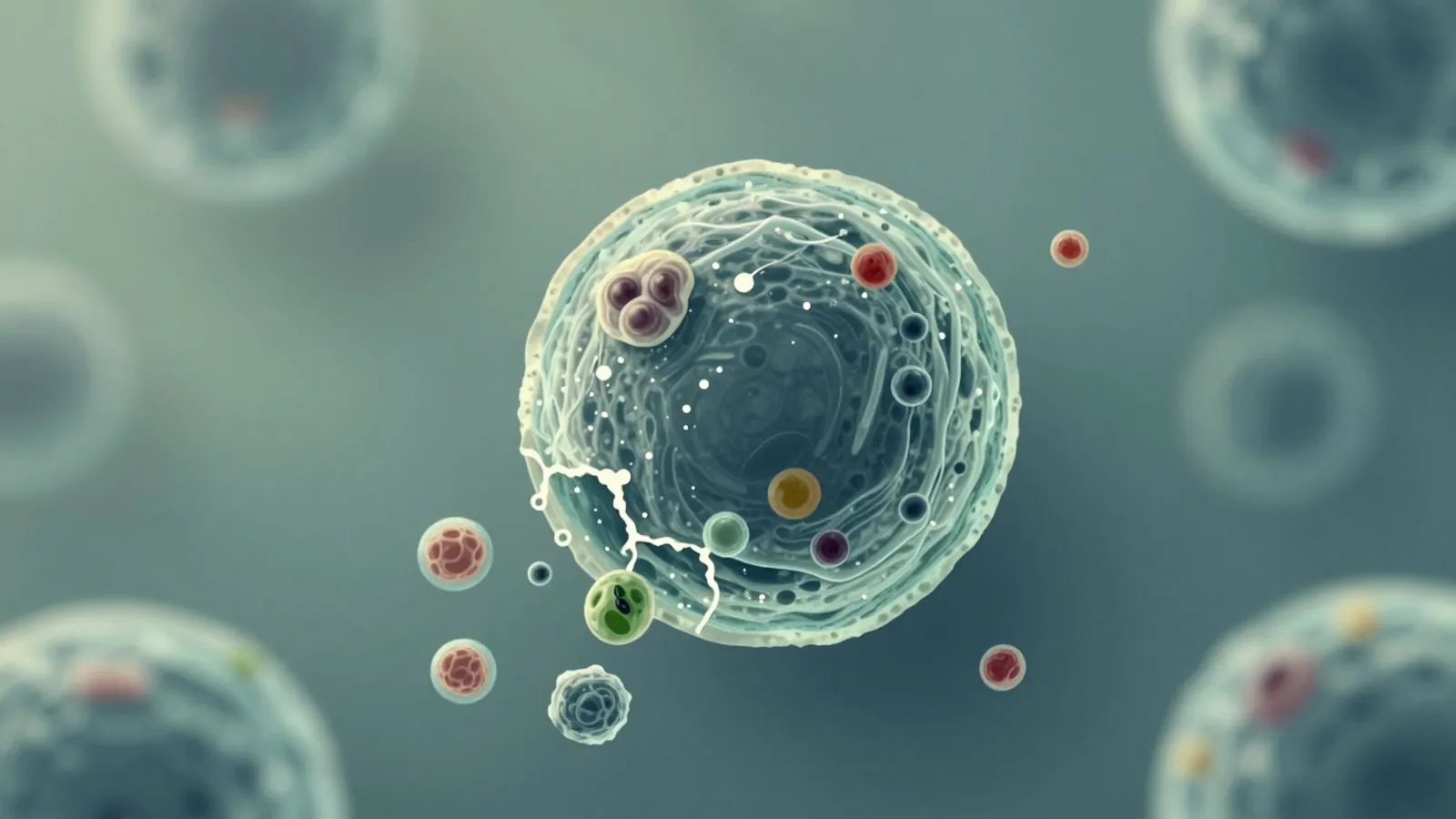
To lyse a cell means to break it open by damaging its plasma membrane, so that the cell's contents spill out (Definition of lysis). The word comes from the Greek lysis, meaning loosening, and the process is often described as lytic when it is driven by viral, enzymatic, or osmotic mechanisms that compromise membrane integrity (Lysis).
Lysis can be partial or complete: a small puncture of a membrane or wall may release little material, while harsh chemical lysis can empty the entire cell and kill it (Lyse). Laboratory workers use the term for controlled breakage during purification, and the fluid left behind after cells are opened is called a lysate (Lysis).
Key Points
- Lysis is the breakdown of a cell caused by damage to its outer membrane, and it can be produced by chemical or physical means (Definition of lysis).
- A lysate is the fluid that contains the contents of cells that have been lysed (Lysis).
- Lysozyme, an enzyme found in saliva, egg white, and other animal secretions, lyses many species of bacteria.
- Penicillin and related beta-lactam antibiotics kill bacteria through enzyme-mediated lysis that follows the formation of a defective cell wall.
- Cytolysis, or osmotic lysis, happens when excess water moves into a cell and bursts it; plant cells normally avoid this because their strong cell walls contain the osmotic pressure.
- In the lab, cells are lysed to purify proteins, DNA, RNA, and organelles, using detergents, enzymes, or mechanical methods such as freeze-thaw cycles, filtration, pressure, sonication, and vibration (Lyse; Lysis).
At a Glance
| Term | Part of speech | Core meaning |
|---|---|---|
| Lyse | verb | to break open a cell (Lyse) |
| Lysis | noun | the breaking of a cell (Definition of lysis) |
| Lysate | noun | fluid from lysed cells (Lysis) |
| Lysed | adjective | a cell that has broken |
| Lysing | verb form | the act of breaking cells |
Lyse names the action, and lysis names the event (Definition of lysis; Lyse). Every other form in the table, including lysed, lysing, and lysate, points back to the same physical change: the cell membrane fails and the contents escape (Lysis).
What Does Lyse Mean in Biology?
Lyse is a verb. It describes the act of breaking a cell open, usually by damaging the membrane that holds the cell together. The word traces back to the Greek lysis, meaning a loosening (Lysis). In a biology sentence, the subject is normally the thing doing the breaking, and the object is the cell: a detergent lyses cells, a phage lyses its bacterial host, a freeze-thaw cycle lyses a pellet of bacteria.
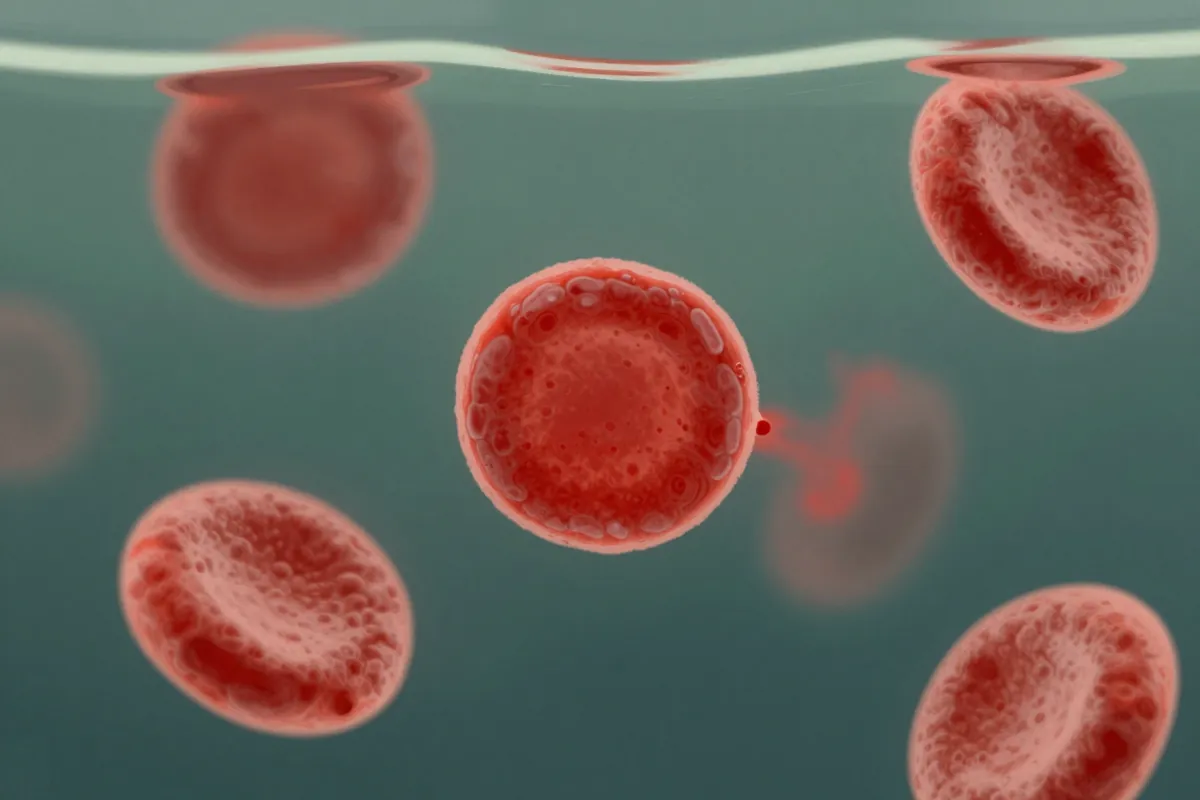
The Core Meaning: A Barrier That Fails
A cell stays intact because its plasma membrane separates the cytoplasm from the surrounding fluid. In biology, lysis refers to the breakdown of a cell caused by damage to that plasma membrane, and the damage can come from chemical or physical means (Definition of lysis). To say a cell lysed is to say this barrier stopped working. The membrane may fail at a single small point, or it may disintegrate across its whole surface (Lyse). Lysis can happen inside a cell or outside it, and it can disintegrate cellular or extracellular material.
What Comes Out, and What the Fluid Is Called
Once the membrane loses integrity, the cell cannot hold its contents. Harsher chemical lysis results in the expulsion of all cellular contents and cell death (Lyse). The fluid that now contains those contents has its own name: a lysate (Lysis). Three words therefore describe one event from three angles. Lyse is the action, lysis is the event, and lysate is the material left behind (Lyse; Lysis).
Lyse in Real Biological Settings
Lysis is common, and it appears far from a laboratory bench.
- Saliva, egg white, and other animal secretions contain lysozyme, an enzyme that lyses bacteria (Lysis).
- Bacteriophages produce lytic enzymes called lysins, which break open bacterial cells and let viral particles reach new hosts.
- Penicillin and related β-lactam antibiotics kill bacteria through enzyme-mediated lysis, which follows the formation of a defective cell wall.
- Lysis matters in immune defense against bacteria and viruses, in digestion of food, in viral replication, and in biofilm development (Lyse).
- Injured or dying cells can dismantle themselves from within when lysosomes release digestive enzymes into the cytoplasm, a process called autolysis.
What Lyse Does Not Mean
Lyse does not mean "to kill" in a general sense. A localized lysis can produce a tiny puncture in a cell wall or membrane without destroying the whole cell (Lyse). Lysis becomes lethal when the damage is severe enough to empty the cell. The word also does not fit every kind of cell death. A cell can shrink and die without its membrane breaking open, and lyse would be the wrong verb for that outcome. In a plating experiment, a clear zone around a phage plaque reflects bacterial lysis, while a colony that simply stops growing may reflect starvation or a growth defect with no membrane rupture at all.
Lyse vs Lysis: Same Process, Different Grammar
Writers mix these two words because they name the same biology. The difference is grammatical, not physical. Lyse is the verb, and lysis is the noun (Definition of lysis; Lyse). Choosing between them is the same choice a writer makes between "to break" and "a break."
Verb and Noun in the Same Sentence
Both forms often appear within one sentence, and the sentence reads better when each form keeps its job.
- Verb: "The lysis buffer lyses the cell pellet in ten minutes."
- Noun: "Lysis of the pellet is complete after ten minutes."
The first sentence uses lyse because something is performing an action. The second uses lysis because the sentence treats the event as a thing that can be complete, incomplete, partial, or total.
A Table of Forms and Their Jobs
| Form | Part of speech | Job in a sentence | Example |
|---|---|---|---|
| lyse | verb | action performed on a cell | "Sonication lyses the bacteria." |
| lyses | verb, third person | same action, singular subject | "The detergent lyses the membrane." |
| lysed | verb, past tense | completed action | "The cells lysed within a minute." |
| lysed | adjective | describes a cell after failure | "Lysed erythrocytes release hemoglobin." (Lysis) |
| lysing | present participle | the act, often after a preposition | "The protocol for lysing cells takes an hour." (Lyse) |
| lysis | noun | the event or the method | "Osmotic lysis swells the cell until it bursts." (Definition of lysis) |
| lysate | noun | fluid left after lysis | "The lysate was cleared by centrifugation." |
| lytic | adjective | describes a mechanism or agent | "Lytic enzymes break the cell wall." |
| lysin | noun | an enzyme that causes lysis | "Phage lysins lyse bacterial cells." |
Two Errors to Avoid
The first error is using lysis as a verb: "The buffer lysis the cells." Write "The buffer lyses the cells." The second is using lyse as a noun: "Lyse was complete after ten minutes." Write "Lysis was complete after ten minutes."
A third, softer error concerns the past participle. "The cells are lysed" can describe a finished state, and "the cells are lysing" describes an action in progress. In a protocol, that difference matters, because a technician needs to know whether a step is still running or already done.
Why the Distinction Is Useful
Laboratory writing depends on it. A protocol states what a reagent does, so the reagent lyses cells, and it states what state the sample is in, so the sample is a lysate or a lysed pellet (Lysis). A step called "cell lysis" names a procedure, and an instruction called "lyse the cells" names an action. Keeping the forms straight removes ambiguity from a document that another person must follow without asking questions.
How a Cell Lyses: Step by Step
Lysis looks sudden, and it often is, but the steps behind it are orderly. The membrane fails, water or solutes shift, the cell stretches, enzymes and chemicals cut the barrier, and the contents escape. Each step can be described on its own.
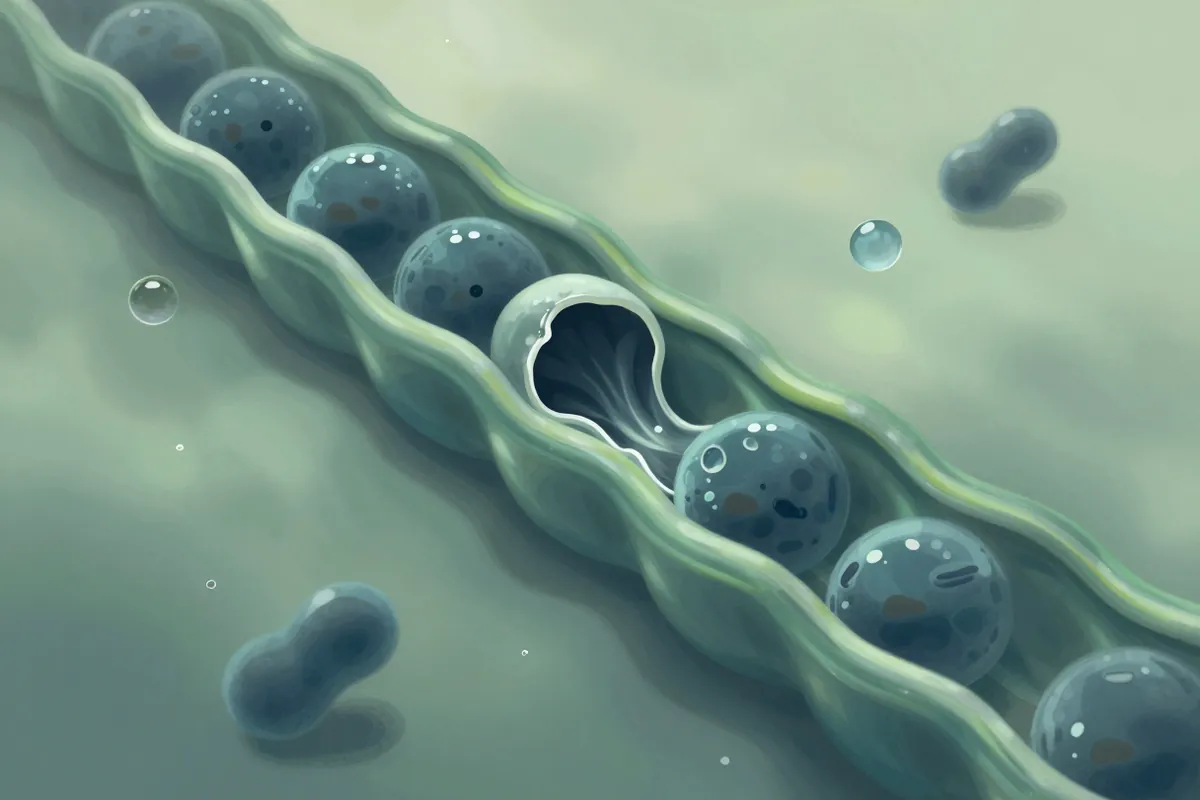
Step 1: Membrane Integrity Is Compromised
The plasma membrane is a phospholipid bilayer with embedded proteins, and lysis begins when this outer layer is damaged (Definition of lysis). Damage can be physical: repeated freeze-thaw cycles, filtration, pressure, sonication, and vibration all break cells open (Lyse). Damage can also be chemical, through detergents, chaotropic agents, or enzymes (Lysis). A small breach may seal or remain a tiny puncture, while harsher chemical attack causes the cell to lose everything.
Step 2: Water or Solutes Cross the Membrane
Cytolysis, also called osmotic lysis, occurs when the solute concentration outside the cell is lower than inside it, which is a hypotonic environment (Lyse). That difference creates an osmotic pressure gradient, and water moves inward along it. The reverse situation, a hypertonic environment, pulls water out, and the cell shrinks instead of bursting; in plant cells this is plasmolysis, in which the membrane peels away from the wall and the vacuole collapses (Lysis).
Step 3: The Cell Swells and Stretches
Animal and protozoan cells have a delicate phospholipid bilayer and no firm wall, so the incoming water stretches the membrane until it ruptures (Lyse). Plant cells rarely undergo cytolysis because a strong cell wall contains the turgor pressure that would otherwise burst the cell (Lysis). Some paramecia avoid cytolysis with a contractile vacuole that pumps water out quickly.
Step 4: Enzymes and Chemicals Cut the Barrier
Enzymatic lysis is selective. Lysozyme attacks bacterial cell walls, and phage lysins, produced during bacteriophage infection, let those viruses lyse bacterial cells (Lysis). Penicillin and related β-lactam antibiotics first cause a defective cell wall, and enzyme-mediated lysis follows. In a laboratory protocol, detergents, chelating agents, and enzyme inhibitors are combined so that the target molecule survives while the rest of the cell is destroyed (Lyse).
Step 5: Contents Escape and a Lysate Forms
Once the barrier fails, the cell can no longer keep its interior separate from the fluid around it, and the contents escape (Lyse). The resulting suspension is the lysate, which usually goes through further purification to isolate proteins, DNA, RNA, or organelles (Lyse; Lysis).
| Stage | What changes | Typical trigger |
|---|---|---|
| 1 | membrane integrity fails | detergents, enzymes, physical force (Definition of lysis; Lyse) |
| 2 | water or solutes cross the membrane | osmotic gradient (Lyse) |
| 3 | cell swells and stretches | water influx, weak wall (Lysis) |
| 4 | lipids and proteins are cut | lysozyme, lysins, detergents |
| 5 | contents escape, lysate remains | rupture of the membrane |
What Causes a Cell to Lyse?
Lysis begins at the plasma membrane. When that barrier fails, ions leak out, water follows osmotic gradients, and internal contents spill into the surrounding fluid (Definition of lysis). The trigger determines whether the break is a small pore or a full collapse of the cell.
Osmotic stress
Cytolysis, also called osmotic lysis, happens when the solute concentration outside the cell is lower than inside. Water moves inward, the membrane stretches, and the cell bursts (Lysis). Animal cells and protozoa are vulnerable because they lack a rigid wall. Plant cells usually resist because the cell wall contains the turgor pressure that would otherwise rupture the membrane. Some protozoa avoid cytolysis with a contractile vacuole that rapidly pumps water out of the cell. This is the same principle behind hemolysis of red blood cells in very dilute solutions.
Viral infection
Bacteriophages replicate inside bacteria, then produce lytic enzymes called lysins. These enzymes break the bacterial cell open and release new viral particles to infect nearby cells (Definition of lysis; Lysis). The timing is part of the viral program, so the burst happens when progeny are ready to spread.
Enzymatic lysis
Lysozyme, an enzyme found in saliva, egg white, and other secretions, lyses many species of bacteria by attacking their cell walls (Lysis). Penicillin and related beta-lactam antibiotics cause the formation of a defective cell wall, and the bacterium then dies through enzyme-mediated lysis. Inside an injured cell, autolysis begins when lysosomes release digestive enzymes into the cytoplasm, and the cell digests its own contents (Lyse).
Detergents and chaotropic agents
In the laboratory, detergents dissolve membrane lipids while chaotropic agents destabilize proteins and membranes (Lysis). Strong ionic detergents strip membranes quickly and denature proteins. Milder nonionic detergents leave some protein interactions intact, which matters when the goal is to keep complexes together.
Mechanical shear
Repeated freeze-thaw cycles, sonication, pressure, filtration, and vibration all break cells open by physical force (Lyse; Lysis). Shear from vigorous pipetting or homogenization does the same on a smaller scale. Mechanical methods are common in the lab because they add no chemicals that later interfere with purification.
Immune proteins
Some immune attack uses pore-forming proteins that insert into a target membrane. The pore upsets the osmotic balance, water enters, and the target cell lyses (Lysis). Erythrocytes lysed by pathogens release hemoglobin, and free radicals formed from that hemoglobin can damage the pathogens themselves.
| Trigger | What fails first | Typical example |
|---|---|---|
| Osmotic imbalance | Membrane stretched by water influx | Erythrocyte in dilute saline (Lysis) |
| Viral lysin | Cell wall digested | Bacterium at the end of a phage cycle (Definition of lysis) |
| Lysozyme or antibiotic | Cell wall integrity | Bacterial death after penicillin |
| Detergent | Lipid bilayer dissolved | Lysate preparation for DNA extraction |
| Mechanical shear | Membrane torn by force | Freeze-thaw disruption of a tissue sample (Lyse) |
| Pore-forming protein | Barrier punctured | Immune attack on a target cell |
Most real lysis events involve more than one factor. A bacterium treated with penicillin has a weakened wall, and ordinary internal pressure then finishes the job. A tissue sample frozen and thawed has membrane damage plus osmotic stress as ice melts.
Examples of Lysis in the Body and in Nature
Red blood cells in very dilute solutions
Erythrocytes have no nucleus and no repair machinery for membrane damage. Placed in a hypotonic solution, water enters, the membrane stretches, and cytolysis releases hemoglobin into the surrounding fluid (Lysis). The released hemoglobin is not inert. When pathogens lyse erythrocytes, free radicals generated from hemoglobin can damage the pathogens themselves. In a tube of blood, the same process produces the red tint that laboratory staff call hemolysis.
Bacteria at the end of a viral cycle
Bacteriophages build up inside a host, then lyse it with lysins so that new virions can escape (Definition of lysis; Lysis). The burst is a coordinated end stage, not random decay. Bacteria also lyse when penicillin prevents proper cross-linking of the cell wall, leaving the cell unable to withstand its own internal pressure (Lysis). Both cases end with a broken envelope and a spill of cytoplasmic contents.
Plant cells after freeze-thaw damage
Plant cells normally withstand osmotic swelling because the cell wall contains turgor pressure (Lysis). Freezing damages membranes through ice crystal formation, and thawing can complete the injury. Repeated freeze-thaw cycles are a standard mechanical way to disrupt cells in the lab (Lyse; Lysis). In a garden, a hard frost can leave soft, water-soaked patches where many cells have lysed.
White blood cells and lysozyme
Lysozyme in saliva, tears, and other secretions lyses susceptible bacteria (Lysis). Phagocytes digest bacteria internally with enzymes after taking them in. Some immune cells also use pore-forming proteins to puncture a target, and the resulting osmotic imbalance completes the lysis. These are controlled events aimed at a specific cell.
Tissue injury and autolysis
When tissue is injured, some cells rupture and release their contents, including digestive enzymes. Autolysis follows in dying cells when lysosomes release enzymes into the cytoplasm, and the cell essentially eats itself (Lyse). The released material contributes to swelling and to the chemical signals that draw immune cells to the site.
Digestion, competition, and biofilms
Lysis appears in ordinary digestion, in viral replication, and in biofilm development (Lyse). Extracellular lysis can break down material outside the cell as part of feeding and competition between organisms.
| Setting | Cell type | Trigger | Result |
|---|---|---|---|
| Blood tube | Erythrocyte | Hypotonic solution | Hemoglobin released (Lysis) |
| Soil or culture | Bacterium | Phage lysins | Progeny virions released (Definition of lysis) |
| Frozen leaf | Plant cell | Ice damage and thaw | Membrane failure |
| Infected tissue | Bacterium | Lysozyme | Cell wall digested |
| Injured tissue | Animal cell | Lysosomal enzymes | Autolysis (Lyse) |
Lysis in the Laboratory and in Medicine
DNA and RNA extraction
Cell lysis is the first step in DNA extraction. The membrane must be broken before nucleic acid can be separated from the rest of the cell (Lysis). Protocols combine detergents with enzymes, then purify the resulting lysate (Lyse; Lysis). A lysate is the fluid that contains the contents of lysed cells. Ribonuclease or protease treatment often follows, depending on which molecule is the target.
Protein studies
Protein purification often begins with controlled cell lysis (Lysis). Gentle lysis preserves fragile proteins and the complexes they form. Protease inhibitors and chelating agents are added to protect the target molecule during the process (Lyse). Without those safeguards, the enzymes released from the cell's own compartments can digest the protein of interest before it is purified.
Gentle compared with harsh lysis
| Feature | Gentle lysis | Harsh lysis |
|---|---|---|
| Detergent | Mild, nonionic | Strong, ionic |
| Force applied | Low shear, short pulses | Sonication or high pressure |
| DNA | Left largely intact | Frequently sheared |
| Protein complexes | Often preserved | Often dissociated |
| Best for | Protein interaction studies | Total content release |
Harsh lysis can break DNA and protein structures, which makes the lysate viscous and can destroy the very material a study aims to measure (Lysis). The choice of method is a trade-off between complete breakage and preservation.
Lysis assays
Research uses lysis assays to measure immune cell killing. A target cell carries a marker, immune cells are added, and marker release into the medium indicates that the target has lysed. The assay converts a visual event into a number, which allows comparison between treatments or between donors. Controls are needed because target cells also release marker when they die by other routes or leak during handling.
Medicine
Some cancer treatments aim to lyse tumor cells (Definition of lysis). Antibiotics such as penicillin kill bacteria through enzyme-mediated lysis after weakening the cell wall (Lysis). In clinical samples, hemolysis changes the color of plasma and serum, and laboratories inspect for it before reporting many test results, because contents released from lysed red cells can interfere with the measurement.
Common Misconceptions About Lyse and Lysis
Myth: lyse and apoptosis are the same process
Apoptosis is programmed cell death in which the membrane stays intact while the cell dismantles itself into packages that are cleared by other cells. Lysis is the breakdown of the membrane itself, with contents spilling out (Lysis). The two can occur in the same tissue, but they describe different events.
Myth: lysis only happens during disease
Lysis is routine in the laboratory, where cultured cells are lysed on purpose to release DNA, RNA, proteins, or organelles (Lysis). It also occurs in ordinary digestion, viral replication, and biofilm development (Lyse). Infection is one setting among many.
Myth: lysate and lysis are interchangeable terms
Lysis is the process. A lysate is the fluid containing the contents of lysed cells (Lysis). Saying "the lysis was frozen" mixes up the event with the material, and the same distinction applies to "lyse the cells" compared with "collect the lysate."
Myth: all cell lysis is accidental
Phage-directed lysis is timed to release progeny virions, and penicillin-treated bacteria lyse through a defined sequence of wall failure (Definition of lysis; Lysis). Laboratory lysis is deliberate and planned. Accidental lysis happens, but it is not the only kind.
Myth: lyse means to dissolve whole tissues
In biology, lysis refers to the breakdown of a cell caused by damage to its plasma membrane (Definition of lysis). A tissue may soften when many cells lyse at once, but the word describes events at the level of individual cells. A tissue does not lyse as a single unit.
Myth: a lysed cell can always recover
Once the membrane has failed and contents have been expelled, the cell is dead (Lyse). A small pore can sometimes be repaired before the cell commits to death, but that is repair of a limited injury, not recovery after lysis. This is why lysis is used as an endpoint in viability assays, and why a lysate has no living cells left in it.
| Misconception | Correction |
|---|---|
| Lysis equals apoptosis | Apoptosis keeps the membrane intact; lysis breaks it (Lysis) |
| Lysis means disease | It is routine in labs and in normal biology (Lyse; Lysis) |
| Lysate equals lysis | Lysate is the fluid; lysis is the process |
| All lysis is accidental | Phage release and lab protocols are controlled (Definition of lysis; Lysis) |
| Lyse means dissolving tissue | The word applies to cells and their membranes (Definition of lysis) |
| Lysed cells recover | Contents are lost and the cell is dead (Lyse) |
Why the Word Lyse Matters in Science
A single verb names an event that appears in virology, immunology, clinical chemistry, and protein purification. That overlap is why the word matters: one term covers the same physical event seen from several directions, and each field depends on it for a different reason. In biology, lysis is the breakdown of a cell caused by damage to its plasma membrane, produced by chemical or physical means (Definition of lysis).
Where Lysis Shows Up
| Setting | What breaks the cell | Why it matters |
|---|---|---|
| Bacteriophage infection | Phage lysins | Releases viral particles to infect new bacteria (Lysis) |
| Saliva and other secretions | Lysozyme | Lyses many species of bacteria |
| Beta-lactam antibiotics | Enzyme-mediated lysis after a defective cell wall forms | Kills the bacterium |
| Cell biology and biochemistry labs | Detergents, chaotropic agents, freeze-thaw, sonication, pressure | Frees proteins, DNA, RNA, organelles for study |
Lysis Explains How Some Viruses Spread Between Cells
Bacteriophages produce lytic enzymes called lysins during infection. These enzymes break open the bacterial cell and permit the transfer of viral particles into new bacterial host cells (Lysis). The sequence is short. The phage injects its genetic material, new particles assemble inside the bacterium, lysins compromise the cell wall and membrane, and the cell lyses. Without that final break, the infection stays trapped inside one cell, and the cycle stops. Any explanation of phage biology that leaves out lysis leaves out the release step.
Lysis Underlies Many Laboratory Tests and Cell Studies
In molecular biology, biochemistry, and cell biology laboratories, cell cultures are lysed to purify their components, including proteins, DNA, RNA, and organelles (Lysis). Several methods do the work: enzymes, detergents, chaotropic agents, repeated freezing and thawing, filtration, pressure, sonication, and vibration (Lyse; Lysis). The fluid that holds the contents of lysed cells is the lysate. An incomplete break leaves target material behind in the pellet, so the quality of the lysis step sets the ceiling on everything that follows, including extraction and purification.
Lysis Helps the Immune System Clear Pathogens
Lysozyme, found in animal saliva, egg white, and other secretions, lyses many species of bacteria (Lysis). The enzyme attacks the bacterial cell wall, and the cell dies from the resulting loss of integrity. Lysis also serves immune defense against viruses, and it appears in the digestion of food, viral replication, and biofilm development (Lyse). Erythrocytes take part as well: their hemoglobin releases free radicals in response to pathogens when the cells are lysed by them, and this can damage the pathogens. The host turns a destructive event into a defensive one.
Unwanted Lysis Changes What a Sample Measures
Lysis is not always the goal. A sample in which red cells have broken is a lysate, meaning a fluid holding the contents of lysed cells (Lysis), and hemoglobin that belonged inside erythrocytes is now free in the surrounding fluid. Any measurement that assumes intact cells is now reading a different material. The same principle applies to water testing and to stored cultures, where spontaneous or accidental lysis shifts the composition of the sample before it reaches the instrument.
Lysis is a standard concept in cell biology because it sits at the junction of damage, death, and release. Learning the term gives a reader access to a large share of the literature on infection, immunity, and sample handling.
How to Use Lyse Correctly in Writing
Lyse is a verb, and most errors with it come from mixing up the verb with its noun and adjective forms. The table below gives the full set.
| Form | Part of speech | Example |
|---|---|---|
| lyse | verb, base form | Detergents lyse the cells. |
| lyses | verb, third person singular | The phage lyses the bacterium. |
| lysed | verb, past tense, or adjective before a noun | The cells lysed. Lysed cells were removed. |
| lysing | participle | Cells lysing under osmotic stress |
| lysis | noun | Lysis occurred after exposure. |
| lysate | noun, the fluid left behind | The lysate was collected. |
Match the Verb to the Subject
Two sentence patterns are correct, and they differ in who does the breaking. In the active transitive pattern, an agent breaks the cell: write the virus lyses the cell (Lyse). In the intransitive pattern, the cell is the thing that breaks: write the cell lyses when the cell breaks. Both are standard. The mistake is reversing the roles, as in the cell lyses the virus, which says the cell is doing the breaking.
Use Lysis for the Process
When the event is the subject of the sentence, the noun is the natural choice: lysis occurred after exposure (Definition of lysis). Writers who force the verb into that slot produce sentences such as lysis happened on the cells, which mixes the two forms. Keep the noun for process descriptions and the verb for actions.
Put Lysed Before a Noun
The past participle works as an adjective: lysed cells, lysed blood, lysed samples (Lyse). For the fluid that results, use lysate instead of a phrase like lysed liquid, since lysate is the established term (Lysis). Note the difference in meaning: lysed cells names the broken bodies, while lysate names what surrounds them.
Drop the Phrasal Verb
There is no such verb as lyse down. Write lyse, or write break open when a plainer word fits better (Lyse). The same applies to lysed down and lysing down. The extra particle adds nothing and marks the sentence as informal.
Worked Repairs
| Draft | Revised | Reason |
|---|---|---|
| The cells were lysed down by sonication. | Sonication lysed the cells. | Removes the nonstandard particle and names the agent |
| The cell lyses the phage. | The phage lyses the cell. | Subject and object were reversed |
| Lysis the cells before adding buffer. | Lyse the cells before adding buffer. | Imperative needs the verb, not the noun |
| The virus was lysed the cell. | The virus lysed the cell. | Drops the stray auxiliary |
Check Capitalization
In biology, lyse stays lowercase, even at the start of a heading if house style allows. Capitalized Lyse is a French given name, carried by the BBC journalist Lyse Doucet (Lyse Doucet), so a search for the bare word can return a person instead of a process. In a scientific sentence, keep the word lowercase and the meaning stays clear.
Related Guides
- Sample Lysis Failures: Why Your Cells Aren't Releasing DNA: Explains why DNA may not release during sample lysis
- How to Prepare Protein Samples for SDS-PAGE: Lysis, Quantification, and Denaturation: Practical guide to protein sample preparation after cell lysis
- Plasmid DNA Purification Using Alkaline Lysis: Miniprep Protocol and Quality Control: Alkaline lysis protocol for plasmid DNA purification and quality control
- Plasmid DNA Isolation from E. coli: Alkaline Lysis Protocol: E. coli plasmid isolation using the alkaline lysis method
- Cell Biology Definitions: Key Terms Explained: Defines cell biology terms useful for understanding lysis
- Molecular Biology of the Cell: Core Concepts: Core molecular biology concepts behind cell structure and lysis
- Cytoplasm Role: Functions in Cell Biology: Cytoplasm functions relevant to what spills out during lysis
- Key Biology Terms for Cells, Genetics, and Ecology: Key biology terms covering cells, genetics, and ecology
Frequently Asked Questions
What does lyse mean in biology?
To lyse means to break a larger structure apart into smaller pieces. In cell biology, the verb describes the act of rupturing a cell's plasma membrane so that its contents escape or become accessible. The breakdown itself is called lysis, and the fluid holding the released contents is a lysate (Lyse; Lysis). The term also covers the disintegration of extracellular material, so a biologist may speak of lysing cells, lysing a cell wall, or lysing a protein complex during an assay. The Greek root means "loosening," which matches the physical picture of a membrane coming apart (Lysis).
Is lyse the same as lysis?
The two words are closely related but differ in grammar. Lyse is the verb, meaning to cause or undergo breakdown, while lysis is the noun naming the process or the result (Lyse; Lysis). A researcher lyses a pellet of cultured cells; the event that follows is lysis. The adjective form is lytic, as in lytic enzymes or a lytic infection (Lysis; Lyse). In practice, writers often use the noun when describing the biology and the verb when describing what a technician or a virus does to a cell.
What happens when a cell lyses?
The plasma membrane loses its integrity, and the cell can no longer hold its contents separate from the surrounding fluid. In a mild, localized event, the damage may amount to a small puncture of the membrane or wall (Lyse). Harsher chemical lysis causes the cell to release all of its contents and die. What remains is a lysate, a suspension of membranes, organelles, proteins, nucleic acids, and smaller molecules (Lyse; Lysis). In osmotic lysis, water moves inward until the membrane bursts (Lysis).
What causes a cell to lyse?
Damage to the outer membrane can come from chemical or physical means (Definition of lysis). Chemical causes include detergents, chaotropic agents, enzymes such as lysozyme, and antibiotics that leave bacteria with a defective wall (Lyse; Lysis). Physical causes include freeze-thaw cycles, filtration, pressure, sonication, and vibration used in the lab, plus osmotic imbalance that drives excess water into the cell (Lyse; Lysis). Viruses also trigger lysis: bacteriophages produce lysins that open bacterial cells so new viral particles can escape (Lysis).
Does lyse mean cell death?
Often, but the two ideas are not identical. Strong lysis that spills all cellular contents kills the cell (Lyse), and autolysis, in which a damaged cell's own lysosomes digest it, ends in death. Yet lysis can also be partial, producing a small membrane puncture without immediate death, and laboratory lysis is a deliberate step in sample preparation (Lyse; Lysis). Penicillin kills bacteria through lysis that follows a defective cell wall (Lysis). So lysis is a mechanism that frequently leads to death without being a synonym for it.
What is an example of lysis?
Human saliva contains lysozyme, an enzyme that lyses many species of bacteria (Lyse; Lysis). Another example is cytolysis, or osmotic lysis, which occurs when a cell sits in a hypotonic solution and takes in water until the membrane bursts (Lysis). Paramecia avoid this by pumping water out with a contractile vacuole, and plant cells resist it through a strong wall that contains turgor pressure. In the laboratory, freeze-thaw cycles and sonication lyse cells so that proteins, DNA, or RNA can be purified from the lysate (Lyse; Lysis).
References and Further Reading
- Definition of lysis, cancer.gov
- Lysis, en.wikipedia.org
- Lyse, biologydictionary.net
- Lyse Doucet, Wikipedia