Annelid Phylum: Characteristics and Examples
By Dr. Zubair Khalid, DVM, MS, PhD ·
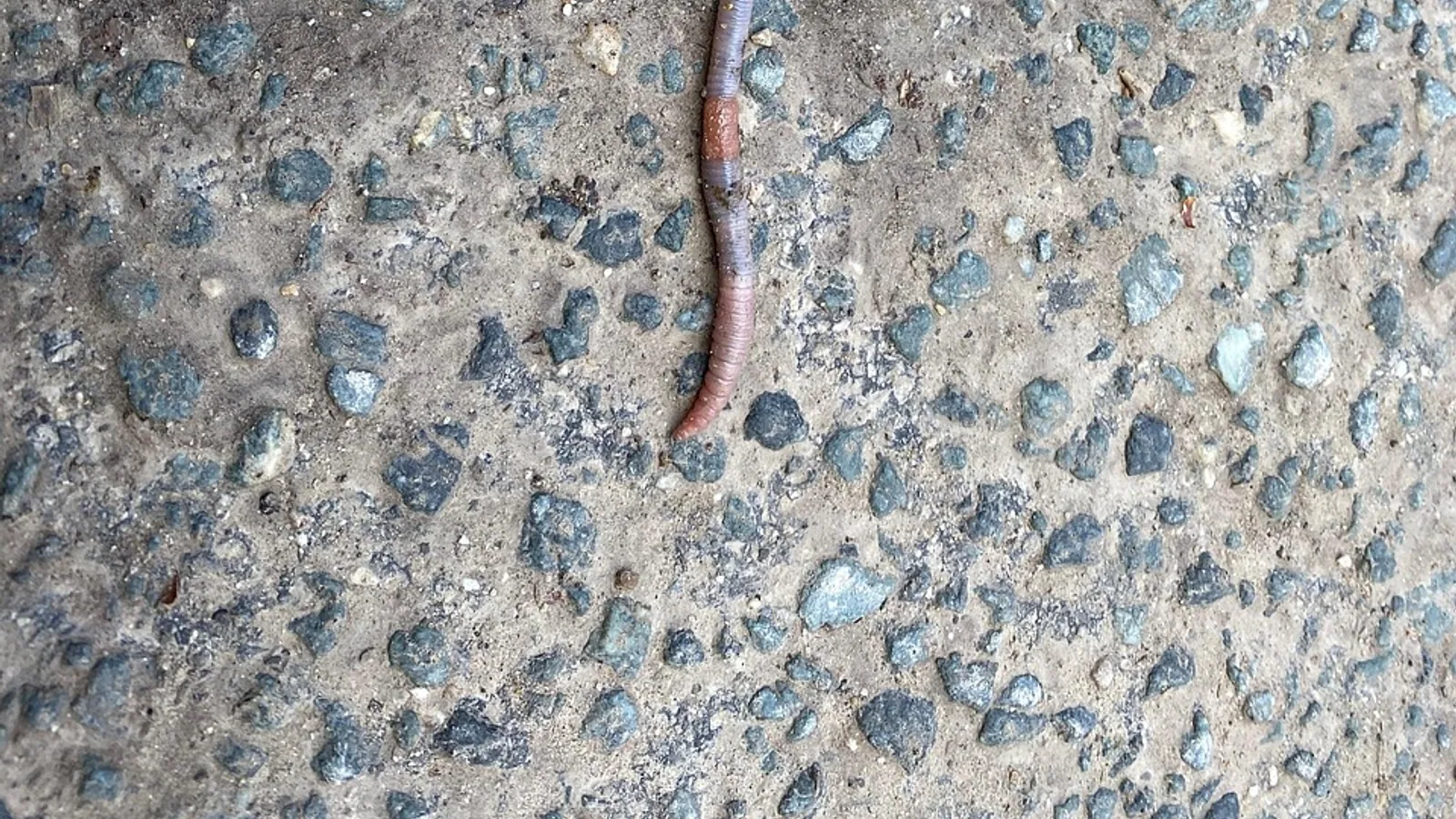
The annelid phylum (Annelida) is a group of bilaterally symmetrical, soft-bodied invertebrate animals defined by a body divided into repeating ring-like segments (metameric segmentation), a true fluid-filled body cavity (coelom), a closed circulatory system in most species, and bristle-like structures called chaetae. Familiar annelid examples include the marine ragworm Nereis, the common earthworm Lumbricus terrestris, and the medicinal leech Hirudo medicinalis.
Annelids matter far beyond the bait bucket. Earthworms and their relatives aerate and mix soils, recycle organic matter, and drive nutrient cycling in farmland and forests. Marine polychaetes such as Nereis and Alitta virens are dominant burrowing and crawling animals in seafloor sediments, where they serve as food for fish and crustaceans and as sensitive indicators of pollution. Leeches are both ecological players in freshwater food webs and a source of anticoagulant compounds used in medicine. Because annelids are one of the three great segmented animal groups, alongside arthropods and vertebrates, they are also central to research on how segmented body plans evolved. Molecular studies of segmentation genes in polychaetes like Alitta virens and Platynereis dumerilii continue to sharpen that picture [1][2].
What Defines an Annelid?
Metameric Segmentation
Metameric segmentation means the body is built from a linear series of similar units, or segments, arranged front to back. Each segment typically carries its own set of muscles, nerves, blood vessels, excretory organs, and chaetae. This modular construction allows regional specialization: the head segments form sensory and feeding structures, mid-body segments handle locomotion and digestion, and posterior segments may be modified for reproduction or burrowing.
Segmentation in annelids is not just external. Internal partitions called septa divide the coelom segment by segment, and the ventral nerve cord bears a paired ganglion in most segments. Developmental work in nereidid polychaetes shows that segmentation genes such as engrailed and wnt1 are expressed in a metameric, segment-by-segment pattern during larval and postlarval growth [1]. Comparative studies across annelids indicate that segments are usually added sequentially from a posterior growth zone, a mechanism broadly similar to the clock-and-wavefront model proposed for other segmented animals [3].
The Coelom
A coelom is a true body cavity lined on all sides by mesoderm-derived tissue (peritoneum). In annelids, the coelom is typically divided into paired compartments per segment. This cavity is not empty space. It holds fluid that acts as a hydrostatic skeleton, supports internal organs, and allows the gut to move independently of the body wall. The coelom also gives space for gonads to develop and for coelomic fluid to carry cells involved in immunity and waste transport.
Hydrostatic Skeleton
A hydrostatic skeleton is a system in which fluid held under pressure in a closed cavity, combined with muscle contraction, produces movement and shape change. In annelids, circular muscles and longitudinal muscles in the body wall work against the incompressible coelomic fluid. When circular muscles contract, a segment becomes long and thin. When longitudinal muscles contract, the segment becomes short and wide. By coordinating these contractions along the body, an earthworm can crawl, and a burrowing polychaete can push through sediment.
Chaetae
Chaetae (also called setae) are bristles made of chitin, a tough polysaccharide also found in insect exoskeletons. They are secreted by specialized cells called chaetoblasts, usually grouped in sacs within each segment. Chaetae anchor the body during crawling, provide traction in burrows, and in some species help capture prey or build tubes. The number, shape, and arrangement of chaetae are major features taxonomists use to identify annelid species.
Closed Circulatory System
Most annelids have a closed circulatory system, meaning blood stays inside vessels rather than spilling into open sinuses. A dorsal vessel carries blood forward, a ventral vessel carries it backward, and lateral vessels or hearts connect them. In earthworms, muscular vessels near the front act as pumps. Blood often contains dissolved respiratory pigments such as hemoglobin or chlorocruorin, which bind oxygen. Not every annelid follows this pattern. Leeches have a reduced coelom and a modified circulatory system in which coelomic channels partly replace blood vessels, a good reminder that annelid traits come in variations.
Body Wall and Nervous System
The annelid body wall has an outer cuticle, an epidermis, circular muscle, and longitudinal muscle, all enclosing the coelom. The nervous system is a paired ventral nerve cord with segmental ganglia and a dorsal brain (cerebral ganglion) in the head. Sensory structures vary widely: eyespots, tentacles, palps, and chemosensory organs on the prostomium, the lobe in front of the mouth. Ultrastructural studies of specialized polychaetes such as Sabellaria alveolata show how finely tuned these sensory appendages can be, with receptor-cell tufts on opercular papillae and distinctive ciliary patterns on tentacular filaments [4].
The Three Traditional Classes and Modern Clitellata
Textbooks traditionally divide annelids into three classes: Polychaeta (bristle worms, mostly marine), Oligochaeta (earthworms and their relatives, mostly freshwater and terrestrial), and Hirudinea (leeches). Modern phylogenetics has redrawn part of that map. Molecular and morphological evidence places Oligochaeta and Hirudinea inside a single clade, Clitellata, named for the clitellum, a glandular saddle that secretes a cocoon for eggs [5]. In current usage, Clitellata is treated as a class-level group, with Oligochaeta and Hirudinea as subclasses, and the earthworm-dominated subgroup Crassiclitellata recognized at the order level [5].
Polychaeta, as traditionally defined, is not a natural group in the same clean way. Many "polychaete" families branch off at different points in the annelid tree, and some taxa once placed outside Polychaeta, such as the parasitic Myzostomida, sit within Annelida based on genomic markers [6]. For a student, the practical takeaway is this: the three-class scheme is a useful learning scaffold, and Clitellata is the modern, well-supported grouping that unites oligochaetes and leeches.
Comparing Annelid Classes
| Class or group | Habitat | Parapodia | Chaetae | Feeding | Representative examples |
|---|---|---|---|---|---|
| Polychaeta (paraphyletic grade) | Mostly marine, some freshwater and terrestrial | Present in most species, often well developed | Many, on parapodia | Predators, deposit feeders, filter feeders, tube builders | Nereis (ragworm), Alitta virens, Platynereis dumerilii, Sabellaria alveolata, Spirobranchus lamarcki |
| Oligochaeta (subclass of Clitellata) | Terrestrial soils, freshwater sediments, some marine | Absent | Few, short, embedded in body wall | Deposit feeders on soil and sediment | Lumbricus terrestris, Tubifex tubifex |
| Hirudinea (subclass of Clitellata) | Freshwater mainly, some terrestrial and marine | Absent | Absent | Blood feeders, predators, scavengers | Hirudo medicinalis, Myzostoma cirriferum (historically allied but now placed separately) |
Note that Myzostoma cirriferum is listed only to flag a common confusion. It is an annelid, but its highly modified parasitic body plan lacks typical external annulation and segmental ganglia, so it does not belong in a simple leech comparison [6].
Polychaeta: The Bristle Worms
Habitat and Body Plan
Polychaetes dominate marine sediments, rocky shores, coral reefs, and deep-sea habitats. Some live in tubes, some burrow, and some swim or crawl freely. Their name means "many bristles," referring to the dense chaetae borne on paired lateral appendages called parapodia. Parapodia are fleshy, unjointed outgrowths of the body wall that function in crawling, swimming, burrowing, and gas exchange. They are not legs in the arthropod sense because they lack joints and a rigid exoskeleton.
Feeding Diversity
Polychaete feeding spans nearly every mode. Nereis species are active predators and scavengers with eversible jaws. Sedentary tube builders such as Sabellaria alveolata use specialized tentacular filaments and palps to collect food particles, and they build reef-like aggregations of cemented sand tubes [4]. Serpulid polychaetes like Spirobranchus lamarcki live in calcareous tubes and extend feathery branchial crowns to filter plankton. Deep-sea hesionids such as Paralamprophaea nanhaiensis show how new polychaete species continue to be described from poorly sampled habitats, in this case the South China Sea [7].
Reproduction and Development
Most polychaetes have separate sexes and release gametes into seawater, where fertilization occurs. Larvae typically pass through a trochophore stage, a ciliated swimming larva shared with mollusks, then develop into a segmented juvenile. Segmentation genes are active during these transitions. In Alitta virens, engrailed expression appears early in lateral domains and shifts into a metameric pattern, while wnt1 expression appears later and aligns with segment boundaries [1]. In Platynereis dumerilii, regionalization genes such as otx, gbx, and Hox genes mark segment identities in a pattern comparable to arthropods [2].
Oligochaeta: Earthworms and Their Relatives
Habitat and Body Plan
Oligochaetes live in soils, freshwater sediments, and a few marine or moist terrestrial niches. They lack parapodia, and their chaetae are few and short, typically four bundles per segment, embedded directly in the body wall. The clitellum is a swollen glandular region that secretes a mucous cocoon. During mating, two worms exchange sperm, and the cocoon later receives eggs and sperm before slipping off the body to incubate.
Feeding and Ecological Role
Most oligochaetes are deposit feeders. Lumbricus terrestris, the common nightcrawler, pulls leaf litter into its burrow and ingests soil rich in organic matter. This burrowing behavior mixes mineral soil with organic material, improves water infiltration, and increases aeration. Freshwater tubificids such as Tubifex tubifex feed on sediment deposits and tolerate low-oxygen conditions, which makes them useful indicators of organic pollution. Developmental studies in Tubifex show that segmentation is established early in the mesoderm, with segment founder cells expressing patterning genes such as Zic before morphological segments appear [8].
Why Oligochaeta Is Not a Standalone Class
The order-level classification proposed for Oligochaeta recognizes eleven orders, with Crassiclitellata as the monophylum containing most earthworm taxa [5]. This framework reflects molecular phylogenetic evidence rather than older morphology-based groupings, and it treats Oligochaeta as a subclass within Clitellata alongside Hirudinea [5].
Hirudinea: The Leeches
Habitat and Body Plan
Leeches live mainly in freshwater, with some terrestrial species in humid tropical forests and a few marine forms. They have a fixed number of body segments, usually 34, and each external ring (annulus) may not correspond one-to-one with an internal segment. Leeches lack parapodia and chaetae. They have two suckers, one around the mouth and one at the rear, used for attachment and locomotion. The coelom is reduced and filled with connective tissue, and the coelomic channels function in circulation.
Feeding
Leech feeding strategies include blood feeding on vertebrates and invertebrates, predation on small invertebrates, and scavenging. Hirudo medicinalis is a blood feeder with jaws that make a Y-shaped wound. Its saliva contains hirudin, an anticoagulant, and other bioactive compounds. This biology underpins the medical use of leeches in reconstructive surgery and wound care, though dosing and clinical protocols are outside the scope of this article and belong to clinical guidance.
Reproduction
Leeches are hermaphrodites. Like oligochaetes, they have a clitellum and exchange sperm during mating. Eggs are deposited in cocoons. Some species brood their young, while others abandon the cocoons.
How Annelids Are Studied and Identified
Taxonomists identify annelids using a combination of external morphology and molecular markers. Key morphological characters include the shape of the prostomium, the presence and form of parapodia, chaetal type and number, the position of the clitellum, and the arrangement of gills or branchiae. Molecular work typically sequences mitochondrial markers such as COI and ribosomal genes such as 16S, 18S, and 28S rRNA. For example, the description of Paralamprophaea nanhaiensis combined morphological diagnosis with phylogenetic analysis of COI, 16S, 18S, and 28S sequences [7]. Serpulid taxonomy has been revised using 18S, 28S, histone H3, and cytochrome b data alongside morphology [9].
Field sampling methods differ by habitat. Marine polychaetes are collected with bottom grabs, sieves, and scuba surveys [10]. Freshwater oligochaetes and leeches are collected with kick nets, dredges, and sediment cores. Soil earthworms are sampled by digging and hand-sorting or by applying a diluted irritant solution to bring worms to the surface, a method that must follow local ethical and environmental rules.
Gene expression studies use in situ hybridization, immunofluorescence, and cell proliferation assays to map where segmentation genes are active [1]. These techniques allow researchers to compare how segments form across species and to test whether annelid segmentation shares deep evolutionary roots with arthropod and vertebrate segmentation [3][2].
Comparative and Applied Relevance
Annelids are model organisms for several fields. Developmental biologists study Platynereis dumerilii and Alitta virens because their embryos and larvae are accessible and their segmentation is visible under a microscope [1][2]. Regeneration researchers study polychaetes such as Spirobranchus lamarcki, which can regrow its operculum, a head appendage, through a blastema-less process [11]. Ecologists use polychaete and oligochaete communities to assess sediment health, since different species tolerate different levels of organic enrichment and hypoxia. Soil scientists value earthworms for their role in soil structure and nutrient cycling.
In medicine, leeches are used in microsurgery and replantation to relieve venous congestion, and leech-derived compounds have inspired anticoagulant research. In biotechnology, annelid hemoglobin and other respiratory pigments have been investigated as oxygen carriers. These applications rest on the same basic annelid traits described above: a segmented body, a fluid-filled coelom, a closed or modified circulatory system, and chaetae or suckers suited to the animal's lifestyle.
Common Mistakes and Limitations
Students often confuse annelids with nematodes. Nematodes (roundworms) are unsegmented, have a pseudocoelom rather than a true coelom, lack chaetae, and have a different body wall structure with a thick cuticle and longitudinal muscles only. Annelids are segmented, have a true coelom, and usually have chaetae. The two groups are not closely related within the protostomes.
A second mistake is treating Polychaeta as a single natural class equivalent to Clitellata. Molecular phylogenetics shows that many polychaete families branch at different points in the annelid tree, so Polychaeta is best understood as a grade rather than a clade [12][13]. A third mistake is assuming all annelids have a closed circulatory system. Leeches have a reduced coelom and a modified circulatory arrangement, so the textbook definition applies mainly to polychaetes and oligochaetes.
A fourth mistake is overgeneralizing from one species. Lumbricus terrestris is a deep-burrowing earthworm with a distinctive ecology, but many oligochaetes are small freshwater worms with very different habits. Similarly, Hirudo medicinalis is one of many leech species, and its blood-feeding habit is not universal among leeches.
Finally, identification from photographs alone is unreliable for many annelids. Chaetal details, prostomium shape, and internal anatomy often require microscopy. Molecular confirmation is increasingly standard for new species descriptions and for resolving cryptic species complexes [7][9].
Quick Review
- Annelids are segmented worms with a true coelom, chaetae, and usually a closed circulatory system.
- Metameric segmentation divides the body into repeating units with segmental muscles, nerves, vessels, and excretory organs.
- The hydrostatic skeleton uses coelomic fluid and opposing muscle layers to produce movement.
- Polychaeta is a mostly marine grade with parapodia and many chaetae. Clitellata is a clade containing Oligochaeta and Hirudinea.
- Oligochaetes lack parapodia and have few chaetae. Earthworms such as Lumbricus terrestris are deposit feeders that improve soil.
- Leeches lack parapodia and chaetae, have suckers and a reduced coelom, and include blood feeders such as Hirudo medicinalis.
- Modern classification places Oligochaeta and Hirudinea within Clitellata, with Crassiclitellata as the earthworm-rich order [5].
Frequently Asked Questions
What are the main characteristics of the annelid phylum?
The main characteristics are metameric segmentation, a true coelom, chaetae, a hydrostatic skeleton, and in most species a closed circulatory system with a dorsal and ventral vessel. A ventral nerve cord with segmental ganglia and a head brain complete the basic body plan.
What are some examples of annelids?
Common annelid examples include the marine ragworm Nereis, the earthworm Lumbricus terrestris, the medicinal leech Hirudo medicinalis, the reef-building polychaete Sabellaria alveolata, and the freshwater tubificid Tubifex tubifex.
Is Oligochaeta still a valid class?
Oligochaeta is best treated as a subclass within Clitellata, not as a standalone class. Modern phylogenetics places Oligochaeta and Hirudinea together in Clitellata, with Crassiclitellata as the order containing most earthworms [5].
How do annelids move without bones?
Annelids use a hydrostatic skeleton. Circular and longitudinal muscles contract against incompressible coelomic fluid, changing segment shape and generating force. Chaetae and parapodia provide grip and traction against soil, sediment, or rock.
What is the difference between annelids and nematodes?
Annelids are segmented and have a true coelom and chaetae. Nematodes are unsegmented, have a pseudocoelom, lack chaetae, and have a different body wall structure. The two groups are only distantly related.
Do all annelids have chaetae?
No. Polychaetes and oligochaetes have chaetae, but leeches lack them. Leeches instead have anterior and posterior suckers for attachment and locomotion.
Related Articles
- Genetic Diseases in Animals: Mechanisms and Examples
- Epigenetics Examples in Animals: Mechanisms and Case Studies
- Autoimmunity: Mechanisms and Veterinary Examples
- Examples of Bacterial Diseases in Farm Animals: A Comparative Overview
- Physiology Lab Report Example: How to Write Up Human or Animal Experiment Data
- Z-DNA Characteristics: Structure, Biology, and Detection
- Chordata Phylum: Key Characteristics and Classes
- Biotic Factors: Definition and Examples
- Pronation vs Supination: Definitions and Examples
Sources
- Evolution and Development of Segmented Body Plan Revealed by engrailed and wnt1 Gene Expression in the Annelid Alitta virens.
- The segmental pattern of otx, gbx, and Hox genes in the annelid Platynereis dumerilii.
- Mechanisms and constraints shaping the evolution of body plan segmentation.
- Ultrastructure and functional morphology of the appendages in the reef-building sedentary polychaete Sabellaria alveolata (Annelida, Sedentaria, Sabellida)
- A proposed order-level classification in Oligochaeta (Annelida, Clitellata).
- Myoanatomy of Myzostoma cirriferum (Annelida, Myzostomida): implications for the evolution of the myzostomid body plan.
- A deep-sea polychaete Paralamprophaea nanhaiensis sp. nov. (Annelida, Hesionidae) from the South China Sea
- Expression pattern of annelid Zic in embryonic development of the oligochaete Tubifex tubifex.
- Phylogeny of Serpulidae (Annelida, Polychaeta) Inferred from Morphology and DNA Sequences, with a New Classification
- On the taxonomic classification of Spio (Annelida, Spionidae) species from the Sea of Azov - Black Sea basin
- A Revised Spiralian Homeobox Gene Classification Incorporating New Polychaete Transcriptomes Reveals a Diverse TALE Class and a Divergent Hox Gene
- RECENT VIEWS ON THE STATUS, DELINEATION AND CLASSIFICATION OF THE ANNELIDA
- Reconciling taxonomy and phylogeny in the bristleworm family Eunicidae (polychaete, Annelida)