Handling and Restraint Practice for Puppies and Kittens
By Dr. Zubair Khalid, DVM, MS, PhD ·
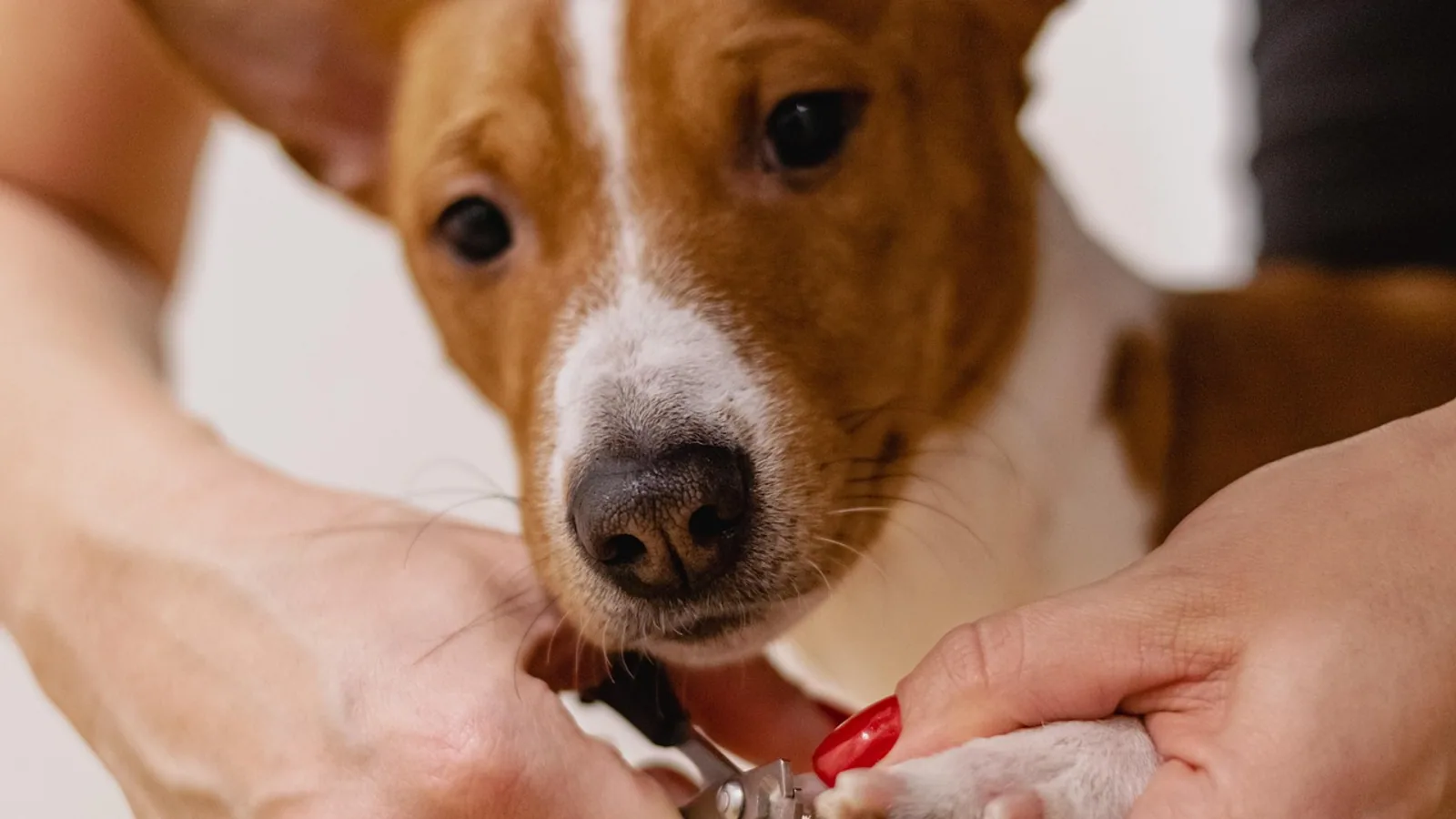
The practical answer is simple to state and harder to do. Successful handling is built at home, weeks before the appointment, and finished in the clinic with the least restraint that completes the procedure. Puppies and kittens learn fastest when touch, lifting, positioning, and restraint are paired with food, kept short, and stopped before the animal panics. Veterinary teams share that goal, and a good clinic adjusts its technique to the individual animal instead of pinning it down to finish a checklist.
Owners often think of restraint as something that happens to their pet at the hospital. In reality, the pet arrives already primed for calm or already primed for fear. A puppy that has been picked up correctly a hundred times, had its paws held for a treat, and slept in a crate that later becomes a carrier walks into an exam room with a different nervous system than one that has only been held down for nail trims. That difference shows up in heart rate, in the quality of the physical exam, in the number of staff needed, and in how the pet behaves at every future visit.
This article covers the why behind handling decisions, the step-by-step technique for home practice and clinic visits, the equipment worth owning, the mistakes that set pets back, and the safety and welfare points that apply to both ends of the leash.
This article is educational and is not a substitute for veterinary diagnosis or treatment.
At a Glance: Handling Checklist You Can Start Today
| Step | What to do | Why it matters |
|---|---|---|
| , - | , - | , - |
| 1 | Start daily handling sessions of a minute or two, pairing each touch with food | Short, rewarded repetitions build tolerance faster than long sessions |
| 2 | Practice paws, ears, mouth, tail, belly, and lifting separately | Each body part is a separate skill for the animal |
| 3 | Feed meals inside the carrier or crate, not near it | The carrier becomes a familiar, food-associated place |
| 4 | Take short car rides to pleasant destinations | Motion and travel stop predicting only the vet |
| 5 | Teach a chin rest or a station on a mat | Gives the pet a job and reduces the need for force |
| 6 | Book a happy visit or technician appointment before the first full exam | Lets the pet meet the clinic without a procedure |
| 7 | Bring a hungry pet, high-value treats, and a familiar towel | Food and scent are handling tools, not bribes |
| 8 | Tell the team in advance if your pet is fearful, reactive, or painful | Technique and room setup can be changed before you arrive |
| 9 | Ask the clinic how it handles fearful animals and what it uses for restraint | You are choosing a handling philosophy as much as a doctor |
| 10 | Split procedures across visits when the pet is struggling | Shorter visits protect the animal and the staff |
Why Handling and Restraint Matter More Than Owners Realize
A physical examination is only as good as the animal's willingness to be examined. When a puppy or kitten is tense, its heart rate and respiratory rate climb, its muscles splint, and auscultation of the chest becomes guesswork. Temperature measurement, otoscopy, oral examination, and palpation of the abdomen all become unreliable or incomplete. The result is a visit that produces less information exactly when a young animal has the most to gain from a thorough baseline.
Fear also leaves a memory. Veterinary behavior resources such as the Merck Veterinary Manual describe early life as a period when experiences shape later emotional responses, and the AVMA and AAHA have both published guidance encouraging positive, planned socialization during the vaccination period. A single frightening episode is not automatically damaging, but repeated forced restraint during a developmental window raises the risk that the pet becomes difficult to examine for life.
Restraint is not the same as force. A towel wrap, a steady hand under the chest, a lickable treat on the table, and a two-minute break can accomplish more than a tight grip. The AVMA's animal welfare resources and AAHA's examination guidance both emphasize handling that minimizes fear and pain while protecting the people doing the work. That balance is the whole skill.
What Low-Stress Handling Actually Means
Low-stress handling is a set of choices, not a single technique. It means the environment is as quiet as possible. It means the animal is allowed to investigate the room before being touched. It means the handler touches the least sensitive areas first and saves the mouth, ears, nails, and rectum for the end, once trust and food are established. It means the animal is given something to do, such as licking from a bowl or resting its chin on a hand, instead of being asked to hold still with no outlet.
Low-stress handling also means accepting a smaller exam when the animal cannot tolerate a complete one. Many clinicians will perform a partial examination, prescribe what is safe to prescribe, and schedule the rest for a follow-up under different conditions or with pre-visit medication. Cornell Feline Health Center and VCA Animal Hospitals both publish owner-facing guidance on reducing carrier stress and making clinic visits less frightening for cats, and the same principles transfer to puppies.
Fear, arousal, and the stillness trap
A struggling animal is easy to recognize. A frozen animal is not. Puppies and kittens that shut down, tuck their tail, flatten their ears, or stop blinking are not relaxed, they are overwhelmed. Stillness often means the animal has given up trying to escape, and those pets may be more likely to bite without warning later. Handlers should read stillness as a stress signal, not as cooperation.
Why puppies and kittens respond differently
Puppies are usually more forgiving of handling and more easily distracted by food. They also have sharp teeth, loose skin, and a strong urge to mouth, which makes correct lifting important. Kittens are faster, more flexible, and more likely to escalate from still to explosive in a fraction of a second. They have fragile ribs and a flexible spine, so restraint that would be gentle for a puppy can be uncomfortable for a kitten. Species-specific technique matters more than general strength.
How to Prepare for a Vet Appointment
Preparation starts days before the visit, not in the parking lot. The goal is to reduce novelty and to give the pet a predictable sequence.
Carrier and crate training
For cats, a hard-sided carrier with a top that opens or removes is the most useful piece of equipment in the house. A carrier that collapses or opens only at the front makes examination inside the carrier impossible, and shaking a cat out of a soft bag teaches the cat to fear the bag. Leave the carrier out permanently with a towel and a few treats inside. Feed meals next to it, then inside it, then with the door closed for seconds, then minutes. By the time the appointment arrives, the cat should be able to sit in a closed carrier without vocalizing.
For puppies, a crate serves the same purpose and later becomes travel and hospital housing. Crate training should be positive from the first day, with the door open and meals inside. Puppies that use a crate at home handle waiting rooms with far less distress, and they are easier to secure while a clinician examines a littermate or another pet.
Step by Step: Handling Practice at Home
This is the sequence that does the most work. Use it daily for two or three minutes, and stop while the pet still wants more.
- Choose a quiet space and a food the pet only gets during handling sessions. Freeze-dried treats, lickable paste, or small pieces of cooked meat work well. Check with your veterinarian before adding any new food, especially in a pet with a sensitive stomach.
- Start with one body part. Touch the shoulder, count to two, remove your hand, and feed. Repeat five times.
- Move to the paws. Hold a paw for two seconds, put it down, feed. Work through all four feet over several days. Touch the nail trimmers to the table nearby so the sight of them is not startling.
- Practice the ears. Lift the ear flap, look inside for a second, release, feed. Do not clean the ears during practice sessions. Practice is not hygiene.
- Practice the mouth. Lift the lip to look at a tooth, release, feed. A puppy that allows a quick lip lift at eight weeks will usually allow a dental examination at eight years.
- Practice lifting. Support the chest under the front legs and the rear under the hindquarters. Lift a few inches, set down, feed. Never lift a puppy or kitten by the front legs alone or by the scruff as a routine method.
- Practice a towel wrap. Place a treat on a towel, let the pet eat it, then drape the towel loosely over the shoulders, feed again, and remove it. Build gradually toward a full wrap over several sessions.
- Practice the carrier. Feed inside the carrier with the door open, then closed for a few seconds, then for a minute. Add a short car ride that ends at home or at a park, not at the clinic.
- Practice a chin rest. Rest your hand under the chin for a second, feed, release. A pet that rests its chin on a hand is easier to examine than a pet held by the collar.
- Stop at the first sign of avoidance. Yawning, lip licking, turning away, and trying to leave are requests to slow down, not disobedience. End the session and try again tomorrow with smaller steps.
What to bring and what to leave at home
Bring the pet's usual food in a small container, a favorite high-value treat, a familiar towel or blanket, and any medications or supplements with labels. Bring written notes about appetite, stool, urination, vomiting, coughing, itching, and behavior changes. For kittens and puppies, bring the breeder or shelter records, including vaccination dates and deworming history, because the first visit is partly a records reconciliation.
Leave at home the retractable leash, the harness that takes ten minutes to fit, and any food the pet has never eaten before. A retractable leash in a waiting room is a handling hazard for staff and other clients. A long harness adjustment at check-in is a stress event before the appointment even starts.
Paperwork and pre-visit communication
Call ahead and describe your pet's temperament in plain terms. Words like "screams in the carrier," "bites when touched near the tail," or "shuts down completely" give the team useful information. Ask whether the clinic prefers you to wait in the car, whether there is a separate entrance for fearful cats, and whether a technician appointment would work better than a full doctor visit for a first meeting. Many AAHA-accredited hospitals build these options into their scheduling already, and asking is not a nuisance.
Puppy and Kitten Handling, Socialization, and the Vet Visit
The clinic visit is one socialization event among many, and it should be planned like one. Veterinary organizations including the AVMA and AAHA recommend that puppies and kittens receive positive, controlled socialization experiences during the period when their vaccine series is still incomplete, with the veterinarian helping to weigh infection risk against behavioral risk in the local area. The phrase that matters is "controlled." Meeting calm, vaccinated, healthy people in a clean home is different from a crowded dog park.
Cornell Feline Health Center's behavior resources describe the kitten sensitive period as an early window during which gentle handling and exposure to ordinary household events reduces later fear. The Merck Veterinary Manual describes a comparable socialization period in puppies, generally beginning around three weeks of age. Exact closing dates vary between individuals and between sources, so treat the window as guidance for urgency rather than a deadline that ruins the pet if missed.
Socialization is not flooding. Flooding means overwhelming the animal until it stops reacting, which is not the same as becoming comfortable. A puppy that is held in a crowded pet store until it goes limp has learned to shut down, not to trust. Keep exposures brief, allow retreat, and pair novelty with food.
Step by Step: Handling and Restraint in the Clinic
This is the sequence a well-run practice follows. Owners should understand it, because understanding reduces the urge to intervene and reduces the pet's confusion when two people handle it at once.
- Observe before touching. The clinician or technician watches the pet move around the room or the carrier. Posture, gait, breathing pattern, ear position, pupil size, and tail carriage give information before a single hand is laid on the animal.
- Let the pet investigate. A minute of sniffing the table, the scale, and the handler's sleeve reduces arousal. Rushing this step saves sixty seconds and costs ten minutes.
- Use the scale as the first handling event. A non-slip mat, a treat on the scale, and a hand resting lightly on the chest make weighing a positive interaction rather than a wrestling match.
- Start with the least aversive parts of the exam. Auscultation of the heart and lungs while the pet licks a treat is often easier than auscultation after the mouth has been examined. Palpation of the abdomen and limbs can follow.
- Choose restraint to match the animal, not the procedure. A calm puppy may need only a hand under the chest. A wiggly puppy may need a second person supporting the rear. A fractious kitten may need a towel wrap. The technique should be the minimum that allows the task.
- Use a towel wrap for kittens and small puppies. A square towel, one corner folded, the pet placed in the center, and the sides wrapped snugly with one limb or one end exposed at a time. The wrap should be snug but never tight enough to restrict breathing. The head should be able to turn.
- Use standing restraint for most canine procedures. An assistant stands on the opposite side of the table, one arm under the chest and one around the hindquarters, keeping the dog's body close to the assistant's body. This is steadier and less confrontational than leaning over the dog's back.
- Expose one area at a time. For a cephalic blood draw, the assistant holds the head gently against the shoulder and lifts the front leg. For a jugular sample in a cat, the towel wrap allows one front leg and the neck to be accessible without a full-body grip.
- Handle the head last. Ears, eyes, mouth, and rectal temperature are the most aversive parts of a routine exam for many pets. Doing them at the end, quickly and with food, preserves cooperation for everything else.
- Use a muzzle only when it is the safer choice. A basket muzzle lets the dog pant and drink. A cloth muzzle should never be left on an unattended dog and should not be used on a brachycephalic dog or a vomiting dog. Muzzle training at home, before it is needed, turns a stressful tool into a familiar one.
- Avoid routine scruffing. Picking up a kitten or puppy by the scruff as a handling method is being replaced in modern practice by support of the chest and hindquarters. Scruffing can be uncomfortable in older kittens and can escalate fear in cats. Ask your clinic what it uses instead.
- Release, reward, and reset. The moment the procedure ends, the restraint ends. Food goes in, the animal is released, and the room is quiet for a few seconds. Ending cleanly teaches the pet that restraint has a predictable finish.
When restraint becomes chemical
Sedation or pre-visit anxiolytic medication is a legitimate clinical decision, not a failure by the owner. It requires an examination and a prescription, and it is used when the animal's fear is severe enough that a complete exam cannot be done safely. The AVMA and AAHA both frame such decisions around animal welfare and staff safety. Ask your veterinarian about pre-visit medication before the appointment if your pet has a history of severe fear, and never give a human medication or a leftover prescription without specific instructions.
Equipment and Supplies, With Selection Criteria
| Item | What to look for | What to avoid |
|---|---|---|
| , - | , - | , - |
| Carrier (cats, small puppies) | Hard-sided, top opening or removable top, secure latch, room to stand and turn | Soft bags that collapse, carriers with only a front door |
| Crate (puppies) | Correct size for standing and turning, solid floor, no wire floor | Oversized crates used without a divider, crates used only for punishment |
| Towel | Large enough to wrap the whole body, soft, familiar scent | Towels so small the pet slips out and panics |
| Muzzle (dogs) | Basket style, allows panting and drinking, correctly sized | Cloth muzzles left on unattended, muzzles on flat-faced dogs |
| Treats | Small, soft, high value, tested before the visit | Novel foods, large hard treats during a procedure |
| Pheromone products | Species-specific, used per label, introduced before the visit | Products used as a substitute for good technique |
| Scale mat | Non-slip, easy to clean | Slippery metal scales with no mat |
| Harness and leash | Fixed-length leash, well-fitted harness | Retractable leashes in a clinic setting |
Brand names are less important than fit and function. A carrier that opens from the top will be used for years. A stylish carrier that cannot be opened without removing the cat will be avoided by the owner and dreaded by the cat.
Tips for Calm Handling and Restraint
- Keep sessions and appointments short. Ten good minutes beat forty exhausting ones.
- Use food that the pet will work for, and use it continuously during handling, not only afterward.
- Lower your voice and slow your movements. Speed reads as threat to a nervous animal.
- Support the whole body when lifting. A puppy or kitten held with the chest and rear supported feels secure and struggles less.
- Warm your hands and the stethoscope. Cold instruments on a young animal produce a startle that is easy to avoid.
- Work on a non-slip surface. Slick tables make every animal feel unstable and more likely to fight.
- Give the pet a job. A chin rest, a lick mat, or a target to touch occupies the brain and reduces the need for physical control.
- Watch the mouth and the tail. A wagging tail is not always friendly, and a kitten's tail flicking is a warning.
- Stop at the first escalation. Growling, hissing, and swatting are communication, and punishing them removes the warning without removing the fear.
- Debrief after the visit. Note what worked, what the pet hated, and what you want to do differently next time.
Common Mistakes in Puppy and Kitten Handling
Doing everything in one visit. A first appointment that includes vaccines, a full exam, a nail trim, a fecal sample, and a microchip can exceed a young animal's capacity. Splitting procedures across two visits is often better medicine and better behavior.
Restraining harder when the pet panics. Pressure increases panic. A brief pause, a food reset, or a change of handler usually works better than a tighter grip.
Skipping socialization until the vaccine series ends. Waiting until sixteen weeks to expose a puppy or kitten to ordinary handling and environments narrows the developmental window. The AVMA and AAHA both support controlled socialization during the series, with the veterinarian assessing local risk.
Carrying a cat in arms instead of a carrier. This is a safety issue for the cat, the owner, and the staff. A startled cat in a waiting room can escape through a door in seconds.
Using the carrier only for the vet. A carrier that appears once a year is a carrier that predicts fear. Leave it out.
Muzzling as punishment. A muzzle is a safety tool. It should be trained with food and used for specific situations, not strapped on as a reprimand.
Punishing a growl or a hiss. The warning is the useful part. Removing it produces a pet that bites without warning.
Ignoring pain. A puppy with an ear infection or a kitten with a sore leg resists handling for a reason. Resistance that appears suddenly in a previously cooperative pet deserves a medical evaluation, not a training plan.
Forgetting to tell the team. The clinic cannot adjust for a fearful pet it does not know about. Say so at booking.
Treating the visit as a one-way event. Handling is a partnership. Owners who practice at home, ask questions, and report what happened afterward get better care over the pet's lifetime.
Troubleshooting Specific Situations
The kitten who screams in the carrier. Try a larger carrier with a familiar towel, a pheromone spray used per label, and a cover over the carrier in the waiting room. Ask the clinic whether the exam can start with the top of the carrier removed rather than the cat being shaken out.
The puppy who is too wiggly to examine. A second handler supporting the rear, a lick mat on the table, and a staged exam with the most important parts first will usually get the job done. Very excitable adolescents may do better with a technician appointment at a quiet time of day.
The flat-faced puppy who cannot breathe under restraint. Brachycephalic breeds are at higher risk during restraint because their airways are already narrow. Ask for examination with minimal neck pressure and no muzzle, and let the clinician choose the position.
The pet who freezes. Do not read stillness as consent. Offer food and watch whether the pet takes it. A pet that will not eat is usually over threshold and needs a break, a quieter room, or a different plan.
The pet who is fine at home and frantic at the clinic. This is common and usually reflects the clinic environment rather than a training failure. Pre-visit medication, a happy visit with no procedure, and a quiet room can all help. Discuss options with your veterinarian.
The owner who faints or panics. Tell the team in advance if you are squeamish about blood or needles. Staff would rather have you step out than have you on the floor.
Welfare and Safety Points
Bite and scratch injuries are a real occupational hazard in veterinary practice, and cat bites in particular carry a high risk of infection. The AVMA's welfare resources and AAHA's safety guidance both support handling that protects staff without compromising the animal. For owners, the practical points are these. Keep nails trimmed. Bring a carrier. Use a fixed leash. Do not reach into a fearful pet's carrier. Do not put your face near an anxious dog.
Welfare cuts both ways. An animal that is repeatedly forced through procedures without analgesia or anxiety relief is not being served by that approach, even when the procedure is minor. Pain control, sedation when appropriate, and the option to stop and reschedule are all part of humane handling. The standard to aim for is the least restraint, the shortest duration, and the most food reward that gets the medical job done well.
Limitations and When to Contact a Veterinarian
Individual animals vary in temperament, pain threshold, and medical history, so a technique that works for one puppy may not work for another. A veterinarian who has examined your pet is the right person to advise on handling and on whether a behavior change has a medical cause.
Contact a veterinarian promptly if your puppy or kitten shows any of the following.
- Sudden resistance to being touched in a specific area, especially with limping, swelling, or crying
- Labored breathing, open-mouth breathing in a cat, or a blue or pale gum color
- Collapse, seizure activity, or a period of unresponsiveness
- Repeated vomiting or diarrhea, refusal to eat for more than a day, or signs of dehydration
- A temperature outside the range your veterinarian has given you as normal for your pet
- A bite or scratch that broke the skin on a person, or any bite from a pet with an unknown vaccination history
- Fear that escalates to injury of the pet or a person during handling
- A previously calm pet that becomes aggressive during ordinary handling, which can signal pain or illness
If your pet cannot be examined safely at the scheduled visit, ask about a staged plan, a pre-visit medication protocol, or a referral to a clinician experienced with fearful animals rather than forcing a complete exam.
Frequently Asked Questions
At what age should handling practice start?
Start as soon as the puppy or kitten comes home, usually around eight weeks, and keep sessions short and food-paired. Very young animals tolerate brief, gentle handling well, and early positive experience reduces fear later.
Can I socialize my puppy before the vaccine series is finished?
Yes, with planning. The AVMA and AAHA support controlled socialization during the vaccine series, with the veterinarian weighing local infection risk against behavioral risk. Choose calm, healthy, vaccinated people and clean environments rather than crowded public spaces.
Should I hold my pet during the exam or let the clinic staff do it?
Let the staff handle the pet for procedures, and stand nearby if your presence keeps the animal calm. Owners who grip the pet often add tension and make the exam harder. Ask the team what they prefer for your pet's temperament.
Is scruffing a kitten safe?
Routine scruffing is being replaced by support of the chest and hindquarters in modern handling practice. It can be uncomfortable, especially in older kittens, and it can increase fear. Ask your clinic what alternatives it uses.
How do I get my cat into a carrier without a struggle?
Leave the carrier out with a towel and treats inside so it is familiar, then lift the cat with one hand under the chest and one under the hindquarters and place it in rear-first or head-first depending on the carrier design. Never chase the cat, which teaches it to hide at the sight of the carrier.
What should I bring to a first vet appointment?
Bring vaccination and deworming records, a stool sample if requested, any medications with labels, a familiar towel, high-value treats, and written notes about appetite, stool, and behavior. Leave retractable leashes and unfamiliar foods at home.
Why is my puppy calm at home but frantic at the clinic?
Clinic sights, sounds, and smells are unfamiliar, and other animals in the waiting room raise arousal. Pre-visit medication, quiet rooms, happy visits with no procedures, and a covered carrier for cats all reduce the gap between home behavior and clinic behavior.
What questions should I ask my veterinarian about handling?
Ask how the clinic handles fearful pets, whether happy visits or technician appointments are available, what pre-visit medication options exist, when the next vaccines and deworming are due, and what signs should prompt a call before the next scheduled visit.