How Long Do Cat X-Rays Take? Timing, Sedation, and Results
By Dr. Zubair Khalid, DVM, MS, PhD ·
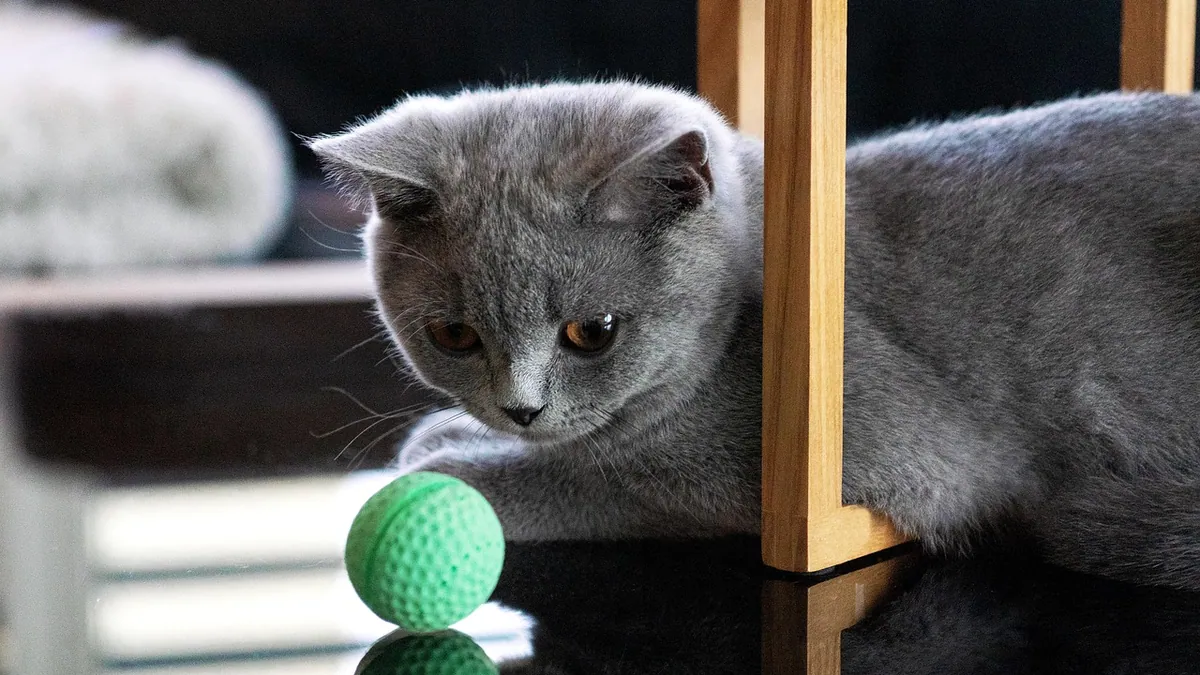
Most cat X-ray appointments take about 20 to 40 minutes from check-in to heading home, and the actual imaging itself usually takes only 5 to 15 minutes. If your cat needs sedation, add 30 to 60 minutes for drug onset and recovery. Knowing how long cat X-rays take helps you plan your day, arrange transportation, and understand when to expect a call with results.
This article is educational and is not a substitute for veterinary diagnosis or treatment.
Quick Answer
- A standard X-ray series (2 to 3 views) takes roughly 5 to 15 minutes of machine time, but plan on 20 to 40 minutes total for the visit.
- Sedation adds time. Expect an extra 30 to 60 minutes for your cat to relax, be positioned, and wake up enough to go home.
- Most veterinarians can give you a preliminary answer the same day, and a formal radiology report usually arrives within 24 to 72 hours.
- You will usually be asked to withhold food for several hours before sedation, but water is often allowed. Your veterinarian will give exact instructions.
- Bring your cat in a secure carrier and plan to wait in the lobby or your car during the procedure.
What a Cat X-Ray Is and Why Your Veterinarian Ordered It
A radiograph (X-ray) uses a small dose of radiation to create a two-dimensional picture of your cat's bones and internal organs. It is fast, painless, and one of the most common diagnostic tools in veterinary medicine.
Veterinarians order X-rays for many reasons. Chest films help evaluate the lungs and airways. In a recent case series, kittens with severe bronchiectasis had their airway changes identified on both radiographs and CT scans, with varicose bronchiectasis seen in all three kittens on X-ray [1]. Abdominal films are often a first step when a cat has vomiting, diarrhea, or weight loss, though they are not perfect. A 2026 study found that the sensitivity for detecting a gastrointestinal mass on plain abdominal radiographs ranged from 36 to 71% in cats, while specificity was above 92% [2]. In plain terms, an X-ray is good at confirming a mass when one is visible, but it can miss masses that are present.
Orthopedic X-rays are common too. A study comparing imaging methods for the feline knee found that skyline radiographic views gave reliable estimates of trochlear groove depth in healthy cats when compared with direct measurements [3]. That matters when a surgeon is planning a procedure for patellar luxation.
Image quality varies, and that affects how useful the film is. A review of radiographs submitted between 2015 and 2020 found that 42.7% of 2015 images were rated compromised-diagnostic and 6.0% were non-diagnostic, while 35.0% of 2020 images were compromised-diagnostic [4]. Poor quality can lead to misdiagnosis or a repeat X-ray, which means more time and more radiation exposure for your cat [4].
If cost is on your mind along with timing, it helps to know what drives the bill before you arrive. You can read more about typical pricing in How Much Does a Vet X-Ray Cost? What to Expect for Dogs and Cats.
How to Prepare Your Cat for an X-Ray Appointment
Preparation is simple, but a few steps make the visit smoother.
Ask about food and water. If sedation is planned, your veterinarian will likely ask you to withhold food for several hours beforehand. Water is often permitted. Follow the specific instructions you are given, because they are based on your cat's health and the drugs being used.
Use a secure carrier. Even the calmest cat can bolt when frightened. A hard-sided carrier with a towel inside keeps your cat safe and gives the staff easy access.
Bring medical history. List any medications, supplements, and previous imaging. If your cat had X-rays at another clinic, ask for those records to be sent ahead so the new images can be compared.
Plan your day around sedation. If sedation is likely, your cat may be groggy for several hours afterward. Avoid scheduling the appointment right before you need to be somewhere else.
Ask whether you can stay. Some clinics let owners wait in the room, and others ask you to wait in the lobby. Knowing this ahead of time prevents surprises.
What Happens During the Procedure
Most clinics follow a similar routine.
Check-in and physical exam
A technician weighs your cat and takes a brief history. The veterinarian performs a physical exam and confirms which views are needed. This step usually takes 5 to 10 minutes.
Positioning and restraint
For an awake cat, a technician holds your cat in specific positions on the X-ray table. Most cats tolerate this for a few minutes, especially with gentle handling. Two or three views are typical. The machine itself takes only seconds per image.
Sedation, if needed
Some cats will not hold still, and some are in pain. Sedation or general anesthesia may be recommended for those cats. A case report on a cat undergoing MRI under general anesthesia described acute, transient swelling of the salivary glands during anesthesia, a condition called "anesthesia mumps" that has also been reported in humans [5]. This is uncommon and resolves, but it is one reason your veterinarian weighs the risks and benefits of sedation carefully.
Sedation is not a failure on your part. It protects your cat from stress and protects image quality, which reduces the chance of a repeat X-ray [4].
Taking the images
The radiograph itself is painless. Your cat will not feel the radiation. If sedation is used, the veterinarian calculates the dose based on your cat's weight and health status, then monitors breathing and heart rate throughout.
Waking up
After sedation, your cat recovers in a quiet cage or kennel. Most cats are alert enough to go home within 30 to 60 minutes, though some take longer.
How Long Do Cat X-Rays Take With Sedation?
This is the question owners ask most often, and the honest answer is that it depends on the drug protocol and your cat's response.
Without sedation, the visit is usually 20 to 40 minutes. With sedation, plan on 60 to 90 minutes total. That includes the exam, drug administration, waiting for full effect, positioning, taking the images, and recovery time. Some cats wake up faster than others, and older cats or cats with health conditions may take longer.
If your cat is having X-rays as part of a larger workup, such as bloodwork or an ultrasound, the appointment can stretch to two hours or more. Ask the front desk for a realistic estimate when you book.
How Long Do Cat X-Ray Results Take?
Results come in two stages.
Preliminary results. Your veterinarian often looks at the images within minutes and can tell you what they see before you leave or in a phone call the same day.
Formal report. If a board-certified radiologist reviews the images, the written report usually arrives within 24 to 72 hours. Some specialty centers return reports faster, and some take longer if the case is complex or the radiologist requests additional views.
If you have not heard back within a few business days, call the clinic. Results sometimes sit in a queue, and a polite follow-up is reasonable.
Recovery Timeline and Home Care
| Time After Appointment | What to Expect | What You Should Do |
|---|---|---|
| 0 to 30 minutes | Cat may be sleepy, wobbly, or quiet if sedated | Keep in carrier, avoid handling, drive home calmly |
| 30 minutes to 4 hours | Gradual return to normal alertness | Offer water in small amounts, let your cat rest in a quiet room |
| 4 to 12 hours | Most cats are fully awake and steady | Offer a small meal if your veterinarian approves, watch for vomiting |
| 12 to 24 hours | Normal behavior for most cats | Resume normal routine, monitor appetite and litter box use |
| 24 to 72 hours | Any mild grogginess should be gone | Call the clinic if your cat is still dull, not eating, or not urinating |
If your cat had no sedation, there is no recovery period. You can feed and handle your cat normally as soon as you get home.
If your cat was sedated and is not urinating within a normal window, that deserves a call. You can read more about what to watch for in How Long Can A Cat Go Without Peeing After Surgery.
Possible Complications and Warning Signs
X-rays themselves rarely cause problems. The main risks come from sedation or from the underlying condition being investigated.
Watch for these signs after sedation:
- Trouble breathing or noisy breathing
- Repeated vomiting
- Extreme sleepiness that does not improve
- Pale or blue gums
- Twitching, trembling, or seizure activity
- Swelling of the face, jaw, or neck
- Not eating or drinking for more than 24 hours
Call your veterinarian if you see any of these. If breathing is labored or your cat collapses, treat it as an emergency and go to the nearest emergency clinic.
Keep in mind that X-rays have limits. A normal-looking film does not always rule out disease, and an abnormal film does not always confirm it. The abdominal mass study showed that even board-certified radiologists can miss masses on plain films [2]. Further testing, such as ultrasound or CT, may be recommended.
Questions to Ask Your Veterinarian
Before the appointment, ask:
- Will my cat need sedation, and why?
- How many views are you taking, and what are you looking for?
- When should I expect preliminary results and the final report?
- Should I withhold food or water, and for how long?
- What signs should make me call you after we get home?
After the appointment, ask:
- What did the images show?
- Do we need more imaging or other tests?
- What is the next step if this X-ray is inconclusive?
- Are there any changes I should watch for at home?
Limitations and When to Contact a Veterinarian
X-rays are a snapshot, not a full picture. They cannot show everything, and image quality varies from clinic to clinic [4]. Your cat's individual case needs a veterinarian who can examine your cat, review the images, and interpret them in context.
Contact your veterinarian the same day if:
- Your cat was sedated and is still very drowsy 6 to 8 hours later
- Your cat vomited more than once after coming home
- Your cat has not eaten or drunk anything within 24 hours
- You notice swelling around the face, jaw, or neck
Go to an emergency clinic now if:
- Your cat is struggling to breathe or breathing with an open mouth
- Your cat's gums are pale, white, or blue
- Your cat collapses, has a seizure, or cannot stand
- Your cat is straining to urinate with no urine produced
That last one is a true emergency in male cats. If you are unsure whether straining is an emergency, read Cat Straining to Urinate: Emergency or Wait and See?.
Schedule a routine visit if:
- Your cat is eating less than usual but otherwise acting normal
- You are waiting on a radiology report and want an update
- Your cat needs follow-up imaging in a few weeks
If your cat has stopped eating but seems fine otherwise, timing matters. Cat Not Eating But Acting Normal: How Long Can You Wait? walks through when to wait and when to call.
Frequently Asked Questions
Can I stay in the room during my cat's X-ray?
Many clinics allow owners to stay for the exam, but policies vary. If radiation safety rules or space limits apply, you may be asked to wait in the lobby. Ask when you schedule so you can plan.
Will my cat be in pain during the X-ray?
No. The X-ray beam is painless and your cat will not feel it. Discomfort, if any, comes from being held in position, which is one reason sedation is offered for cats with painful conditions or arthritis.
Can I feed my cat right after the appointment?
If no sedation was used, yes. If your cat was sedated, wait until your cat is fully alert and steady, then offer a small amount of water followed by a small meal. Your veterinarian will give specific guidance.
What if my cat will not hold still for the X-ray?
Technicians are trained to position cats safely, and many cats cooperate for the few seconds each image takes. If your cat is too stressed or too wiggly, sedation is the safer and more humane option, and it improves image quality.
Do I need to do anything special the night before?
Usually not. If sedation is planned, you will be told when to stop offering food. Otherwise, keep your cat's normal routine and make sure the carrier is clean and ready the night before.
How long does a cat X-ray take if my cat is very anxious?
Anxious cats often need sedation, which extends the visit to roughly 60 to 90 minutes. The trade-off is a calmer cat, better images, and less chance of needing a repeat X-ray [4].
Related Articles
- How Much Does a Vet X-Ray Cost? What to Expect for Dogs and Cats
- Cat Not Eating But Acting Normal: How Long Can You Wait?
- How Long Can A Cat Go Without Peeing After Surgery
- How Long Are Cats Pregnant? Gestation, Care, and When to Call a Veterinarian
- Cat Straining to Urinate: Emergency or Wait and See?
- Cat Not Pooping: How Long Is Too Long?
- What Cat X-Rays Show: A Guide for Pet Owners
- Foreign Body in a Cat: What X-Rays Show and Next Steps
- Constipation in Cats: What an X-Ray Can Show
References
- Case Report: Severe bronchiectasis in three kittens with detection of Mycoplasma felis: radiographic and computed tomography findings. Frontiers in veterinary science, 2026.
- Accuracy of Plain Digital Radiography for the Detection of Gastrointestinal Masses in Dogs and Cats. Animals : an open access journal from MDPI, 2026.
- Comparison of Ultrasonographic, Radiographic, Computed Tomographic, and Ex Vivo Measurements of Feline Femoral Trochlear Groove Depth. Animals : an open access journal from MDPI, 2026.
- Quality of conventional radiographs of dogs and cats over the course of time from 2015 to 2020. Tierarztliche Praxis. Ausgabe K, Kleintiere/Heimtiere, 2025.
- A case of anesthesia mumps in a cat captured with magnetic resonance imaging. The Canadian veterinary journal = La revue veterinaire canadienne, 2025.