Is Vanilla Orchid Toxic to Dogs? Pet-Safe Orchid Guide
By Dr. Zubair Khalid, DVM, MS, PhD ·
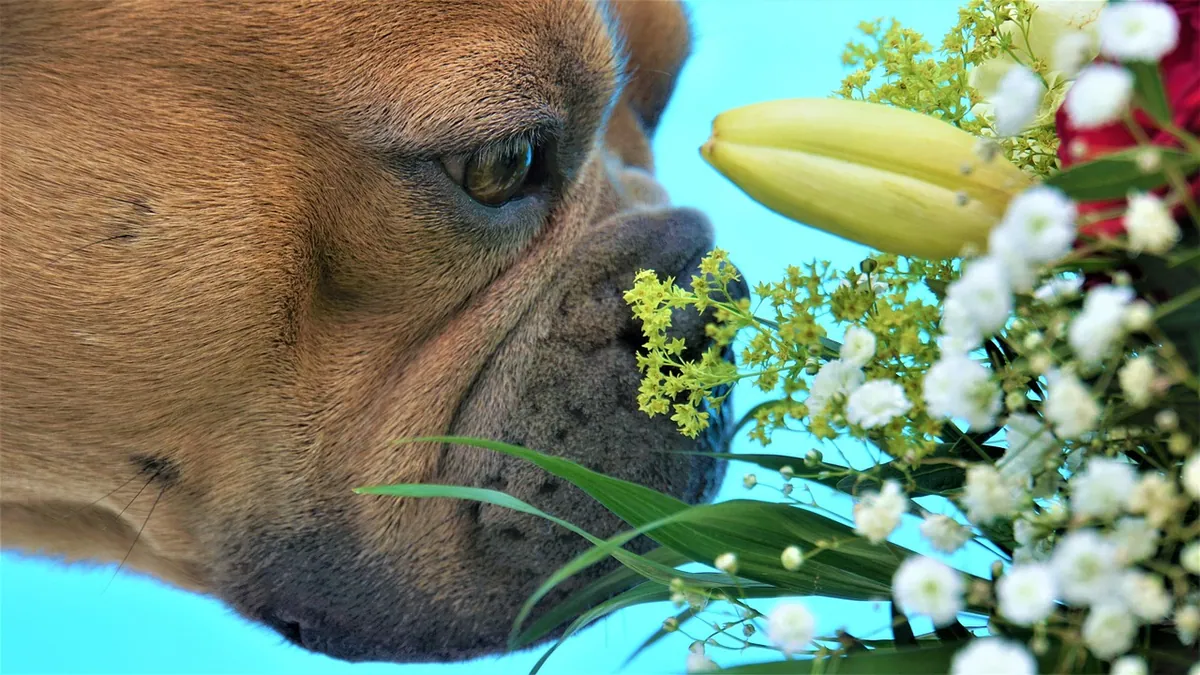
Vanilla orchids are generally considered non-toxic to dogs, so a chewed leaf or stem is unlikely to poison your pet. The bigger dangers in the pot are fertilizer, pesticide residue, and the potting media your dog may swallow along with the plant. This article is educational and is not a substitute for veterinary diagnosis or treatment.
Quick Answer
- The vanilla orchid plant itself (leaves, stems, roots) is not listed among the common toxic houseplants that cause companion animal poisoning [1].
- Most real-world risk comes from what is on or around the plant: fertilizer spikes, systemic pesticides, and chunky bark or moss that can cause stomach upset or a blockage.
- A single chewed leaf in an otherwise healthy dog usually causes mild stomach upset at most, but any vomiting, drooling, or lethargy deserves a call to your veterinarian.
- If your dog ate fertilizer, pesticide-treated plant material, or a large amount of potting media, call the ASPCA Animal Poison Control Center at (888) 426-4435 or Pet Poison Helpline at (855) 764-7661 right away.
- Never induce vomiting unless a veterinarian tells you to.
Is Vanilla Orchid Toxic to Dogs?
No. The vanilla orchid (Vanilla planifolia and related species) is not on the list of toxic houseplants most commonly linked to companion animal poisoning [1]. That is good news, because orchids are popular indoor plants and dogs do sometimes chew on them.
Orchids as a plant family are better known for their unusual pollination strategies than for poisoning pets. Many orchids, including some Bulbophyllum species, produce scent compounds that mimic rotting material to attract flies for pollination [2]. Those scents are interesting biology, but they are not a documented poisoning risk to dogs.
It helps to separate the plant from the pot. When a dog raids a houseplant, the plant is only one part of the story. Fertilizer, pesticide, and soil or bark often matter more than the leaves.
Which Parts of the Plant Matter
The leaves, stems, flowers, and roots of a vanilla orchid are not known to contain a toxin that harms dogs. There is no well-established toxic dose for vanilla orchid plant material in dogs, which usually means veterinarians treat these cases based on symptoms and the dog's overall condition.
That said, a dog can still get sick from eating any plant. Large amounts of fibrous plant material can cause vomiting, diarrhea, or a feeling of fullness. Some dogs are sensitive to the texture or the natural compounds in plants even when those compounds are not classified as poisons.
The Real Risks: Fertilizer, Pesticide, and Potting Media
This is where most vanilla orchid cases actually go wrong.
Fertilizer. Orchid fertilizers are concentrated. A dog that eats fertilizer granules, a fertilizer spike, or water from a saucer that has collected fertilizer can develop vomiting, diarrhea, drooling, or mouth irritation. The dose matters, and your veterinarian calculates the risk from your dog's weight and the product label.
Pesticide. Insecticides, fungicides, and systemic granules used on houseplants can be far more dangerous than the plant. Some products are designed to be taken up into plant tissue, so even a leaf can carry a pesticide dose. If you do not know what was applied and when, treat the plant as contaminated.
Potting media. Orchid bark, sphagnum moss, perlite, and coconut husk are not toxic, but they are not food. A large swallowed chunk of bark or a clump of moss can cause choking, stomach irritation, or a blockage. Blockages are a surgical problem, not a poisoning problem.
If your dog ate a plant and you are not sure what it was, see Dog Ate Toxic Plant for a step-by-step plan.
What Is the Toxic Principle in Orchids?
For the vanilla orchid itself, there is no single established toxic principle in veterinary toxicology. That is different from plants that contain known poisons, such as grayanotoxins in Rhododendron and Pieris species, which cause vomiting, retching, and regurgitation in animals that eat them [3].
When a dog gets sick after chewing a vanilla orchid, the cause is usually one of these:
- A fertilizer or pesticide on the plant
- A large amount of indigestible plant fiber or potting media
- An unrelated illness that happened to show up at the same time
Because there is no classic orchid toxin, diagnosis leans on the history. What did your dog eat? How much? Was the plant recently fertilized or sprayed? Did your dog swallow bark, moss, or a fertilizer spike? Those answers guide treatment more than the plant name does.
Signs to Watch For and When They Start
Signs after plant ingestion are usually gut-related. In documented plant poisonings in animals, vomiting, retching, and regurgitation are common and can be an early clue that a plant was eaten [3].
Watch for:
- Vomiting or retching
- Drooling or lip smacking
- Diarrhea
- Loss of appetite
- Lethargy or unusual tiredness
- Pawing at the mouth or head shaking
- Gagging, choking, or trouble swallowing (possible foreign object)
- Bloated or painful belly
Timeline. Mild stomach upset from plant material often shows up within a few hours. Fertilizer or pesticide reactions can appear faster, sometimes within 30 to 60 minutes, depending on the product and the amount eaten. Signs from a blockage may build over hours to days, with repeated vomiting and a dog that will not eat.
If your dog is bright, playful, and eating normally after nibbling one leaf, you can watch closely at home and call your veterinarian for advice. If signs appear, treat it as urgent.
What to Do Right Now
Stay calm and gather information. You will need it for the call.
- Move your dog away from the plant and remove any plant material from the mouth if you can do it safely. Do not put your fingers deep into the throat.
- Save the evidence. Keep the chewed plant, the fertilizer bag, the pesticide label, and any vomit in a sealed bag or container. Product names and active ingredients matter.
- Estimate the amount. One leaf is very different from a whole plant plus a fertilizer spike.
- Call for help. Contact your veterinarian, the ASPCA Animal Poison Control Center at (888) 426-4435, or Pet Poison Helpline at (855) 764-7661. Both poison control lines may charge a consultation fee, and they can advise on whether your dog needs to be seen.
- Do not induce vomiting unless a veterinarian tells you to. Making a dog vomit can cause harm if the swallowed material is sharp, if the dog is already vomiting, or if the substance is caustic.
- Do not give food, milk, oil, or home remedies to "soak up" the poison. These can make things worse or interfere with treatment.
If your dog is having trouble breathing, collapsing, having seizures, or has a swollen belly that is painful to touch, go to an emergency veterinary hospital now.
How Veterinarians Treat Orchid and Houseplant Exposure
Treatment depends on what was actually eaten. Your veterinarian will start with a physical exam and a detailed history. They may ask you to bring the plant, the label, or a photo.
Common steps include:
- Decontamination. If the exposure was recent and the substance is safe to remove, your veterinarian may induce vomiting or give activated charcoal. This is a medical decision, not a home remedy.
- Supportive care. Fluids under the skin or into a vein, anti-nausea medication, and stomach protectants are common for vomiting and dehydration.
- Blood work. A chemistry panel and blood count can check organ function and hydration, especially if fertilizer or pesticide was involved.
- Imaging. X-rays or ultrasound may be needed if a dog swallowed bark, moss, or a foreign object. Some plant material does not show well on X-rays, so your veterinarian may use other tests.
- Surgery. A confirmed or suspected blockage may require surgery to remove the material.
For pesticide or fertilizer cases, treatment is guided by the specific active ingredient. Your veterinarian calculates any medication dose from your dog's weight and health, and may consult a poison control service for product-specific guidance.
If you are weighing whether a vet visit is needed, My Dog Ate a Mushroom: How to Tell If It's Toxic walks through the same decision process for another common plant exposure.
Outlook for Dogs That Chew Vanilla Orchids
The outlook is usually good when the plant itself is the only thing eaten. Most dogs that nibble a leaf have mild signs or none at all, and they recover with supportive care or simple monitoring at home.
The outlook is more serious when fertilizer, pesticide, or a foreign object is involved. Fertilizer can cause significant stomach upset and, in large amounts, electrolyte problems. Pesticides vary widely, and some can affect the nervous system. A blockage from bark or moss can become life threatening if it is not treated.
Early calls and early exams make the biggest difference. If you are unsure, call. A short phone conversation can save you a long night of worry.
Prevention and Safer Alternatives
Prevention is mostly about plant placement and product choice.
- Put orchids out of reach. Hang them, use a tall shelf, or place them in a room your dog cannot enter. Dogs that counter-surf will find a low windowsill.
- Skip fertilizer spikes and granules in accessible pots. Use diluted liquid fertilizer and keep the bottle locked away.
- Read pesticide labels. If a product is not labeled for use around pets, do not use it on a plant your dog can reach. Wait the full re-entry or waiting period before letting your dog near the plant.
- Cover the pot. A layer of large, smooth stones or a decorative pot cover can reduce digging and bark eating.
- Offer safe chews. A dog that chews plants is often bored or under-exercised. Provide appropriate chew toys and more activity.
- Know your plants. If you are unsure of a plant's identity, assume it could be a problem until you confirm it. Plants Poisonous To Dogs covers the common indoor and outdoor offenders.
Safer houseplant options for dog households include spider plants, Boston ferns, and most true palms, though any plant can cause stomach upset if eaten in quantity. The plant list matters less than keeping pots, products, and pets separated.
Limitations and When to Contact a Veterinarian
No article can tell you what your individual dog will do after eating your individual plant. Your veterinarian needs to examine your dog and ask about the exposure to give you real advice.
Contact your veterinarian the same day if:
- Your dog vomited more than once
- Your dog is drooling heavily, retching, or has diarrhea
- Your dog seems tired, off food, or not acting like itself
- You know or suspect fertilizer or pesticide was eaten
- You cannot tell how much was eaten
Go to an emergency veterinary hospital now if:
- Your dog is having trouble breathing, collapsing, or having seizures
- Your dog's belly is swollen, hard, or painful
- Your dog is gagging, choking, or cannot swallow
- Your dog is vomiting repeatedly and cannot keep water down
- You see blood in the vomit or stool
Schedule a routine visit if your dog chewed a leaf days ago and seems fine, but you want peace of mind or a baseline exam. If you are ever unsure which category fits, call and ask. That call is free with your own veterinarian, and the poison control lines at (888) 426-4435 and (855) 764-7661 are staffed for exactly this kind of question.
Frequently Asked Questions
Can my dog die from eating a vanilla orchid?
Death from eating the vanilla orchid plant itself is not reported in the veterinary literature, and the plant is not listed among common toxic houseplants [1]. The risk of serious illness comes from fertilizer, pesticide, or a swallowed foreign object like bark or moss. If any of those are involved, call your veterinarian or a poison control line right away.
My dog ate a vanilla orchid leaf. Should I make him throw up?
No. Never induce vomiting unless a veterinarian tells you to. A single leaf is usually low risk, and forcing vomiting can cause harm. Call your veterinarian or a poison control line and describe what happened, then follow their instructions.
Is orchid bark toxic to dogs if they eat it?
Orchid bark is not toxic, but it is not digestible either. Small pieces usually pass, while large amounts or big chunks can cause vomiting or a blockage that needs surgery. Watch for repeated vomiting, drooling, or a painful belly and call your veterinarian if you see them.
Are orchid fertilizers and pesticides more dangerous than the plant?
Yes, in most cases they are the main danger. Fertilizer can cause vomiting, diarrhea, and drooling, and some pesticides can affect the nervous system. Keep product labels and call poison control with the active ingredient name so the risk can be assessed properly.
What plants are actually toxic to dogs that I should avoid?
Plants in the Ericaceae family, such as Rhododendron and Pieris japonica, contain grayanotoxins and have caused vomiting, retching, and regurgitation in animals that ate them [3]. Many other common houseplants are also risky, so check each plant before bringing it home. If your dog eats any plant you cannot identify, treat it as a possible poisoning and call for advice.
Related Articles
- My Dog Ate a Mushroom: How to Tell If It's Toxic
- Plants Poisonous To Dogs
- Dog Ate Toxic Plant
- My Dog Ate a Frog: Is It Poisonous?
- My Dog Ate a Pen: Is It Toxic or Just a Blockage Risk?
- Are Tarantulas Poisonous to Dogs? Understanding the Risks
- Are Orchids Toxic to Dogs? Petals, Bark, and Roots
- Is Jewel Orchid Toxic to Dogs? Safety and Chewing Risks
- Is Orchid Cactus Toxic to Dogs? Christmas Cactus Safety
References
- Indoor Companion Animal Poisoning by Plants in Europe. Frontiers in veterinary science, 2020.
- Labellum structure of Bulbophyllum echinolabium J.J. Sm. (section Lepidorhiza Schltr., Bulbophyllinae Schltr., Orchidaceae Juss.). Protoplasma, 2019.
- Grayanotoxin poisoning in animals following the ingestion of Ericaceae plants. Veterinary journal (London, England : 1997), 2026.