Are Stargazer Lilies Toxic to Dogs?
By Dr. Zubair Khalid, DVM, MS, PhD ·
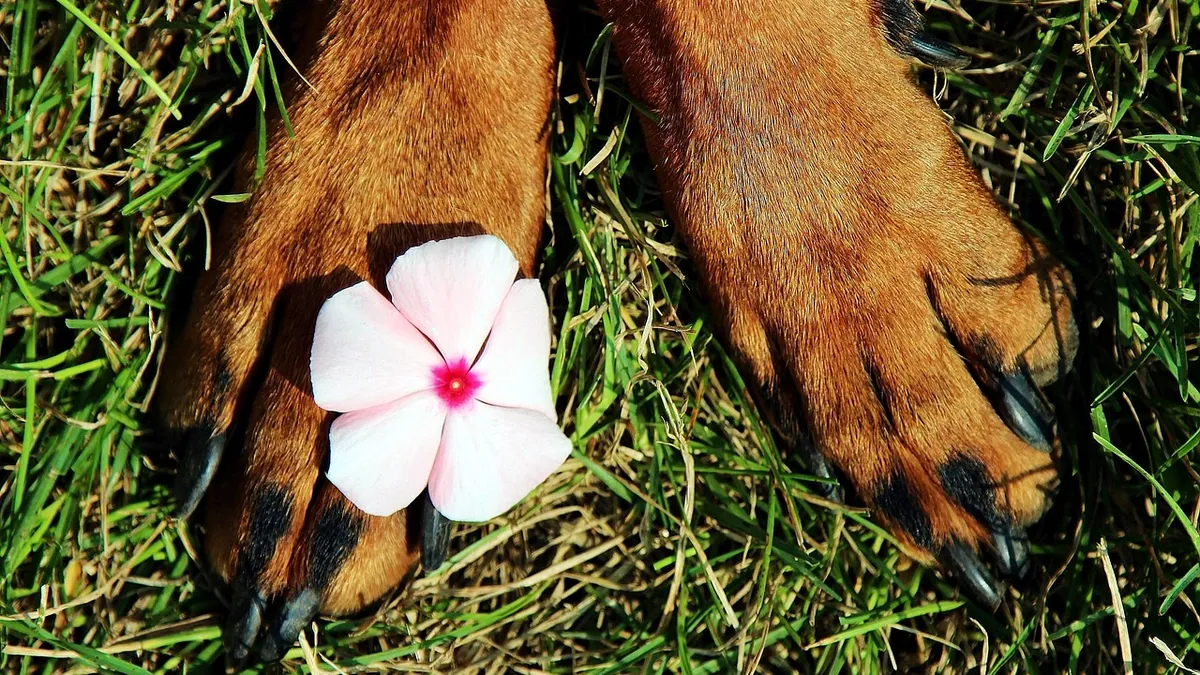
Are stargazer lilies toxic to dogs? No. The ASPCA Animal Poison Control Center lists the stargazer lily (Lilium orientalis) as non-toxic to dogs, and cats are the only species known to be seriously affected by true lilies [1]. That said, a dog that eats any part of a lily can still vomit or feel unwell, and the pollen is a real hazard for the cats in your home. This article is educational and is not a substitute for veterinary diagnosis or treatment.
Quick Answer
- Stargazer lilies are listed as non-toxic to dogs by the ASPCA Animal Poison Control Center [1].
- Cats are the only species known to be affected by true lilies, and for them the poisoning can cause kidney failure and death [1].
- Dogs that eat lily plants or bulbs often vomit or lose their appetite simply because plant material irritates the stomach, even when the plant itself is not a dog poison.
- Stargazer lily pollen is not a dog poison either, but it is dangerous to cats, so keep cut flowers away from cats and wipe up fallen pollen.
- If your dog ate a stargazer lily and has vomiting, lethargy, or won't eat, call your veterinarian, the ASPCA Animal Poison Control Center at (888) 426-4435, or Pet Poison Helpline at (855) 764-7661.
Are Stargazer Lilies Poisonous to Dogs?
The short answer is no. The ASPCA plant record for the stargazer lily gives its scientific name as Lilium orientalis, places it in the family Liliaceae, and lists it as toxic to cats and non-toxic to dogs and horses [1]. The same record states plainly that cats are the only species known to be affected [1].
This surprises many owners because lilies have such a frightening reputation. That reputation is earned, but it belongs to cats. A cat that eats a true lily can develop vomiting, inappetence, lethargy, and kidney failure, and death is possible [1]. A case report described a 12-week-old kitten that developed severe acute kidney injury with vomiting and lethargy about 24 hours after exposure to Lilium species [2]. That is the danger people are thinking of when they panic about lilies.
Dogs are built differently, at least as far as this plant is concerned. The toxic principle in lilies is unknown, and whatever it is, it does not appear to harm dogs the way it harms cats [1]. So if you are asking whether stargazer lilies are poisonous to dogs, the honest answer is that they are not considered a dog poison.
One naming trap is worth knowing about. "Star lily" sounds like "stargazer lily," but the ASPCA record for the star lily (Leucocrinum montanum, also called mountain lily or sand lily) lists it as non-toxic to dogs, cats, and horses [3]. If you are trying to identify a plant, use the scientific name when you can, because common names overlap in confusing ways.
Which Parts and Products Matter
Flowers, leaves, stems, and bulbs
All parts of the stargazer lily belong to the same plant, and the ASPCA does not list any part of it as toxic to dogs [1]. That includes the bulb, which is the part many owners worry about most. The bulb is the storage organ, so it holds concentrated plant compounds, but for dogs the concern is stomach irritation from eating a large, fibrous, raw plant part, not lily poisoning.
Pollen
Stargazer lilies have heavy pollen that stains fabric and fur. Is stargazer lily pollen poisonous to dogs? Based on the ASPCA listing, the pollen is not a dog poison [1]. The pollen still matters in a mixed household. A cat can groom lily pollen off its fur and swallow it, and cats are the species at risk [1]. If you keep stargazers indoors, cut off the anthers before the flowers open, or keep the arrangement somewhere a cat cannot reach.
Vases, water, and floral foam
The flower itself is not the only thing in the arrangement. Vase water can grow bacteria, and floral foam is not food. A dog that drinks vase water or chews foam may vomit or have diarrhea from the bacteria or the foreign material. That is a stomach problem, not lily toxicity, but it still deserves a call if your dog seems uncomfortable.
Look-alike plants
Not every plant sold as a "lily" is a true lily. Peace lilies, calla lilies, and lily of the valley are different plants with different risks, and some of them contain calcium oxalate crystals or cardiac toxins. If you are not sure what your dog ate, treat it as unknown and call for advice. Our guide to plants poisonous to dogs can help you sort out what you have.
The Toxic Principle and What It Does in the Body
For true lilies, the toxic principle is unknown [1]. That is an unusual statement in toxicology, and it explains why so much of the advice around lilies is based on what veterinarians see in cats instead of on a known chemical pathway. In cats, the result is kidney injury, sometimes severe enough to cause oliguria or anuria, meaning the cat stops making urine [2].
In dogs, there is no established toxic principle and no established syndrome from stargazer lily ingestion [1]. The ASPCA lists the plant as non-toxic to dogs, which means it is not expected to cause poisoning at all [1].
That does not mean a dog can eat a whole bouquet with no consequences. Plant material is bulky and hard to digest. A dog that eats stems, leaves, or a bulb may vomit, have soft stool, or go off food for a day. Large pieces can also cause a blockage if they do not pass, which is a mechanical problem instead of a poisoning problem. If your dog swallowed a big chunk of plant or a whole bulb, that alone is a reason to call your vet.
For context on how common plant exposures are, dogs made up 86.0% of household-level poisoning events reported to a national poison control center over a 10-year period, and the most common categories for dogs were human medicines, foods, and pesticides [4]. Plants are a smaller slice of the pie, but they still generate plenty of worried phone calls.
Stargazer Lily Toxic to Dogs Symptoms
Because the plant is not considered toxic to dogs, there is no official symptom list for canine stargazer lily poisoning [1]. The signs owners report after a dog eats any plant are usually stomach upset. Watch for:
- Vomiting, sometimes several times
- Drooling or lip smacking
- Not wanting to eat
- Lethargy or a quieter mood
- Soft stool or diarrhea
- Pawing at the mouth if a stem or leaf scratched the gums
These signs are not specific to lilies. They show up after a dog eats grass, garbage, a houseplant, or something it should not have. If your dog ate a pen, for example, the worry is blockage and sharp plastic, not plant poison, and the same "call for advice" rule applies. You can read more about that in My Dog Ate a Pen: Is It Toxic or Just a Blockage Risk?.
Timeline
For cats, signs can appear within about 12 to 24 hours of exposure, as in the kitten that presented with a 12-hour history of vomiting and lethargy after lily exposure roughly 24 hours earlier [2]. For dogs, there is no defined timeline because there is no defined poisoning syndrome [1]. If a dog is going to vomit from eating plant material, it usually happens within a few hours. If your dog is still bright, eating, and drinking 12 to 24 hours later, the odds of a serious problem are low, but keep watching for a day or two.
When the signs are not about the lily
If your dog is vomiting repeatedly, seems painful in the belly, or has a distended abdomen, the lily may be a red herring. Something else could be going on. Dogs that eat plants sometimes eat other things too. If you are not sure what went in, call poison control or your vet and describe everything your dog had access to.
What to Do Right Now If Your Dog Ate a Stargazer Lily
First, take a breath. If the only exposure was a stargazer lily and your dog is acting normal, this is not the emergency it would be for a cat [1].
Next, remove your dog from the plant and check the mouth for leftover stems, leaves, or bulb pieces. Look at the plant to see how much is missing. Take a photo of the plant and any chewed pieces, because identification helps whoever you call.
Then decide who to call:
- Your veterinarian or an emergency clinic if your dog is vomiting, lethargic, not eating, or you are unsure what was eaten.
- ASPCA Animal Poison Control Center at (888) 426-4435 for a poison risk assessment.
- Pet Poison Helpline at (855) 764-7661 for the same kind of guidance.
Do not induce vomiting unless a veterinarian tells you to. Making a dog vomit is not a home remedy. It can cause aspiration, injure the esophagus, and it is the wrong move for some substances. Let a professional decide.
If your dog is vomiting and cannot keep water down, or if you see a large amount of plant material missing, go in instead of waiting. Our article on what to do when a dog ate a toxic plant walks through the same steps for any plant exposure.
Veterinary Treatment
Treatment depends on what the veterinarian finds, not on the plant name alone. If your dog is bright and stable, the visit may be a physical exam, a weight check, and a plan to monitor at home. If your dog is vomiting, the vet may give fluids under the skin or into a vein, an anti-nausea medication, and a bland diet for a day or two. If a large piece of plant or bulb was swallowed, imaging may be needed to check for a blockage.
Blood work is a reasonable step if your dog is sick, because it checks kidney values, electrolytes, and hydration. In the cat case report, the kitten had severe azotemia with a creatinine of 5.8 mg/dL and a BUN over 100 mg/dL, plus hyperkalemia at 9.36 mmol/L, and it needed intensive care including intravenous fluids and medications for high potassium [2]. That level of intervention is a cat scenario. Dogs with lily exposure do not typically need kidney treatment because the plant is not a dog kidney toxin [1].
If your dog did eat a true lily and also got into something else, treatment shifts to whatever that other substance was. Tell the vet everything, including human medicines, foods, and pest products, since those are the most common poisoning categories in dogs [4].
Outlook
For a dog that ate a stargazer lily and has no signs, the outlook is excellent. The plant is listed as non-toxic to dogs, so no long-term harm is expected [1].
For a dog with mild stomach upset, most cases settle within a day or two with supportive care. For a dog that swallowed a large bulb or a big stem, the outlook depends on whether it passes or needs help, which is why a vet visit matters.
The outlook is very different for cats. A cat exposed to a true lily can develop acute kidney injury, and while some cats survive with aggressive care, the risk of death is real [1][2]. If you have both species at home, the lily is a cat problem even when the dog is fine.
Prevention and Safer Alternatives
The simplest prevention is to keep stargazer lilies out of homes with cats. If you have only dogs, a stargazer bouquet is not a poisoning risk, but it is still a chew toy waiting to happen. Put arrangements on a high shelf, use a heavy vase, and pick up fallen petals and pollen.
If you want flowers that are safe around pets, ask your florist for options and check each plant against a reliable list before you buy. The ASPCA plant guide is a good starting point [1]. For a dog-only home, roses, sunflowers, and many common garden flowers are reasonable choices, but check each one.
If you garden, remember that bulbs are the part dogs dig up. Fence off bulb beds or plant them where your dog does not patrol. Compost piles are another source of half-rotted plant material that dogs find appealing.
If you are choosing plants for a pet-safe yard, our guide to plants poisonous to dogs covers the common offenders. For a different kind of pet safety question, see Are Tarantulas Dangerous to Dogs?.
Limitations and When to Contact a Veterinarian
The ASPCA listing is clear that stargazer lilies are non-toxic to dogs, but no list can cover every dog, every amount eaten, and every mixed exposure [1]. Individual cases need a veterinarian who can examine your dog and ask questions.
Call your veterinarian or poison control the same day if:
- Your dog vomited more than once or vomited for more than a few hours
- Your dog will not eat or drink
- Your dog seems painful, dull, or unusually quiet
- You are not sure what plant or how much was eaten
- Your dog has a chronic illness or takes medication
Go to an emergency clinic now if:
- Your dog is collapsing, weak, or unresponsive
- Your dog is vomiting blood or has a swollen, painful abdomen
- Your dog is straining to defecate or has not passed stool with repeated vomiting
- Your dog is having trouble breathing
Schedule a routine visit if your dog ate a small amount of lily, seems fine, and you just want peace of mind. A physical exam and a weight check are quick and cheap compared with waiting and worrying.
Frequently Asked Questions
Are stargazer lilies poisonous to dogs?
No. The ASPCA Animal Poison Control Center lists the stargazer lily as non-toxic to dogs, and cats are the only species known to be affected by true lilies [1]. A dog that eats one may still vomit from the plant material, but that is stomach irritation, not lily poisoning.
Is stargazer lily pollen poisonous to dogs?
No, the pollen is not a dog poison based on the ASPCA listing for the plant [1]. Pollen is a bigger deal for cats, which can groom it off their fur and swallow it. If you have a cat, cut the pollen-bearing anthers off or keep the flowers out of reach.
What are the signs of stargazer lily poisoning in dogs?
There is no defined poisoning syndrome in dogs because the plant is not listed as toxic to them [1]. Dogs that eat the plant may vomit, drool, go off food, or act tired from eating bulky plant material. Any dog with repeated vomiting or lethargy should be seen by a vet.
My dog ate a stargazer lily. Should I make him vomit?
No. Do not induce vomiting unless a veterinarian tells you to. Call your vet, the ASPCA Animal Poison Control Center at (888) 426-4435, or Pet Poison Helpline at (855) 764-7661 and describe what your dog ate and how he is acting.
Are stargazer lilies safe to keep in a house with dogs?
They are not a poisoning risk for dogs, but they are a chewing hazard and a serious risk for any cat in the home [1]. If you have only dogs, keep arrangements up high and clean up fallen petals. If you have a cat, choose a different flower.
Related Articles
- Plants Poisonous To Dogs
- My Dog Ate a Pen: Is It Toxic or Just a Blockage Risk?
- Can Dogs Eat Star Fruit? Oxalate Nephrotoxicity Warning
- Dog Ate Toxic Plant
- Are Tarantulas Dangerous to Dogs?
- Are Tarantulas Poisonous to Dogs? Understanding the Risks
- Are Lilies Toxic to Dogs? Day, Tiger, and Easter Lilies
- Are Easter Lilies Poisonous to Dogs?
- Are Orange Day Lilies Toxic to Dogs?
References
- Toxic and Non-toxic Plants: Stargazer Lily. ASPCA Animal Poison Control Center.
- Case report: Resolution of oligo-anuric acute kidney injury with furosemide administration in a cat following lily toxicity. Frontiers in veterinary science, 2023.
- Toxic and Non-toxic Plants: Star Lily. ASPCA Animal Poison Control Center.
- Companion animal exposures to potentially poisonous substances reported to a national poison control center in the United States in 2005 through 2014. Journal of the American Veterinary Medical Association, 2020.