Is Ostrich Fern Toxic to Dogs? Fiddlehead Safety
By Dr. Zubair Khalid, DVM, MS, PhD ·
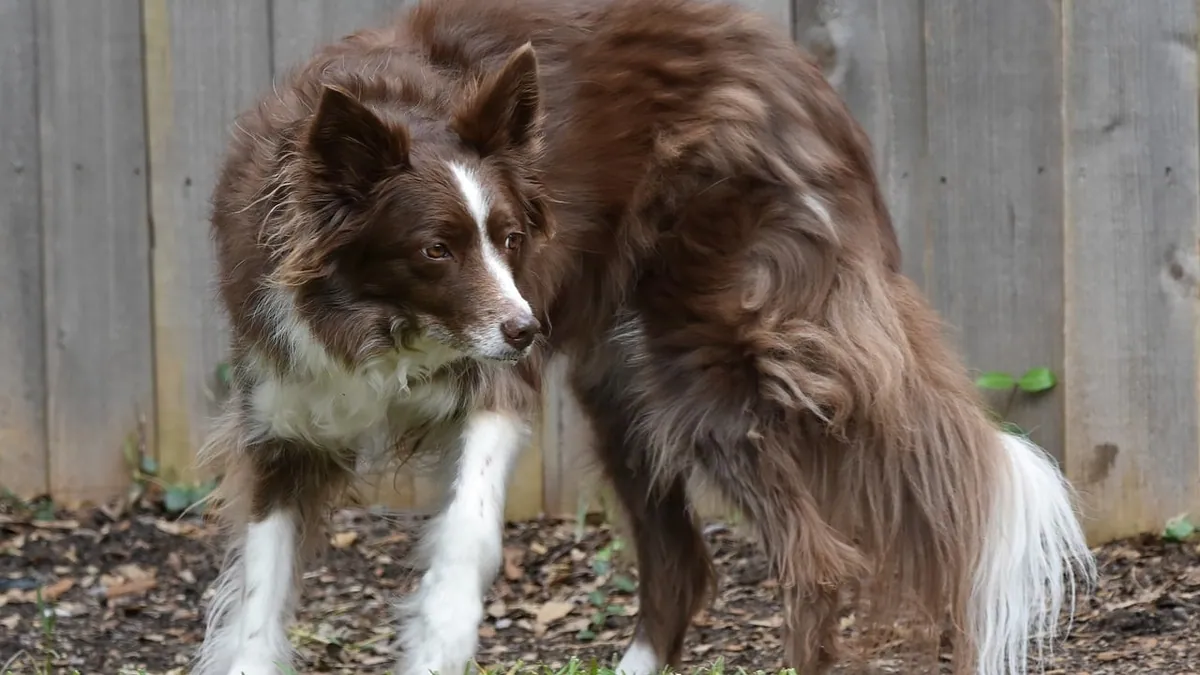
Is ostrich fern toxic to dogs? The short answer is that the ostrich fern plant itself is considered low risk for dogs, but the raw fiddleheads it produces and several other fern species are a different story. Most dogs who nibble a leaf or two of ostrich fern have mild stomach upset at worst, while bracken fern and some related ferns can cause serious, sometimes fatal, poisoning [1]. The problem is that owners often cannot tell one fern from another, and fiddleheads are a seasonal food that dogs sometimes grab off counters or picnic plates.
This article is educational and is not a substitute for veterinary diagnosis or treatment.
Quick Answer
- Ostrich fern (Matteuccia struthiopteris) is not one of the ferns linked to the serious poisonings described in veterinary toxicology references, and it is generally treated as low risk for dogs [1].
- Raw fiddleheads, the curled young shoots of the ostrich fern, are the part most likely to cause vomiting and diarrhea in dogs, so cook them fully and keep them away from your pet.
- Bracken fern (Pteridium species) is the fern that causes real danger, because it contains ptaquiloside, a compound proven to be carcinogenic in animals that eat it repeatedly [1][2].
- If your dog ate fiddleheads or any fern and is vomiting, drooling, weak, or unsteady, call your veterinarian, the ASPCA Animal Poison Control Center at (888) 426-4435, or Pet Poison Helpline at (855) 764-7661 right away.
- Do not make your dog vomit unless a veterinarian tells you to.
Is Ostrich Fern Toxic to Dogs?
Ostrich fern is a common garden and woodland plant in the United States, and it is best known as the source of edible fiddleheads in spring. Veterinary toxicology references group ferns by their toxic principles, and the ferns tied to serious poisoning in animals are bracken fern and certain related species that contain ptaquiloside or thiaminases [1]. Ostrich fern is not listed among those high-risk ferns.
That does not mean you should let your dog graze on it. Any plant material can cause stomach upset in a dog, especially if a large amount is eaten quickly. Raw fiddleheads also carry a reputation for causing illness in people when undercooked, and the same general caution makes sense for dogs.
Which Parts Matter Most
The fiddlehead is the tightly coiled young frond that appears in early spring. It is the part people harvest, cook, and eat. It is also the part most likely to end up within reach of a dog, either in a grocery bag, on a cutting board, or in a compost pile.
Mature ostrich fern fronds are tough and bitter, so most dogs ignore them. If your dog chews a frond, expect some drooling and maybe a mild upset stomach. If your dog eats a pile of raw fiddleheads, the risk of vomiting and diarrhea goes up.
Other Ferns Are the Real Concern
When owners search "are ferns poisonous to dogs," they usually mean the whole fern family, and that is where the confusion starts. Ferns are a huge group of plants with very different chemistry. Some are used as food. Others contain compounds that damage the bone marrow, the bladder, or the nervous system in grazing animals [1].
Bracken fern is the standout. It grows in pastures, woods, and roadsides across much of the country. Cattle that graze it repeatedly develop bladder and intestinal tumors, and the compound responsible, ptaquiloside, has been isolated and shown to be a potent carcinogen [2]. Other ferns tested in Japan also contained potentially carcinogenic ptaquilosides [2]. Dogs are not grazing animals, so the exposure pattern is different, but the toxic principle is the same.
If you are trying to sort out which plants in your yard are safe, a broader guide to plants poisonous to dogs can help you spot the ones that matter most.
The Toxic Principle and What It Does in the Body
Fern toxicosis in animals is mostly attributed to two toxic agents, ptaquiloside and thiaminases [1]. They cause different problems.
Ptaquiloside
Ptaquiloside is an unstable compound found in bracken fern and some related species [2]. When an animal eats the plant, the compound can react with DNA and other cell components. In cattle, long-term consumption leads to bladder and intestinal carcinomas [2]. This is a chronic, cumulative effect. It shows up after repeated exposure over weeks or months, not after a single bite.
Acute bracken fern poisoning in grazing animals also causes bone marrow damage and bleeding problems, and that syndrome is essentially untreatable once it develops [1].
Thiaminases
Thiaminases are enzymes that break down thiamine, also called vitamin B1. Some ferns contain them [1]. When thiamine drops, the nervous system suffers. This is the one form of fern poisoning that can be treated, because veterinarians can give thiamine back to the patient [1]. Animals with thiamine deficiency from fern exposure may improve with thiamine treatment, and that response is sometimes used to help confirm the diagnosis [1].
What This Means for Your Dog
Dogs are not cattle. They do not graze pastures for weeks. A single mouthful of bracken fern is unlikely to cause the chronic tumors seen in livestock, but it can still cause stomach upset, and repeated access over time is a genuine concern. The thiamine-related syndrome is the one that can produce sudden neurologic signs, and it is treatable if you get help early [1].
Signs and Their Typical Timeline
Signs depend on how much fern your dog ate, which fern it was, and whether the exposure was a one-time event or repeated.
Mild Exposure
A small amount of ostrich fern or raw fiddleheads often causes nothing at all, or mild gastrointestinal signs. Watch for:
- Drooling
- Vomiting
- Soft stool or diarrhea
- Lip licking and stomach gurgling
- Going off food for a meal or two
These signs usually show up within a few hours of eating. Most mild cases settle with supportive care at home, but call your veterinarian if vomiting repeats more than a couple of times or lasts more than a day.
Serious Exposure
Signs that worry a veterinarian include:
- Repeated vomiting or vomiting blood
- Weakness, wobbling, or trouble standing
- Tremors or seizures
- Pale gums or unexplained bruising
- Bloody stool or black, tarry stool
- Collapse
The thiamine-related syndrome can produce neurologic signs, and it can appear over hours to days depending on how much fern was eaten [1]. The bleeding syndrome from bracken fern develops more slowly in grazing animals, often after weeks of exposure [1].
Timeline Summary
- Within 30 minutes to a few hours: drooling, vomiting, stomach upset
- Within hours to a few days: neurologic signs if thiamine is affected
- Over weeks to months: chronic problems in animals with ongoing exposure, mainly documented in livestock [1]
If your dog ate a plant and you are not sure what it was, a step-by-step guide on what to do when your dog ate a toxic plant can help you decide how urgent the situation is.
What to Do Right Now
Stay calm and act in this order.
- Move your dog away from the plant. Pick up any remaining fiddleheads or fern pieces so your dog cannot eat more.
- Note what was eaten and how much. Take a photo of the plant if you can. Save any vomit in a sealed bag if your dog throws up, because your veterinarian may want to examine it.
- Call for advice. Contact your veterinarian, the ASPCA Animal Poison Control Center at (888) 426-4435, or Pet Poison Helpline at (855) 764-7661. These services are staffed around the clock and can tell you whether your dog needs to be seen.
- Do not induce vomiting unless a veterinarian tells you to. Making a dog vomit can cause harm if the material is sharp, if the dog is already weak, or if the airway is not protected.
- Do not give food, milk, oil, or home remedies to "soak up" the plant. None of these are proven to help, and they can complicate treatment.
If your dog is having a seizure, is struggling to breathe, or cannot stand, skip the phone call and go straight to the nearest emergency veterinary hospital.
Veterinary Treatment
Treatment depends on the signs and how much time has passed.
Your veterinarian will start with a physical exam and a history. They will ask what plant was eaten, how much, and when. Blood work may include a complete blood count and a chemistry panel. If thiamine deficiency is suspected, thiamine treatment may be started, and a response to that treatment can support the diagnosis [1].
Supportive care often includes intravenous fluids, medication to control vomiting, and a bland diet once the stomach settles. If bleeding or bone marrow problems are present, antimicrobials and blood or platelet transfusions can be attempted, though these measures are often of limited value in advanced bracken fern poisoning [1].
There is no antidote for ptaquiloside. For that reason, prevention is the main tool, and bracken fern poisoning is best controlled by keeping animals away from the plant in the first place [1].
Any medication dose your dog receives will be calculated by your veterinarian based on your dog's weight, species, and current health. Never give human medications or guess at a dose at home.
Outlook
For a dog that eats a small amount of ostrich fern or a few raw fiddleheads, the outlook is usually good. Most mild stomach upset resolves within a day or two with supportive care.
For thiamine-related fern poisoning, the outlook is better than for the other syndromes because thiamine treatment can reverse the deficiency [1]. Early treatment matters.
For the chronic syndromes linked to bracken fern, the outlook is poor. Bracken fern poisoning that causes bleeding or bone marrow damage is essentially untreatable, and the tumors linked to ptaquiloside develop after long-term exposure [1]. This is why dogs should never have ongoing access to bracken fern.
Prevention and Safer Alternatives
Prevention is simple and effective.
- Identify the ferns in your yard. If you are not sure what you have, take a clear photo of the whole plant, including the underside of the fronds, and ask your veterinarian or a local extension service.
- Remove bracken fern from areas your dog uses. Pull it or dig it out, and check again in spring when new growth appears.
- Cook fiddleheads fully before eating them, and keep raw fiddleheads off counters and out of reach. Compost piles are a common source of exposure, so fence them off or keep them away from your dog.
- Teach "leave it" and reward your dog for ignoring plants on walks.
- Supervise your dog in wooded areas and along roadsides, where bracken fern often grows.
- Choose dog-safe plants for landscaping. If you want greenery that will not hurt your pet, see plants that aren't toxic to cats and dogs.
If your dog has a habit of eating things it should not, including fruit pits and other kitchen scraps, the article on whether dogs can eat plums covers another common household hazard.
Limitations and When to Contact a Veterinarian
No article can tell you what is happening inside your individual dog. Your veterinarian needs to examine your pet, ask questions, and run tests when needed. Individual cases always need a veterinarian's judgment.
Call your veterinarian the same day if your dog:
- Ate fiddleheads or an unknown fern and is vomiting or has diarrhea
- Is drooling heavily or refusing food
- Seems tired or less playful than usual
Go to an emergency clinic now if your dog:
- Is having a seizure or tremors
- Cannot stand or is collapsing
- Has pale gums, bruising, or bloody stool
- Is vomiting repeatedly and cannot keep water down
- Is having trouble breathing
Schedule a routine visit if your dog had a small exposure, seems completely normal, and you want to confirm that no follow-up testing is needed. Bring a photo of the plant and note the time of exposure.
Frequently Asked Questions
Can my dog eat cooked fiddleheads?
A small piece of fully cooked fiddlehead is unlikely to harm a dog, but fiddleheads are not a dog food and offer no nutritional benefit. Raw fiddleheads are the bigger concern because they can cause stomach upset. Keep them for yourself and give your dog a dog-safe treat instead.
What if my dog only chewed a leaf and swallowed nothing?
Dogs often chew and spit out bitter plant material. Rinse your dog's mouth with water, offer a drink, and watch for drooling or vomiting over the next few hours. If your dog stays normal, no treatment is usually needed, but call your veterinarian if you are unsure.
How long after eating a fern would signs show up?
Stomach upset usually appears within a few hours. Neurologic signs from thiamine deficiency can take hours to days to develop. Chronic problems linked to bracken fern take weeks to months of repeated exposure, and those are mainly documented in grazing animals.
Are all ferns dangerous to dogs?
No. Ferns are a large plant group with very different chemistry. Bracken fern and certain related species carry the serious toxic principles, while ostrich fern is generally considered low risk. The safest approach is to identify the fern before you decide how worried to be.
Should I make my dog vomit after eating fiddleheads?
No, not unless a veterinarian tells you to. Inducing vomiting at home can cause injury or aspiration, and it is not appropriate for every exposure. Call your veterinarian or a pet poison hotline first and follow their instructions.
Related Articles
- Plants Poisonous To Dogs
- Can Dogs Eat Plums? Toxicity Warnings & Pit Risks
- My Dog Ate a Peach Pit: Is It a Choking Hazard or Toxic?
- Dog Ate Toxic Plant
- Plants That Aren't Toxic To Cats And Dogs
- Are Tarantulas Poisonous to Dogs? Understanding the Risks
- Are Foxtail Ferns Toxic to Dogs? Safety Facts
- Are Macho and Sword Ferns Toxic to Dogs?
- Are Ferns Toxic to Dogs? Lady, Autumn, and Christmas Ferns
References
- Bracken Fern and Other Fern Poisoning in Animals - Toxicology. Merck Veterinary Manual.
- Carcinogenic effects of ptaquiloside in bracken fern and related compounds. British journal of cancer, 2000.