Why Does My Kitten Eat Bugs? Is It Safe?
By Dr. Zubair Khalid, DVM, MS, PhD ·
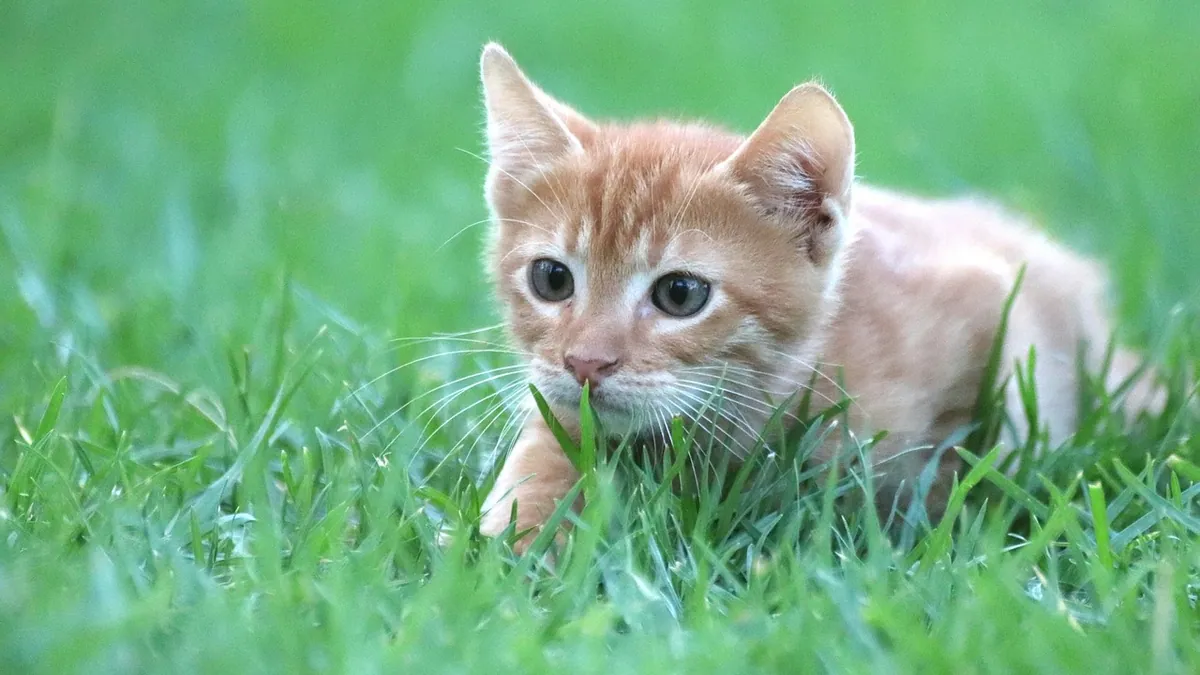
Yes, it is normal for kittens to eat bugs. Hunting and eating small moving prey is a natural feline behavior, and insects are small, fast, and trigger the same chase instinct that makes a kitten pounce on a toy. The bigger question is whether the specific bug is safe, and that depends on what your kitten caught.
This article is educational and is not a substitute for veterinary diagnosis or treatment.
Quick Answer
- Most kittens who eat an occasional bug are showing normal predatory play, not a medical problem.
- Common harmless catches include house flies, moths, and small crickets, though they can carry parasites or pesticide residue.
- Some insects are genuinely dangerous, including fireflies, certain caterpillars, stinging bees and wasps, and any bug exposed to insecticide.
- Pica, the eating of nonfood items, is common in cats. In one UK cohort, pica toward at least one material type was reported in 42.9% of cats at about 6 months of age [1].
- If your kitten eats bugs constantly, eats nonfood objects, vomits, drools, or seems unwell, contact your veterinarian.
Why Does My Kitten Eat Bugs?
The hunting instinct is hardwired
Cats are obligate carnivores and solitary hunters by nature. A bug that skitters, buzzes, or flutters looks exactly like prey to a young cat whose brain is wired to chase small, erratic movement. Kittens practice this behavior constantly, and a bug is a moving target that rewards the pounce.
This is the same drive that makes a kitten stalk a shoelace or bat a crumpled receipt across the floor. Eating the catch is often just the end of the sequence. Many kittens swallow a bug almost by accident while playing with it.
Kittens explore the world with their mouths
Young cats investigate new things by mouthing and chewing them. A bug on the windowsill is a novel object, and a kitten's first response is often to grab it. This is normal developmental behavior and usually fades as the kitten matures and learns what is and is not food.
Pica may play a role
Pica is the eating of items that are not food. It is well documented in cats and can include fabric, wool, plastic, and other materials. A 2021 study of UK pet cats found that pica toward one or more material types was reported in 42.9% of cats at roughly 6 months, 32.0% at roughly 12 months, and 30.9% at roughly 18 months [1]. The same study found that moving to a new house between about 6 and 12 months of age, renting instead of owning a home, and living without a dog when the cat was 2 to 4 months old were linked to chronic pica [1].
Bugs are not the classic pica target, but a kitten with a strong oral fixation may be more likely to swallow whatever it catches. If your kitten also chews wool, fabric, or plastic, that pattern matters. A case report described a 14-month-old cat with both pica and human-directed aggression that improved significantly after six weeks on the SSRI fluoxetine [2]. That is a single case, not a general treatment rule, but it shows that persistent pica can be tied to broader behavioral issues that a veterinarian or behavior professional can help with.
Hunger or a bland diet can increase scavenging
A kitten who is not getting enough calories, or who is bored with its food, may hunt more actively. Growing kittens have high energy needs. If you are unsure whether your kitten is eating the right amount or the right food, our guide to Kitten Food covers what growing cats need.
Medical Causes to Rule Out
Intestinal parasites
Bugs can carry parasite stages, and kittens are already vulnerable to intestinal worms. A 2023 US study of fecal examinations from client-owned cats found that 13.52% were positive for at least one parasite, with Giardia species at 4.82% and Toxocara cati at 4.75% among the most common [3]. If your kitten eats bugs and has diarrhea, a potbelly, or poor weight gain, ask your veterinarian about a fecal test.
Raccoon roundworm and other serious risks
Some parasites carried by wildlife are far more serious than common worms. Baylisascaris procyonis, the raccoon roundworm, can invade the organs, eyes, and central nervous system and can cause severe disease or death without prompt treatment [4]. Two unrelated children in Los Angeles County developed neurologic signs in 2024, and one had a history of pica [4]. A kitten eating a bug that crawled through raccoon feces is a low-probability but real exposure route. Keep sandboxes covered and do not let your kitten forage in areas with raccoon activity.
Nutritional gaps and underlying illness
Rarely, eating nonfood items can reflect a medical problem such as anemia, gastrointestinal disease, or a nutritional deficiency. These are not well established as the main cause of bug eating in kittens, but they belong on the list your veterinarian rules out if the behavior is intense or new.
Oral pain or dental problems
A kitten with mouth pain may chew oddly or swallow things without properly chewing. If your kitten drops food, drools, or avoids hard kibble, mention it at your next visit.
Is It Normal for Kittens to Eat Bugs, or Is It a Problem?
Occasional bug catching is normal. The behavior crosses into a problem when any of these apply.
- Your kitten eats bugs constantly and ignores normal food.
- Your kitten also eats fabric, plastic, string, or other nonfood items.
- Your kitten vomits, drools, paws at its mouth, or stops eating after catching a bug.
- Your kitten caught a firefly, a stinging insect, or a bug from a treated lawn or garden.
- Your kitten shows weight loss, diarrhea, or lethargy.
Constant bug hunting can also be a sign of understimulation. A bored kitten with no outlet for predatory behavior will find its own entertainment, and the windowsill becomes a hunting ground.
What to Do Step by Step
1. Identify what your kitten caught
If you can see the bug, identify it before you worry. House flies, moths, and small crickets are usually low risk. Fireflies, bees, wasps, hornets, and brightly colored caterpillars are not. If you are unsure, take a photo and call your veterinarian or a poison control service.
2. Remove hazards from the environment
Screen windows and doors. Clear dead insects from windowsills and light fixtures. Do not use spray insecticides, bait stations, or foggers in rooms your kitten can access. A bug that dies from poison is a poisoned meal for your cat.
3. Redirect the hunting drive
Give your kitten legal prey. Wand toys that mimic flying and crawling insects work well. Rotate toys so they stay interesting. Two or three short play sessions a day, ending with a successful catch, can reduce real-world hunting.
4. Add food puzzles and enrichment
Scatter feeders, puzzle toys, and hiding kibble around the house give your kitten something to stalk and "kill." This channels predatory behavior into a safe outlet and reduces boredom.
5. Keep the litter box and food area clean
Bugs are attracted to food scraps and waste. Clean bowls after meals, store food sealed, and scoop the litter box daily. Fewer bugs means fewer opportunities.
6. Check for pica triggers
If your kitten chews wool, fabric, or plastic, remove those items from reach. A case report on a cat with pica and aggression noted that the behavior worsened after an international relocation and improved with medication and behavioral management [2]. Stress and environmental change can fuel pica, so keep routines stable during moves.
7. Talk to your veterinarian about parasite prevention
Because bugs can carry parasites, keep your kitten on a veterinarian-recommended deworming and prevention schedule. Your veterinarian will choose the product and dose based on your kitten's weight and health.
What Not to Do
Do not punish your kitten
Punishment does not stop predatory behavior and can damage your bond. It also teaches your kitten to hide the behavior instead of stop it. Redirect instead.
Do not assume all bugs are harmless
Fireflies, stinging insects, and pesticide-exposed bugs can cause serious harm. Blister beetles and some caterpillars can irritate the mouth and stomach. Treat any unknown insect as a possible risk.
Do not rely on home remedies
There is no safe home remedy for a kitten that swallowed a toxic bug. Do not induce vomiting unless a veterinarian tells you to. Some substances cause more damage coming back up.
Do not ignore a pattern
One bug is a story. A kitten that eats bugs every day, or that also eats nonfood items, needs a professional look. Persistent pica is common enough in cats that it deserves attention instead of dismissal [1].
Do not skip parasite testing
If your kitten hunts bugs regularly, a fecal test is a reasonable part of routine care. The US data show that intestinal parasites are common in cats, so testing is a practical step [3].
When to Involve a Veterinarian or Behavior Professional
Call your veterinarian the same day if your kitten ate a firefly, a bee or wasp, or a bug from a treated area. Call immediately if you see drooling, vomiting, tremors, wobbliness, collapse, or difficulty breathing.
Schedule a routine visit if your kitten eats bugs often, eats nonfood items, has diarrhea or weight loss, or if you are unsure whether the behavior is normal. Your veterinarian can run a fecal test, check for anemia or other illness, and discuss parasite prevention.
Ask for a referral to a veterinary behaviorist or certified behavior professional if pica is persistent, if your kitten also shows aggression, or if enrichment and redirection have not helped. Behavior cases can improve with a structured plan, and in some cases medication is part of that plan [2].
If your kitten is also vomiting or refusing food, our article on Why Is My Kitten Throwing Up White Foam And Not Eating can help you decide how urgently to seek care.
Limitations and When to Contact a Veterinarian
This article cannot tell you whether the specific bug your kitten ate is dangerous. That depends on the species, the amount, and your kitten's health. Individual cases need a veterinarian who can examine your cat and take a full history.
Contact a veterinarian or an animal poison control service right away if your kitten ate a firefly, a stinging insect, or a bug from a sprayed or baited area. Go to an emergency clinic now if you see vomiting, drooling, tremors, seizures, weakness, collapse, or trouble breathing. Book a routine visit within a few days if your kitten eats bugs often, eats nonfood items, or has soft stool, weight loss, or a dull coat.
Frequently Asked Questions
Is it normal for kittens to eat flies?
Yes, catching and eating a fly is normal predatory behavior for a kitten. Flies can carry bacteria and parasite stages on their bodies, so a single fly is low risk but repeated fly eating is worth mentioning to your veterinarian. Keep screens on windows and clean up food waste to reduce the fly population indoors.
Why does my cat eat bugs?
Cats eat bugs because the movement triggers their hunting instinct, because they explore new objects with their mouths, or because of pica. Pica is common in cats, and one study found it reported in roughly a third of cats at several points during their first 18 months [1]. If your cat also chews fabric or plastic, that points more toward pica than simple hunting.
Can kittens eat bugs safely?
Some bugs are safe to swallow, and many kittens do it without any problem. Others are not. Fireflies, bees, wasps, and insects exposed to pesticides can cause serious illness, and bugs that have contact with raccoon feces can carry a parasite that causes severe disease in mammals [4]. When in doubt, treat the bug as unsafe and call your veterinarian.
My kitten eats bugs and then vomits. What should I do?
Vomiting after eating a bug can mean the insect was irritating, toxic, or contaminated. Call your veterinarian or an animal poison control service and describe the bug if you saw it. If your kitten is also drooling, trembling, or acting weak, go to an emergency clinic right away.
Will my kitten outgrow eating bugs?
Many kittens do reduce the behavior as they mature and as their environment becomes more predictable. Pica, however, can persist. In one cohort, pica was still reported in about 30.9% of cats at roughly 18 months [1]. If the behavior continues, ask your veterinarian about a behavior plan.
If your kitten also samples human foods, our guides on Can Cats Eat Venison? Wild Game Parasite Testing and Can Cats Eat Crab? Shell Hazards and Sodium explain how to think about safety when your cat wants to taste something new.
Related Articles
- Why Is My Kitten Throwing Up White Foam And Not Eating
- Can Cats Eat Venison? Wild Game Parasite Testing
- Kitten Food
- Can Cats Eat Crab? Shell Hazards and Sodium
- Can Cats Eat Catnip? Nepetalactone and Safe Use Guide
- Can Cats Eat Quinoa? Saponins and Completeness
- Why Does My Cat Eat Flies and Bugs?
- My Kitten Ate a Fly: Should I Worry?
- Can Cats Eat Bugs? Crickets, Grasshoppers and Risk
References
- Owner-Reported Pica in Domestic Cats Enrolled onto a Birth Cohort Study. Animals : an open access journal from MDPI, 2021.
- Human-directed aggression and pica in a 1-year-old cat, which worsened following international relocation. JFMS open reports, 2023.
- Prevalence and epidemiologic patterns of feline parasitism detected by fecal examination in the United States, 2023. Veterinary parasitology, 2026.
- Baylisascariasis (Raccoon Roundworm Infection) in Two Unrelated Children - Los Angeles County, California, 2024. MMWR. Morbidity and mortality weekly report, 2025.