
This article is educational and cannot determine the risk from an individual exposure. If a cat has trouble breathing, collapses, trembles, cannot walk normally, is profoundly sleepy, repeatedly vomits, or has oil on the coat, contact an emergency veterinarian or animal poison service now. Do not wait for every sign on a list to appear.
Is Lavender Safe for Cats? Plants, Essential Oil, Diffusers, and Exposure
Quick Answer
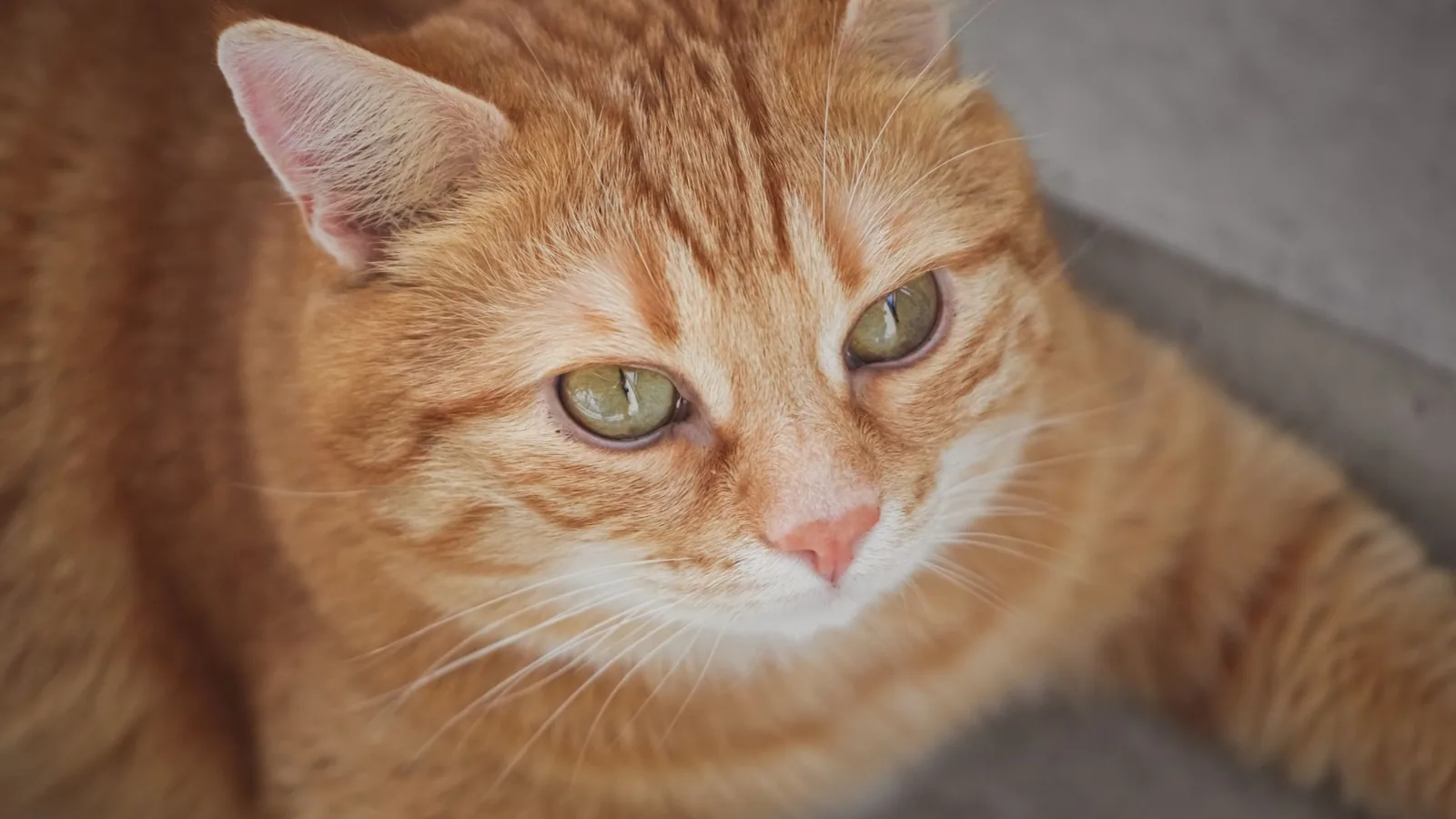
Lavender should not be treated as a cat-safe plant or home remedy. The ASPCA Animal Poison Control Center classifies English lavender (Lavandula angustifolia) as toxic to cats and identifies linalool and linalyl acetate as toxic principles; reported signs include nausea, vomiting, and reduced appetite [1]. Lavender essential oil is a concentrated mixture, so swallowing it, having it applied to skin or fur, or being coated by droplets creates a different and generally more concerning exposure than briefly smelling an intact plant across a room.
That answer needs context. “Lavender” can mean a potted plant, dried flowers, a culinary ingredient, an undiluted essential oil, a diluted cosmetic, cleaning spray, candle, plug-in fragrance, passive reed diffuser, heated diffuser, or an ultrasonic/nebulizing diffuser. Those products deliver different concentrations through different routes. A cat walking past a closed bottle is not in the same situation as a cat that licked spilled oil. Risk depends on the exact product, amount, concentration, route, time, the cat’s size and health, and whether clinical signs have begun.
There is no research-supported household dose of lavender plant or lavender essential oil that owners can use as a universal “safe amount” for cats. Nor is there a home calculation that can clear a cat after exposure. The practical approach is prevention: keep the plant and oils inaccessible, never apply lavender oil to a cat, avoid letting diffuser droplets settle on the coat or food, and ask a veterinarian or animal poison specialist about an actual exposure.
Why the Product and Route Matter
Toxicology is not determined by an ingredient name alone. Dose and route change how much reaches tissues and how quickly. A label that says “natural,” “therapeutic grade,” “pure,” “organic,” or “pet friendly” does not establish feline safety. Those are not substitutes for controlled safety studies in cats.
Living and Dried Lavender Plants
The ASPCA listing applies to common or English lavender and names linalool and linalyl acetate [1]. A cat that chews flowers, stems, or leaves may develop gastrointestinal upset. Plant material can also irritate the mouth or stomach even when systemic poisoning is not severe. Dried lavender remains plant material containing aromatic constituents; drying does not turn it into a verified cat treat.
An intact plant usually contains less aromatic material per lick than a bottle of extracted essential oil. That relative difference does not make intentional feeding appropriate. Species, cultivar, growing conditions, harvest timing, and processing can alter plant chemistry. The amount a cat actually swallowed is also rarely known. A few tooth marks, missing leaves, vomited fragments, soil disturbance, and time since access are useful facts for the veterinary team.
Potting mix creates separate hazards. Fertilizer, insecticide granules, systemic pesticides, mold, decorative stones, and plant labels can matter as much as the lavender. If a cat dug in a pot, photograph the plant and every soil or treatment label rather than assuming lavender was the only exposure.
Lavender Essential Oil
Essential oil is not simply “the smell of the flower.” It is a concentrated, chemically variable product containing volatile compounds. Linalool and linalyl acetate are major lavender constituents, but composition differs by botanical source, distillation, storage, oxidation, and adulteration. A feline toxicology review reports that cats are susceptible to products containing linalool and describes hypersalivation, tremors, incoordination, depression, and low body temperature among possible signs [2]. That older review concerns linalool-containing insecticidal products, so it cannot supply a lavender-oil dose threshold; it does demonstrate why a major lavender constituent cannot be assumed harmless to cats.
Cats can be exposed by swallowing oil, licking it from skin or fur, walking through a spill and grooming, inhaling aerosol or vapor, or contacting eyes and mucous membranes. Oral and dermal contamination are particularly concerning because the cat may continue grooming and repeatedly ingest material. Concentrated oils can also irritate tissues. Pet Poison Helpline advises that toxicity varies with oil, concentration, dose, and route and warns against applying concentrated essential oils directly to pets [3].
Dilution lowers concentration but does not automatically prove safety. Owners often do not know the starting composition, final concentration, amount placed on the cat, or amount groomed off. Carrier oils may increase persistence on the coat. Homemade recipes are especially difficult to assess because “drops” are not a standardized unit and product composition varies.
Diffusers Are Not All the Same
The word diffuser covers several technologies:
- A passive reed or evaporative diffuser releases volatile fragrance without intentionally making a liquid aerosol. The bottle itself is a concentrated spill and ingestion hazard.
- A heated or water-based diffuser releases vapor and, depending on design, may disperse small droplets.
- An ultrasonic diffuser creates an aerosol from water and oil. Droplets can settle on surfaces and fur.
- A nebulizer can disperse concentrated oil without water, creating potentially greater airborne and surface deposition.
- A plug-in fragrance or candle is not necessarily essential oil, but fragrance mixtures and combustion products can irritate sensitive airways.
Pet Poison Helpline distinguishes respiratory irritation from more consequential exposure when active diffusers deposit oil microdroplets that can collect on fur and later be groomed [4]. That distinction is useful, but room safety cannot be reduced to a fixed number of diffuser drops or minutes. Room volume, ventilation, device output, distance, duration, product concentration, spill access, and the cat’s respiratory health all matter.
A brief odor noticed by a healthy cat does not prove poisoning. Conversely, absence of an immediate reaction does not certify a repeated setup as safe. Cats with asthma or other respiratory disease may be more vulnerable to airborne irritants. A cat must always be able to leave the area; confinement beside a diffuser is poor risk control.
Candles, Sprays, Cleaners, Litter, and Grooming Products
Lavender-scented products may contain true lavender oil, synthetic fragrance, other essential oils, solvents, detergents, disinfectants, propellants, or surfactants. The word lavender on the front label describes scent or marketing, not the full toxicology. Keep the complete ingredient list and product identifier.
Sprays create eye, airway, fur, and oral exposure. Never spray a cat, bedding while occupied, food bowls, litter, carriers, or enclosed spaces around the animal. Allow cleaned surfaces to dry and ventilate according to the manufacturer’s directions. A product intended for household surfaces is not a feline deodorizer.
Candles add heat and flame hazards. Smoke, soot, and fragrance can bother respiratory patients even if lavender-specific toxicosis does not occur. Hot wax can burn skin, and a knocked-over candle can cause a fire. The safest setup keeps flames and liquids inaccessible and preserves clean, well-ventilated air.
Topical shampoos, calming balms, flea products, ear preparations, and wound products deserve special caution. Cats groom. Anything placed on their coat should be expected to reach the mouth. Never improvise with human aromatherapy products, and do not place oils in ears, on paws, on collars, near the nose, or on irritated skin.
What the Evidence Does—and Does Not—Show
The direct feline lavender literature is limited. The ASPCA plant database provides poison-control guidance, and veterinary poison services synthesize case experience across essential-oil exposures [1][3][4]. A published review documents feline susceptibility to linalool-containing insecticidal products [2]. These sources support caution but do not establish a precise dose-response curve for every lavender product.
Laboratory research in humans, mice, and dogs cannot simply be converted into a household feline safety rule. For example, a 2026 canine liver-microsome study found that linalyl acetate was hydrolyzed to linalool and that lavender constituents affected particular canine cytochrome P450 reactions [5]. This is mechanistically interesting, but it was an in-vitro dog study, not a clinical exposure trial in cats. Human microsome studies and mouse sensory-neuron studies likewise do not prove that a diffuser is safe or toxic for a particular cat [6][7].
The European Food Safety Authority evaluated a standardized lavender oil as a feed additive under specified conditions and derived conditions for animal feed [8]. That assessment should not be used to justify giving a cat retail essential oil. A regulated feed additive at a specified composition and intake is not equivalent to a cosmetic oil, diffuser mixture, spill, or topical application. Product identity and route are central to toxicology.
This evidence gap is a reason for precision, not panic. It is inaccurate to claim that one molecule of lavender scent will poison every cat. It is equally inaccurate to announce a universal safe diffuser recipe or topical dilution. Responsible advice identifies the known hazard, distinguishes exposures, prevents avoidable contact, and gets case-specific help.
Why Cats Can Be Vulnerable to Essential Oils
Popular explanations often say cats “cannot glucuronidate” any compound. That is too broad. Cats do perform glucuronidation, but their capacity varies by substrate and some relevant metabolic pathways differ from those of other species. Essential oils are also complex mixtures, and toxicity may involve absorption, metabolism, nervous-system effects, aspiration, irritation, and liver injury rather than a single missing enzyme.
Three practical feline features matter:
- Cats groom extensively, converting fur contamination into repeated oral exposure.
- Their small body size means a seemingly small household amount can represent a larger dose per kilogram.
- Cats may hide early illness, so exposure history and subtle behavior change deserve attention.
Pre-existing liver disease, respiratory disease, very young or advanced age, poor body condition, and concurrent medications may change risk. Those factors do not create a reliable at-home formula. They lower the threshold for professional advice.
Signs After Lavender or Essential-Oil Exposure
Possible signs vary by product and route. They can include:
- drooling, lip smacking, pawing at the mouth, or oral discomfort;
- nausea, vomiting, reduced appetite, or diarrhea;
- coughing, wheezing, noisy or labored breathing, or watery eyes;
- unusual sleepiness, weakness, hiding, or reduced interaction;
- wobbliness, an abnormal gait, tremors, or seizures;
- low body temperature or an unusually slow heart rate in significant toxicosis;
- skin redness, discomfort, or a strong oily residue on fur;
- yellow discoloration of gums, eyes, or skin with liver dysfunction;
- collapse or inability to stand.
These signs are not specific to lavender. A cat with vomiting and lethargy could have an obstruction, infection, kidney disease, pancreatitis, toxin exposure, or many other problems. Do not use the list to self-diagnose. Use it to recognize that assessment is needed.
Respiratory distress is an emergency. Warning signs include open-mouth breathing, marked abdominal effort, blue or gray gums, inability to settle, collapse, or rapidly worsening noise. Minimize handling and travel to emergency care. Do not force food, water, charcoal, or medication into a cat that is breathing abnormally.
What to Do If a Cat Was Exposed
1. Stop Continued Exposure Safely
Turn off or remove the source if that can be done without delaying care. Move the cat to clean air after an airborne exposure. Prevent grooming or other pets contacting a spill. Avoid getting oil on your own skin and do not chase or stress a cat that is struggling to breathe.
If oil is on the coat or paws, call a veterinarian or animal poison service immediately for decontamination instructions. Do not start an improvised bath with solvents, alcohol, essential oils, harsh detergent, or another chemical. Bathing can chill or stress a sick cat and may spread material if done incorrectly. Professional guidance can account for the product and the cat’s condition.
2. Identify the Product
Bring or photograph:
- the front and back label;
- ingredient list and concentration, if shown;
- brand, product name, lot, and barcode;
- Safety Data Sheet, if available;
- approximate amount missing or spilled;
- time and route of exposure;
- the cat’s weight, age, conditions, and medications;
- signs and when they started.
Do not rely on “lavender blend.” Mixed products may contain tea tree, eucalyptus, citrus, peppermint, wintergreen, pine, camphor, or other ingredients that change the assessment. A poison specialist needs the actual formulation.
3. Call for Case-Specific Advice
Contact the cat’s veterinarian, an emergency clinic, ASPCA Animal Poison Control Center, or Pet Poison Helpline. Fees may apply, but the resulting case number and toxicology recommendations can help the treating clinic. If the cat is already symptomatic, arrange veterinary care while another adult makes the call when possible.
Do not wait for a web search to settle a significant exposure. Online lists cannot incorporate concentration, formulation, amount, route, or the patient’s status.
4. Do Not Induce Vomiting
There is no safe, reliable over-the-counter way for owners to make cats vomit. Hydrogen peroxide can injure a cat and is not recommended. Oils can be aspirated into the lungs if vomiting occurs, creating additional injury. Pet Poison Helpline specifically warns against inducing vomiting after essential-oil exposure because of aspiration risk [3].
Do not give milk, butter, cooking oil, salt, activated charcoal, food, or human medication unless the treating professional specifically directs it. “Dilution” remedies can worsen nausea, aspiration risk, or dosing uncertainty.
5. Follow Through on Monitoring
A professional may recommend home observation, examination, decontamination, laboratory testing, respiratory support, intravenous fluids, temperature support, anti-nausea treatment, seizure control, or other care depending on exposure and signs. There is no universal lavender antidote; treatment is directed at limiting absorption and supporting the patient.
If home monitoring is recommended, clarify which signs require immediate travel, how long to watch, whether food and medication should continue, and where to go overnight. Record appetite, vomiting, gait, alertness, breathing, urination, and stool. A cat that seems normal at first can still need reassessment if signs emerge.
What Veterinary Evaluation May Include
The clinician begins with exposure history and a physical examination. Temperature, heart rate, respiratory effort, neurologic status, hydration, oral tissues, eyes, and skin may be assessed. The team may remove contamination while protecting staff and maintaining body temperature.
Blood testing can evaluate red and white cells, glucose, electrolytes, kidney values, liver-associated enzymes, bilirubin, and other variables. Urinalysis, blood pressure, chest imaging, oxygen assessment, or additional testing depends on signs. Normal early tests do not transform the product into a safe one; they provide a baseline and help guide monitoring.
Treatment is individualized. Vomiting or poor intake may require antiemetics and fluid support. Tremors or seizures require prompt control. Respiratory exposure may need oxygen and imaging if aspiration or lung injury is suspected. Significant liver abnormalities may require hospitalization and serial testing. Antibiotics are not automatic because most toxic exposures are not bacterial infections.
Prognosis depends on product, dose, route, time to decontamination, clinical signs, and organ injury. A cat with a brief odor exposure and no signs has a different outlook from one that swallowed concentrated oil and is neurologically abnormal. Only the case-specific team can responsibly discuss prognosis.
Is It Safe for Cats to Smell Lavender?
Smelling a distant flower briefly is not the same as swallowing or being coated with essential oil. Odor detection alone does not establish a toxic dose. However, that observation should not be converted into permission to perform feline aromatherapy. Cats have no need for lavender fragrance, and airborne products can irritate the respiratory tract or deposit material that is later groomed.
If lavender is used by people in the home, risk reduction includes avoiding active oil diffusion around cats, maintaining ventilation, keeping bottles and reeds locked away, preventing surface deposition near food and resting areas, and giving the cat unrestricted access to fragrance-free rooms. Households with feline asthma or unexplained coughing should discuss all aerosols, smoke, fragrance, dusty litter, and cleaners with the veterinarian.
A cat leaving the room, squinting, coughing, drooling, hiding, or acting agitated is not “detoxing” or showing that the product works. Stop the exposure and assess the cat.
Is Lavender Calming for Cats?
Lavender has been studied for effects in humans and laboratory systems, but those findings do not validate owner-administered lavender for feline anxiety [6][7]. A calming claim must demonstrate both efficacy and safety in the target species, product, dose, and route. Pleasant human associations with lavender are not evidence of a benefit to cats.
Feline stress is better addressed by identifying the trigger and meeting environmental needs: safe hiding and elevated places, predictable routines, separated food and water resources, clean litter boxes in suitable locations, play that mimics hunting sequences, gentle social contact on the cat’s terms, and gradual behavior plans. The AAFP and ISFM environmental-needs guidance emphasizes resources, safety, play, predictable human interaction, and respect for feline sensory needs [9].
Pheromone products are chemically different from essential oils. Evidence and response vary, but using a feline pheromone product as labeled does not justify adding lavender oil to it. Anxiety, urine marking, aggression, overgrooming, appetite change, or new hiding can also reflect pain or disease. Veterinary examination should precede a fragrance-based explanation.
For carrier and travel distress, build gradual positive associations, cover visual triggers when helpful, maintain stable footing, and ask the veterinarian about evidence-based medication when needed. Never experiment with an oil immediately before travel, when adverse signs would be difficult to distinguish from motion sickness or panic.
Lavender Products Marketed for Fleas, Skin, Ears, or Wounds
Do not use lavender oil as a flea treatment. Efficacy against household flea infestation requires more than repellent odor, and concentrated oils may expose the cat. A complete flea plan treats the patient with a cat-labeled product, addresses other pets appropriately, and controls environmental stages. Dog products containing permethrin can be life-threatening to cats; “natural” and conventional products both require species-specific scrutiny. See the guide to cat flea-treatment safety for the larger prevention context.
Lavender should not be placed in an inflamed ear. Otitis can involve mites, bacteria, yeast, polyps, allergy, foreign material, or middle-ear disease. Oils can obscure the canal, irritate tissue, interfere with examination, and be unsafe if the eardrum is damaged. Head tilt, falling, rapid eye movements, severe pain, or facial asymmetry needs prompt care.
Do not place essential oil on wounds, surgical incisions, burns, hot spots, or fungal-looking lesions. Cats can ingest it while grooming, and in-vitro antimicrobial results do not establish safe clinical treatment [10]. Wounds may need clipping, lavage, pain control, drainage, antibiotics based on clinical need, and prevention of self-trauma.
Creating a Lower-Risk Home
Store Concentrates Like Medications
Keep essential oils in a closed cabinet that cats cannot open. Child-resistant caps are not cat-proof if bottles are left on counters. Store reed diffusers where they cannot tip, although a locked cabinet is safer than an elevated shelf. Clean drips promptly and wash hands before handling the cat, toys, food, or medication.
Do not decant oils into unlabeled containers. Retain packaging so an exposure can be identified. Dispose of products according to local instructions rather than pouring concentrates where animals can contact them.
Choose Plants by Exact Identity
Common names are unreliable. Verify genus and species before bringing a plant home. Keep the nursery label and photograph flowers and leaves. The ASPCA plant database is a useful screening resource, but an unknown plant or symptomatic pet still requires professional advice [1].
“Non-toxic” does not mean edible without limit. Any fibrous plant can cause vomiting, and pesticides or fertilizer create separate risk. For cats that chew vegetation, consider a supervised, pesticide-free grass product intended for pets, and keep all decorative plants inaccessible. The article on common houseplants toxic to cats and dogs provides broader prevention guidance.
Lilies deserve exceptional emphasis: true lilies and daylilies can cause acute kidney injury in cats after small exposures, including pollen and vase water. A suspected lily exposure is an emergency even if the cat looks normal. Follow the cat ate a toxic lily emergency guide rather than comparing the situation with lavender.
Use Fragrance-Free Options Around Feline Resources
Food, water, litter boxes, beds, scratching areas, carriers, and medication stations should not be scented with essential oils. Strong odors may deter cats from essential resources. An aversion that causes reduced eating, drinking, or litter-box use can become a welfare and medical problem even without classic poisoning.
For odor control, remove the source: scoop litter frequently, wash boxes with a cat-tolerated unscented product, ventilate, clean urine with an appropriate enzymatic cleaner, treat dental or skin disease, and address household smoke. Masking odor can delay recognition of diarrhea, urinary changes, infection, or spoiled food.
Plan for Accidents
Save the regular veterinarian, nearest emergency clinic, ASPCA Animal Poison Control Center, and Pet Poison Helpline numbers. Keep a carrier accessible and train the cat to enter it voluntarily. Know the cat’s current weight and medications. In a multi-pet household, separate animals from a spill and check every coat and paw.
Emergency preparation is more useful than memorizing a toxic dose that does not exist for a variable retail product.
Common Lavender Myths
“Natural Means Safe”
Plants produce biologically active chemicals. Natural origin says nothing about therapeutic index, concentration, contamination, or species sensitivity. Essential-oil extraction can concentrate compounds far beyond casual environmental contact.
“Therapeutic Grade Guarantees Purity and Safety”
Marketing grades do not replace batch analysis, feline clinical trials, dosing standards, or regulatory approval for treating cats. Even a chemically pure product can be harmful at the wrong dose or route.
“If It Is Diluted, It Is Safe”
Dilution is a concentration calculation, not a safety study. The starting oil, final mixture, application amount, absorbed dose, and grooming exposure are usually unknown. Never use a social-media dilution chart as veterinary authorization.
“Cats Hate Lavender, So They Will Avoid It”
Avoidance is unreliable. A cat may investigate a spill, walk through residue, rub against a diffuser, or lick contaminated fur. Some cats do not show obvious aversion. Safety should come from physical control, not an assumed preference.
“A Diffuser Only Releases Harmless Water Vapor”
Ultrasonic and nebulizing devices can release droplets containing oil. Even passive devices contain a bottle that can spill. Device type, output, ventilation, and access matter [4].
“No Symptoms in My Cat Proves the Practice Is Safe”
One uneventful use does not establish a population safety threshold, and repeated low-level exposure has not been adequately characterized for every product. It may mean only that this exposure did not produce recognized signs.
“Lavender Detoxes the Liver or Treats Infection”
There is no validated feline clinical evidence that household lavender use detoxifies organs or replaces antimicrobial treatment. In-vitro activity and human aromatherapy findings cannot be prescribed to cats [6][10].
Decision Guide by Exposure Type
The Cat Sniffed an Intact Plant
Remove access and inspect for chewing. If no material is missing and the cat is normal, call the veterinarian if uncertainty remains and monitor as advised. Mouth irritation, drooling, vomiting, appetite loss, or behavior change warrants contact.
The Cat Chewed Lavender
Remove plant fragments from reach without forcing fingers into the mouth. Photograph the plant and estimate what is missing. Call a veterinarian or poison service. Do not induce vomiting. Bring information about potting products and pesticides.
Oil Spilled on Fur or Paws
Prevent grooming, protect yourself, and call immediately for decontamination and transport advice. Do not wait for neurologic signs. Do not apply another oil or solvent. A symptomatic cat should go to emergency care.
The Cat Licked Essential Oil
Treat this as a potentially significant exposure. Identify the complete product and contact a veterinarian or animal poison service immediately. Do not induce vomiting or give food remedies. Travel urgently for drooling, vomiting, weakness, wobbliness, tremors, breathing change, or reduced responsiveness.
A Diffuser Ran in the Room
Turn it off, ventilate, and let the cat move to clean air. Inspect for a spill or wet coat. Respiratory signs, drooling, vomiting, neurologic change, or known contact with liquid requires immediate professional advice. Discuss future household use rather than assuming a symptom-free episode proves safety.
A Lavender-Scented Cleaner Was Used
Check the actual label; other ingredients may dominate risk. Keep the cat away until surfaces are rinsed or dried as directed and the space is ventilated. For paw contact, licking, eye exposure, or signs, call with the product in hand.
Questions to Ask a Veterinarian
Useful questions include:
- Does this exact product require poison-center consultation?
- Is coat or eye decontamination needed, and how should it be performed safely?
- Which signs require immediate emergency travel?
- Could the cat’s liver, respiratory, neurologic, or other disease change the risk?
- Should current medications or feeding continue?
- Is baseline or repeat blood testing appropriate?
- How long should monitoring continue?
- What fragrance-free alternatives address the original goal?
If the product was used for anxiety, fleas, skin disease, odor, or sleep, say so. Treating that underlying problem reduces the temptation to repeat an unsafe experiment.
Frequently Asked Questions
Is lavender toxic to cats?
The ASPCA classifies English lavender as toxic to cats and identifies linalool and linalyl acetate; nausea, vomiting, and reduced appetite are listed signs [1]. Actual risk depends on product, amount, concentration, route, and the cat. Essential oil is more concentrated than an intact plant.
Can I diffuse lavender around my cat?
Avoid active lavender-oil diffusion around cats, especially where a device can create droplets, contaminate fur or surfaces, spill, or expose a cat with respiratory disease. A fragrance-free, well-ventilated environment avoids an exposure that offers no established feline health benefit.
Is dried lavender safe for cats?
Dried lavender should not be offered as food or placed where a cat can chew it. Drying does not prove removal of active constituents. A tiny incidental exposure and ingestion of a concentrated product are different cases, so call for advice with the amount and product details.
Can cats smell lavender without becoming poisoned?
Detecting an odor is not identical to absorbing a toxic dose. A brief distant smell does not establish poisoning, but it also does not validate intentional aromatherapy. Airway irritation, aerosol deposition, and spill access remain concerns.
What if my cat licked lavender oil but looks normal?
Call a veterinarian or animal poison service now. Product composition and concentration vary, cats can groom additional oil from the coat, and signs may not be immediate. Do not induce vomiting.
Can I use lavender to calm my cat?
There is not adequate target-species evidence to recommend owner-administered lavender as a safe and effective feline anxiety treatment. Use environmental modification, gradual behavior work, and veterinarian-prescribed treatment when indicated.
Is lavender cat litter safe?
“Lavender scented” does not reveal the fragrance chemistry or concentration. Strongly scented litter may be aversive, and dusty or fragranced products can bother sensitive cats. A low-dust, unscented litter accepted by the cat is a prudent default. Change litter gradually and monitor elimination.
Can I put lavender oil on a cat for fleas?
No. Do not apply it as a homemade flea treatment. Use a cat-labeled veterinary product selected for the individual and treat the household flea life cycle. Never use dog permethrin products on cats.
Will lavender kill a cat?
Severe essential-oil exposures can be life-threatening, but outcome cannot be predicted from the word lavender alone. Concentration, dose, route, signs, and treatment timing matter. Immediate case-specific advice is more useful than alarming or reassuring generalizations.
Should I make my cat vomit after eating lavender?
No. Hydrogen peroxide is unsafe for inducing vomiting in cats, and oils pose aspiration concerns [3]. Call a veterinarian or animal poison service for instructions.
Is lavender safer than lilies?
These are different hazards. Lavender is classified as toxic and concentrated oil warrants concern. True lilies and daylilies can cause acute kidney injury in cats after very small exposures and require immediate emergency action. “Safer than” is not a reason to permit either exposure.
Bottom Line
Lavender is not a cat-safe therapeutic ingredient. The plant is classified as toxic to cats, and essential oil is a concentrated product with oral, dermal, respiratory, and grooming-related exposure routes [1][2][3]. Briefly noticing an odor is not the same as swallowing oil, but no universal diffuser recipe, topical dilution, or home dose has been proven safe.
Prevent access, use fragrance-free options around feline resources, never apply lavender oil to a cat, and retain product labels. After chewing, licking, a spill, or clinical signs, contact a veterinarian or animal poison service with the exact product and exposure details. Do not induce vomiting or improvise chemical decontamination.
References
- ASPCA Animal Poison Control Center. Lavender (Lavandula angustifolia): toxic and non-toxic plants database. https://www.aspca.org/pet-care/animal-poison-control/toxic-and-non-toxic-plants/lavender
- Hooser SB. Toxicology of selected pesticides, drugs, and chemicals: D-limonene, linalool, and crude citrus oil extracts. Vet Clin North Am Small Anim Pract. 1990;20(2):383-385. PMID: 2180184.
- Pet Poison Helpline. Essential oils and pets: routes, signs, and emergency response. https://www.petpoisonhelpline.com/uncategorized/essential-oils/
- Pet Poison Helpline. Essential oils and cats: passive and active diffuser exposure. https://www.petpoisonhelpline.com/uncategorized/essential-oils-cats/
- Soares-Santos RR, et al. Linalool, linalyl acetate, and lavender essential oil: evaluation of metabolism and drug interactions using canine liver microsomes and recombinant enzymes. Xenobiotica. 2026. PMID: 41921217.
- Sattiraju S, et al. In vitro metabolism and CYP-modulating activity of lavender oil and its major constituents. Molecules. 2023;28. PMID: 36677813.
- Hashimoto M, Takahashi K, Ohta T. Inhibitory effects of linalool on nociceptive TRPA1 and voltage-gated calcium channels in mouse sensory neurons. Biochem Biophys Rep. 2023;34:101468. PMID: 37102121.
- EFSA Panel on Additives and Products or Substances used in Animal Feed. Safety and efficacy of lavender oil as a feed additive for all animal species. EFSA J. 2024;22(10):e9017. PMID: 39469432.
- Ellis SLH, et al. AAFP and ISFM feline environmental needs guidelines. J Feline Med Surg. 2013;15(3):219-230. PMID: 23422366.
- Stamova S, et al. Antimicrobial activity of lavender essential oil from Lavandula angustifolia: in vitro and in silico evaluation. Antibiotics (Basel). 2025;14(7):656. PMID: 40723959.
- Prashar A, Locke IC, Evans CS. Cytotoxicity of lavender oil and its major components to human skin cells. Cell Prolif. 2004;37(3):221-229. PMID: 15144499.
- Hagvall L, Sköld M, Bråred-Christensson J, Börje A, Karlberg AT. Lavender oil lacks natural protection against autoxidation, forming strong contact allergens on air exposure. Contact Dermatitis. 2008;59(3):143-150. PMID: 18759894.