Can Dogs Eat Bread and Butter? Pickles, Peanut Butter, Cheese
By Dr. Zubair Khalid, DVM, MS, PhD ·
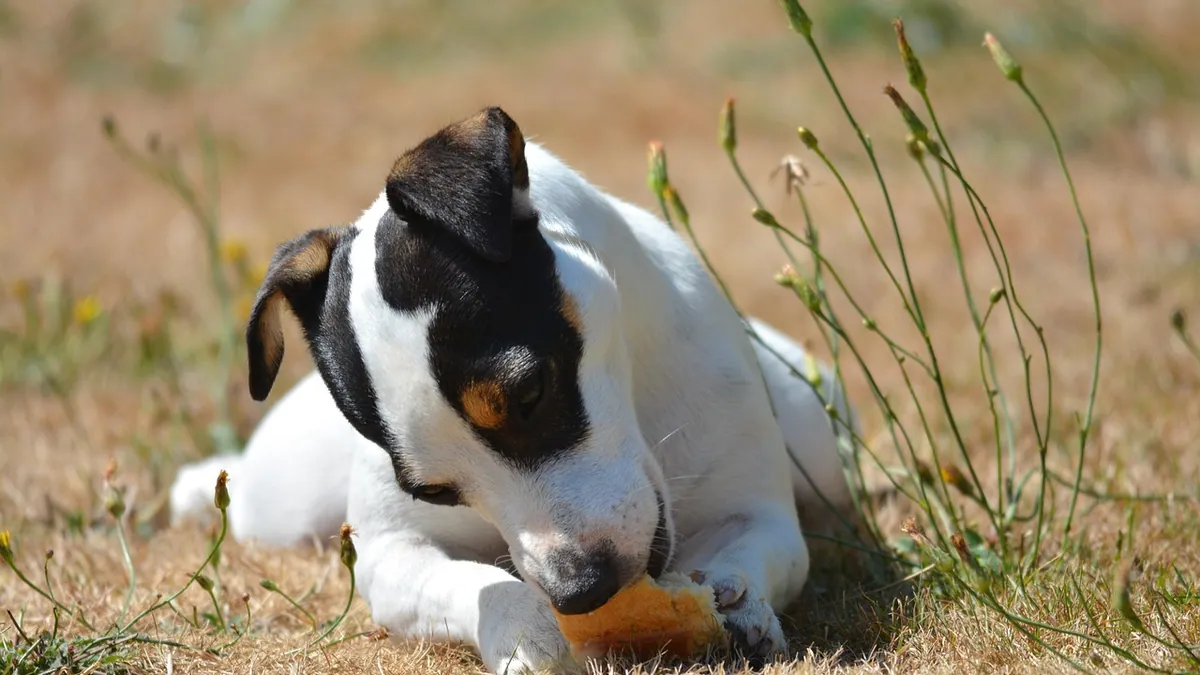
Can dogs eat bread and butter? Plain bread is safe for most dogs in small amounts, but butter is not a good choice because it is almost pure fat. Bread and butter pickles are a different problem entirely, since they add salt, sugar, and often onion or garlic to the mix.
This article is educational and is not a substitute for veterinary diagnosis or treatment.
Quick Answer
- Plain, baked bread in a small piece is generally safe for a healthy dog.
- Butter is high in fat and can trigger vomiting, diarrhea, or pancreatitis in sensitive dogs.
- Bread and butter pickles are not recommended because of their salt, sugar, and seasoning content.
- Peanut butter on bread is fine only if the peanut butter contains no xylitol.
- Cheese on bread is usually tolerated in small amounts, but watch for lactose upset and fat load.
Can Dogs Eat Bread and Butter? The Short Answer
A small piece of plain bread is not toxic to dogs. Most dogs can eat a bite or two of white, wheat, or sourdough bread without any problem. The trouble starts with what you put on the bread.
Butter is fat. A single pat of butter does not sound like much, but dogs are small compared to people, and a tablespoon of butter can be a large fat load for a 15-pound dog. A high-fat meal stimulates the pancreas, and in dogs with a history of pancreatitis, fatty foods are a known trigger. One study that measured pancreatic enzyme response in healthy dogs fed meals with different fat sources found that butter-based fat loads produced measurable changes in pancreatic markers after eating [1]. That does not mean one lick of butter causes pancreatitis, but it does mean butter is not a neutral treat.
So the honest verdict is this. Bread alone, yes, in moderation. Bread with butter, no, or at most a tiny taste. Bread and butter pickles, no.
If you want to know whether your dog can have the peanut butter or cheese version instead, the rules are different for each topping. You can read more about Can Dogs Eat Peanut Butter? and Can Dogs Eat Cheese for the details.
Are Bread and Butter Pickles Safe for Dogs?
No. Bread and butter pickles are made with cucumbers, vinegar, sugar, salt, and spices, and many recipes include onion or garlic. None of those belong in a dog's bowl in pickle form.
The main concerns are salt and sugar. A few slices of sweet pickle can deliver a meaningful sodium load for a small dog. Salt poisoning in dogs causes vomiting, diarrhea, lethargy, tremors, and in severe cases seizures or coma. You do not need a toxic dose to see stomach upset. Even a modest amount of salty food can cause vomiting and diarrhea in a dog that is not used to it.
Onion and garlic are the bigger worry. Both are in the Allium family and can damage red blood cells in dogs, leading to anemia. The risk depends on the amount and the size of the dog, and powdered or concentrated forms are more dangerous than a stray slice. If your dog ate a pickle that contained onion or garlic, call your veterinarian or a pet poison hotline for guidance.
Sugar is the third issue. Pickles are not a major sugar source compared to candy, but sweet pickles do contain added sugar, and dogs do not need it.
If your dog stole one pickle slice, it is probably not an emergency. If your dog ate a whole jar, or if the pickles contained onion or garlic, treat it as a possible poisoning and call for advice right away.
Can Dogs Eat Bread and Peanut Butter?
Yes, if the peanut butter is xylitol-free. This is the single most important rule for this combination.
Xylitol is a sugar alcohol used as a sweetener in some peanut butters, sugar-free gums, candies, and baked goods. In dogs, xylitol causes a rapid insulin release that can drop blood sugar to dangerous levels within 30 to 60 minutes, and higher doses can cause liver failure. The dose matters, and your veterinarian will calculate the risk based on your dog's weight and the amount eaten. There is no safe home remedy for xylitol ingestion. Call your veterinarian or a pet poison hotline immediately.
Check the label every time, even for brands you have bought before. Recipes change. If the ingredient list includes xylitol, birch sugar, or wood sugar, do not feed it.
If the peanut butter is xylitol-free, a thin smear on a small piece of plain bread is a reasonable treat for most dogs. Peanut butter is high in fat, so keep the amount small. A dog with pancreatitis or a sensitive stomach may not tolerate it at all. For more on the peanut itself, see Can Dogs Eat Peanuts.
Can Dogs Eat Bread and Cheese?
Usually yes, in small amounts, if your dog tolerates dairy. Cheese brings two issues, lactose and fat.
Many adult dogs have low lactase activity, which means lactose from milk and soft cheeses can cause gas, bloating, and loose stool. Hard cheeses like cheddar have less lactose than milk or cottage cheese, so they tend to cause fewer problems. Fat is the other issue. Cheese is calorie-dense and high in fat, and a large amount can trigger GI upset or pancreatitis in a dog that is prone to it.
A small cube of cheddar on a piece of bread is fine for most dogs. A whole slice of American cheese on a full slice of bread is too much for a small dog. If your dog has had pancreatitis, is overweight, or has a sensitive gut, skip the cheese. You can read more in Can Dogs Have Cheese and Can Dogs Eat Cheddar cheese? Lactose Intolerance & Fat.
Is Plain Bread Safe for Dogs?
Yes, plain baked bread is safe for most dogs in small amounts. It is not a nutritional need, but it is not toxic either.
Bread is mostly carbohydrates, with some protein and a small amount of fat depending on the recipe. It offers little nutritional value for a dog on a complete and balanced diet. Think of it as a treat, not a food.
The type of bread matters less than the preparation. Plain white, wheat, rye, and sourdough breads are all generally fine in a small piece. Sourdough is worth a special note. Baked sourdough bread is safe, but unbaked sourdough dough is dangerous. Raw dough expands in the stomach and can cause bloating that progresses to gastric dilation and volvulus, a twisting of the stomach that is life threatening. Signs include vomiting, unproductive retching, a distended belly, fast heart rate, weakness, and collapse [2]. If your dog ate raw bread dough, go to a veterinary emergency hospital now.
Bread also contains salt. A study of bread sodium content found that eating recommended portions of bread did not exceed daily salt targets in children, but that people often eat more bread than recommended and combine it with other salty foods [3]. The same logic applies to dogs. A small piece of bread is not a salt problem. A whole loaf is.
Risks of Bread, Butter, and Pickles for Dogs
Fat and Pancreatitis
Butter, peanut butter, and cheese are all fat sources. A fatty meal is one of the most common triggers for pancreatitis in dogs. Pancreatitis causes vomiting, abdominal pain, lethargy, and loss of appetite, and it can be severe. Dogs with a history of pancreatitis are usually managed on a low-fat diet, and high-fat meals are avoided [1].
Salt and Sugar
Pickles and some breads are salty. Salt poisoning is a real risk when a dog eats a large amount of salty food or salt itself. Sugar adds empty calories and can upset the stomach.
Onion and Garlic
Pickles, seasoned breads, and some butters contain onion or garlic. Both can damage red blood cells. Small amounts may not cause visible signs, but repeated exposure adds up.
Xylitol
Xylitol in peanut butter or sugar-free spreads is a serious poisoning risk. Check labels every time.
Choking and Blockage
Bread is soft, but a large wad of bread can be a choking hazard for a dog that eats fast. Hard crusts, bagel pieces, and bread with raisins or nuts can also cause problems. Raisins and grapes are toxic to dogs, and macadamia nuts are toxic too. Never feed bread that contains those ingredients.
Raw Dough
Unbaked dough is an emergency. The dough rises in the warm stomach, and the yeast produces alcohol as it ferments. Both the expansion and the alcohol can harm your dog [2].
How to Offer Bread and Butter Safely
If you want to share a small piece of bread with your dog, follow these rules.
- Choose plain baked bread with no raisins, nuts, chocolate, onion, or garlic.
- Keep the piece small, about the size of a postage stamp for a small dog and no more than a quarter slice for a large dog.
- Skip the butter entirely, or use the smallest scrape you can manage.
- If you use peanut butter, confirm it is xylitol-free.
- If you use cheese, choose a hard cheese and keep it to a small cube.
- Never feed raw dough.
- Do not make bread a daily habit. Treats should stay under about 10 percent of daily calories, which is standard veterinary guidance.
Form | Safe? | Notes
| Form | Safe? | Notes |
|---|---|---|
| Plain baked bread | Yes, small amounts | No raisins, nuts, or seeds |
| Bread with butter | No, or tiny taste | High fat, pancreatitis risk |
| Bread and butter pickles | No | Salt, sugar, onion, garlic |
| Bread with xylitol-free peanut butter | Yes, small amounts | Check label every time |
| Bread with peanut butter containing xylitol | No, emergency | Call vet or poison hotline now |
| Bread with hard cheese | Usually, small amounts | Watch lactose and fat |
| Raw bread dough | No, emergency | Bloat and alcohol risk [2] |
What to Do If Your Dog Ate Too Much
If your dog ate a lot of butter, peanut butter, or cheese, watch for vomiting, diarrhea, belly pain, or lethargy. These can start within hours. Call your veterinarian if signs appear or if your dog has a history of pancreatitis.
If your dog ate bread and butter pickles, especially a large amount or pickles with onion or garlic, call your veterinarian or a pet poison hotline. Bring the jar or a photo of the label if you can.
If your dog ate peanut butter that contains xylitol, this is an emergency. Call your veterinarian or a pet poison hotline immediately, even if your dog seems fine. Signs can appear within 30 to 60 minutes.
If your dog ate raw bread dough, go to an emergency hospital now. Do not wait for signs [2].
Safer Alternatives
If your dog wants a share of what you are eating, there are better options than bread and butter.
- A small piece of plain cooked chicken or turkey with no seasoning.
- A few plain green beans or carrot sticks.
- A slice of cucumber with no pickle brine.
- A small piece of plain baked sweet potato.
- A dog-specific dental chew or training treat.
These options avoid the fat, salt, and sugar that make buttered bread and pickles a poor choice.
Limitations and When to Contact a Veterinarian
Every dog is different. Weight, age, underlying disease, and the amount eaten all change the risk. Your veterinarian needs to evaluate your individual dog.
Call your veterinarian the same day if your dog ate a large amount of butter, cheese, or peanut butter and has a history of pancreatitis or a sensitive stomach. Call right away if your dog ate anything containing xylitol, onion, garlic, raisins, grapes, chocolate, or macadamia nuts. Go to an emergency hospital now if your dog ate raw bread dough, has a distended belly, is retching without producing vomit, is weak, or is collapsing [2].
For milder cases, a routine visit is reasonable if your dog has vomiting or diarrhea that lasts more than a day, or if you are unsure how much was eaten.
Frequently Asked Questions
Can dogs eat bread and butter pickles?
No, bread and butter pickles are not a safe treat for dogs. They contain salt, sugar, and often onion or garlic, all of which can cause problems. A single small slice is unlikely to be an emergency, but a large amount warrants a call to your veterinarian.
Can dogs eat bread with butter?
Plain bread is fine, but butter is not recommended. Butter is almost pure fat and can trigger stomach upset or pancreatitis in sensitive dogs. If your dog licked a small amount, watch for vomiting or diarrhea and call your vet if signs appear.
Can dogs eat bread and peanut butter?
Yes, if the peanut butter does not contain xylitol. Xylitol causes dangerous low blood sugar and possible liver failure in dogs. Check the label every time, and keep the portion small because peanut butter is high in fat.
Can dogs eat bread and cheese?
Most dogs can eat a small piece of bread with a small cube of hard cheese. Soft cheeses and large portions can cause gas, loose stool, or stomach upset. Skip cheese entirely if your dog has pancreatitis, is overweight, or does not tolerate dairy.
What should I do if my dog ate a whole loaf of bread?
Call your veterinarian or a pet poison hotline for advice. A large amount of bread can cause bloating and stomach upset, and if the bread contained raisins, nuts, onion, garlic, or xylitol, the risk is much higher. Do not induce vomiting unless a veterinarian tells you to.
Related Articles
- Can Dogs Eat Peanut Butter?
- Can Dogs Eat Cheese
- Can Dogs Have Cheese
- Can Dogs Eat Peanuts
- Can Dogs Eat Cheddar cheese? Lactose Intolerance & Fat
- Can Dogs Eat Peanut butter? Xylitol Warnings & Serving Size
- Can Dogs Eat Bread and Pizza Crust? Safety Guide
- Can Dogs Eat Bagels With Cream Cheese or Butter?
- Can Dogs Eat Pickles and Vinegar Cucumbers? Safety Guide
References
- Impact of fatty acid composition on markers of exocrine pancreatic stimulation in dogs. PloS one, 2023.
- Can Dogs Eat Sourdough Bread. Pet Poison Helpline.
- Bread consumed in recommended portions does not provide excessive amounts of sodium and salt in children's diet. Scientific reports, 2025.