Dog Poisoning and Overdose: Home Remedies Are Not Enough
By Dr. Zubair Khalid, DVM, MS, PhD ·
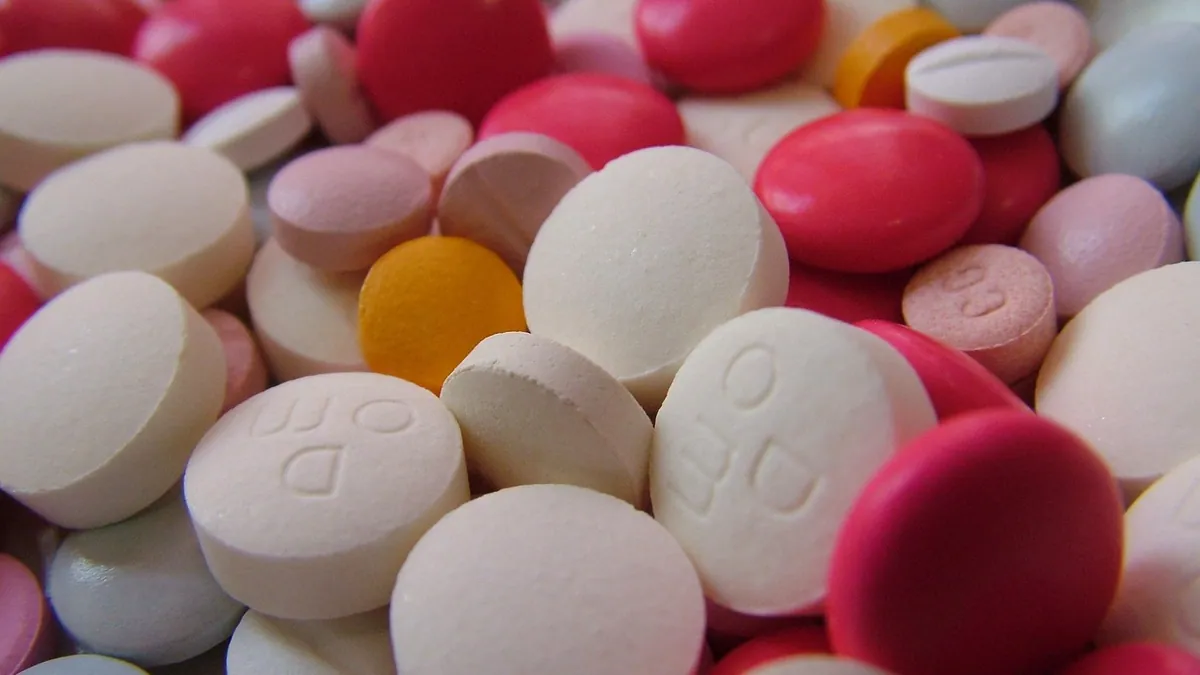
No home remedy for dog poisoning can replace veterinary care. Poisons and drug overdoses act in ways that home treatments cannot reverse, and some common remedies make the damage worse. Your job in the first minutes is to stop the exposure, gather information, and call for professional help.
This article is educational and is not a substitute for veterinary diagnosis or treatment.
Quick Answer
- Call for help before you do anything else. Reach a veterinarian, the ASPCA Animal Poison Control Center at (888) 426-4435, or Pet Poison Helpline at (855) 764-7661 [1].
- Do not induce vomiting unless a veterinarian or poison control tells you to. With corrosive poisons like drain cleaner, vomiting causes more damage on the way up than the poison did on the way down [1].
- Do not give food, milk, oil, hydrogen peroxide, or human medications as a home remedy. None of these neutralize poisons, and some cause serious harm.
- Save the packaging, chewed bottle, or a sample of the vomit. The exact product and amount guide treatment.
- Watch for vomiting, diarrhea, twitching, seizures, and difficulty breathing, and report any of these signs right away [1].
Is It Toxic, and Which Products Are the Problem?
Dogs explore the world with their mouths, so almost any product in your home can become a poisoning risk [1]. The most common sources fall into a few groups.
Human and Veterinary Medications
Pharmaceutical ingestion is a common cause of poisoning and hospitalization in dogs [2]. Exposure happens in three main ways: accidental over-administration of a prescribed veterinary drug, intentional giving of a human drug that owners do not realize is unsuitable for animals, and access to unattended medications [2]. A dog can get into an open medicine bottle or chew off a cap, and poisoning can also result from an overdose of a drug your veterinarian prescribed [3].
Some human medications are dangerous at surprisingly small amounts. In two reported cases, dogs that ingested oral minoxidil tablets at 1.1 and 1.52 mg/kg developed sinus tachycardia, hypotension, and markedly elevated cardiac troponin I values indicating heart muscle damage [4]. Both survived with hospital care, but one needed vasopressor therapy and injectable lipid emulsion treatment [4]. This is why you should never guess at a dose or assume a small pill is harmless.
Foods
Chocolate is one of the most dangerous foods for dogs. Dogs cannot metabolize chocolate properly, and poisoning can occur even in small doses [5]. Other everyday items that are dangerous include certain foods, cleaning products, and alcohol [3].
Pesticides and Rodenticides
Pesticides cause severe poisoning in dogs. Methomyl, a widely available carbamate pesticide, acts as an acetylcholinesterase inhibitor, and in five reported cases the main findings were pulmonary edema and multisystemic congestion and hemorrhages, worst in the respiratory tract [6]. Poisoning by organophosphates, coumarin rodenticides, and sodium fluoroacetate can look similar, so identifying the exact product matters [6].
Household Cleaners
Corrosive products such as drain cleaner are a special category. They burn tissue on contact, and they cause more damage coming back up than going down [1].
The Toxic Principle: What the Poison Does in the Body
Different poisons injure the body in different ways, which is exactly why one home remedy cannot work for all of them.
Some poisons disrupt nerve signaling. Methomyl blocks acetylcholinesterase, an enzyme that normally breaks down acetylcholine, so nerve signals keep firing and the body floods with fluid, which is why the lungs fill and hemorrhages appear [6].
Some poisons attack the heart and blood vessels. Minoxidil is a cardiovascular toxin in dogs and cats, and the reported cases showed rapid heart rate, low blood pressure, and measurable heart muscle damage [4].
Some poisons damage the kidneys. In a reported meloxicam overdose of up to 5.5 mg/kg, the dog arrived without obvious symptoms but already had mild azotemia, meaning the kidneys were affected before anyone could see it [7].
Some poisons burn tissue directly. Corrosives injure the mouth, throat, and stomach on contact, and any attempt to bring them back up repeats the injury [1].
Because the mechanism varies so much, treatment has to match the poison. A remedy that helps with one toxin can be useless or dangerous with another.
Signs of Poisoning and Their Typical Timeline
Common signs of dog poisoning include vomiting, diarrhea, twitching, seizures, and difficulty breathing [1]. Drug poisoning can also cause weakness, and symptoms vary depending on the number and type of drugs taken [3].
Timing depends on the poison and the amount.
- Chocolate: signs can appear within hours. In one reported case, a dog that ate chocolate brownies at a theobromine dose of 88.3 mg/kg showed tremors and seizures about 4.5 hours after ingestion [8].
- Minoxidil: both reported dogs developed heart rhythm and blood pressure problems during hospitalization and had resolution of clinical signs by the second day [4].
- Meloxicam: the dog was asymptomatic at presentation with only bloodwork abnormalities, which shows that a dog can look fine while organs are under stress [7].
- Corrosives: injury starts at contact, and signs can appear within minutes.
Some poisonings produce no early signs at all. Never wait for symptoms to decide whether to call.
What to Do Right Now
Step 1: Move Your Dog Away From the Source
Put the product out of reach and close the bottle, bag, or container. If the poison is on your dog's skin or coat, keep your dog from licking it and ask the poison control line or your veterinarian how to handle skin exposure.
Step 2: Call for Help
Contact your veterinarian, the ASPCA Animal Poison Control Center at (888) 426-4435, or Pet Poison Helpline at (855) 764-7661 right away [1]. Do not take any action before speaking to a veterinarian and Pet Poison Helpline [1]. If your dog has been poisoned, the best thing to do is call Pet Poison Helpline and a veterinarian for advice [1].
Step 3: Do Not Induce Vomiting on Your Own
This is the single most important rule. Some treatments, such as inducing vomiting, can make the situation worse [1]. Vomiting is a medical procedure, not a home remedy. It is only appropriate for certain poisons, at certain times, in certain dogs. A veterinarian may use therapies including inducing vomiting, IV fluids, and other medications to minimize the severity of clinical signs, but that decision belongs to the professional who knows the poison and your dog [5].
If you are searching for a home remedy for dog overdose vomiting, understand that vomiting is a symptom, not a treatment. Making your dog throw up does not remove a poison that has already been absorbed, and it can cause aspiration, burns, or electrolyte problems.
Step 4: Gather Facts
Write down what you know:
- The exact product name and strength
- The amount your dog may have eaten
- The time it happened
- Your dog's weight
- Any signs you have seen
Keep the packaging. If your dog vomited, save a sample in a sealed bag or container if you can do it safely.
Step 5: Do Not Give Home Treatments
Do not give milk, oil, raw egg, salt water, hydrogen peroxide, activated charcoal, or any human medication. Activated charcoal is a hospital treatment, not a kitchen remedy. In one reported case, a dog treated with activated charcoal containing sorbitol developed severe hypernatremia, with a serum sodium of 174 mmol/L against a reference range of 144 to 160 mmol/L, along with neurologic signs and azotemia [8]. That dog needed customized fluid therapy, anticonvulsants, positive pressure ventilation, and emergency drugs for a near-arrest event before being discharged 57 hours after admission [8]. Charcoal has real risks and belongs in veterinary hands.
If your dog is having a seizure, is struggling to breathe, or is collapsing, go to the nearest emergency hospital now. Call ahead so the team can prepare.
For medication-specific steps, see What to Do If Your Dog Overdoses on Medication: Emergency Steps.
Veterinary Treatment for Poisoning and Overdose
Your veterinarian will start with a physical exam, your history, and bloodwork. Treatment is tailored to the poison.
Decontamination may include inducing vomiting when it is safe and appropriate [5]. It may also include activated charcoal, but only under veterinary supervision and with attention to sodium levels and hydration [8].
Supportive care often includes IV fluids and medications to control specific signs [5]. For heart toxins, treatment may involve antiarrhythmic medications, vasopressors for low blood pressure, and in some cases IV injectable lipid emulsion therapy [4]. For kidney-toxic drugs, advanced options exist. In a reported meloxicam overdose, in-series activated carbon hemoperfusion and hemodialysis processed 15 blood volumes over 207 minutes and reduced the serum meloxicam concentration by 87.5%, with the greatest reduction in the first hour [7]. That dog developed self-limiting blood in the stool but otherwise had no clinical concerns [7].
Doses of any medication are calculated by the veterinarian from your dog's weight and health status. Never use a dose you found online or heard from a friend.
Outlook: Can a Dog Recover From Poisoning?
Many dogs do recover, especially with fast treatment. Even a mild overdose may be reversed, but a fatal overdose might have lifelong effects [3].
Recovery depends on the poison, the amount, the time to treatment, and your dog's underlying health. In the reported minoxidil cases, both dogs had resolution of clinical signs by the second day and were discharged, and one dog's troponin level was normal weeks later [4]. In the reported chocolate case, the dog was discharged 57 hours after admission, still had mild vestibular signs one month later, and those signs resolved 10 months after discharge [8]. In the reported meloxicam case, follow-up bloodwork eight weeks later showed relatively static, mild azotemia [7].
The pattern is clear. Quick professional care gives your dog the best chance, and some effects can linger for weeks or months.
Prevention and Safer Alternatives
Prevention is the only home remedy that truly works.
- Store all medications, including your own, in closed cabinets out of reach. Never leave a pill bottle on a counter or nightstand [2].
- Never give your dog a human medication without asking your veterinarian first [2].
- Keep chocolate, alcohol, and cleaning products locked away [5][3].
- Store pesticides and rodenticides where your dog cannot reach them, and identify the product if a container is chewed [6].
- Read labels before using any product around your dog.
- Keep the poison control numbers saved in your phone.
If your dog has a minor stomach upset, do not reach for a home remedy without guidance. For general digestive signs, see Dog Throwing Up And Diarrhea Home Remedy and Dog Vomiting: What Medicine Can You Give? Safe Options and What to Avoid. For skin and ear issues, see Dog Ear Infection Home Remedy: What's Safe and What's Not and Dog Allergy Home Remedies.
Limitations and When to Contact a Veterinarian
Contact a veterinarian or poison control the same day for any known or suspected exposure, even if your dog looks normal. The meloxicam case shows that a dog can be asymptomatic on presentation and still have organ changes on bloodwork [7].
Go to an emergency hospital now if your dog is having seizures, is struggling to breathe, is collapsing, has a racing or irregular heartbeat, or is unresponsive. These are the signs that need immediate care [1][4].
Schedule a routine visit if your dog had a possible small exposure days ago and now has mild vomiting, diarrhea, or reduced appetite.
Every case is different, and only a veterinarian who examines your dog can decide what treatment is right.
Frequently Asked Questions
Can I give my dog hydrogen peroxide to make him throw up?
No. Do not induce vomiting unless a veterinarian or poison control tells you to, because some treatments, including inducing vomiting, can make the situation worse [1]. Hydrogen peroxide can burn the stomach and cause other problems. Call for guidance first.
What if my dog already vomited after eating something toxic?
Vomiting does not mean the danger has passed. Poisons that are already absorbed stay in the body, and vomiting can also cause aspiration or injury with corrosive products [1]. Call poison control or your veterinarian and describe what came up and how much.
How do I know if my dog ate something poisonous if I did not see it happen?
Look for vomiting, diarrhea, twitching, seizures, and difficulty breathing, and call for advice even without signs [1]. Save any chewed packaging or missing pills, since the product and amount guide treatment. Do not wait for symptoms to appear before calling.
Is activated charcoal safe to give at home?
No. Activated charcoal is a hospital treatment with real risks. In one reported case, a dog given activated charcoal with sorbitol developed severe hypernatremia with a serum sodium of 174 mmol/L and needed intensive care [8]. Leave this decision to your veterinarian.
Can a dog fully recover from a poisoning or overdose?
Often yes, but it depends on the poison and how fast treatment starts. Even a mild overdose may be reversed, while a fatal overdose might have lifelong effects [3]. Some dogs need days of hospital care, and some have lingering signs for weeks or months[8].
Related Articles
- What to Do If Your Dog Overdoses on Medication: Emergency Steps
- Dog Ear Infection Home Remedy: What's Safe and What's Not
- Dog Throwing Up And Diarrhea Home Remedy
- Dog Allergy Home Remedies
- Dog Vomiting: What Medicine Can You Give? Safe Options and What to Avoid
- Dog Vomiting Diarrhea Home Remedy
- Vetmedin Overdose in Dogs: Signs and What to Do
- Is Adderall Toxic to Dogs? Signs and Emergency Steps
- Dog Throwing Up: Medicines and Remedies That Help
- Intestinal Parasites in Dogs: Diagnosis, Home Treatment Myths, and Veterinary Management
References
- Can a Dog Recover from Poisoning. Pet Poison Helpline.
- Pharmaceutical exposure and toxicosis in dogs: A retrospective study of 223 cases from a Canadian veterinary teaching hospital (2018 to 2023). The Canadian veterinary journal = La revue veterinaire canadienne, 2025.
- Everything You Need to Know About Dog. Pet Poison Helpline.
- Cardiovascular Complications of Minoxidil Toxicosis in Two Dogs. Journal of the American Animal Hospital Association, 2026.
- Dog Poisoning Symptoms. Pet Poison Helpline.
- Methomyl poisoning in dogs: report of 5 cases and literature review. Journal of veterinary diagnostic investigation : official publication of the American Association of Veterinary Laboratory Diagnosticians, Inc, 2026.
- Use of Activated Carbon Hemoperfusion and Hemodialysis in the Treatment of a Meloxicam Overdose in a Dog. Journal of veterinary emergency and critical care (San Antonio, Tex. : 2001), 2025.
- Severe hypernatremia in a dog following activated charcoal treatment for chocolate ingestion. The Canadian veterinary journal = La revue veterinaire canadienne, 2025.