My Dog Ate Play Dough: Is It Toxic or a Blockage Risk?
By Dr. Zubair Khalid, DVM, MS, PhD ·
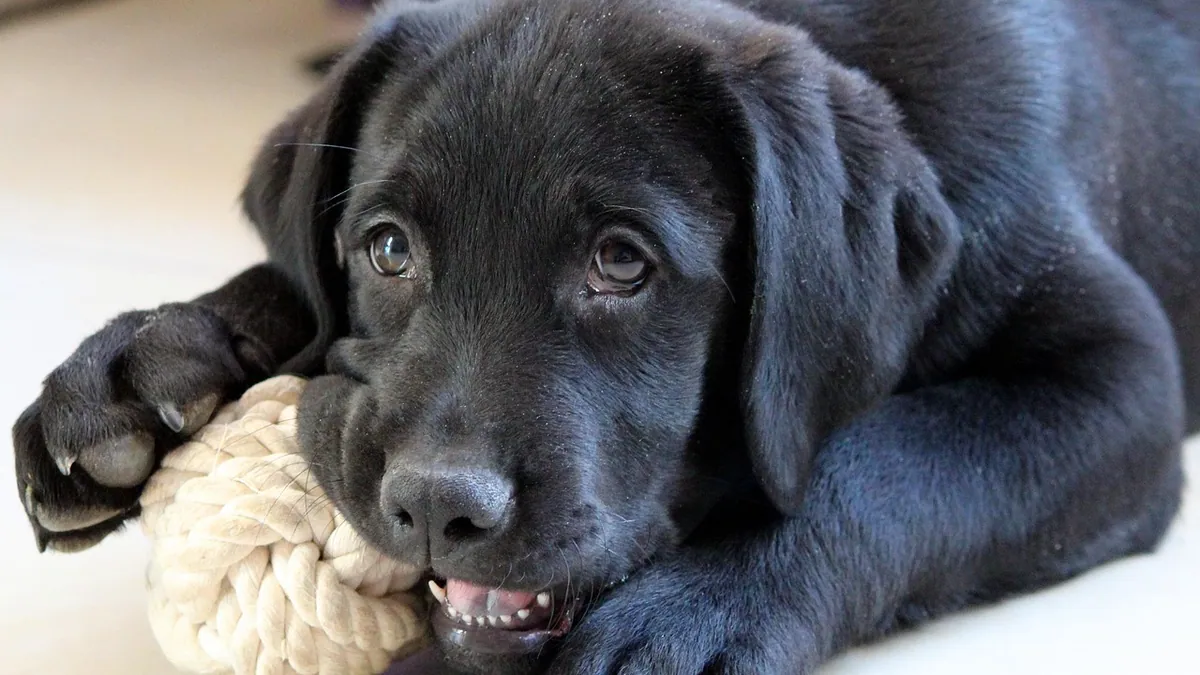
Is play doh toxic to dogs? The honest answer depends on which kind and how much. Most commercial Play-Doh is not highly poisonous, but homemade play dough often contains a large amount of salt that can cause serious salt toxicity, and any swallowed dough can clump into a blockage. This article is educational and is not a substitute for veterinary diagnosis or treatment.
Quick Answer
- Commercial Play-Doh is mostly flour, water, salt, and small amounts of other ingredients. A tiny taste is usually not an emergency, but a large amount can still cause stomach upset or a blockage.
- Homemade play dough and salt dough ornaments are the bigger concern because of their high salt content. Eating them can cause salt poisoning, and in severe cases it can be fatal [1].
- Unbaked dough that contains yeast (bread dough, dinner rolls) is a separate emergency. It can expand in the stomach, cause bloat or a twisted stomach, and produce alcohol as it ferments [2][3].
- Call your veterinarian, the ASPCA Animal Poison Control Center at (888) 426-4435, or Pet Poison Helpline at (855) 764-7661 right away if your dog ate homemade dough, salt dough, or more than a small piece of any dough.
- Do not make your dog vomit unless a veterinarian tells you to. Inducing vomiting can be dangerous with dough because it can swell and block the airway on the way up.
Is Play Doh Toxic to Dogs? It Depends on the Type
The word "play dough" covers a wide range of products, and they do not carry the same risk.
Commercial Play-Doh
Store-bought Play-Doh is made mainly of water, salt, and flour, with small amounts of other ingredients. It is not designed to be eaten, and it is not a food. A dog that licks a small crumb or steals a tiny piece usually has mild stomach upset at most. The larger concern with commercial dough is the amount. A whole container is a lot of dense material for a dog's stomach to handle, and it can form a firm mass that does not pass easily.
Homemade Play Dough
Homemade play dough is a different story. Recipes usually call for flour, oil, food coloring, and a large amount of salt [1]. That salt load is what makes homemade dough dangerous. Even store-bought play dough can be toxic to pets in the right amount, but homemade versions tend to carry more salt per bite [1]. Salt dough ornaments, often made during the holidays, are the same risk in a decorative shape. If a dog eats one, it can cause severe salt toxicity and, in some cases, death [1].
Yeast-Containing Dough
If the dough contains yeast and has not been baked, you have a second problem on top of the salt. Raw yeast dough keeps rising in the warm, dark environment of the stomach [2]. That expansion can cause a bowel obstruction or a bloated, distended stomach. The stomach may then twist, which is called gastric dilatation and volvulus, or GDV. This is a life-threatening situation that needs emergency surgery before the stomach wall dies from poor blood supply [2]. As the yeast ferments, it also releases alcohol, which can lead to alcohol poisoning [2]. Dogs are the species most commonly affected by bread dough toxicosis because of their indiscriminate eating habits [3]. For more on that specific scenario, see Dog Ate Raw Bread Dough: Is It an Emergency?.
What Is in Play Dough and What It Does in the Body
Salt (Sodium Chloride)
Salt is the main toxic principle in homemade play dough and salt dough [1]. When a dog eats a large amount of salt quickly, the sodium level in the blood can rise fast. The body tries to balance that sodium by pulling water out of cells, including brain cells. That shift is what causes the neurologic signs of salt poisoning. Dogs with kidney disease are more likely to be affected because the kidneys regulate electrolyte levels in the body. Pets with diabetes and other hormonal imbalances may also be at higher risk [1]. Severe sodium rises have been linked to seizures, coma, and long hospital stays in dogs [4][5]. One report described a dog whose plasma sodium climbed to 170 mmol/L and who became comatose and needed a breathing tube [4].
Yeast and Ethanol
In yeast dough, the expanding dough is a mechanical hazard and the fermenting yeast is a biochemical one [3]. The dough can physically fill and stretch the stomach, and the alcohol produced can cause inebriation and central nervous system depression [3]. A veterinarian may measure blood ethanol concentration to help with the diagnosis [3].
Other Ingredients
Food coloring and oil are generally low risk in the amounts found in play dough. The bigger variables are salt content, yeast, and the total volume swallowed. If your dog also ate the container, the plastic is a foreign body concern, similar to other swallowed objects. You can read about that pattern in My Dog Ate a Toy: How to Tell If It Will Pass or Cause a Blockage.
Signs of Play Dough Poisoning in Dogs and When They Appear
Signs depend on what was eaten and how much.
Salt Toxicity Signs
Salt poisoning in dogs can cause a range of symptoms [1]. Watch for vomiting, diarrhea, lethargy, weakness, wobbliness, excessive thirst, increased urination, tremors, seizures, and confusion. Neurologic signs can appear within hours of a large salt load. In one reported case, a dog developed seizures about four hours after admission and became comatose roughly eleven hours in as sodium rose [4].
Dough Expansion and Blockage Signs
When dough expands in the stomach, you may see a swollen, painful belly, unproductive retching, drooling, restlessness, and difficulty breathing. These are signs of gastric distention and possible GDV, which is a surgical emergency [2]. A blockage further down can cause vomiting, loss of appetite, abdominal pain, and no bowel movements.
Alcohol Poisoning Signs
With yeast dough, alcohol effects can include wobbliness, drowsiness, depression, and unresponsiveness [3]. These can overlap with salt signs, which makes phone guidance from a veterinarian or poison control service valuable.
What to Do Right Now
- Figure out what your dog ate. Commercial Play-Doh, homemade play dough, salt dough ornament, or raw yeast dough. Check the label or recipe if you can.
- Estimate the amount. A crumb is different from a whole container or a whole ornament.
- Note the time. Minutes matter for treatment decisions.
- Call for advice. Contact your veterinarian, the ASPCA Animal Poison Control Center at (888) 426-4435, or Pet Poison Helpline at (855) 764-7661. Both services may charge a consultation fee, and they can guide you based on the product and amount.
- Do not induce vomiting unless a veterinarian tells you to. Dough can swell, and vomiting a rising dough mass can be dangerous. For some ingestions, a veterinarian may induce vomiting, but that decision belongs to them [2].
- Do not give food, water, salt, or home remedies to "flush it out." Adding more salt or fluid without veterinary direction can make sodium problems worse.
- Save the packaging, the recipe, or a sample of the dough. It helps the veterinarian identify the ingredients.
If your dog is vomiting repeatedly, has a bloated belly, is retching without producing anything, is wobbling, or is hard to wake up, skip the phone call and go to an emergency clinic now.
How Veterinarians Treat Play Dough Ingestion
Treatment is tailored to what was eaten and how the dog looks.
For recent yeast dough ingestion, a veterinarian may induce vomiting if the dough was recently ingested [2]. To stop the dough from rising, a cold-water gastric lavage may be performed [2]. That means flushing the stomach with cool water to remove dough and slow yeast activity.
Supportive care often includes aggressive intravenous fluids and dextrose (sugar), warming measures, and in-hospital monitoring [2]. Treatment for bread dough toxicosis focuses on decreasing yeast replication, managing ethanol toxicosis, and providing supportive care [3]. If the stomach is severely distended or twisted, abdominal surgery may be needed, and GDV requires emergency surgery before the stomach wall dies [2].
For salt toxicity, the goal is to bring sodium down safely and slowly. Correcting sodium too fast can injure the brain. In one reported case, a dog's free water deficit was corrected to safely reduce plasma sodium to baseline levels over 12 hours [4]. That kind of plan requires blood work, IV fluids, and close monitoring. Seizures may need anticonvulsant medications, and severe cases may need positive pressure ventilation and emergency drugs [5].
If a dough mass has formed a blockage in the intestines, surgery may be needed to remove it. The same is true if your dog swallowed plastic wrap or a container along with the dough. For a broader look at swallowed objects, see Dog Ate a Toy: When to Worry and What to Do.
Outlook for Dogs That Eat Play Dough
The outlook is usually good when the amount is small, the dough is commercial, and the dog gets care early. The outlook is more guarded with homemade salt dough, large amounts, yeast dough, or delayed treatment.
Salt toxicity can be fatal in severe cases [1]. Dogs that develop GDV need emergency surgery, and survival depends on how quickly the stomach is decompressed and how much damage the stomach wall has [2]. Alcohol poisoning from yeast dough can cause central nervous system depression and needs supportive care [3].
Dogs that survive severe sodium swings can have lingering neurologic signs. One report described a dog with mild vestibular signs one month after discharge that resolved ten months later [5]. Another dog remained comatose for hours after sodium correction and gradually improved with intensive care before discharge [4]. These cases show that recovery is possible but can take time and specialized care.
Prevention and Safer Alternatives
The simplest prevention is separation. Keep play dough, salt dough ornaments, and baking supplies in sealed containers inside cabinets your dog cannot open. Do not leave dough rising on the counter within reach. During holidays, hang salt dough ornaments high or skip them if your dog is a chewer.
If your dog likes to mouth or chew, offer dog-safe alternatives. Rubber chew toys sized for your dog, food puzzle toys, and vet-approved chew treats are better choices. Supervise new toys, and remove any toy that is small enough to swallow or that breaks into pieces. The same logic that applies to toys applies to dough. If it can fit in the mouth, assume it can be swallowed.
Teach children to keep play dough at a table, not on the floor, and to put it away when they finish. If you make homemade play dough, store it out of reach and label the container. If you make salt dough ornaments, treat them like medication, not like craft supplies.
Limitations and When to Contact a Veterinarian
This article cannot tell you whether your specific dog is safe. The risk depends on the product, the amount, your dog's size, and your dog's health. Individual cases need a veterinarian who can examine your dog and run tests if needed.
Contact a veterinarian the same day if your dog ate any amount of homemade play dough or salt dough, ate more than a small piece of commercial Play-Doh, or has mild vomiting or diarrhea after eating dough.
Go to an emergency clinic now if your dog has a bloated or painful belly, is retching without vomiting, is drooling heavily, is wobbling or stumbling, has a seizure, is difficult to wake, is breathing hard, or is collapsing. These signs can indicate GDV, severe salt toxicity, or alcohol poisoning, and they can worsen quickly [2][1][3].
Call your veterinarian for a routine visit if your dog has a history of eating non-food items, has had a blockage before, or has kidney disease, diabetes, or another condition that raises the risk of salt poisoning [1]. Your veterinarian can help you build a prevention plan.
Frequently Asked Questions
Is commercial Play-Doh poisonous to dogs?
Commercial Play-Doh is not highly poisonous in small amounts, but it is not food and it can still cause stomach upset or a blockage if a large amount is eaten. The bigger danger is homemade dough, which contains much more salt [1]. If your dog ate a whole container, call your veterinarian or a poison control service for guidance.
Is homemade play dough toxic to dogs?
Yes, homemade play dough can be toxic because it usually contains a large amount of salt [1]. Eating it can cause salt poisoning, and salt dough ornaments can cause severe toxicity and even death [1]. Call for advice right away if your dog ate any homemade dough.
What happens if a dog eats play dough that contains yeast?
Yeast dough can expand in the stomach, cause a blockage or a bloated and twisted stomach, and release alcohol as it ferments [2][3]. This is a medical emergency. Signs include a swollen belly, retching, wobbliness, and depression. Do not wait to see if it passes.
Can I make my dog throw up after eating play dough?
No, do not induce vomiting unless a veterinarian tells you to. Dough can swell, and vomiting it can be dangerous. A veterinarian may induce vomiting in some cases, or they may use a cold-water gastric lavage to stop the dough from rising [2]. Always get professional direction first.
How long after eating play dough will my dog show signs?
Signs can start within a few hours, but the timeline varies with the amount and type of dough. Neurologic signs from salt or alcohol can appear within hours, and one reported case involved seizures about four hours after admission [4]. If you are unsure, call a veterinarian or poison control service right away instead of waiting for signs.
Related Articles
- My Dog Ate a Pen: Is It Toxic or Just a Blockage Risk?
- Dog Ate Raw Bread Dough: Is It an Emergency?
- My Dog Ate a Toy: How to Tell If It Will Pass or Cause a Blockage
- My Dog Ate a Mushroom: How to Tell If It's Toxic
- Dog Ate a Toy: When to Worry and What to Do
- Dog Ate a Diaper: Blockage Risk and What to Do
- Is Salt Dough Toxic to Dogs?
- Is Yeast Toxic to Dogs? Dough, Brewers, and More
- Can Dogs Eat Pizza Rolls or Raw Pizza Dough?
References
- Is Homemade Playdough Toxic to Pets. Pet Poison Helpline.
- Yeast Poisoning. Pet Poison Helpline.
- Bread Dough Toxicosis in Animals - Toxicology. Merck Veterinary Manual.
- Severe Neurological Signs and Hypernatremia Secondary to Polyethylene Glycol Paintball Ingestion in a Dog. Journal of the American Animal Hospital Association, 2025.
- Severe hypernatremia in a dog following activated charcoal treatment for chocolate ingestion. The Canadian veterinary journal = La revue veterinaire canadienne, 2025.