Can Dogs Have Kombucha? SCOBY, Tea, and Safety Risks
By Dr. Zubair Khalid, DVM, MS, PhD ·
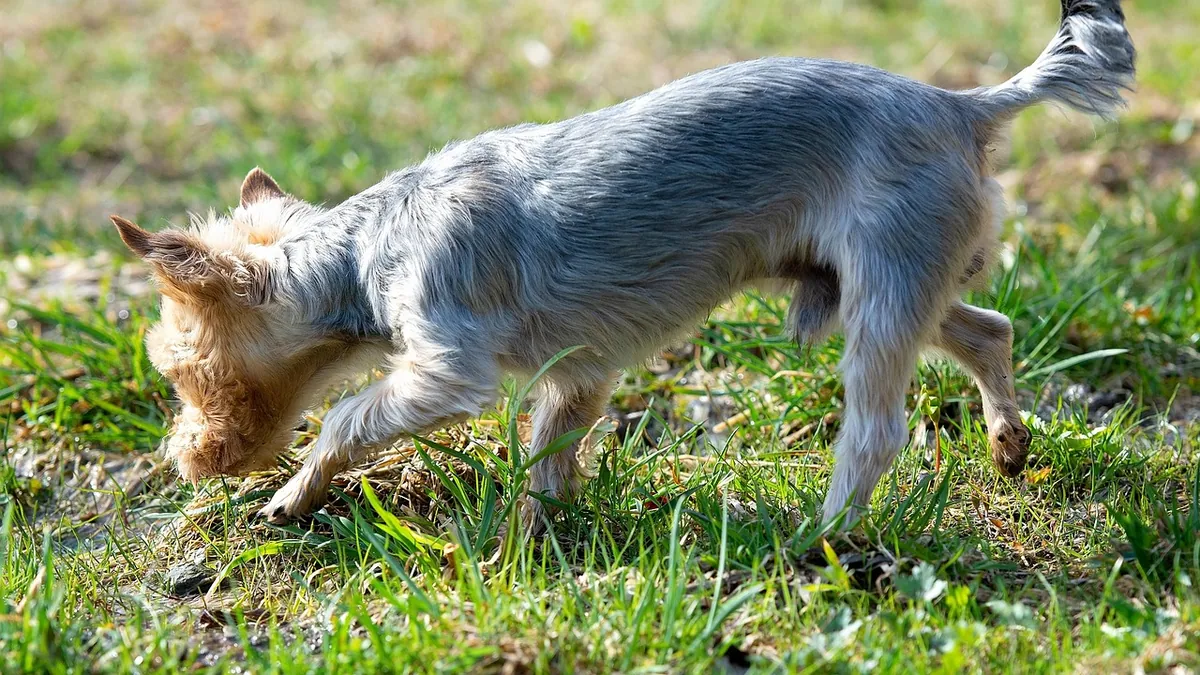
Can dogs have kombucha? In most cases, no. Kombucha is a fermented tea that can contain alcohol, caffeine, and live yeast and bacteria, and those ingredients can cause vomiting, diarrhea, wobbliness, and worse in dogs. A tiny accidental lap is often not a crisis, but kombucha is not a drink you should offer your dog on purpose.
This article is educational and is not a substitute for veterinary diagnosis or treatment.
Quick Answer
- Skip kombucha entirely. It offers no proven benefit for dogs and carries real risks from alcohol, caffeine, and live cultures.
- The SCOBY is not a dog treat. It is a rubbery mat of yeast and bacteria, and eating it can cause choking or serious stomach upset.
- Caffeine is the main poison concern in the tea base. Signs like restlessness, a racing heart, and high blood pressure can start within 1 to 2 hours of ingestion [1][2].
- Alcohol content varies by batch and brand, and homemade kombucha can be higher than you expect. Even small amounts can affect a small dog.
- If your dog drank a large amount, ate a SCOBY, or shows wobbliness, vomiting, or a racing heart, call your veterinarian or a pet poison hotline right away.
The Verdict: Is Kombucha Safe for Dogs?
No. Kombucha is not a safe beverage for dogs, and there is no recognized reason to give it to them. It is made by fermenting sweetened tea with a symbiotic culture of bacteria and yeast, often called a SCOBY [3]. That process leaves behind a drink that contains caffeine from the tea, some alcohol from fermentation, organic acids, and living microorganisms.
Each of those pieces is a problem for a dog. Caffeine is a stimulant that affects the central nervous system, and dogs are far more sensitive to it than people are [2]. Alcohol, even at low levels, can cause sedation, wobbliness, vomiting, and low blood sugar. Live yeast and bacteria can disrupt a dog's gut, especially in a dog with a sensitive stomach or a weakened immune system.
Some owners ask because they have heard kombucha is a probiotic. It is true that probiotics can support gut health in dogs, and researchers are actively studying host-specific strains for that purpose [4]. But kombucha is not a veterinary probiotic. It is an uncontrolled mix of microbes, and the strains in a home brew are not chosen for dogs or tested for safety in them.
Can Dogs Have Kombucha Tea?
This is the most common version of the question, and the answer is still no. Kombucha tea starts as regular tea, usually black or green, and tea is the source of the caffeine [5][1]. Caffeine is the ingredient that makes tea risky for dogs in the first place.
Within 1 to 2 hours of drinking caffeinated tea, a dog may show restlessness, tachycardia (a fast heart rate), and hypertension (high blood pressure) [1][2]. If those signs are not treated, they can progress to more severe problems, and in serious cases, death is possible [2]. Decaffeinated tea is not toxic to dogs, but plain fresh water is still the best choice for hydration [1][2].
Kombucha adds a second layer on top of the caffeine. The fermentation produces alcohol, and the amount depends on how long it fermented, the temperature, and the recipe. A commercial bottle may be labeled low alcohol, but a home brew can be stronger. You cannot tell the alcohol content by taste or smell, so there is no safe way to guess how much your dog just drank.
Can Dogs Eat Kombucha SCOBY?
No. The SCOBY is the thick, rubbery, pancake-like layer that forms on top of fermenting kombucha. It is a living mat of acetic acid bacteria and yeast [3]. It is not food, and it is not a treat.
There are two main dangers. First, the texture is tough and spongy, which makes it a choking hazard, especially for small dogs. Second, it is loaded with live yeast and bacteria that can ferment in the stomach and cause gas, bloating, vomiting, and diarrhea. A dog that eats a SCOBY may also swallow a large volume of kombucha liquid along with it, which brings the alcohol and caffeine problem back into play.
If your dog swallowed a SCOBY, treat it as an ingestion of a risky substance, not as a dietary slip. Call your veterinarian or a pet poison hotline for guidance.
Can Dogs Have Ginger Kombucha?
No, and the ginger does not make it safer. Ginger kombucha is still kombucha, so it still contains caffeine from the tea base and alcohol from fermentation. The ginger is simply a flavoring added to a drink that is already unsuitable for dogs.
Some owners reach for ginger because it is sometimes used to settle a queasy stomach. That reasoning does not transfer here. You would be giving a stomach-soothing herb inside a drink that can itself cause stomach upset. If your dog has nausea or loose stools, talk to your veterinarian about a product made for dogs instead of borrowing a human remedy.
Can Dogs Eat Raw Kombucha?
No. Raw, unpasteurized kombucha is the riskiest form. Pasteurization kills microbes, so raw kombucha keeps its live yeast and bacteria by design. That is exactly what some people want in their own drink, and exactly what you do not want in your dog's gut.
Raw kombucha also tends to have more variable alcohol content because fermentation is still active in the bottle. A bottle that sat in a warm car or on a shelf for weeks can build up more alcohol and more carbonation than the label suggests. For a small dog, even a modest amount of alcohol can cause noticeable signs.
What Is Actually in Kombucha?
Kombucha is a fermented product of sweetened tea made with a symbiotic culture of acetic acid bacteria and yeast [3]. The drink contains free amino acids, organic acids, trace amounts of B vitamins, and living microorganisms [3]. It also contains caffeine from the tea and ethanol from fermentation.
Those compounds are studied for their effects in people, not dogs. The research on kombucha looks at its amino acid content and its role as a fermented beverage for human consumption [3]. There is no body of evidence showing that kombucha improves health in dogs, and no veterinary organization recommends it.
The probiotic research that does exist for dogs points in a different direction. Studies of prebiotic and postbiotic supplements in healthy dogs look at specific, defined ingredients and measure gut barrier markers and inflammation [6]. Other work focuses on canine-derived probiotic strains chosen for dogs and tested for stability and palatability [7]. That is the opposite of a random home brew. If you want to support your dog's gut, see Natural Probiotics For Dogs Gut Health.
Risks of Kombucha for Dogs
Caffeine toxicity
Caffeine is the headline risk. It is a central nervous system stimulant, and dogs are more sensitive to it than people [2]. Signs usually appear within 1 to 2 hours and include restlessness, a fast heart rate, and high blood pressure [1][2]. Without treatment, these can escalate to tremors, abnormal heart rhythms, and seizures.
Alcohol toxicity
Fermentation creates alcohol, and dogs are much smaller than people. A few ounces of a stronger brew can be a meaningful dose for a 10-pound dog. Signs include wobbliness, vomiting, drowsiness, disorientation, and low body temperature. Alcohol poisoning is a medical emergency.
Live yeast and bacteria
The SCOBY and the raw liquid carry live microorganisms [3]. In a healthy dog, that may only mean gas and diarrhea. In a puppy, a senior dog, or a dog on immunosuppressive medication, it can be more serious. There is also a small risk of yeast overgrowth in the gut.
Choking and blockage
A SCOBY is a solid, rubbery mass. It can lodge in the throat or cause a gastrointestinal obstruction if swallowed whole. Signs of obstruction include repeated vomiting, drooling, retching, and a painful belly.
Additives and flavorings
Many commercial kombuchas are blended with fruit juice, ginger, herbs, or sweeteners. Some products contain xylitol, a sweetener that is highly toxic to dogs and can cause dangerous low blood sugar and liver failure. Others may contain garlic, onion, or added salt. Always check labels, but the simplest rule is to avoid the whole category.
Sugar and calories
Kombucha starts as sweetened tea, and some brands add juice or sugar after fermentation. Extra sugar means extra calories and can upset a dog's stomach. It adds nothing your dog needs.
Form-by-Form Safety Table
| Form | Safe for dogs? | Notes |
|---|---|---|
| Plain kombucha tea | No | Contains caffeine from tea and alcohol from fermentation [1][2] |
| Ginger kombucha | No | Ginger does not remove the caffeine or alcohol |
| Raw or unpasteurized kombucha | No | Live yeast and bacteria plus variable alcohol content [3] |
| Kombucha SCOBY | No | Choking hazard and a dense load of live microbes |
| Flavored or sweetened kombucha | No | May contain xylitol, garlic, onion, salt, or added sugar |
| Decaffeinated plain tea (no kombucha) | Not toxic, still not ideal | Fresh water is the best choice for hydration [1][2] |
| Water | Yes | The safest drink for your dog |
How to Offer Kombucha Safely (Short Answer: Don't)
There is no safe way to serve kombucha to a dog as a regular drink. If you want to be strict about it, keep every bottle, glass, and brewing jar out of reach. Dogs are curious, and a jar of fermenting kombucha on the counter is an easy target.
If your dog sneaks a small lick from your glass, that is usually not an emergency for a medium or large dog. Watch for vomiting, wobbliness, restlessness, or a racing heart for the next few hours. If any of those appear, call your veterinarian.
Parts and preparations to avoid completely:
- The SCOBY, in any amount
- Raw or unpasteurized kombucha
- Home-brewed kombucha, where alcohol content is unknown
- Any kombucha with xylitol, garlic, onion, or added salt
- Kombucha mixed into food, treats, or frozen pops
What to Do If Your Dog Drank Kombucha
Stay calm and gather facts. Note how much your dog drank, what kind it was, the bottle size, and roughly when it happened. If you still have the container, keep it. The label helps your veterinarian or a poison hotline assess the caffeine and alcohol load.
Call your veterinarian or a pet poison hotline right away if your dog:
- Drank more than a small lick
- Ate any part of a SCOBY
- Is wobbly, drowsy, or disoriented
- Is vomiting or has diarrhea
- Has a racing heart, tremors, or seems agitated
- Is a puppy, a senior, or a small breed
Do not try to make your dog vomit unless a veterinarian tells you to. Do not give food, milk, or oil to "soak up" the alcohol. Those home remedies can make things worse.
Safer Alternatives to Kombucha
Your dog does not need a fermented drink. Fresh, clean water is the best and safest way to keep your dog hydrated [1][2]. If you want to add something special, stick with plain, dog-safe foods.
Plain cooked pumpkin, plain yogurt in small amounts, and a slice of dog-safe fruit are reasonable options. For a list of produce that is safe, see Safe Fruits And Veg For Dogs. If you want fruit specifically, Can Dogs Eat Berries Safely covers which berries are fine and which to skip.
If your goal is gut support, talk to your veterinarian about a canine-specific probiotic instead of a human fermented drink. Products designed for dogs use defined strains and are tested for stability and safety [4]. Some also include postbiotics and specific fibers that have been studied for gut barrier and inflammation markers in healthy dogs [6]. Yeast-based ingredients such as beta-glucans from Saccharomyces cerevisiae have also been evaluated in dog diets for their effects on digestion and gut bacteria [8]. Your veterinarian can help you choose something appropriate for your dog's size and health.
Limitations and When to Contact a Veterinarian
This article covers general risks, not your individual dog. Every case depends on the dog's weight, age, health conditions, medications, and the exact product consumed. Only a veterinarian who examines your dog can give you specific advice.
Call a pet poison hotline or an emergency veterinary hospital immediately if your dog is having seizures, collapsing, breathing fast, or cannot stand. These are emergencies and minutes matter.
Call your veterinarian the same day if your dog drank a larger amount of kombucha, ate a SCOBY, or is showing vomiting, diarrhea, restlessness, or wobbliness. Caffeine signs typically begin within 1 to 2 hours, so the first few hours are the window to watch closely [1][2].
Schedule a routine visit if your dog had a small lick and seems completely normal, but you want reassurance. Bring the product label if you have it. Your veterinarian can calculate the caffeine and alcohol exposure based on your dog's weight and tell you whether monitoring at home is enough.
Frequently Asked Questions
Can a small amount of kombucha hurt my dog?
It can, depending on the dog and the drink. A few drops may cause nothing more than a mild stomach upset in a large dog, but a small dog can react to a small amount of alcohol or caffeine. Watch for vomiting, wobbliness, or restlessness, and call your veterinarian if anything seems off.
Is homemade kombucha more dangerous than store-bought?
Yes, usually. Home brewing gives you no reliable way to know the alcohol content, and it can be higher than a commercial product. Homemade batches also carry more live yeast and bacteria, which increases the chance of gut upset.
Can kombucha help my dog's digestion like a probiotic?
No. Kombucha is not a veterinary probiotic, and its microbial mix is not chosen or tested for dogs. If you want to support digestion, ask your veterinarian about a canine-specific probiotic product instead.
What if my dog only licked the outside of the bottle?
A brief lick of residue is low risk for most dogs. Wipe your dog's mouth, offer fresh water, and watch for any signs of stomach upset or unusual behavior over the next few hours. Call your veterinarian if you notice anything concerning.
Are there any dogs that can safely drink kombucha?
No. There is no group of dogs for which kombucha is recommended. Puppies, seniors, small breeds, and dogs with heart, liver, or immune conditions are at higher risk, but the advice to avoid it applies to all dogs.
Related Articles
- Safe Fruits And Veg For Dogs
- Can Dogs Eat Pineapple? Fresh vs. Canned Safety
- Can Dogs Eat Berries Safely
- Can Dogs Have Strawberry Kiwi Juice
- Natural Probiotics For Dogs Gut Health
- Safe Veggies For Dogs To Eat
- Can Dogs Drink Tea? Caffeine and Tea Bag Dangers
- Is Yeast Toxic to Dogs? Dough, Brewers, and More
- Can Dogs Drink Energy Drinks? Caffeine and Sugar Risks
References
- Can Dogs Drink Tea. Pet Poison Helpline.
- Tea for Dogs. Pet Poison Helpline.
- Simple and Effective Derivatization of Amino Acids with 1-Fluoro-2-nitro-4-(trifluoromethyl)benzene in a Microwave Reactor for Determination of Free Amino Acids in Kombucha Beverages. Materials (Basel, Switzerland), 2022.
- From conventional probiotics to precision nutrition: host-specific probiotics in canine and feline functional foods. Frontiers in veterinary science, 2026.
- Is Tea Safe for Dogs. Pet Poison Helpline.
- Effects of a Novel Prebiotic and Postbiotic Dietary Supplement on Gut Microbiota, Intestinal Barrier Markers, and Inflammation in Healthy Dogs. Veterinary sciences, 2026.
- Evaluation of a Novel Compound Probiotic Paste Containing Canine-Derived Vitamin B12-Producing Limosilactobacillus Reuteri. Current microbiology, 2026.
- Beyond Immunity: Functional Outcomes of Dietary Yeast and Seaweed β-Glucans in Adult Canine Nutrition. Journal of animal physiology and animal nutrition, 2026.