Can Dogs Eat Pig Ears? Raw, Cooked, and Daily Limits
By Dr. Zubair Khalid, DVM, MS, PhD ·
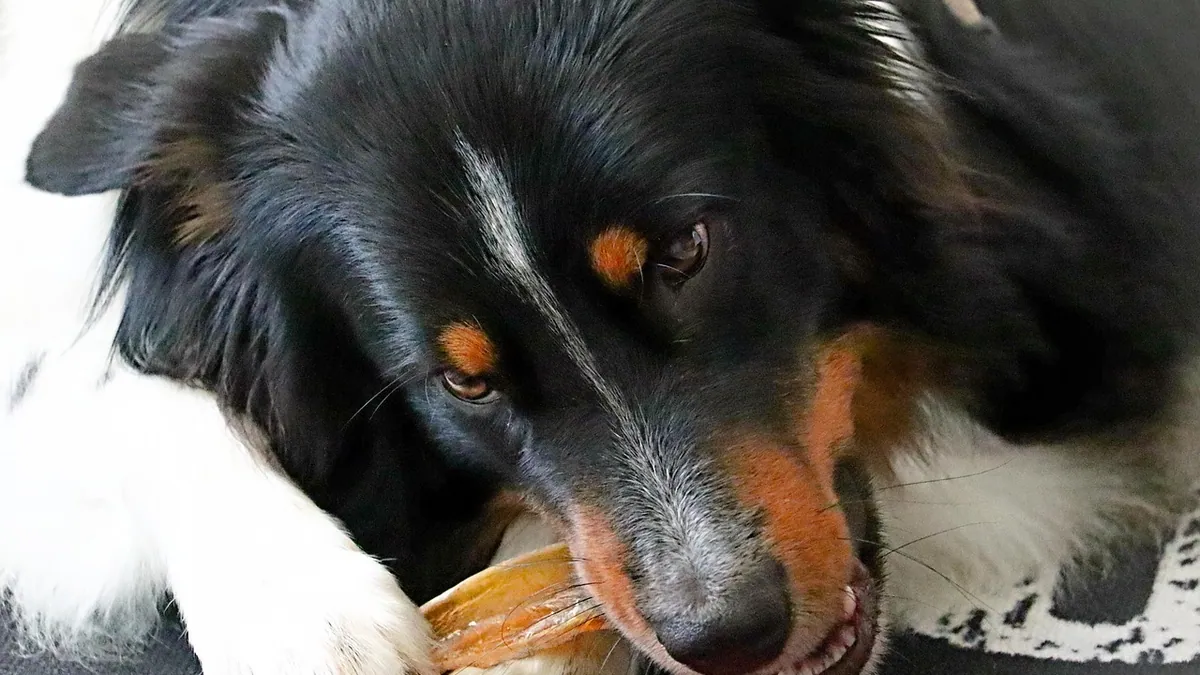
Can dogs eat pig ears? Yes, most healthy adult dogs can eat commercially dried pig ears, but only as an occasional treat. Raw pig ears are a different story and carry a real bacterial risk for both your dog and your household. This article is educational and is not a substitute for veterinary diagnosis or treatment.
Quick Answer
- Dried, commercially packaged pig ears are generally safe for healthy adult dogs as an occasional chew, not a daily food.
- Raw pig ears should be avoided because of Salmonella contamination risk to dogs and people [1][2].
- Puppies should not get pig ears because their teeth and jaws are not ready for a hard chew, and their digestive tracts are more sensitive.
- Pig ears are high in fat and calories, so daily feeding can lead to weight gain and pancreatitis in prone dogs.
- Always supervise chewing, throw away small leftover pieces, and wash your hands after handling any pig ear product.
Are Pig Ears Safe for Dogs?
For most healthy adult dogs, a dried pig ear is a safe chew when you use it the right way. The key word is "dried." Commercial pig ears sold in pet stores are dehydrated or otherwise processed, which makes them firm and long lasting. That firm texture is what dogs enjoy, and it also helps scrape some plaque off the teeth as they gnaw.
Raw pig ears are not the same product and should not be treated as a casual snack. Raw pork products, including ears, can carry Salmonella and other bacteria that infect dogs and the people who handle the treats [1][2]. A Canadian outbreak of human Salmonella Infantis infections was traced directly to processed pig ear dog treats, and the bacterial strains from the treats matched the strains from sick people [1]. That is a strong signal that these chews can move bacteria from the pet bowl to your kitchen.
There is also a nutrition angle. Pig ears are mostly skin, cartilage, and fat. They are not a balanced food, and they do not replace a complete diet. Think of them as a chew toy you happen to be able to eat, not a meal.
Can Dogs Eat Pig Ears Raw?
No, raw pig ears are not a good choice. Raw pork can harbor Salmonella and other pathogens, and the risk is not limited to your dog. In a nationwide survey of dog treats made from pig ears and other animal parts, 41% of samples tested positive for Salmonella, and some isolates matched strains from the 1999 Canadian outbreak [2]. A separate study of dried meat treats found Salmonella in 16% of samples, with several serotypes known to cause human illness [3].
If you are already feeding raw pork in other forms, read our guide to Can Dogs Eat Raw Pork? Trichinella and Virus Risk before you add raw ears to the rotation.
Can Dogs Eat Pig Ears Cooked?
Cooked pig ears are not a standard treat, and home cooking does not fix the main problems. Boiling or baking an ear can soften it into a rubbery, chewy piece that is easier to swallow in a big chunk, which raises choking risk. Cooking also does not remove the fat, so the calorie load stays high.
If you cook a pig ear yourself, do not add salt, garlic, onion, xylitol, or heavy seasoning. Those additives are the real danger in table scraps. Garlic and onion damage red blood cells in dogs, and xylitol causes dangerous hypoglycemia. Plain cooked pork ear is not toxic by itself, but it is still a high-fat, low-nutrition item with no clear benefit over a commercial chew.
What Is Actually in a Pig Ear?
A pig ear is mostly collagen, connective tissue, and fat with a small amount of protein. It is not a significant source of vitamins or minerals. The main "benefit" owners report is chewing satisfaction and some mechanical cleaning of the teeth.
One study looked at expanded pork skin chews, a different but related product, and found that they were digested slowly. In vitro gastric digestibility reached about 55% after 6 hours and about 86% after 24 hours [4]. That slow breakdown is part of why these chews last so long, and it is also why a large swallowed piece can sit in the stomach and cause trouble.
There is no strong evidence that pig ears provide any health benefit beyond chewing. If your goal is dental health, a veterinary dental chew with a proven texture and a calorie count on the label is a better bet.
Risks of Feeding Pig Ears
Salmonella and Other Bacteria
This is the biggest hidden risk. Dried pig ear treats have repeatedly tested positive for Salmonella, including serotypes linked to human illness [3][2]. A 2023 study of dried meat treats found that 16% of samples were Salmonella positive, and 39% of the isolates were resistant to at least one antimicrobial [3]. That means the bacteria are not always easy to treat if a person or pet gets sick.
Symptoms in dogs include vomiting, diarrhea, lethargy, and fever. In people, the same bacteria can cause severe gastrointestinal illness. Young children, older adults, and immunocompromised people are at highest risk. Wash your hands after touching the treat, and do not let your dog lick your face right after chewing.
Choking and Blockage
Pig ears are tough, and dogs tend to swallow the last chunk whole. That final piece is the most dangerous part. It can lodge in the throat or travel to the stomach and cause an obstruction. Signs of choking include pawing at the mouth, gagging, and difficulty breathing. Signs of a blockage include repeated vomiting, drooling, and a painful or bloated abdomen. Both are emergencies.
Digestive Upset and Pancreatitis
The high fat content can trigger vomiting and diarrhea in sensitive dogs. In dogs prone to pancreatitis, a fatty treat can set off a painful inflammatory episode that requires veterinary care. If your dog has a history of pancreatitis, skip pig ears entirely.
Additives and Seasonings
Plain commercial pig ears are usually just the ear. Flavored or smoked versions may contain salt, preservatives, or sweeteners. Check the label for xylitol, garlic, onion, and added salt. These are the ingredients that turn a chew into a poisoning case.
Calories
Pig ears are calorie dense. A single large ear can be a meaningful chunk of a small dog's daily calorie needs. Feeding one every day is a fast track to weight gain. If you are unsure how many calories your dog needs, your veterinarian can calculate it from your dog's weight and body condition.
Pig Ear Forms at a Glance
| Form | Safe? | Notes |
|---|---|---|
| Commercial dried pig ear | Yes, in moderation | Supervise chewing, discard small pieces, wash hands [3][2] |
| Raw pig ear | No | Salmonella risk to dogs and people [1][2] |
| Home-cooked plain pig ear | Not recommended | Softens into a choking hazard, high fat, no benefit |
| Smoked or flavored pig ear | Check label | Avoid xylitol, garlic, onion, and added salt |
| Pig ear strip or chip | Yes, in moderation | Smaller pieces, still supervise |
| Pig ear from a butcher, unprocessed | No | Treat as raw meat, not a chew |
How Often Can Dogs Eat Pig Ears?
Occasional means occasional. For a healthy adult dog, one pig ear once or twice a week is a reasonable upper limit for most owners, and many dogs do better with less. The exact amount depends on your dog's size, weight, and overall diet. A 10-pound dog and a 70-pound dog should not get the same size ear.
Can dogs eat pig ears everyday? No, daily feeding is not recommended. The fat and calorie load adds up, and the bacterial exposure repeats with every chew. If your dog loves to chew, rotate among safer options and keep pig ears as a weekly treat.
Can Puppies Eat Pig Ears?
No, puppies should not eat pig ears. Puppies have softer, smaller teeth and weaker jaw muscles, so they are more likely to break off and swallow large pieces. Their digestive systems are also more vulnerable to bacterial infections and fatty foods. Wait until your dog is fully grown and has a stable, healthy digestive tract before offering any hard chew.
If your puppy is chewing on everything in sight, offer puppy-safe rubber toys and veterinary-approved puppy chews instead. For itchy or irritated ears in any age dog, see Dog Scratching Ears Raw.
How to Offer a Pig Ear Safely
- Choose a plain, commercially dried ear with a short ingredient list.
- Match the size to your dog. Cut large ears into smaller pieces for small dogs.
- Supervise the entire chew session. Do not leave your dog alone with a pig ear.
- Take the ear away when it gets small enough to swallow whole, usually the last inch or two.
- Wash your hands and your dog's bowl after handling.
- Do not let your dog lick your face or hands right after chewing.
- Store the bag sealed and away from human food.
What to Do If Your Dog Ate Too Much or the Wrong Kind
If your dog ate a raw pig ear, watch for vomiting, diarrhea, and lethargy over the next 24 to 72 hours. Call your veterinarian if symptoms appear. If a person in the household handled the raw ear and develops gastrointestinal symptoms, contact a human healthcare provider.
If your dog swallowed a large piece and is gagging, pawing at the mouth, or having trouble breathing, that is an emergency. Go to the nearest veterinary emergency hospital now. If your dog is vomiting repeatedly, drooling, or has a painful belly, call your veterinarian the same day.
If your dog ate a flavored ear containing xylitol, garlic, or onion, call your veterinarian or a pet poison control hotline immediately. Do not wait for symptoms. The dose matters, and your veterinarian will calculate it based on your dog's weight and the amount eaten.
Safer Alternatives to Pig Ears
- Veterinary dental chews with a calorie count and a size matched to your dog.
- Carrots, which are low calorie and crunchy.
- Apples without seeds and core.
- Blueberries and other dog-safe berries, in small amounts. See Can Dogs Eat Berries Raw.
- Rubber puzzle toys stuffed with a small amount of dog food.
- Dehydrated sweet potato chews, supervised.
Avoid cooked bones entirely. They splinter and cause serious internal injuries. Read Can Dogs Eat Cooked Bones? for the full explanation.
Limitations and When to Contact a Veterinarian
This article covers general guidance. Your dog's age, weight, health history, and diet change what is safe. Individual cases need a veterinarian who can examine your dog and review the full picture.
Call your veterinarian the same day if your dog has vomiting, diarrhea, lethargy, or a painful abdomen after eating a pig ear. Go to an emergency clinic now if your dog is choking, struggling to breathe, has a distended belly, or is retching without producing anything.
Schedule a routine visit if your dog has had repeated digestive upset after chews, if you are unsure how to fit treats into a weight loss plan, or if your dog has a history of pancreatitis. Your veterinarian can set a safe treat budget for your dog.
Frequently Asked Questions
Are pig ears bad for dogs?
They are not toxic, but they are not a health food either. The main concerns are bacterial contamination, choking, and high fat content. Used as an occasional supervised chew, they are fine for most healthy adult dogs.
Do pig ears clean a dog's teeth?
They provide some mechanical scraping as your dog chews, but there is no strong evidence that they prevent dental disease better than a veterinary dental chew. If dental health is your goal, ask your veterinarian which product fits your dog.
Can pig ears cause pancreatitis in dogs?
A high-fat treat can trigger pancreatitis in dogs that are prone to it. If your dog has had pancreatitis before, or is overweight, skip pig ears and choose a low-fat chew instead.
What happens if my dog eats a whole pig ear at once?
A large swallowed piece can cause choking or a blockage. Watch for gagging, vomiting, drooling, or a painful belly, and contact your veterinarian right away if any of those appear.
Are pig ears from a butcher safe for dogs?
Treat butcher pig ears as raw meat, not as a chew. They carry the same bacterial risk as other raw pork products and should not be given to dogs.
Related Articles
- Can Dogs Eat Raw Pork? Trichinella and Virus Risk
- Can Dogs Eat Cooked Bones?
- Dog Scratching Ears Raw
- Can Dogs Eat Berries Raw
- Can Dogs Eat Cayenne Pepper? Capsaicin GI Irritation Guide
- Can Dogs Eat Strawberry Tops Raw
- Can Dogs Eat Rawhide? Risks, Safety, and Alternatives
- Can Dogs Eat Tripe? Raw, Cooked, and Everyday Feeding
- Can Dogs Eat Canned Chicken? Sodium, Bones, and Daily Limits
References
- Characterization of Salmonella associated with pig ear dog treats in Canada. Journal of clinical microbiology, 2001.
- Antimicrobial susceptibility and genetic relatedness of Salmonella serovars isolated from animal-derived dog treats in the USA. The Journal of antimicrobial chemotherapy, 2003.
- Isolation of Salmonella species of public health concern from commonly fed dried meat dog treats. The Veterinary record, 2023.
- In vitro digestibility of expanded pork skin and rawhide chews, and digestion and metabolic characteristics of expanded pork skin chews in healthy adult dogs. Journal of animal science, 2012.