Can Cats Eat Pumpkin Pie or Pumpkin Bread? Safety
By Dr. Zubair Khalid, DVM, MS, PhD ·
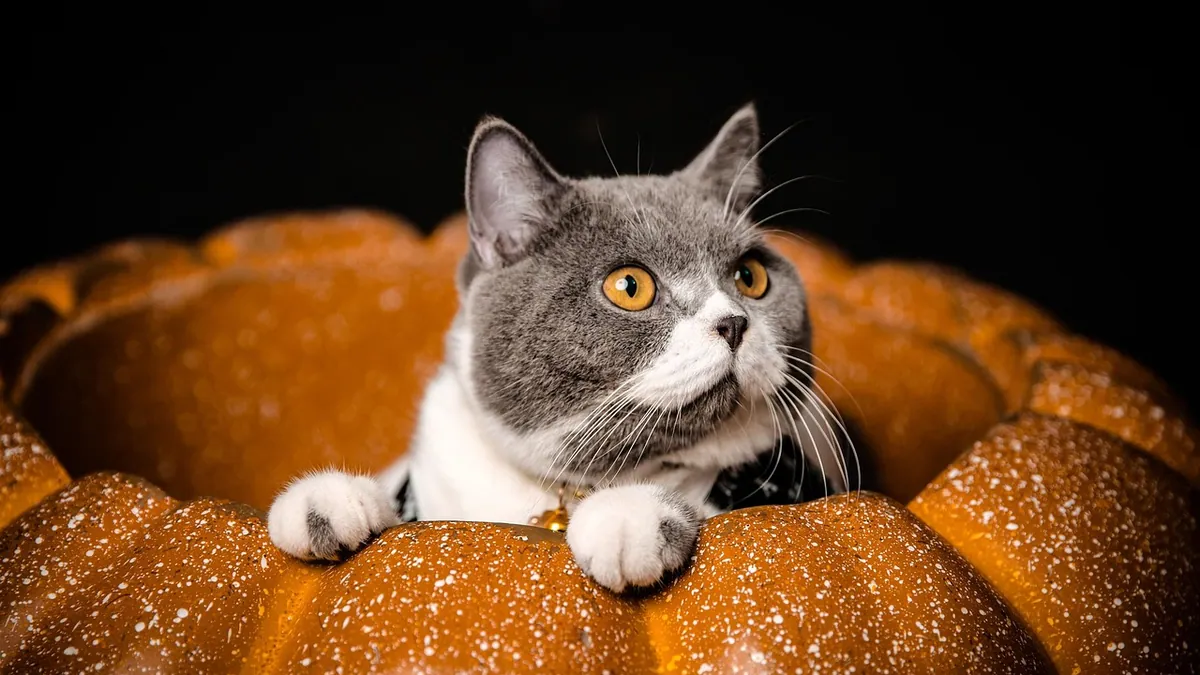
Can cats eat pumpkin pie? No. Pumpkin pie and pumpkin bread are not safe for cats because the added sugar, spices, dairy, and possible xylitol or raisins can cause digestive upset or serious poisoning. Plain, cooked pumpkin with no additives is a different food entirely and is often used as a gentle digestive aid.
This article is educational and is not a substitute for veterinary diagnosis or treatment.
Quick Answer
- Plain, cooked pumpkin or plain canned pumpkin (not pie filling) is generally safe for cats in small amounts.
- Pumpkin pie, pumpkin bread, and pumpkin pie filling are unsafe because of added sugar, spices, dairy, and possible xylitol or raisins.
- Xylitol is a well-known and dangerous poison for dogs, and sugar-free baked goods still do not belong in a cat's diet.
- A small taste of plain pumpkin is fine, but baked goods can trigger vomiting, diarrhea, or worse.
- If your cat ate a baked good containing raisins or xylitol, call your veterinarian or a pet poison hotline right away.
Is Pumpkin Safe for Cats?
Plain pumpkin is safe for most cats. The flesh of a cooked pumpkin, or plain canned pumpkin with no added ingredients, can be offered as a small treat or mixed into food. Pet Poison Helpline describes pumpkin as a safe and nutritious treat that is low in calories and rich in dietary fiber, and it notes that canned pumpkin is a convenient option as long as it is not pumpkin pie filling [1].
That distinction matters. The pumpkin itself is not the problem. The problem is everything that gets added when pumpkin becomes pie or bread.
Pumpkin is a fruit, and cats are obligate carnivores. They do not need plant foods to meet their nutritional needs. A spoonful of plain pumpkin is a treat or a fiber source, not a meal. Your cat's main diet should come from a complete and balanced cat food.
Can Cats Eat Pumpkin Pie?
No. Pumpkin pie is not a safe food for cats. A typical slice contains pumpkin puree, sugar, evaporated milk or cream, eggs, butter, and spices like cinnamon, nutmeg, ginger, and cloves. Some recipes also include raisins or sugar substitutes.
Each of those additions carries its own risk. Sugar and dairy can cause stomach upset and diarrhea in cats, many of which are lactose intolerant. Spices can irritate the mouth, stomach, and intestines. Raisins and grapes are linked to kidney injury in pets. Sugar-free pies may contain xylitol.
What About Pumpkin Pie Filling?
Canned pumpkin pie filling is not the same as canned pumpkin. Pie filling is pre-sweetened and pre-spiced, so it carries the same problems as a baked pie. When you shop, read the label. You want an ingredient list that says only pumpkin. If the can says "pumpkin pie mix" or lists sugar, syrup, or spices, keep it away from your cat.
What About Pumpkin Bread?
Can cats eat pumpkin bread? No. Pumpkin bread is a sweet quick bread made with sugar, oil or butter, eggs, and often spices, nuts, or chocolate chips. It has no nutritional role in a cat's diet and can cause vomiting or diarrhea. Some recipes use raisins, which are a serious concern. A cat that eats pumpkin bread should be monitored, and you should call your veterinarian if the bread contained raisins, chocolate, or xylitol.
Can Kittens Eat Pumpkin?
Kittens can eat a small amount of plain, cooked pumpkin, but they have different needs than adult cats. A kitten's growth depends on a complete and balanced kitten diet, and treats should make up only a tiny fraction of daily calories. Plain pumpkin is not a substitute for kitten food, and it should not be used to treat diarrhea in a kitten without veterinary guidance. Kittens dehydrate quickly, so any vomiting or diarrhea in a kitten is a reason to call your veterinarian the same day.
Does Pumpkin Have Real Benefits for Cats?
Plain pumpkin is best known as a fiber source. Fiber can help regulate bowel movements, which is why some veterinarians suggest a small amount for occasional constipation or mild diarrhea. Pet Poison Helpline notes that pumpkin's fiber content can help regulate bowel movements and support gut health [1].
Pumpkin also contains beta-carotene and other nutrients. One review of nutrition for aging cats lists beta-carotene among targeted supplements studied for potential benefits in older cats, though the evidence base for feline-specific nutrition in senior cats remains limited [2]. That does not mean pumpkin pie belongs in your cat's bowl. It means plain pumpkin, in small amounts, is a reasonable occasional add-in.
If your cat struggles with constipation or hairballs, plain pumpkin is one option among several. You can read more about how it is used in Can Cats Eat Pumpkin? Constipation & Hairball Relief.
Risks of Pumpkin Pie and Pumpkin Bread
Sugar, Dairy, and Spices
Sugar adds empty calories and can upset a cat's stomach. Dairy adds lactose, which many cats cannot digest well. Spices like nutmeg, cinnamon, and cloves can irritate the digestive tract. None of these ingredients serve a cat's nutritional needs.
Xylitol
Xylitol is a sugar alcohol used in sugar-free gum, candy, and some baked goods. It is a well-known and dangerous poison in dogs, causing low blood sugar and liver failure. A controlled study gave xylitol to healthy cats at doses of 100, 500, and 1,000 mg/kg body weight, doses considered toxic to dogs, and found no significant changes in blood glucose or in the blood and biochemical parameters measured [3].
That finding does not make xylitol a cat food. The study was small, and it does not tell us what happens with repeated exposure or with other ingredients in a baked good. Sugar-free products still do not belong in a cat's diet. If your cat ate a product containing xylitol, call your veterinarian or a pet poison hotline for guidance.
Raisins and Grapes
Raisins and grapes have been associated with kidney injury in pets. Some pumpkin bread and pumpkin muffin recipes include raisins. If your cat ate any baked good with raisins, treat it as an urgent situation and call your veterinarian or a pet poison hotline.
Chocolate and Nuts
Chocolate chips, walnuts, and pecans show up in pumpkin bread and pumpkin cookies. Chocolate contains theobromine and caffeine, which cats cannot handle well. Nuts add fat and can cause stomach upset. These are extra reasons to keep all pumpkin baked goods out of reach.
Fat and Calories
Baked goods are calorie dense. A cat that regularly eats table food can gain weight, and overweight cats face higher risks of diabetes and joint disease. Feeding instructions on cat food labels are already a concern because they may overestimate how much energy a cat needs [4]. Adding pie or bread on top of a normal diet makes that problem worse.
Choking and Blockage
Nuts, raisins, and hard pieces of crust can be a choking hazard. Large swallowed pieces can cause an intestinal blockage, which is a surgical emergency. Cats are small, so even a modest piece of bread or pie is a lot for them.
Form | Safe? | Notes
| Form | Safe? | Notes |
|---|---|---|
| Plain cooked pumpkin | Yes, small amounts | No sugar, spices, or additives |
| Plain canned pumpkin | Yes, small amounts | Label must list pumpkin only, not pie filling |
| Pumpkin pie filling | No | Pre-sweetened and pre-spiced |
| Pumpkin pie | No | Sugar, dairy, spices, possible raisins or xylitol |
| Pumpkin bread | No | Sugar, oil, eggs, possible raisins, nuts, or chocolate |
| Pumpkin seeds | Plain only, small pieces | Salted or flavored seeds are not appropriate |
| Pumpkin spice latte or coffee drinks | No | Caffeine, sugar, dairy |
| Pumpkin dog treats | No | Made for dogs, not cats |
How to Offer Pumpkin Safely
If you want to give your cat pumpkin, keep it plain and keep it small.
- Choose plain canned pumpkin or fresh pumpkin you cooked and mashed yourself.
- Do not add sugar, honey, syrup, salt, butter, cream, or spices.
- Start with a very small amount, about a teaspoon or less, mixed into regular food.
- Watch for vomiting, diarrhea, or loss of appetite in the next 24 hours.
- Do not replace any part of your cat's balanced diet with pumpkin.
Your veterinarian can tell you how much pumpkin is appropriate for your cat based on weight and health. If your cat has a medical condition like diabetes, kidney disease, or inflammatory bowel disease, ask before adding anything new to the bowl.
What to Do If Your Cat Ate Pumpkin Pie or Bread
If your cat ate a small piece of plain pumpkin pie or bread with no raisins, chocolate, or xylitol, watch for vomiting, diarrhea, and appetite changes over the next day. Call your veterinarian if symptoms appear or if you are unsure about the ingredients.
If the baked good contained raisins, chocolate, xylitol, or a large amount of fat, call your veterinarian or a pet poison hotline right away. Do not wait for symptoms. Bring the packaging or a photo of the ingredient list with you.
If your cat is vomiting repeatedly, drooling, wobbling, collapsing, or breathing hard, go to an emergency veterinary hospital now.
Safer Alternatives for Your Cat
Plain pumpkin is the safest way to share a fall flavor with your cat. Other plain, unseasoned foods can work as occasional treats too. A small piece of plain cooked egg is one option, covered in Can Cats Eat Eggs. Plain, unseasoned cooked turkey is another, discussed in Can Cats Eat Turkey? Seasoning Hazards & Fat Content.
Dairy-based treats are a common mistake. Many cats do not digest cheese or cream cheese well, and the fat and additives add risk. You can read more in Can Cats Eat Cheese and Can Cats Eat Cream Cheese? Dairy Fat and Additive Risks.
The simplest rule for the holidays is this: your cat gets cat food, and plain pumpkin is the only pumpkin that goes in the bowl.
Limitations and When to Contact a Veterinarian
Every cat is different. Weight, age, health conditions, and medications all change what is safe for your cat, so individual cases need a veterinarian who knows your pet.
Call your veterinarian the same day if your cat ate pumpkin pie, pumpkin bread, or pie filling and then vomited, had diarrhea, or refused food. Call right away if the food contained raisins, chocolate, or xylitol, even if your cat seems fine. Go to an emergency hospital now if you see repeated vomiting, drooling, tremors, weakness, collapse, or trouble breathing.
For routine questions about diet, fiber, or weight, book a regular visit. Bring the food label or a photo of it, and ask how much plain pumpkin, if any, is right for your cat.
Frequently Asked Questions
Can cats eat pumpkin pie?
No. Pumpkin pie contains sugar, dairy, spices, and sometimes raisins or xylitol, all of which can harm a cat. Plain cooked pumpkin is the safe form.
Can cats eat pumpkin bread?
No. Pumpkin bread is a sweet baked good with sugar, oil, eggs, and often raisins, nuts, or chocolate. It offers no benefit and can cause digestive upset or poisoning.
Can cats eat pumpkin pie filling?
No. Canned pumpkin pie filling is pre-sweetened and pre-spiced. Only plain canned pumpkin with a single ingredient belongs near your cat's bowl.
Can kittens eat pumpkin?
A very small amount of plain cooked pumpkin is generally fine for a kitten, but it should not replace kitten food. Any vomiting or diarrhea in a kitten needs a same-day call to your veterinarian.
Is pumpkin good for cats?
Plain pumpkin is a gentle fiber source that can help with occasional constipation or mild diarrhea. It is a treat or supplement, not a meal, and your veterinarian should guide how much to use.
Related Articles
- Can Cats Eat Pumpkin? Constipation & Hairball Relief
- Can Cats Eat Cheese
- Can Cats Eat Cream Cheese? Dairy Fat and Additive Risks
- Can Cats Eat Eggs
- Can Cats Eat Turkey? Seasoning Hazards & Fat Content
- Can Cats Eat Dog Food
- Can Cats Eat Bread? Safety, Carbs, and Dough Risks
- Can Cats Eat Cake? Frosting, Batter, and Chocolate Risks
- Can Cats Eat Pumpkin Seeds? Raw, Salted, and Worms
References
- Pumpkins a Safe and Nutritious Treat. Pet Poison Helpline.
- EXPRESS: What Goes in the Bowl? Evidence-Based Nutrition for Ageing Domestic Cats. Journal of feline medicine and surgery, 2026.
- Effects of p.o. administered xylitol in cats. Journal of veterinary pharmacology and therapeutics, 2018.
- An investigation of feeding instructions on cat food labels in Belgium and comparison with European industry energy intake recommendations. The Veterinary record, 2026.