Can Cats Eat Fish Sticks? Breaded and Processed Fish
By Dr. Zubair Khalid, DVM, MS, PhD ·
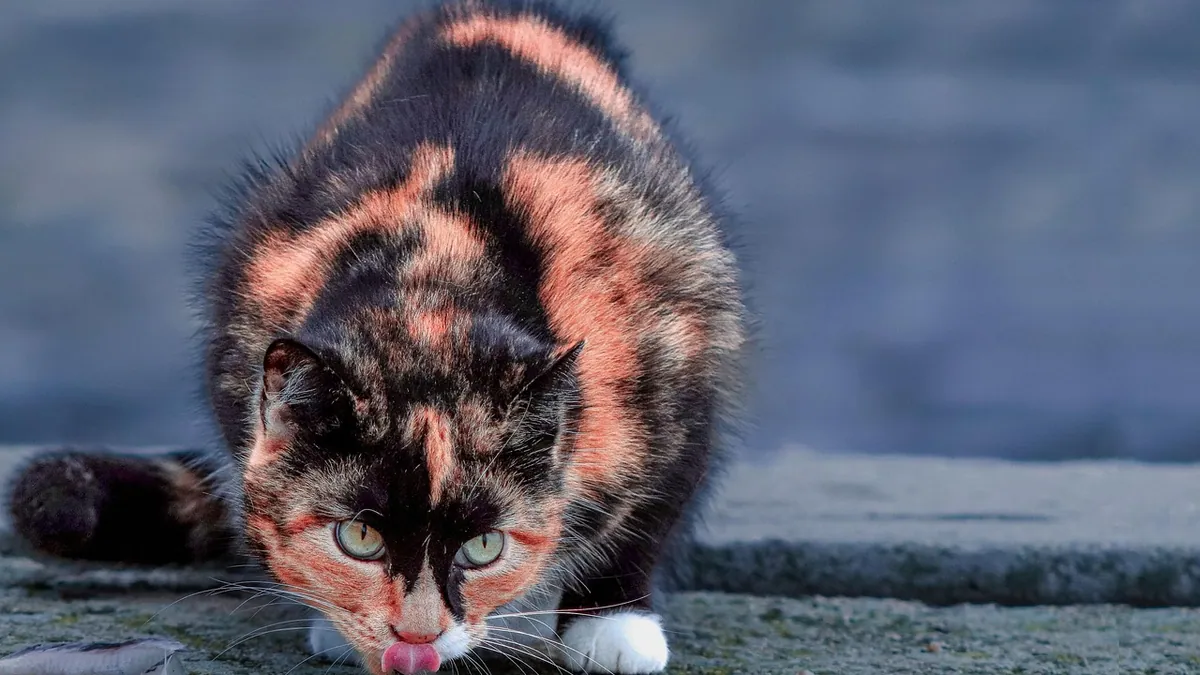
Can cats eat fish sticks? No. Fish sticks are breaded, salted, and usually fried, which makes them a poor and potentially harmful choice for cats. Plain cooked fish in small amounts is a far better option if you want to share a fish treat.
This article is educational and is not a substitute for veterinary diagnosis or treatment.
Quick Answer
- Do not feed your cat fish sticks, fish cakes, or any breaded, seasoned, or fried fish product.
- The breading adds carbohydrates and fat your cat does not need, and the salt content can be harmful.
- Fried foods can trigger vomiting, diarrhea, and pancreatitis in cats.
- If your cat licked or ate a small piece of a plain fish stick, watch for stomach upset and call your vet if symptoms appear.
- Offer plain, unseasoned, fully cooked fish instead, in small amounts and only as an occasional treat.
Are Fish Sticks Safe for Cats?
No, fish sticks are not safe for cats in any meaningful amount. The fish itself is not the problem. The problem is everything around it: the breading, the salt, the oil, and the seasonings.
A fish stick is a processed food made for people. It typically contains minced white fish, wheat flour or breadcrumbs, salt, oil, and sometimes garlic powder, onion powder, or other flavorings. Some brands add sugar, cornstarch, or preservatives. None of that belongs in a cat's bowl.
Cats are obligate carnivores. They evolved to eat animal tissue, and their bodies handle protein and fat well but process carbohydrates less efficiently. A breaded, fried product delivers a mix of refined carbs, added salt, and heated oils that can upset a cat's digestive system.
There is also a practical choking and texture concern. Breaded coatings can flake off and be inhaled or swallowed in pieces that a cat does not chew well. Cats often gulp small food items, and a chunk of breading or a sharp fried edge can irritate the mouth or throat.
If your cat stole a single small piece of a plain fish stick with no seasoning, the risk is usually low. If the fish stick was seasoned, fried, or eaten in larger amounts, treat it as a possible problem and monitor your cat closely.
What Is Actually in a Fish Stick?
Understanding the ingredients helps explain why this food does not fit a cat.
| Form | Safe for cats? | Notes |
|---|---|---|
| Raw fish | No | Risk of parasites and bacteria, plus thiaminase in some species |
| Plain cooked fish, no seasoning | Yes, in small amounts | Best option as an occasional treat |
| Breaded fish stick, baked | No | Breading adds carbs, salt, and possible onion or garlic |
| Breaded fish stick, fried | No | Added oil and fat raise the risk of stomach upset and pancreatitis |
| Fish stick with seasoning or sauce | No | Garlic, onion, salt, and spices can be harmful |
| Fish flakes or fish pellets (cat treats) | Sometimes | Check the label, many are formulated for cats but read ingredients |
| Cheese sticks | No | Most cats are lactose intolerant and cheese is high in fat and salt |
| Beef sticks | No | Processed, salted, and often seasoned with garlic or onion |
The table above also answers a few related questions owners often ask. Can cats eat fish flakes? Some commercial fish flakes are made as cat treats and can be fine in small amounts, but read the label for additives. Can cats eat fish pellets? Pellets made for cats can be acceptable, but pellets made for fish or other animals are not. Can cats eat cheese sticks? No, dairy and processed cheese are not a good fit. Can cats eat beef sticks? No, they are salted and seasoned like fish sticks.
Nutritional Content and Any Real Benefit
Fish itself does offer real nutrition. It provides high-quality protein, omega-3 fatty acids, and some vitamins and minerals. Those nutrients support skin, coat, heart, and joint health in cats.
But a fish stick is not a good delivery system for those nutrients. By the time fish is minced, breaded, fried, and salted, the nutritional profile changes. You get more carbohydrates, more sodium, and more oxidized fats than plain fish.
The amount of actual fish in a fish stick varies by brand. Some products contain a high proportion of fish, others contain fillers and binders. Even in the best case, the breading and oil dilute the benefit.
There is no nutritional reason to feed a cat a fish stick. If you want to give your cat the benefits of fish, choose plain cooked fish or a commercial cat food that lists fish as a primary ingredient.
Risks of Feeding Fish Sticks to Cats
Digestive Upset
The most common problem is stomach upset. Fried and breaded foods are heavy and greasy. Cats that eat them may vomit, have diarrhea, or refuse food for a day. A cat's pancreas can also become inflamed after a fatty meal, a condition called pancreatitis, which causes pain, vomiting, and lethargy and needs veterinary care.
Diet changes can shift the gut microbiome too. A study of healthy cats on different prescription diets found that macronutrient content and fiber shape the bacterial community in the gut [1]. Sudden rich or unusual foods can disrupt that balance.
Salt and Sodium
Salt is added to almost every processed fish product. Cats have a low tolerance for excess sodium. A large amount of salt can cause thirst, vomiting, tremors, and in severe cases neurological signs. Small amounts are unlikely to cause acute poisoning, but repeated salty treats add up and are not good for kidney or heart health.
Garlic, Onion, and Other Seasonings
Many fish stick recipes include garlic powder, onion powder, or both. These ingredients damage red blood cells in cats and can cause anemia. The effect can be delayed, so a cat may seem fine for a day or two before showing weakness or pale gums.
Xylitol and Sugar-Free Products
Xylitol is a well-known dog poison that causes dangerous low blood sugar and liver failure in dogs. A controlled study in cats did not find the same effects, so xylitol is not considered highly toxic to cats the way it is to dogs. Even so, sugar-free or low-sugar processed products do not belong in a cat's diet, and any product containing xylitol should be kept away from your cat.
Additives and Contaminants
Processed foods can carry additives and residues. A study of commercial chicken-based cat kibbles detected antibiotic residues, PFAS, toxic metals, bisphenol A, and microplastics in some samples [2]. That study looked at cat food, not fish sticks, but it shows that processed products can carry contaminants. The less processed food your cat eats, the lower the exposure.
Choking and Bones
Some fish products contain small bones. Cooked fish bones can splinter and injure the mouth, throat, or digestive tract. Breaded coatings can also break off in pieces that a cat swallows without chewing.
How to Offer Fish Safely
If you want to share fish with your cat, follow these rules.
Choose plain fish. Cod, salmon, tuna, and sardines can all work, but they must be plain. No breading, no batter, no seasoning, no sauce, no lemon, no garlic, no onion.
Cook it fully. Raw fish carries parasites and bacteria. Some fish also contain thiaminase, an enzyme that breaks down thiamin (vitamin B1) and can cause deficiency if fed raw in large amounts. Cooking destroys thiaminase and kills pathogens.
Skip the oil and butter. Bake, poach, or steam the fish with no added fat. If you use oil, use none at all.
Remove all bones. Flake the fish and check carefully with your fingers.
Keep portions small. Fish should be a treat, not a meal. A piece about the size of a thumbnail is plenty for most cats. Treats should make up a small fraction of daily calories.
Watch for reactions. Some cats are allergic or sensitive to fish. Stop if you see vomiting, diarrhea, itching, or swelling.
Avoid fish packed in oil, brine, or sauce. If you use canned fish, choose plain fish in water with no added salt. Even then, rinse it and offer only a small amount. For more on this topic, see Can Cats Eat Tuna Fish and Can Cats Eat Tuna Fish In Vegetable Oil.
Parts and Preparations to Avoid
- Breaded or battered fish of any kind
- Fried fish, including fish sticks, fish cakes, and fish nuggets
- Fish with garlic, onion, or seasoned salt
- Smoked fish, which is high in salt
- Fish in sauce, oil, or brine
- Raw fish
- Any fish product containing xylitol or artificial sweeteners
What to Do If Your Cat Ate a Fish Stick
Stay calm and assess the situation.
If your cat ate a small piece of a plain, unseasoned fish stick, offer fresh water and watch for vomiting, diarrhea, or lethargy over the next 24 hours. Most cats will be fine.
If the fish stick was seasoned with garlic or onion, call your veterinarian or a pet poison helpline right away. Garlic and onion toxicity can develop over one to several days, so early advice matters.
If your cat ate a large amount, or if the product was fried and greasy, watch for signs of pancreatitis: repeated vomiting, belly pain, hunched posture, and refusal to eat. These signs need same-day veterinary care.
If your cat is choking, having trouble breathing, or collapsing, go to an emergency clinic immediately.
Do not induce vomiting unless a veterinarian tells you to. Do not give human medications, including pain relievers, without veterinary guidance.
Safer Alternatives to Fish Sticks
Plain cooked fish is the best fish-based treat. You can also use these options.
- Commercial cat treats made specifically for cats, given in small amounts
- Small pieces of plain cooked chicken or turkey with no seasoning
- Freeze-dried single-ingredient treats made for cats
- A few flakes of plain canned fish in water, rinsed
- A spoonful of plain cooked fish mixed into regular cat food
If you want to feed fish regularly, choose a complete and balanced commercial cat food that includes fish. Those diets are formulated to meet nutritional needs. Feeding instructions on cat food labels vary, and a study of labels in Belgium found that most recommended intakes fell within average energy guidelines, though some products differed [3]. Your veterinarian can help you pick the right amount for your cat's weight and activity level.
For more fish-related guidance, see Can Cats Eat Just Tuna Fish and Can Cats Eat Tuna And Salmon.
Limitations and When to Contact a Veterinarian
This article gives general guidance. Every cat is different, and individual cases need a veterinarian who can examine your cat and review its history.
Contact your veterinarian the same day if your cat ate a fish stick with garlic, onion, or a large amount of salt, or if you are unsure what was in the product.
Go to an emergency clinic now if your cat has trouble breathing, is choking, is collapsing, has seizures, or has repeated vomiting with severe lethargy.
Schedule a routine visit if your cat has mild vomiting or diarrhea that lasts more than a day, has a poor appetite, or seems uncomfortable.
Bring the fish stick packaging with you if you can. The ingredient list helps your veterinarian assess what your cat was exposed to.
Frequently Asked Questions
Can cats eat fish sticks if I remove the breading?
No, removing the breading does not make a fish stick safe. The fish inside has already been salted, processed, and often fried, so the seasoning and oil remain in the meat. Plain cooked fish is the better choice.
Can cats eat fish flakes or fish pellets?
Some fish flakes and pellets are made as cat treats and can be fine in small amounts, but you should read the label first. Products made for aquarium fish or other animals are not formulated for cats and should not be fed.
Can cats eat cheese sticks or beef sticks?
No, cheese sticks and beef sticks are processed, salty, and often seasoned with garlic or onion. Most cats are also lactose intolerant, so cheese can cause digestive upset. Stick with plain cooked meat or cat-specific treats.
What happens if my cat eats a whole fish stick?
A single plain fish stick may cause mild stomach upset, but a seasoned or fried one can lead to vomiting, diarrhea, or pancreatitis. Call your veterinarian for advice, especially if the product contained garlic, onion, or a lot of salt.
Is fish good for cats at all?
Yes, plain cooked fish can be a healthy occasional treat. It provides protein and omega-3 fatty acids. The key is preparation: no breading, no seasoning, no oil, no bones, and only small portions.
Related Articles
- Can Cats Eat Tuna Fish
- Can Cats Eat Just Tuna Fish
- Can Cats Eat Tuna Fish In Vegetable Oil
- Can Cats Eat Tuna And Salmon
- Can Cats Eat Tuna And Vegetable Oil
- Can Cats Eat Tuna Fish With Mayonnaise
- Can Cats Eat Shrimp? Cooked, Breaded, and Seasoned
- Can Cats Eat Beer Battered Fish? Alcohol and Oil Risks
- Cat Allergic to Fish or Salmon: Signs and What to Feed
References
- Comparison of the effects of four commercially available prescription diet regimens on the fecal microbiome in healthy cats. The Journal of veterinary medical science, 2026.
- Multiple contaminant detection in commercially available chicken-based cat kibbles in Italy. Frontiers in veterinary science, 2026.
- An investigation of feeding instructions on cat food labels in Belgium and comparison with European industry energy intake recommendations. The Veterinary record, 2026.