Can Cats Eat Chickpea Flour, Pasta, or Water?
By Dr. Zubair Khalid, DVM, MS, PhD ·
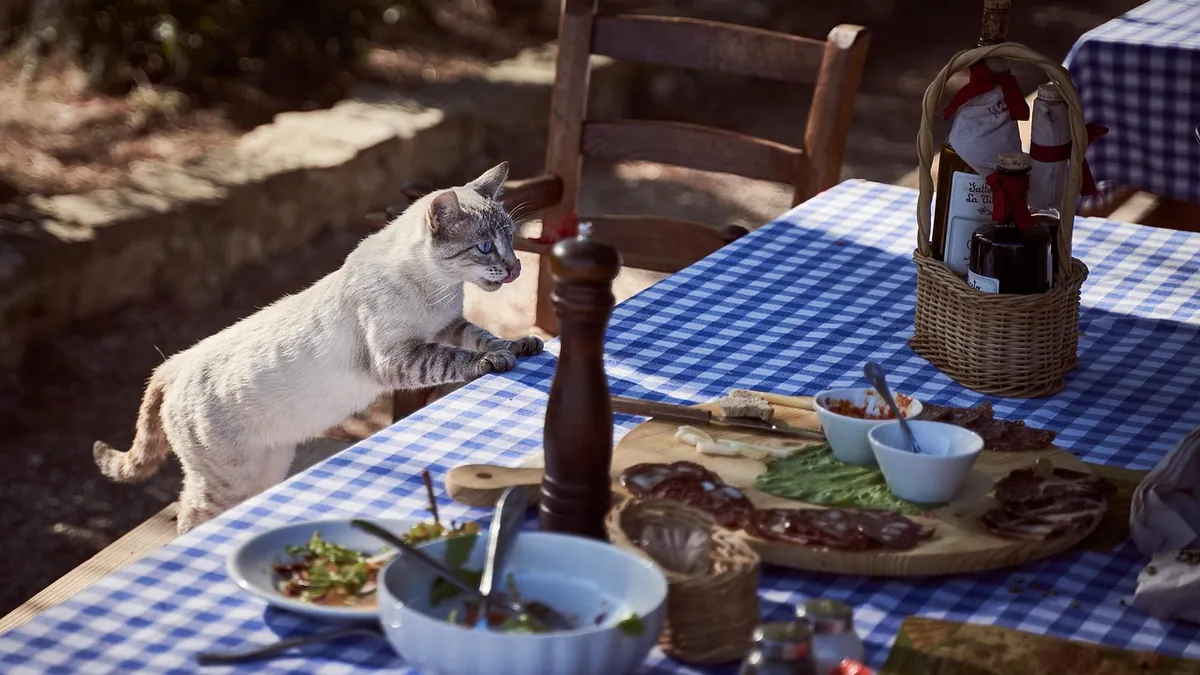
Can cats eat chickpea flour? Yes, chickpea flour is not toxic to cats, but it is a plant-based ingredient that cats do not need and may not digest well. The same goes for chickpea pasta, chickpea water, and chickpea juice, which are safe in tiny amounts but can cause gas, loose stool, or an upset stomach. This article is educational and is not a substitute for veterinary diagnosis or treatment.
Quick Answer
- Chickpea flour, pasta, water, and juice are not toxic to cats, but they are not part of a natural feline diet.
- Cats are obligate carnivores, so they need animal-based protein, not plant protein from chickpeas.
- Small tastes are usually harmless, but larger amounts can cause gas, bloating, vomiting, or diarrhea.
- Never feed chickpea products that contain xylitol, garlic, onion, salt, or heavy seasoning.
- If your cat ate a large amount or a seasoned product, call your veterinarian or a pet poison hotline right away.
Is Chickpea Flour Safe for Cats?
Chickpea flour is safe in the sense that it is not poisonous to cats. It is made from ground chickpeas, also called garbanzo beans, and it does not contain a toxin that harms cats. That said, safe does not mean healthy or necessary. Chickpea flour is a plant food with carbohydrates and some plant protein, and a cat's body is built to run on animal tissue.
Cats are obligate carnivores. They have a higher protein requirement than dogs and need nutrients that come from animal sources, such as taurine, arachidonic acid, and certain B vitamins. Chickpea flour cannot replace meat in your cat's diet, and it should never be used as a protein swap in homemade food. If you make your cat's food at home, work with a veterinarian or a board-certified veterinary nutritionist so the recipe meets your cat's needs.
There is also a safety question that goes beyond toxicity. In 2018, the FDA raised concerns about a possible link between dilated cardiomyopathy (DCM) in pets and diets high in pulses, which include peas, lentils, chickpeas, and beans [1]. Later work looked at heart tissue from cats with DCM and compared those eating high-pulse diets with those eating low-pulse diets. Cats eating high-pulse diets had more unknown vacuoles and fewer healthy Stage B mitochondria in their heart muscle cells [1]. This does not prove that chickpeas cause heart disease, and the research is still developing. It does mean that pulse-heavy diets are worth a careful conversation with your veterinarian, especially if your cat has a heart condition.
Can Cats Eat Chickpea Pasta, Noodles, or Chickpea Water?
Chickpea pasta and chickpea noodles
Chickpea pasta and chickpea noodles are usually made from chickpea flour, sometimes mixed with other flours. A single plain noodle or a tiny piece of cooked pasta is unlikely to hurt a healthy cat. The problems come from quantity and from what else is in the dish.
Pasta is a carbohydrate food. Cats do not have a dietary need for it, and a bowl of pasta can fill your cat up while providing little of what it actually needs. Chickpea pasta also brings the same pulse concern described above, since it is made from a pulse crop [1]. If your cat has heart disease or your veterinarian has put your cat on a specific diet, skip chickpea pasta entirely unless your vet says otherwise.
Chickpea water (aquafaba)
Chickpea water, often called aquafaba, is the liquid left over after cooking chickpeas or from a can of chickpeas. It is not toxic, but canned chickpea water is often high in salt. Too much salt is a real problem for cats, especially cats with heart or kidney disease. Aquafaba is also a concentrated source of the same pulse ingredients that have raised questions in heart research [1]. There is no nutritional reason to give it to a cat.
Chickpea juice
Chickpea juice means the same thing as chickpea water in most kitchens. It may also refer to a blended chickpea drink. Either way, the answer is the same. A lap or two is not poison, but it offers no benefit and can cause stomach upset. If the juice is a commercial drink, check the label for added sugar, salt, or sweeteners. Xylitol is a sweetener that is dangerous to pets, and it should never be in anything your cat eats.
Nutrition: What Chickpeas Do and Do Not Offer
Chickpeas contain plant protein, fiber, and some vitamins and minerals. Fiber can affect the gut microbiome, and research in cats shows that diet changes the bacteria living in the colon. In one study, cats fed different prescription diets had different fecal bacterial communities, and a high-soluble-fiber diet was linked to a higher relative proportion of Streptococcaceae [2]. That tells us fiber sources matter to gut health, but it does not mean chickpeas are a good fiber choice for your cat.
Plant proteins can be used in cat food when they are properly processed and balanced. A study of fermented plant protein in young cats found that replacing soybean meal with up to 15% fermented plant protein did not harm processing, stool quality, or nutrient digestibility, and diets with 5% to 10% fermented plant protein tended to reduce hind-gut fermentation [3]. This is about a specific processed ingredient in a complete diet, not about spooning chickpea flour into your cat's bowl. The lesson is that plant ingredients belong in a formulated diet under professional guidance, not as table food.
Chickpea flour has no known benefit for cats that you cannot get from a complete and balanced cat food. If you are looking for a treat with actual nutritional value for a cat, animal-based options are a better fit. You can read more about safe animal proteins in Can Cats Eat Eggs.
Risks of Feeding Chickpea Products to Cats
Gas and digestive upset. Chickpeas contain fermentable carbohydrates that cats digest poorly. Small amounts may be fine, but larger amounts commonly cause gas, bloating, soft stool, or diarrhea.
Choking and blockage. Dry chickpeas, large pieces of pasta, and hard noodles can be choking hazards. They can also cause a blockage if swallowed whole, which is a surgical emergency.
Additives and seasonings. This is where most real danger lives. Pasta dishes and chickpea snacks often contain garlic, onion, salt, xylitol, or rich sauces. Garlic and onion damage red blood cells in cats. Xylitol is toxic to pets. High salt can cause serious problems, especially in cats with heart or kidney disease.
Heart diet concerns. Diets high in pulses have been linked to DCM in pets, and cats with DCM eating high-pulse diets showed differences in heart muscle cell structures compared with cats eating low-pulse diets [1]. If your cat already has heart disease, avoid pulse-heavy foods.
Unbalanced homemade diets. If chickpea flour replaces meat in a homemade recipe, your cat can develop serious nutrient deficiencies over time. Cats need animal-based protein and specific nutrients that plants do not supply in the right form.
How to Offer Chickpea Products Safely
The safest approach is not to offer them at all. Your cat does not need chickpea flour, chickpea pasta, chickpea water, or chickpea juice, and there is no health benefit that justifies the risk of stomach upset.
If you still want to let your cat taste a tiny bit, follow these rules.
- Plain only. No salt, no oil, no garlic, no onion, no sauce, no sweetener.
- Cooked and soft. A single small piece of plain cooked chickpea pasta is less risky than a hard dry noodle.
- Tiny amount. One small taste, not a spoonful or a bowl.
- Watch for reactions. Stop and call your vet if you see vomiting, diarrhea, gas, drooling, or lethargy.
- Never use it as a meal. Chickpeas are not a meat substitute.
| Form | Safe? | Notes |
|---|---|---|
| Plain chickpea flour | Not toxic, not recommended | Plant-based, no benefit, can cause gas |
| Plain cooked chickpea pasta | Not toxic, not recommended | Tiny piece only, watch for stomach upset |
| Chickpea water (aquafaba) | Not toxic, not recommended | Often high in salt, pulse ingredient |
| Chickpea juice or drink | Not toxic, not recommended | Check for xylitol, sugar, salt |
| Seasoned pasta or chickpea snacks | Unsafe | Garlic, onion, salt, xylitol risk |
| Dry chickpeas or hard noodles | Unsafe | Choking and blockage risk |
What to Do If Your Cat Ate Too Much
If your cat ate a large amount of plain chickpea flour, pasta, or water, most cases involve stomach upset instead of poisoning. Watch for vomiting, diarrhea, gas, belly pain, or refusing food. Offer fresh water and keep meals simple. Call your veterinarian if symptoms last more than a day or if your cat seems painful or lethargic.
If your cat ate a product with garlic, onion, xylitol, or a lot of salt, treat it as an emergency. Call your veterinarian or a pet poison hotline right away. Do not wait for symptoms, because some poisonings get worse over hours. Bring the package or label with you so the veterinarian knows exactly what was eaten.
If your cat swallowed a whole dry chickpea or a large piece of hard pasta and is gagging, retching, or drooling, go to a veterinary emergency clinic now. These signs can mean a blockage in the throat or gut.
Safer Alternatives
For treats, choose animal-based options that fit a cat's biology. Plain cooked chicken, plain cooked turkey, and small pieces of plain cooked egg are better choices than any chickpea product. If you want to share a pasta-style meal with your cat, keep the pasta away from your cat and offer a plain meat treat instead. You can read about other common pasta dishes in Can Cats Eat Tuna Pasta Bake and Can Cats Eat Tuna Pasta Mayo.
For fiber or digestive support, ask your veterinarian about a complete and balanced cat food or a specific supplement. Senior cats in particular have changing nutritional needs, and there are no official guidelines for senior or geriatric cats, so recommendations are often based on adult cat requirements and your cat's individual health [4]. Your veterinarian can tailor a plan for your cat's age, weight, and medical history.
Limitations and When to Contact a Veterinarian
This article covers general information only. Every cat is different, and individual cases need a veterinarian who can examine your cat, ask about the amount eaten, and review any health conditions.
Contact your veterinarian the same day if your cat ate a seasoned chickpea product, a large amount of chickpea flour or pasta, or anything containing xylitol, garlic, onion, or a lot of salt.
Go to an emergency clinic now if your cat is vomiting repeatedly, has bloody diarrhea, is gagging or struggling to breathe, has a swollen or painful belly, is drooling heavily, is weak or collapsing, or has pale gums.
Schedule a routine visit if your cat has had mild gas or soft stool after a small taste and it is not improving, or if you are thinking about changing your cat's diet to include plant ingredients. Bring the food label with you. Your veterinarian can tell you whether the diet is complete and balanced and whether it fits your cat's heart and kidney health.
Frequently Asked Questions
Can cats eat chickpea pasta?
Cats can eat a tiny piece of plain cooked chickpea pasta without being poisoned, but it is not recommended. Chickpea pasta is a plant carbohydrate with no nutritional need for cats, and larger amounts can cause gas or diarrhea. Skip it if your cat has heart disease or is on a prescription diet.
Can cats eat chickpea water?
Chickpea water is not toxic, but it is not a good food for cats. Canned chickpea water is often high in salt, which is harmful in large amounts, especially for cats with heart or kidney disease. There is no benefit that makes it worth offering.
Can cats eat chickpea noodles?
Chickpea noodles are made from the same pulse ingredients as chickpea pasta, so the same rules apply. A small plain piece is unlikely to cause harm, but hard dry noodles are a choking risk. Seasoned noodles with garlic, onion, or sauce should never be given.
Can cats eat chickpea juice?
Chickpea juice is not poisonous to cats, but it offers no nutrition they need. Commercial chickpea drinks may contain added sugar, salt, or xylitol, and xylitol is dangerous to pets. If your cat drank a sweetened or seasoned product, call your veterinarian.
Is chickpea flour a good protein source for cats?
No. Chickpea flour is a plant protein, and cats need animal-based protein to meet their nutritional needs. Using chickpea flour as a meat substitute in homemade cat food can lead to serious deficiencies over time. Ask your veterinarian or a veterinary nutritionist before making any homemade diet.
Related Articles
- Can Cats Eat Tuna Pasta Bake
- Can Cats Eat Tuna Pasta Mayo
- Can Cats Eat Tuna And Chicken
- Can Cats Eat Tuna Mayo Pasta
- Can Cats Eat Eggs
- Can Cats Eat Peas? Fiber & Commercial Cat Food
- Can Cats Eat Chickpeas? Raw, Cooked, and Canned
- Can Cats Eat Pasta? Noodles, Sauce, and Cheese
- Can Dogs Eat Chickpeas Raw, Cooked, or as Pasta?
References
- Ultrastructural differences in the myocardium of cats with dilated cardiomyopathy eating high- versus low-pulse diets. Ultrastructural pathology, 2026.
- Comparison of the effects of four commercially available prescription diet regimens on the fecal microbiome in healthy cats. The Journal of veterinary medical science, 2026.
- Evaluation of Graded Levels of Fermented Plant Protein (Proteger®) on Extrusion Processing and Diet Utilization in Young Cats. Animals : an open access journal from MDPI, 2025.
- EXPRESS: What Goes in the Bowl? Evidence-Based Nutrition for Ageing Domestic Cats. Journal of feline medicine and surgery, 2026.