Feline Distemper: Symptoms and Survival Guide
By Dr. Zubair Khalid, DVM, MS, PhD ·
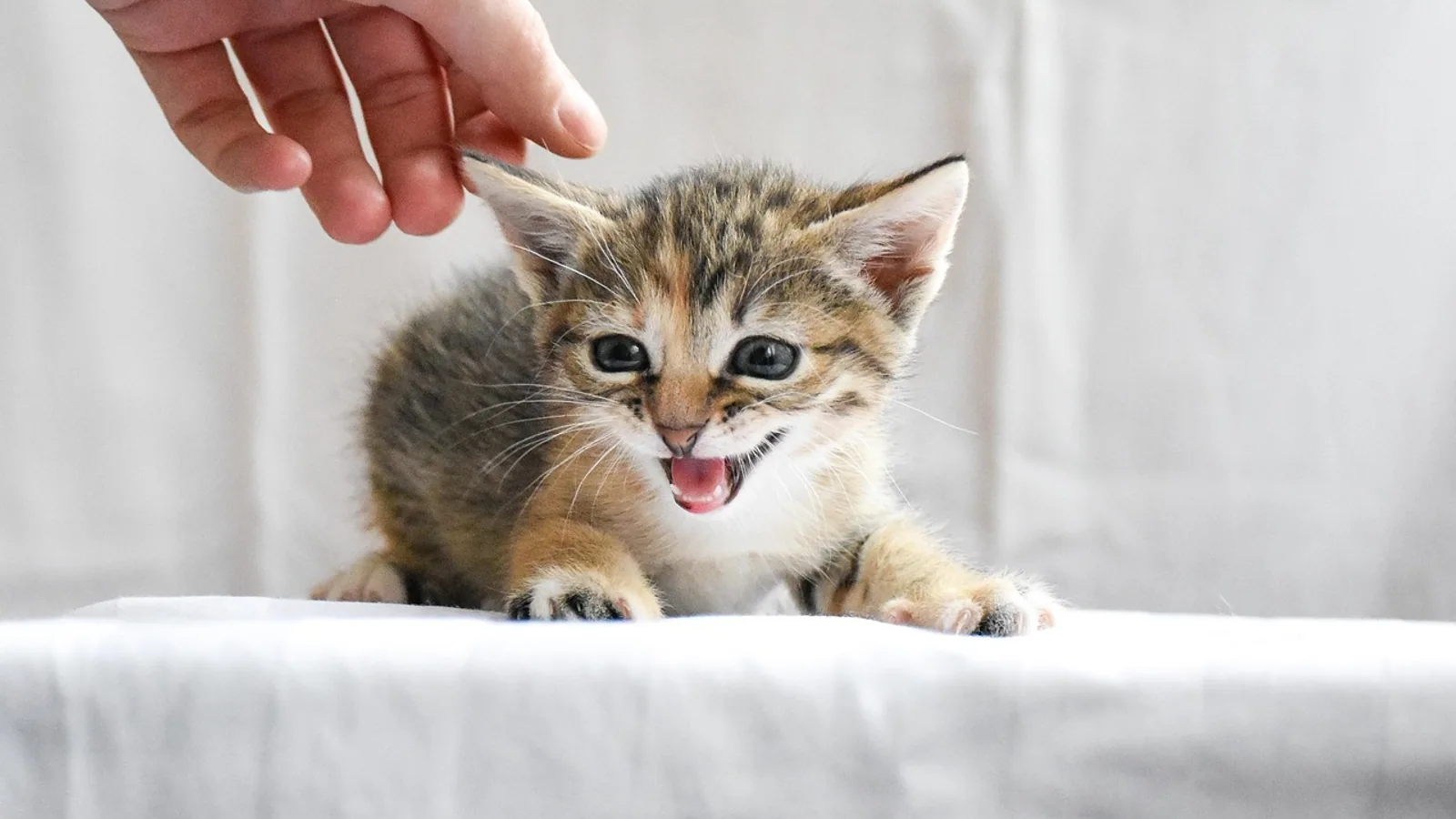
Feline distemper is the common name for feline panleukopenia, a highly contagious and potentially fatal viral disease caused by feline panleukopenia virus (FPV). The name "feline distemper" is a misnomer. FPV is a parvovirus, and it is not the same organism as canine distemper virus, which is a morbillivirus that infects dogs, ferrets, and some wildlife. A cat cannot catch canine distemper, and a dog cannot catch feline panleukopenia. The two diseases share a confusing historical label, not a cause.
If your cat or kitten has sudden lethargy, refuses food, vomits, or has diarrhea, treat it as an emergency. Feline panleukopenia can kill within days. Survival depends on how quickly aggressive supportive care begins and how well the cat responds. There is no antiviral drug that cures the infection. The virus must run its course while veterinary teams support the patient with fluids, antiemetics, nutrition, and treatment of secondary problems.
This article is educational and is not a substitute for veterinary diagnosis or treatment.
Quick Triage: When to Call a Veterinarian Immediately
Call a veterinarian or an emergency clinic right away if a cat or kitten shows any of the following:
- Sudden weakness or reluctance to move
- Complete loss of appetite for more than a few hours in a kitten
- Repeated vomiting
- Diarrhea, especially with blood
- Hiding, crouching, or a hunched posture
- A rectal temperature that feels unusually cold or unusually hot
- Known or suspected exposure to an unvaccinated cat or a contaminated environment
Do not wait to see whether the cat improves on its own. In one retrospective study of 177 shelter cats with FPV infection, the median survival time after hospital admission was three days, and only about one in five cats survived to discharge [1]. Early, intensive treatment gives the best chance.
At a Glance: Feline Panleukopenia Compared With Other Cat Illnesses
| Feature | Feline Panleukopenia (FPV) | Feline Leukemia Virus (FeLV) | Feline Infectious Peritonitis (FIP) | Toxoplasmosis |
|---|---|---|---|---|
| Cause | Parvovirus | Retrovirus | Feline coronavirus mutation | Toxoplasma gondii protozoan |
| Typical onset | Sudden, often within days of exposure | Gradual, often months to years | Variable, often weeks | Variable, often weeks |
| Hallmark signs | Lethargy, anorexia, vomiting, diarrhea, fever then low temperature | Weight loss, anemia, recurring infections, lymphoma | Fever, weight loss, fluid in abdomen or chest, neurological or eye signs | Fever, lethargy, respiratory or neurological signs, eye inflammation |
| White blood cell count | Markedly low | Variable, often low with bone marrow involvement | Variable | Variable |
| Contagious to other cats | Highly contagious | Contagious through close contact | Not casually contagious | Not spread cat to cat |
| Core prevention | Vaccination | Vaccination and testing | No vaccine, management of risk | Keep cats indoors, avoid raw meat |
This table is a starting point, not a diagnosis. Only a veterinarian can distinguish these conditions with testing.
What Is Feline Panleukopenia?


Feline panleukopenia virus belongs to the genus Protoparvovirus within the viral species Protoparvovirus carnivoran 1, which also includes canine parvovirus type 2 (CPV-2) and its variants [2]. FPV is a small, non-enveloped DNA virus. Because it lacks a lipid envelope, it is unusually stable in the environment and resistant to many common disinfectants. It can persist on surfaces, bedding, food bowls, and litter boxes for long periods.
The virus attacks rapidly dividing cells. Its main targets are the cells lining the intestinal crypts, the bone marrow, and lymphoid tissue. This explains the two defining features of the disease: severe gastrointestinal signs and a dramatic drop in white blood cells, which is where the name panleukopenia comes from (pan means all, leuko means white, and penia means deficiency).
FPV is closely related to canine parvovirus. In rare cases, canine parvovirus variants can infect cats and cause disease that looks like feline panleukopenia [3]. This cross-species infection is uncommon but real, and it is one reason vaccination and diagnostic testing matter even for cats with limited outdoor access.
How Cats Become Infected
FPV spreads mainly through the fecal-oral route. An infected cat sheds enormous quantities of virus in stool and other bodily fluids. A susceptible cat becomes infected by ingesting virus from contaminated food, water, surfaces, or by grooming virus off its fur. The virus can also spread through contact with contaminated objects such as shoes, clothing, hands, and bedding.
The incubation period is typically short. In an experimental study, cats infected with a highly virulent FPV strain developed severe clinical signs and died within 5 to 10 days after infection [4]. This rapid progression is why early recognition matters so much.
Several risk factors increase the odds of infection:
- Lack of vaccination. In a study from Bangladesh, the odds of FPV were nearly nine times higher among unvaccinated cats than vaccinated cats [5].
- Young age. Kittens are especially vulnerable. Mortality in kittens was significantly higher than in older cats in the same study [5].
- Multicat households and shelters. Sharing litter boxes and utensils raises risk. In multicat homes, the odds of FPV were about five times higher than in single-cat homes [5].
- Season. The same study found that winter was associated with nearly six times higher odds of FPV than the rainy season [5].
- Exposure to contaminated environments. Because the virus is stable, a cat does not need direct contact with a sick cat to become infected.
The Symptom Timeline: What Owners See
Feline distemper symptoms in cats often appear suddenly. The timeline below reflects the typical progression reported in clinical studies and veterinary references [1][6][7].
Day 1 to Day 2: Sudden Onset
The first signs are usually profound lethargy and anorexia. A normally playful kitten may become quiet, stop eating, and hide. Some cats develop a fever at this stage. The fever may be missed unless a veterinarian takes a rectal temperature.
Day 2 to Day 4: Gastrointestinal Signs
Vomiting begins, often repeatedly. Diarrhea follows. The stool may be watery, yellow, or blood-tinged. In severe cases, the diarrhea becomes bloody. Dehydration develops quickly because the cat is losing fluid through vomiting and diarrhea and is not drinking.
Day 3 to Day 5: Fever Then Hypothermia
Fever may give way to a dangerously low body temperature as the disease progresses. In the shelter study, a rectal temperature below 37.9 degrees Celsius (100.2 degrees Fahrenheit) at admission was associated with a greater risk of nonsurvival [1]. Hypothermia is a serious warning sign.
Day 4 to Day 7: Severe Systemic Illness
Without aggressive treatment, the cat may become profoundly weak, collapse, and die. Secondary bacterial infections can develop because the immune system is suppressed by the loss of white blood cells. Some cats develop sepsis.
Recovery Phase
Cats that survive begin to improve gradually. Vomiting and diarrhea decrease, appetite returns, and the white blood cell count starts to rise. Recovery can take days to weeks. Some cats have lingering gastrointestinal sensitivity or weight loss during convalescence.
Kitten Distemper Symptoms: Why Young Cats Are at Highest Risk
Kitten distemper symptoms are often more severe and progress faster than in adult cats. Kittens have smaller reserves of fluid and energy, and their immune systems are less mature. A kitten can go from apparently healthy to critically ill in less than 24 hours.
In a study of 244 cats with panleukopenia, cats younger than 6 months had significantly lower hematocrit on the day of presentation than cats 6 months and older [6]. This suggests that young cats are more prone to anemia during the acute phase. The same study found that older cats can also suffer from the disease, so age alone does not rule out panleukopenia.
Mortality in kittens is high. In the Bangladesh study, mortality in kittens was 16.4 percent compared with lower rates in older cats [5]. In the experimental study of a virulent strain, mortality reached 83 percent [4]. These figures vary by strain, treatment, and individual patient factors, but they underscore the seriousness of the disease in young animals.
How Veterinarians Diagnose Feline Panleukopenia
Diagnosis begins with a physical examination and a history of possible exposure. Veterinarians look for dehydration, lethargy, abdominal pain, and a low body temperature. They may also feel thickened loops of intestine.
Point-of-Care Tests
Rapid immunochromatographic antigen tests on feces or rectal swabs are commonly used in clinics. These tests are fast and convenient, but they are not perfect. In a study comparing a rapid antigen test with PCR, the rapid test detected FPV in 84 percent of cases, while PCR confirmed only 60 percent. This indicated a 24 percent false-positive rate for the rapid test [8]. A positive rapid test should be interpreted alongside clinical signs, and a negative test does not rule out infection.
Laboratory Testing
PCR testing is more reliable. It detects viral genetic material and can be performed on feces, rectal swabs, or blood [9][8]. Some laboratories use real-time PCR with high-resolution melting analysis to distinguish FPV from canine parvovirus variants [2]. This distinction matters for understanding transmission and for vaccine planning.
Blood Work
A complete blood count typically shows a markedly low white blood cell count. In the shelter study, lower leukocyte counts on days 3, 4, and 7 of hospitalization were associated with nonsurvival, but the count at admission was not [1]. This means that a falling white blood cell count during treatment is a concerning trend.
Serum biochemistry may show low albumin and abnormal glucose levels. In a study of cats with FPV, serum amyloid A was significantly higher than in healthy cats, and albumin was lower [10]. These markers can help veterinarians assess the severity of systemic inflammation, though they are not specific to FPV.
Imaging
Abdominal ultrasound or radiographs may be used to look for intestinal changes or to rule out other causes of vomiting and diarrhea, such as foreign body obstruction.
Differential Diagnosis: What Else Could It Be?
Feline panleukopenia can resemble several other conditions. Distinguishing them requires veterinary evaluation and testing.
- Feline leukemia virus (FeLV) can cause weight loss, anemia, and recurring infections, but it does not typically cause the acute vomiting and diarrhea seen in panleukopenia.
- Feline infectious peritonitis (FIP) can cause fever, weight loss, and fluid accumulation, but the gastrointestinal signs are usually different.
- Toxoplasmosis can cause fever, lethargy, and neurological or eye signs, but it is caused by a protozoan and is not spread cat to cat.
- Gastrointestinal foreign body, pancreatitis, and severe parasitic infections can also cause vomiting and diarrhea.
- Canine parvovirus variants can infect cats and cause similar signs, which is why molecular testing may be needed [3].
A veterinarian may test for multiple pathogens at once. A quadruplex PCR assay has been developed to detect FPV, feline herpesvirus 1, feline calicivirus, and feline infectious peritonitis virus simultaneously [11]. This is useful when cats have overlapping signs.
Evidence-Based Management: What Actually Helps
There is no antiviral cure for feline panleukopenia. Treatment is supportive and aims to keep the cat alive long enough for the immune system to clear the virus. The mainstays are fluid therapy, antiemetics, nutritional support, and management of secondary infections.
Fluid Therapy
Intravenous fluids are the cornerstone of treatment. Cats with panleukopenia become dehydrated from vomiting and diarrhea and may also lose protein and electrolytes. Crystalloid solutions are commonly used. In the shelter study, the use of crystalloid or colloid solutions was part of standard care [1]. The choice of fluid type and rate is individualized by the veterinarian.
Antiemetics
Controlling vomiting is essential for comfort and for allowing the cat to retain food and fluids. Maropitant, an antiemetic, was associated with survival in the shelter study [1]. Other antiemetics may be used depending on the patient.
Nutritional Support
Cats with panleukopenia often refuse to eat. Early nutritional support, including assisted feeding or feeding tubes, can help maintain gut health and energy. The specific approach depends on the cat's condition and the veterinarian's judgment.
Antimicrobials
Secondary bacterial infections are a major risk because of the low white blood cell count. Antimicrobials such as amoxicillin-clavulanic acid were associated with survival in the shelter study [1]. Antimicrobial choice and duration are determined by the veterinarian.
Colony-Stimulating Factors
Filgrastim, a granulocyte colony-stimulating factor, has been studied as a treatment to stimulate white blood cell production. In one study, cats treated with filgrastim showed significant improvements in white blood cell, lymphocyte, monocyte, neutrophil, and eosinophil counts between day 1 and day 5 [12]. However, red blood cell, hemoglobin, hematocrit, and platelet parameters decreased significantly over the same period, which were considered side effects [12]. A separate study found that high-dose filgrastim produced greater increases in white blood cell counts than low-dose filgrastim or standard supportive treatment [13]. These treatments are not universally used, and their role in routine care is still being evaluated.
Immune Stimulants
Some studies have explored immune-modulating treatments. Inactivated Propionibacterium acnes and lipopolysaccharide from Escherichia coli were studied in cats with FPV. The treatment group showed a significant increase in white blood cell counts during days 3 to 6 compared with the no-treatment group, but mortality was not significantly different between groups [14]. Another study compared filgrastim with an inactivated Parapoxvirus ovis paraimmune activator and found that clinical recovery, including reduction in vomiting and lethargy, was more pronounced in the high-dose filgrastim and paraimmune activator groups [13]. These findings are promising but do not replace standard supportive care.
What Does Not Help
Interferon-omega was not associated with survival in the shelter study [1]. Glucose infusion was associated with nonsurvival, though this may reflect that cats receiving glucose were more severely ill rather than that glucose itself was harmful [1]. Owners should not attempt home treatment with any medication without veterinary guidance.
Unsafe Home Remedies and Dangerous Mistakes
Several common home remedies can harm a cat with panleukopenia:
- Do not force food or water into a vomiting cat. This can cause aspiration and worsen dehydration.
- Do not give human anti-diarrheal or anti-nausea medications. Many are toxic to cats.
- Do not use bleach or other harsh disinfectants around a sick cat without veterinary guidance on safe concentrations and ventilation.
- Do not delay veterinary care to try home treatments. The disease can progress within hours.
- Do not assume a kitten with vomiting and diarrhea has a simple stomach upset. Panleukopenia is a leading cause of these signs in unvaccinated kittens.
Preventing Feline Panleukopenia: Vaccination Is Core
Vaccination is the most effective way to prevent feline panleukopenia. Core vaccines for cats typically include protection against FPV, feline herpesvirus 1, and feline calicivirus. Both modified-live virus (MLV) and inactivated vaccines are available.
A study of a tricombinant vaccine containing attenuated feline herpesvirus and calicivirus and inactivated FPV showed no adverse reactions and confirmed protective efficacy against virulent strains. Serum-neutralizing antibodies against FPV were maintained for at least one year after vaccination [15]. Another study of an inactivated FPV vaccine produced from a tiger isolate showed that vaccinated cats survived challenge with virulent FPV, with antibody levels rising after vaccination [16].
Newer vaccine technologies are being explored. A virus-like particle vaccine using the VP2 protein produced high hemagglutination inhibition and virus-neutralizing antibody titers in cats. Vaccinated cats showed no clinical signs after challenge with a virulent FPV strain [17]. These advances may improve vaccine safety and availability in the future.
According to the AAHA vaccination guidelines, FPV is a core vaccine for all cats. Kittens typically receive a series of vaccines starting at 6 to 8 weeks of age, with boosters every 3 to 4 weeks until 16 to 20 weeks of age. Adult cats with unknown vaccination history should receive a booster, followed by revaccination according to the veterinarian's recommendation. The WSAVA vaccination guidelines also classify FPV as a core vaccine.
Vaccination does not guarantee complete protection, especially against antigenic variants. In one report, two kittens that had been vaccinated against FPV still developed disease caused by canine parvovirus variants [3]. This is rare but highlights the importance of avoiding exposure and seeking care if signs appear.
Environmental Control and Disinfection
Because FPV is stable in the environment, cleaning is critical in homes with infected cats. The virus can survive on surfaces for months. Effective disinfection requires products known to be effective against parvoviruses, such as accelerated hydrogen peroxide or properly diluted bleach. Veterinarians can advise on safe concentrations and contact times.
Contaminated items that cannot be disinfected should be discarded. This includes litter boxes, food bowls, bedding, and toys. Hands, clothing, and shoes should be changed and washed after contact with a sick cat.
Prognosis: What Survival Depends On
Survival in feline panleukopenia depends on several factors:
- Age and size. Kittens and small cats have a higher risk of nonsurvival [5][1].
- Body temperature at admission. A rectal temperature below 37.9 degrees Celsius (100.2 degrees Fahrenheit) is a negative prognostic sign [1].
- White blood cell count during treatment. A falling count on days 3, 4, and 7 is associated with nonsurvival [1].
- Speed of treatment. Early aggressive supportive care improves the chance of survival.
- Strain virulence. Some FPV strains are more virulent than others. The Ala91Ser strain caused 100 percent morbidity and 83 percent mortality in an experimental setting [4].
In the shelter study, 20.3 percent of cats survived to discharge [1]. In the Bangladesh study, case fatality was 45.9 percent [5]. These numbers vary widely by population, treatment, and strain. They are not predictions for any individual cat.
Recovery and Follow-Up
Cats that survive the acute phase need continued care. Appetite may return slowly. Some cats have persistent gastrointestinal signs or weight loss. A veterinarian will typically recommend a recheck examination and blood work to monitor the white blood cell count and overall health. The timing of rechecks depends on the cat's condition and the veterinarian's assessment.
Cats that recover from FPV are generally immune to reinfection with the same virus for a long period, but the duration of immunity is not precisely defined. Vaccination is still recommended because immunity can wane and because different strains exist.
Limitations and When to Contact a Veterinarian
This article provides general information. Every cat is different, and only a veterinarian who examines your cat can make a diagnosis and treatment plan.
Contact a veterinarian immediately if:
- Your cat or kitten has sudden lethargy, vomiting, or diarrhea.
- Your kitten stops eating or drinking.
- Your cat has a temperature that feels unusually low or high.
- Your cat has been exposed to a known case of panleukopenia.
- Your cat is unvaccinated or has an unknown vaccination history and shows any of the signs above.
- Your cat is recovering but stops improving or worsens.
Do not wait for an appointment. Emergency veterinary care can be life-saving.
Frequently Asked Questions
Is feline distemper the same as canine distemper?
No. Feline distemper is a misnomer for feline panleukopenia, which is caused by feline panleukopenia virus, a parvovirus. Canine distemper is caused by a different virus, a morbillivirus. Cats do not get canine distemper, and dogs do not get feline panleukopenia.
What are the first symptoms of feline distemper in cats?
The first symptoms are usually sudden lethargy and loss of appetite. Vomiting and diarrhea follow within a day or two. Fever may be present early and can give way to a low body temperature as the disease progresses.
How long does feline distemper last?
The acute phase can last several days. In one study, the median survival time after hospital admission was three days [1]. Cats that survive may take days to weeks to fully recover.
Can a cat survive feline distemper?
Yes, some cats survive with aggressive supportive care. In one study, about 20 percent of shelter cats survived to discharge [1]. Survival depends on age, how quickly treatment starts, and the severity of the infection.
Is there a cure for feline distemper?
There is no antiviral cure. Treatment is supportive and includes fluids, antiemetics, nutritional support, and management of secondary infections. The goal is to keep the cat alive while its immune system clears the virus.
How is feline distemper prevented?
Vaccination is the core prevention. The FPV vaccine is considered a core vaccine for all cats. Kittens should receive a series of vaccines, and adult cats should be kept up to date according to veterinary guidelines.
Can an indoor cat get feline distemper?
Yes. The virus is stable in the environment and can be brought indoors on shoes, clothing, or objects. Indoor cats should still be vaccinated.
What should I do if I think my cat has feline distemper?
Call a veterinarian or emergency clinic immediately. Do not wait to see if your cat improves. Early treatment gives the best chance of survival.
Related Articles
- Feline Fading Kitten Syndrome: Diagnosis and Management
- Neonatal Feline Care: Resuscitation and Early Life Support
- Feline Panleukopenia: Symptoms, Diagnosis, Treatment & Prevention
- Cat Scratch Disease Bartonella henselae: Feline Vectors and Human Symptoms
- Feline Toxoplasmosis: Zoonotic Potential and Human Health Implications
- Introducing New Kitten
Sources
- Survival estimates and outcome predictors for shelter cats with feline panleukopenia virus infection.
- Feline panleukopenia virus and canine parvovirus: development of two qPCR assays with high-resolution melting analysis and molecular epidemiology in dogs and cats from Northen Italy in 2017-2023.
- Characterisation of canine parvovirus strains isolated from cats with feline panleukopenia.
- Genetic and Biological Properties of an Epidemic Feline Panleukopenia Virus Strain (Ala91Ser) in China.
- Epidemiology and molecular characterization of Feline panleukopenia virus from suspected domestic cats in selected Bangladesh regions.
- [[Feline panleukopenia - different course of disease in cats younger than versus older than 6 months of age?].](https://pubmed.ncbi.nlm.nih.gov/22143661/)
- Feline Panleukopenia - Cat Owners - Merck Veterinary Manual
- Comparative Detection and Genetic Characterization of Feline Panleukopenia Virus in Bangladesh.
- Molecular detection and phylogenetic analysis of feline panleukopenia virus in domestic cat population of Mizoram state, India.
- Diagnostic utility of serum amyloid A, procalcitonin and hematology-derived inflammatory indices in cats naturally infected with feline panleukopenia virus.
- The quadruplex TaqMan MGB fluorescent quantitative PCR method for simultaneous detection of feline panleukopenia virus, feline herpesvirus 1, feline calicivirus and feline infectious peritonitis virus.
- Filgrastim Efficiency in Cats Naturally Infected with Feline Panleukopenia Virus.
- Comparison of the Efficacy of Filgrastim and an Inactivated Parapoxvirus ovis Paraimmune Activator in Naturally Infected Cats with Feline Panleukopenia.
- Therapeutic Effects of Propionibacterium acnes and Lipopolysaccharide from Escherichia coli in Cats with Feline Panleukopenia.
- Evaluation of tri-combinant vaccine for feline herpesvirus, calicivirus and panleukopenia virus infections in Japanese native cats.
- [[Preparation of the vaccine with inactivated Feline Panleukopenia Virus isolated from tiger and the preliminary application].](https://pubmed.ncbi.nlm.nih.gov/19637573/)
- Virus-like Particle Vaccine for Feline Panleukopenia: Immunogenicity and Protective Efficacy in Cats.