What Can I Give My Dog for Vertigo or Vestibular Disease?
By Dr. Zubair Khalid, DVM, MS, PhD ·
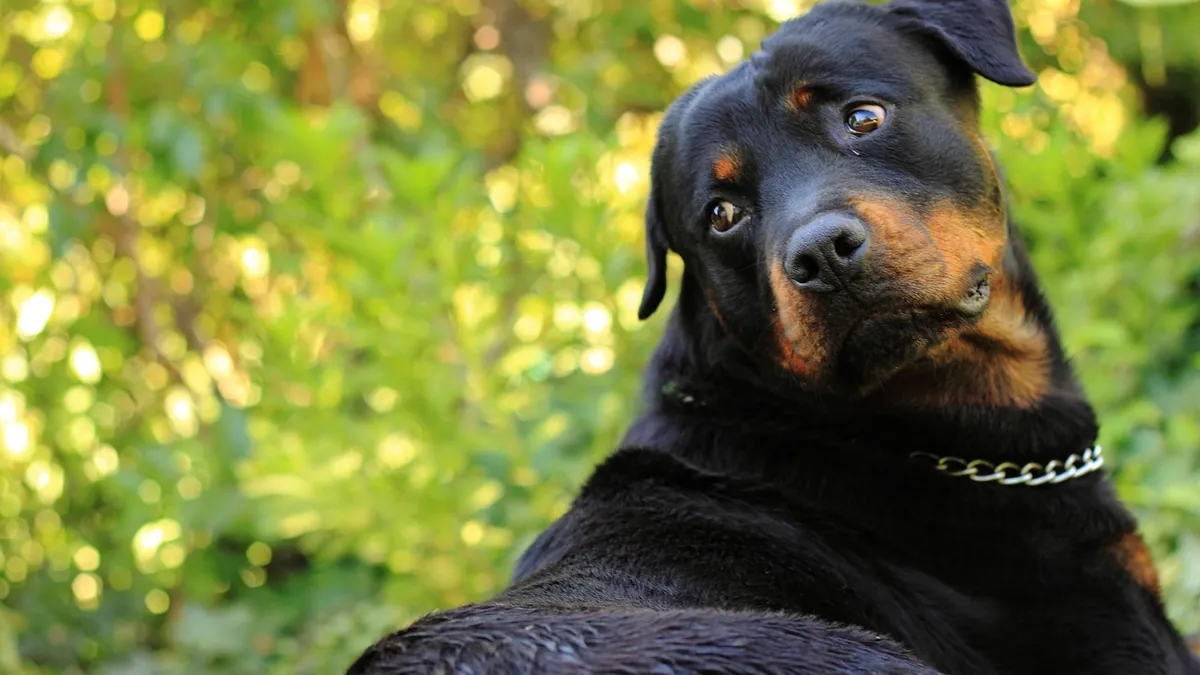
A wobbly, head-tilted dog usually has vestibular disease, not a stroke, and most cases are not treated with a human vertigo pill. Instead, your veterinarian prescribes anti-nausea and anti-dizziness medication, treats any underlying cause, and you keep your dog safe and calm at home while the brain compensates. What can I give my dog for vertigo is really a question about the right prescription, not a drugstore remedy.
This article is educational and is not a substitute for veterinary diagnosis or treatment.
Quick Answer
- Do not give human vertigo, motion sickness, or sedative medications without veterinary direction. Several common human drugs are unsafe or dosed very differently in dogs.
- The mainstays your vet may prescribe are anti-nausea drugs and medications that reduce dizziness and nausea, chosen based on your dog's weight, other health problems, and other drugs.
- Idiopathic (unknown cause) vestibular disease is the most common diagnosis in older dogs, and it usually improves over days to a few weeks with supportive care.
- Some causes are serious, including brain inflammation from tick-borne infection, and those need specific treatment such as antibiotics [1].
- A sudden head tilt with inability to stand, vomiting, or a fast eye flick is a same-day veterinary visit. Trouble breathing, collapse, or seizures are emergencies.
What Dog Vertigo Actually Looks Like
Owners often describe this as vertigo. Veterinarians call it vestibular disease or vestibular syndrome. The vestibular system is the balance system, and it has two parts. The peripheral part sits in the inner ear and the nerve that leaves it. The central part sits in the brainstem and cerebellum.
When either part malfunctions, the signs look similar. Your dog may hold the head tilted to one side. The eyes may flick rapidly back and forth, which is called nystagmus. Your dog may lean, circle, or fall to one side. Some dogs vomit or drool from nausea. Many look anxious and refuse to walk.
A key point for owners: this often looks like a stroke, but in dogs it usually is not one. A study of dogs with cerebellar disease found that specific signs map to specific brain regions, which is why your vet examines your dog so carefully instead of guessing from the head tilt alone [2].
What is normal: a brief head shake after scratching an ear, or a slight lean when a dog is very tired, passes in seconds. What is not normal: a head tilt that persists, eyes that flick, or a dog who cannot stand or walk straight.
Main Causes of Vestibular Signs in Dogs
| Cause | Typical clues | How urgent |
|---|---|---|
| Idiopathic vestibular disease | Older dog, sudden onset, head tilt and nystagmus, no other neurologic deficits, normal ear exam | Same-day visit, then home care |
| Middle or inner ear infection (otitis) | Head tilt, ear odor or discharge, head shaking, sometimes facial droop | Same-day to next-day visit |
| Brain inflammation from tick-borne infection | Weeks of intermittent wobbling, head tilt, sometimes fever or low platelets [1] | Same-day visit, treatable with antibiotics |
| Cerebellar or brainstem lesion (tumor, stroke, inflammation) | Slow onset, other neurologic signs, changes in behavior or strength [2] | Same-day to emergency |
| A Meniere's-like syndrome | Recurrent episodes lasting minutes to hours, possible hearing loss [3] | Routine to same-day, needs workup |
Idiopathic vestibular disease means the cause is not found. It is common in older dogs and typically improves with time and supportive care. A case report described a dog with recurrent vestibular episodes and hearing loss that resembled Meniere's disease in people, a pattern rarely reported in dogs [3]. That does not mean your dog has Meniere's disease. It means some dogs have repeated episodes, and hearing assessment may be part of the workup.
Ear disease matters too. In one study of 380 dogs having brain MRI for neurologic signs, about 16 percent had some form of otitis, and in a small number the ear disease was the actual cause of the neurologic signs [4]. That is why your vet looks in the ears and may recommend imaging.
Central causes are the ones that worry veterinarians most. In one dog, intermittent wobbling and a head tilt turned out to be brain inflammation from Ehrlichia canis, a tick-borne organism. The dog improved within 24 hours of starting doxycycline and was still well months later [1]. This is a good reminder that some "vertigo" cases have a treatable infectious cause.
Red Flags That Make It an Emergency
Call an emergency clinic now if your dog has any of these:
- Seizures, especially repeated ones. Seizure care is different from vertigo care, and you can read more in What Can You Do For Dog Having Seizures and My Dog Is Having Seizures What To Do.
- Trouble breathing, blue gums, or collapse.
- Inability to stand even with support, or worsening over hours.
- Repeated vomiting that prevents drinking.
- Signs in a dog with a known bleeding disorder, or after head trauma.
- Sudden severe pain, a rigid neck, or a fever with the wobbling.
For a dog who is wobbly but stable, alert, and able to drink, a same-day appointment is usually appropriate. For a dog who cannot stand or is vomiting nonstop, go to the emergency clinic.
What Can I Give My Dog for Vertigo? What Vets Prescribe
There is no over-the-counter dog medicine for vertigo that you should reach for on your own. The medications that help are prescription drugs, and the choice depends on the cause.
Anti-nausea and anti-dizziness medications
Veterinarians commonly prescribe drugs that reduce nausea and the sensation of spinning. These may include medications also used for motion sickness in dogs. Your veterinarian calculates the dose from your dog's weight and health, and some of these drugs are not safe for dogs with certain heart, liver, or seizure conditions. Never use a leftover prescription from another pet or a human pill from your cabinet.
Antibiotics for infection
If the cause is a tick-borne infection like Ehrlichia, treatment is an antibiotic such as doxycycline. In the reported case, improvement began within 24 hours and treatment continued for 6 weeks [1]. If the cause is a bacterial ear infection, your vet may prescribe ear medication and sometimes oral antibiotics.
Treatment for the underlying brain or ear problem
If imaging shows a tumor, inflammation, or another central lesion, the plan changes. Some conditions need steroids, some need surgery, and some need monitoring. A study of cerebellar lesions in dogs showed that where the lesion sits changes the signs and the likely diagnosis, which is why MRI is often recommended [2].
What not to give
Do not give human anti-vertigo drugs, antihistamines, or sedatives unless your vet specifically prescribes them for your dog. Do not give aspirin or other pain relievers without direction, because some are toxic to dogs and some increase bleeding risk. If you suspect your dog ate a medication, call your veterinarian or a pet poison hotline right away.
How to Care for a Dog With Vertigo at Home
Home care is a big part of recovery. The brain often compensates over time, and your job is to prevent injury and keep your dog comfortable while it does.
Set up a safe, quiet space
- Use a small area with soft bedding and low sides, so your dog cannot fall down stairs or tumble off furniture.
- Block stairs, pools, and slick floors. Rugs or yoga mats give traction.
- Keep the room dim and quiet. Less visual motion can mean less nausea.
- Confine your dog when you cannot watch, especially at first.
Help with eating and drinking
- Offer water in a shallow bowl so your dog does not have to lower the head far.
- Hand-feed small amounts, or raise the bowl slightly.
- If your dog vomits, offer small sips of water often instead of a large bowl at once.
- Ask your vet before changing diets. Some dogs do better with bland food for a day or two.
Support walking and potty breaks
- Use a towel as a sling under the belly, or a harness with a handle, to steady your dog.
- Take short, frequent potty trips on a leash. Carry your dog if needed.
- Keep the head supported and avoid sudden turns.
- Do not let your dog jump on or off furniture.
Keep a simple log
Write down the time signs started, what you see each day, whether your dog eats and drinks, and any vomiting. This helps your vet judge whether things are improving. If your dog's signs are mainly a head tilt and head shaking, see Dog Shaking Head With Vestibular Disease.
What Your Veterinarian Will Check and Test
Your vet starts with a full neurologic exam. They watch how your dog walks, check the eyes for nystagmus, look at the head tilt, and test facial sensation and strength. A simple bedside test using a penlight can help tell peripheral from central vestibular disease. In a study of dogs and cats with confirmed lesions, removing visual input changed nystagmus in peripheral cases more than in central cases [5]. That kind of exam finding helps your vet decide how worried to be.
Next comes the ear exam, often with an otoscope, and sometimes imaging. MRI is the standard way to look at the brain and inner ear. In the otitis study, MRI identified ear disease in dogs whose signs were thought to be neurologic [4]. Blood work checks for infection, anemia, and organ problems. If a tick-borne infection is suspected, your vet will run specific testing, as was done in the Ehrlichia case [1].
Hearing testing is not routine in most general practices, but it may be considered in dogs with repeated episodes, because a Meniere's-like pattern has been described [3]. If your dog has recurrent episodes, ask your vet whether referral to a neurologist makes sense.
Prevention and Monitoring
You cannot prevent idiopathic vestibular disease, because the cause is unknown. You can reduce some risks.
- Use year-round tick prevention, since tick-borne infection can cause brain inflammation [1].
- Keep ears clean and dry, and get ear infections treated early [4].
- For brachycephalic breeds (flat-faced dogs), ask your vet about ear monitoring, because middle ear abnormalities are more common in these dogs [4].
- If your dog has had one episode, keep the home set up for safety and know the signs so you can act fast next time.
- Ask your vet how often to recheck. Many dogs need a follow-up visit in one to two weeks, sooner if signs worsen.
If your dog has repeated episodes, tracking the duration and triggers is useful. Episodes lasting 30 minutes to several hours with recovery in between were described in one dog with a Meniere's-like syndrome [3]. Your vet can use that pattern to guide testing.
Limitations and When to Contact a Veterinarian
This article cannot tell you what is wrong with your dog. Only a veterinarian who examines your dog can do that, and individual cases need a veterinarian's judgment.
Contact your veterinarian the same day if your dog has a new head tilt, nystagmus, vomiting, or trouble walking. Go to an emergency clinic now if your dog has seizures, cannot stand, is breathing hard, or is repeatedly vomiting and cannot keep water down. Schedule a routine visit if your dog has mild, intermittent wobbling, a head tilt that comes and goes, or a history of ear infections. If you are unsure, call your vet's office and describe what you see. They can tell you whether to come in now or wait.
Frequently Asked Questions
Can I give my dog human motion sickness pills for vertigo?
No, not without veterinary direction. Some human motion sickness drugs are used in dogs, but the dose depends on your dog's weight and health, and some dogs should not take them at all. Call your vet before giving anything from your medicine cabinet.
How long does vestibular disease last in dogs?
Most dogs with the idiopathic form improve within a few days and are largely back to normal within a few weeks. Some keep a mild head tilt for life. Repeated episodes over months or years can happen, as described in one case report [3].
Is vestibular disease in dogs painful?
Usually it is not painful. The distress owners see is more often nausea, dizziness, and anxiety from not being able to balance. If your dog seems painful, cries, or has a stiff neck, that points to a different problem and needs urgent care.
Can a dog recover from vertigo without medication?
Some dogs do recover with supportive care alone, especially with idiopathic vestibular disease. Medication helps control nausea and dizziness so your dog can eat, drink, and rest. Whether your dog needs drugs depends on the cause and how severe the signs are.
Should I stop my dog's other medications during a vertigo episode?
No. Do not stop or change any medication without talking to your veterinarian first. Some drugs interact with the treatments used for vestibular signs, and your vet needs to know everything your dog takes. Bring the full list to your appointment.
Related Articles
- Dog Shaking Head With Vestibular Disease
- Canine Vestibular Syndrome: Differential Diagnosis and Management
- What Can You Do For Dog Having Seizures
- My Dog Is Having Seizures What To Do
- What Can I Do For Dog Seizures
- Why Is My Dog walking in circles? Vestibular Disease vs Brain Tumor
- Dramamine for Dogs With Vestibular Disease
- What Can I Give My Dog for Vomiting and Nausea?
- What Can I Give My Dog for Inflammation and Pain?
References
- Central Nervous System Vasculitis Due to Ehrlichia canis in a Dog. Veterinary medicine and science, 2025.
- Correlation between cerebellar lesion topography and differential diagnosis with clinical presentation in dogs. Journal of veterinary internal medicine, 2026.
- Case Report: Recurrent vestibular episodes in a dog resembling Meniere's disease. Frontiers in veterinary science, 2026.
- Prevalence of incidental and causative otitis in 380 client-owned dogs undergoing brain magnetic resonance imaging for signs of vestibular and non-vestibular disease. Journal of veterinary internal medicine, 2026.
- Utility of a Modified Penlight-Cover Test for Neurolocalization of Lesions Based on Visual Suppression of Nystagmus in Dogs and Cats With Vestibular Disease. Journal of veterinary internal medicine, 2025.