Dog Inner Ear Infection Symptoms Treatment
By Dr. Zubair Khalid, DVM, MS, PhD ·
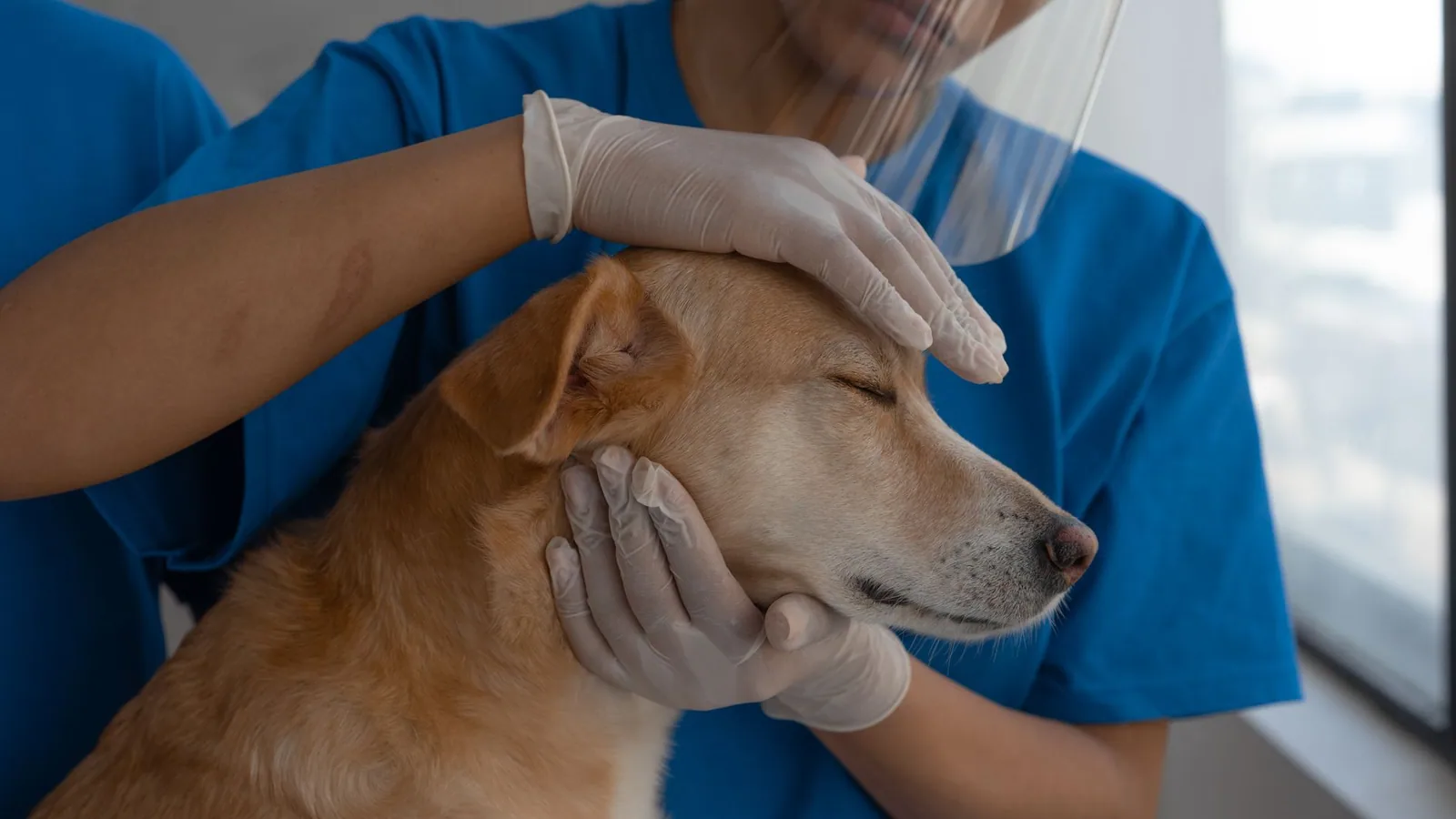
Key Takeaways
- Otitis interna, or inner ear infection in dogs, is a serious condition affecting the vestibular system, leading to classic symptoms like head tilting, loss of balance, stumbling, and nystagmus (rapid eye movements).
- This deep-seated infection is often a sequela of untreated otitis externa or media, with common causes including bacterial (Pseudomonas, Staphylococcus) and yeast (Malassezia) infections, foreign bodies, polyps, trauma, or underlying systemic diseases.
- Prompt veterinary diagnosis is critical, often involving otoscopic examination, cytology, culture and sensitivity testing, and advanced imaging such as CT or MRI to assess the extent of infection and potential bone involvement.
- Treatment typically includes systemic antibiotics or antifungals guided by culture results, anti-inflammatory medications (e.g., corticosteroids), anti-nausea drugs for vestibular support, and potentially surgical intervention like bulla osteotomy in severe cases.
- Home care requires strict adherence to prescribed medication schedules, gentle ear cleaning as directed, and providing a safe environment to prevent falls, while prevention focuses on managing underlying allergies, regular ear checks, and prompt treatment of outer ear infections.
Quick answer: Head shaking and head tilting are classic signs of a dog inner ear infection. The inflammation and fluid buildup inside the inner ear disrupt the vestibular system, which controls balance.
A dog inner ear infection (otitis interna) is a serious condition that differs from common outer or middle ear infections. It affects the delicate structures deep within the ear canal and can disrupt your dog's balance, coordination, and hearing. Recognizing the symptoms early and seeking prompt veterinary care is essential to prevent permanent damage. This guide covers the key signs, treatment options, home care steps, and prevention strategies so you can help your dog recover safely and quickly.
Quick Q&A: Common Questions
Question: Why is my dog shaking its head or tilting its head to one side?
Answer: Head shaking and head tilting are classic signs of a dog inner ear infection. The inflammation and fluid buildup inside the inner ear disrupt the vestibular system, which controls balance. This causes a persistent head tilt, stumbling, and sometimes rapid eye movements (nystagmus). These symptoms should never be ignored, as they indicate a deep infection that requires veterinary treatment.
Understanding Dog Inner Ear Infections
An inner ear infection, also known as otitis interna, occurs when bacteria or fungi invade the deepest part of the ear canal. Unlike outer ear infections (otitis externa) which affect the visible part of the ear, otitis interna involves the structures responsible for hearing and balance. This condition is often a progression of a long-standing middle ear infection (otitis media) that has spread deeper. Dogs with floppy ears, chronic allergies, or a history of ear problems are at higher risk.
Common Causes
- Bacterial infections such as Pseudomonas or Staphylococcus species.
- Yeast infections, especially Malassezia, often secondary to allergies.
- Foreign bodies like grass awns that migrate into the ear canal.
- Polyps or tumours that obstruct drainage.
- Trauma to the head or ear.
- Underlying systemic conditions such as hypothyroidism or autoimmune disease.
Recognising the Symptoms
Symptoms of a dog inner ear infection are distinctive because they involve the vestibular system. Watch for the following:
- Head tilt, the dog holds one ear lower than the other.
- Loss of balance, stumbling, circling, or falling to one side.
- Nystagmus, rapid, involuntary eye movements (side to side or up and down).
- Hearing loss, may be partial or complete on the affected side.
- Pain, sensitivity when touching the ear or head.
- Discharge, pus or bloody fluid from the ear canal.
- Fever and lethargy in severe cases.
Some dogs also show signs of general illness like vomiting, diarrhoea (or diarrhoea in Commonwealth spelling), or loss of appetite due to motion sickness from the balance disturbance. If you notice a combination of head tilt, incoordination, and eye flickering, seek veterinary attention immediately.
When to Seek Veterinary Care
Inner ear infections are considered an emergency if your dog shows any vestibular signs such as falling, circling, or nystagmus. Even mild symptoms like a subtle head tilt or reluctance to move should be checked by a veterinarian within 24 hours. Delaying treatment can lead to permanent nerve damage, facial paralysis, or spread of infection to the brain (meningitis).
International veterinary consensus groups (including the AVMA in the United States and the AAHA) emphasise early intervention with culture-guided antimicrobial therapy. Your veterinarian will likely perform a thorough ear examination and may recommend imaging to assess the extent of the infection.
What to Expect at the Vet
Diagnosis
Your vet will start with a complete history and physical exam, focusing on the ears and neurological function. They will examine the ear canal with an otoscope and may collect a sample of discharge for cytology or culture. In many cases, advanced imaging such as X-rays or CT scans is needed to evaluate the middle and inner ear. These images help determine whether the infection has damaged bone or spread to nearby structures.
Treatment
Treatment for a dog inner ear infection typically involves:
- Antibiotics or antifungals, given orally for several weeks, sometimes combined with topical ear medications. The choice of drug is based on culture results.
- Anti-inflammatory medications, corticosteroids to reduce swelling and pain.
- Vestibular support, anti-nausea drugs like maropitant or meclizine to help with dizziness and vomiting.
- Ear flushing, under sedation or general anaesthesia, the vet may flush the ear canal to remove debris and pus.
- Surgery, in severe cases, a procedure called bulla osteotomy may be necessary to drain the infected bulla (the bony cavity behind the ear).
Recovery can take weeks to months. Most dogs improve within a few days of starting medication, but the head tilt may persist for weeks or even become permanent.
Home Care and Recovery
While your dog is recovering, you can help by:
- Administering all medications on schedule, even if your dog appears better.
- Keeping the ear clean as directed by your vet (usually with a gentle, vet-approved ear cleaner).
- Preventing swimming or bathing until the infection is fully resolved.
- Supporting your dog’s balance, limit climbing stairs, use non-slip flooring, and avoid sudden movements.
- Monitoring for side effects such as increased thirst, behaviour changes, or worsening symptoms.
Never use home remedies like hydrogen peroxide or alcohol, as these can irritate the inner ear and delay healing. Always follow your veterinarian’s instructions closely.
Preventing Future Infections
Prevention starts with managing underlying causes:
- Regular ear checks, especially in floppy-eared breeds like Cocker Spaniels and Basset Hounds.
- Ear cleaning, use a veterinarian-recommended cleaner weekly if your dog is prone to infections.
- Allergy management, treat food or environmental allergies that contribute to ear inflammation.
- Dry ears after water exposure, gently dry the ear canal with a cotton ball after swimming or bathing.
- Routine veterinary visits, catch early signs of infection before they reach the inner ear.
Following these guidelines can reduce the risk of recurrent inner ear infections and protect your dog’s hearing and balance for life. If you notice any symptoms of a dog inner ear infection, act quickly and consult your veterinarian. Prompt treatment is the best way to ensure a full recovery.