Dog Ear Infection Symptom Relief
By Dr. Zubair Khalid, DVM, MS, PhD ·
Key Takeaways
- Classic clinical signs of canine otitis externa include persistent head shaking and ear scratching, indicative of inflammation that can stem from infections (bacterial, yeast), allergies, or foreign bodies.
- Characteristic symptoms of ear infection in dogs encompass redness, swelling, abnormal discharge (yellow, brown, bloody), a foul odor, pain upon palpation, head tilting, and in advanced stages, balance disturbances or circling.
- Home care for symptom relief should focus on gentle cleaning of the outer ear with a veterinarian-recommended solution and preventing further trauma with an Elizabethan collar, but never inserting objects into the ear canal.
- Veterinary diagnosis is crucial and typically involves otoscopic examination, cytology to identify causative organisms (bacteria, yeast), and may lead to treatment with medicated ear drops, oral antimicrobials, or steroids.
- Proactive prevention strategies include weekly ear checks, regular cleaning with appropriate solutions, diligent management of underlying allergies, thorough ear drying after water exposure, and professional trimming of excessive ear hair to improve ventilation.
- Untreated or chronic ear infections can progress to involve the middle and inner ear, potentially leading to permanent hearing loss or neurological complications, underscoring the importance of prompt veterinary intervention.
Quick answer: Head shaking and ear scratching are classic signs of ear inflammation. The irritation may be due to an infection, allergies, or a foreign object.
Ear infections are one of the most common reasons dogs visit the veterinarian. They cause significant discomfort, but with prompt recognition and proper care, most infections resolve quickly. This guide offers clinical yet accessible advice to help you understand your dog’s symptoms, provide safe relief at home, and know when professional treatment is necessary.
Quick Q&A: Common Questions
Question: Why is my dog shaking its head and scratching its ears constantly?
Answer: Head shaking and ear scratching are classic signs of ear inflammation. The irritation may be due to an infection, allergies, or a foreign object. These behaviours are your dog’s attempt to relieve the discomfort, but they can worsen the condition if the underlying cause is not addressed.
Understanding Dog Ear Infections
Ear infections (otitis externa) involve inflammation of the outer ear canal. They are frequently caused by bacteria or yeast, but underlying factors such as allergies, ear mites, or moisture often set the stage. Dogs with floppy ears (like Cocker Spaniels and Labradors) are especially prone, but any breed can be affected. Chronic infections may lead to middle or inner ear involvement, requiring more intensive treatment.
Recognising Symptoms
Beyond head shaking and scratching, watch for these common signs:
- Redness, swelling, or discharge (yellow, brown, or bloody)
- Foul odor from the ear
- Pain when the ear is touched
- Tilting or holding the head to one side
- Loss of balance or circling (in advanced cases)
- Changes in behavior, such as irritability or lethargy
Symptoms can vary depending on whether the infection is bacterial, yeast, or mixed. Yeast infections often produce a dark, waxy discharge with a sweet or musty smell, while bacterial infections may yield pus-like fluid. Both require veterinary diagnosis.
Home Care for Symptom Relief
Before seeing your vet, you can take steps to ease your dog’s discomfort. However, never insert anything into the ear canal, including cotton swabs, as this can push debris deeper and damage the eardrum. According to AAHA/AVMA consensus guidelines, gentle cleaning of the outer ear with a veterinarian-recommended ear cleaner is safe if the eardrum is intact.
- Use a vet-approved ear rinse: Apply a few drops into the ear canal, massage the base gently, then allow your dog to shake out the excess. Wipe away visible debris from the outer ear with a cotton ball.
- Prevent further irritation: Use an Elizabethan collar (cone) to stop scratching if your dog is causing trauma.
- Keep ears dry: After baths or swimming, dry the ears with a soft cloth. Moisture encourages microbial growth.
These measures provide temporary relief but do not treat the infection. Avoid over-the-counter medications unless directed by your veterinarian, as some can be ototoxic (harmful to the ear) or worsen the condition.
When to See the Vet
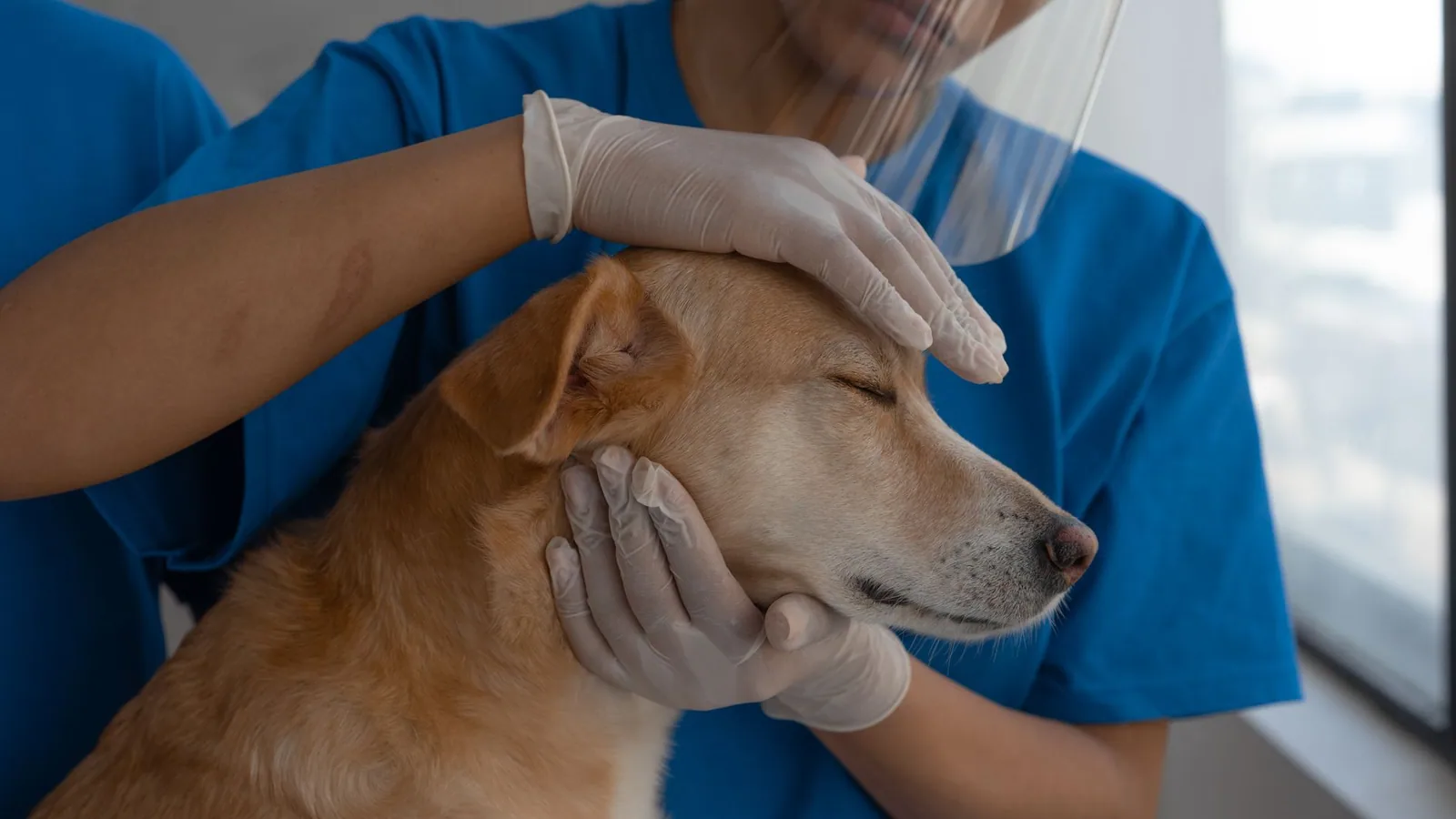
Any dog showing ear infection symptoms for more than a day or two should be examined. Your vet will perform an otoscopic exam to check for foreign bodies, polyps, or a ruptured eardrum. They will likely take a swab for cytology to identify the causative organism, bacteria, yeast, or both. Depending on severity, treatment may include:
- Medicated ear drops (antibiotics, antifungals, or steroids)
- Oral antibiotics or antifungals for chronic cases
- Ear flush under sedation if debris is heavy
- Allergy testing if infections recur frequently
Do not delay treatment. Untreated infections can lead to chronic changes, hearing loss, or even neurological signs if the infection spreads to the inner ear.
Prevention and Ongoing Care
Preventing ear infections is easier than treating them. Incorporate these habits into your dog’s routine:
- Weekly ear checks: Look for redness, discharge, or odour.
- Gentle cleaning: Use a vet-recommended cleaner monthly, or more often for dogs prone to infections.
- Manage allergies: Work with your veterinarian to control food or environmental allergies.
- Dry ears thoroughly: After swimming or bathing, use a drying solution if advised.
- Trim ear hair: For breeds with excessive ear hair, have a professional groomer or vet remove it to improve ventilation.
The AVMA, CVMA, and AVA all emphasise that early intervention and owner education are key to reducing the prevalence of chronic ear disease. If your dog experiences three or more infections per year, ask your veterinarian about a referral to a veterinary dermatologist.
By understanding the symptoms and following these guidelines, you can provide effective relief for your dog’s ear infection and help prevent future episodes. Always partner with your veterinarian for a tailored treatment plan based on your dog’s specific needs.