
Dog Diarrhea Treatment: Owner Triage, Veterinary Causes, and Safer Supportive Care
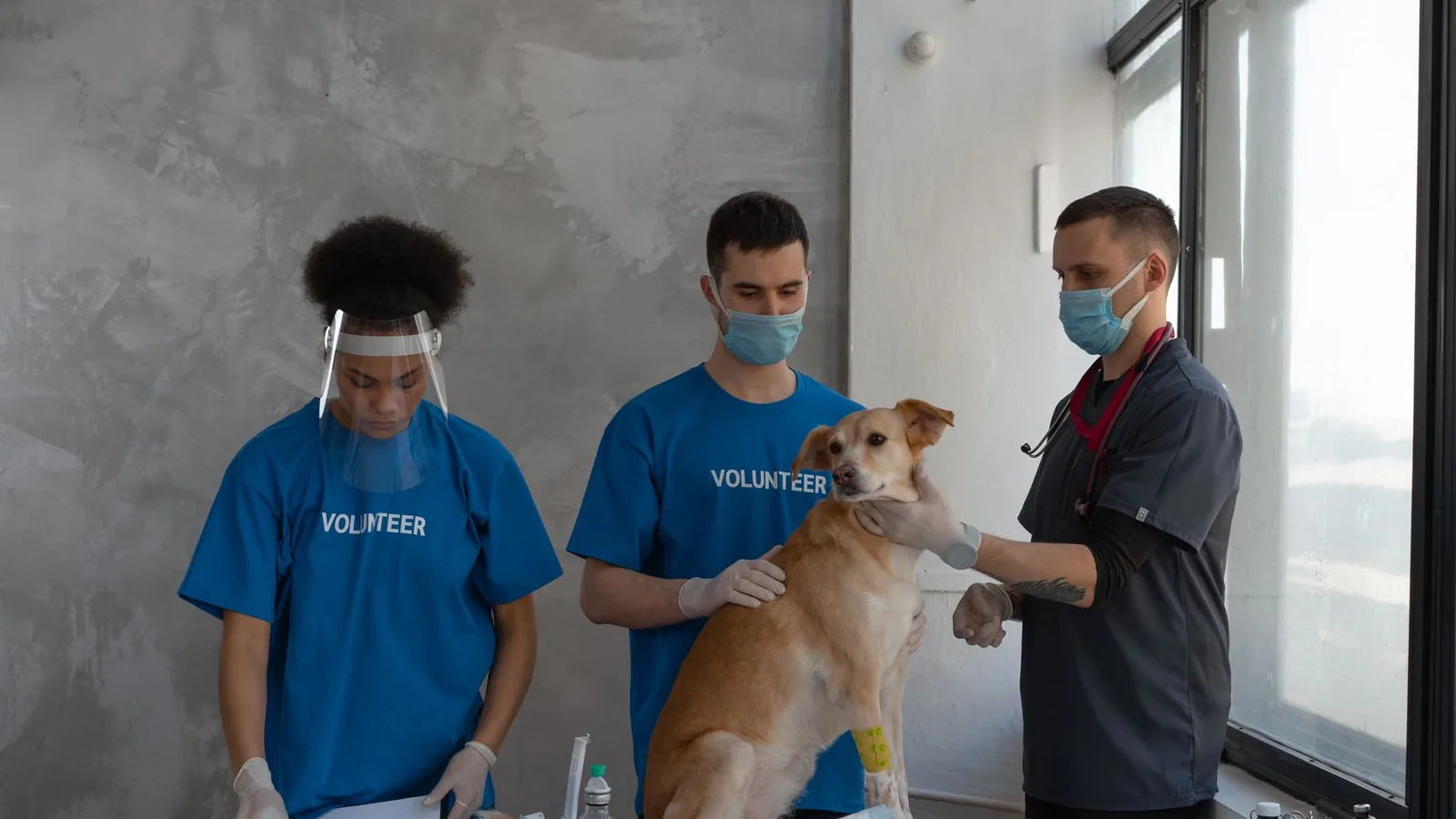
Owner-Facing Triage Summary
When a dog develops diarrhoea, the first question owners ask is what to give a dog for diarrhoea. The safest answer is often nothing until a veterinarian has assessed the situation. Most cases of uncomplicated acute diarrhoea in adult dogs resolve without medication within 1 to 3 days [11]. However, some dogs require urgent veterinary attention. This article provides a systematic approach to triaging diarrhoea at home, understanding veterinary causes, and using safer supportive care options.
When to seek immediate veterinary care:
- Bloody diarrhoea (especially dark, tarry, or frank red blood)
- Repeated vomiting alongside diarrhoea
- Suspected toxin ingestion (grapes, raisins, xylitol, chocolate, lilies)
- Known foreign body ingestion
- Severe lethargy or collapse
- Puppies under 6 months of age with any diarrhoea
- Senior dogs with pre-existing conditions
- Diarrhoea persisting beyond 48 hours despite supportive care
- Signs of dehydration (dry gums, sunken eyes, skin tenting)
When home observation is generally safe (adult dogs only):
- One or two episodes of soft stool
- Dog acting normally with normal appetite and energy
- No vomiting
- No known toxin exposure
- Normal hydration status
At a Glance: Diarrhoea Triage Decision Table
| Clinical Feature | Home Observation Safe | Veterinary Visit Recommended | Emergency Required |
|---|---|---|---|
| Stool consistency | Soft, formed | Watery, unformed | Bloody, black/tarry |
| Frequency | 1-2 episodes | 3-5 episodes | >5 episodes or straining |
| Vomiting | None | 1-2 episodes | Repeated vomiting |
| Energy level | Normal | Mildly subdued | Lethargic, collapsed |
| Hydration | Normal | Mildly dry gums | Sunken eyes, skin tent |
| Appetite | Normal | Reduced | Complete anorexia |
| Age | Adult (>1 year) | Senior (>8 years) | Puppy (<6 months) |
| Duration | <24 hours | 24-48 hours | >48 hours or worsening |
Understanding Diarrhoea: Anatomy and Physiology
Diarrhoea results from altered intestinal fluid and electrolyte transport, increased intestinal permeability, or abnormal motility. The small intestine absorbs most fluid and nutrients, while the large intestine concentrates stool and absorbs remaining water. When either segment becomes inflamed, infected, or irritated, normal absorption fails and water remains in the lumen.
Small bowel diarrhoea typically produces large volume, watery stools that may be dark or contain digested blood. Dogs often lose weight and may vomit.
Large bowel diarrhoea produces smaller volume, more frequent stools with mucus or fresh blood. Dogs strain (tenesmus) and may have urgency. The distinction helps narrow differential diagnoses [2].
Common Causes of Dog Diarrhoea
Dietary Indiscretion and Diet Changes
The most common cause of acute diarrhoea in dogs is dietary indiscretion: eating garbage, table scraps, spoiled food, or non-food items. Sudden diet changes also disrupt the intestinal microbiome. A 2025 clinical trial found that dogs with uncomplicated acute diarrhoea improved rapidly with supportive care alone, with median recovery time of 3.0 days in the cellulose group and 3.2 days in controls [11].
Parasitic Infections
Intestinal parasites remain a common cause of diarrhoea, especially in puppies. Giardia, coccidia, hookworms, roundworms, and whipworms all cause diarrhoea. The Companion Animal Parasite Council (CAPC) recommends routine fecal testing for all dogs with diarrhoea. Parasitic diarrhoea often responds to appropriate antiparasitic therapy.
Bacterial and Viral Infections
Canine parvovirus (CPV-2) causes severe haemorrhagic gastroenteritis, particularly in unvaccinated puppies. A 2025 study from Ecuador found CPV-2 in 78.47% of dogs with gastroenteritis, with genotypes 2a, 2b, and 2c all circulating [7]. Early detection via quantitative PCR improves survival because dogs receive prompt therapy [8].
Acute haemorrhagic diarrhoea syndrome (AHDS) presents with sudden onset bloody diarrhoea and vomiting. A 2025 retrospective study found that 52% of AHDS dogs developed neutropenia, and neutropenic dogs had significantly higher mortality (29% vs 4%) [16].
Food-Responsive Diarrhoea
Some dogs develop chronic diarrhoea triggered by dietary components. Fecal proteomic analysis has identified immunoglobulin J-chain in dogs with food-responsive diarrhoea, suggesting immune activation or mucosal damage [18]. These dogs often respond to elimination diets or hydrolysed protein diets.
Systemic Diseases
Chronic diarrhoea can result from pancreatitis, exocrine pancreatic insufficiency, inflammatory bowel disease, or neoplasia. A 2019 study found that a budget-limited diagnostic protocol successfully resolved diarrhoea in 72.2% of dogs with chronic diarrhoea [5].
Toxins
Many common household items cause diarrhoea in dogs. Grapes, raisins, xylitol, chocolate, onions, garlic, macadamia nuts, and mouldy foods all pose risks. Some plants (sago palm, lilies) and medications (NSAIDs, corticosteroids) also cause gastrointestinal signs. If toxin exposure is suspected, immediate veterinary consultation is essential.
Risk Factors
- Age: Puppies and senior dogs are at higher risk for severe disease
- Vaccination status: Unvaccinated dogs face higher parvovirus risk
- Diet: Dogs fed table scraps or raw diets have higher diarrhoea incidence
- Environment: Kennels, dog parks, and boarding facilities increase exposure to pathogens
- Travel: Dogs imported from endemic regions may carry Leishmania or other pathogens [3]
- Breed: Brachycephalic breeds may have higher risk of gastrointestinal disease
Veterinary Examination and Diagnostics
History and Physical Examination
The veterinarian will ask about onset, duration, frequency, stool character, vomiting, appetite, energy, toxin exposure, diet changes, travel history, and vaccination status. Physical examination includes abdominal palpation, hydration assessment, temperature, heart rate, and mucous membrane evaluation.
Fecal Testing
Fecal flotation identifies parasite eggs. Fecal culture has limited diagnostic value for chronic diarrhoea compared to PCR-based dysbiosis index [14]. The dysbiosis index measures bacterial imbalances and correlates better with clinical disease than traditional culture.
Blood Work
Complete blood count may reveal anaemia, neutrophilia, or neutropenia. A 2025 study found neutropenia in 52% of AHDS dogs and associated it with higher mortality [16]. Serum biochemistry assesses organ function, electrolytes, and protein levels.
Imaging
Abdominal radiographs may identify foreign bodies or obstructions. Ultrasound evaluates intestinal wall thickness, motility, and lymph nodes.
Specialised Testing
For chronic or refractory cases, veterinarians may recommend:
- Serum cobalamin and folate (pancreatic and intestinal function)
- Trypsin-like immunoreactivity (TLI) for exocrine pancreatic insufficiency
- Canine pancreatic lipase immunoreactivity (cPLI) for pancreatitis
- PCR for parvovirus, distemper, or specific bacterial pathogens
- Endoscopy with biopsy for inflammatory bowel disease
Evidence-Based Management of Diarrhoea
Supportive Care: The Foundation of Treatment
Most uncomplicated acute diarrhoea cases resolve with supportive care alone. The 2024 study from Denmark found that only 7% of owners expected antimicrobial prescription, and 80% expressed satisfaction with the consultation [4]. This aligns with antimicrobial stewardship guidelines.
Dietary management:
- Withhold food for 12-24 hours (adult dogs only; never fast puppies)
- Introduce a bland diet: boiled white rice or sweet potato with boiled chicken breast (skinless, boneless) or low-fat cottage cheese
- Feed small, frequent meals (4-6 per day)
- Gradually transition back to regular diet over 3-5 days
Fiber supplementation: A 2025 double-blinded trial found that dietary cellulose marginally improved stool consistency on day 1 in dogs with uncomplicated acute diarrhoea [11]. Soluble fiber (psyllium, pumpkin) may help some dogs, while insoluble fiber (cellulose) benefits others.
Probiotics: Host-derived probiotic strains show promise. A 2026 study found that Lactiplantibacillus plantarum TUCO-16 and Lacticaseibacillus rhamnosus TUCO-17 demonstrated high adhesion (up to 92%), no cytotoxic effects, and induced expression of mucins and tight junction proteins in epithelial cells (up to 414-fold and 21-fold increases) [1]. In vivo, these formulations improved stool consistency without affecting frequency, contrasting with metronidazole.
Antimicrobial Stewardship
Veterinary guidelines increasingly recommend against routine antibiotic use for uncomplicated acute diarrhoea. A 2026 survey of 1,626 US veterinarians found that educational interventions increased comfort with withholding antibiotics (video group: 86% to 90%; handout group: 85% to 91%) and using prebiotics and probiotics instead [9].
However, antibiotics remain indicated for dogs with:
- Systemic signs (fever, sepsis, SIRS)
- Neutropenia
- Confirmed bacterial infection
- Severe haemorrhagic diarrhoea
Metronidazole is commonly prescribed but carries risks including dysbiosis. A 2024 study found that antibiotic treatment for AHDS led to persistently elevated dysbiosis index and reduced Peptacetobacter hiranonis abundance at day 42 [17].
Fecal Microbiota Transplantation (FMT)
FMT has emerged as a therapy for acute haemorrhagic diarrhoea syndrome. A 2024 prospective trial compared FMT, symptomatic treatment, and antibiotic treatment in 32 dogs with AHDS. No significant differences in clinical scores were detected between groups over time, except on day 2 where the antibiotic group had higher AHDS index than the FMT group [17]. However, FMT did not show superiority over symptomatic treatment alone.
Fluid Therapy
Dehydration is the primary concern with diarrhoea. Oral rehydration solutions (unflavoured Pedialyte or veterinary formulations) can help mild cases. Moderate to severe dehydration requires intravenous or subcutaneous fluids administered by a veterinarian.
Assessing dehydration:
- Mild (5%): Slightly dry mucous membranes
- Moderate (7-8%): Dry gums, skin tenting, sunken eyes
- Severe (10-12%): Prolonged skin tent, sunken eyes, tachycardia, weak pulses
Unsafe Home Remedies
Many common home remedies are dangerous for dogs:
- Kaolin-pectin: May interfere with absorption of other medications
- Loperamide (Imodium): Contraindicated in dogs with MDR1 mutation (collies, Australian shepherds, etc.), can cause ileus and toxicity
- Bismuth subsalicylate (Pepto-Bismol): Contains salicylate, toxic to cats and potentially dogs; can cause gastrointestinal bleeding
- Human probiotics: May contain xylitol or strains not beneficial for dogs
- Yogurt: Many dogs are lactose intolerant; yogurt may worsen diarrhoea
- Rice water: While sometimes helpful, can cause electrolyte imbalances if used excessively
- Activated charcoal: Only indicated for specific toxin ingestions; can cause vomiting and aspiration
Special Considerations: Puppy Diarrhoea
Puppies with diarrhoea require urgent veterinary attention. Their small size makes dehydration rapid and dangerous. Common causes include:
- Parvovirus: Highly contagious, often fatal without treatment. Vaccination is critical but not 100% protective. A 2025 study found CPV-2 in 78.47% of dogs with gastroenteritis [7].
- Parasites: Giardia, coccidia, hookworms, roundworms
- Dietary indiscretion: Puppies explore the world with their mouths
- Stress: New environments, weaning, vaccination
Never fast a puppy. Puppies need frequent small meals to maintain blood glucose. Veterinary consultation is mandatory for any puppy with diarrhoea.
Special Considerations: Bloody Diarrhoea
Bloody diarrhoea (haematochezia or melena) always warrants veterinary evaluation. Causes include:
- Acute haemorrhagic diarrhoea syndrome (AHDS): Sudden onset bloody diarrhoea, vomiting, often in otherwise healthy dogs. Neutropenia occurs in 52% of cases and increases mortality risk [16].
- Parvovirus: Especially in unvaccinated puppies
- Haemorrhagic gastroenteritis (HGE): Older term for AHDS
- Toxin ingestion: Rat poison, NSAIDs, heavy metals
- Intussusception: Intestine telescopes into itself
- Colonic neoplasia: Less common but possible in older dogs
A 2025 case report described colonic stricture formation following rectal Foley catheter use for AHDS, highlighting that even standard treatments carry risks [10].
Prevention
- Vaccination: Core vaccines (parvovirus, distemper, adenovirus) prevent major causes of diarrhoea
- Parasite prevention: Year-round heartworm prevention also controls intestinal parasites
- Diet consistency: Avoid sudden diet changes; transition over 5-7 days
- Supervision: Prevent access to garbage, toxins, and non-food items
- Hygiene: Clean food and water bowls regularly; pick up faeces promptly
- Stress reduction: Minimise environmental changes; use pheromone products if needed
- Probiotics: Some evidence supports prophylactic probiotic use in high-risk situations
Prognosis
Most dogs with uncomplicated acute diarrhoea recover fully within 1-3 days with supportive care [11]. Dogs with AHDS have a good prognosis with appropriate treatment, though neutropenia increases mortality risk [16]. Chronic diarrhoea often requires dietary modification and may be managed long-term. Parasitic diarrhoea resolves with appropriate antiparasitic therapy.
Dogs with parvovirus have a guarded prognosis, especially without treatment. Early detection via qPCR improves survival because dogs receive prompt therapy [8]. Mortality rates range from 10-30% even with intensive care.
When Home Observation Is Unsafe
Home observation is unsafe when any of the following are present:
- Puppy under 6 months: Dehydration risk is too high
- Bloody diarrhoea: Requires diagnostic workup
- Repeated vomiting: Risk of aspiration and electrolyte imbalance
- Lethargy or collapse: Indicates systemic illness
- Known toxin ingestion: Requires immediate decontamination
- Pre-existing conditions: Diabetes, kidney disease, liver disease, heart disease
- Immunosuppression: From medications or disease
- Duration >48 hours: Risk of worsening dehydration and malnutrition
Clinical Reasoning: Differentiating Acute from Chronic Diarrhoea
The distinction between acute and chronic diarrhoea fundamentally alters the diagnostic and therapeutic approach. Acute diarrhoea, defined as lasting fewer than 14 days, is most often self-limiting and triggered by dietary indiscretion, stress, or transient infections. Chronic diarrhoea, persisting for 14 days or longer, warrants a more structured investigation because the differential list expands to include inflammatory bowel disease, exocrine pancreatic insufficiency, antibiotic-responsive enteropathy, and neoplasia.
A structured individualised protocol for chronic diarrhoea resolved clinical signs in 72.2% of dogs in a 2019 study, demonstrating that a budget-limited, stepwise approach can be effective without exhaustive testing in every case [5]. This protocol typically begins with dietary modification (elimination diet or hydrolysed protein), followed by empirical therapy for parasites, and then progresses to more advanced diagnostics only if the initial steps fail. Owners should understand that chronic diarrhoea often requires patience: response to dietary change may take 2 to 4 weeks, and multiple diet trials may be necessary before identifying the trigger.
The faecal microbiome plays a central role in both acute and chronic diarrhoea. Traditional faecal culture has limited diagnostic value for chronic diarrhoea compared to PCR-based dysbiosis index testing, which quantifies bacterial imbalances that correlate more closely with clinical disease [14]. The dysbiosis index measures the relative abundance of key bacterial groups such as Faecalibacterium, Turicibacter, and Blautia, and a dysbiotic profile often normalises with successful treatment. This testing is increasingly available through commercial veterinary laboratories and can guide probiotic selection and monitor treatment response.
Diagnostic Workflow: What to Expect During a Veterinary Visit
When an owner presents a dog with diarrhoea, the veterinarian follows a systematic workflow that begins with a thorough history. Owners can expedite this process by preparing specific information before the appointment. The veterinarian will ask about the onset and duration of diarrhoea, stool character (colour, consistency, presence of blood or mucus), frequency of episodes, and any associated signs such as vomiting, appetite changes, or lethargy. A complete dietary history includes not only the dog's regular food but also treats, table scraps, chews, and any recent diet changes. Travel history, exposure to other animals, vaccination status, and current medications are equally important.
Physical examination focuses on hydration status, abdominal palpation, rectal examination, and assessment of mucous membrane colour. Abdominal palpation may reveal thickened intestinal loops (suggesting inflammatory bowel disease or neoplasia), a fluid-filled intestinal segment (suggesting obstruction), or pain localised to the pancreas. Rectal examination allows visualisation of faecal colour and consistency and may detect masses or strictures.
Diagnostic testing proceeds based on clinical suspicion. For acute diarrhoea in an otherwise healthy adult dog, minimal testing may be appropriate: a faecal flotation to rule out parasites and a basic blood panel to assess hydration and electrolyte status. For puppies, unvaccinated dogs, or dogs with bloody diarrhoea, parvovirus testing via ELISA or quantitative PCR is indicated. A 2025 study demonstrated that quantitative PCR detects parvovirus earlier and more sensitively than ELISA, allowing prompt initiation of therapy and improved survival [8]. For chronic diarrhoea, serum cobalamin and folate levels help assess small intestinal function and pancreatic health, while trypsin-like immunoreactivity (TLI) rules out exocrine pancreatic insufficiency.
Owners should understand that diagnostic testing is not always necessary for every episode of diarrhoea. The decision to test depends on the dog's age, clinical signs, duration, and risk factors. A veterinarian may recommend a "wait-and-see" approach with supportive care for mild, acute diarrhoea in an adult dog, reserving diagnostics for cases that fail to improve or worsen.
Evidence Limitations: What the Research Does and Does Not Tell Us
While the veterinary literature provides valuable guidance, owners and clinicians must recognise the limitations of current evidence. Many studies on dog diarrhoea treatment are small, single-centre, or lack placebo controls. The 2025 trial evaluating dietary cellulose for uncomplicated acute diarrhoea included only 30 dogs and found marginal improvement in stool consistency on day 1, with no difference by day 3 [11]. This highlights that even well-designed studies may show modest effects that do not translate to dramatic clinical benefit.
The evidence for probiotics in acute diarrhoea is mixed. While the 2026 study on Lactiplantibacillus plantarum and Lacticaseibacillus rhamnosus showed promising in vitro results and improved stool consistency in vivo, the study was small and used a specific proprietary formulation [1]. These findings cannot be generalised to all probiotic products, many of which contain different strains, doses, or formulations that may be ineffective or even harmful. Owners should be cautious about over-the-counter probiotics marketed for dogs, as quality control varies widely and some products contain xylitol or other harmful additives.
Antimicrobial stewardship research has focused on changing veterinarian prescribing behaviour, but the long-term impact on clinical outcomes remains unclear. A 2026 survey found that educational interventions increased veterinarians' comfort with withholding antibiotics for acute diarrhoea, but whether this translates to reduced antimicrobial resistance or improved patient outcomes has not been directly measured [9]. Similarly, the 2024 study on owner expectations found that only 7% of owners expected antibiotics, but this was a single-centre study in Denmark and may not reflect attitudes in other regions [4].
Fecal microbiota transplantation (FMT) for acute haemorrhagic diarrhoea syndrome (AHDS) has shown promise but not superiority over symptomatic treatment alone. The 2024 trial comparing FMT, symptomatic treatment, and antibiotics found no significant differences in clinical scores between groups over time, except on day 2 where the antibiotic group had a higher AHDS index than the FMT group [17]. This suggests that FMT is not a magic bullet and that symptomatic care remains the cornerstone of treatment for AHDS.
Owners should interpret research findings with appropriate caution. A single study, no matter how well-designed, does not establish clinical truth. Evidence-based veterinary medicine integrates the best available research with clinical expertise and owner preferences. What works for one dog may not work for another, and treatment decisions should be individualised.
Owner Observation and Preparation for a Veterinary Visit
Owners play a critical role in the diagnostic process by providing accurate, detailed observations. Before contacting a veterinarian, owners should document the following information to facilitate efficient triage and decision-making:
- Stool characteristics: Colour (brown, yellow, green, black, red), consistency (formed, soft, watery, mucoid), presence of blood (fresh red streaks versus dark, tarry digested blood), and volume (small frequent squirts versus large volume)
- Frequency and timing: Number of episodes in the past 12 to 24 hours, whether diarrhoea occurs during the day, night, or both, and whether the dog strains or appears painful
- Associated signs: Vomiting (frequency, content, timing relative to diarrhoea), appetite (normal, reduced, absent), water intake (increased, decreased, normal), energy level, and any changes in urination
- Dietary history: All food, treats, chews, and supplements consumed in the past 48 to 72 hours, including any table scraps, garbage access, or foreign objects
- Medication and toxin exposure: Any medications (prescription, over-the-counter, or herbal), recent vaccinations, flea/tick preventatives, or potential toxin exposure (grapes, raisins, xylitol, chocolate, plants, household chemicals)
- Medical history: Age, breed, vaccination status, parasite prevention, pre-existing conditions (kidney disease, liver disease, diabetes, pancreatitis, inflammatory bowel disease), and current medications
- Environmental factors: Recent boarding, travel, dog park visits, exposure to other animals, or changes in household routine
Owners should also collect a fresh faecal sample (less than 12 hours old) in a clean, sealable container. If possible, photograph the stool to show the veterinarian, as colour and consistency can change between episodes. For dogs with bloody diarrhoea, a photograph of the blood-stained stool can help the veterinarian assess severity.
When calling the veterinary clinic, owners should state clearly that their dog has diarrhoea and provide the key details listed above. This allows the veterinary team to triage the case and determine whether an immediate appointment is necessary or whether home monitoring is appropriate. Owners should not hesitate to call if they are unsure, veterinary professionals are trained to help owners make informed decisions.
Prevention: Evidence-Based Strategies for Reducing Diarrhoea Risk
Preventing diarrhoea is more effective than treating it, and several evidence-based strategies can reduce the risk of gastrointestinal upset in dogs.
Dietary consistency is the single most important preventive measure. Sudden diet changes disrupt the intestinal microbiome and can trigger diarrhoea. When transitioning to a new food, owners should mix increasing proportions of the new food with the old food over 5 to 7 days. For dogs with sensitive stomachs, an even slower transition over 10 to 14 days may be necessary. Feeding a consistent, high-quality diet appropriate for the dog's life stage and health status supports gastrointestinal health.
Parasite prevention is essential for all dogs, regardless of lifestyle. Year-round heartworm prevention products that also control intestinal parasites (such as milbemycin oxime or selamectin) reduce the risk of parasitic diarrhoea. The Companion Animal Parasite Council recommends faecal testing at least once yearly for adult dogs and more frequently for puppies and dogs with diarrhoea. Even dogs on year-round prevention can acquire parasites, particularly Giardia and coccidia, which are not covered by all products.
Vaccination against canine parvovirus, distemper, and adenovirus is critical for preventing severe viral diarrhoea. Puppies should receive a series of vaccines starting at 6 to 8 weeks of age, with boosters every 3 to 4 weeks until 16 to 20 weeks of age. Adult dogs require booster vaccinations every 1 to 3 years depending on vaccine type and local regulations. A 2025 study found that parvovirus was present in 78.47% of dogs with gastroenteritis in Ecuador, underscoring the ongoing importance of vaccination [7].
Hygiene and environmental management reduce exposure to pathogens. Food and water bowls should be washed daily with hot, soapy water. Faeces should be picked up promptly from the yard and disposed of properly. Dogs should be supervised during walks to prevent scavenging. Kennels, dog parks, and boarding facilities increase exposure to infectious agents, and owners should ensure these environments are clean and well-managed.
Stress reduction is often overlooked but can be important for dogs prone to stress-induced diarrhoea. Environmental enrichment, consistent routines, and pheromone products (such as Adaptil) may help reduce stress-related gastrointestinal signs. For dogs that develop diarrhoea during boarding or travel, a temporary bland diet and probiotics may be beneficial.
Probiotic prophylaxis may reduce the risk of diarrhoea in high-risk situations, such as during antibiotic therapy, boarding, or travel. However, evidence is limited, and not all probiotic products are effective. Owners should choose products with documented strains and quality control, and consult their veterinarian for recommendations.
Prognosis: What Owners Can Expect for Different Diarrhoea Types
The prognosis for diarrhoea depends on the underlying cause, the dog's age and health status, and the timeliness of intervention.
Uncomplicated acute diarrhoea in adult dogs carries an excellent prognosis. Most dogs recover fully within 1 to 3 days with supportive care alone, as demonstrated by the 2025 trial where median recovery time was 3.0 to 3.2 days [11]. Owners can expect gradual improvement in stool consistency over 24 to 72 hours, with return to normal activity and appetite within the same timeframe. If diarrhoea persists beyond 48 hours or worsens, veterinary re-evaluation is warranted.
Acute haemorrhagic diarrhoea syndrome (AHDS) has a good prognosis with appropriate treatment, but the presence of neutropenia significantly worsens outcomes. A 2025 retrospective study found that 52% of AHDS dogs developed neutropenia, and neutropenic dogs had a mortality rate of 29% compared to 4% in non-neutropenic dogs [16]. Owners should understand that AHDS requires veterinary hospitalisation for fluid therapy, monitoring, and supportive care. Most dogs recover within 3 to 7 days, but those with neutropenia may require longer hospitalisation and more intensive monitoring.
Parvovirus carries a guarded prognosis, especially without treatment. Mortality rates range from 10% to 30% even with intensive care, and higher in unvaccinated puppies or dogs with concurrent infections. Early detection via quantitative PCR improves survival because dogs receive prompt therapy [8]. Owners of puppies with parvovirus should expect a hospital stay of 5 to 10 days, with intensive fluid therapy, antiemetics, antibiotics, and nutritional support. Even with aggressive treatment, some dogs do not survive, and survivors may have long-term gastrointestinal sensitivity.
Parasitic diarrhoea resolves with appropriate antiparasitic therapy, typically within 3 to 7 days. However, some parasites (such as Giardia) can be difficult to eliminate and may require multiple treatment courses. Owners should follow up with faecal testing to confirm clearance.
Chronic diarrhoea has a variable prognosis depending on the underlying cause. Dogs with food-responsive diarrhoea often improve within 2 to 4 weeks of dietary modification, and many can be managed long-term with a consistent diet. Dogs with inflammatory bowel disease may require lifelong immunosuppressive therapy, and the prognosis depends on the severity of disease and response to treatment. Dogs with exocrine pancreatic insufficiency have an excellent prognosis with enzyme replacement therapy, though lifelong supplementation is necessary. Dogs with intestinal neoplasia have a guarded to poor prognosis, depending on tumour type and stage.
Special-Population Considerations: Senior Dogs and Brachycephalic Breeds
Senior dogs (typically over 8 years of age) with diarrhoea require special consideration because they are more likely to have underlying systemic diseases that complicate management. Chronic kidney disease, liver disease, pancreatitis, exocrine pancreatic insufficiency, and neoplasia all become more common with age and can present with diarrhoea as a primary sign. Senior dogs also have reduced physiological reserve, making dehydration and electrolyte imbalances more dangerous.
When a senior dog develops diarrhoea, the threshold for veterinary evaluation should be lower than for a young adult dog. Even mild diarrhoea can precipitate acute kidney injury in a dog with underlying renal insufficiency, or worsen hepatic encephalopathy in a dog with liver disease. Owners should not attempt home management for more than 24 hours without veterinary guidance. Diagnostic testing in senior dogs should include a complete blood count, serum biochemistry, urinalysis, and possibly imaging to rule out underlying disease.
Brachycephalic breeds (such as Bulldogs, French Bulldogs, Pugs, and Boston Terriers) may have a higher risk of gastrointestinal disease due to anatomical abnormalities. Brachycephalic obstructive airway syndrome (BOAS) is associated with increased intra-abdominal pressure, which can contribute to gastroesophageal reflux, hiatal hernia, and chronic gastritis. These dogs may present with vomiting, regurgitation, and diarrhoea that is multifactorial in origin. Owners of brachycephalic breeds should be aware that diarrhoea may be a sign of underlying airway or gastrointestinal dysfunction, and a thorough evaluation is warranted.
Brachycephalic dogs also have higher anaesthetic risks, which is relevant if endoscopy or surgery is needed for diagnosis or treatment. Owners should discuss these risks with their veterinarian before pursuing advanced diagnostics.
When to Re-evaluate: Monitoring Treatment Response and Recognising Treatment Failure
Owners managing diarrhoea at home under veterinary guidance should know how to monitor treatment response and recognise when a change in plan is needed. The following parameters should be tracked daily:
- Stool consistency and frequency: Improvement is defined as fewer episodes per day and firmer stool. Worsening is defined as increased frequency, looser stool, or new onset of blood.
- Appetite and water intake: A dog that begins eating and drinking normally is improving. Persistent anorexia or polydipsia warrants re-evaluation.
- Energy level: Return to normal activity is a positive sign. Lethargy or weakness indicates systemic illness.
- Vomiting: New onset of vomiting during treatment for diarrhoea is a red flag and requires veterinary attention.
- Hydration status: Owners can assess hydration by checking mucous membrane moisture (gums should be moist and pink), skin elasticity (skin should snap back quickly when lifted), and eye position (eyes should not appear sunken).
If diarrhoea persists beyond 48 hours despite supportive care, or if any of the above parameters worsen, the dog should be re-evaluated by a veterinarian. Treatment failure may indicate an underlying cause that requires specific therapy, such as antibiotics for bacterial overgrowth, antiparasitics for resistant parasites, or immunosuppressive drugs for inflammatory bowel disease.
Owners should also be aware that some treatments, such as probiotics or dietary fibre, may take several days to show benefit. A lack of improvement within 24 hours does not necessarily mean the treatment is ineffective. However, if the dog's condition is deteriorating, waiting is not appropriate.
This article is educational and is not a substitute for veterinary diagnosis or treatment. Always consult a licensed veterinarian for any health concerns regarding your dog.
Frequently Asked Questions
1. What can I give my dog for diarrhoea at home? The safest home treatment is a 12-24 hour fast (adult dogs only) followed by a bland diet of boiled white rice and boiled chicken breast. Ensure fresh water is always available. Do not give human medications without veterinary approval.
2. When should I take my dog to the vet for diarrhoea? Seek veterinary care if your dog has bloody diarrhoea, repeated vomiting, severe lethargy, suspected toxin ingestion, or if diarrhoea persists beyond 48 hours. Puppies under 6 months need veterinary evaluation for any diarrhoea.
3. Is pumpkin good for dogs with diarrhoea? Canned plain pumpkin (not pumpkin pie filling) can help some dogs due to its soluble fiber content. However, evidence is anecdotal. Start with 1-2 teaspoons per 10 pounds of body weight. Discontinue if diarrhoea worsens.
4. Can I give my dog Imodium for diarrhoea? No. Loperamide (Imodium) is dangerous for dogs with the MDR1 gene mutation (common in herding breeds) and can cause ileus, sedation, and toxicity. Never give human anti-diarrhoea medications without veterinary guidance.
5. Why does my dog have diarrhoea but is acting normal? Mild dietary indiscretion often causes soft stool without systemic signs. If your dog is eating, drinking, and behaving normally, home observation for 24-48 hours is reasonable. Ensure fresh water is available and monitor stool consistency.
6. How long does dog diarrhoea usually last? Uncomplicated acute diarrhoea typically resolves within 1-3 days with supportive care [11]. If diarrhoea persists beyond 48 hours or worsens, veterinary evaluation is recommended.
7. Can stress cause diarrhoea in dogs? Yes. Stress from boarding, travel, new environments, or changes in routine can cause diarrhoea. This is usually self-limiting but should be monitored. If accompanied by vomiting or lethargy, seek veterinary care.
8. What does bloody diarrhoea in dogs mean? Bloody diarrhoea can indicate acute haemorrhagic diarrhoea syndrome, parvovirus, toxin ingestion, or other serious conditions. It always requires veterinary evaluation. Neutropenia occurs in 52% of AHDS cases and increases mortality risk [16].
Related Veterinary Guides
- Puppy Vaccination Schedule: Core and Non-Core Vaccines
- Canine Parvovirus: Diagnosis, Treatment, and Prevention
- Antimicrobial Stewardship in Small Animal Practice
- Gastrointestinal Parasites in Dogs: Identification and Management
- Emergency First Aid for Dogs: A Practical Guide
- Canine Nutrition: A Guide to Balanced Diets
This article is educational and is not a substitute for veterinary diagnosis or treatment. Always consult a licensed veterinarian for any health concerns regarding your dog.
References
[1] Muñoz-Flores C, Sandoval F, Buldres P et al. Canine Microencapsulated Probiotic Formulations Modulate Immunity and Improve Acute Diarrhea in Dogs. Probiotics Antimicrob Proteins. 2026. https://pubmed.ncbi.nlm.nih.gov/40782189/
[2] Leib, E. C. Codner, W. E. Monroe. A diagnostic approach to chronic large bowel diarrhea in dogs. Journal. 1991. https://www.semanticscholar.org/paper/c85719fa043a8b5911774b76148e31aa3eee6f09
[3] Ki-Yeon Son, Gyeonggook Park, Joonghyun Song. Imported case of canine viscerocutaneous leishmaniasis in South Korea: clinical presentation and diagnostic approach in a Labrador Retriever. Journal of Veterinary Sciences. 2025. https://www.semanticscholar.org/paper/a9878313bb946d48c8dc685cacecb678a43c6974
[4] Gravgaard AS, Jessen LR, Bjørnvad CR et al. Owner expectations regarding antimicrobial prescription for canine acute diarrhea: A prospective observational study from the capital of Denmark. Vet J. 2024. https://pubmed.ncbi.nlm.nih.gov/39260739/
[5] C. Bryan, J. Cade, A. Mackin et al. Evaluation of a structured individualised protocol as a potential cost‐effective diagnostic and therapeutic approach to chronic diarrhoea in the dog. Veterinary Medicine and Science. 2019. https://www.semanticscholar.org/paper/6fef93fab9d8b4589f339fe458f20244db0d8adc
[6] F. Gentilini, C. Palgrave, M. Neta et al. Validation of a Liquid Biopsy Protocol for Canine BRAFV595E Variant Detection in Dog Urine and Its Evaluation as a Diagnostic Test Complementary to Cytology. Frontiers in Veterinary Science. 2022. https://www.semanticscholar.org/paper/6e0780512f6798fcc5122c49be7b9c2fd059150b
[7] Loor-Giler A, Santander-Parra S, Castillo-Reyes S et al. Characterization, Quantification, and Molecular Identification of Co-Infection of Canine Parvovirus (CPV-2) Variants in Dogs Affected by Gastroenteritis in Ecuador During 2022-2023. Vet Sci. 2025. https://pubmed.ncbi.nlm.nih.gov/39852921/
[8] Loor-Giler A, Castillo-Reyes S, Santander-Parra S et al. Molecular detection and quantification of canine parvovirus 2 using a fast and sensitive SYBR(®) green-based quantitative polymerase chain reaction assay in dogs affected with gastroenteritis. Vet World. 2024. https://pubmed.ncbi.nlm.nih.gov/39619927/
[9] Frey E, Kedrowicz A, Granick J et al. Antimicrobial stewardship education increases US veterinarians' intention to avoid prescribing antimicrobial drugs for canine acute diarrhea, January 2025. J Am Vet Med Assoc. 2026. https://pubmed.ncbi.nlm.nih.gov/41950947/
[10] McLanachan WJ, Farraway KM, Burgess DM et al. Colonic Stricture Formation in a Dog Treated for Acute Hemorrhagic Diarrhea Syndrome With a Rectal Foley Catheter. J Vet Emerg Crit Care (San Antonio). 2025. https://pubmed.ncbi.nlm.nih.gov/40785148/
[11] Holz M, Fritz J, Suchodolski JS et al. Effects of dietary cellulose on clinical and gut microbiota recovery in dogs with uncomplicated acute diarrhea: a randomized prospective clinical trial. J Am Vet Med Assoc. 2025. https://pubmed.ncbi.nlm.nih.gov/39536440/
[12] J. Novo Matos, Joel Silva, Sandra Regada et al. Hypertrophic cardiomyopathy in a dog: a systematic diagnostic approach. Journal of Veterinary Cardiology. 2023. https://www.semanticscholar.org/paper/8302e7475ecc867e0e40823d76ff974257d0e27b
[13] A. Candellone, P. Badino, F. Girolami et al. Dog Owners’ Attitude toward Veterinary Antibiotic Use and Antibiotic Resistance with a Focus on Canine Diarrhea Management. Animals. 2023. https://www.semanticscholar.org/paper/b0a9018ca1c5008fedb84d50541884795b966dcc
[14] Melanie Werner, J. Suchodolski, J. Lidbury et al. Diagnostic value of fecal cultures in dogs with chronic diarrhea. Journal of Veterinary Internal Medicine. 2020. https://www.semanticscholar.org/paper/5cec8b6e75cfcf2e278ff481b275a60f9f56b4fb
[15] Frey E, Kedrowicz A, Granick J et al. New graduates and academic veterinarians' intentions to treat canine acute diarrhea align with antimicrobial stewardship guidelines, January 2025. J Am Vet Med Assoc. 2026. https://pubmed.ncbi.nlm.nih.gov/41534218/
[16] Dolan C, Santo-Domingo NE. Retrospective evaluation of the incidence and outcome of neutropenia in dogs with acute hemorrhagic diarrhea syndrome (2017-2022): 54 cases. J Vet Emerg Crit Care (San Antonio). 2025. https://pubmed.ncbi.nlm.nih.gov/39831443/
[17] Reisinger A, Stübing H, Suchodolski JS et al. Comparing treatment effects on dogs with acute hemorrhagic diarrhea syndrome: fecal microbiota transplantation, symptomatic therapy, or antibiotic treatment. J Am Vet Med Assoc. 2024. https://pubmed.ncbi.nlm.nih.gov/39094622/
[18] M. Cerquetella, G. Rossi, A. Spaterna et al. Fecal Proteomic Analysis in Healthy Dogs and in Dogs Suffering from Food Responsive Diarrhea. TheScientificWorldJournal. 2019. https://www.semanticscholar.org/paper/8104a4cfff2ff4aa1079779d8c428f9d3f764f8b
[19] L. Athanasiou, Myrto Spyropoulou, K. Meichner. The laboratory diagnostic approach to thoracic and abdominal effusions in the dog, cat, and horse. Journal of the Hellenic Veterinary Medical Society. 2019. https://www.semanticscholar.org/paper/490fb23ba4b51a7a43455bdc4f15c828afd3546f
[20] S. Paltrinieri. The diagnostic approach to anaemia in the dog and cat. Journal. 2017. https://www.semanticscholar.org/paper/dc95038f8f90f21b3424f954e89fef4d3a262986
[21] Merck Veterinary Manual: Gastroenteritis in Small Animals. https://www.merckvetmanual.com/digestive-system/diseases-of-the-stomach-and-intestines-in-small-animals/gastroenteritis-in-small-animals
[22] AVMA Pet First Aid. https://www.avma.org/resources-tools/pet-owners/emergency-care/pet-first-aid-basic-procedures