Crackling Breathing Sounds in Dogs: What They Mean
By Dr. Zubair Khalid, DVM, MS, PhD ·
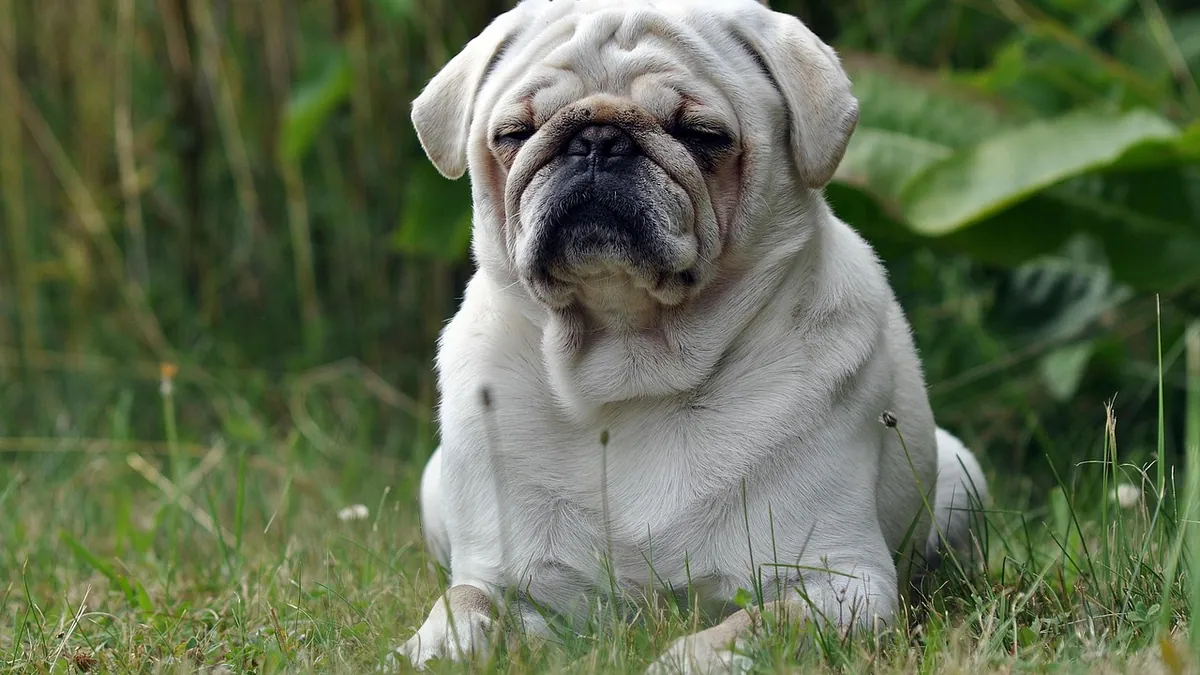
Crackling breathing sounds in dogs usually mean air is moving through fluid, mucus, or narrowed airways in the lungs. That can happen with heart disease, pneumonia, or airway collapse, and some causes are emergencies. If you hear dog breathing crackling or crackly noises, treat it as a reason to call your veterinarian, not a wait-and-see symptom.
This article is educational and is not a substitute for veterinary diagnosis or treatment.
Quick Answer
- Crackling (also described as rattling or bubbly) breath sounds are not normal and point to fluid, mucus, or airway narrowing in the lungs [1].
- The most common serious causes are cardiogenic pulmonary edema from heart disease, pneumonia, and airway collapse such as bronchomalacia [2][3].
- A dog who is struggling to breathe, breathing with the belly or open mouth at rest, or has blue or gray gums needs emergency care now.
- Do not give human cough syrups, decongestants, or leftover antibiotics. Some human drugs are toxic to dogs, and the wrong treatment can make lung disease worse.
- Count your dog's breaths while resting and record the number. A resting respiratory rate is one of the most useful things you can bring to the vet [3].
What Crackling Breath Sounds Look and Sound Like
Crackles are short, popping or bubbling noises heard when air passes through fluid or collapsed small airways. Owners often describe them as a crackly, rattling, or "Rice Krispies" sound coming from the chest. You may hear it with your ear near your dog's ribcage, or your veterinarian may hear it through a stethoscope.
Some dogs with crackling lungs also breathe faster, use their belly muscles to breathe, or stretch their neck out to move more air. Others just sound noisy and act fairly normal at first. That difference matters, because a dog can have significant lung disease before obvious distress shows up.
What Normal Dog Breathing Sounds Like
Normal breathing is usually quiet. Air moves in through the nose or mouth, down the trachea, into the bronchi and bronchioles, and finally into the tiny air sacs called alveoli, where oxygen crosses into the blood [1]. The airways warm, humidify, and filter that air, and large particles get trapped in mucus and are swallowed or coughed up [1].
Dogs also pant to cool down, which can sound loud but is not the same as crackling. Panting is fast, open-mouthed breathing used for temperature regulation [1]. If your dog is panting after a walk on a hot day, that is expected. If your dog is making crackling noises while resting in a cool room, that is not.
Normal vs. Abnormal at a Glance
| Feature | Usually normal | Worth a vet call |
|---|---|---|
| Sound | Quiet, or loud panting after activity or heat | Crackles, rattles, bubbling, wheezing at rest |
| Rate | Calm and steady at rest | Fast breathing while sleeping or resting |
| Effort | Chest moves gently | Belly pumping, elbows out, neck stretched |
| Gum color | Pink | Pale, blue, gray, or muddy |
| Behavior | Comfortable, eating, playful | Tired, refusing food, restless, can't settle |
Main Causes of Crackling Breathing in Dogs
Crackles are a sign, not a diagnosis. Several different problems can produce similar sounds, and the treatment is very different for each one.
Fluid in the Lungs (Pulmonary Edema)
Pulmonary edema means fluid has leaked into the lung tissue and air sacs. In dogs, one of the most common causes is heart disease, especially myxomatous mitral valve disease (MMVD). When the mitral valve leaks, pressure builds in the left atrium and then in the lung capillaries, and fluid pushes into the lungs [3].
In a group of 100 dogs with MMVD hospitalized for cardiogenic pulmonary edema, the median respiratory rate on arrival was 64 breaths per minute, and the median age was 12 years [3]. That is a striking number. A normal resting rate for most dogs is well under that, so a rate in the 60s at rest is a serious warning sign.
Fluid can also build up from non-heart causes, including pneumonia, acute respiratory distress syndrome, and lung bruising [4]. A dog can also develop pulmonary edema and hemorrhage after certain anesthetic drug combinations, which has been reported as an adverse effect in dogs and cats [5].
Pneumonia and Lung Infection
Pneumonia fills parts of the lung with inflammatory fluid, mucus, and cells. That mixture creates crackles and often a wet cough. Dogs with pneumonia may run a fever, breathe fast, tire easily, or go off food. Because the alveoli are where oxygen enters the blood, disease there can make a dog seriously ill [1].
Airway Collapse (Bronchomalacia)
Bronchomalacia means the cartilage in the airways is weak, so the bronchi sag or collapse when the dog breathes. It is an important respiratory disease in dogs and often comes with other conditions such as pulmonary hypertension [2]. In a study of 72 dogs with bronchoscopy-confirmed bronchomalacia, median survival after diagnosis was 998 days for all-cause mortality [2]. That number is encouraging for many dogs, but it also shows this is a long-term condition that needs monitoring.
Upper Airway Problems
Problems in the larynx or trachea can change breath sounds too. A laryngeal web, for example, is a rare condition that can block the upper airway and cause obstructive breathing difficulty [6]. Upper airway noise tends to be louder on the inhale and often sounds more like a honk or a rasp than a crackle. If your dog's cough sounds like a goose honk, see Dog Cough Sounds Like Honking.
Other Causes
Crackles can also come from smoke or chemical inhalation, severe allergies, bleeding into the lungs, or cancer. Sometimes the cause is never fully pinned down without imaging. Your veterinarian sorts this out with an exam, listening to the chest, and tests.
| Cause | Typical clues | How urgent |
|---|---|---|
| Cardiogenic pulmonary edema | Older small-breed dog, fast resting breathing, cough, tires easily [3] | Emergency |
| Pneumonia | Fever, wet cough, low appetite, crackles on exam [1][4] | Same day |
| Bronchomalacia | Long-standing cough, exercise intolerance, often other lung disease [2] | Soon, days |
| Non-heart pulmonary edema | Recent anesthesia, trauma, or critical illness [4][5] | Emergency |
| Laryngeal or tracheal blockage | Loud raspy breathing, worse on inhale, neck stretched out [6] | Emergency |
| Allergy, smoke, or irritant exposure | Sudden onset after exposure, often improves with fresh air | Same day |
Red Flags That Mean Emergency
Call an emergency hospital right away if you see any of these.
- Open-mouth breathing at rest, or breathing that looks like your dog is working hard for every breath.
- Belly or abdominal breathing, with the sides of the chest pulled in sharply.
- Blue, gray, white, or muddy gums and tongue.
- Collapse, stumbling, or a dog who cannot stand up.
- Resting respiratory rate that stays high, especially above 40 breaths per minute while asleep.
- A dog who paces, will not lie down, or cannot get comfortable.
- Coughing up pink, frothy fluid.
Breathing problems can worsen quickly. A dog who seems only mildly uncomfortable at 8 p.m. may be in real trouble by midnight. If you are unsure, call. Emergency clinics would rather see a dog who turns out to be fine than one who waited too long.
What You Can Safely Do at Home While You Wait
You cannot treat crackling lungs at home. What you can do is keep your dog calm, gather useful information, and avoid making things worse.
Keep Your Dog Calm and Cool
Stress makes breathing harder. Keep the room quiet, dim the lights, and limit handling. Do not let your dog run, jump, or get excited. If it is hot outside, move your dog into air conditioning. Panting adds to the work of breathing [1].
Count the Resting Respiratory Rate
Wait until your dog is asleep or fully relaxed. Watch the chest rise and fall, and count each full breath (in and out) for 15 seconds. Multiply by four. Write down the number and the time. Bring this to your vet. A single number is useful, and a trend over hours is even better.
Do Not Give Human Medications
Never give human cough syrup, decongestants, antihistamines, or pain relievers without veterinary direction. Several common human drugs are toxic to dogs, and some can raise heart rate or blood pressure in ways that hurt a dog with lung disease. Your veterinarian will calculate any medication dose from your dog's weight and health status.
Do Not Force Water or Food
A dog who is struggling to breathe should not be made to eat or drink. There is a risk of choking or aspiration, which can lead to pneumonia. Offer a small amount of water if your dog is calm and wants it, but do not push.
Keep the Trip Safe
Use a crate or have someone drive so you can watch your dog. Keep the car cool. Call the clinic on the way so they know you are coming and can prepare oxygen.
What Your Veterinarian Will Check and Test
Your vet will start with the basics, then choose tests based on what they find.
History and Physical Exam
Expect questions about when the noise started, whether it is worse at night or with activity, coughing, appetite, and any recent anesthesia or illness. Your vet will listen to the heart and lungs, check gum color, feel the pulse, and watch how your dog breathes. They may score breathing effort using a standardized scale, since breathing effort and rate are used to track dogs hospitalized with heart-related lung fluid [3].
Imaging and Lung Ultrasound
Chest X-rays are the standard first look at heart size and lung patterns. Lung ultrasound is also used more and more because it is fast, noninvasive, and repeatable at the bedside, and it can detect patterns linked to fluid, pneumonia, and lung bruising [4]. The choice of ultrasound probe affects how well those patterns show up, so this is a skill-dependent test [4].
Bloodwork and Other Tests
Blood tests check organ function, infection markers, and oxygen levels. If heart disease is suspected, your vet may recommend an echocardiogram. If airway collapse is suspected, bronchoscopy may be needed to confirm it, since bronchomalacia is diagnosed that way in studies of affected dogs [2].
Treatment Depends on the Cause
Treatment might include oxygen, diuretics for heart-related fluid, antibiotics for bacterial pneumonia, or airway medications. Some airway blockages need surgery. A laryngeal web, for example, has been treated successfully in a dog with a minimally invasive laser technique through the mouth [6]. Your veterinarian will set the plan based on your dog's specific diagnosis.
Prevention and Long-Term Monitoring
You cannot prevent every cause of crackling breath sounds, but you can catch problems earlier.
- Know your dog's normal resting respiratory rate. Track it weekly if your dog has heart disease. A rise of even a few breaths per minute can be the first sign that fluid is building.
- Keep heart checkups on schedule. Dogs with MMVD need regular monitoring, since cardiogenic pulmonary edema is a serious complication of that disease [3].
- Control weight and avoid overheating. Extra body fat and heat both increase breathing effort.
- Follow up on chronic cough. A cough that lasts more than a few days deserves an exam. Conditions like bronchomalacia are long-term and benefit from early management [2].
- Watch after anesthesia. If your dog has breathing trouble, nosebleeds, or unusual tiredness after a procedure, call the clinic right away. Pulmonary edema and hemorrhage have been reported after certain anesthetic drug combinations [5].
- Keep the air clean. Avoid smoke, strong aerosols, and dusty environments, since the airways work to filter particles out of the air your dog breathes [1].
If your dog also shakes or trembles along with breathing changes, that can be a sign of pain, anxiety, or low oxygen. See Dog Shaking or Trembling: When to Call the Vet. Head shaking with drooling is usually a different problem, often dental or ear related, and you can read about it in Dog Shaking Head Drooling.
Limitations and When to Contact a Veterinarian
Crackling breath sounds have many possible causes, and no article can tell you which one your dog has. Only a veterinarian who examines your dog can do that.
Call now, as an emergency, if your dog is breathing with an open mouth at rest, using the belly muscles, has blue or gray gums, has collapsed, or cannot get comfortable. Do not wait for a morning appointment.
Call the same day if you hear crackling or rattling sounds but your dog is still pink, alert, and eating. Same-day means today, not next week. Breathing problems can change fast.
Book a routine visit if your dog has a long-standing cough, mild exercise intolerance, or a known heart condition that needs monitoring. Bring your resting respiratory rate log with you.
Frequently Asked Questions
Is crackling breathing always a sign of heart failure?
No, but heart disease is one of the most common serious causes. Fluid can also build up from pneumonia, lung bruising, severe inflammation, or reactions to certain drugs. Your veterinarian needs an exam and imaging to tell these apart.
Can I hear crackles without a stethoscope?
Sometimes, yes. If the fluid or airway noise is significant, you may hear it with your ear near the chest. A stethoscope makes it much easier to detect, which is one reason a vet exam matters even when your dog seems okay at home.
Will crackling breathing go away on its own?
It depends on the cause, and you cannot tell from the sound alone. Mild irritation from smoke or dust may settle once the exposure stops. Fluid from heart disease or pneumonia will not resolve without treatment and can get worse quickly.
Should I use a humidifier or steam for my dog?
Steam and humidifiers are sometimes used for mild upper airway irritation, but they do not treat fluid in the lungs. If your dog has true crackles, steam will not fix the underlying problem and may delay care. Ask your vet before trying home remedies.
How fast can a dog with crackling lungs get worse?
It can happen within hours. In one study, dogs hospitalized for heart-related lung fluid had a median respiratory rate of 64 breaths per minute on arrival and needed oxygen for a median of 20 hours [3]. That shows how quickly these cases escalate and why early care matters.
Related Articles
- Dog Cough Sounds Like Honking
- Dog Shaking Head Hard
- Dog Shaking Head Because Of Ear
- Dog Shaking or Trembling: When to Call the Vet
- Dog Shaking Head Drooling
- Dog Keeps Shaking Head Like Something In Ear
- Ragged or Congested Breathing in Dogs: What It Means
- Labored Breathing in Dogs: What It Means and When to Worry
- My Dog's Breathing Seems Weird: When to Worry
References
- Introduction to Lung and Airway Disorders of Dogs - Dog Owners. Merck Veterinary Manual.
- Long-term follow-up of bronchomalacia after bronchoscopy: survival and prognostic factors in dogs. Journal of veterinary internal medicine, 2026.
- Clinical findings and risk factors for clinical outcomes in dogs with myxomatous mitral valve disease hospitalized for cardiogenic pulmonary edema. Frontiers in veterinary science, 2026.
- Optimizing transducer choice for the detection of alveolar-interstitial syndrome in dogs and cats: an evidence-based review. Frontiers in veterinary science, 2026.
- Dyspnea Induced by Alpha 2-Adrenergic Agonists and Dissociative Anesthetics Combination in Dogs and Cats. Animals : an open access journal from MDPI, 2026.
- Endoscopic diode laser lysis of dorsal acquired glottic web and custom-made Silastic keel placement in a dog. The Canadian veterinary journal = La revue veterinaire canadienne, 2026.