Why Is My Cat Acting Weird but Eating Normally?
By Dr. Zubair Khalid, DVM, MS, PhD ·
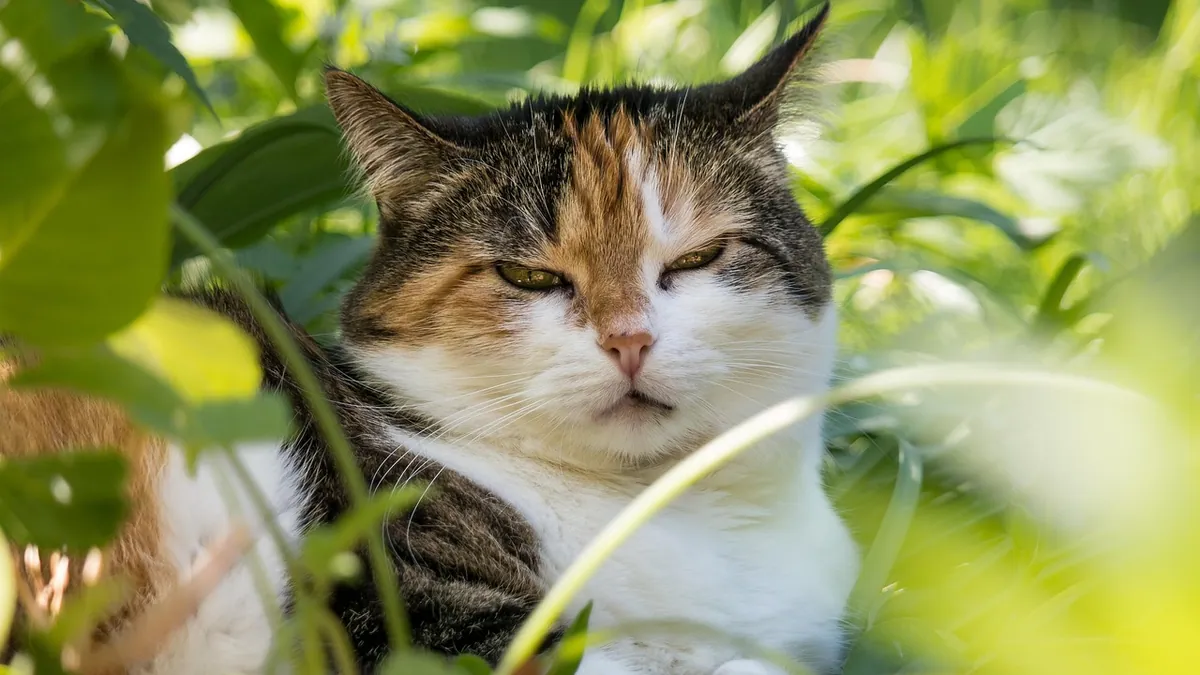
If your cat is not acting normal but still eating, that combination can be confusing. Appetite is only one measure of how a cat feels, and many sick cats keep eating well into an illness. Subtle changes in hiding, grooming, activity, or social contact often show up first.
This article is educational and is not a substitute for veterinary diagnosis or treatment.
Quick Answer
- Eating normally does not rule out illness. Cats are skilled at hiding discomfort, and appetite often holds steady while other behaviors shift.
- Track specifics, not impressions. Write down what changed, when it started, and how often it happens. Your vet needs patterns, not a general sense that something is off.
- Watch for pain signals. A lowered head position is a documented pain behavior in cats after eye surgery, and it can appear with other types of discomfort too [1].
- Sudden hiding, aggression, or litter box changes deserve a call. Behavior problems in cats often need a face-to-face visit with a veterinarian or behaviorist to sort out [2].
- Red flags like trouble breathing, repeated vomiting, or a cat who will not move need emergency care today, not a wait-and-see approach.
What "Not Acting Normal" Actually Looks Like
Cats do not announce that they feel bad. They change small things. You might notice your cat sleeping in a new spot, sitting with a hunched posture, or skipping the evening zoomies. Maybe she no longer greets you at the door. Maybe she is quieter on the windowsill.
Normal varies by cat. A cat who has always been aloof is not "weird" for staying aloof. The signal is a change from that cat's own baseline. A social cat who suddenly avoids you is different from a shy cat who always has.
Owners often search for answers when a cat is not acting like himself. That phrase captures it well. The cat looks like your cat, eats like your cat, but something feels off.
Common subtle signs owners report
- Hiding in closets, under beds, or behind furniture more than usual
- Less grooming, or grooming one spot over and over
- Sitting in a hunched position with the head lowered
- Sleeping more, or sleeping in odd places
- Less jumping, or hesitating before a jump
- Grumpiness when touched in a certain area
- Pacing, restlessness, or staring at nothing
- Changes in vocalizing, either more or less
- Avoiding the litter box, or using it differently
A lowered head position is one of the pain behaviors researchers have measured in cats. In a study of cats having eye surgery, this posture appeared both before and after procedures, and it changed with pain medication [1]. That tells you something useful. Posture is data. If your cat holds her head low, squints, or sits stiffly, pain belongs on the list of possibilities.
Why Is My Cat Acting Weird but Eating Normally?
Many conditions allow a cat to keep eating while other systems struggle. The body is good at prioritizing food intake until things get severe. Here are the main categories veterinarians consider.
Pain and discomfort
Dental disease, arthritis, pancreatitis, and eye problems can all cause behavior changes before appetite drops. A cat with a sore mouth may still eat soft food. A cat with aching joints may still eat but stop jumping onto the counter.
Gastrointestinal disease
Vomiting, nausea, and intestinal problems can change behavior without killing appetite. One case report described a cat with a duodenal perforation who came in with vomiting blood and lethargy [3]. That is an extreme example, but it shows how serious gut problems can hide behind vague signs.
Kidney and urinary disease
Kidney disease is common in older cats. Research on apparently healthy mature cats found that poorly concentrated urine was linked to a higher risk of later chronic kidney disease [4]. In other words, changes in urine can show up long before a diagnosis. If your cat is drinking more, peeing more, or missing the box, that matters even if she eats fine. For related litter box concerns, see Cat Not Pooping but Eating Normally: Causes and When to Help.
Cancer and systemic illness
Some cancers cause subtle behavior changes early. A case report described a cat with lymphoma who showed lethargy, poor appetite, and weight loss, and the cancer had spread widely [5]. Not every weird behavior means cancer. But it explains why vets take vague signs seriously, especially in older cats.
Stress and behavior problems
Not every change is physical. Moving, a new pet, a new baby, or a change in schedule can shift behavior. Behavior problems in cats are complex and often need a face-to-face evaluation with a qualified behaviorist or a veterinarian with a behavior interest [2]. Stress can also make physical illness worse, so the two often overlap.
Table: Causes at a glance
| Cause | Typical clues | How urgent |
|---|---|---|
| Dental or oral pain | Drooling, chewing on one side, bad breath, flinching when touched near the face | Routine visit soon |
| Arthritis or joint pain | Stiff walking, less jumping, hiding, irritability when picked up | Routine visit soon |
| Pancreatitis or gut disease | Hunched posture, vomiting, lip licking, belly tenderness | Same day to urgent |
| Kidney or urinary disease | Drinking more, peeing more, accidents outside the box | Routine to urgent, depends on signs |
| Cancer or systemic illness | Weight loss, lethargy, hiding, changes in grooming | Urgent, within days |
| Stress or behavior change | New hiding spots, aggression, overgrooming, box avoidance | Routine visit, may need behavior consult |
| Eye or vision problem | Squinting, pawing at the face, lowered head, bumping into things | Same day |
Red Flags That Make It an Emergency
Some signs mean you should stop reading and call an emergency clinic now.
- Open-mouth breathing, labored breathing, or blue gums
- Collapse, weakness, or inability to stand
- Repeated vomiting or vomiting blood
- A swollen, painful abdomen
- Straining to urinate with no urine produced, especially in male cats
- Seizures or sudden disorientation
- Bleeding that will not stop
- A cat who cries out when touched or moves away from everyone
- Sudden paralysis of the back legs
Vomiting blood and lethargy were the presenting signs in a cat later found to have a duodenal perforation and biliary peritonitis, a life-threatening condition [3]. Severe abdominal pain is another emergency. One report described a cat with acute pancreatitis whose pain was so significant that standard opioid treatment was not enough and ketamine was added for relief [6]. If your cat is hunched, crying, or guarding her belly, treat it as urgent.
Safe Things You Can Do at Home While You Wait
You cannot diagnose your cat at home. You can gather information that helps your vet.
Start a behavior log
Write down the date and time of each change. Note what your cat was doing, how long it lasted, and what happened right before. Include eating, drinking, litter box use, sleep, and play. A week of notes is more useful than a memory.
Record short videos
Film the odd behavior on your phone. Cats often act normal in the exam room. A 20-second clip of your cat walking stiffly or holding her head low can change the whole visit.
Keep the routine steady
Cats need predictable access to food, water, litter, scratching, climbing, and perching [2]. Do not rearrange the house right now. Keep meals on schedule and litter boxes clean.
Make food interesting without changing the diet
If your cat is eating but seems bored or restless, you can offer food in small portions through the day or use food toys that require batting, rolling, or pawing to release kibble [2]. This adds a hunting element and mental activity. Do not switch foods suddenly, and do not withhold food to test appetite.
Do not give human medications
Never give your cat ibuprofen, acetaminophen, aspirin, or any human pain reliever. Doses for cats are calculated by your veterinarian based on weight and health, and many common drugs are toxic to cats.
Reduce stress where you can
Give your cat quiet spaces, extra hiding spots, and time alone if she wants it. If a new pet or person is the trigger, separate them and reintroduce slowly. For more on sudden hiding, see Why Is My Cat Suddenly Hiding and Acting Weird?.
What Your Veterinarian Will Check and Test
Your vet will start with a full physical exam. That includes weight, temperature, heart and lung sounds, abdominal palpation, dental check, and a look at the eyes, ears, and skin. They will ask about behavior, diet, litter box habits, and any recent changes at home.
Common tests
- Blood work, including a complete blood count and chemistry panel
- Urinalysis, including urine specific gravity
- Thyroid testing, especially in cats over 8
- Blood pressure
- Fecal testing if diarrhea or vomiting is present
- Imaging such as X-rays or ultrasound if the exam points to the belly or chest
Urine concentration matters more than many owners realize. A study of over 15,000 apparently healthy cats found that poorly concentrated urine was associated with a higher risk of developing chronic kidney disease [4]. Your vet may recheck urine over time if the first sample is dilute.
If cancer is suspected, your vet may recommend cytology, biopsy, or advanced imaging. One case of lymphoma in a cat was diagnosed only after cytology and tissue evaluation showed neoplastic cells around blood vessels throughout multiple organs [5]. That level of testing is not routine, but it shows why vague signs sometimes need deeper workup.
If behavior is the main concern, your vet may refer you to a board-certified behaviorist or a veterinarian with a special interest in behavior [2]. This is a normal step, not a sign that your vet has given up.
Prevention and Monitoring
You cannot prevent every illness. You can catch changes earlier.
- Weigh your cat monthly on a baby scale. Weight loss shows up before appetite changes in many cats.
- Keep a baseline video of your cat walking and jumping when she feels well. Compare later.
- Schedule wellness exams at least once a year, and twice a year for cats over 8.
- Ask about urine testing at senior visits, given the link between dilute urine and later kidney disease [4].
- Watch drinking and litter box habits. More drinking or more urine output is a reason to call.
- Keep the environment rich. Cats need outlets for eating, drinking, elimination, security, play, exploration, climbing, perching, and scratching [2].
- Feed small portions or use puzzle feeders to add mental work to meals [2].
- Note any change in social behavior. A cat who stops sleeping on your bed may be telling you something.
If your cat stops eating, the timeline changes. A cat who will not eat needs faster attention. See Cat Not Eating But Acting Normal: How Long Can You Wait? and Cat Not Eating but Drinking Water: When to Act. If vomiting is part of the picture, Cat Vomiting Undigested Food But Acting Normal covers that pattern.
Limitations and When to Contact a Veterinarian
This article cannot tell you what is wrong with your cat. Only a veterinarian who examines your cat can do that. Individual cases need a veterinarian, and timing matters.
Call an emergency clinic now if you see trouble breathing, collapse, seizures, a swollen belly, repeated vomiting, vomiting blood, straining to urinate with no urine, or sudden paralysis.
Call your vet the same day if your cat is hiding and will not come out, is crying or pacing, has a lowered head and squinting eyes, has not used the litter box in over 24 hours, or is suddenly aggressive when touched.
Book a routine visit within a few days if the changes are mild but persistent. That includes sleeping more, grooming less, avoiding jumps, or acting slightly off for more than two or three days.
Trust your gut. You know your cat better than anyone. If something feels wrong, it is worth a phone call.
Frequently Asked Questions
Can a cat be sick and still eat normally?
Yes. Appetite is a poor early warning system in cats. Many conditions, including pain, kidney changes, and some cancers, allow a cat to keep eating while other behaviors shift. That is why vets ask about energy, hiding, grooming, and litter box habits, not just food intake.
Why is my cat acting weird all of a sudden?
Sudden changes often point to pain, stress, or a new medical problem. A new person, pet, or schedule can trigger hiding and irritability. Pain from teeth, joints, or the belly can do the same. A same-day call is reasonable when the change is abrupt.
Is it normal for an older cat to act differently?
Some slowing is expected with age, but sudden or marked changes are not normal. Senior cats have higher rates of kidney disease, arthritis, thyroid problems, and cancer. Twice-yearly exams and routine urine testing help catch these earlier.
Should I wait a few days before calling the vet?
If the change is mild and your cat is eating, drinking, and using the litter box, a day or two of tracking is reasonable. If it lasts longer than two or three days, or gets worse, call. If any red flag appears, call right away.
Can stress make my cat act strange without being sick?
Yes. Stress can cause hiding, overgrooming, aggression, and litter box avoidance. Stress can also worsen physical illness, so the two often travel together. A vet visit helps sort out which one is driving the behavior.
Related Articles
- Cat Not Pooping but Eating Normally: Causes and When to Help
- Cat Not Eating But Acting Normal: How Long Can You Wait?
- Cat Vomiting Undigested Food But Acting Normal
- Why Is My Cat Suddenly Hiding and Acting Weird?
- Cat Not Eating but Drinking Water: When to Act
- Cat Not Eating? When to Worry and What to Do
- Kitten Not Eating in a New Home: Normal or Worrying?
- Why Does My Cat Not Purr? Is It Normal?
- Why Does My Cat Only Eat When I'm There? Behavior Explained
References
- Keeping an eye on pain: Characterization of pain behaviours in cats undergoing ophthalmic surgery. Veterinary journal (London, England : 1997), 2026.
- Behavior Problems in Cats - Cat Owners. Merck Veterinary Manual.
- Biliary Peritonitis Secondary to Proximal Duodenal Perforation in a Cat. Veterinary radiology & ultrasound : the official journal of the American College of Veterinary Radiology and the International Veterinary Radiology Association, 2026.
- Poorly concentrated urine is associated with an increased risk of developing chronic kidney disease in apparently healthy cats. Journal of the American Veterinary Medical Association, 2026.
- Angiocentric T-cell lymphoma in a cat. Journal of veterinary diagnostic investigation : official publication of the American Association of Veterinary Laboratory Diagnosticians, Inc, 2026.
- Sub-anesthetic doses of ketamine associated with TAP block in a cat with acute abdominal pain. Topics in companion animal medicine, 2026.