
Cat Hairball Remedy: What Helps, What Does Not, and When Vomiting Is Not a Hairball
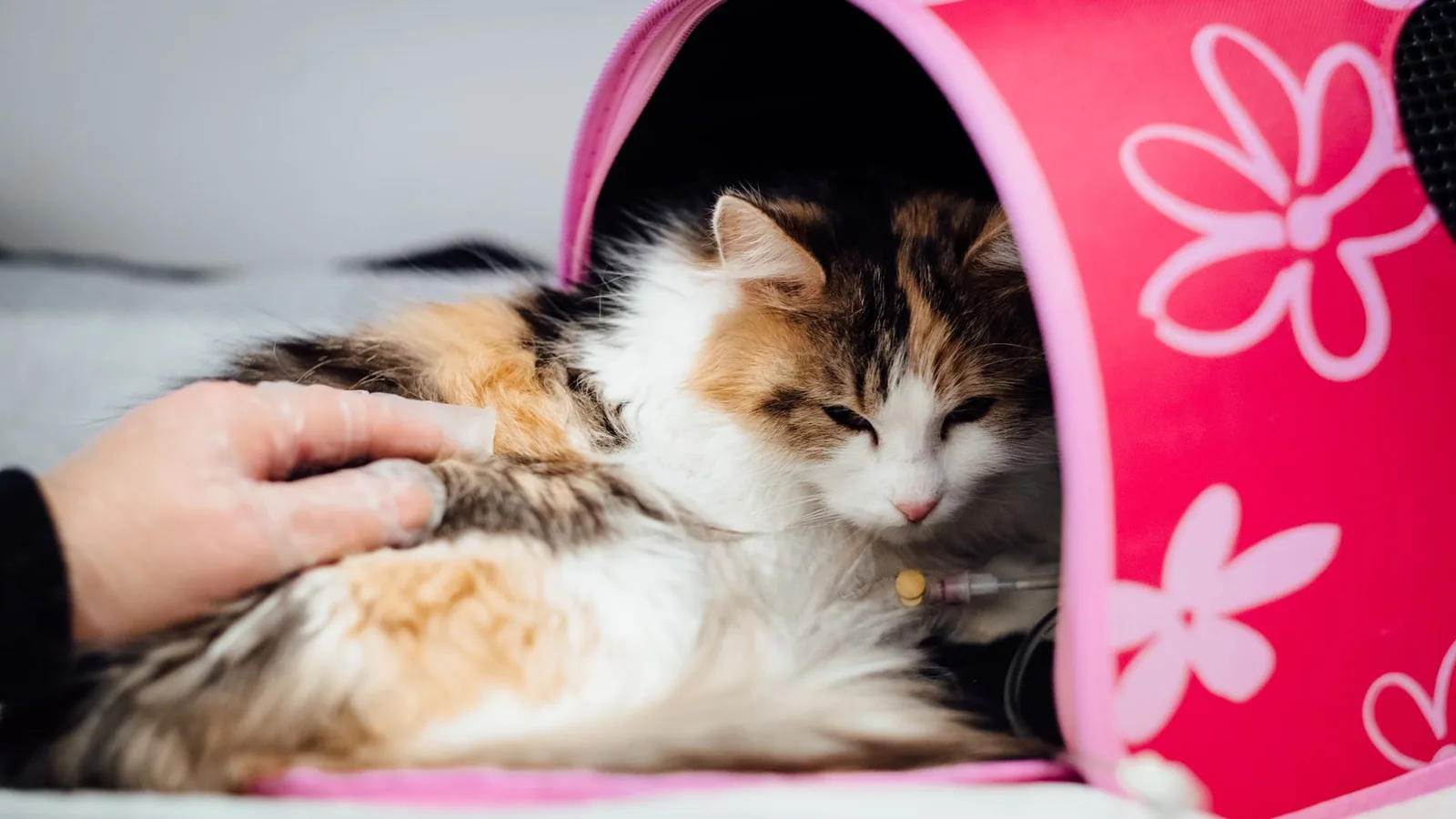
Owner Triage Summary: Occasional hairball vomiting (once a month or less) in a healthy cat is common and usually manageable with grooming and dietary adjustments. However, frequent vomiting (more than once a week), unproductive retching, lethargy, loss of appetite, or vomiting without a visible hairball requires immediate veterinary evaluation. Hairballs can cause life-threatening intestinal obstructions, and many serious diseases mimic hairball vomiting. This guide provides evidence-based remedies and clear red flags.
Veterinary Disclaimer: This article is educational and is not a substitute for veterinary diagnosis or treatment. Always consult your veterinarian for any health concerns.
At a Glance: Hairball Vomiting vs. Signs of Serious Illness
| Feature | Typical Hairball Vomiting | Warning Signs (Not a Hairball) |
|---|---|---|
| Frequency | Once a month or less | More than once weekly, or daily |
| Effort | Productive retching, hairball expelled | Unproductive retching, no hairball |
| Associated signs | Normal appetite, energy, stool | Lethargy, anorexia, diarrhoea/constipation |
| Vomitus | Tubular mat of hair, often with bile | Bile only, blood, undigested food |
| Response to home care | Improves with grooming/diet | No improvement or worsens |
| Action | Home management + vet consult | Immediate veterinary evaluation |
Understanding Hairballs: Normal Physiology or a Problem?
Hairballs (trichobezoars) form when a cat ingests hair during grooming. Most hair passes through the digestive tract and exits in the faeces. When hair accumulates in the stomach, it forms a mat that is eventually vomited. The Cornell Feline Health Center states that occasional hairball vomiting is normal, especially in longhaired breeds [10]. However, frequent hairball vomiting is not normal and often indicates an underlying issue [5].
Why Do Cats Get Hairballs?
Cats spend up to 50% of their waking hours grooming. The barbs on a cat's tongue catch loose and dead hair, which is then swallowed. Factors that increase hair ingestion include:
- Excessive grooming due to skin allergies, fleas, or stress
- Long hair (Persian, Maine Coon, Ragdoll breeds)
- Underlying gastrointestinal disease that slows motility
- Molting season when more loose hair is present
When Vomiting Is Not a Hairball: Critical Differential Diagnoses
Frequent vomiting requires a thorough veterinary workup because many conditions mimic hairball vomiting [5]. The Merck Veterinary Manual lists numerous causes of vomiting in cats that must be ruled out [11].
Gastrointestinal Obstruction
Trichobezoars themselves can cause partial or complete intestinal obstruction. A case study by Owen et al. (2005) describes a cat with a trichobezoar impacted into a gastro-oesophageal intussusception, complicated by a hiatal hernia [3]. MacPhail (2002) notes that trichobezoars are a specific cause of gastrointestinal obstruction in cats, alongside linear foreign bodies and neoplasia [6]. Signs of obstruction include persistent vomiting, abdominal pain, anorexia, and absence of stool.
Esophageal Stricture
Bissett et al. (2009) identified trichobezoars as a risk factor for benign esophageal stricture in cats. Cats with strictures regurgitate food and may have difficulty swallowing [7]. A recent case report by Coquet et al. (2026) describes a cat with dysphagia aortica (vascular compression of the oesophagus) where a trichobezoar lodged at the stenotic site [8].
Inflammatory Bowel Disease (IBD) and Food Allergy
Chronic vomiting is a hallmark of IBD and adverse food reactions. Cannon (2013) emphasizes that dietary intolerance is a common contributing factor to frequent hairball vomiting [5]. These conditions cause inflammation that slows gastrointestinal motility, allowing hair to accumulate.
Gastric Ulcers and Perforation
Barandun et al. (2021) reported two cats with spontaneous gastrointestinal perforation secondary to ulceration. Both cats developed septic peritonitis. Notably, one cat required surgery for trichobezoar removal 7 weeks after the initial procedure [1]. Gastric ulcers can cause vomiting of blood or bile-stained fluid without hair.
Enterolithiasis
Yuki et al. (2006) describe a Persian cat with chronic vomiting caused by enteroliths (mineralized concretions) in the jejunoileum. These foreign objects were composed of calcium phosphate and calcium carbonate, not hair [9]. This rare condition underscores that not all vomiting in longhaired cats is hairball-related.
Other Causes
- Pancreatitis
- Kidney disease (azotaemia)
- Hyperthyroidism
- Liver disease
- Intestinal parasites
- Feline infectious peritonitis (FIP)
Evidence-Based Cat Hairball Remedies
1. Grooming: The First Line of Defense
What helps: Regular grooming reduces the amount of loose hair a cat ingests. The Cornell Feline Health Center recommends daily brushing for longhaired cats and weekly brushing for shorthaired cats [10]. During molting season, increase frequency.
What does not: "Self-grooming" products that claim to remove hair without brushing are unproven. Bathing alone does not reduce hair ingestion.
Best practice: Use a rubber grooming mitt or a fine-toothed comb. For cats that resist brushing, try short sessions with positive reinforcement (treats).
2. Dietary Fiber: A Targeted Approach
Rudinsky and Parker (2026) review the therapeutic applications of dietary fiber for hairball vomiting. They note that alterations in dietary fiber intake can effectively manage this condition [4].
What helps:
- Commercial hairball control diets: These contain increased insoluble fiber (cellulose, beet pulp) to help move hair through the digestive tract. Loureiro et al. (2017) studied beet pulp in shorthaired cats and found that it increased faecal production and reduced gastrointestinal transit time, though it did not significantly alter trichobezoar faecal excretion in their specific study [2]. The clinical implication is that fiber helps move hair through the system, reducing accumulation in the stomach.
- Psyllium husk: A soluble fiber that can be added to food (1/4 to 1/2 teaspoon per meal) with veterinary guidance.
- Pumpkin puree: Plain, canned pumpkin (not pie filling) provides moderate fiber. Start with 1 teaspoon per meal.
What does not:
- High-fat diets or "hairball lubricants" without veterinary guidance. These can cause pancreatitis.
- Excessive fiber can lead to diarrhoea, gas, or reduced nutrient absorption. Always introduce fiber gradually.
Important: Discuss any dietary changes with your veterinarian. Rudinsky and Parker emphasize that fiber must be used appropriately based on the individual cat's condition [4].
3. Safe Lubricants
What helps:
- Petroleum-based hairball remedies (e.g., Laxatone): These lubricants help hair pass through the digestive tract. Use as directed on the label, typically a 1-inch strip once or twice daily for 3-5 days.
- Omega-3 fatty acid supplements: These can improve skin and coat health, reducing shedding and hair ingestion.
What does not and is dangerous:
- Mineral oil or cooking oils: These can cause aspiration pneumonia if inhaled and may interfere with fat-soluble vitamin absorption.
- Butter or margarine: High in fat and can trigger pancreatitis.
- "Home remedies" from internet sources that are not formulated for cats.
4. Veterinary-Prescribed Treatments
For cats with frequent hairball vomiting, your veterinarian may recommend:
- Prescription hairball diets (e.g., Hill's Science Diet Hairball Control, Royal Canin Hairball Care)
- Gastrointestinal motility modifiers (e.g., metoclopramide, cisapride) if slow motility is diagnosed
- Treatment for underlying conditions such as flea control for allergic skin disease, hypoallergenic diet trials for food allergy, or immunosuppressive therapy for IBD
Cannon (2013) stresses that in most shorthaired cats, frequent hairball elimination is an indicator of an underlying chronic disease that requires diagnosis and treatment [5].
Unsafe Home Remedies: What to Avoid
| Unsafe Remedy | Why It Is Dangerous |
|---|---|
| Mineral oil | Aspiration risk, vitamin malabsorption |
| Butter/margarine | High fat, pancreatitis risk |
| Egg whites (raw) | Biotin deficiency, Salmonella risk |
| Vaseline (non-pet) | May contain additives not safe for cats |
| Hydrogen peroxide | Causes severe vomiting, aspiration, esophagitis |
| Garlic or onion | Toxic to cats (haemolytic anaemia) |
| Milk or cream | Lactose intolerance causes diarrhoea |
| Human laxatives | Can cause severe electrolyte imbalances |
Veterinary Examination and Diagnostics
When a cat presents with frequent vomiting, a veterinarian will perform:
- History and physical examination: Including abdominal palpation for masses or pain
- Fecal examination: To rule out parasites
- Blood work: Complete blood count, biochemistry profile, thyroid testing (T4), pancreatic lipase
- Diagnostic imaging:
- Abdominal radiographs (X-rays) to detect obstructions or foreign bodies
- Abdominal ultrasound to evaluate intestinal wall thickness, motility, and pancreatic health
- Contrast studies (barium series) if obstruction is suspected
- Endoscopy: To visualize the stomach and oesophagus, biopsy for IBD, or remove trichobezoars
- Exploratory laparotomy: If obstruction or perforation is suspected, as in the cases described by Barandun et al. [1] and Owen et al. [3]
Prevention Strategies
Grooming Routine
- Longhaired cats: Brush daily
- Shorthaired cats: Brush 2-3 times per week
- During molting: Increase to daily brushing
- Professional grooming: Every 4-6 weeks for heavy shedders
Environmental Enrichment
Stress and boredom can lead to excessive grooming. Provide:
- Interactive toys and puzzle feeders
- Cat trees and scratching posts
- Regular play sessions
- Multiple litter boxes (one per cat plus one)
Diet and Hydration
- Feed a high-quality, balanced diet
- Ensure fresh water is always available
- Consider wet food to increase moisture intake
- Discuss hairball control diets with your veterinarian
Parasite Control
Flea infestation causes pruritic skin disease, leading to excessive grooming and increased hair ingestion [5]. Use year-round flea prevention as recommended by your veterinarian, following CAPC guidelines where applicable.
Prognosis
For cats with occasional hairball vomiting, the prognosis is excellent with appropriate grooming and dietary management. For cats with underlying disease, the prognosis depends on the specific condition. Cannon (2013) notes that while hairballs are rarely life-threatening, they can cause significant morbidity and, in rare cases, mortality [5]. MacPhail (2002) reports that surgical removal of obstructive trichobezoars is typically successful, but recurrence is possible [6].
Emergency Red Flags
Seek immediate veterinary care if your cat shows any of the following:
- Frequent vomiting (more than once weekly) or daily vomiting
- Unproductive retching or dry heaving
- Vomiting blood (bright red or coffee-ground appearance)
- Lethargy or weakness
- Loss of appetite for more than 24 hours
- Abdominal pain (hiding, hunched posture, crying)
- No stool for 48 hours or straining to defecate
- Weight loss
- Dehydration (dry gums, skin tenting)
- Known ingestion of a foreign object (string, fabric, toys)
Recognizing the Difference Between Vomiting and Regurgitation
Many owners use the terms vomiting and regurgitation interchangeably, but they describe two distinct processes with different causes and implications. Vomiting is an active process involving abdominal contraction, retching, and expulsion of stomach contents. Regurgitation is a passive event where undigested food or liquid is expelled from the oesophagus without abdominal effort, often shortly after eating. A cat that regurgitates may simply lower its head and food falls out, whereas a vomiting cat will heave, salivate excessively, and show visible distress. This distinction matters because regurgitation points toward oesophageal disease, such as the benign oesophageal stricture described by Bissett et al. (2009) or the vascular compression reported by Coquet et al. (2026), rather than a gastric hairball [7,8]. If your cat appears to be vomiting hairballs but is actually regurgitating, the underlying problem may be structural and require endoscopic or surgical intervention rather than dietary management. Documenting the event on video can be invaluable for your veterinarian, as owners often cannot reliably distinguish the two without visual evidence.
The Role of Gastrointestinal Motility in Hairball Formation
Gastrointestinal motility, the coordinated muscular contractions that move ingesta through the digestive tract, plays a central role in whether swallowed hair passes harmlessly in faeces or accumulates into a trichobezoar. In a healthy cat, hair moves through the stomach and intestines within hours. When motility is impaired, hair lingers longer in the stomach, allowing it to mat with mucus and food debris. This is why Cannon (2013) emphasises that frequent hairball vomiting in shorthaired cats is rarely a primary hair problem but rather a secondary sign of an underlying motility disorder [5]. Conditions that slow motility include inflammatory bowel disease, pancreatitis, chronic kidney disease, and electrolyte imbalances. Even stress can transiently delay gastric emptying. Conversely, hyperthyroidism accelerates motility, which may paradoxically reduce hairball formation in some cats while causing vomiting from other mechanisms. Understanding this physiology explains why simply adding fibre or lubricants may fail if the root cause is poor motility. Your veterinarian may recommend motility-modifying medications such as metoclopramide or cisapride after confirming delayed gastric emptying through imaging or contrast studies.
The Evidence Base for Hairball Control Diets: What the Studies Actually Show
Commercial hairball control diets are widely recommended, but the evidence supporting their efficacy deserves careful examination. These diets typically contain increased insoluble fibre, such as cellulose or beet pulp, designed to mechanically propel hair through the gastrointestinal tract. Loureiro et al. (2017) conducted a controlled study on beet pulp supplementation in shorthaired cats and found that while it increased faecal bulk and reduced gastrointestinal transit time, it did not significantly increase the amount of hair excreted in faeces [2]. This finding suggests that the mechanism of action may be more complex than simply pushing hair through. The fibre may alter the physical properties of the hair mat within the stomach, making it less cohesive and easier to fragment. Alternatively, the increased faecal volume may dilute the hair concentration, reducing the likelihood of accumulation. Importantly, the study population consisted of healthy shorthaired cats, not cats with chronic hairball vomiting. The results may not generalise to longhaired breeds or cats with underlying gastrointestinal disease. When selecting a hairball control diet, work with your veterinarian to choose a product with published clinical data rather than relying solely on marketing claims. Rotating between different fibre sources may also be beneficial, as individual cats respond differently to soluble versus insoluble fibre.
The Diagnostic Workup: What to Expect at the Veterinary Hospital
When you present a cat with frequent vomiting, your veterinarian will follow a systematic diagnostic approach to differentiate hairball-related disease from other causes. The initial evaluation includes a thorough history covering the frequency, timing, and character of vomiting episodes, dietary history, grooming habits, access to foreign objects, and any concurrent medications. The physical examination focuses on abdominal palpation to detect masses, thickened intestinal loops, or pain. However, trichobezoars are often not palpable, especially in obese cats or those with tense abdominal musculature. This is why diagnostic imaging is essential. Abdominal radiographs may reveal a hairball as a tubular, gas-filled structure within the stomach, but many trichobezoars are radiolucent and invisible on plain films. Ultrasound is more sensitive, allowing visualisation of the stomach wall, detection of hair mats, and assessment of intestinal motility. If obstruction is suspected, your veterinarian may recommend a barium series, where contrast material is administered orally and serial radiographs track its progression through the gastrointestinal tract. Delayed gastric emptying or abrupt cut-offs in contrast flow indicate obstruction. Endoscopy provides direct visualisation of the stomach and oesophagus, allows biopsy of the gastric mucosa to diagnose inflammatory bowel disease, and enables removal of trichobezoars without surgery in many cases. The choice of diagnostic tests depends on your cat's clinical signs, physical examination findings, and financial considerations.
Special Populations: Kittens, Senior Cats, and Brachycephalic Breeds
Hairball management requires tailoring to the individual cat's life stage and breed. Kittens rarely develop hairballs because their grooming behaviour is less developed and their coats are shorter. Vomiting in a kitten should never be attributed to hairballs without thorough investigation, as infectious diseases, dietary indiscretion, and congenital abnormalities are far more likely. Senior cats, particularly those over ten years of age, are at increased risk for chronic kidney disease, hyperthyroidism, and neoplasia, all of which cause vomiting that owners may mistakenly attribute to hairballs. The Merck Veterinary Manual notes that vomiting in older cats warrants a minimum database including complete blood count, serum biochemistry, thyroid testing, and urinalysis before assuming a benign cause [11]. Brachycephalic breeds such as Persians and Himalayans have anatomical predispositions that complicate hairball management. Their flattened facial conformation can lead to dental malocclusion and difficulty chewing, which may reduce the mechanical breakdown of hair before swallowing. Additionally, brachycephalic cats often have narrowed nasal passages and increased tear production, leading to more grooming of the facial area and higher hair ingestion. These cats benefit from more aggressive grooming protocols and may require professional grooming every three to four weeks during heavy shedding seasons.
The Psychological Component: Stress, Overgrooming, and Hairball Formation
Stress is an underrecognised contributor to hairball formation through its effects on both grooming behaviour and gastrointestinal function. Cats under stress may engage in displacement grooming, a repetitive behaviour that serves as a coping mechanism. This overgrooming increases hair ingestion far beyond normal levels. Common stressors include changes in household routine, introduction of new pets or people, moving to a new home, or even subtle changes such as rearranging furniture. Concurrently, stress activates the sympathetic nervous system, which inhibits gastrointestinal motility and delays gastric emptying. The combination of increased hair intake and slowed transit creates ideal conditions for trichobezoar formation. Environmental enrichment is therefore a legitimate component of hairball prevention. Providing vertical space, hiding spots, predictable feeding schedules, and interactive play can reduce stress-related overgrooming. Pheromone diffusers containing synthetic feline facial pheromones may help anxious cats. If stress is suspected as a contributing factor, discuss behavioural modification strategies with your veterinarian before reaching for pharmaceutical interventions.
Owner Observation and Preparation for the Veterinary Visit
Owners play a critical role in the diagnostic process by providing accurate, detailed observations. Before your veterinary appointment, document the following: the exact frequency of vomiting episodes over the past two weeks, the time of day vomiting occurs relative to meals, the appearance of the vomitus (presence of hair, bile, blood, undigested food, or foam), your cat's behaviour before and after vomiting, any changes in appetite or water intake, stool frequency and consistency, and any recent changes in diet, environment, or routine. Photographs or videos of the vomiting event and the vomitus are extremely helpful, as they allow the veterinarian to distinguish vomiting from regurgitation and assess the character of the expelled material. Also note any medications, supplements, or home remedies you have administered, including dosages and frequency. This information helps your veterinarian determine the urgency of the situation and the most appropriate diagnostic tests. If you have tried multiple hairball remedies without success, this is a strong indicator that the underlying problem is not simple hair accumulation but rather a condition requiring medical or surgical intervention.
Long-Term Monitoring and Prognostic Indicators
Once a diagnosis is established and treatment initiated, long-term monitoring is essential to assess response and detect recurrence. For cats managed with dietary modification and grooming alone, track vomiting frequency on a calendar. A reduction from weekly to monthly episodes indicates a positive response. If vomiting frequency increases despite compliance with recommendations, reevaluation is warranted. For cats diagnosed with inflammatory bowel disease or food allergy, dietary trials may take eight to twelve weeks to show full effect. Patience and adherence to the prescribed diet are critical, as even small amounts of the offending ingredient can trigger relapse. Surgical cases, such as those described by Barandun et al. (2021) and Owen et al. (2005), require postoperative monitoring for complications including dehiscence, peritonitis, and recurrence of obstruction [1,3]. MacPhail (2002) notes that recurrence of trichobezoars after surgical removal is possible, particularly if the underlying cause of excessive grooming or poor motility is not addressed [6]. Prognostic indicators include return of normal appetite, resolution of vomiting, normalisation of stool quality, and weight gain. Cats that fail to improve within two weeks of appropriate therapy should undergo further diagnostic testing, as this suggests either an incorrect diagnosis or a more complex disease process.
The Limitations of Home Remedies and the Importance of Veterinary Guidance
The internet abounds with home remedies for hairballs, but many lack evidence of efficacy and some pose genuine risks. The unsafe remedies table in the main article highlights several dangerous options, but even seemingly benign interventions require caution. For example, adding pumpkin puree to the diet is generally safe in small amounts, but excessive fibre can cause diarrhoea, flatulence, and reduced absorption of essential nutrients. Petroleum-based lubricants are effective for short-term use, but long-term daily administration may interfere with the absorption of fat-soluble vitamins A, D, E, and K. Omega-3 fatty acid supplements improve coat quality and reduce shedding, but they must be dosed appropriately for cats, as human formulations may contain toxic levels of vitamin D or other additives. The key principle is that any intervention, even a natural one, should be discussed with your veterinarian before implementation. Cannon (2013) stresses that in most shorthaired cats, frequent hairball elimination is an indicator of an underlying chronic disease that requires diagnosis and treatment, not a condition that will resolve with over-the-counter products [5]. Relying on home remedies without veterinary evaluation delays diagnosis of serious conditions such as inflammatory bowel disease, gastrointestinal obstruction, or metabolic disease, potentially allowing progression to a more advanced and less treatable stage.
Building a Safer Hairball Plan at Home
A safer home plan has three goals: reduce the amount of hair swallowed, support normal stool passage, and identify the cats that need medical care. The first goal is grooming. Brushing removes loose hair before the cat swallows it, and it also gives owners a chance to notice fleas, scabs, mats, painful areas, or overgroomed patches. Shorthaired cats may need brushing only a few times weekly during shedding periods. Longhaired cats, older cats with reduced flexibility, obese cats, and cats with arthritis often need more help because they cannot distribute grooming effort normally. If mats are present, do not cut them out with scissors at home. Cat skin tears easily, and painful mats may require professional grooming or sedation.
The second goal is lowering drivers of excessive grooming. A cat that overgrooms because of fleas, allergic skin disease, pain, anxiety, or household conflict will continue swallowing excess hair until the trigger is addressed. Flea control should be current for every animal in the home, even indoor cats, when the veterinarian suspects flea exposure. Skin lesions, ear inflammation, crusting, bald patches, or repeated licking of one body area deserve a dermatologic examination. Stress-related overgrooming should be approached as a welfare problem, not as a cosmetic issue. Predictable routines, feeding stations separated from other pets, vertical resting places, hiding areas, and daily interactive play can reduce pressure in multi-cat households.
The third goal is diet support without treating supplements as harmless. Hairball diets, fiber products, and lubricant gels may help selected cats, but they are not interchangeable. Fiber may improve stool bulk and transit in some cats, while petroleum-based products are intended to lubricate swallowed hair for short-term use. Both approaches can be inappropriate for some patients. Cats with chronic kidney disease, diabetes, inflammatory bowel disease, constipation, poor appetite, obesity, or a prescription therapeutic diet should not have supplements added casually. Nutrition changes should be discussed with a veterinarian because the wrong intervention can worsen stool quality, reduce appetite, or interfere with a treatment plan [4].
Owners should also set a clear decision point. If a cat has more than occasional hairball vomiting, if the frequency is increasing, or if a remedy is needed continuously to prevent vomiting, the situation has moved beyond routine hairball care. Repeated lubricant use can mask the pattern without identifying the disease. Frequent vomiting can cause dehydration, electrolyte disturbance, esophageal irritation, and weight loss. A cat that vomits and still eats may still have clinically important disease, especially if weight is drifting down over weeks or months. A monthly body-weight check at home can reveal a trend before the cat looks visibly thin.
Record keeping makes the plan measurable. Track the date of each vomiting event, whether hair was present, whether food or bile was present, stool quality, appetite, energy, grooming changes, and any new diet or supplement. Bring that record to the appointment if veterinary care is needed. A short video of the event is often more useful than a long verbal description because it helps separate coughing, retching, vomiting, and regurgitation. The best outcome is not simply fewer hairballs. The best outcome is a cat with stable weight, normal appetite, normal stool, comfortable grooming, and no hidden chronic disease being mistaken for a routine hairball problem.
Frequently Asked Questions
1. How often should a cat vomit hairballs to be considered normal? Occasional hairball vomiting (once a month or less) in a healthy cat is generally considered normal, but any increase in frequency warrants veterinary evaluation.
2. Can a cat cough up a hairball without vomiting? Cats may cough or retch before expelling a hairball, but true coughing (from the respiratory tract) is different from retching (from the digestive tract). If your cat is coughing without producing a hairball, it may have asthma or another respiratory condition.
3. What is the best hairball remedy for cats that hate being brushed? Try a grooming glove, which many cats tolerate better than a brush. You can also use a damp cloth to wipe loose hair. If grooming is impossible, discuss a prescription hairball diet with your veterinarian.
4. Is it safe to give my cat petroleum-based hairball remedy every day? Daily use is generally safe for short periods (3-5 days) as directed. Long-term daily use should be discussed with your veterinarian, as it may interfere with nutrient absorption.
5. My cat vomits food hours after eating. Is this a hairball? Vomiting undigested food hours after eating suggests a motility disorder or obstruction, not a simple hairball. This requires veterinary evaluation.
6. Can a hairball cause a blockage in cats? Yes, trichobezoars can cause partial or complete intestinal obstruction, which is a surgical emergency. Signs include persistent vomiting, abdominal pain, and absence of stool [6].
7. Does pumpkin help cats with hairballs? Plain canned pumpkin (not pie filling) can help some cats due to its fiber content. However, it is not a substitute for veterinary care if vomiting is frequent.
8. When should I take my cat to the vet for vomiting? Take your cat to the vet if vomiting occurs more than once weekly, is accompanied by lethargy or appetite loss, contains blood, or if your cat is unproductive retching.
Related Veterinary Guides
- Vomiting in Cats: A Diagnostic Approach
- Feline Inflammatory Bowel Disease: Diagnosis and Management
- Gastrointestinal Obstruction in Cats: Signs and Treatment
- Feline Grooming: Best Practices for Skin and Coat Health
- Dietary Fiber in Feline Medicine: Clinical Applications
References
[1] Barandun MA, Mullins RA, Rytz U. Billroth II procedure for the treatment of spontaneous gastrointestinal perforation in two cats. J Am Vet Med Assoc. 2021. https://pubmed.ncbi.nlm.nih.gov/34727055/
[2] Loureiro BA, Monti M, Pedreira RS et al. Beet pulp intake and hairball faecal excretion in mixed-breed shorthaired cats. J Anim Physiol Anim Nutr (Berl). 2017. https://pubmed.ncbi.nlm.nih.gov/28627063/
[3] Owen MC, Morris PJ, Bateman RS. Concurrent gastro-oesophageal intussusception, trichobezoar and hiatal hernia in a cat. N Z Vet J. 2005. https://pubmed.ncbi.nlm.nih.gov/16220136/
[4] Rudinsky AJ, Parker VJ. Therapeutic Applications of Dietary Fiber: Managing Fiber-responsive Gastrointestinal Conditions in Dogs and Cats. Vet Clin North Am Small Anim Pract. 2026. https://pubmed.ncbi.nlm.nih.gov/41748338/
[5] Cannon M. Hair balls in cats: a normal nuisance or a sign that something is wrong?. J Feline Med Surg. 2013. https://pubmed.ncbi.nlm.nih.gov/23254238/
[6] MacPhail C. Gastrointestinal obstruction. Clin Tech Small Anim Pract. 2002. https://pubmed.ncbi.nlm.nih.gov/12587284/
[7] Bissett SA, Davis J, Subler K et al. Risk factors and outcome of bougienage for treatment of benign esophageal strictures in dogs and cats: 28 cases (1995-2004). J Am Vet Med Assoc. 2009. https://pubmed.ncbi.nlm.nih.gov/19793015/
[8] Coquet A, Blond L, Jolivet F et al. A Presumed Dysphagia Aortica in a Siamese Cat. Vet Radiol Ultrasound. 2026. https://pubmed.ncbi.nlm.nih.gov/41787987/
[9] Yuki M, Sugimoto N, Takahashi K et al. Enterolithiasis in a cat. J Feline Med Surg. 2006. https://pubmed.ncbi.nlm.nih.gov/16765627/
[10] Cornell Feline Health Center: Hairballs. https://www.vet.cornell.edu/departments-centers-and-institutes/cornell-feline-health-center/health-information/feline-health-topics/hairballs
[11] Merck Veterinary Manual: Disorders of the Stomach and Intestines in Cats. https://www.merckvetmanual.com/cat-owners/digestive-disorders-of-cats/disorders-of-the-stomach-and-intestines-in-cats