Can Dogs Catch Stomach Bugs? What Owners Should Know
By Dr. Zubair Khalid, DVM, MS, PhD ·
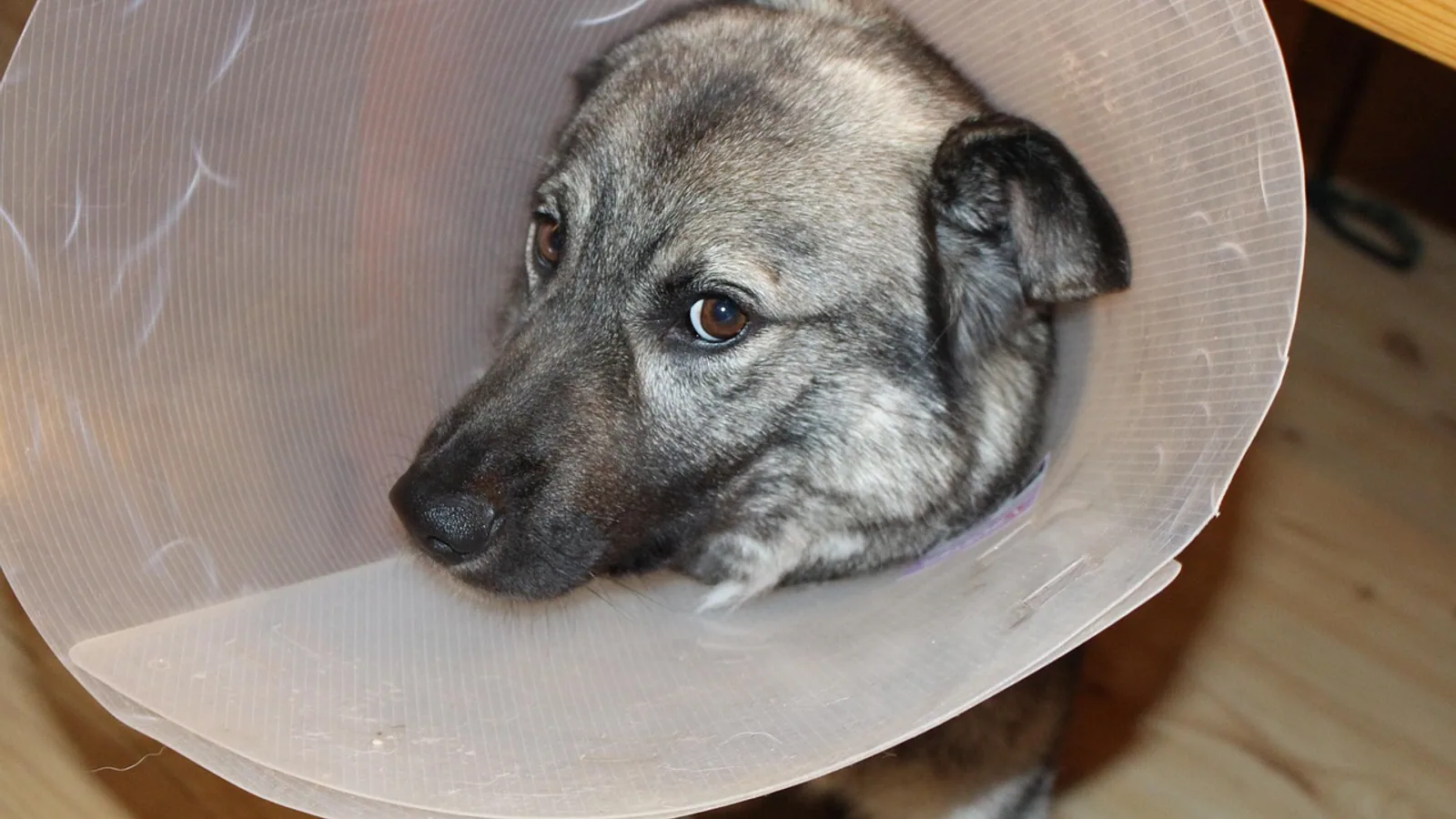
Yes, dogs catch stomach bugs. Infectious gastroenteritis is one of the most common categories of gastrointestinal disease in dogs, and in a survey of more than 43,000 dogs, infectious gastrointestinal disease was the single most common owner-reported GI problem, affecting about 17 percent of the study population [1]. The word "stomach bug" is not a medical diagnosis. It is a catch-all phrase that owners use for vomiting, diarrhea, and appetite loss, and dogs can develop those signs from viruses, bacteria, parasites, spoiled food, toxins, and non-infectious conditions. Some of those causes spread from dog to dog. A few spread from dogs to people.
This guide explains which gastrointestinal infections dogs can actually catch, how each one moves between animals, how the illnesses differ, and what testing is needed to tell them apart. It also covers the one detail owners ask about most often, which is whether a dog with vomiting and diarrhea can pass something to the humans in the household.
This article is educational and is not a substitute for veterinary diagnosis or treatment.
What "Stomach Bug" Actually Means in Dogs
A stomach bug, in plain terms, is an infection that inflames the stomach and intestines. Veterinarians call the result acute gastroenteritis. The two hallmark signs are vomiting and diarrhea, and they can range from mild and self-limiting to bloody, dehydrating, and life-threatening.
The problem with the phrase is that it tells you nothing about the cause. A parvovirus infection, a Giardia infection, a Salmonella infection, and a swallowed toy can all present with the same basic story, which is a dog that started vomiting and having diarrhea. Treatment and prognosis depend entirely on which one is happening. That is why veterinarians rarely diagnose a "stomach bug" by looking at a dog. They test.
One clue from the Dog Aging Project data is useful for framing the whole topic. Infectious GI disease was the most commonly reported GI disorder in that large population, but it was followed by chronic diarrhea, foreign bodies, anal sac impactions, pancreatitis, and inflammatory GI disease [1]. In other words, not every vomiting dog has an infection. Some have a mechanical obstruction, an organ problem, or a chronic inflammatory condition. A diagnosis cannot be assumed from symptoms alone.
The Key Divide: Viral Versus Bacterial Versus Parasitic
The infectious causes of GI disease in dogs fall into three broad groups, and they behave differently.
Viral causes tend to be the most severe. Canine parvovirus is the classic example, and it produces hemorrhagic gastroenteritis with a high risk of death, especially in puppies and unvaccinated dogs [2][3][4]. Severity, young age, and vaccination status are the defining features of the viral group.
Bacterial causes such as Salmonella and Campylobacter can produce diarrhea and sometimes systemic illness, and several of them are zoonotic, meaning they can infect people.
Parasitic causes such as Giardia and Cryptosporidium are common in dogs, often cause chronic or intermittent diarrhea rather than sudden collapse, and can also infect humans.
Some infections overlap. Co-infections are common and they make cases harder to sort out. In an outbreak among working dogs, parvovirus was found in eight of ten samples tested, and genetic sequencing showed that canine circovirus and parvovirus together accounted for more than 80 percent of all viral sequences detected [5]. A similar study in Vietnam found that roughly 23 percent of parvovirus-positive dogs were also carrying canine circovirus [6]. Co-infections are a leading driver of mortality in dogs with parvoviral enteritis [5].
Can Dogs Catch Stomach Bugs From Other Dogs?
Yes. Many infectious GI diseases are contagious between dogs, and the main route is fecal-oral contact. A dog sniffs, licks, or eats material contaminated with infected feces, and the pathogen enters the mouth.
Canine parvovirus is described as highly contagious and is mostly spread by touching infected feces [2]. The virus is hardy and persists in the environment, which is why outbreaks can sweep through shelters, breeding kennels, and dog parks. Dogs of all ages can be infected, but puppies are far more likely to develop severe disease [2].
An outbreak investigation among service dogs in Kazakhstan illustrates how fast this can move. Between November 2023 and January 2024, a severe gastroenteritis outbreak with high mortality affected a working dog population. It had an acute onset and rapid progression and killed more than 100 juveniles under 12 months of age as well as several vaccinated adult dogs [5].
The same logic applies to the bacterial and parasitic causes. Salmonella and Campylobacter move through contaminated food, water, and feces. Giardia and Cryptosporidium move through contaminated water and feces. Shared bowls, shared water sources, and communal areas where dogs defecate all concentrate the risk.
Why Puppies and Unvaccinated Dogs Are Hit Hardest
Age and vaccination status are the strongest predictors of severe viral GI disease. In a Nigerian study of dogs presenting with acute gastroenteritis, 93.7 percent tested positive for canine parvovirus, and cases mostly affected puppies aged 0 to 6 months [7]. The researchers specifically identified vaccination and protocol compliance as factors in breakthrough infections, meaning some dogs that had been vaccinated still became ill [7].
Vaccination does not make a dog invincible, and it does not make the diagnosis impossible. A case report from Slovakia described an 8-month-old vaccinated English Cocker Spaniel that developed hemorrhagic diarrhea, vomiting, and lethargy and was confirmed to have a CPV-2c infection [8]. The dog had functional antibodies on testing, yet still became ill. The takeaway is that vaccination dramatically reduces risk and severity but does not eliminate it, and a vaccinated dog with bloody diarrhea still deserves prompt evaluation.
Maternal antibodies create a window of vulnerability in very young puppies. A study of canine sera found that nonspecific agglutinins, which interfere with antibody testing, were present in 97 percent of serum samples from puppies under 4 months of age, and that the interference dropped sharply by 6 months [9]. This matters because maternal-derived immunity can interfere with both testing and the timing of effective immunization, which is why vaccine schedules are structured around it.
What This Means for Multi-Dog Households
If one dog in a household is diagnosed with a contagious GI infection, assume the others are at risk until proven otherwise. The same applies to any shared environment. A dog recovering from parvovirus can still shed virus, and contaminated yards and kennels remain a source for other dogs. A veterinarian should direct the isolation and disinfection plan, because the correct approach depends on the pathogen.
The following diagram shows the general decision path an owner can follow when a dog develops vomiting or diarrhea.
flowchart TD
    A[Dog has vomiting or diarrhea] --> B{Blood in stool?}
    B -->|Yes| C[Urgent veterinary visit]
    B -->|No| D{Puppy under 6 months?}
    D -->|Yes| C
    D -->|No| E{Vaccination status unknown?}
    E -->|Yes| F[Contact veterinarian]
    E -->|No| G{Signs lasting over 24 hours?}
    G -->|Yes| F
    G -->|No| H{Lethargy or refusal to drink?}
    H -->|Yes| C
    H -->|No| I[Monitor closely and call vet if worse]
The Main Infectious Causes of GI Disease in Dogs
Canine Parvovirus
Canine parvovirus type 2 is the most important viral cause of severe gastroenteritis in dogs worldwide [6]. It attacks rapidly dividing cells in the intestine and bone marrow, which is why it causes both bloody diarrhea and immunosuppression. In naturally occurring infections, the virus can produce fever, vomiting, diarrhea with blood, lethargy, and dehydration, and the mortality rate for persistent infections is high [3].
Multiple antigenic variants circulate, named CPV-2a, 2b, and 2c. These variants differ by small changes in the VP2 protein, and their geographic distribution shifts over time. One study in Ecuador found that among 401 parvovirus-positive samples, 85.54 percent were genotype 2b and 64.34 percent were genotype 2a, with co-infections of 2a and 2b being the most frequent combination [2]. In Vietnam, CPV-2c was dominant at 93.31 percent [6]. In Turkey, CPV-2b was the most common variant detected [10]. This variability is exactly why molecular testing matters. Some diagnostic tests can miss newer variants, and qPCR assays have been developed specifically to improve detection sensitivity [3][11].
Severity in parvovirus is measurable. A study of oxidative stress in dogs with parvoviral gastroenteritis found that markers of intestinal injury increased with disease severity, and that oxidant-antioxidant balance was disrupted in moderate and severe cases [12]. This is laboratory-level evidence that parvovirus is not a mild stomach upset. It is a systemic disease.
Treatment is supportive and intensive. It typically involves intravenous fluids, anti-nausea medication, and monitoring, and some dogs require hospitalization. Adding the probiotic Saccharomyces boulardii to standard treatment was studied in dogs with naturally occurring parvoviral enteritis, and the supplemented group showed faster improvement in clinical scores and changes in inflammatory markers compared with standard treatment alone [13]. This does not replace core treatment. It is an adjunct that a veterinarian may consider.
Canine Distemper Virus
Canine distemper virus is a systemic viral disease that can include gastrointestinal signs such as vomiting and diarrhea, along with respiratory and neurologic signs. It is frequently listed alongside parvovirus, coronavirus, and rotavirus as a pathogen that can complicate parvoviral enteritis and worsen outcomes [5]. Distemper is a core vaccine-preventable disease, and vaccination is the main defense.
Canine Coronavirus
Canine coronavirus is an enteric virus that can cause diarrhea, and it is one of several pathogens that can co-infect dogs already fighting parvovirus [5]. On its own, coronavirus infection in dogs is often milder than parvovirus, but because co-infections drive mortality, a dog with coronavirus alongside parvovirus is a more serious case than one with coronavirus alone [5]. Testing matters here, because the treatment plan and prognosis change when a second pathogen is present.
Canine Adenovirus Type 1
Canine adenovirus type 1 causes infectious canine hepatitis. It is not a classic stomach bug, but it belongs in this discussion because it presents with nonspecific signs that owners mistake for ordinary GI upset. A case series in Switzerland described four dogs with lethargy, vomiting, diarrhea, fever, and weakness, with laboratory results showing liver disease and disseminated intravascular coagulation. Three of the four dogs died [14]. The authors noted that widespread vaccination has made this infection uncommon, but it has not been eradicated and should be considered when compatible signs appear [14]. A separate serologic survey found evidence of canine adenovirus exposure in a large proportion of dogs tested, showing that the virus still circulates in the population [15].
Canine Circovirus
Canine circovirus is an emerging enteric virus that is increasingly detected alongside parvovirus. In a Vietnam study, parvovirus-only infection accounted for 77.17 percent of cases while parvovirus plus circovirus co-infection accounted for 22.83 percent [6]. The clinical significance of circovirus on its own is still being characterized, but its role as a co-infecting agent in severe cases is now well documented [5][6].
Giardia
Giardia is a protozoan parasite that lives in the small intestine and causes diarrhea. It spreads through contaminated water and feces, and it is zoonotic, meaning it can infect people. Giardia is a common cause of intermittent or persistent diarrhea in dogs, and diagnosis is made by fecal testing. Because it can pass to humans, households with immunocompromised members should take extra care with hygiene and discuss the situation with both a veterinarian and a physician.
Cryptosporidium
Cryptosporidium is another protozoan parasite that causes diarrhea in dogs and is also capable of infecting humans. It spreads through contaminated water and feces. Like Giardia, it is diagnosed by fecal testing and requires attention to hygiene in households with vulnerable people.
Salmonella
Salmonella is a bacterium that can cause diarrhea and systemic illness in dogs. It is zoonotic. Dogs can acquire it from contaminated food, raw meat diets, and feces, and they can shed it in their own stool, which creates a risk for the humans handling them. Salmonella infections are diagnosed by fecal culture or molecular testing.
Campylobacter
Campylobacter is a bacterium commonly associated with diarrhea in dogs and is zoonotic as well. It spreads through contaminated food, water, and feces. Diagnosis is by fecal testing. Because Campylobacter and Salmonella both have human health implications, a veterinarian who identifies either one will typically discuss household hygiene alongside treatment.
Comparing the Causes: Transmission and Presentation
| Pathogen | Type | Main transmission route | Typical presentation |
|---|---|---|---|
| Canine parvovirus | Virus | Infected feces, contaminated environment [2] | Severe hemorrhagic diarrhea, vomiting, lethargy, dehydration, high mortality in puppies [2][3][16] |
| Canine distemper virus | Virus | Respiratory and fecal contact, often as co-infection | GI signs plus respiratory and neurologic signs [5] |
| Canine coronavirus | Virus | Fecal-oral, often as co-infection | Diarrhea, often milder alone, more severe with co-infection [5] |
| Canine adenovirus type 1 | Virus | Contact with infected fluids | Lethargy, vomiting, diarrhea, fever, liver involvement [14] |
| Canine circovirus | Virus | Fecal-oral, often as co-infection | Enteric disease, mostly detected alongside parvovirus [5][6] |
| Giardia | Parasite | Contaminated water and feces | Intermittent or persistent diarrhea, zoonotic |
| Cryptosporidium | Parasite | Contaminated water and feces | Diarrhea, zoonotic |
| Salmonella | Bacterium | Contaminated food, raw diets, feces | Diarrhea, systemic illness, zoonotic |
| Campylobacter | Bacterium | Contaminated food, water, feces | Diarrhea, zoonotic |
The clinical severity of parvovirus is worth restating in concrete terms. In a Ghanaian study of 129 parvovirus-positive dogs, the overall mortality rate was 26.4 percent, compared with 8.5 percent in parvovirus-negative dogs. Hemorrhagic diarrhea, vomiting, lower body weight, and complete loss of appetite were significant independent predictors of infection, and parvovirus-positive dogs were significantly more likely to need inpatient care [16]. That is the difference between a stomach bug and a medical emergency.
How Veterinarians Tell These Apart
A veterinarian cannot reliably distinguish viral, bacterial, and parasitic gastroenteritis by symptoms alone. The signs overlap heavily. This is the single most important practical point in this article. "Stomach bug" is a description, not a diagnosis, and diagnosis requires testing.
The tests used depend on the suspicion. Rapid antigen tests are widely used for parvovirus and are fast, but they can be less sensitive than molecular methods. In one study, rapid immunochromatographic testing detected parvovirus antigen in 82.5 percent of samples while PCR detected 85 percent, showing that PCR is more sensitive [17]. When the clinical picture is strong but the rapid test is negative, PCR is the confirmatory step.
PCR and qPCR are the workhorses of modern diagnosis. A SYBR Green-based qPCR assay designed to detect a conserved region of the parvovirus genome was developed specifically to provide rapid and accurate detection and quantification, with a limit of detection at a single DNA copy [3]. Refinements in molecular testing continue, including assays with high-resolution melting analysis that can detect and differentiate variants without sequencing, which reduces the risk of false negatives from viral mutation [11].
Fecal testing covers the parasitic and bacterial causes. Giardia, Cryptosporidium, Salmonella, and Campylobacter are all identified through fecal examination, fecal culture, or molecular panels. A veterinarian will choose the panel based on the dog's history, age, vaccination status, and signs.
Co-infection testing is often part of the plan. Because parvovirus is so frequently accompanied by circovirus, coronavirus, distemper, or rotavirus, a thorough workup looks for more than one pathogen when the case is severe [5][6].
The timing of testing also matters. In the Romanian study, all ten dogs with acute gastroenteritis tested positive for parvovirus DNA in fecal samples, and the viruses were identical CPV-2c strains. The authors noted that the variant they identified had never been reported before 2013 and appeared to be expanding its range [18]. This kind of surveillance is why diagnostics evolve, and why a veterinarian may reach for a molecular test even when a rapid test is available.
Zoonotic Risk: When a Dog's Stomach Bug Can Spread to People
Several of the infectious causes of GI disease in dogs are zoonotic. Giardia, Cryptosporidium, Salmonella, and Campylobacter can all infect humans. This does not mean every dog with diarrhea is a household hazard, but it does mean hygiene and a confirmed diagnosis matter, especially in homes with immunocompromised people, young children, or elderly adults.
The practical measures are straightforward and should be directed by a veterinarian and, where relevant, a physician.
- Wash hands thoroughly after handling the dog, cleaning up stool, or touching food and water bowls.
- Isolate the affected dog from other pets and from people who are at higher risk of infection.
- Clean and disinfect bowls, bedding, and surfaces that may be contaminated.
- Wear gloves when cleaning up feces.
- Do not let the affected dog lick faces or share food.
- Discuss the diagnosis with a physician if a household member is immunocompromised.
For parvovirus specifically, the virus is spread mainly by contact with infected feces, and the environment can remain a source of infection [2]. A veterinarian should guide disinfection, because parvovirus is unusually resistant in the environment.
Practical Implications for Owners
The most useful thing an owner can do is not guess. A dog with vomiting and diarrhea has a long list of possible causes, and the difference between a mild upset and a life-threatening infection is often invisible at home.
A few practical rules help.
Vaccinate and keep records. Vaccination is the primary defense against parvovirus, distemper, coronavirus, and adenovirus. Keep the schedule your veterinarian recommends and bring the records to every visit. Breakthrough infections happen, and vaccination history changes how a case is evaluated [7][8].
Treat bloody diarrhea as urgent. Hemorrhagic diarrhea was a strong independent predictor of parvovirus infection in one study, with an odds ratio of 6.84 [16]. Blood in the stool is not a wait-and-see sign.
Take young puppies seriously, fast. Puppies under 6 months accounted for the majority of parvovirus cases in a Nigerian study [7], and maternal antibody interference is most pronounced under 4 months [9]. A puppy with vomiting or diarrhea should be seen promptly.
Do not treat at home with human medications. Human anti-diarrheal and anti-nausea drugs are not appropriate for dogs, and some are toxic. A veterinarian needs to see the dog.
Ask for testing. If your dog has persistent or recurrent diarrhea, ask whether fecal testing or PCR is appropriate. A confirmed diagnosis changes treatment and helps protect the rest of the household.
Tell your veterinarian about raw diets and travel. Raw meat diets and travel to areas with high parvovirus prevalence both change the risk profile and the diagnostic plan.
What Is Still Uncertain
Some aspects of canine GI infection remain incompletely understood.
The clinical significance of canine circovirus on its own is not fully established. It is frequently found alongside parvovirus, and the co-infection rate is well documented, but whether circovirus alone causes significant disease is not settled [5][6].
The geographic distribution of parvovirus variants continues to shift. CPV-2c was once considered predominantly Asian, and it has now been documented in Central Europe, Romania, and other regions [18][19][8]. This means diagnostic tests and vaccine considerations must keep pace with viral evolution, and recommendations may change over time.
The role of adjunctive treatments such as probiotics is still being defined. Saccharomyces boulardii showed benefit in one study of parvoviral enteritis when added to standard treatment [13], but it is not a standalone therapy and should only be used under veterinary direction.
The exact risk that a specific zoonotic pathogen poses to a specific household member depends on that person's health status. This is a conversation for a veterinarian and a physician, not a decision an owner should make alone.
Limitations and When to Contact a Veterinarian
This article is educational and is not a substitute for veterinary diagnosis or treatment. Individual cases require individualized assessment, and no article can tell you what is happening inside your dog's intestines.
Contact a veterinarian immediately, or go to an emergency clinic, if your dog has any of the following.
- Blood in the stool or black, tarry stool
- Vomiting that continues for more than a few hours or that prevents drinking
- Refusal to eat or drink for more than 24 hours
- Marked lethargy, weakness, or collapse
- Signs of dehydration such as tacky gums, sunken eyes, or loss of skin elasticity
- A puppy under 6 months with vomiting or diarrhea
- An unvaccinated dog or a dog with unknown vaccination status and GI signs
- Diarrhea lasting more than 24 to 48 hours in an adult dog
- Any GI signs in a dog that has been exposed to another dog with confirmed parvovirus
- GI signs in a household with an immunocompromised person
Do not wait to see if a serious infection resolves on its own. Early detection improves the likelihood of survival [3].
Frequently Asked Questions
Can dogs catch stomach bugs from other dogs?
Yes. Many infectious GI diseases spread from dog to dog, primarily through contact with infected feces. Parvovirus is highly contagious and is mostly spread by touching infected feces [2].
Can humans catch stomach bugs from dogs?
Some can. Giardia, Cryptosporidium, Salmonella, and Campylobacter are zoonotic and can infect people. Hygiene and a confirmed diagnosis matter most in homes with immunocompromised members.
Is a dog's stomach bug always parvovirus?
No. Parvovirus is the most serious and most common viral cause, but bacterial and parasitic infections, foreign bodies, pancreatitis, and inflammatory disease also cause vomiting and diarrhea [1].
What are the signs of parvovirus in dogs?
Severe signs include vomiting, diarrhea with blood, lethargy, and not drinking enough water [2]. Hemorrhagic diarrhea and complete loss of appetite are strong predictors [16].
How do veterinarians diagnose a dog stomach bug?
Testing. PCR and qPCR detect viral DNA with high sensitivity [3][17], and fecal testing identifies parasites and bacteria. Symptoms alone cannot distinguish the causes.
Can a vaccinated dog still get parvovirus?
Yes. Breakthrough infections occur, and a case report documented hemorrhagic gastroenteritis in a vaccinated dog with functional antibodies [8]. Vaccination reduces risk and severity but does not eliminate it.
Are puppies more at risk for stomach bugs?
Yes. Puppies are more likely to develop severe parvovirus, and cases in one study mostly affected puppies aged 0 to 6 months [2][7].
When should I take my dog to the vet for diarrhea?
Take your dog promptly if there is blood in the stool, vomiting that prevents drinking, lethargy, dehydration, or if the dog is a puppy or unvaccinated. Diarrhea lasting more than 24 to 48 hours in an adult also warrants a visit.
Related Articles
- Pet Dental Cleaning: What Should Owners Know?
- Microchips for Dogs and Cats: What Owners Should Know
- Axolotl Teeth and Biting: What Owners Should Know
- Antifreeze Poisoning in Dogs and Cats: What Owners Should Know
- Pet-Safe Cleaning Products: What Owners Should Know
- Flea Prevention for Dogs and Cats: What Owners Should Know
Sources
- Cross-sectional survey of 43,517 dogs in the Dog Aging Project identifies owner-reported lifetime prevalence and characteristics of gastrointestinal disease.
- Characterization, Quantification, and Molecular Identification of Co-Infection of Canine Parvovirus (CPV-2) Variants in Dogs Affected by Gastroenteritis in Ecuador During 2022-2023.
- Molecular detection and quantification of canine parvovirus 2 using a fast and sensitive SYBR(®) green-based quantitative polymerase chain reaction assay in dogs affected with gastroenteritis.
- Genotyping of Canine parvovirus in western Mexico.
- Co-infection of canine parvovirus and circovirus in fatal gastroenteritis outbreak among service dogs in Kazakhstan, 2023.
- Detection of canine circovirus (CanineCV) co-infection in canine parvovirus 2 (CPV-2) cases among domestic dogs in Vietnam, 2023-2024.
- Clinic-based cross-sectional observational study of factors associated with canine parvovirus breakthrough infection among gastroenteritis cases in Nigeria.
- Acute hemorrhagic gastroenteritis caused by an "Asian" CPV-2c variant in a vaccinated dog from Slovakia (Central Europe): a case report.
- Modified haemagglutination inhibition assay for the detection of canine parvovirus type 2 antibodies in dog sera.
- Molecular and restriction fragment length polymorphism analysis of canine parvovirus 2 (CPV-2) in dogs in southeast Anatolia, Turkey.
- Feline panleukopenia virus and canine parvovirus: development of two qPCR assays with high-resolution melting analysis and molecular epidemiology in dogs and cats from Northen Italy in 2017-2023.
- Disruption of oxidant-antioxidant balance and its correlation with intestinal injury and clinical severity in dogs with canine parvoviral gastroenteritis.
- Anti-inflammatory effects of Saccharomyces boulardii treatment in dogs naturally infected with canine parvovirus.
- [[Infectious canine hepatitis in 4 dogs in Switzerland].](https://pubmed.ncbi.nlm.nih.gov/20127647/)
- The serological and virological investigation of canine adenovirus infection on the dogs.
- Clinical factors, service type, and clinical outcomes associated with canine parvovirus in dogs presented at the KNUST Veterinary Teaching Hospital in Kumasi, Ghana.
- Molecular typing of canine parvovirus type 2 by VP2 gene sequencing and restriction fragment length polymorphism in affected dogs from Egypt.
- The detection of canine parvovirus type 2c of Asian origin in dogs in Romania evidenced its progressive worldwide diffusion.
- Emergence of canine parvovirus type 2c (CPV-2c) of Asian origin in domestic dogs in Myanmar.